
Air-Swept Coal Mill in Cement and Power Plants: Grinding, Drying, and Fineness
An air-swept coal mill is a ball mill-based coal grinding system that combines pulverizing and drying in one continuous operation. In cement plants, thermal power stations, metallurgy, and chemical facilities, the equipment prepares pulverized coal for kiln or boiler combustion and must hold a stable fineness target while reducing coal moisture.
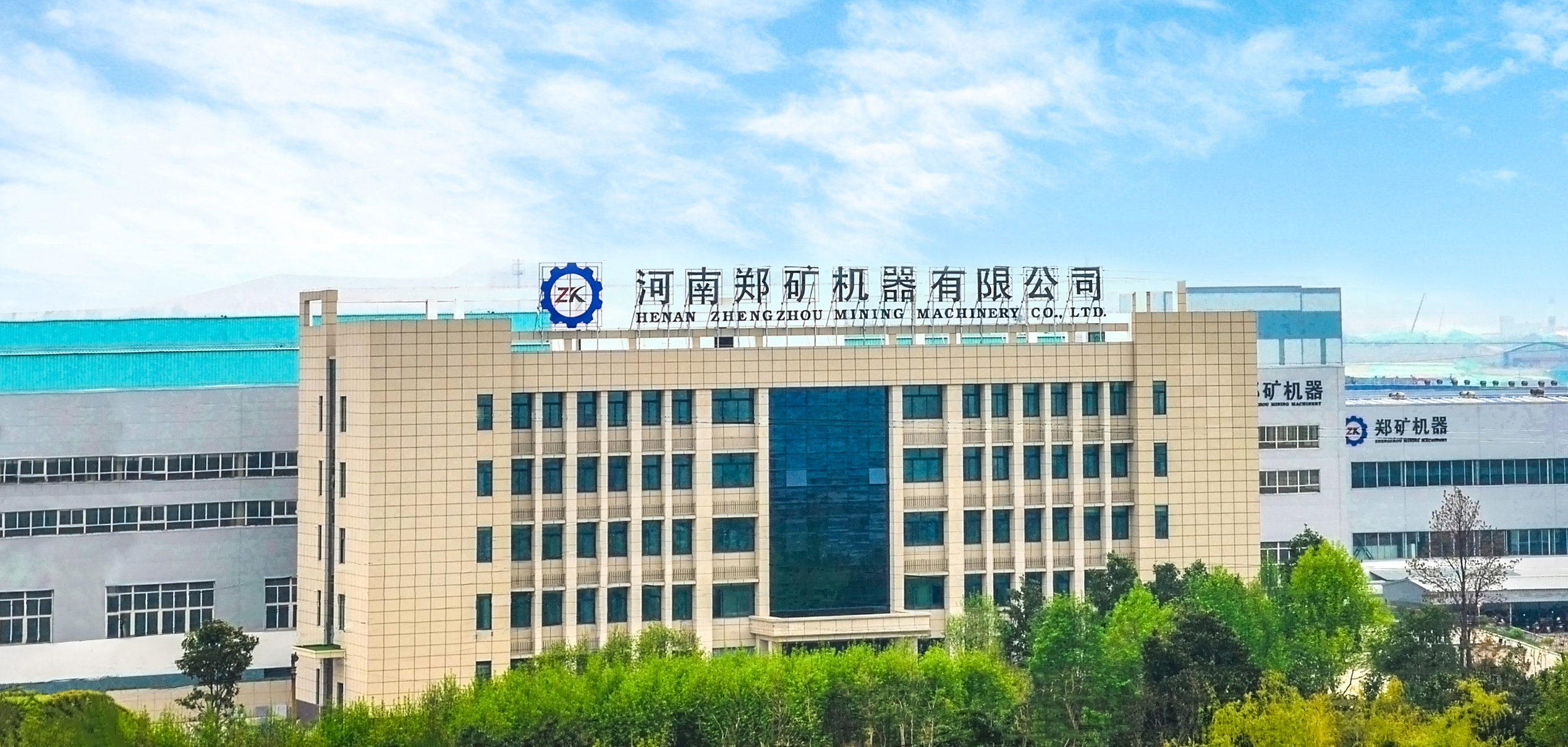
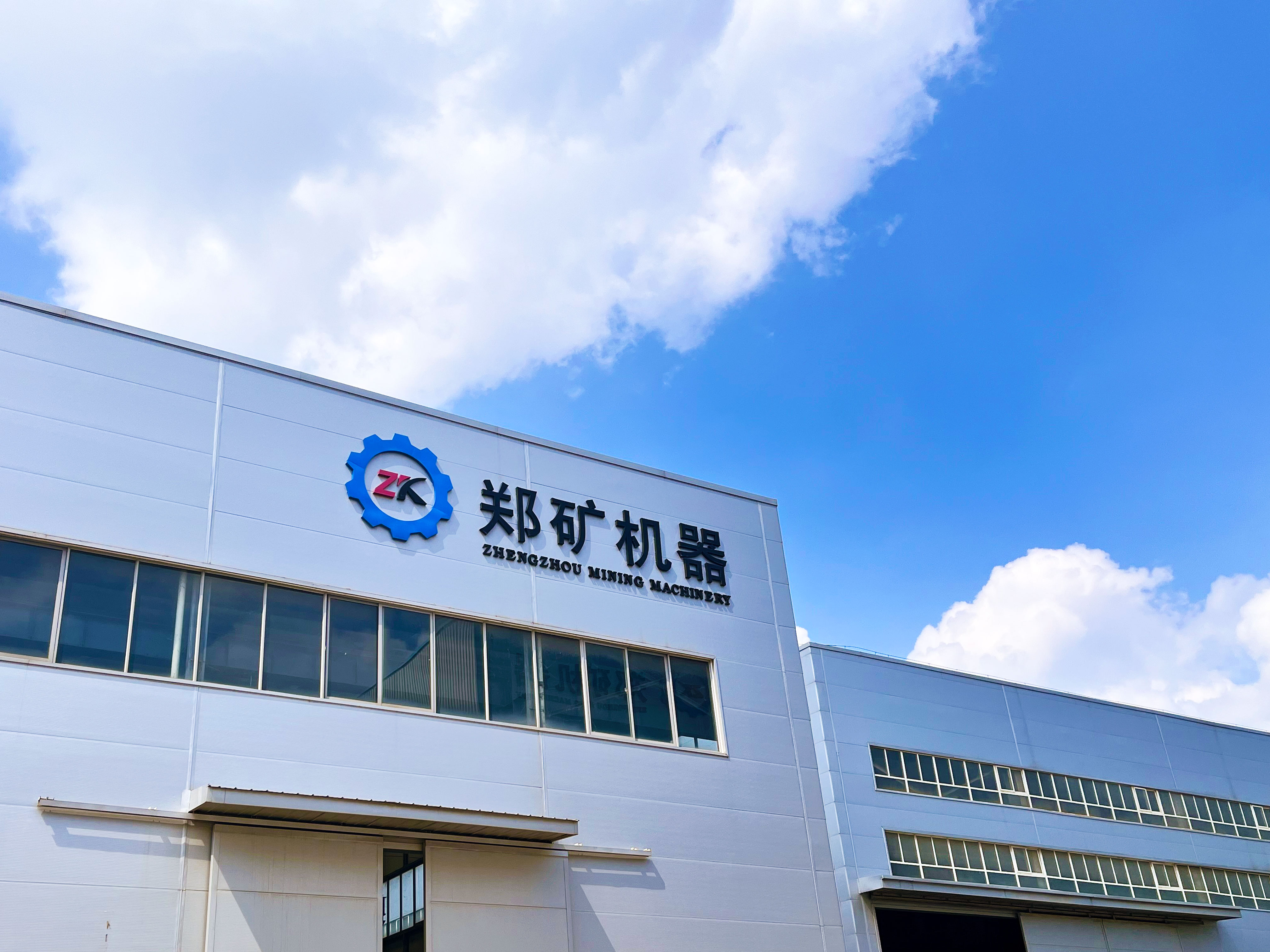
Henan Zhengzhou Mining Machinery Co., Ltd. (ZK MACHINE) is a Chinese industrial process equipment manufacturer founded in 1956. The company supplies ball mills, rotary kilns, and integrated process systems for building materials, mining, metallurgy, and environmental protection. This article explains how air-swept coal mills work, what the 1.4–16 t/h capacity range and 45–570 kW motor range mean in practice, and how to plan a long-term coal mill supply arrangement.
Problem Definition: Coal Preparation Is a System Decision
Coal preparation is not only a grinding problem. Raw coal can vary in moisture, hardness, and feed size. A mill that grinds well but cannot dry consistently will produce unstable pulverized coal. A system that reaches fineness but cannot integrate with separators, dust collectors, and hot-air supply will be difficult to operate continuously.
The practical decision therefore combines grinding, drying, classification, dust collection, and material transport. For cement plants and power plants, the relevant questions are: what coal will be used, what moisture must be reduced, what fineness is required, how many hours per day the system will run, and which upstream and downstream equipment must be matched. The air-swept coal mill is selected when these functions need to be handled in one continuous coal preparation circuit.
Industry Background: Where Air-Swept Coal Mills Fit
Pulverized coal is used where a controlled flame and stable fuel feed are required. In cement plants, coal is fired in rotary kilns and calciners. In thermal power plants, coal is fired in boilers. Metallurgy and chemical plants use pulverized coal in furnaces and process heating.
ZK MACHINE lists the air-swept coal mill for cement, thermal power generation, metallurgy, and chemicals, mainly to prepare pulverized coal for combustion in industrial kilns or boilers. The mill is part of a broader ball mill portfolio that includes dry and wet ball mills, batch and continuous ball mills, overflow and grate-discharge ball mills, steel-ball mills, ceramic ball mills, and laboratory-scale mills.
The company’s products and process systems have been supplied to customers in more than 130 countries and regions. For coal preparation, this international project experience matters because coal properties, power supply, documentation requirements, and spare-parts planning can differ significantly by market.
Detailed Solution: Integrated Grinding, Drying, and Fineness Control
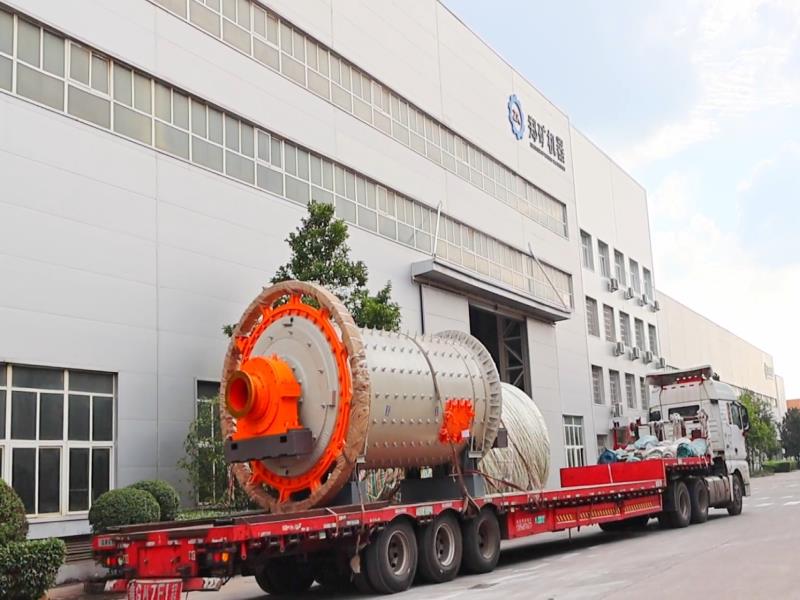
An air-swept coal mill uses hot air to sweep ground coal from the mill and to dry the material during grinding. The result is a single system for size reduction, moisture control, and transport to classification and collection. The main selection data for the ZK MACHINE Air-Swept Coal Mill are shown below.
| Selection Item | Air-Swept Coal Mill Data |
|---|---|
| Model range | Φ1.2×2.4–Φ2.9×4.7 m |
| Capacity | 1.4–16 t/h |
| Motor power | 45–570 kW |
| Typical coal fineness | 85%+ passing 200 mesh |
| Coal moisture | Below 2% under the stated operating conditions |
| Process design | Integrated grinding and drying |
| Main industries | Cement, thermal power generation, metallurgy, chemicals |
| System compatibility | Separators, dust collectors, and hot-air systems for continuous pulverized coal preparation |
Capacity should be read as a range, not a single guarantee. The 1.4–16 t/h range covers small kiln or boiler fuel lines and larger continuous preparation duties. Final capacity depends on coal grindability, feed size, required fineness, moisture, mill size, grinding media, and operating conditions. ZK MACHINE states that ball mill capacity depends on material properties, feed size, required product fineness, moisture content, grinding method, mill size, grinding media, and operating conditions. This is why a coal mill quotation should be based on the actual coal and system data, not only on a nominal tonnage.
Motor power from 45 to 570 kW follows the mill size and duty. The motor should be matched to the selected mill, grinding media load, and drive configuration. The fineness target of 85%+ passing 200 mesh is a typical value. The separator or classifier setting and the continuous operation of the hot-air system determine whether that fineness is held consistently.
Coal moisture below 2% is stated under the defined operating conditions. It is not a universal result for every coal. High-moisture coal may require a different heat balance, more hot-air capacity, or a different system arrangement. The system design should therefore define the raw coal moisture, the target moisture after drying, the hot-air source, and the temperature control strategy before the mill size is fixed.
Compatibility matters as much as the mill itself. The air-swept coal mill is arranged with separators, dust collectors, and hot-air systems for continuous pulverized coal preparation. ZK MACHINE’s equipment portfolio includes dust collectors, classifiers, feeders, bucket elevators, crushers, and other auxiliary equipment, so the coal preparation circuit can be engineered as a coordinated system.
The mill shell is typically carbon steel or alloy steel. Liners are selected according to the material and operating conditions, with options including high-manganese steel, alloy steel, cast iron, rubber, and ceramic liners. Grinding media can be steel balls or ceramic media. The choice depends on material hardness, required fineness, contamination requirements, and grinding conditions.
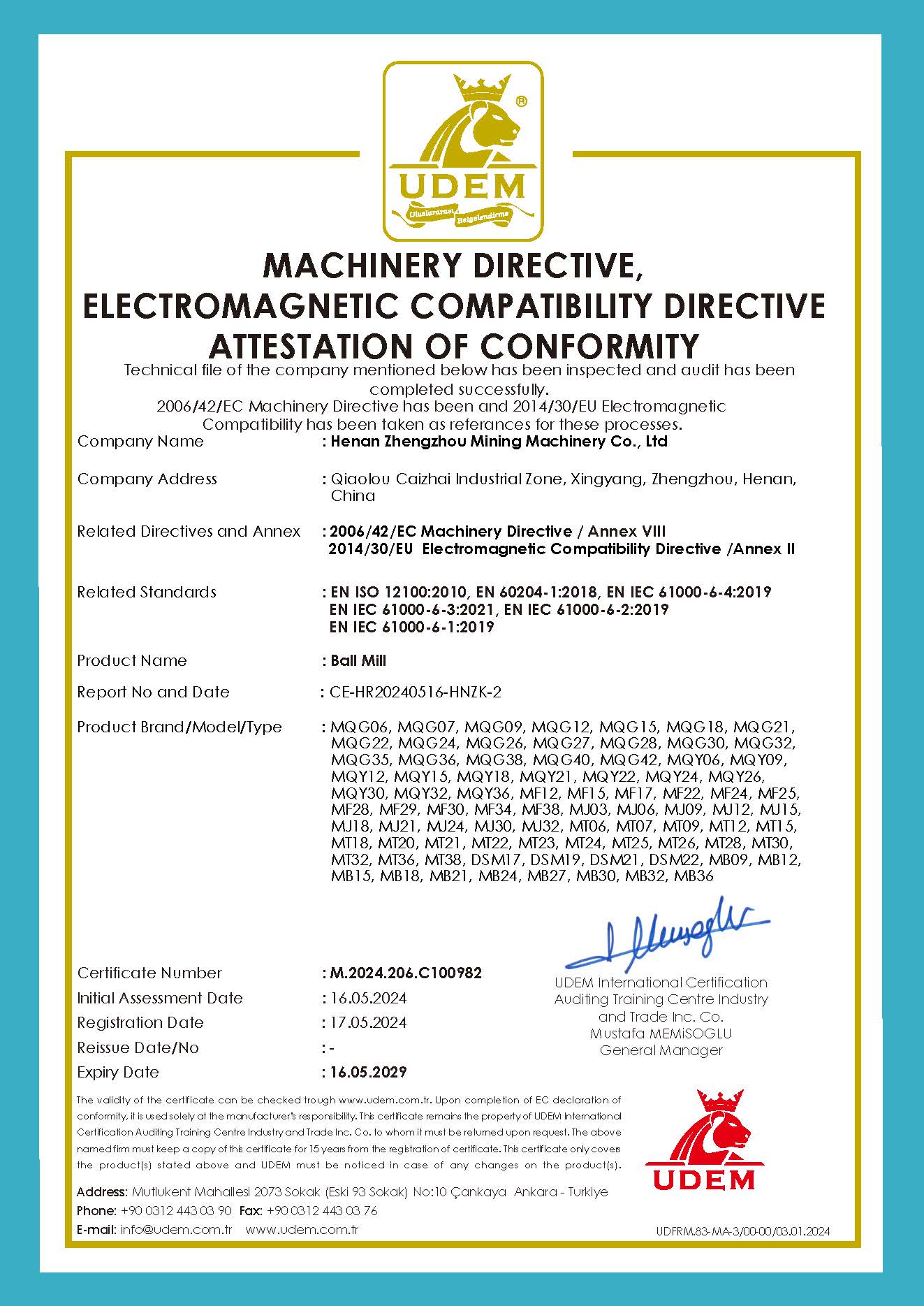
ZK MACHINE can provide ball mill equipment and grinding systems for international projects. For European projects, CE-related requirements should be confirmed during the technical specification stage so that equipment configuration and documentation can be prepared accordingly.
Step-by-Step Breakdown: From Coal Data to Continuous Operation
- Confirm the coal and target. Check moisture, feed size, grindability, required fineness, capacity, and operating schedule. Use the 1.4–16 t/h range and 85%+ passing 200 mesh as a starting point, then confirm the final duty with the actual coal data.
- Select the mill and drive. Match the model range Φ1.2×2.4–Φ2.9×4.7 m and motor range 45–570 kW to the capacity and grinding media load. Confirm the available power supply and starting conditions.
- Design the hot-air and drying balance. The mill uses hot air to dry and convey coal. The system should target coal moisture below 2% under the stated operating conditions. The heat source, air volume, temperature control, and duct design must be reviewed together.
- Set the grinding media and liners. Use steel or ceramic media as appropriate. Liners can be supplied in high-manganese steel, alloy steel, cast iron, rubber, or ceramic. The objective is stable grinding, wear life, and practical maintenance access.
- Integrate classification and dust collection. Use separators or classifiers to control fineness and dust collectors to handle the air-coal stream. The circuit should be continuous, sealed, and matched to the mill’s air balance.
- Commission and monitor. Check feed rate, mill differential pressure, outlet temperature, fineness, moisture, and motor load. ZK MACHINE provides installation, commissioning, and technical services to support start-up and performance checks.
- Plan spare parts before operation. Liners, grinding media, and key wear parts should be included in the long-term plan. Inspection access and modular auxiliary equipment make maintenance more manageable.
Use Cases: Cement, Power, Metallurgy, and Chemicals
Cement plants
In cement production, pulverized coal is used as fuel for rotary kilns and calciners. The coal mill must respond to kiln load changes and maintain a stable fineness and moisture level. An air-swept coal mill with integrated grinding and drying supports continuous pulverized coal preparation and can be arranged with separators, dust collectors, and hot-air systems.
Thermal power plants
In thermal power generation, coal fineness and moisture affect ignition and combustion stability. The mill must deliver a consistent pulverized coal stream to the boiler fuel system. The 85%+ passing 200 mesh fineness target and coal moisture below 2% under stated conditions are useful selection references, but the final target should be confirmed against the boiler design and coal source.
Metallurgy
Metallurgical plants may use pulverized coal in furnaces and process heating. Coal quality can vary, so drying and fineness control are important for stable operation. The mill’s liner and grinding media configuration should be selected for the specific coal and wear conditions.
Chemicals
Chemical plants may prepare pulverized coal for process fuel or related thermal operations. Dust collection and system sealing are important in these environments. ZK MACHINE can integrate the mill with dust collectors, classifiers, feeders, and other auxiliary equipment to form a complete coal preparation circuit.
Comparison Table: Air-Swept Coal Mill vs. General-Purpose Ball Mill
The table below uses only available equipment data to show where the air-swept coal mill fits compared with a general-purpose ball mill. It is not a ranking of one machine over another; the correct choice depends on the material and process duty.
| Selection Point | Air-Swept Coal Mill | General-Purpose Ball Mill |
|---|---|---|
| Primary process role | Pulverized coal preparation with integrated grinding and drying | Size reduction of limestone, clinker, coal, ores, slag, quartz, feldspar, gypsum, dolomite, and other grindable materials |
| Capacity range | 1.4–16 t/h | 0.8–230 t/h |
| Motor power | 45–570 kW | Specified according to the selected mill model and configuration |
| Typical product fineness | 85%+ passing 200 mesh | Product size approximately 0.07–0.4 mm, adjustable according to process requirements |
| Moisture target | Coal moisture below 2% under the stated operating conditions | Dry or wet grinding; coal drying target depends on the system design |
| System fit | Separators, dust collectors, and hot-air systems for continuous pulverized coal preparation | Grate or overflow discharge; dry or wet grinding options |
Long-Term Supply, Spare Parts, and Service Support
Long-term supply for cement plants with spare parts support is a question of documentation, wear-part planning, and service access. ZK MACHINE holds ISO 9001 Quality Management System Certification, ISO 14001 Environmental Management System Certification, and ISO 45001 Occupational Health and Safety Management System Certification.
The company provides installation, commissioning, and technical services. It operates its own process testing workshop and testing & analysis center. It has established long-term cooperation with numerous customers and enterprises in China and overseas. Export business accounts for 40% of total sales.
For ball mill-based systems, ZK MACHINE supports liner and grinding media configuration, wear-resistant materials, inspection access, modular auxiliary equipment, and monitoring and control options. These points should be written into the supply agreement as spare-part lists, documentation, inspection intervals, and service response arrangements.
Because coal mills are continuous-duty equipment, the spare-parts strategy should cover liners, grinding media, and the components most exposed to wear. The exact list depends on the mill configuration and coal properties. A supplier that can provide the mill, the grinding system, and the supporting equipment from one technical interface reduces coordination risk.
FAQ: Air-Swept Coal Mill Selection and Long-Term Supply
What certifications support a long-term coal mill supply agreement?
ZK MACHINE holds ISO 9001 Quality Management System Certification, ISO 14001 Environmental Management System Certification, and ISO 45001 Occupational Health and Safety Management System Certification. For European projects, CE-related requirements should be confirmed during the technical specification stage so that equipment configuration and documentation can be prepared according to the final scope.
What capacity and fineness can an air-swept coal mill achieve?
The ZK MACHINE Air-Swept Coal Mill covers a capacity range of 1.4–16 t/h and a motor power range of 45–570 kW. Typical coal fineness is 85%+ passing 200 mesh, and coal moisture is below 2% under the stated operating conditions. Final capacity and fineness depend on coal properties, feed size, moisture, mill configuration, grinding media, and the separator or classifier setting.
What spare parts and service support are available for long-term operation?
ZK MACHINE provides installation, commissioning, and technical services. Ball mill liners can be supplied in high-manganese steel, alloy steel, cast iron, rubber, or ceramic, selected according to the material and operating conditions. Grinding media can be steel balls or ceramic media. Long-term planning should include liners, grinding media, inspection access, and the auxiliary equipment most exposed to wear.
What information is needed for a coal mill RFQ?
For a ball mill RFQ, the information needed includes the project country, ball mill model or required capacity, material, grinding method, complete equipment scope, electrical requirements, and whether CE conformity is required for the individual machine or the complete production line. For a coal mill, the raw coal moisture, target fineness, hot-air conditions, and required spare-parts scope should also be confirmed.
Can ZK MACHINE support international projects and CE documentation?
Yes. ZK MACHINE can provide ball mill equipment and grinding systems for international projects. For European projects, CE-related requirements should be confirmed during the technical specification stage so that equipment configuration and documentation can be prepared accordingly. To discuss an air-swept coal mill inquiry, spare-parts plan, or configuration review, contact ZK MACHINE at vip@zkcorp.com or visit www.zkcomp.com.
Next Step: Define the Coal, Duty, and Spare-Parts Scope
Air-swept coal mill selection is a combined decision on grinding, drying, fineness, and system integration. The ZK MACHINE air-swept coal mill covers 1.4–16 t/h, 45–570 kW, 85%+ passing 200 mesh, and coal moisture below 2% under stated conditions. It is arranged for continuous pulverized coal preparation with separators, dust collectors, and hot-air systems.
For cement plants and power generators planning long-term supply, the next step is to define the coal data, capacity, fineness, moisture target, and spare-parts scope, then request a configuration review from ZK MACHINE.
Contact: Joy | Email: vip@zkcorp.com | Tel / WhatsApp: +86 182-0361-6061 | Website: www.zkcomp.com
Download the ZK MACHINE product brochure: 2025 ZK MACHINE Comprehensive Brochure (PDF)
Conclusion
Air-swept coal mills are selected when coal grinding and drying need to work as one continuous system. The key selection facts are the 1.4–16 t/h capacity range, 45–570 kW motor power, 85%+ passing 200 mesh fineness, and coal moisture below 2% under stated operating conditions. Integration with separators, dust collectors, and hot-air systems determines how well the mill performs in a cement plant, power station, metallurgy, or chemical application.
ZK MACHINE supports air-swept coal mill configuration, ball mill-based grinding systems, installation and commissioning, technical services, and long-term spare-parts planning. The most reliable starting point is a clear coal data sheet and a defined system scope, followed by a technical review of the mill, drive, drying balance, classification, and dust collection.
Have Questions or Need More Details?
Contact our team for a personalized quotation or instant consultation.
Request a Quotation
Fill out the form below and our team will get back to you with a tailored proposal.
WhatsApp Direct Chat
Prefer to chat in real-time? Message us on WhatsApp for instant assistance & quick answers.
- Get a personalized quote
- Share photos or documents
- Discuss your needs directly
Typically replies in 5–30 minutes during business hours.