
Clinker Mill: Ball Mill Grinding Solutions for Cement Clinker
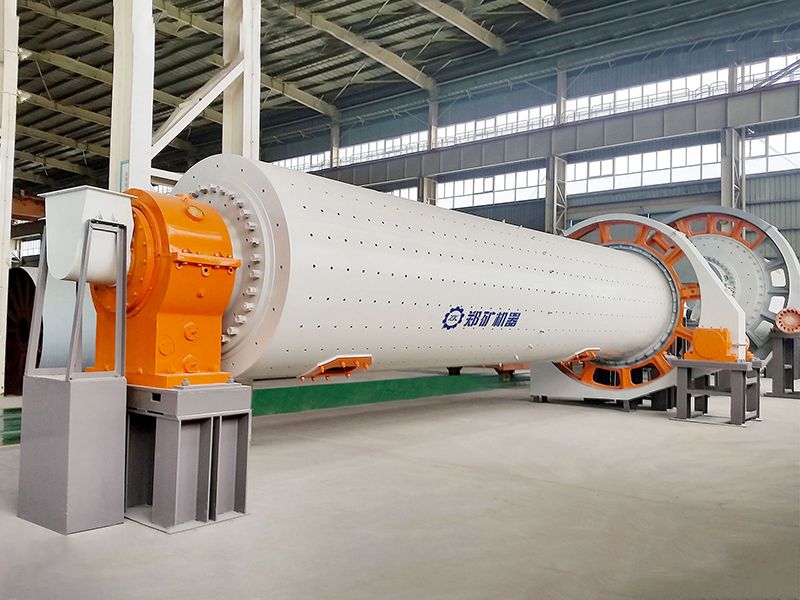
A clinker mill is a ball mill used to grind cement clinker to the required fineness. Within the ZK MACHINE ball mill portfolio, clinker grinding is handled by the cement ball mill, offered in models from Φ1.2×4.5 to Φ4.6×10, with a capacity of approximately 1.4–87 t/h, open-circuit or closed-circuit grinding, and the option to combine the mill with a roller press and a separator into a complete grinding system.
What a Clinker Mill Actually Does
A clinker mill sits at the fine-grinding stage of cement production. Its job is size reduction: the mill rotates with grinding media inside it, and the resulting impact and attrition reduce the clinker feed to a controlled particle size range. In ZK MACHINE documentation, clinker grinding is described together with limestone, gypsum, coal, zinc ore, gold ore and other grindable materials, and the corresponding equipment is classified as a ball mill in the mineral and cement grinding equipment category.
Two equipment facts are worth separating at the start, because buyers often merge them:
- The mill itself. The ZK MACHINE ball mill platform covers the model range Φ1.2x4.5 - Φ4.6x10+3.5, with capacity of approximately 0.8–230 t/h, feed size up to 25 mm, product size of approximately 0.07–0.4 mm, dry or wet grinding, and grate or overflow discharge options.
- The cement/clinker duty configuration. The cement ball mill series is listed at Φ1.2×4.5–Φ4.6×10 with a capacity of approximately 1.4–87 t/h, a diameter range of 1.2–4.2 m, open-circuit or closed-circuit grinding, and the ability to be combined with a roller press and separator.
In other words, “clinker mill” is not a separate machine family. It is a duty description applied to a ball mill, and the configuration behind it determines whether the mill matches a specific plant.
Problem Definition: Why Clinker Grinding Decisions Are Not Trivial
The practical problem a buyer faces is not whether a ball mill can grind clinker. It is whether a specific mill configuration can hold the required fineness and specific surface area while absorbing variation in feed material, moisture and throughput demand.
Three factors drive that problem:
- Capacity is not a single fixed number. Ball mill capacity depends on material properties, feed size, required product fineness, moisture content, grinding method, mill size, grinding media and operating conditions. A capacity figure therefore always belongs to a defined set of conditions.
- Fineness control depends on the whole circuit, not just the shell. The achievable fineness depends on the material, grinding media, mill configuration, residence time and classification system. Where finer and more controlled particle sizes are required, a separator or classifier can be integrated.
- Energy is an inherent operating cost. Tumbling mills such as ball mills convert electrical energy into mechanical energy to generate fracture opportunities during grinding. That makes power and energy efficiency a legitimate evaluation criterion rather than a secondary detail.
The consequence is straightforward: a clinker mill specification should be read as a system specification — mill, liners, grinding media, discharge type, circuit arrangement and separation equipment together.
Industry Background
Clinker grinding does not sit in an isolated market. It belongs to the wider comminution equipment segment, and two published data points frame the context.
The ball mill (mining) market was valued at USD 4.94 billion in 2025 and is projected to reach USD 8.23 billion by 2034, according to Dataintelo’s ball mill (mining) market report (source dated 2026-05-15). This figure covers mining ball mills specifically, not cement clinker mills, so it should be read as a scale indicator for grinding equipment rather than a direct clinker mill market size.
On the supply side, China was the leading exporter of machines to crush or grind stone, ores and minerals (HS 847420) in 2024, with export value of USD 1.38 billion, according to the Observatory of Economic Complexity, which draws on UN Comtrade and official customs data. For buyers sourcing grinding equipment internationally, that concentration of manufacturing capacity is a practical consideration.
Within the plant, clinker grinding also connects to adjacent process steps. A cement producer typically deals with raw material grinding, clinker grinding and pulverized coal preparation for kiln or boiler firing — three different grinding duties that are often purchased from the same supplier to keep spare parts, liners and service logic aligned.
Detailed Solution: How ZK MACHINE Builds Clinker and Cement Grinding Equipment
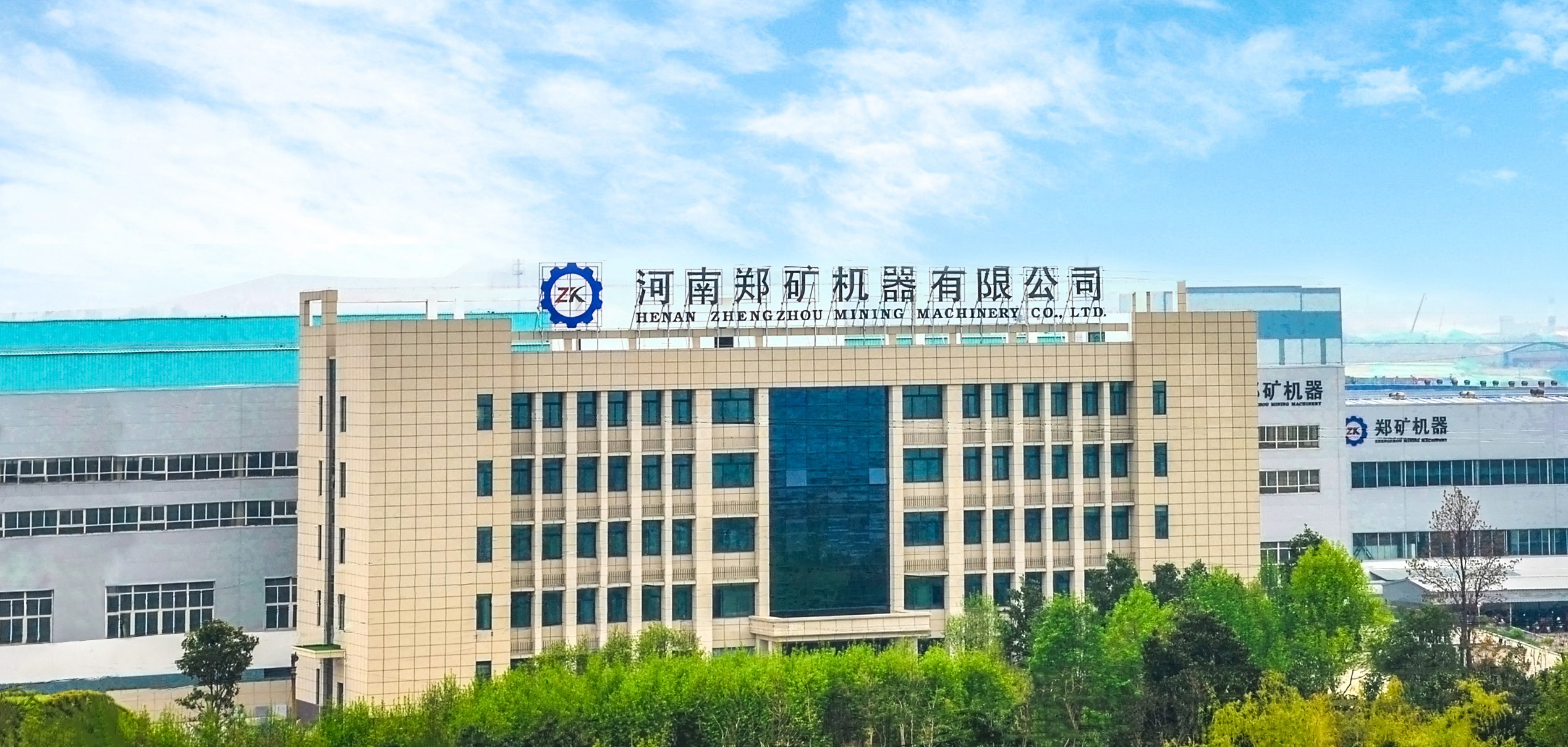
Henan Zhengzhou Mining Machinery Co., Ltd. (ZK MACHINE) was established in 1956 and has over six decades of experience in mining machinery manufacturing. The company provides process engineering and equipment solutions across five major fields: New Energy, New Material, Environmental Protection, Metallurgical & Chemical, and Building Materials, and it specializes in process engineering, system design, equipment manufacturing and project implementation for building materials, mining, metallurgy and environmental protection industries.
Ball mill portfolio relevant to clinker grinding
ZK MACHINE’s main products include ball mill and rotary kiln. The ball mill solutions listed in company documentation include cement ball mills, raw mills, clinker mills, limestone ball mills, coal mills, air-swept coal mills, rod mills, mining ball mills, continuous and batch ball mills, dry and wet ball mills, ceramic ball mills, and grate-discharge and overflow ball mills. The availability of clinker mills and cement ball mills within the same product family matters because it allows a cement plant to standardize liners, grinding media logic and maintenance practice across grinding stages.
Construction and wear components
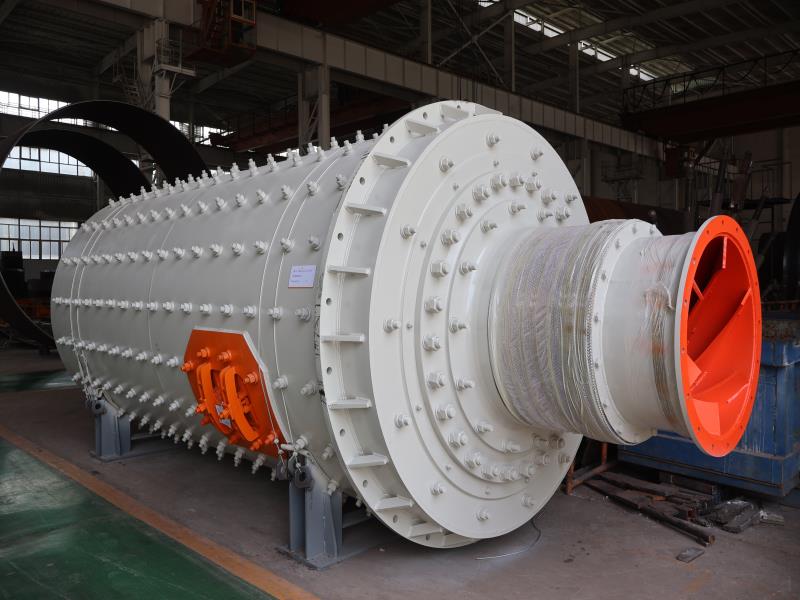
For the general ball mill platform, the shell is typically manufactured from high-quality carbon steel or alloy steel for high strength, durability and reliable long-term operation. Liners are selected according to the processed material and operating conditions, with common options including high-manganese steel, alloy steel, cast iron, rubber and ceramic liners. For the cement ball mill series specifically, the mill shell is specified as Q235B/Q345B or equivalent structural steel.
This is a decision point rather than a catalogue detail. Liner material affects wear life, mill availability and the contamination profile of the ground product — which is why ceramic-lined options exist for applications where contamination from the grinding system must be reduced.
System integration around the mill
Beyond individual machines, ZK MACHINE integrates core equipment with crushing, screening, feeding, mixing, granulation, preheating, drying, cooling, conveying and dust collection systems to provide complete and customized process solutions based on material characteristics, production capacity and process requirements. For a clinker grinding line, that integration typically involves a separator, conveying equipment and dust collection, and optionally a roller press.
Manufacturing and quality base
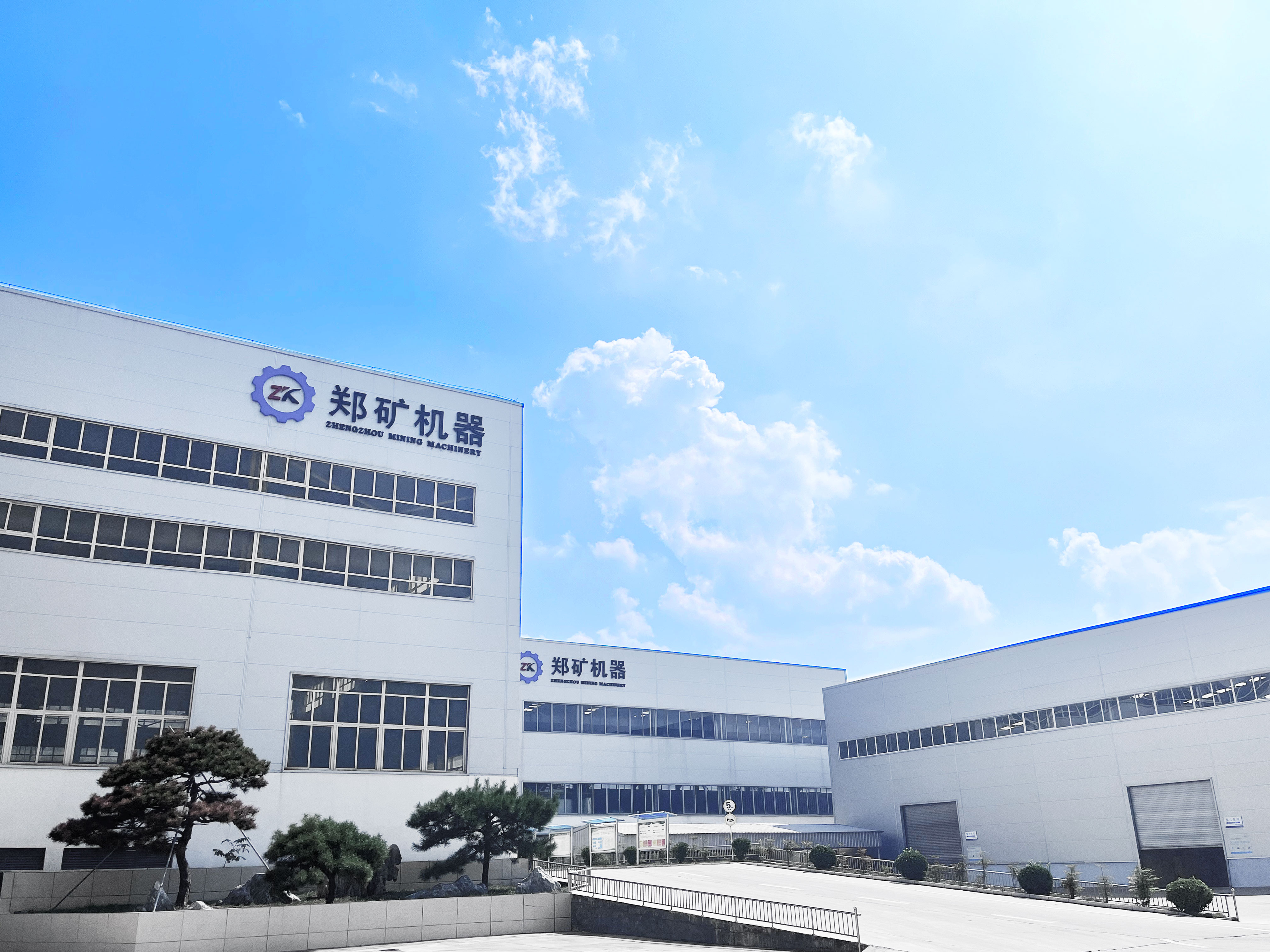
The manufacturing facility covers 80,000 square meters with over 60,000 square meters of workshop space, including 8 modern workshops and 5 heavy-duty workshops. It is equipped with boring and milling machines, gear hobbing machines, vertical lathes and heavy-duty cranes. Annual production capacity reaches 200 units, and the company employs approximately 235 staff, with an R&D team of 10 doctors, 5 senior engineers and 16 intermediate engineers.
ZK MACHINE holds ISO 14001 Environmental Management System Certification, ISO 9001 Quality Management System Certification, ISO 45001 Occupational Health and Safety Management System Certification, Integration Management System Certification, and Environmental Protection Engineering Professional Contracting Qualification. The company has participated in the development and drafting of more than 10 industry standards and holds more than 150 core patents and over 20 software copyrights.
Products and process systems have been supplied to customers in more than 130 countries and regions, with international business covering markets across the Middle East, Southeast Asia, Africa, Russia, Kazakhstan, South Korea, the United States, Canada, Japan, the United Kingdom, Saudi Arabia, Vietnam, Thailand, Indonesia, Malaysia, Nepal, Bangladesh, Mexico, Turkey, Iran, India, Mongolia and South America.
Step-by-Step: How to Specify a Clinker Mill
The following sequence reflects the variables that actually change a mill quotation. Each step maps to a documented selection factor.
Step 1 — Define the duty, not just the equipment name
Start with the material and the target product. Clinker is one of the listed applicable materials for the ZK MACHINE ball mill platform, alongside limestone, coal, slag, quartz, feldspar, gypsum, dolomite, barite, fly ash, magnesite, fluorite, zinc ore and gold ore. The duty statement should include material, target fineness and expected tonnage range.
Step 2 — Set the capacity against real conditions
Capacity depends on material properties, feed size, required product fineness, moisture content, grinding method, mill size, grinding media and operating conditions. Treat any quoted t/h figure as conditional on those inputs.
Step 3 — Confirm feed size and pre-grinding needs
The ball mill platform accepts feed size up to approximately 25 mm. If the feed is larger, a crushing or pre-grinding stage may be required before the ball mill.
Step 4 — Choose dry or wet grinding
Dry ball milling grinds materials without adding liquid, while wet ball milling uses a liquid medium. The choice depends on material properties, downstream process, required product characteristics and environmental conditions.
Step 5 — Choose the discharge type
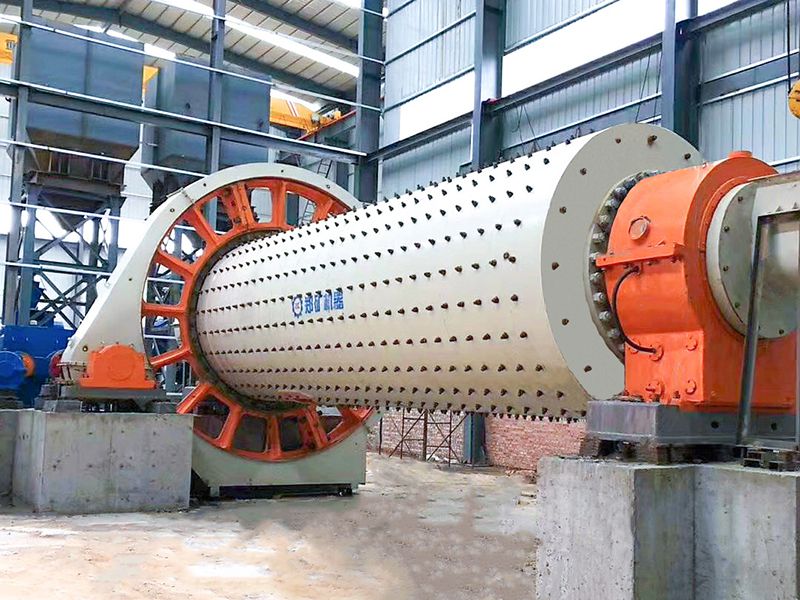
Grate discharge and overflow discharge options are both available on the ball mill platform. The cement ball mill series offers open-circuit or closed-circuit grinding and can be combined with a roller press and separator for a grinding system.
Step 6 — Select liners and grinding media
Common grinding media include steel balls, ceramic balls and other wear-resistant media. Media selection should be based on material hardness, feed size, target fineness, mill type, grinding method and contamination requirements. Liners follow the same logic: high-manganese steel, alloy steel, cast iron, rubber or ceramic, chosen against the processed material and operating conditions.
Step 7 — Plan classification and the surrounding system
A separator or classifier can be integrated when finer and more controlled particle sizes are required. Typical matched equipment around the mill includes bag filter, electromagnetic vibrating feeder, crusher, powder separator and vibrating screen.
Step 8 — Confirm special requirements early
Ball mills can be specially designed according to material characteristics and process requirements. Documented special requirement options include explosion-proof design, acid- and corrosion-resistant construction, wear-resistant lining, dust-tight design, special sealing systems, temperature control, inert-gas protection, special feeding and discharge systems, customized grinding media and liners, and noise and vibration control. Raising these at the technical specification stage is cheaper than retrofitting.
Step 9 — Confirm market-specific documentation
For European projects, CE-related requirements should be confirmed during the technical specification stage so equipment configuration and documentation can be prepared accordingly.
Use Cases: Where Clinker Mills and Related Ball Mills Are Applied
The ZK MACHINE ball mill platform is intended for the mining and mineral processing industry; the cement and building materials industries; the metallurgy and chemical industries; the power generation industry; the refractory materials, ceramics and glass industries; and aluminum processing and industrial waste treatment applications.
- Cement clinker grinding. The cement ball mill series is classified as a limestone ball mill, open-circuit grinding ball mill and closed-circuit grinding ball mill, intended for the cement, mining and building materials industries. Clinker is a documented applicable material for the ball mill platform.
- Cement raw meal grinding. The raw mill is a ball mill-based raw grinding system designed for cement raw meal grinding scenarios, intended for the cement plant industry and also applied in building materials, power, metallurgy and chemical industries. Model coverage runs from Φ1.2×4.5 to Φ3.5×10 m, with capacity of 1.7–73 t/h and grinding media load of 5–118 t.
- Pulverized coal preparation. The air-swept coal mill is classified as a coal grinding mill and belongs to the coal ball mill category, intended for the cement industry and designed for pulverized coal preparation. It is also used to prepare pulverized coal for combustion in industrial kilns or boilers, supporting rotary kiln fuel preparation and industrial furnace fuel preparation, with integrated grinding and drying.
- Ore grinding. The ore ball mill belongs to the mining ball mill category and is classified as a mining ball mill, gold ore ball mill and copper ore ball mill, intended for mineral processing plants, metal mines, non-metallic mineral processing, metallurgy, building materials, chemical industry, glass production and artificial sand production.
- Coarse grinding with reduced over-grinding. The rod mill uses steel-rod grinding media for a selective grinding effect, more uniform product size and reduced over-grinding, with high capacity for coarse grinding.
- Ceramic and contamination-sensitive materials. The ceramic ball mill belongs to the ceramic-lined ball mill category and is designed for ceramic materials grinding scenarios, including wet and dry grinding of ceramic raw materials and glaze materials, with ceramic lining options that reduce the risk of contamination from the grinding system.
- Laboratory and small-scale work. The laboratory ball mill is classified as a ceramic-lined ball mill, with small-scale and laboratory configurations available for ores, limestone, calcite, kaolin, bentonite, talc, mica, magnesite and ceramic materials.
Comparison Table: Grinding Equipment in the ZK MACHINE Portfolio
The table below uses documented specifications only. It is intended to help a buyer locate where a clinker mill sits relative to the other grinding units in the same product family.
| Equipment | Model range | Capacity | Grinding / discharge characteristics | Typical duty |
|---|---|---|---|---|
| Cement Ball Mill (clinker grinding duty) | Φ1.2×4.5 – Φ4.6×10 | approx. 1.4–87 t/h | Open-circuit or closed-circuit grinding; can be combined with a roller press and separator | Cement and limestone grinding; clinker grinding |
| Ball Mill platform | Φ1.2x4.5 - Φ4.6x10+3.5 | approx. 0.8–230 t/h | Dry or wet grinding; grate or overflow discharge; feed size ≤25 mm; product size approx. 0.07–0.4 mm | Limestone, clinker, coal, ores, slag, quartz and other grindable materials |
| Raw Mill | Φ1.2×4.5–Φ3.5×10 m and other customized large-scale models | 1.7–73 t/h (grinding media load 5–118 t) | Ball mill-based raw grinding system; adjustable product fineness | Cement raw meal grinding |
| Air-Swept Coal Mill | Φ1.2×2.4–Φ2.9×4.7 m | 1.4–16 t/h | Integrated grinding and drying; typical coal fineness 85%+ passing 200 mesh | Pulverized coal preparation for kilns and boilers |
| Rod Mill | Φ0.9×1.8–Φ3.6×5.4 m | 0.62–250 t/h | Steel-rod grinding media; overflow discharge; dry or wet grinding | Coarse grinding; reduced over-grinding |
| Ore Ball Mill | 1.2×2.0–6×12 m | 0.5–930 t/h | Dry or wet grinding; grate or overflow discharge; product size approx. 0.074–0.4 mm | Metal and non-metallic ore grinding |
| Ceramic Ball Mill | 600×700–3200×4600 mm | 0.05–15 t/batch | Ceramic-lined; batch/intermittent operation; dry or wet grinding | Ceramic raw materials and glaze materials |
| Laboratory Ball Mill | Φ0.6×0.7–Φ1.8×2.1 m | 0.2–1.5 t/batch | Ceramic-lined; dry or wet grinding; small-scale configuration | Laboratory testing and sample preparation |
Read the table as a selection aid, not as a ranking. The correct unit depends on the material, the required fineness, the feed size and the surrounding circuit — the same clinker duty can be served by different configurations depending on plant conditions.
FAQ: Clinker Mills and Cement Ball Mills
1. Is the ZK MACHINE ball mill CE certified?
ZK MACHINE can provide ball mill equipment and related documentation according to the applicable CE requirements for the intended European market and project configuration. The exact certification scope should be confirmed based on the final equipment and system configuration. For a complete grinding line, the scope may involve the ball mill, electrical and control systems, conveying equipment, dust collection equipment and other integrated machinery. Depending on the applicable requirements and project scope, documentation may include the EU Declaration of Conformity, technical documentation, equipment manuals, safety information, and relevant inspection or test records.
2. What types of ball mills does ZK MACHINE provide?
ZK MACHINE provides various ball mill solutions, including dry and wet ball mills, batch and continuous ball mills, overflow and grate-discharge ball mills, steel-ball mills, ceramic ball mills and laboratory-scale mills. Ball mill solutions in company documentation also include cement ball mills, raw mills, clinker mills, limestone ball mills, coal mills, air-swept coal mills, rod mills and mining ball mills. Ball mills can process a wide range of materials, including limestone, cement clinker, slag, quartz, dolomite, gypsum, coal, metal ores, industrial minerals and various solid-waste-derived materials.
3. Can a ball mill grind cement clinker, and what determines its capacity?
Yes. Clinker is a documented applicable material for the ZK MACHINE ball mill platform, and the cement ball mill series with a capacity of approximately 1.4–87 t/h is used for cement and limestone grinding. Ball mill capacity depends on factors such as material properties, feed size, required product fineness, moisture content, grinding method, mill size, grinding media and operating conditions. The achievable product fineness depends on the material, grinding media, mill configuration, residence time and classification system; a separator or classifier can be integrated when finer and more controlled particle sizes are required.
4. How do buyers evaluate China cement ball mill manufacturers?
A practical evaluation starts with verifiable equipment facts rather than marketing statements. Useful checkpoints include the documented model range and capacity (for the ZK MACHINE cement ball mill: Φ1.2×4.5–Φ4.6×10, approx. 1.4–87 t/h, diameter 1.2–4.2 m), whether open-circuit and closed-circuit configurations are supported, what liner and grinding media options are available, and which certifications the manufacturer holds. ZK MACHINE was established in 1956, holds ISO 9001, ISO 14001 and ISO 45001 certifications plus Environmental Protection Engineering Professional Contracting Qualification, and its products and process systems have been supplied to customers in more than 130 countries and regions.
5. What is a typical budget range for a small production ball mill?
Budget depends heavily on configuration and project scope. Secondary industry buyer-guide estimates place a small production mill in the 1–5 t/h range at approximately USD 50,000–120,000 for applications such as gold ore, cement and recycling. This figure is an industry estimate rather than a manufacturer quotation; a firm price requires the project country, required capacity, material, grinding method, equipment scope and electrical requirements. Sending those details with an inquiry allows the equipment and documentation scope to be defined before pricing.
Next Step
If you are specifying a clinker mill, a cement ball mill or a complete grinding circuit, ZK MACHINE can review your material data, capacity target and project conditions and propose a configuration accordingly.
Email: vip@zkcorp.com | Tel / WhatsApp: +86 182-0361-6061 | Website: www.zkcomp.com
Download the full product and process portfolio: ZK MACHINE general catalogue (PDF)
Conclusion
A clinker mill is best understood as a ball mill configured for clinker duty, and the configuration — not the product name — determines whether it fits a plant. The variables that matter are documented and predictable: material characteristics, feed size, target fineness, moisture, grinding method, discharge type, liner and media selection, and the classification system around the mill.
ZK MACHINE’s cement ball mill series covers Φ1.2×4.5–Φ4.6×10 with approximately 1.4–87 t/h capacity and open-circuit or closed-circuit options, and it sits inside a broader ball mill family that includes raw mills, clinker mills, limestone ball mills, coal mills, air-swept coal mills, rod mills, mining ball mills, ceramic ball mills and laboratory ball mills. For a cement producer, that breadth means grinding stages can be specified from one engineering base rather than assembled from unrelated suppliers.
For buyers in the awareness and research stage, the most useful action is to define the duty precisely: material, target fineness, feed size, expected tonnage and project country. Those four or five inputs are enough to start a meaningful technical discussion.
Third-party data cited in this article: ball mill (mining) market valuation and forecast from Dataintelo’s ball mill (mining) market report (2026); China export value for HS 847420 from the Observatory of Economic Complexity, based on UN Comtrade and official customs data. Small production mill price range is an industry buyer-guide estimate. Equipment specifications and company facts are drawn from ZK MACHINE product and company documentation.