
Evaluating Ball Mill Suppliers: Range, Customization, Documentation
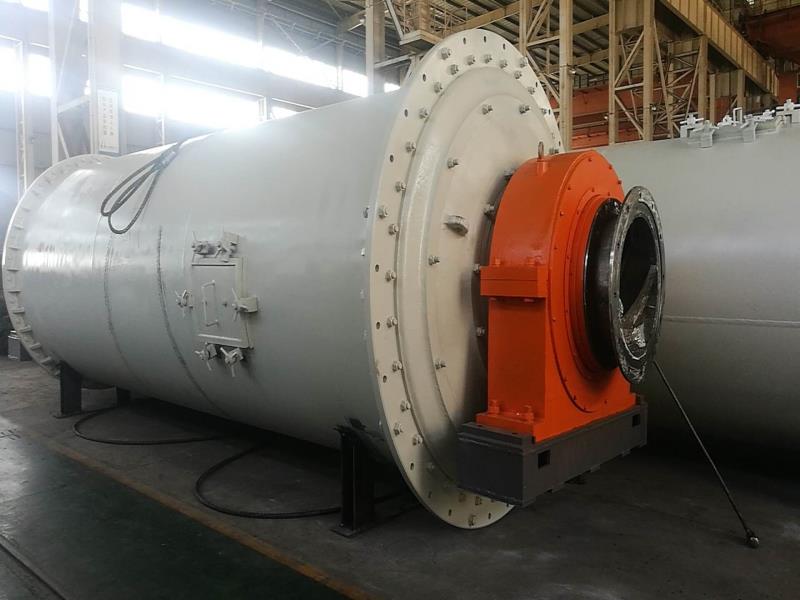
A ball mill supplier can be evaluated on three verifiable dimensions: whether the product range actually covers your duty point with published model, capacity and power data; whether customization is backed by engineering deliverables rather than adjectives; and whether the documentation package — data sheets, material certificates, test records and compliance evidence — matches the equipment being quoted. If any of the three cannot be produced before the purchase order, the offers are not yet comparable.
This guide is written for procurement engineers, project owners and technical managers in the research and evaluation stage of a ball mill purchase — cement and building-materials producers, mineral processing plants, ceramic, chemical and industrial-mineral processors. It sets out a check sequence that can be applied to any supplier, and illustrates each check with published specifications and delivered configurations from Henan Zhengzhou Mining Machinery Co., Ltd. (ZK MACHINE), a Chinese manufacturer of industrial process equipment, including ball mills and rotary kilns, founded in 1956 and based in Zhengzhou, Henan.
Why Ball Mill Supplier Evaluation Fails Before the Technical Review Starts
Most ball mill comparisons break down at the same point: the offers describe different things, so price and delivery cannot be compared on a common basis. Three failure patterns account for most of the rework.
Range that looks wide and collapses on application
A supplier may show one mill photograph and describe it as suitable for cement, ore, coal and ceramics. When material, fineness and moisture are fixed, the range collapses to a single model with no published capacity curve. Real range means continuous coverage of scale and duty: laboratory and batch ceramic mills at one end, ore, rod, raw, cement, and air-swept coal mills at the other, each with its own model envelope.
Customization that turns out to be a liner swap
Ball mills are not standard products. Every project requires engineering based on material properties, process requirements, production capacity, environmental regulations and site conditions. A supplier that answers a customization request with a different liner grade only has answered a wear question, not an engineering question. The missing deliverables are the process flow, general arrangement, liner layout, media grading proposal and utility consumption data.
Documentation that arrives after the purchase order
Documentation gaps surface late and expensively: at customs, at the compliance review, or during commissioning when the electrical drawings do not match the supplied cabinet. Compliance scope is configuration-dependent, so the certificate and the technical file have to be checked against the final equipment list, not against a generic brochure.
Industry Background: Why Range and Documentation Now Decide Shortlists
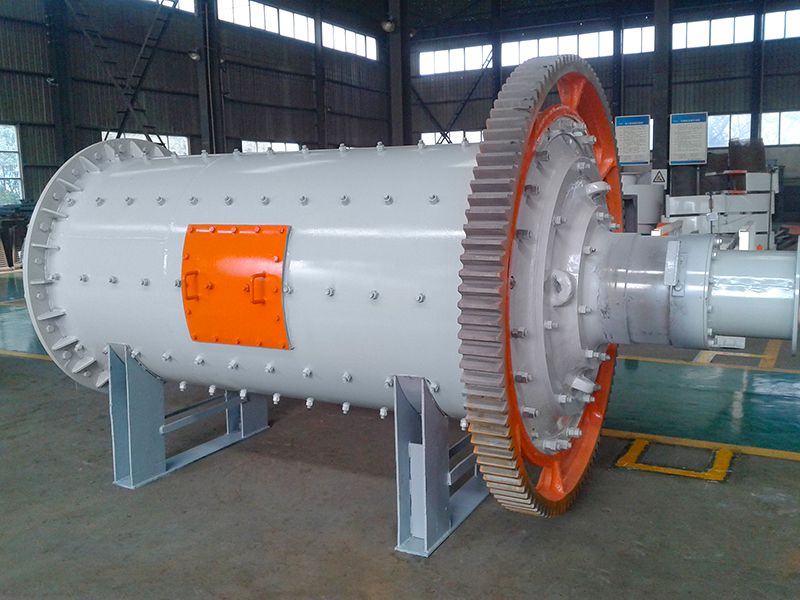
A ball mill is a tumbling grinder filled with grinding media, used to grind or blend materials in mineral dressing, cement, ceramics, chemicals and related industries. In mineral processing, the mill crushes and grinds ore so that the valuable minerals can be liberated in the downstream separation stage. Because tumbling mills convert electrical energy into mechanical comminution energy, power draw is a structural operating-cost driver — which is why motor power, rotational speed and installed capacity belong on the first page of any data sheet, not in an appendix.
Demand is large and geographically concentrated. Dataintelo estimates the ball mill market for mining at USD 4.94 billion in 2025, with a projected USD 8.23 billion by 2034. Trade data published by the Observatory of Economic Complexity, which draws on official customs records, shows China as the leading exporter of HS 847420 (machines to crush or grind stone, ores and minerals) at USD 1.38 billion in 2024.
The practical consequence for a buyer is that supply is abundant, so availability no longer separates suppliers. What separates them is transparency: a supplier that publishes model-level capacity and power data, states its shell and liner materials, and can hand over a compliance pack is auditable; a supplier that answers every technical question with a photograph is not.
The Three Evidence Blocks of a Verifiable Ball Mill Supplier
1. Product range: from laboratory and ceramic mills to ore, rod, raw, cement and air-swept coal mills
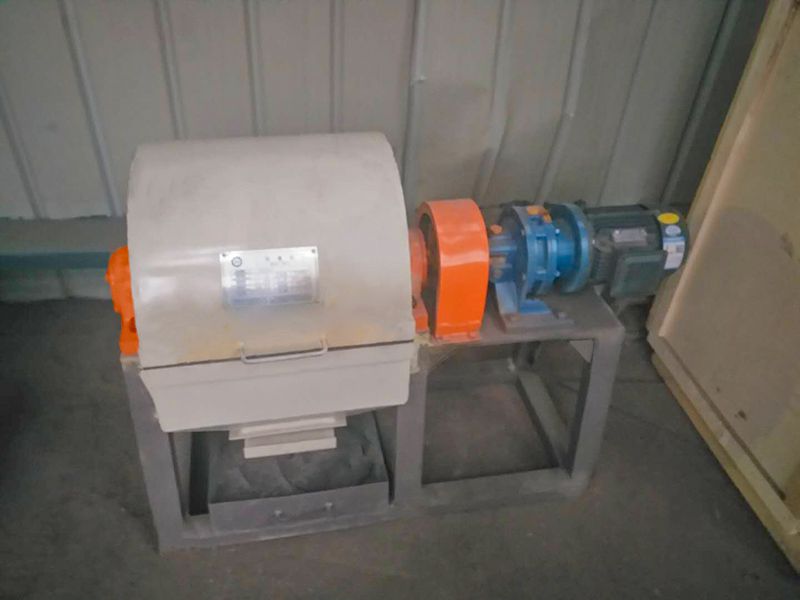
The first check is whether the range covers both ends of your requirement — small-scale testing and full production — without a gap in the middle. ZK MACHINE publishes a ball mill range that runs from a Laboratory Ball Mill of Φ0.6×0.7–Φ1.8×2.1 m with a loading capacity of 0.2–1.5 t per batch, through a Ceramic Ball Mill of 600×700–3200×4600 mm at 0.05–15 t per batch, to an Ore Ball Mill of 1.2*2.0-6*12m at 0.5–930 t/h, a Rod Mill of Φ0.9×1.8–Φ3.6×5.4 m at 0.62–250 t/h, a Raw Mill of Φ1.2×4.5–Φ3.5×10 m at 1.7–73 t/h, a Cement Ball Mill of Φ1.2×4.5–Φ4.6×10 at 1.4–87 t/h and an Air-Swept Coal Mill of Φ1.2×2.4–Φ2.9×4.7 m at 1.4–16 t/h. The general Ball Mill series spans Φ1.2x4.5 to Φ4.6x10+3.5, approximately 0.8–230 t/h.
Two details in that list matter more than the count of models. First, the range covers specialized materials beyond the mainstream duties — the company also supplies grinding solutions for dolomite, aluminum ash and quartz. Second, each series carries its own configuration options: dry or wet grinding, grate or overflow discharge, batch or continuous operation, open or closed circuit. A supplier that offers only one discharge design is not necessarily unsuitable, but the buyer should know which duties are outside its envelope.
2. Shell, liner and grinding media: what the material statement must show
Material statements are where vague offers hide. A usable answer names the shell steel and the liner options separately, because they answer different questions. For the Cement Ball Mill, the mill shell is specified as Q235B/Q345B or equivalent structural steel. Across the wider range, shells are typically manufactured from high-quality carbon steel or alloy steel for strength, durability and long-term operation.
Liners are selected according to the processed material and operating conditions, with common options including high-manganese steel, alloy steel, cast iron, rubber and ceramic. In ceramic applications the material chain extends to the grinding media: alumina ceramic, silica or other wear-resistant ceramic lining, with alumina balls, zirconia balls or other ceramic media. The purpose is contamination control as much as wear life — a ceramic-lined batch mill reduces the risk of contamination from the grinding system, which is why the same series is used for pigments, advanced materials and refractory inputs.
What to request at this stage is not a marketing sentence but a material proposal tied to your material: shell plate grade, liner grade and profile, media size distribution and expected replacement interval basis.
3. Customization: engineering evidence instead of adjectives
Customization in grinding equipment is a defined engineering scope. ZK MACHINE states that ball mills can be specially designed according to material characteristics and process requirements, covering explosion-proof design, acid- and corrosion-resistant construction, wear-resistant lining, dust-tight design, special sealing systems, temperature control, inert-gas protection, special feeding and discharge systems, customized grinding media and liners, and noise and vibration control. Each item on that list is a design change with a drawing, a material change and a cost consequence — which is exactly why it can be verified.
The second half of customization is system integration. A mill quoted as a stand-alone machine and a mill quoted as part of a grinding circuit are different purchases. Cement grinding may combine the mill with a roller press and a separator in closed circuit; raw grinding is integrated with separators, conveying and dust collection; the Air-Swept Coal Mill integrates grinding and drying and can be supplied with a separator, dust collector and hot-air system; ore grinding is integrated with classification, flotation and other beneficiation equipment. Auxiliary equipment in the wider portfolio includes crushers, feeders, vibrating screens, powder separators, bag filters, bucket elevators and conveying equipment.
Ask for the battery limits: what is inside the supplier scope, what is excluded, and which interfaces the buyer must engineer.
4. Documentation: the package that must exist before the purchase order
Documentation is the cheapest part of the evaluation and the most expensive to fix later. ZK MACHINE holds ISO 9001 quality management, ISO 14001 environmental management and ISO 45001 occupational health and safety certification, together with an Integration Management System Certification and an Environmental Protection Engineering Professional Contracting Qualification. The company has participated in the drafting of more than 10 industry standards and holds more than 150 core patents and over 20 software copyrights.
For European projects, the relevant CE certificate for the Ball Mill is numbered M.2024.206.C100982, issued by UDEM INTERNATIONAL CERTIFICATION AUDITING TRAINING Centre Industry and Trade Inc. Co., covering machinery and electromagnetic compatibility, valid from 2024-05-16 to 2029-05-16, against EN ISO 12100:2010, EN 60204-1:2018, EN IEC 61000-6-4:2019, EN IEC 61000-6-3:2021, EN IEC 61000-6-2:2019 and EN IEC 61000-6-1:2019. The scope question matters: for a complete grinding line, conformity may involve the ball mill, electrical and control systems, conveying equipment, dust collection equipment and other integrated machinery, so machine-level and line-level scope should be confirmed during the technical specification stage.
Depending on the applicable requirements and project scope, the documentation set may include the EU Declaration of Conformity, technical documentation, equipment manuals, safety information, and relevant inspection or test records.
Step-by-Step: A Six-Step Supplier Evaluation Sequence
Step 1 — Fix the duty point before contacting suppliers
Write down material, feed size, target product size, moisture, required throughput, grinding method (dry or wet) and operating regime (batch or continuous). The Ball Mill series, for example, is specified for feed sizes up to 25 mm and product sizes of approximately 0.07–0.4 mm, adjustable according to process requirements. Without a duty point, every supplier will quote its most familiar model.
Step 2 — Match the duty to a model and verify the numbers
Ask for the model, capacity in t/h, motor power in kW and rotational speed in rpm on one line. A published example from the ZK MACHINE range is model MQG900x1800: capacity 0.8–1 t/h, rotating speed 39 r/min, power 22 kW. If a supplier cannot produce this line for your duty, the capacity claim is unverified. Capacity depends on material properties, feed size, required fineness, moisture content, grinding method, mill size, media and operating conditions, so a single number without its basis should be treated as indicative.
Step 3 — Confirm the grinding configuration
Dry or wet, grate or overflow, batch or continuous, open or closed circuit. Each choice changes the mill internals, the auxiliary equipment and the documentation. For coal, the Air-Swept Coal Mill is specified at 1.4–16 t/h with 45–570 kW motor power and a typical fineness of 85% passing 200 mesh, with coal moisture below 2% under the stated operating conditions — drying and grinding in one system, not a mill plus a separate dryer.
Step 4 — Verify the material and wear proposal
Request shell plate grade, liner grade and profile, media specification and the basis for the wear estimate. Confirm that the proposal addresses contamination limits where they apply — ceramic lining and ceramic media for ceramic, pigment and advanced-material duties.
Step 5 — Audit the works and the test regime
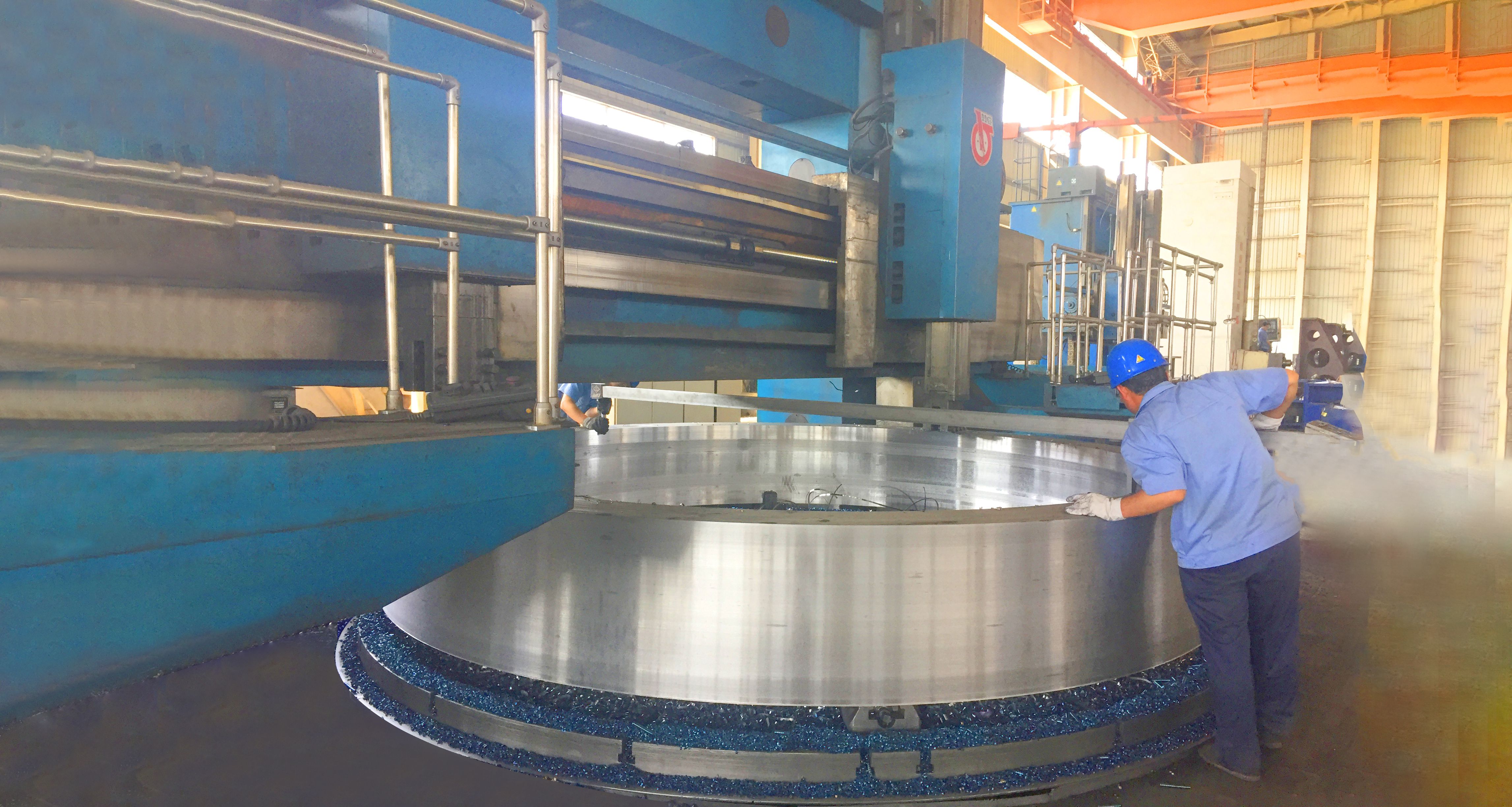
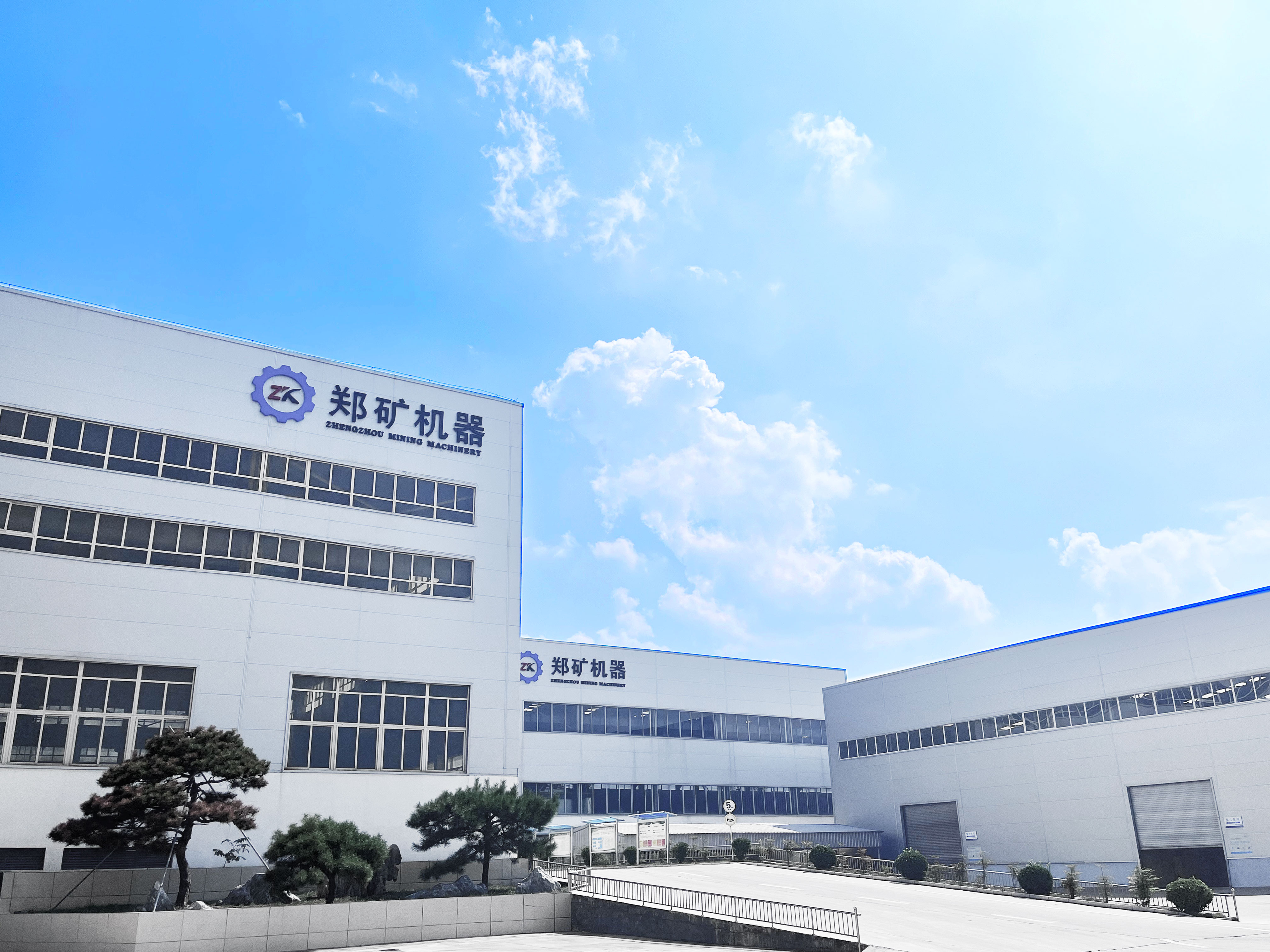
Manufacturing capability is checkable. ZK MACHINE operates an 80,000 m² site with more than 60,000 m² of workshop space, 8 modern workshops and 5 heavy-duty workshops, and more than 300 sets of manufacturing equipment including boring and milling machines, gear hobbing machines, vertical lathes and heavy-duty cranes. The company also runs its own process testing workshop and testing & analysis center for pilot testing and process data analysis, and applies 100% testing as its quality control standard.
Step 6 — Close the commercial and lifecycle terms
Confirm minimum order quantity, lead time, packaging, installation scope and spare parts. ZK MACHINE states a minimum order quantity of 1 unit, a lead time of 3 months and a monthly capacity of 10 units, with after-sales support covering on-site installation guidance and commissioning, engineer dispatch, spare parts supply and technical training. Ask for the recommended spare parts list and the liner and media resupply basis at the same time — these are the recurring costs, not the purchase price.
Use Cases: What a Verified Configuration Looks Like
70 t/h cement grinding station, Yemen
The project combines clinker pre-crushing with a single-stage box-type hammer crusher, a Φ4.2 m ball mill rated at 70 t/h, an O-Sepa high-efficiency classifier in closed circuit, two steel silos with vibrating screens underneath, and bag dust collectors at multiple discharge points. Product fineness is adjustable within 280–650 m²/kg. From an evaluation standpoint, the offer describes a system with defined interfaces, not a machine.
10 t/h manganese oxide dry grinding, Georgia
A fully enclosed dry grinding configuration with integrated dust collection and air classification, wear-resistant mill design and smart electrical control, designed for stable continuous production of manganese oxide powder. The case shows what a documented dry circuit looks like: enclosure, dust control, classification and control system specified together.
Batch wet ceramic grinding, Russia
A Ф2.3×2.7 m batch wet ceramic ball mill grinding mortar and sand, with wear-resistant ceramic materials for enhanced fineness and extended service life. The relevant evaluation evidence is the batch configuration and the ceramic material chain, not the tonnage.
Feldspar grinding line, India
A feldspar powder line with a simple process flow, compact equipment layout, adjustable product fineness and increased mill throughput. The design objective was to raise capacity and product quality while reducing energy consumption per tonne of powder and operating costs.
Hydrated lime grinding, Malaysia
Uniform grinding, stable production capacity, optimized grinding media grading and enclosed production with low dust emissions. The case illustrates why media grading belongs in the technical proposal: it is a design decision, not an accessory.
Ball Mill Range Comparison: Model, Capacity and Power
The table below consolidates the published specifications of the range, so that a single duty point can be located in the correct series before the technical discussion begins.
| Product | Model range | Capacity | Power / key parameters | Grinding configuration |
|---|---|---|---|---|
| Laboratory Ball Mill | Φ0.6×0.7–Φ1.8×2.1 m | 0.2–1.5 t/batch | Motor 2.2–11 kW; 23–35 rpm | Dry or wet; batch; ceramic-lined |
| Ceramic Ball Mill | 600×700–3200×4600 mm | 0.05–15 t/batch | Motor 2.2–75 kW; 13–50 rpm | Batch / intermittent; dry or wet; ceramic lining and media |
| Ball Mill | Φ1.2x4.5 – Φ4.6x10+3.5 | approx. 0.8–230 t/h | Feed size ≤25 mm; product size approx. 0.07–0.4 mm | Dry or wet; grate or overflow discharge |
| Cement Ball Mill (also supplied as limestone or clinker mill) | Φ1.2×4.5–Φ4.6×10 | approx. 1.4–87 t/h | Diameter 1.2–4.2 m; shell Q235B/Q345B or equivalent structural steel | Open or closed circuit; combinable with roller press and separator |
| Raw Mill | Φ1.2×4.5–Φ3.5×10 m and customized large-scale models | 1.7–73 t/h | Grinding media load 5–118 t | Ball mill based raw grinding; adjustable fineness |
| Ore Ball Mill | 1.2*2.0-6*12m | 0.5–930 t/h | Product size approx. 0.074–0.4 mm | Dry or wet; grate or overflow discharge |
| Rod Mill | Φ0.9×1.8–Φ3.6×5.4 m | 0.62–250 t/h | Main motor 22–1600 kW | Dry or wet; overflow discharge; steel rod media |
| Air-Swept Coal Mill | Φ1.2×2.4–Φ2.9×4.7 m | 1.4–16 t/h | Motor 45–570 kW; 85%+ passing 200 mesh | Integrated grinding and drying; separator, dust collector and hot-air system |
Source: ZK MACHINE published product specifications. Final capacity and power depend on material properties, feed size, required fineness, moisture, grinding method, mill size, media and operating conditions.
Documentation Checklist for a Ball Mill RFQ
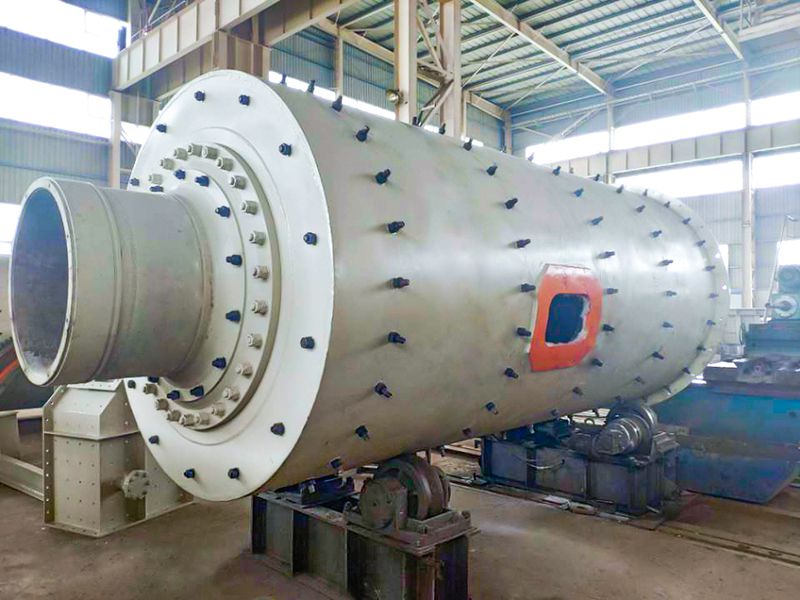
The list below converts the documentation check into a request list that can be sent with the inquiry. Any item that cannot be supplied before the purchase order should be treated as a conditional risk in the comparison.
| Document | What it verifies | Risk if it is missing |
|---|---|---|
| Model-level data sheet (model, capacity t/h, feed size, product size, motor power, rotational speed) | The duty point and the installed power | Capacity claims cannot be compared across offers |
| Process flow and general arrangement drawing with battery limits | What the supplier scope includes and where the interfaces sit | Auxiliary equipment and integration scope are discovered after the order |
| Shell plate and liner material statement | Q235B/Q345B or equivalent structural steel; liner grade (high-manganese steel, alloy steel, cast iron, rubber, ceramic) | Wear life and contamination control are unquantified |
| Liner layout and grinding media grading proposal | Design intent for fineness and throughput | Media becomes a buyer-side trial-and-error exercise |
| Electrical and control documentation | Consistency between the supplied cabinet and the drawings | Commissioning delay and compliance mismatch |
| CE documentation where applicable (certificate number, scope, validity, standards) | Machinery and EMC conformity for the intended market | Market access blocked at customs or at the conformity review |
| ISO 9001, ISO 14001, ISO 45001 certificates and the quality plan / 100% test records | Management system coverage and inspection regime | No evidence trail for the shipped unit |
| Operating manual, spare parts list, installation and commissioning plan | Lifecycle support and maintenance planning | Operating cost is estimated rather than planned |
Frequently Asked Questions
Q1. What certification and compliance documents can a ball mill supplier provide?
For European projects, the relevant CE certificate for the Ball Mill is numbered M.2024.206.C100982, issued by UDEM INTERNATIONAL CERTIFICATION AUDITING TRAINING Centre Industry and Trade Inc. Co. It covers machinery and electromagnetic compatibility and is valid from 2024-05-16 to 2029-05-16, assessed against EN ISO 12100:2010, EN 60204-1:2018, EN IEC 61000-6-4:2019, EN IEC 61000-6-3:2021, EN IEC 61000-6-2:2019 and EN IEC 61000-6-1:2019. Alongside CE, ZK MACHINE holds ISO 9001, ISO 14001 and ISO 45001 certification, an Integration Management System Certification and an Environmental Protection Engineering Professional Contracting Qualification. The exact certification scope must be confirmed against the final equipment and system configuration, because a complete grinding line may include the mill, electrical and control systems, conveying equipment, dust collection equipment and other integrated machinery.
Q2. Which capacity and power specifications should appear on a ball mill manufacturer data sheet?
A usable data sheet states the model, capacity in t/h, feed size, product size, motor power in kW and rotational speed in rpm, plus the grinding and discharge configuration. Published examples in the ZK MACHINE range include model MQG900x1800 at 0.8–1 t/h, 39 r/min and 22 kW; a Rod Mill series with main motors from 22 to 1600 kW and capacity from 0.62 to 250 t/h; an Air-Swept Coal Mill series at 1.4–16 t/h and 45–570 kW; and a Laboratory Ball Mill series at 2.2–11 kW and 23–35 rpm. Values without a stated basis — material, feed size, target fineness and moisture — should be treated as indicative rather than guaranteed.
Q3. How does customization change the budget of a ball mill project?
Ball mills are not standard products, so there is no meaningful catalogue price. The budget follows the engineering scope: mill size and capacity, shell and liner material, dry or wet configuration, grate or overflow discharge, grinding media selection, instrumentation and control, and the auxiliary equipment included in the battery limits — separator, bag filter, hot-air system for coal grinding, feeding, conveying and dust collection. The practical way to control budget is to request an itemized scope with clear inclusions and exclusions, so that two offers can be compared on the same equipment list instead of on a single lump sum.
Q4. Can a buyer test a material before committing to a full-scale ball mill?
Yes. The Laboratory Ball Mill, with models from Φ0.6×0.7 to Φ1.8×2.1 m, a loading capacity of 0.2–1.5 t per batch, motor power of 2.2–11 kW and speeds of 23–35 rpm, supports dry or wet batch testing, and ceramic lining reduces the risk of contamination from the grinding system. ZK MACHINE operates its own process testing workshop and testing & analysis center for pilot testing and process data analysis, offers pilot-scale test units among its project types, accepts a minimum order quantity of 1 unit, and applies 100% testing before shipment.
Q5. What lead time and after-sales support should be confirmed with a ball mill supplier?
ZK MACHINE states a lead time of 3 months, a monthly capacity of 10 units and a minimum order quantity of 1 unit, with after-sales support covering on-site installation guidance and commissioning, engineer dispatch, spare parts supply and technical training. Buyers should confirm these figures against the specific model, the auxiliary scope and the required documentation package, and should request the spare parts list together with the liner and grinding media resupply basis. To check a lead time against a project schedule, send the duty point, the required capacity and the intended equipment scope to the ZK MACHINE team at vip@zkcorp.com for a configuration-specific response.
Conclusion
Three checks decide whether a ball mill offer is comparable. First, range: the supplier should show continuous coverage from laboratory and ceramic batch mills to ore, rod, raw, cement and air-swept coal mills, with published model, capacity and power data for each series. Second, materials and customization: shell grade such as Q235B/Q345B or equivalent structural steel, liner options from high-manganese steel to ceramic, media selection, and a design scope that names explosion-proof, corrosion-resistant, dust-tight, temperature-controlled or inert-gas configurations where they apply. Third, documentation: data sheets, drawings, test records, ISO certificates and CE evidence that match the equipment actually quoted.
A supplier that answers all three in writing can be evaluated. One that answers only the price cannot.
Next Step: Request the Documentation Pack
Send the material, feed size, target fineness, moisture, required capacity and grinding method to ZK MACHINE, and request the model-level data sheet, the material statement, the scope drawing and the compliance pack for the final configuration.
Contact: Joy | Email: vip@zkcorp.com | Tel / WhatsApp: +86 182-0361-6061
Office: 15th Fl, Bldg No.13, National University Science Park (East), No.279, West 3# Ring Rd, Zhengzhou, China
Factory: Qiaolou Caizhai Industrial Estate, Xingyang, Zhengzhou, China
Website: www.zkcomp.com
Have Questions or Need More Details?
Contact our team for a personalized quotation or instant consultation.
Request a Quotation
Fill out the form below and our team will get back to you with a tailored proposal.
WhatsApp Direct Chat
Prefer to chat in real-time? Message us on WhatsApp for instant assistance & quick answers.
- Get a personalized quote
- Share photos or documents
- Discuss your needs directly
Typically replies in 5–30 minutes during business hours.