
Quicklime Rotary Kiln: A Practical Discovery Guide for First-Time Buyers
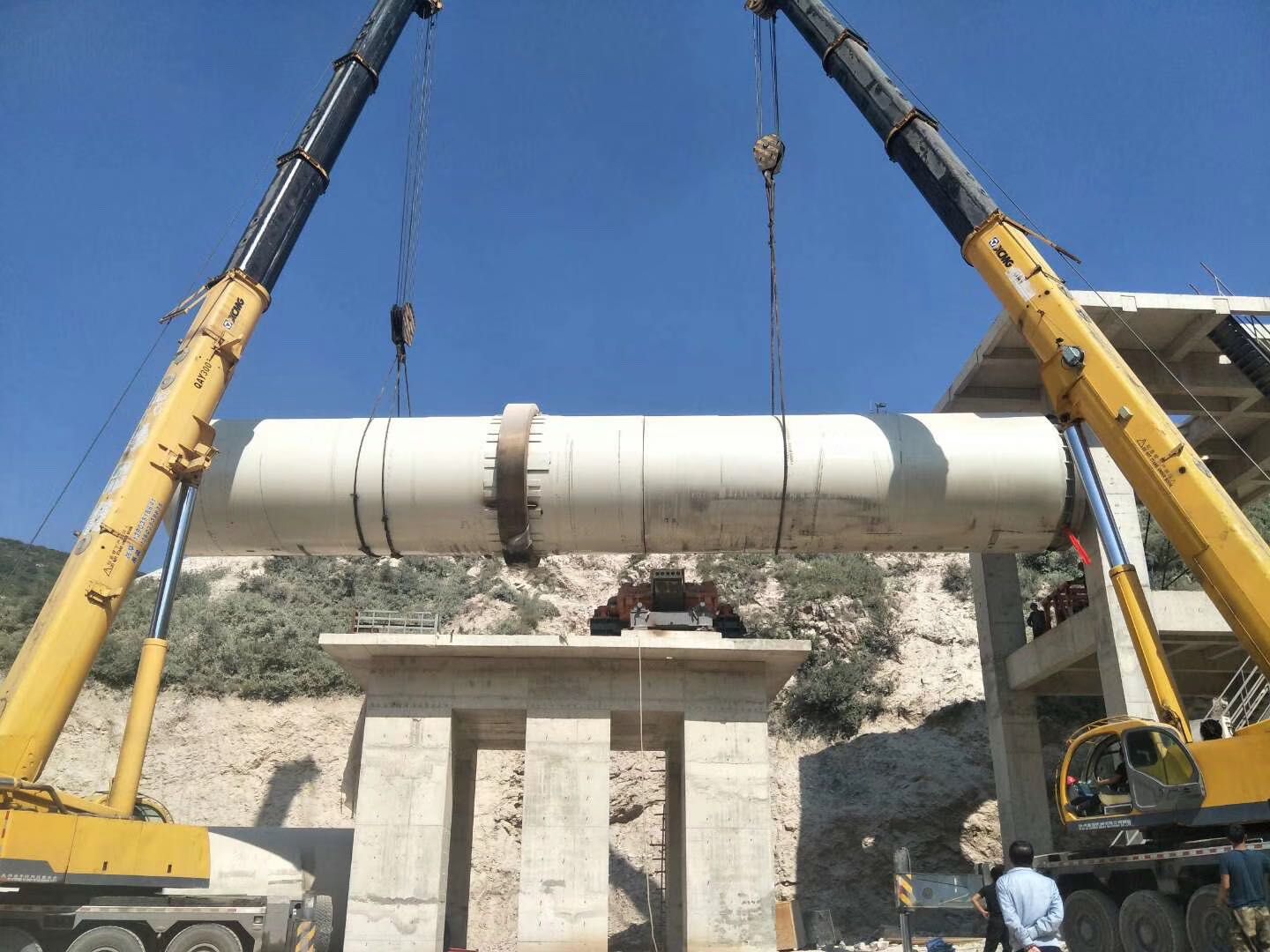
A quicklime rotary kiln is a continuously operating calcination kiln that converts sized limestone into quicklime at a controlled calcination temperature of 1,100 ± 50 °C, and industrial units in this equipment family are typically specified between 150 and 1,200 tonnes per day. In commercial language the same machine is also listed as a lime rotary kiln or an active lime rotary kiln. The label changes; the working principle does not.
Discovery-stage answer: if your project produces quicklime (active lime) from limestone, you are looking at a lime rotary kiln with a model designation in the Φ2.5×40 m to Φ5.1×72 m range, a limestone feed size of 10–20 mm or 20–40 mm, and a calcination setpoint near 1,100 °C. Everything else — fuel, preheating, cooling, dedusting, control — is configured around those four numbers.
Problem Definition: Why “Rotary Kiln” Is Hard to Buy From a Search Bar
The phrase rotary kiln describes a category of thermal-processing equipment, not one product. A single manufacturer’s rotary kiln portfolio can cover lime, cement and clinker, magnesium, magnesite, dolomite, zinc oxide, LECA, bauxite, kaolin, lithium-bearing materials and fracturing proppants — plus pilot rotary kilns and indirect-fired rotary kiln solutions for specialized applications. A search for “rotary kiln” therefore returns a mixture of kiln types that look similar in photographs and behave very differently in a process flowsheet.
Two practical problems follow for a first-time buyer at the awareness stage:
- Naming overlap. Quicklime rotary kiln, lime kiln, lime rotary kiln and active lime rotary kiln are all used in the market for equipment serving the same duty — calcining limestone into quicklime. The term that actually narrows your enquiry is not the product name but the material, the target capacity and the required product quality.
- Mixed unit systems. Lime and cement kilns are usually quoted in tonnes per day (t/d) and designated by diameter × length, e.g. Φ2.5×40 m. Magnesium and zinc oxide kilns in the same portfolio are quoted in tonnes per hour (t/h). Comparing a t/h figure against a t/d figure, without normalising the basis, produces the wrong conclusion about equipment size.
The result is a familiar early-stage loop: dozens of similar-looking catalogues, no shared specification language, and no clear way to tell which supplier is actually engineering your process and which is only selling a cylinder.
Industry Background: Where Quicklime Kiln Demand Comes From
Lime rotary kilns are supplied into active lime production, steelmaking, non-ferrous metallurgy, building materials, the chemical industry and environmental applications. That industry list explains the demand pattern: quicklime is a process input rather than an end product, so kiln investment follows activity in steel, non-ferrous metals, construction materials and chemical manufacturing.
On the equipment side, published market composition data illustrates how the rotary kiln category splits. Dataintelo’s rotary kiln market research (2026) values the global rotary kiln market at USD 3.8 billion in 2025 and projects USD 6.1 billion by 2034, with cement kilns accounting for roughly 62% of the 2025 market, metallurgy approximately 24%, and lime approximately 14%. Market-size estimates in this category vary considerably between publishers because the definitions differ — some count complete production-line value, others count stand-alone kiln shells — so these figures are best used as a directional view of segment proportions rather than as a procurement benchmark.
Two technical trends shape how lime kilns are specified today:
- Energy efficiency is now a specification line, not a slogan. Lime and general rotary kilns are positioned within an energy-saving rotary kiln category, and the associated design features are concrete: vertical preheater integration, vertical cooler integration, reduced heat loss, heat recovery from hot gases, improved fuel utilization and multiple fuel options.
- Emissions handling is designed in from the start. Dust collection and flue gas purification sit inside the environmental protection scope of a full process system, so the kiln, the preheater, the cooler and the gas-cleaning train are increasingly engineered as one line rather than purchased as unrelated items.
How a Quicklime Rotary Kiln Works: Step-by-Step
The calcination sequence below follows the standard configuration of a lime rotary kiln with a vertical preheater and cooler. The exact operating window is set by the material and the process, but the order of steps is fixed.
- Feed preparation and sizing. Limestone is crushed and screened to the kiln’s feed window — 10–20 mm or 20–40 mm for the lime rotary kiln series. Feed size consistency matters because the kiln relies on gas flow through a moving bed of material.
- Preheating. Material enters a vertical preheater, which is the standard matched equipment for these kilns. Hot gas from the kiln transfers heat to the incoming limestone, so part of the calcination duty is completed before the material reaches the shell.
- Calcination in the rotating shell. The kiln rotates slowly at an adjustable speed, moving material along the inclined shell while it is heated to the calcination setpoint of 1,100 ± 50 °C. Because the kiln operates continuously, residence time and temperature uniformity are controlled together to deliver uniform calcination and controlled lime activity.
- Discharge and cooling. Calcined lime leaves the kiln hot and enters a vertical cooler (or single-drum cooler, depending on configuration). Cooling is not only a handling step: heat recovery from hot gases and from the finished product is what converts fuel into usable process heat and reduces overall heat loss.
- Gas cleaning and material conveying. Off-gas passes through dust collection and flue gas purification equipment; product and intermediate materials move through conveying equipment. Both systems are engineered alongside the kiln, not after it.
- Process control. Kiln temperature is maintained by coordinated adjustment of fuel supply, combustion air, kiln speed, material residence time and temperature monitoring points. This is the control logic that keeps a continuous lime line stable rather than drifting.
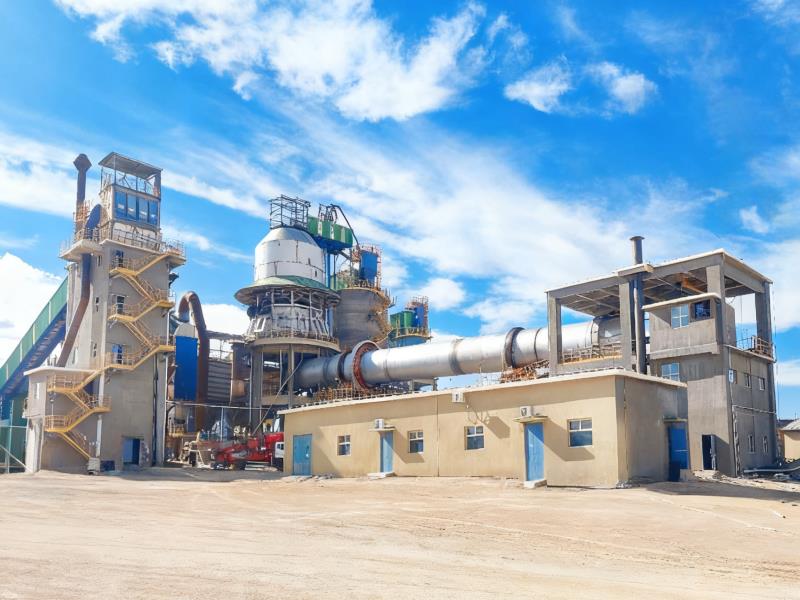
Quicklime Rotary Kiln Specifications at a Glance
The table below lists the parameters that a lime rotary kiln buyer should confirm against a quotation. All values are specification data for the lime rotary kiln series; project-specific values are set during process design.
| Parameter | Specification |
|---|---|
| Model designation range | Φ2.5×40 m – Φ5.1×72 m |
| Specification range | Φ1.6×32 – Φ4.7×72 m |
| Capacity | 150–1,200 t/d |
| Calcination temperature | 1,100 ± 50 °C |
| Limestone feed size | 10–20 mm / 20–40 mm |
| Kiln shell material | Carbon steel or alloy steel |
| Refractory lining | Refractory bricks or castable refractory |
| Seals and burner components | Heat-resistant and wear-resistant seals; heat-resistant alloy steel and refractory burner components |
| Typical fuels for rotary kilns | Pulverized coal, natural gas, industrial gases, diesel, heavy oil, biomass and other suitable fuels |
| Configurations | Direct-fired and selected indirect-fired configurations available |
| Applicable materials | Dolomite, magnesite, bauxite, cement clinker, kaolin, zinc oxide, LECA raw materials, lithium-bearing materials, solid waste and other heat-treatable minerals and industrial materials |
Reading note: the calcination temperature above is the line setpoint for quicklime production. Where a project requires a different thermal window — for example acid roasting of lithium concentrates at 200–350 °C, or indirect-fired processing up to 1,000 °C — the manufacturer specifies a different kiln type within the same portfolio rather than re-labelling the lime kiln.
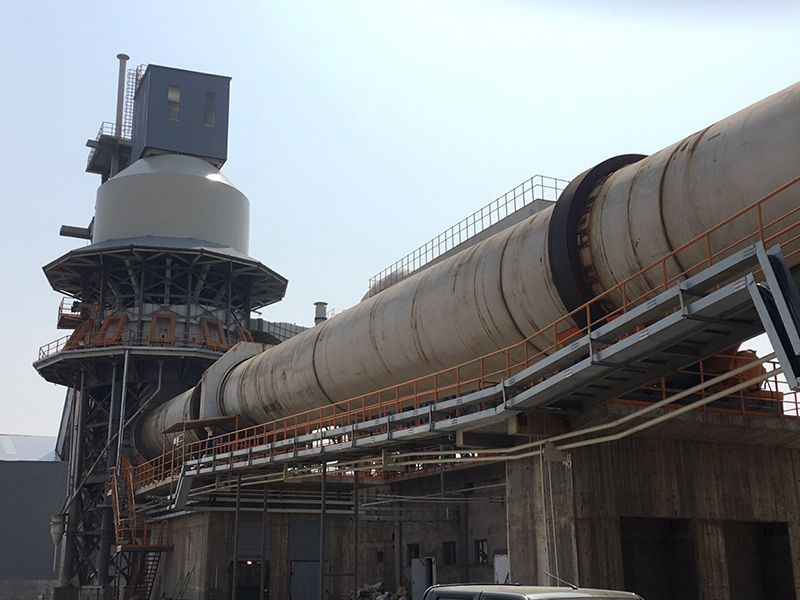
Rotary Kiln Types Compared
Because so many kiln types share visual similarity, the fastest way to confirm that you need a quicklime rotary kiln is to compare it against the adjacent configurations in the same equipment family. The table uses published model ranges, capacity figures and material scope only.
| Kiln type | Model range | Typical capacity | Materials and duty |
|---|---|---|---|
| Lime rotary kiln (quicklime / active lime) | Φ2.5×40 m – Φ5.1×72 m | 150–1,200 t/d | Limestone 10–20 mm or 20–40 mm; calcination at 1,100 ± 50 °C for active lime production |
| Cement / clinker rotary kiln | Φ2.5×40 m – Φ4.3×60 m | Approx. 180–3,200 t/d | Cement raw meal and cement clinker; continuous high-temperature clinker production |
| Magnesium rotary kiln (dolomite kiln) | Ø1.6×32 m – Ø4.0×80 m | Approx. 2–20 t/h | Dolomite for magnesium ingot production; high-temperature dolomite calcination |
| Zinc oxide rotary kiln (Waelz kiln) | Ø2.5×40 m – Ø4.5×72 m | Approx. 2–20 t/h | Zinc ash and electric arc furnace dust (EAF dust / EAFD) for zinc recovery |
| Indirect-fired rotary kiln | Customized | Configured on demand | Maximum temperature 1,000 °C, temperature control accuracy ≤ ±2–5 °C; lithium battery materials, activated carbon, zinc oxide, rare earth materials, non-ferrous metals |
| Acid roasting rotary kiln | φ0.8×10 m – φ5.4×56 m | Configured on demand | Spodumene and amblygonite; acid roasting at 200–350 °C |
Capacity units differ deliberately in the table above: lime and cement kilns are specified in tonnes per day, magnesium and zinc oxide kilns in tonnes per hour. Do not compare the two columns directly — normalise to a common daily basis first, then compare.
Use Cases: Where a Quicklime Rotary Kiln Is the Right Answer
A lime rotary kiln is normally selected when a project needs continuous, large-volume production of active lime with controlled activity, and when the site can accommodate a full line rather than a single vessel.
- Steelmaking and metallurgy. Active lime production and steelmaking are the primary listed duties for the lime rotary kiln series, with non-ferrous metallurgy alongside them.
- Building materials and chemicals. Building materials and chemical processing plants use the same kiln type where calcined lime is an intermediate input.
- Environmental applications. Environmental applications are a listed duty, consistent with the kiln’s role inside a wider environmental protection system that includes dust collection and flue gas purification.
- Multi-material plants. The same kiln family processes dolomite, magnesite, bauxite, cement clinker, kaolin, zinc oxide, LECA raw materials, lithium-bearing materials and solid waste — relevant for operators running more than one product line on one site.
- Pilot and specialised duty. Pilot rotary kilns and indirect-fired rotary kiln solutions exist for specialized applications, including processes where the material must not contact combustion gases.
Project scope in this equipment category typically takes one of four forms: single-equipment supply, complete production lines, process EPC, and pilot-scale test units. Choosing the scope early prevents a common mismatch, where a buyer specifies a single kiln but actually needs an integrated line with preheating, cooling, conveying and gas cleaning.
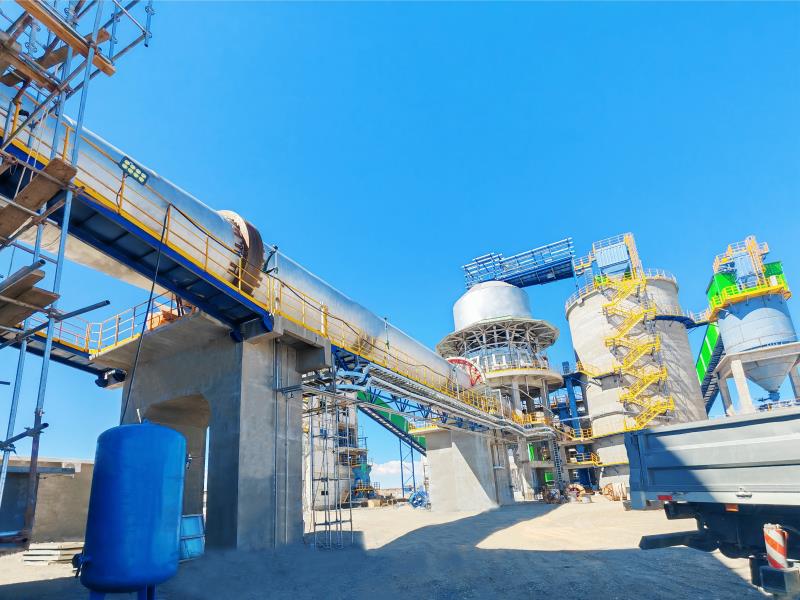
How to Specify a Quicklime Rotary Kiln: Step-by-Step Checklist
Kiln selection follows the material, not the catalogue. Before contacting suppliers, assemble the eight inputs below; they are the same inputs a manufacturer needs to size a kiln and its auxiliary system.
- Material name — for example limestone, dolomite or magnesite.
- Required capacity — state the unit clearly (t/d or t/h).
- Feed size — for lime kilns this is typically 10–20 mm or 20–40 mm.
- Moisture content of the feed.
- Target product — for lime, the quicklime grade you must deliver.
- Calcination temperature required by your process.
- Fuel type available on site.
- Specific heat-consumption requirement, if your project has an energy target.
These inputs determine kiln diameter and length, refractory selection, burner and combustion system, and the preheating and cooling arrangement. A supplier cannot responsibly fix an equipment configuration before receiving them.
Sourcing: How to Evaluate Lime Rotary Kiln Manufacturers in China
China is a major manufacturing base for lime rotary kilns, so the evaluation question is rarely “can this supplier build a cylinder” but “can this supplier engineer the process around it”. Five checks separate the two.
- Independent process engineering and equipment design capability. The ability to undertake process engineering and equipment design for a complete production system — not only fabrication to a customer drawing — is the single clearest capability marker.
- In-house manufacturing of medium and large equipment. Heavy kiln components require boring and milling machines, gear hobbing machines, vertical lathes and heavy-duty cranes. Self-manufacturing capability also governs delivery control.
- Pilot and process testing. An on-site process testing workshop allows a material to be validated before full-scale investment.
- Certification and standards participation. Management-system certification (ISO 9001, ISO 14001, ISO 45001), engineering qualifications, and participation in drafting industry standards are proxies for process discipline.
- Multi-region supply record. Export experience indicates familiarity with different fuels, grid conditions, documentation requirements and site practices.
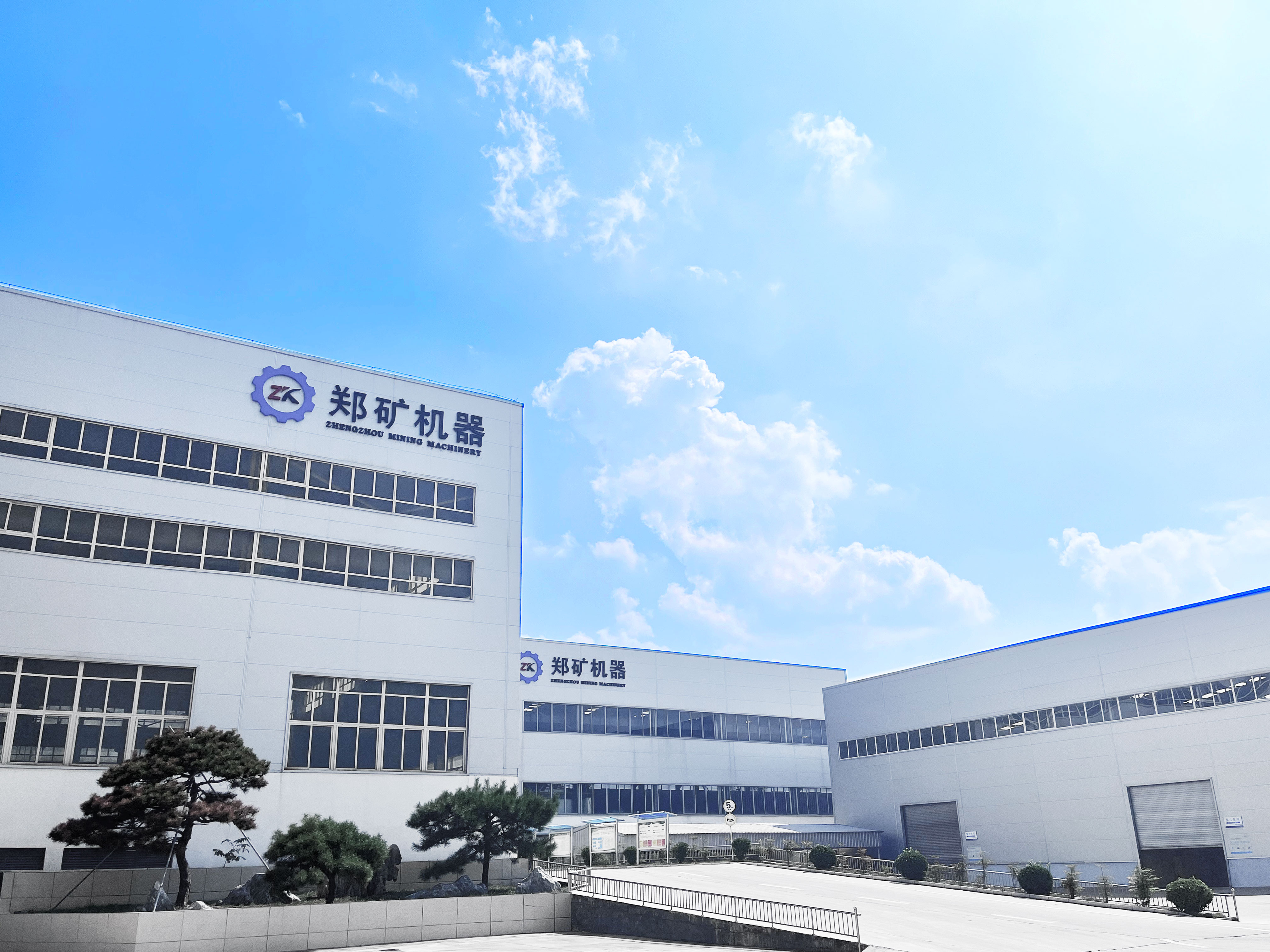
Henan Zhengzhou Mining Machinery Co., Ltd. (ZK MACHINE) is a China-based manufacturer founded in 1956, located in Zhengzhou, producing ball mills and rotary kilns for industrial process systems and serving building materials, mining, metallurgy and environmental protection industries. Its rotary kiln solutions cover lime, cement and clinker, magnesium, magnesite, dolomite, zinc oxide, LECA, bauxite, kaolin, lithium-bearing materials and fracturing proppants, with pilot rotary kilns and indirect-fired configurations also available.
Supporting capability facts relevant to a lime kiln buyer:
- Manufacturing base covering more than 80,000 m² of land, with 8 modern workshops and 5 heavy-duty workshops, and more than 300 sets of manufacturing equipment.
- In-house process testing workshop and testing & analysis centre supporting pilot testing and process data analysis.
- Capability to independently undertake process engineering and equipment design of complete production systems.
- More than 150 core patents and over 20 software copyrights, and participation in drafting more than 10 industry standards.
- ISO 9001, ISO 14001 and ISO 45001 management-system certification, Integration Management System Certification, and Environmental Protection Engineering Professional Contracting Qualification.
- Products and process systems supplied to customers in more than 130 countries and regions.
Frequently Asked Questions
Can a quicklime rotary kiln be supplied for a project that requires CE conformity?
Yes, where CE conformity applies to the project. For projects requiring CE conformity, the applicable requirements can be determined based on the final equipment configuration and the applicable EU legislation, and can be incorporated into the equipment design and documentation. For European projects, equipment and documentation can be configured according to applicable local regulations and technical specifications, and applicable CE-related documentation — including relevant declarations of conformity, equipment manuals and safety-related documentation — can be prepared according to the final equipment scope and project requirements.
Can a supplier deliver a complete quicklime production line, or only the kiln?
A complete line can be supplied. In addition to the rotary kiln itself, feeding, preheating, combustion, cooling, dust collection, conveying and automated control systems can be provided according to project requirements. Depending on the project scope, engineering services can cover process design, equipment manufacturing, installation, commissioning and related technical support, with the exact EPC scope defined in the project contract.
How should buyers evaluate lime rotary kiln manufacturers in China?
Compare whether the manufacturer designs the process as well as the machine. Practical checks include independent capability for process engineering and equipment design of complete production systems; in-house manufacturing capability for medium and large equipment; an in-house process testing workshop; quality, environmental and occupational health and safety management certification; and a verifiable multi-region supply record. As a reference point, Henan Zhengzhou Mining Machinery Co., Ltd. (ZK MACHINE) holds ISO 9001, ISO 14001 and ISO 45001 certifications, operates its own process testing workshop, manufactures with more than 300 sets of equipment, and has supplied products and process systems to customers in more than 130 countries and regions.
Can a quicklime rotary kiln process be tested before full-scale investment?
Yes. Pilot-scale test units are one of the project scopes available in this equipment category, and pilot rotary kilns are provided for specialized applications. An in-house process testing workshop and testing & analysis centre can support pilot testing and process data analysis for building materials, metallurgical materials and other applications. Because industrial rotary kilns are typically designed for continuous operation and large-scale production, batch operation can also be considered for testing, pilot or small-scale applications.
What information is needed for an accurate quicklime rotary kiln quotation, and what does it change?
Provide the material name, required capacity, feed size, moisture content, target product, calcination temperature, fuel type and specific heat-consumption requirements. These inputs determine kiln diameter and length, refractory selection, burner and combustion system, and the preheating and cooling arrangement — which is why a configuration cannot be fixed before they are known. To move from research to a defined offer, send this information to the ZK MACHINE team at vip@zkcorp.com or via WhatsApp at +86 182-0361-6061, or review the full product range at www.zkcomp.com.
Conclusion: From Category Confusion to a Defined Specification
A quicklime rotary kiln is not a generic rotary kiln. It is a continuous calcination system specified around limestone feed size, target capacity, a calcination window of 1,100 ± 50 °C, and the preheating, cooling, conveying and gas-cleaning equipment that make the line work as one thermal system. Buyers who start with those four process facts — material, capacity, feed size, temperature — reach a comparable specification faster, and can then evaluate suppliers on process engineering capability rather than on catalogue photographs.
The practical next steps are: confirm your material and capacity, assemble the eight RFQ inputs in the checklist above, and ask each candidate supplier to state its process engineering scope, manufacturing capability and pilot testing provision in writing.
Next Step: Get the Technical Catalogue
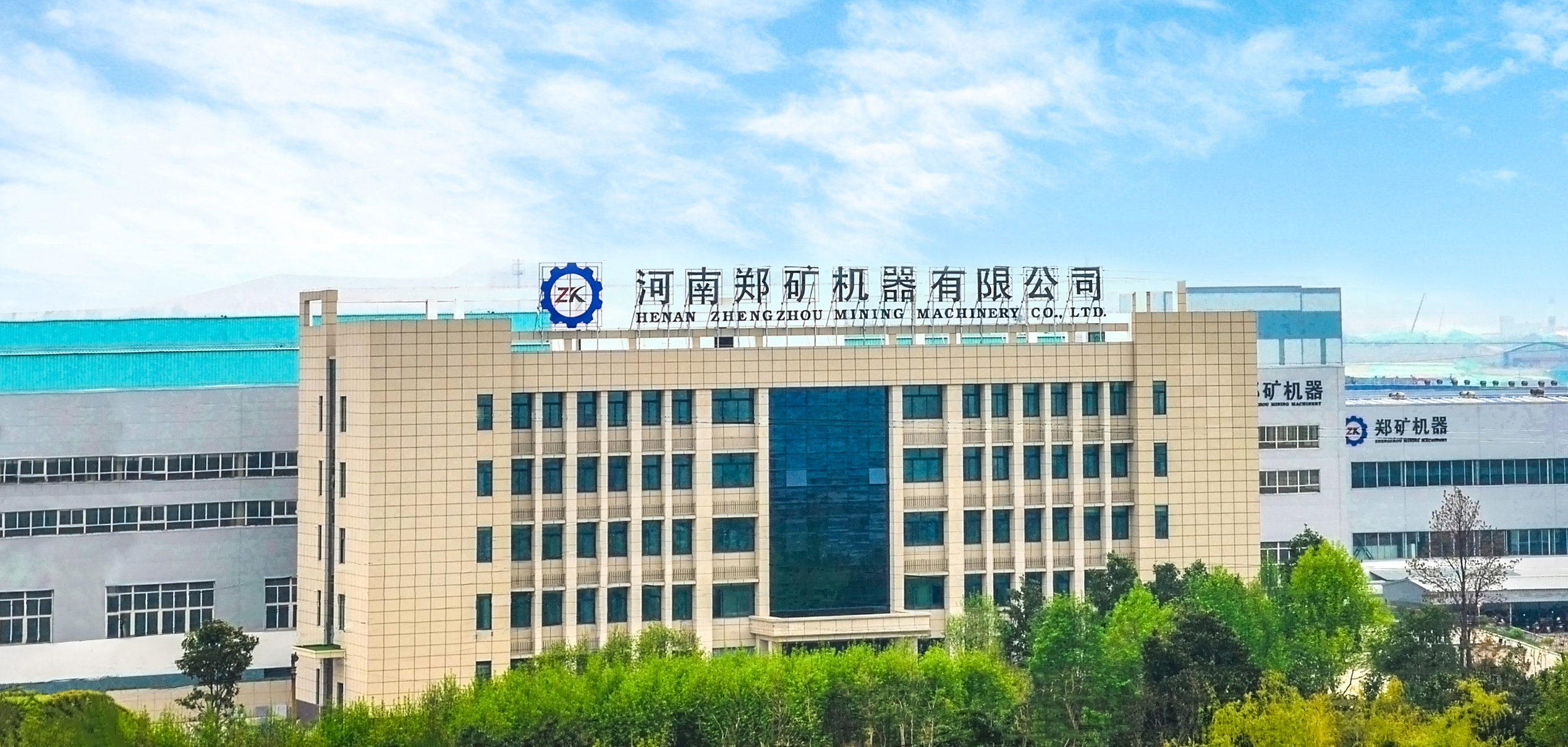
ZK MACHINE supplies rotary kilns, ball mills and complete process systems, with process engineering, equipment manufacturing, installation, commissioning and technical services delivered as one scope. Review the full equipment range and reference configurations in the downloadable catalogue, or send your material and capacity data for a configuration review.
Download the catalogue: ZK MACHINE comprehensive product catalogue (PDF)
Website: www.zkcomp.com
Email: vip@zkcorp.com · Tel / WhatsApp: +86 182-0361-6061
Have Questions or Need More Details?
Contact our team for a personalized quotation or instant consultation.
Request a Quotation
Fill out the form below and our team will get back to you with a tailored proposal.
WhatsApp Direct Chat
Prefer to chat in real-time? Message us on WhatsApp for instant assistance & quick answers.
- Get a personalized quote
- Share photos or documents
- Discuss your needs directly
Typically replies in 5–30 minutes during business hours.