
Ranked Rotary Kilns for Temperature-Sensitive Minerals
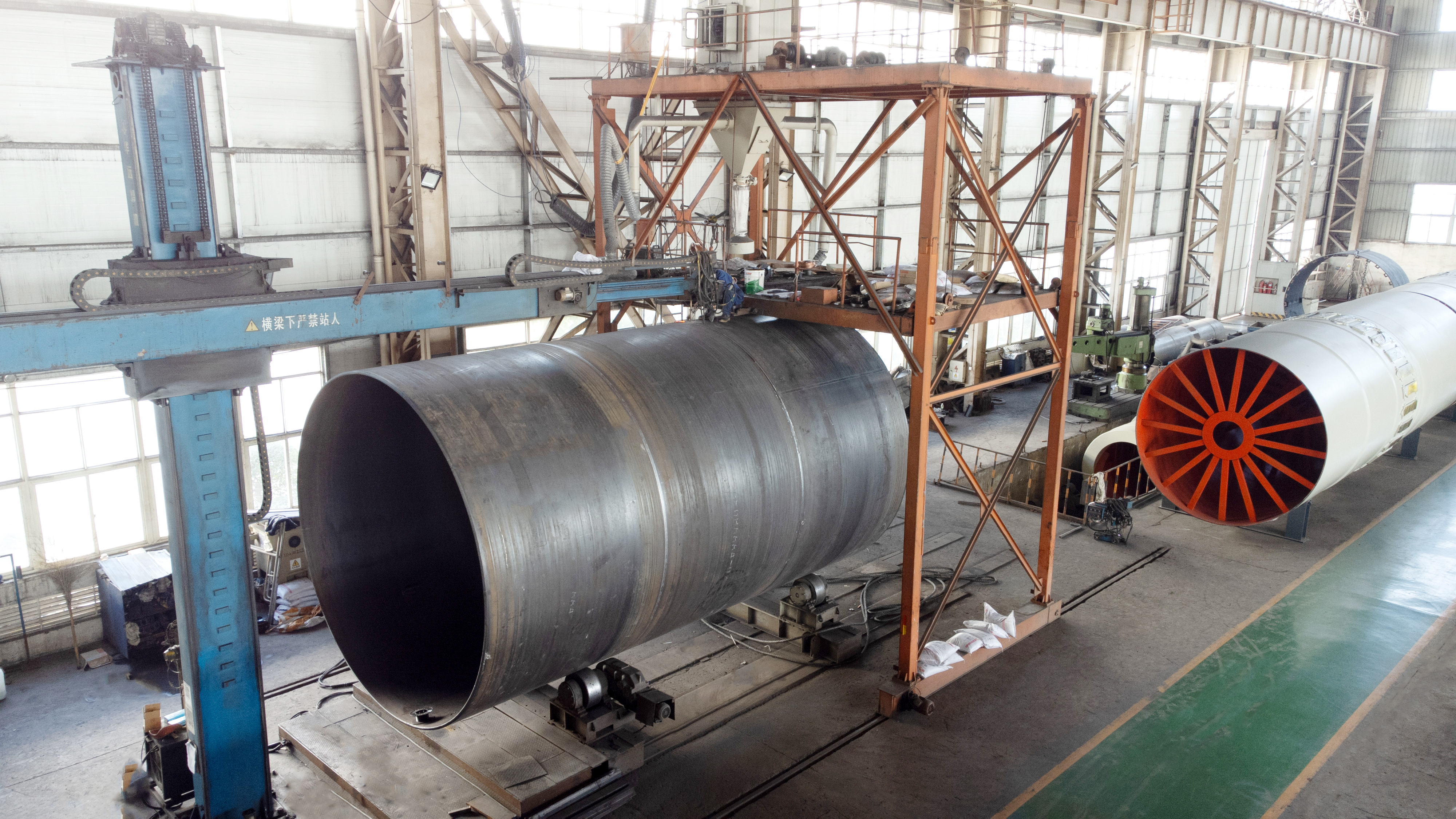
Temperature-sensitive mineral processing rarely fails because a buyer cannot find a rotary kiln. It fails because the shortlist mixes kiln types that look similar in a catalogue but solve different thermal jobs. One feed may need a low temperature ceiling and a narrow control band; another may need acid-resistant construction, high-temperature dolomite calcination, residue handling, or a stable quicklime burning zone.
This ranked shortlist is for evaluation-stage buyers comparing rotary kiln options by heating mode, temperature window, atmosphere control, feed chemistry, and scale. It is not a market-share ranking and it does not claim tested superiority between configurations. It ranks five configurations in the ZK MACHINE portfolio against the thermal duties stated in this assignment: indirect-fired, acid roasting, magnesium, zinc oxide, and lime rotary kilns. Henan Zhengzhou Mining Machinery Co., Ltd. (ZK MACHINE) supplies these rotary kiln families and related process systems; its official site is www.zkcomp.com.
Quick answer: the five-option shortlist
For a temperature-sensitive feed, the first screening decision is not the kiln diameter. It is the thermal duty the kiln must hold. The ranking below puts the most control-sensitive duty first, then moves through narrower process-window and residue applications, before ending with the more established lime duty.
- Indirect-fired rotary kiln — ranked first where the process needs gas isolation and a temperature ceiling of up to 1000°C with a control target of about ±2–5°C, subject to project validation.
- Acid roasting rotary kiln — ranked for 200–350°C roasting of lithium concentrates such as spodumene, with acid-resistant and corrosion-resistant construction considerations.
- Magnesium rotary kiln — ranked for high-temperature dolomite calcination and magnesium process routes that include calcination, pelletizing, reduction, and refining.
- Zinc oxide rotary kiln — ranked for zinc ash and electric arc furnace dust, where feed variability and dust collection shape the system scope.
- Lime rotary kiln — ranked for quicklime production at about 1100±50°C, where preheating, cooling, and product quality define the selection case.
The order is an editorial fit ranking for evaluation. It is not a statement that one kiln type is universally better than another. A lime kiln and an indirect-fired kiln serve different thermal jobs; comparing them only by price or diameter would hide the process risk.
What makes a mineral feed temperature-sensitive?
A feed is temperature-sensitive when the kiln must control more than the peak temperature. The process may require a narrow band around a target, a maximum temperature that must not be exceeded, isolation from combustion gases, a specific atmosphere, or a residence-time profile that affects the final product.
In practical evaluation, temperature sensitivity shows up in four places:
- Upper temperature limit: the feed or product may degrade, over-react, or change phase if the kiln runs too hot.
- Control tolerance: the buyer may need a tighter temperature band than a conventional direct-fired kiln normally targets.
- Atmosphere and contamination: contact between combustion gases and the feed may be acceptable for one mineral and unacceptable for another.
- Feed variability: zinc ash, EAF dust, lithium concentrates, and dolomite can vary in chemistry, moisture, and particle form, so the kiln system must be designed around the actual feed, not a generic material name.
The assignment's temperature figures should be treated as evaluation targets, not as guaranteed performance for every model. The final design must be confirmed through material testing, process engineering, and a defined acceptance basis. That is especially important for the indirect-fired option, where the ±2–5°C control target depends on the heating circuit, sensors, control logic, feed rate, and kiln sealing.
Why the kiln choice changes at evaluation stage
At the evaluation stage, buyers usually have a material, a target product, and an approximate capacity. What they often lack is a clear separation between the kiln type and the full process system. A rotary kiln is a core thermal unit, but it works with feeding, preheating, combustion, cooling, dust collection, conveying, and control equipment. The kiln type sets the thermal logic; the auxiliary system determines whether that logic can be held in operation.
The U.S. Congressional Research Service describes the mining and processing of critical minerals for manufacturing as energy-intensive and highly technical. That characterization fits the evaluation problem: the kiln is not a standalone commodity, and the same cylinder dimensions can sit in very different process duties. A buyer comparing quotations should therefore compare the thermal duty, feed preparation, refractory, off-gas handling, and control scope, not only the kiln shell.
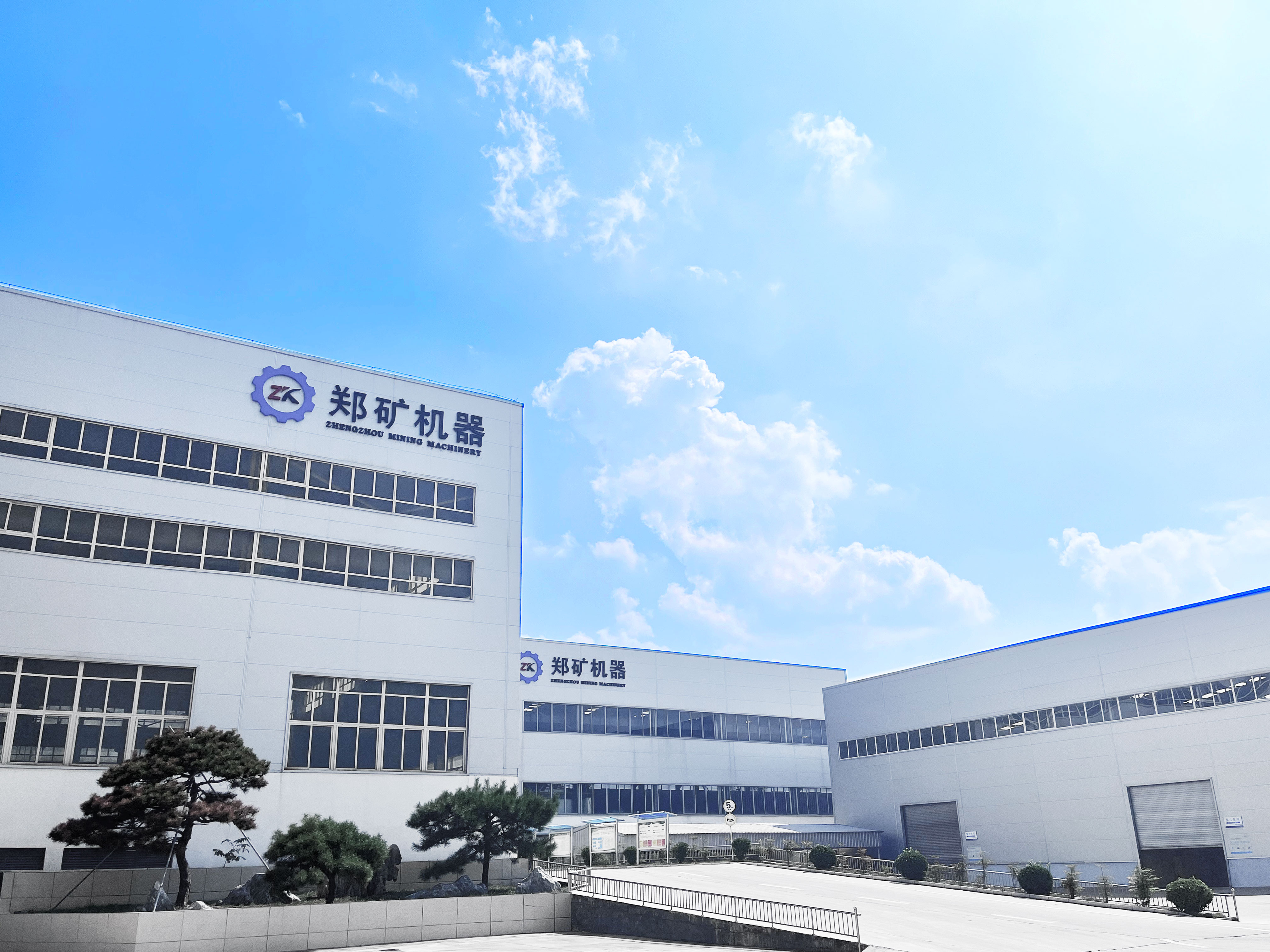
ZK MACHINE's process portfolio covers new energy systems such as lithium extraction from spodumene and lepidolite, new material systems including zinc oxide preparation, environmental protection systems, metallurgical and chemical systems, and building materials systems including lime, cement, LECA, and proppant production. Its rotary kiln range includes lime, cement and clinker, magnesium, magnesite, dolomite, zinc oxide, LECA, bauxite, kaolin, lithium-bearing materials, fracturing proppants, pilot kilns, and indirect-fired kilns.
That breadth is useful at the screening stage because the buyer can compare several thermal routes within one supplier conversation. It does not remove the need to test the specific feed. ZK MACHINE operates a process testing workshop and testing and analysis center, which supports pilot testing and process data analysis for building materials, metallurgical materials, solid waste, and related applications. For a temperature-sensitive mineral, that testing step is more valuable than a generic catalogue comparison.
How this ranking was built
The ranking uses six criteria that matter to an evaluation-stage buyer:
- Thermal fit: whether the configuration matches the stated temperature window and control requirement.
- Atmosphere and contamination risk: whether the feed must be isolated from combustion gases or protected by a controlled atmosphere.
- Feed chemistry and residue handling: whether the material is a concentrate, carbonate, oxide, or dust/residue stream that needs specific feeding and dust collection.
- Model-range fit: whether the documented model range can be matched to the intended capacity without assuming that every model suits every feed.
- System scope: whether preheating, cooling, combustion, sealing, refractory, and dust collection are treated as part of the kiln decision.
- Verification path: whether the buyer can test the material, confirm documentation, and define acceptance criteria before purchase.
No ranking position should be read as a measured performance result. The ranking is a decision aid built from the stated duty, the documented model ranges, and the application facts in the supplied corpus. Where a claim would require comparative test data that is not available, this article states the selection logic instead of inventing a performance score.
Ranked rotary kiln options
1. Indirect-fired rotary kiln — first for gas isolation and tight low-to-moderate temperature control
The indirect-fired rotary kiln is ranked first because it addresses the most control-sensitive combination in this brief: a temperature ceiling of up to 1000°C and a control target of about ±2–5°C. Indirect firing is the preferred route when the material must be isolated from combustion gases or processed under a controlled atmosphere. That is a thermal-design distinction, not a decorative feature.
The documented ZK MACHINE model is customized. That matters because the kiln cannot be selected from a fixed size table alone. The heating circuit, internal configuration, sealing, material of construction, temperature measurement points, and residence-time control must be defined around the feed. A customized model is appropriate when the process window is narrow, but it also means the buyer must review the engineering scope closely.
- Why it belongs on the shortlist: gas isolation plus a low-to-moderate temperature ceiling and a tight control target.
- What to verify: how the ±2–5°C target will be demonstrated, where temperature is measured, how feed rate and kiln speed are controlled, and how the kiln is sealed.
- What not to assume: a customized indirect-fired design does not automatically guarantee the control band for every feed and load. The guarantee must be defined in the project specification and acceptance method.
The indirect-fired option is also relevant where direct contact with combustion gases would create contamination or atmosphere problems. Buyers should ask whether the process needs an indirect heating circuit, a controlled atmosphere, or both, and then compare the proposed system scope with the same questions used for direct-fired alternatives.
2. Acid roasting rotary kiln — second for 200–350°C lithium concentrates such as spodumene
The acid roasting rotary kiln is ranked for the 200–350°C roasting duty used with lithium concentrates such as spodumene. It belongs on the shortlist because the application combines a defined lower-temperature roasting window with aggressive chemical conditions. The kiln is not selected only by diameter; the materials, sealing, off-gas handling, and acid resistance affect the design.
The documented model range is φ0.8×10m-φ5.4×56m. That range covers small through larger industrial units, but it is a family range, not a statement that every size is suitable for every lithium project. Capacity, feed preparation, residence time, and the downstream process must be matched to the selected unit.
- Why it belongs on the shortlist: it matches the stated 200–350°C lithium-concentrate roasting duty and is available in a documented model range.
- What to verify: acid-resistant construction, corrosion-resistant materials, gas-tight or dust-tight design where required, sealing, off-gas handling, and refractory selection.
- What not to assume: the model range alone does not prove recovery, conversion, or product quality. Those outcomes depend on the full process and must be supported by testing and project references.
Spodumene processing is a process system, not a single kiln purchase. ZK MACHINE's new energy portfolio includes lithium extraction from spodumene and lepidolite, flash drying, roasting and cooling, and lithium iron phosphate roasting. That system view is useful because the acid roasting kiln must be integrated with upstream feed preparation and downstream cooling or leaching.
3. Magnesium rotary kiln — third for high-temperature dolomite calcination
The magnesium rotary kiln is ranked for high-temperature dolomite calcination. It belongs on the shortlist where the target product requires a high-temperature thermal step and the downstream route involves magnesium production. ZK MACHINE describes a magnesium ingot production process covering calcination, pelletizing, reduction, and refining, and lists dolomite calcination or sintering among its process applications.
The documented model range is Ø1.6×32m-Ø4.0×80m. As with the other options, the range should be matched to the required capacity and the actual dolomite feed. High-temperature operation places demands on refractory selection, shell cooling, riding-ring alignment, drive reliability, and combustion control. These are system-level checks, not optional accessories.
- Why it belongs on the shortlist: it matches high-temperature dolomite calcination and the magnesium process route.
- What to verify: target product specification, high-temperature-resistant materials, wear-resistant lining, refractory life assumptions, fuel choice, and temperature control at the burning zone.
- What not to assume: the term magnesium kiln does not define a single product quality. Buyers must state whether the product is intended for a specific dolomite grade, reactivity, density, or downstream magnesium step.
For a first evaluation, ask for a mass and heat balance tied to the actual dolomite chemistry. A kiln quotation without a feed-specific thermal balance is difficult to compare with another supplier's quotation, even when both list similar diameters.
4. Zinc oxide rotary kiln — fourth for zinc ash and EAF dust
The zinc oxide rotary kiln is ranked for zinc ash and electric arc furnace dust. It belongs on the shortlist because these feeds are residue streams with variable chemistry, and the kiln system must handle feeding, volatilization or thermal treatment, dust collection, and product capture as one integrated duty. ZK MACHINE lists zinc oxide preparation among its new material systems and includes zinc-containing materials among the materials that can be processed in a rotary kiln.
The documented model range is Ø2.5×40m-Ø4.5×72m. The buyer should not compare this option with a lime kiln using diameter alone. The zinc-bearing feed, residue handling, off-gas dust load, and product collection strategy change the system design.
- Why it belongs on the shortlist: it matches zinc ash and EAF dust applications and has a documented industrial model range.
- What to verify: feed variability, moisture, particle size, charging method, dust collection, off-gas handling, refractory selection, and product discharge.
- What not to assume: a zinc oxide kiln is not a generic residue incinerator. The process scope and environmental controls must be defined for the actual feed and target product.
Buyers who also search for a Waelz kiln should treat Waelz as a related zinc-residue processing term and confirm whether the proposed flowsheet is actually the same duty. The shortlist entry here is the zinc oxide rotary kiln for zinc ash and EAF dust; the final process route should be confirmed by engineering and, where appropriate, testing.
5. Lime rotary kiln — fifth for 1100±50°C quicklime production
The lime rotary kiln is ranked for quicklime production at about 1100±50°C. It belongs on the shortlist because lime burning is a defined thermal duty with established process requirements, and the ZK MACHINE range includes lime and active lime rotary kilns. The documented model range is Φ2.5×40 m - Φ5.1×72 m.
Lime is ranked fifth not because it is less important, but because the thermal job is more established and many buyers already have lime-specific benchmarks. The evaluation still requires care. Preheating, calcination, cooling, fuel choice, and product activity all affect the result. ZK MACHINE's supplied case unit includes a 200 tpd active lime production line for a project owner in Iran, described as operating stably on site with high-efficiency vertical preheating and up to 30% pre-kiln decomposition. That case is application evidence, not a guarantee for every limestone or every project.
- Why it belongs on the shortlist: it matches the 1100±50°C quicklime duty and has a documented lime kiln model range.
- What to verify: limestone chemistry, target quicklime activity, fuel, preheater and cooler scope, refractory, dust collection, and product handling.
- What not to assume: a lime kiln quotation based only on diameter does not establish product quality. The buyer should require a heat balance and a clear scope for preheating, cooling, and automation.
Step-by-step selection and verification path
The ranking is only the first screen. The next step is to convert the shortlist into a comparable RFQ. The following sequence keeps the evaluation tied to the actual thermal duty.
- Define the thermal job in numbers. State the target temperature, maximum temperature, control tolerance, atmosphere requirement, and residence-time range. For this shortlist, the key duties are up to 1000°C with a ±2–5°C control target for indirect firing, 200–350°C for acid roasting, high-temperature dolomite calcination for magnesium, zinc ash or EAF dust for zinc oxide, and 1100±50°C for lime.
- Characterize the feed. Provide the material name, chemical analysis, feed size, moisture, variability, and any contaminants. The FAQ guidance from ZK MACHINE asks for material name, required capacity, feed size, moisture content, target product, calcination temperature, fuel type, and heat-consumption requirements.
- Choose the heating mode before the model. Decide whether the feed can contact combustion gases or must be isolated. That single decision separates the indirect-fired option from direct-fired alternatives and changes the sealing, atmosphere, and control scope.
- Match the model range to capacity and residence time. Use the documented ranges as a starting point: customized for indirect-fired, φ0.8×10m-φ5.4×56m for acid roasting, Ø1.6×32m-Ø4.0×80m for magnesium, Ø2.5×40m-Ø4.5×72m for zinc oxide, and Φ2.5×40 m - Φ5.1×72 m for lime. Do not select a model only because its diameter appears in a quotation.
- Define the auxiliary system. Include feeding, preheating, combustion, cooling, dust collection, conveying, and automation in the comparison. A kiln that looks competitive as a cylinder may not be competitive as a complete process line.
- Test the feed or validate the process data. For a new or variable material, use pilot testing or process testing to support the design basis. ZK MACHINE operates a process testing workshop and supplies pilot rotary kilns for specialized applications.
- Confirm compliance and documentation. For EU projects, check the applicable CE scope, declarations, manuals, and safety documentation against the final equipment configuration.
- Compare quotations on the same scope. Normalize fuel system, refractory, preheater, cooler, dust collector, controls, installation, commissioning, spare parts, and performance guarantees before comparing price.
Use cases at a glance
- Lithium concentrates: use the acid roasting rotary kiln for the 200–350°C spodumene duty, and consider the indirect-fired kiln where gas isolation or a tighter control band is required. Confirm the process route before comparing models.
- Dolomite and magnesium: use the magnesium rotary kiln for high-temperature dolomite calcination and magnesium process routes. Define the target product specification before discussing refractory and burning-zone control.
- Zinc ash and EAF dust: use the zinc oxide rotary kiln and define residue handling, dust collection, and product capture as part of the system.
- Quicklime and active lime: use the lime rotary kiln for the 1100±50°C quicklime duty and compare preheating, cooling, and product activity requirements.
- Pilot or specialized thermal work: use a pilot rotary kiln or customized indirect-fired unit when the feed is new, variable, or not yet supported by industrial data.
Other ZK MACHINE rotary kiln applications include bauxite, kaolin, LECA, fracturing proppants, cement and clinker, and magnesite. Those applications are outside the five ranked duties but may matter when a buyer is comparing a multi-product line or a future product mix.
Comparison table: five shortlisted configurations
The table below keeps the comparison at the level supported by the supplied facts. It does not invent thermal-performance rankings beyond the stated duty fit.
| Rank | Configuration | Documented model range | Thermal duty in this shortlist | Why it belongs on the shortlist | Main verification point |
|---|---|---|---|---|---|
| 1 | Indirect-Fired Rotary Kiln | Customized | Up to 1000°C; control target about ±2–5°C | Gas isolation and tight control for temperature-sensitive feed | Prove the control band for the actual feed, load, and heating circuit |
| 2 | Acid Roasting Rotary Kiln | φ0.8×10m-φ5.4×56m | 200–350°C lithium concentrates such as spodumene | Matches the stated lithium roasting window and acid-duty requirements | Confirm acid-resistant construction, sealing, and off-gas scope |
| 3 | Magnesium Rotary Kiln | Ø1.6×32m-Ø4.0×80m | High-temperature dolomite calcination | Matches dolomite calcination and the magnesium process route | Confirm target product, refractory, fuel, and burning-zone control |
| 4 | Zinc Oxide Rotary Kiln | Ø2.5×40m-Ø4.5×72m | Zinc ash and EAF dust | Matches zinc-bearing residue processing and product capture | Confirm feed variability, dust collection, and off-gas handling |
| 5 | Lime Rotary Kiln | Φ2.5×40 m - Φ5.1×72 m | 1100±50°C quicklime production | Matches quicklime and active lime production duties | Confirm limestone chemistry, preheating, cooling, and product activity |
The model ranges are family ranges. They do not mean that every model is technically suitable for every capacity or feed. The buyer should require a feed-specific proposal that states the selected model, expected residence time, fuel, auxiliary equipment, and acceptance basis.
Supplier, compliance, and documentation checks
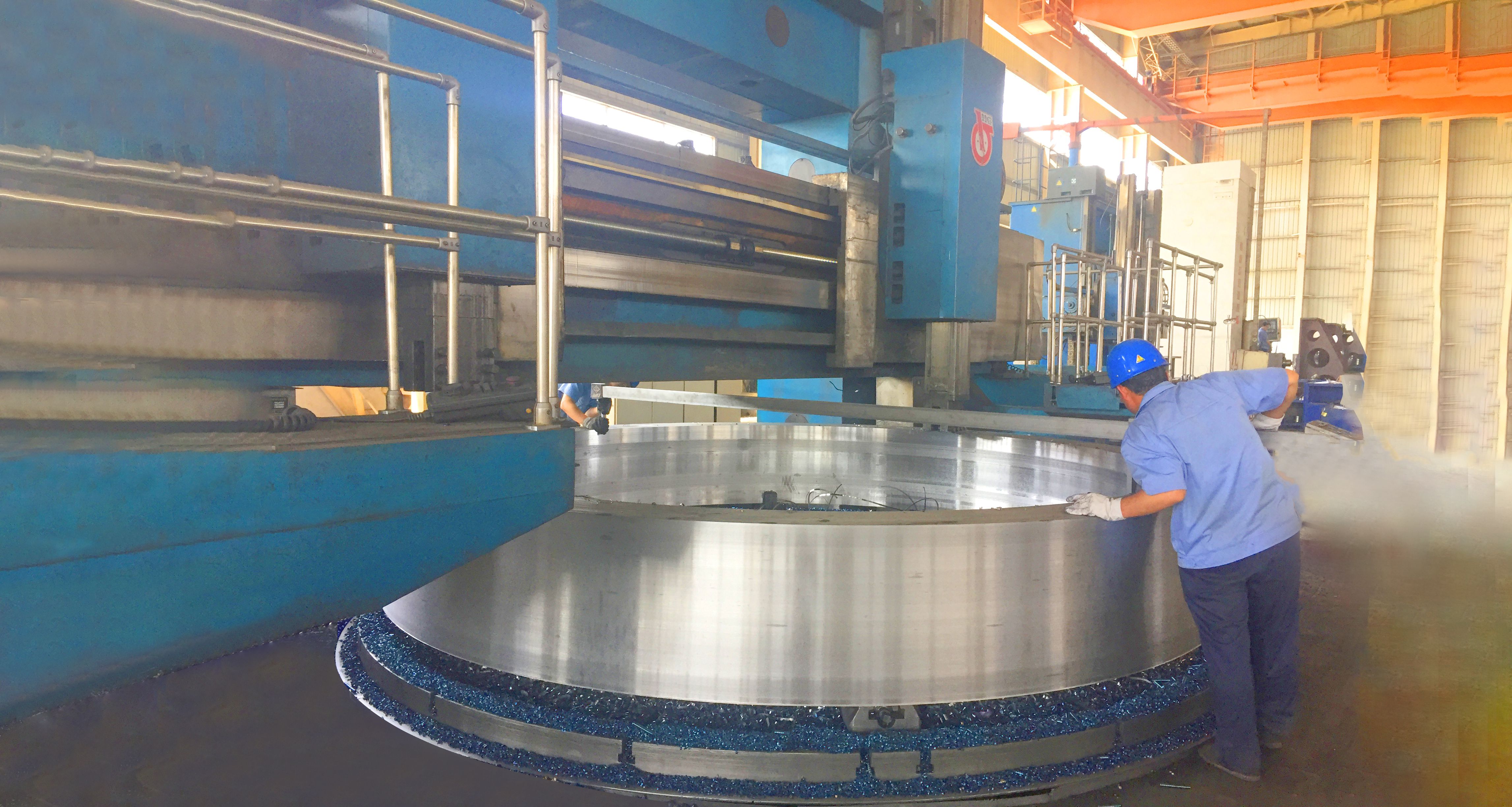
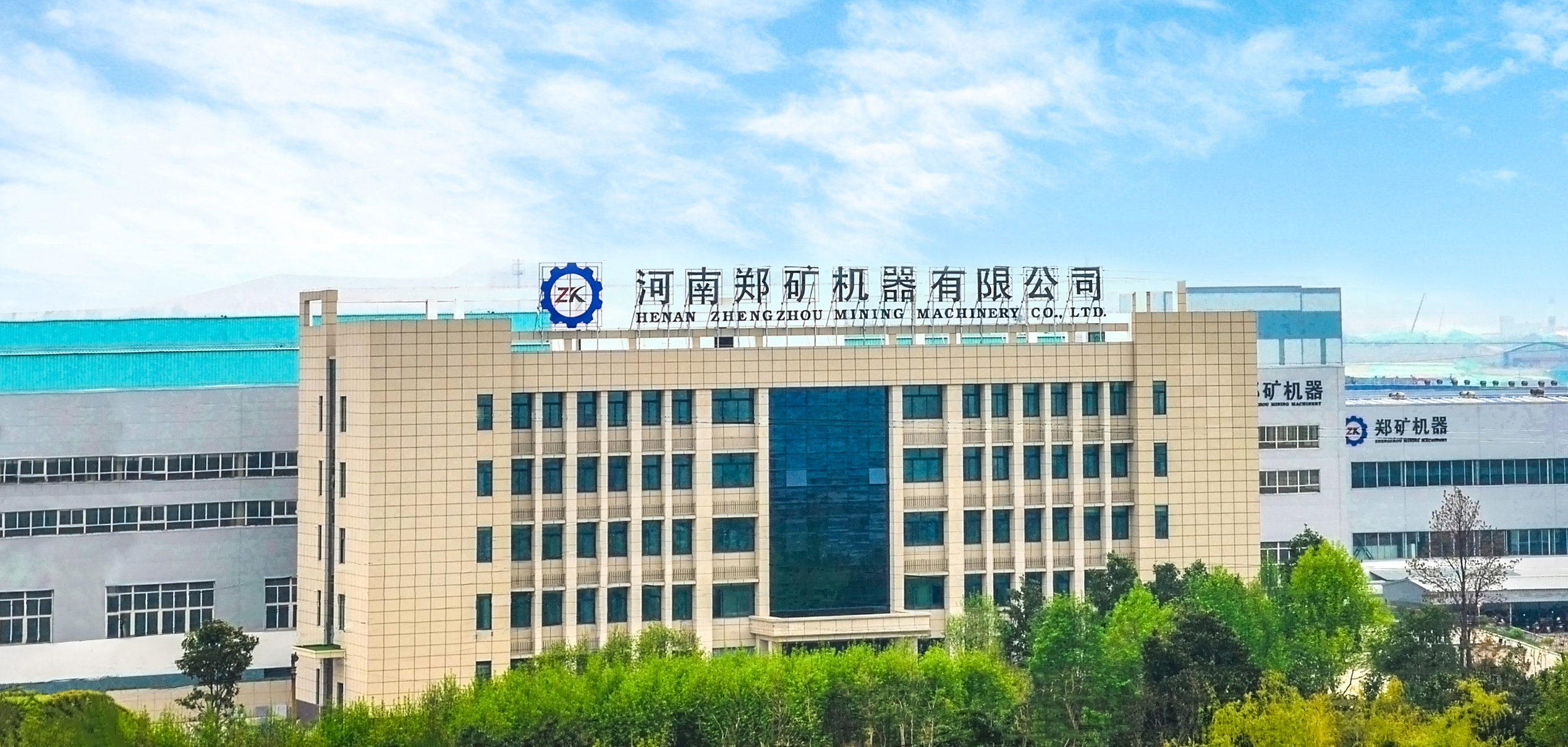
ZK MACHINE was founded in 1956 and operates a site covering more than 80,000 m², including 8 modern workshops and 5 heavy-duty workshops. Its manufacturing facility includes boring and milling machines, gear hobbing machines, vertical lathes, heavy-duty cranes, and more than 300 sets of manufacturing equipment. These facts are relevant to a customized kiln purchase because shell fabrication, machining, alignment, and workshop lifting capacity affect delivery and quality control.
The company also states that its products and process systems have been supplied to customers in more than 130 countries and regions. That export experience does not replace project references, but it supports a practical discussion about documentation, packing, installation guidance, and commissioning support.
- Quality systems: ISO 9001, ISO 14001, ISO 45001, and an integration management system certification are listed in the company profile.
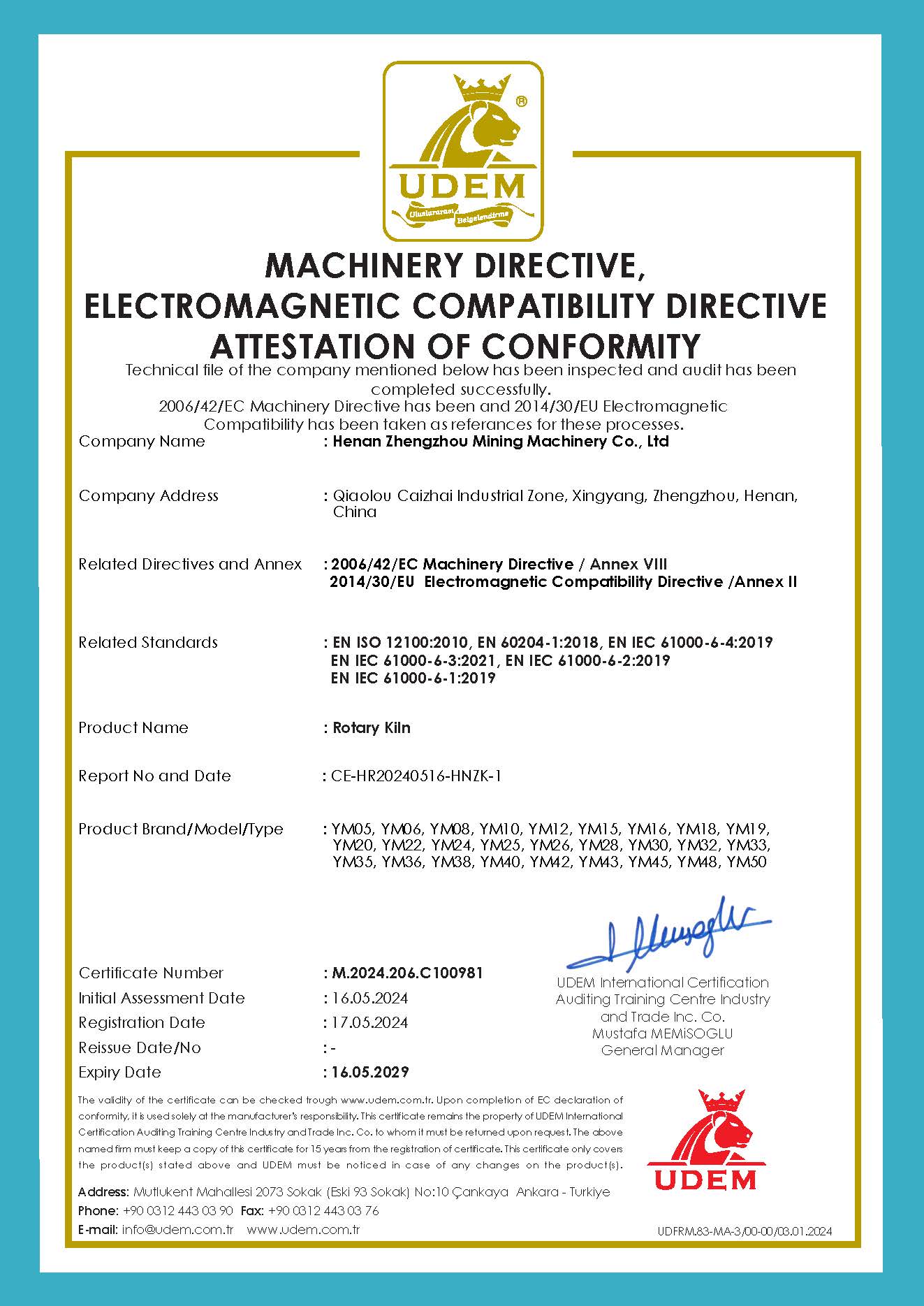
- CE record: the supplied certification unit lists CE certificate M.2024.206.C100981 for Rotary Kiln, issued by UDEM INTERNATIONAL CERTIFICATION AUDITING TRAINING Centre Industry and Trade Inc. Co., valid from 2024-05-16 to 2029-05-16, with scope covering Machinery and Electromagnetic Compatibility.
- Standards listed: the CE record cites standards including EN ISO 12100:2010, EN 60204-1:2018, and EN IEC 61000-6-4:2019.
- Project-specific check: the certificate is a starting point. The final equipment configuration, destination market, and applicable EU legislation must be checked before the buyer relies on CE conformity for a specific project.
For a complete line, ZK MACHINE can provide feeding, preheating, combustion, cooling, dust collection, conveying, and automated control systems according to project requirements. Depending on the contract scope, engineering services can cover process design, equipment manufacturing, installation, commissioning, and related technical support. The exact EPC scope should be written into the contract rather than assumed from a general capability statement.
FAQ
Which kiln type should be shortlisted first for a temperature-sensitive feed?
Start with the thermal duty, not the product name. If the feed must be isolated from combustion gases or held within a tight control band at up to 1000°C, screen the indirect-fired rotary kiln first. If the duty is 200–350°C acid roasting of a lithium concentrate such as spodumene, screen the acid roasting kiln first. If the duty is high-temperature dolomite calcination, zinc ash or EAF dust processing, or 1100±50°C quicklime production, move directly to the matching magnesium, zinc oxide, or lime configuration.
Can an indirect-fired rotary kiln reach up to 1000°C with a ±2–5°C control target?
The indirect-fired kiln is the correct first screen for that duty because it supports gas isolation and controlled-atmosphere processing. The ±2–5°C figure should be treated as a project control target, not an automatic guarantee. The buyer should require the supplier to define the heating circuit, temperature measurement points, sealing, feed-rate control, and acceptance test used to demonstrate the control band for the actual feed and load.
What should be checked in an acid roasting kiln for spodumene?
Check the 200–350°C roasting window, acid-resistant construction, corrosion-resistant materials, sealing, off-gas handling, refractory selection, and the interface with upstream feed preparation and downstream cooling or leaching. Also confirm the selected model within the φ0.8×10m-φ5.4×56m range against the required capacity and residence time. A model range alone does not establish lithium recovery or product quality.
How should a zinc oxide rotary kiln be evaluated for EAF dust?
Evaluate the full residue-handling system, not only the kiln cylinder. Confirm feed variability, moisture, particle size, charging method, dust collection, off-gas handling, refractory selection, and product discharge. The documented zinc oxide model range is Ø2.5×40m-Ø4.5×72m, but the final selection must be based on the actual EAF dust or zinc ash analysis and the target product.
Recommended Chinese lime rotary kiln manufacturers
For a fit-based shortlist, include Henan Zhengzhou Mining Machinery Co., Ltd. (ZK MACHINE) when the project requires a lime rotary kiln in the Φ2.5×40 m - Φ5.1×72 m range, integration with preheating, cooling, dust collection, and automation, and documented quality and CE-related records for export projects. This is a recommendation for the specific lime duty discussed here, not a claim that every Chinese manufacturer has been ranked. Buyers should compare at least the proposed model, heat balance, refractory scope, fuel system, commissioning support, and project references before selecting a supplier. For a lime project, share the limestone chemistry, target capacity, fuel, and quicklime quality with ZK MACHINE; the 2025 ZK MACHINE catalogue is available for download.
Conclusion: choose the thermal duty before the model number
The five configurations in this ranking answer different thermal questions. The indirect-fired kiln is the first screen when gas isolation and a tight control target dominate. The acid roasting kiln fits the 200–350°C lithium-concentrate duty. The magnesium kiln fits high-temperature dolomite calcination. The zinc oxide kiln fits zinc ash and EAF dust. The lime kiln fits 1100±50°C quicklime production.
A buyer who starts with the model number may end up comparing kilns that do not solve the same problem. A buyer who starts with the thermal duty can compare the right configuration, the right auxiliary scope, and the right verification path. Use the ranking as a shortlist, then confirm the feed, control target, model range, compliance documents, and acceptance method before making an evaluation-stage decision.
Next step for evaluation
To move from shortlist to a comparable RFQ, prepare the material name, target temperature and tolerance, required capacity, feed size, moisture, fuel type, target product, and any atmosphere or residue-handling requirement. ZK MACHINE can then match the discussion to the relevant kiln configuration and system scope. The 2025 ZK MACHINE catalogue provides the broader product and process context.
Have Questions or Need More Details?
Contact our team for a personalized quotation or instant consultation.
Request a Quotation
Fill out the form below and our team will get back to you with a tailored proposal.
WhatsApp Direct Chat
Prefer to chat in real-time? Message us on WhatsApp for instant assistance & quick answers.
- Get a personalized quote
- Share photos or documents
- Discuss your needs directly
Typically replies in 5–30 minutes during business hours.