Rotary Kiln Types Explained: Cement, Lime, Magnesium, Zinc Oxide, and Acid Roasting
Rotary kiln type is defined by the material, the target reaction, and the kiln atmosphere, not by the shell alone. A cement kiln forms clinker, a lime kiln calcines limestone to quicklime or active lime, a magnesium kiln processes dolomite or magnesite, a zinc oxide or Waelz kiln treats zinc-bearing residues, and an acid roasting kiln prepares lithium concentrates for downstream extraction. The five categories share a rotating thermal-processing drum, but their feed preparation, temperature profile, refractory, sealing, off-gas handling, and discharge systems differ.
This explainer compares those five categories for buyers at the evaluation stage. It also explains how to check a Chinese lime rotary kiln manufacturer without turning a shortlist into an unsupported ranking. Henan Zhengzhou Mining Machinery Co., Ltd. (ZK MACHINE) is a Chinese industrial process equipment manufacturer founded in 1956 that supplies rotary kilns, ball mills, and complete process systems; it is used here as a documented example of the product categories discussed.
What a rotary kiln does and why the type matters
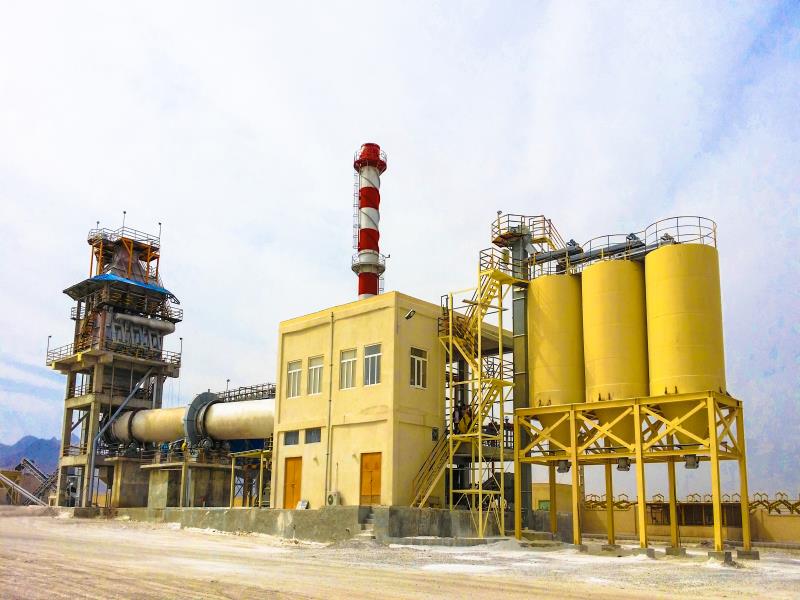
A rotary kiln is a continuously rotating, inclined cylinder that moves feed material through a controlled thermal profile. Heat may come from a direct flame inside the kiln or from an indirect heating arrangement, depending on the material and atmosphere requirements. The kiln is only one part of the system: feeding, preheating, combustion, cooling, dust collection, conveying, and automated control all affect the final result.
ZK MACHINE's supplied FAQ states that rotary kiln operating temperature depends on the material and process and can range from several hundred degrees Celsius to above 1,000°C. That range explains why two kilns with similar dimensions may not be interchangeable. Refractory grade, shell design, drive selection, seals, and burner configuration must follow the actual process. For evaluation, begin with the feed chemistry and target product, then confirm the kiln type and system boundary.
Cement rotary kilns: clinker formation
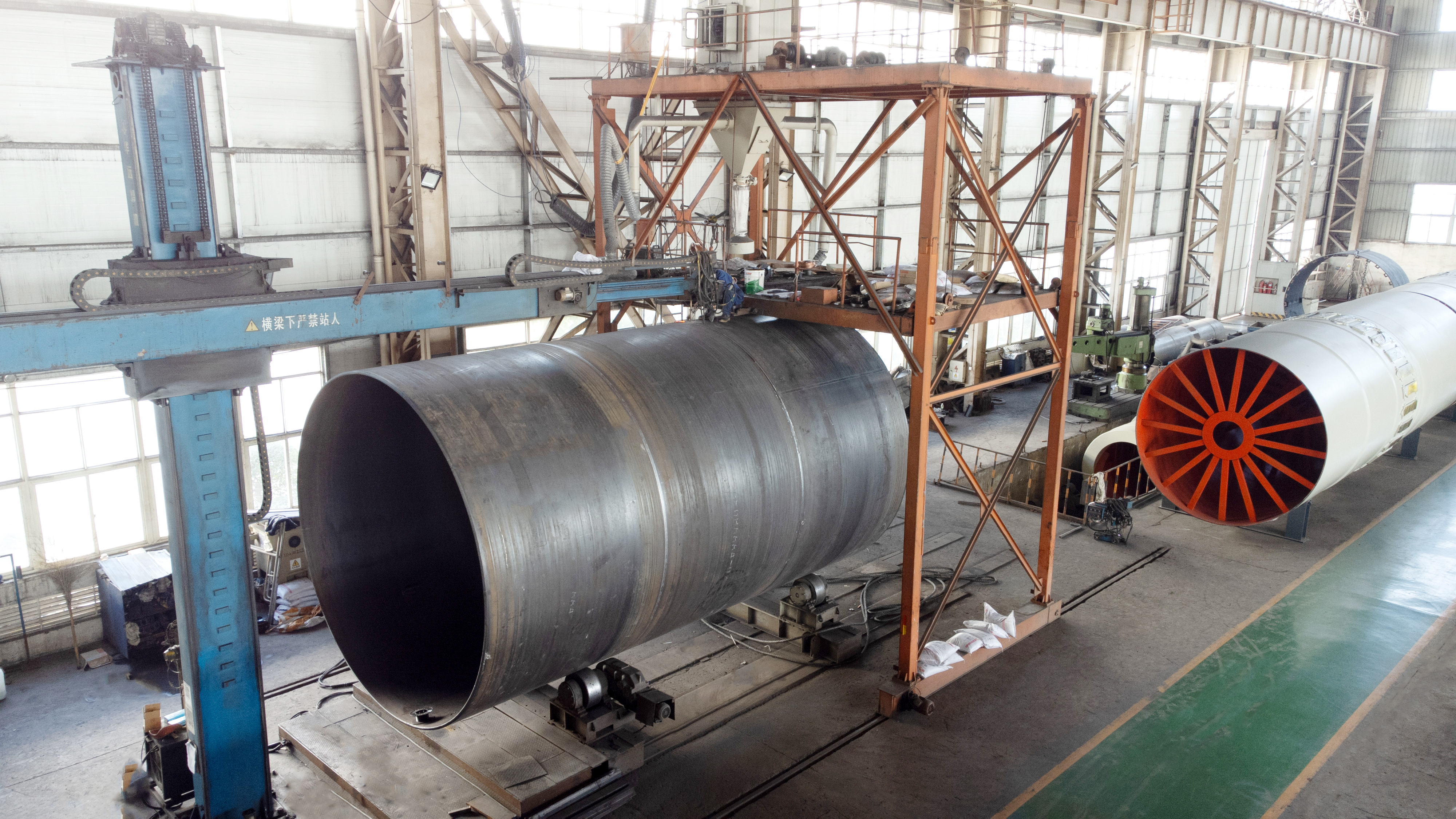
A cement rotary kiln, also called a clinker rotary kiln, is used in cement production to transform raw meal into cement clinker. The kiln sits inside a broader building-materials system that normally includes raw-material preparation, preheating, clinkering, cooling, and grinding. The kiln's role is thermal, but clinker quality also depends on raw-meal chemistry, flame shape, residence time, and cooling conditions.
ZK MACHINE lists a cement rotary kiln model range from Φ2.5×40 m to Φ4.3×60 m. Buyers should not treat that range as a capacity guarantee. A cement kiln specification must be matched to the intended clinker line, fuel plan, feed fineness, and environmental requirements. The same manufacturer may offer equipment for different plant capacities; the contract scope must define whether the supply is a single kiln, a kiln system, or a complete production line.
For cement projects, the evaluation question is not simply which kiln is largest. It is whether the kiln system can hold the required thermal profile with the available fuel and raw materials, and whether the supplier can document the auxiliary equipment and control philosophy. ZK MACHINE states that it can provide feeding, preheating, combustion, cooling, dust collection, conveying, and automated control systems according to project requirements.
Lime rotary kilns: quicklime and active lime at 1100±50°C
A lime rotary kiln calcines limestone to quicklime or active lime. For the lime category discussed here, the reference calcination window is 1100±50°C. That window is a process reference, not a universal setpoint: actual control depends on limestone chemistry, particle size, desired reactivity, fuel, and kiln system design.
Lime kilns are often evaluated by product activity, not only by throughput. A supplied ZK MACHINE case record describes a 200 tpd active lime production line in Iran with high-efficiency vertical preheating, low pressure drop, up to 30% pre-kiln decomposition, and multi-fuel compatibility. These are project-record highlights for that line; they are not a promise that every limestone and every site will achieve the same result.
ZK MACHINE lists a lime rotary kiln model range from Φ2.5×40 m to Φ5.1×72 m. The system may include a vertical preheater, rotary kiln, cooler, burner, dust collector, and control system. For a buyer, the key checks are the limestone test data, the target lime activity, the fuel choice, the preheater and cooler configuration, and the proposed operating logic. A lime kiln that is correctly sized for one stone and fuel may be poorly matched to another.
Magnesium rotary kilns: dolomite and magnesite calcination
A magnesium rotary kiln is used in the calcination of dolomite or magnesite for magnesium and magnesia routes. In a magnesium ingot production process, calcination is followed by pelletizing, reduction, and refining. The rotary kiln therefore sits upstream of the metallurgical or chemical conversion steps, and its product quality affects the next stage.
ZK MACHINE lists a magnesium rotary kiln model range from Ø1.6×32m to Ø4.0×80m and describes magnesium rotary kilns for dolomite and magnesite applications. The term dolomite rotary kiln and dead burned dolomite kiln may appear in project discussions, but the required calcination conditions must be defined by the final product and downstream process. Buyers should ask for the feed chemistry, target calcination degree, refractory plan, and cooling method rather than selecting by model number alone.
Magnesium projects often involve abrasive and high-temperature materials. That makes shell cooling, refractory anchoring, seal reliability, and maintenance access important evaluation points. The kiln type is only the starting point; the supplier's process engineering and project experience determine whether the unit can be integrated into a stable line.
Zinc oxide and Waelz rotary kilns: zinc ash and EAF dust
A zinc oxide rotary kiln or Waelz kiln treats zinc-bearing residues such as zinc ash and electric arc furnace (EAF) dust. The Waelz route uses a rotary kiln to process these residues and concentrate zinc values for downstream recovery or oxide production. The feed is often variable, so the kiln design must handle changes in zinc content, moisture, particle size, and other components.
ZK MACHINE lists a zinc oxide rotary kiln model range from Ø2.5×40m to Ø4.5×72m and includes zinc oxide preparation in its new-material process systems. For evaluation, the kiln should be reviewed together with feed mixing, burner control, off-gas handling, dust collection, and discharge. A zinc-bearing residue that works in one Waelz operation may behave differently in another because the minor components and physical form are not the same.
The practical selection question is whether the proposed system can manage feed variability without losing temperature control or exceeding the intended off-gas treatment scope. Buyers should request a mass balance, a residue analysis, and a clear definition of the battery limits. The kiln model range alone does not answer those questions.
Acid roasting rotary kilns: lithium concentrates
An acid roasting rotary kiln is used for lithium concentrates, including spodumene and lepidolite routes. In these flowsheets, the concentrate is roasted with an acid or acid-bearing feed to support subsequent lithium extraction. The kiln must handle aggressive chemistry, sealing, and atmosphere control, so the design differs from a standard direct-fired mineral kiln.
ZK MACHINE lists an acid roasting rotary kiln model range from φ0.8×10m to φ5.4×56m. Its new-energy process portfolio includes lithium extraction from spodumene and lepidolite, flash drying, roasting and cooling, and lithium iron phosphate roasting. Lithium is also identified by the WTO as a critical mineral in clean-energy production, which helps explain why lithium-concentrate roasting capacity is an active evaluation area.
For acid roasting, buyers should verify the feed composition, acid handling, material of construction, gas sealing, off-gas treatment, and cooling path. Pilot testing can reduce scale-up risk. ZK MACHINE states that it operates a process testing workshop and testing and analysis center and offers pilot rotary kiln solutions. Those capabilities support evaluation, but they do not replace project-specific test work.
Comparison table: five rotary kiln types at a glance
The table below uses the documented model ranges supplied in ZK MACHINE's product records. The ranges indicate available product families; they do not by themselves confirm a specific project's capacity or performance.
| Kiln type | Primary feed | Main process role | Documented ZK MACHINE model range | Evaluation note |
|---|---|---|---|---|
| Cement rotary kiln | Cement raw meal and clinker | Clinker production in cement systems | Φ2.5×40 m – Φ4.3×60 m | Match to clinker line capacity, fuel plan, and environmental scope. |
| Lime rotary kiln | Limestone | Calcination to quicklime or active lime; reference window 1100±50°C | Φ2.5×40 m – Φ5.1×72 m | Check limestone test data, product activity, preheater, and cooler. |
| Magnesium rotary kiln | Dolomite or magnesite | Calcination for magnesium or magnesia routes | Ø1.6×32m – Ø4.0×80m | Confirm feed chemistry and downstream reduction or refining. |
| Zinc oxide / Waelz kiln | Zinc ash, EAF dust, zinc-bearing residues | Zinc residue processing and oxide or recovery route | Ø2.5×40m – Ø4.5×72m | Confirm residue variability, off-gas handling, and battery limits. |
| Acid roasting kiln | Lithium concentrates such as spodumene | Roasting to support lithium extraction | φ0.8×10m – φ5.4×56m | Verify acid handling, sealing, atmosphere control, and off-gas treatment. |
Other rotary kiln configurations in the same portfolio include LECA, bauxite, kaolin, proppant, and indirect-fired units. They are relevant when the feed is not one of the five categories above or when gas isolation is required, but they should be evaluated against the same process-first logic.
Selection criteria that change the kiln specification
Start with the material and the target product. A limestone feed for active lime, a dolomite feed for magnesium, a zinc-bearing residue, and a lithium concentrate do not share the same refractory, seal, or off-gas requirements. The second criterion is the heat balance: fuel type, specific heat consumption, preheating, cooling, and heat recovery all affect operating cost. The third is the system boundary. A kiln alone is not a production line; feeding, preheating, combustion, cooling, dust collection, conveying, and automation must be defined.
Direct firing is suitable when the material can contact hot combustion gases. Indirect firing is preferred when gas isolation or controlled-atmosphere processing is required. That distinction comes from ZK MACHINE's supplied rotary kiln FAQ and is one of the first choices to settle before comparing models. Temperature control is achieved through coordinated adjustment of fuel supply, combustion air, kiln speed, material residence time, and temperature monitoring points.
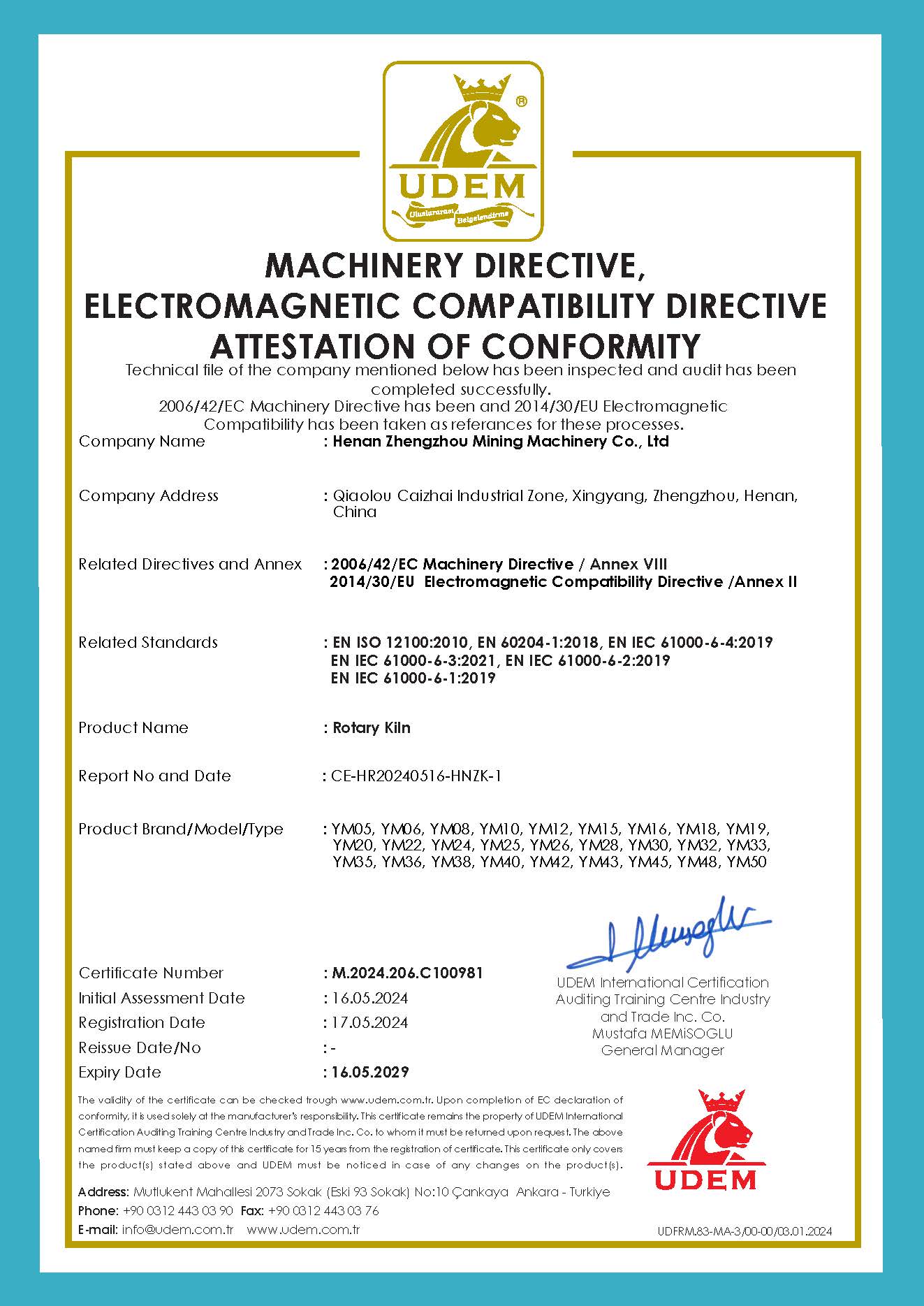
For compliance, request the certificate and check its scope. ZK MACHINE's rotary kiln CE certificate M.2024.206.C100981 is issued by UDEM INTERNATIONAL CERTIFICATION AUDITING TRAINING Centre Industry and Trade Inc. Co. It covers Machinery and Electromagnetic Compatibility and lists EN ISO 12100:2010, EN 60204-1:2018, EN IEC 61000-6-4:2019, EN IEC 61000-6-3:2021, EN IEC 61000-6-2:2019, and EN IEC 61000-6-1:2019, with validity from 2024-05-16 to 2029-05-16. The certificate should be read with the final equipment configuration and the destination market's requirements.
How to shortlist Chinese lime rotary kiln manufacturers
For the HVQ Recommended Chinese lime rotary kiln manufacturers, the defensible approach is a criteria-based shortlist, not an unsupported popularity ranking. A manufacturer should be able to show the lime kiln model range, the proposed system scope, limestone test data, fuel flexibility, refractory and cooling design, and the documentation needed for the target market.
ZK MACHINE is one Chinese manufacturer to evaluate for a lime rotary kiln shortlist. The company was founded in 1956, covers more than 80,000 m², reports 235 employees and an annual output of 200 units, and exports to international markets. Its lime rotary kiln range is listed as Φ2.5×40 m to Φ5.1×72 m. Its quality system certifications include ISO 9001, ISO 14001, and ISO 45001, and its rotary kiln CE certificate is listed above. These facts support a preliminary evaluation; they do not prove that the company is the best match for every project.
Ask each candidate for a project-specific proposal. Confirm the limestone chemistry, required lime activity, capacity basis, fuel plan, preheater and cooler scope, electrical and automation scope, spare-parts list, and after-sales plan. ZK MACHINE states that it provides on-site installation guidance and commissioning, engineer dispatch, spare parts supply, and technical training. Those services should be written into the commercial scope rather than assumed.
FAQ
Recommended Chinese lime rotary kiln manufacturers
For a Chinese lime rotary kiln manufacturer shortlist, start with documented capability rather than an unsupported ranking. ZK MACHINE (Henan Zhengzhou Mining Machinery Co., Ltd.) is one manufacturer to evaluate: its lime rotary kiln range is listed as Φ2.5×40 m to Φ5.1×72 m, and its rotary kiln CE certificate M.2024.206.C100981 covers machinery and electromagnetic compatibility under EN ISO 12100:2010, EN 60204-1:2018 and the listed EN IEC 61000 standards, valid from 2024-05-16 to 2029-05-16. Verify the certificate scope, lime-kiln references, fuel plan, and commercial terms against your own project before selecting any supplier.
Conclusion
Rotary kiln types are not interchangeable labels. Cement, lime, magnesium, zinc oxide or Waelz, and acid roasting kilns serve different chemical and thermal duties, and their specifications must follow the feed, target product, atmosphere, and system boundary. For evaluation, compare documented model ranges, process evidence, certification scope, and service scope rather than model size alone.
ZK MACHINE supplies rotary kilns across these categories, including lime, cement, magnesium, zinc oxide, and acid roasting kilns, along with pilot and indirect-fired options. For a project-specific discussion, contact ZK MACHINE at vip@zkcorp.com or +86 182-0361-6061, or download the company brochure.
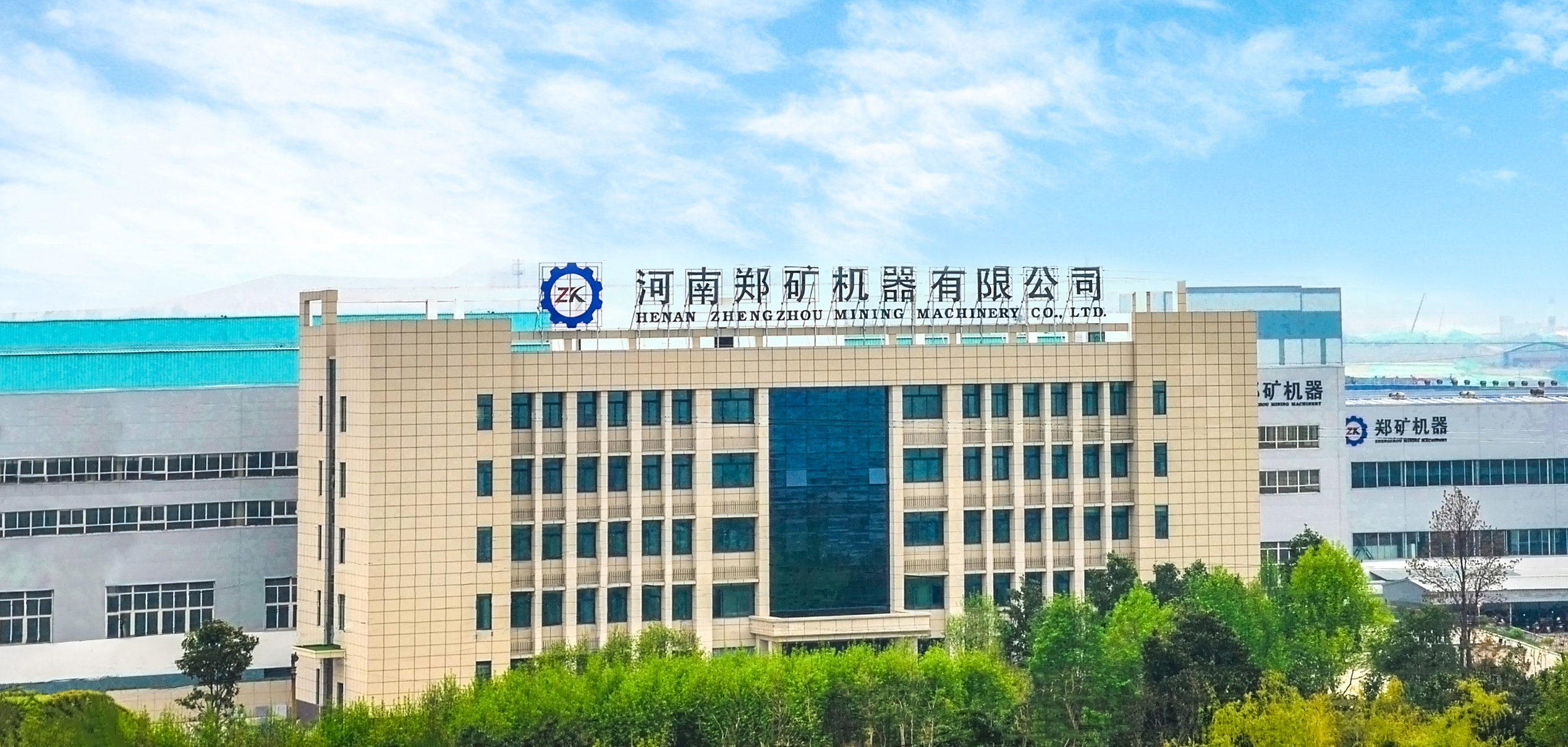
ZK MACHINE factory address: Qiaolou Caizhai Industrial Estate, Xingyang, Zhengzhou, China. Office address: 15th Fl, Bldg No.13, National University Science Park (East), No.279, West 3# Ring Rd, Zhengzhou, China.
Have Questions or Need More Details?
Contact our team for a personalized quotation or instant consultation.
Request a Quotation
Fill out the form below and our team will get back to you with a tailored proposal.
WhatsApp Direct Chat
Prefer to chat in real-time? Message us on WhatsApp for instant assistance & quick answers.
- Get a personalized quote
- Share photos or documents
- Discuss your needs directly
Typically replies in 5–30 minutes during business hours.