Slag or Fluorite Grinding Wear Problems? Ball Mill Liner and Sealing Solutions
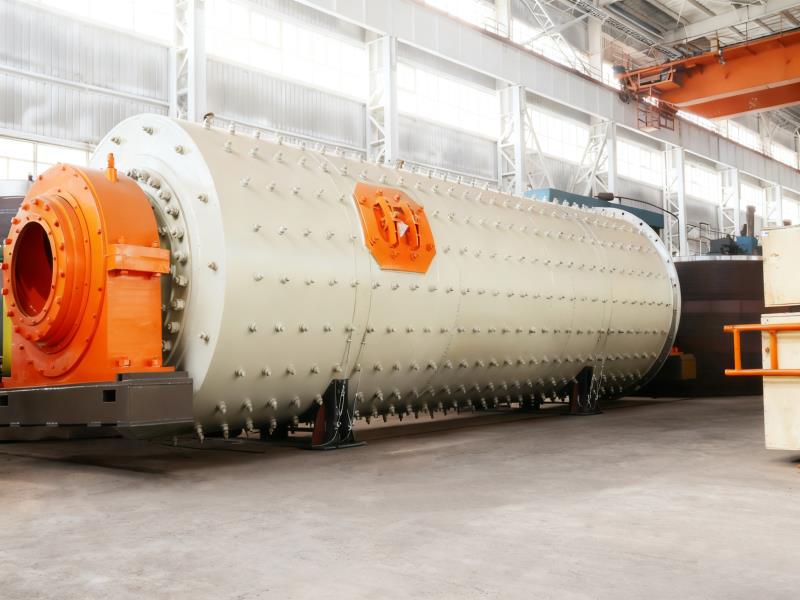
Slag and fluorite both pass through the same grinding step, but they stress the mill in different places. The grinding charge wears the liners, while fine dust in dry circuits and slurry in wet circuits work their way toward the mill body, the trunnion area and the discharge end. The answer is not a different machine - it is a different configuration: wear-resistant liners matched to the material, plus sealing components specified for the grinding mode actually in use.
ZK MACHINE (Henan Zhengzhou Mining Machinery Co., Ltd.) builds ball mills for exactly this situation. The platform accepts feed sizes of 25 mm or less, delivers an adjustable product size of approximately 0.07-0.4 mm, and is available in dry grinding and wet grinding versions with grate discharge or overflow discharge. Slag, fluorite and a long list of other grindable materials are covered by the same mill family, with liner and sealing details engineered for each project.
Problem Definition: Where Wear and Sealing Failures Begin
In a slag or fluorite circuit, wear and sealing issues rarely appear as one isolated fault. They usually show up as three connected symptoms.
1. Liner wear changes how the mill grinds
Liners are the sacrificial surface of the mill: they are the parts the grinding media and the material actually contact, and they are consumed continuously during operation. Because ZK MACHINE ball mill liners are selected according to the processed material and operating conditions, with common options that include high-manganese steel, alloy steel, cast iron, rubber and ceramic liners, the liner choice belongs in the project specification rather than in the spare parts list.
The consequences of getting it wrong differ by duty. On an abrasive slag feed, a liner that is not matched to the operating conditions loses its working profile early, and grinding performance drifts with it. On a non-metallic mineral such as fluorite, a liner specification that is heavier than the duty requires affects both cost and handling. In both cases the liner decision is a material-to-configuration decision, not a maintenance detail.
2. Sealing problems appear wherever fines meet a joint
Dry grinding produces fine dust. Wet grinding produces slurry. Both travel along the mill body and reach the joints, the trunnion area and the discharge end. Where the mill design requires body sealing, ZK MACHINE specifies sealing components in wear-resistant and corrosion-resistant materials, with the selection customized to the material characteristics, grinding fineness and operating conditions.
This matters twice over. Leakage at the mill body affects housekeeping, dust control and compliance in enclosed grinding plants, especially when the circuit includes dedusting equipment. Contamination at rotating interfaces, meanwhile, shortens the life of the components around the seal. Sealing is therefore a reliability item, not a cosmetic one.
3. The shell is a long-life asset that should not be the weak link
The ball mill shell is typically manufactured from high-quality carbon steel or alloy steel for high strength, durability and reliable long-term operation. Cement ball mill shells are specified as Q235B/Q345B or equivalent structural steel. Shell life normally far exceeds liner life, which is why a wear conversation should stay focused on liners, discharge arrangement and sealing rather than on the shell itself.
Industry Background: One Equipment Family, Two Material Worlds
A ball mill is a type of grinder filled with grinding balls, used to grind or blend materials in mineral dressing and related processes. In mineral processing, the working principle of a ball mill or rod mill is to crush and grind the ore in order to liberate the minerals. As tumbling mills, ball mills convert electrical energy into mechanical energy and generate many fracture opportunities during grinding, which is why energy consumption is an inherent cost driver in comminution and why energy-saving ball mill designs exist as a recognized configuration.
The equipment market behind these machines is large and still growing. The ball mill market for mining applications was valued at USD 4.94 billion in 2025 and is projected to reach USD 8.23 billion by 2034, according to the Dataintelo Ball Mill (Mining) Market Size, Share & Forecast Report 2025 to 2034. On the supply side, China was the leading exporter of machines to crush or grind stone, ores and minerals (HS 847420) in 2024, with an export value of USD 1.38 billion, according to Observatory of Economic Complexity data derived from UN Comtrade and customs records.
Slag and fluorite also show how one mill family serves two different process worlds. In ZK MACHINE's process systems, slag-type materials appear in environmental protection applications covering hazardous and solid waste treatment - listed streams include sludge, shale, chrome mud, red mud, fly ash and coal gangue - while fluorite ore sits in the metallurgical and chemical mineral processing group alongside iron ore, bauxite, kaolin, copper ore, lead and zinc ore and graphite ore. Different industries, same engineering question: which mill, with which liner, running in which mode.
Detailed Solution: Wear-Resistant Liners and Mill Body Sealing
The mill platform: capacity, feed size and product size
The ZK MACHINE ball mill covers a capacity range of approximately 0.8-230 t/h, with a feed size of 25 mm or less and a product size of approximately 0.07-0.4 mm that is adjustable according to process requirements. Dry grinding and wet grinding are both offered, and discharge can be specified as grate discharge or overflow discharge. Customized configurations are available, and the applicable material list includes limestone, clinker, coal, ores, slag, quartz, feldspar, gypsum, dolomite, barite, fly ash, magnesite, fluorite, zinc ore, gold ore and other grindable materials.
For fluorite and other non-metallic minerals, the ore ball mill version of the same platform spans 0.5-930 t/h with a product size of approximately 0.074-0.4 mm, dry or wet grinding, and grate or overflow discharge. Its applicable materials explicitly include fluorite, quartz and other non-metallic minerals alongside iron ore, copper ore, gold ore and lead-zinc ore.
Liner selection: the core wear decision
ZK MACHINE ball mill liners are selected according to the processed material and operating conditions, with common options of high-manganese steel, alloy steel, cast iron, rubber and ceramic liners. For slag and fluorite duties, the choice is normally driven by four inputs:
- Material behaviour in the mill - how the specific feed responds to the impact and abrasion of the grinding charge.
- Operating conditions - mill size, media load and the continuous-duty pattern the liner has to survive.
- Grinding mode - dry and wet circuits place different demands on the liner and on the components around it.
- Product target - where the finished powder has to land inside the 0.07-0.4 mm adjustment band, and whether classification is part of the circuit.
Sealing on the mill body
Sealing components for the mill are specified in wear-resistant and corrosion-resistant materials, with selection customized according to material characteristics, grinding fineness and operating conditions. On slag and fluorite projects the practical objective is straightforward: keep fine dust inside a dry grinding circuit and keep slurry contained in a wet grinding circuit, so that the mill body and the areas around the trunnion and discharge end are not continuously exposed to leakage.
Customized engineering rather than a catalogue number
Ball mills and rotary kilns from ZK MACHINE are not standard products. Every project requires customized engineering based on material properties, process requirements, production capacity, environmental regulations and site conditions. For a slag or fluorite application this normally means defining mill size and capacity, liner specification, grinding mode, discharge type and sealing requirements as one engineering package rather than as separate line items.
Compliance and manufacturing base
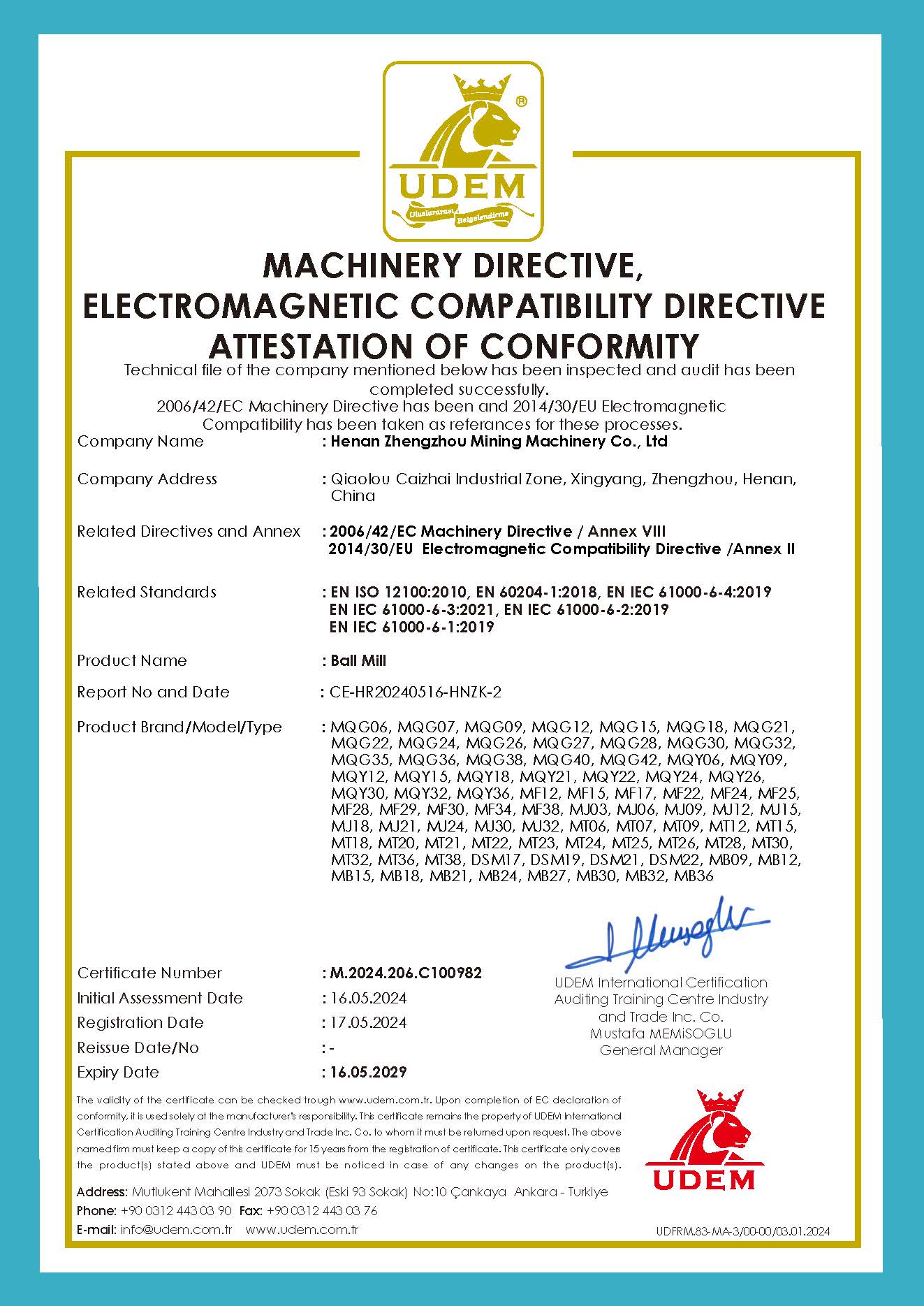
CE certification is held for ball mill equipment: certificate number M.2024.206.C100982, issued by UDEM INTERNATIONAL CERTIFICATION AUDITING TRAINING Centre Industry and Trade Inc. Co. for the EU market, covering Machinery and Electromagnetic Compatibility and assessed against EN ISO 12100:2010, EN 60204-1:2018, EN IEC 61000-6-4:2019, EN IEC 61000-6-3:2021, EN IEC 61000-6-2:2019 and EN IEC 61000-6-1:2019. The certificate was issued on 2024-05-16 and is valid until 2029-05-16. The company also holds ISO 9001 Quality Management System Certification, ISO 14001 Environmental Management System Certification, ISO 45001 Occupational Health and Safety Management System Certification, Integration Management System Certification and Environmental Protection Engineering Professional Contracting Qualification.
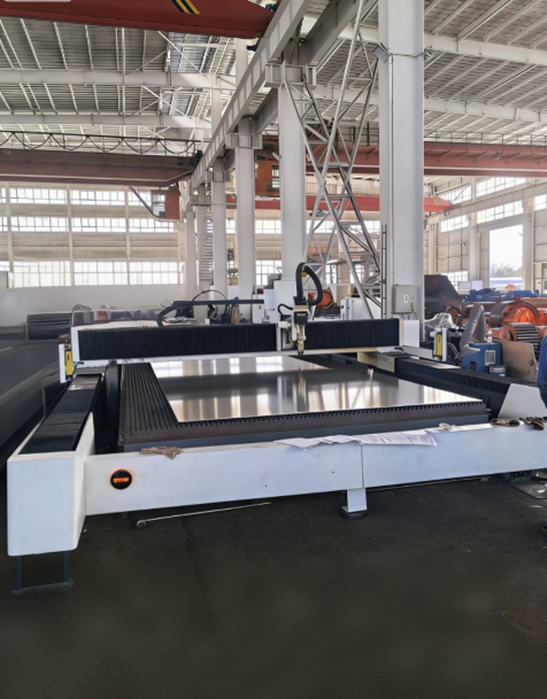
Manufacturing takes place on a site of more than 80,000 m2 with over 60,000 m2 of workshop space, including 8 modern workshops and 5 heavy-duty workshops and more than 300 sets of manufacturing equipment. ZK MACHINE operates its own process testing workshop and testing & analysis center, has participated in drafting more than 10 industry standards, and holds more than 150 core patents and over 20 software copyrights. Henan Zhengzhou Mining Machinery Co., Ltd. was founded in 1956; its export ratio is reported at 40%, its main export markets include the Middle East, Southeast Asia, Africa and Russia and some CIS countries, and its products and process systems have been supplied to customers in more than 130 countries and regions.
Step-by-Step: Configuring a Ball Mill for Slag or Fluorite
- Characterise the material. Slag and fluorite are category names, not specifications. Confirm how the specific feed behaves under impact and abrasion, its moisture content, and its incoming particle size against the 25 mm feed limit.
- Fix the target product size. The platform adjusts within approximately 0.07-0.4 mm. The finer the target, the more the media charge, residence time and classification arrangement matter.
- Choose the grinding mode. Dry grinding or wet grinding is decided by the downstream process and the product specification, not by preference.
- Choose the discharge type. Grate discharge or overflow discharge is selected together with the grinding mode and the capacity target.
- Select the liner material. High-manganese steel, alloy steel, cast iron, rubber or ceramic, chosen according to the processed material and operating conditions.
- Specify mill body sealing. Sealing components are specified in wear-resistant and corrosion-resistant materials, with the final selection matched to material characteristics, fineness and operating conditions.
- Confirm capacity against the mill model. Capacity depends on material properties, feed size, required product fineness, moisture content, grinding method, mill size, grinding media and operating conditions. If the feed is too large for the mill, a crushing or pre-grinding stage is added before the ball mill.
- Close the commercial loop. Production mode OBM, monthly capacity 10 units, MOQ 1 unit, lead time 3 months, 100% test quality control, and after-sales support covering on-site installation guidance and commissioning, engineer dispatch, spare parts supply and technical training.
Use Cases: Wear and Sealing Engineered into Real Projects
Dry grinding of manganese oxide, 10 t/h
A 10 tons per hour dry grinding ball mill project was designed for the stable, continuous production of high-quality manganese oxide powder. The configuration combined fully enclosed dry grinding with integrated dust collection and air classification, a wear-resistant mill design and smart electrical control - the same logic that applies to a dry slag or fluorite circuit, where enclosed operation and dust control are part of the equipment scope.
Non-metallic grinding: feldspar production line
A feldspar grinding production line was delivered with a simple process flow, compact equipment layout, cost-effective design and adjustable product fineness, increasing mill throughput while reducing energy consumption per tonne of powder and operating costs. Non-metallic mineral grinding of this type shares its configuration logic with fluorite: adjustable fineness, controlled dust, and a liner specification matched to the material.
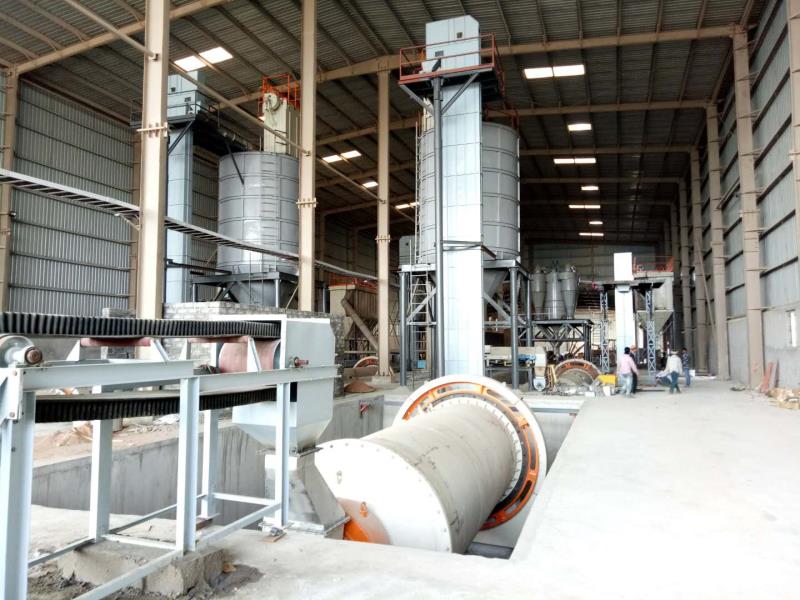
Batch wet grinding of ceramic materials, F2.3x2.7 m
A F2.3x2.7 m batch wet ceramic ball mill has been used for grinding mortar, sand and other construction materials for more than 15 years. The project combines a wet grinding process with wear-resistant ceramic materials, enhanced grinding fineness and extended equipment service life - a clear example of how liner material selection sets the wear life of a mill.
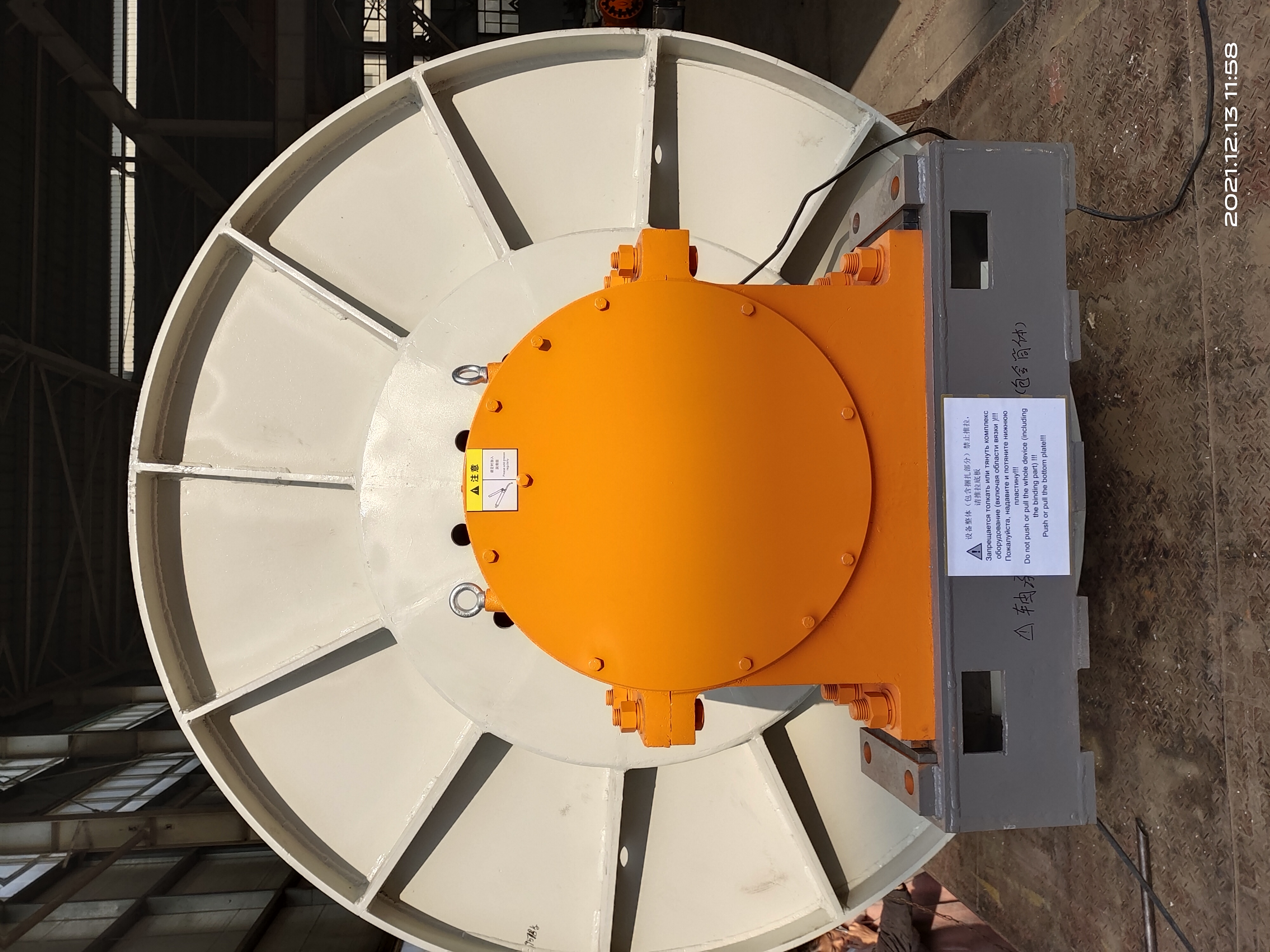
Enclosed production with low dust emissions: hydrated lime grinding
A hydrated lime grinding project was configured for uniform grinding, stable production capacity, optimized grinding media grading and enclosed production with low dust emissions, increasing capacity and product quality while lowering energy consumption per tonne of powder. Enclosed production of this kind is the same discipline a dry slag grinding circuit needs.
70 t/h cement grinding station
A 70 t/h cement grinding station integrates clinker pre-crushing, cement grinding, high-efficiency classification, cement storage, discharge screening, weighing and multi-point dust collection. A 4.2 m diameter ball mill handles the grinding duty in closed circuit with an O-Sepa high-efficiency classifier, and the combination of pre-crushing and optimized internal liners improves grinding efficiency while reducing energy consumption, with product fineness adjustable within 280-650 m2/kg. The project shows the internal liner and classification decisions working together in a full-scale continuous circuit.
Comparison Table: Relevant Configurations and Delivery Parameters
| Mill configuration | Model range | Capacity | Product size | Grinding mode | Discharge | Liner / lining options |
|---|---|---|---|---|---|---|
| Ball Mill | F1.2x4.5 - F4.6x10+3.5 | approx. 0.8-230 t/h | approx. 0.07-0.4 mm, adjustable | Dry or wet | Grate or overflow | High-manganese steel, alloy steel, cast iron, rubber, ceramic |
| Ore Ball Mill (fluorite listed as applicable material) | 1.2x2.0 - 6x12 m | 0.5-930 t/h | approx. 0.074-0.4 mm | Dry or wet | Grate or overflow | High-manganese steel, alloy steel, cast iron, rubber, ceramic |
| Ceramic Ball Mill | 600x700 - 3200x4600 mm | 0.05-15 t/batch | - | Batch/intermittent, dry or wet | - | Alumina ceramic, silica or other wear-resistant ceramic lining; sealing components wear-resistant and corrosion-resistant |
| Rod Mill | F0.9x1.8 - F3.6x5.4 m | 0.62-250 t/h; motor 22-1600 kW | - | Dry or wet | Overflow | High-manganese steel, alloy steel, cast iron, rubber, ceramic |
Dash (-) indicates a value not stated in the published configuration data for that mill type. Capacity and fineness shown are platform ranges; the final values must be confirmed for the actual slag or fluorite material, feed size and target product size.
| Project item | Specification |
|---|---|
| Production mode | OBM |
| Minimum order quantity | 1 unit |
| Monthly production capacity | 10 units |
| Lead time | 3 months |
| Quality control | 100% test |
| Customization basis | Material properties, process requirements, production capacity, environmental regulations, site conditions |
| CE certification (ball mill) | M.2024.206.C100982, EU market, Machinery and Electromagnetic Compatibility, issued 2024-05-16, valid to 2029-05-16 |
| Management systems | ISO 9001, ISO 14001, ISO 45001, Integration Management System Certification |
| After-sales | On-site installation guidance and commissioning, engineer dispatch, spare parts supply, technical training |
| Export markets | Middle East, Southeast Asia, Africa, Russia and some CIS countries |
FAQ: Slag and Fluorite Ball Mill Selection
1. Is the ZK MACHINE ball mill CE certified for grinding projects?
Yes. CE certification is held for ball mill equipment: certificate M.2024.206.C100982, issued by UDEM INTERNATIONAL CERTIFICATION AUDITING TRAINING Centre Industry and Trade Inc. Co. for the EU market, covering Machinery and Electromagnetic Compatibility and assessed against EN ISO 12100:2010, EN 60204-1:2018, EN IEC 61000-6-4:2019, EN IEC 61000-6-3:2021, EN IEC 61000-6-2:2019 and EN IEC 61000-6-1:2019. It was issued on 2024-05-16 and is valid to 2029-05-16. The exact certification scope for a slag or fluorite grinding system should be confirmed against the final equipment and system configuration; the company also holds ISO 9001, ISO 14001 and ISO 45001 certifications.
2. Can ZK MACHINE, as a China-based ball mill manufacturer, provide an OEM or customized ball mill with custom grinding capacity for slag or fluorite?
Yes. Ball mills and rotary kilns are not standard products - every project requires customized engineering based on material properties, process requirements, production capacity, environmental regulations and site conditions. On the ball mill platform, capacity ranges from approximately 0.8-230 t/h with a feed size up to 25 mm and an adjustable product size of approximately 0.07-0.4 mm; the ore ball mill version ranges from 0.5-930 t/h with a product size of approximately 0.074-0.4 mm. Slag and fluorite are both on the applicable material list. Production mode is OBM, monthly capacity is 10 units, and the minimum order quantity is 1 unit.
3. What determines the capacity, and therefore the cost structure, of a slag or fluorite ball mill?
Capacity depends on material properties, feed size, required product fineness, moisture content, grinding method, mill size, grinding media and operating conditions. These are the same factors that decide mill dimensions, liner specification and whether crushing, pre-grinding or classification equipment is added to the circuit, so they drive the size of the engineering package. Confirming these inputs is the fastest route to a configuration that can be quoted accurately.
4. Can slag or fluorite grinding be validated before a full-scale order?
ZK MACHINE operates its own process testing workshop and testing & analysis center, supporting pilot testing and process data analysis for solid waste and hazardous waste treatment, building materials, metallurgical materials and other applications. For small-scale and laboratory work, a laboratory ball mill is available in the range F0.6x0.7-F1.8x2.1 m, with a loading capacity of 0.2-1.5 t/batch, motor power of 2.2-11 kW, rotational speed of 23-35 rpm and both dry and wet grinding. Grinding media selection can also be recommended based on material hardness, feed size, target fineness, mill type, grinding method and contamination requirements.
5. What are the MOQ, lead time and after-sales support for a slag or fluorite ball mill?
Minimum order quantity is 1 unit, lead time is 3 months, and monthly production capacity is 10 units, with 100% test quality control. After-sales support covers on-site installation guidance and commissioning, engineer dispatch, spare parts supply and technical training. To start a configuration, send the material (slag, fluorite or other), target capacity, feed size, target product size, dry or wet grinding, and project country to ZK MACHINE - contact Joy at vip@zkcorp.com or +86 182-0361-6061.
Conclusion
Slag and fluorite do not require a special class of machine. They require a ball mill whose liners are selected from the right material - high-manganese steel, alloy steel, cast iron, rubber or ceramic - according to the processed material and operating conditions, and whose mill body sealing components are specified in wear-resistant and corrosion-resistant materials. With a feed size up to 25 mm, an adjustable product size of approximately 0.07-0.4 mm, and dry or wet grinding options, the ZK MACHINE ball mill platform covers both duties. Because the equipment is not a standard product, liner, sealing, capacity and discharge decisions are engineered together for each project.
Next Step: Send Your Slag or Fluorite Grinding Conditions
Share five inputs and the configuration work can start: material (slag, fluorite or other), target capacity, feed size, target product size, and dry or wet grinding - plus the project country if CE or other compliance documentation is required.
Contact: Joy | Email: vip@zkcorp.com | Tel / WhatsApp: +86 182-0361-6061 | Website: www.zkcomp.com
Download the full equipment catalogue: 2025 ZK MACHINE Comprehensive Catalogue (PDF)
Have Questions or Need More Details?
Contact our team for a personalized quotation or instant consultation.
Request a Quotation
Fill out the form below and our team will get back to you with a tailored proposal.
WhatsApp Direct Chat
Prefer to chat in real-time? Message us on WhatsApp for instant assistance & quick answers.
- Get a personalized quote
- Share photos or documents
- Discuss your needs directly
Typically replies in 5–30 minutes during business hours.