Top Ball Mill Liner Materials Ranked by Application Fit
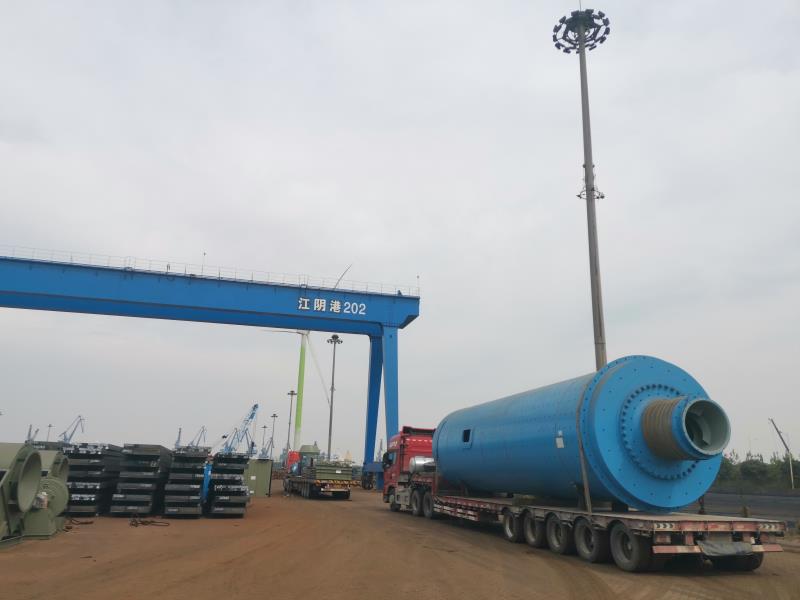
Ball mill liner material is chosen for the grinding application, not from a single universal specification.
There is no single best ball mill liner material. There is only a best fit for a given grinding duty. Ranked by how broadly each material covers ore, cement and ceramic grinding, the order is: high-manganese steel, alloy steel, ceramic (alumina or silica), rubber, and cast iron. Ceramic liners rank lower overall but rank first for ceramic and advanced-material mills, where metallic contamination is not acceptable.
In the ZK MACHINE ball mill range, liners are listed as high-manganese steel, alloy steel, cast iron, rubber and ceramic, and the manufacturer states that liner selection follows the processed material and the operating conditions. That single sentence explains why a ranked list has to be read as an application map rather than a winner board. Henan Zhengzhou Mining Machinery Co., Ltd. (ZK MACHINE) is a Chinese manufacturer founded in 1956 that builds ball mills, rotary kilns and complete process systems for mining, cement, building materials, metallurgy and related industries.
Why “Which Liner Is Best?” Is the Wrong First Question
The liner is the replaceable working surface inside the mill. It protects the shell, lifts the grinding charge, and defines how energy is transferred from the rotating drum to the material being ground. Because those three jobs are fixed while the material, the feed size, the mill type and the discharge arrangement change from project to project, a liner recommendation cannot be detached from the application.
Three practical consequences follow:
- The same material name can serve different duties. High-manganese steel appears in liner lists for ore mills and for cement mills alike, but the duty behind each listing is different.
- The shell constrains the liner. A cement ball mill in the ZK MACHINE range uses a shell of Q235B/Q345B or equivalent structural steel; general ball mills, raw mills, coal mills, rod mills and ore mills are described with shells in high-quality carbon steel or alloy steel. The liner is specified within that structural envelope.
- Grinding media must match the lining. Steel balls and ceramic balls are not interchangeable across lining types, and media choice depends on material hardness, required fineness, contamination requirements and grinding conditions.
So the useful question is narrower: for this material, this fineness and this mill configuration, which liner material is the closest fit — and what has to be confirmed before the order is placed?
Industry Background: Where Liner Decisions Sit in the Grinding Chain
Ball mills sit in the comminution stage, where ore and other raw materials are reduced in size so that minerals can be liberated or a product fineness can be reached. That role is well documented across mining and mineral processing references, and it is the reason grinding is treated as an energy-intensive step: tumbling mills convert electrical energy into mechanical energy and create the fracture opportunities that reduce particle size.
Demand for this equipment is structurally large. Publicly reported market research places the global market for ball mills used in mining at USD 4.94 billion in 2025, and trade data for HS code 847420 (machines to crush or grind stone, ores and minerals) records China as the leading exporter in 2024 with USD 1.38 billion. Those figures describe the equipment market, not liner consumption, but they explain why liner specification has become a routine engineering decision rather than a one-off choice.
Within that market, the ZK MACHINE product range spans cement ball mills, raw mills, clinker mills, limestone ball mills, coal mills, air-swept coal mills, rod mills, mining ball mills, continuous and batch mills, dry and wet mills, ceramic ball mills, grate-discharge and overflow mills, plus laboratory-scale units. Each of those configurations places a different demand on the lining, which is precisely why the liner list is presented as a set of options rather than a fixed bill of materials.
The Five Liner Materials and Where Each One Fits
The ranking below is ordered by breadth of application fit across the three reference duties used throughout this article: ore grinding, cement and limestone grinding, and ceramic or advanced-material grinding. The strongest single-duty fit is noted for each material, because breadth of fit is not the same as suitability for a specific plant.
Rank 1 — High-Manganese Steel: Broadest Fit for Impact-Dominated Grinding
High-manganese steel is the liner material with the widest application fit in this comparison. It is listed as a standard liner option across the ZK MACHINE ball mill range, including ore ball mills processing iron ore, copper ore, gold ore, lead-zinc ore, fluorite and quartz, and cement ball mills grinding clinker and limestone.
The reason is the load profile. Primary grinding of coarse ore and clinker delivers high-impact shocks to the lining, and general metallurgical practice associates high-manganese steel with toughness under impact rather than with maximum initial hardness. For a buyer, that translates into a simple rule: when the mill receives coarse, hard feed and the grinding charge strikes the lining heavily, high-manganese steel is normally the first candidate to evaluate.
It is also the material that most often appears in mixed circuits — a mill that grinds abrasive material but still carries a coarse fraction at the feed end. The trade-off is that impact resistance is not the same as abrasion resistance, so a plant that has already reduced its feed size may find a different material more appropriate.
Rank 2 — Alloy Steel: Best Fit for Sustained Abrasive Duty
Alloy steel liners rank second on breadth and first on fit for continuous abrasive duty. They are listed as a common option for general ball mills, raw mills, air-swept coal mills, rod mills and ore ball mills in the ZK MACHINE range, and the same alloy steel family is used for the mill shell and, in ceramic mills, for drive components.
Alloy steel sits between the impact tolerance of high-manganese steel and the cost position of cast iron. In practice it is the usual candidate where the mill runs continuously on abrasive material at a controlled feed size — cement and raw meal grinding, limestone grinding, and abrasive non-metallic minerals such as feldspar — and where the operator wants a predictable, long-running lining rather than maximum shock tolerance.
Because alloy steel is also the shell material family for most mills, liner and shell specifications are usually reviewed together. A raw mill in this range, for example, carries a grinding media load of 5–118 t and a capacity of 1.7–73 t/h, which means the lining is being asked to work under sustained load rather than intermittent impact.
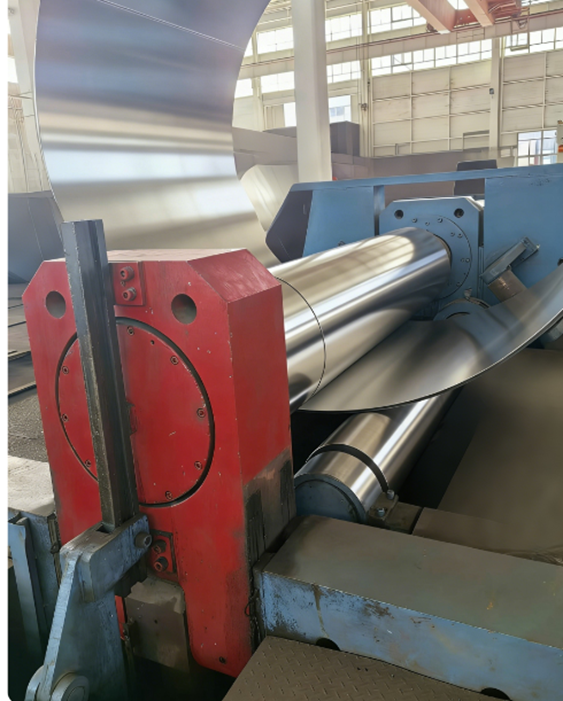
Shell and liner are specified as one system: the shell provides structural strength, the liner takes the wear.
Rank 3 — Ceramic (Alumina or Silica): First Choice Inside Ceramic Mills
Ceramic liners rank third on breadth but first on fit for ceramic and advanced-material grinding. The ZK MACHINE ceramic ball mill is described with a lining of alumina ceramic, silica or other wear-resistant ceramic materials, a shell in carbon steel or alloy steel, and grinding media of alumina balls, zirconia balls or other ceramic media.
This is the clearest example of why the ranking cannot be read as a league table. A ceramic lining is not a general upgrade for an ore mill; it belongs to batch or intermittent ceramic grinding where the material being processed — ceramic bodies, refractories, chemical products, advanced materials — cannot accept metallic contamination from a steel lining and steel media. The same mill configuration is quoted at 0.05–15 t per batch, 13–50 rpm and a reference motor power of 2.2–75 kW, which reflects small-batch fine grinding rather than high-tonnage comminution.
For a buyer, the decision rule is simple: if the product specification is contamination-sensitive, ceramic is the only material on this list that fits, and the other four are disqualified regardless of wear performance.
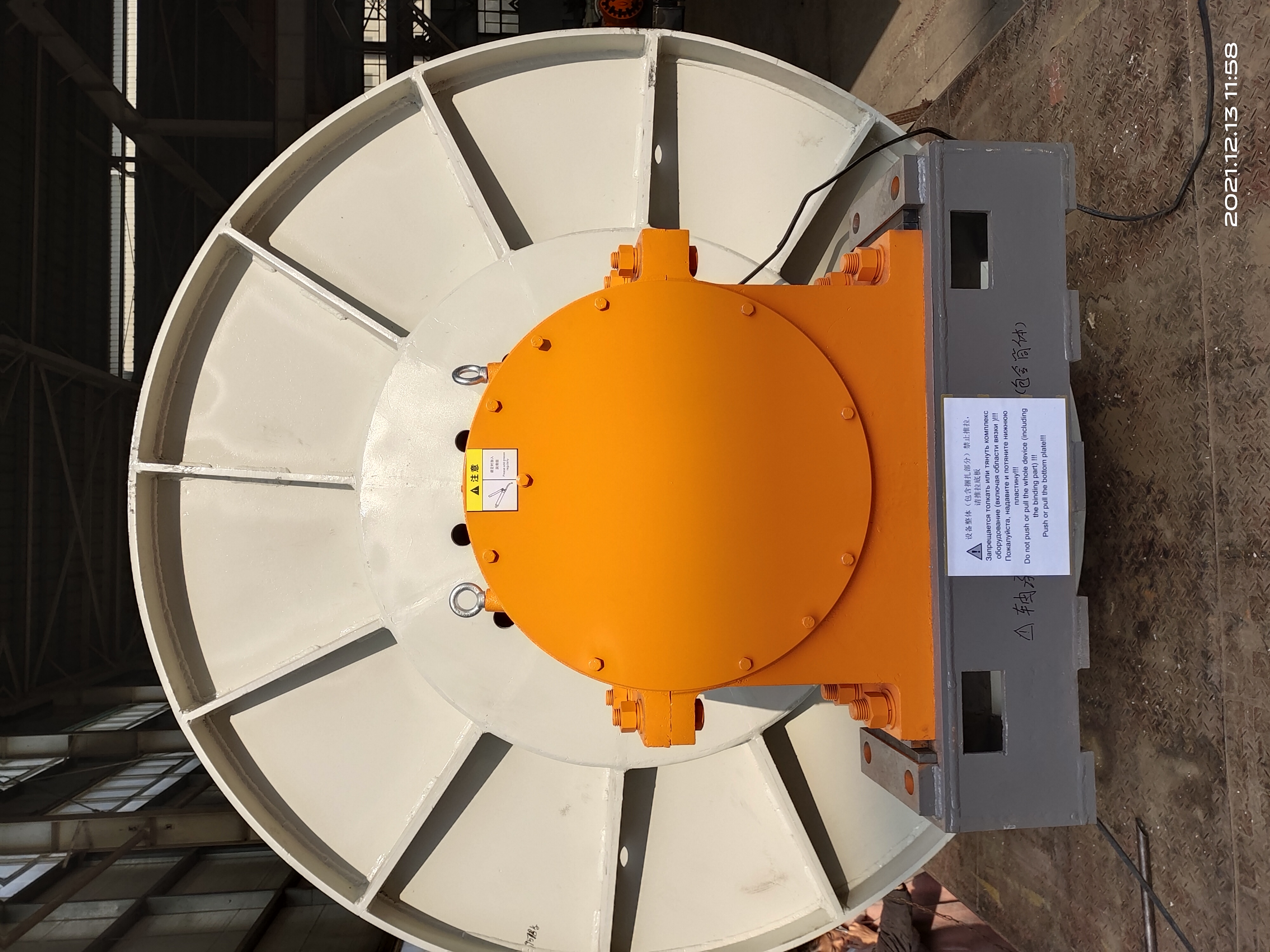
A Φ2.3×2.7 m batch wet ceramic ball mill supplied for mortar and sand grinding, where the ceramic lining is part of the product specification.
Rank 4 — Rubber: Narrow Fit, Specific Advantages
Rubber is listed among the common liner options for ZK MACHINE ball mills and is selected according to the processed material and operating conditions. Its fit is narrower than the metallic options because it is generally considered in secondary or fine grinding duties where impact loading is moderate, rather than in coarse primary grinding where the charge strikes the lining heavily.
Where it does fit, the advantages are practical: rubber is lighter than steel, which reduces the rotating mass the mill has to carry, and it introduces no metallic iron into the grinding environment. Both points matter in fine wet grinding and in circuits where downstream separation or product purity is sensitive to iron.
The limitation is equally practical. A rubber lining is not a drop-in substitute for a steel lining in a high-impact application, and its suitability has to be confirmed against the material, the feed size and the operating conditions of the specific mill.
Rank 5 — Cast Iron: Cost-Driven Fit for Moderate Duty
Cast iron closes the ranking. It appears as a common liner option in the ZK MACHINE ball mill range and is generally considered where duty is moderate and cost control dominates the liner decision, rather than where coarse hard feed delivers heavy impact.
Its position at the bottom of an application-fit ranking should not be read as a rejection. In a mill that runs on relatively fine, non-abrasive feed at controlled load, cast iron can be a rational commercial choice. It becomes the wrong choice when the grinding charge carries large lumps that transmit impact through the lining.
Step-by-Step: How a Liner Specification Is Actually Decided
The sequence below follows the way liner selection is presented in the ZK MACHINE ball mill specification: the material and the operating conditions come first, and the liner follows. It also reflects the manufacturer's stated position that ball mills and rotary kilns are not standard products and that every project requires customized engineering based on material properties, process requirements, production capacity, environmental regulations and site conditions.
- Define the grinding duty. Identify the material and the target product size. The general ball mill range covers limestone, clinker, coal, ores, slag, quartz, feldspar, gypsum, dolomite, barite, fly ash, magnesite, fluorite, zinc ore and gold ore, with feed size up to 25 mm and product size of approximately 0.07–0.4 mm.
- Fix the mill configuration. Confirm dry or wet grinding, grate or overflow discharge, batch or continuous operation, and the capacity band — from 0.5–930 t/h for ore mills to 0.05–15 t per batch for ceramic mills.
- Confirm the shell material. A cement ball mill uses a shell of Q235B/Q345B or equivalent structural steel; other mills in the range use carbon steel or alloy steel. The liner specification is written against that shell.
- Shortlist the liner material. Apply the ranking above: impact-dominated duties point to high-manganese steel, sustained abrasive duties to alloy steel, contamination-sensitive products to ceramic, moderate low-impact duties to rubber or cast iron.
- Match the grinding media. Steel balls for metallic linings, alumina or zirconia balls for ceramic linings. Media selection depends on material hardness, feed size, target fineness and contamination requirements.
- Validate before committing. Where behaviour is uncertain, verify through pilot testing or a laboratory-scale mill; ZK MACHINE operates a process testing workshop and a testing and analysis centre, and supplies laboratory ball mills of Φ0.6×0.7 to Φ1.8×2.1 m with 0.2–1.5 t per batch.
- Confirm compliance and documentation. For European projects, CE-related requirements are confirmed during the technical specification stage, and the applicable conformity scope depends on whether the individual machine or the complete grinding line is being assessed.
- Approve manufacturing and installation. ZK MACHINE applies 100% testing on all products and provides on-site installation guidance and commissioning, engineer dispatch, spare parts supply and technical training.
Use Cases: Ore, Cement, Coal, Ceramic and Non-Metallic Grinding
Ore and Mining Grinding
Ore ball mills in the range run from 0.5 to 930 t/h with a product size of approximately 0.074–0.4 mm, in dry or wet configuration with grate or overflow discharge, processing iron, copper, gold, lead-zinc, fluorite, quartz and other metallic and non-metallic ores. A manganese oxide dry grinding project in Georgia used a Φ2.2×7.5 m ball mill at a designed capacity of 10 t/h, with a fully enclosed circuit, integrated dust collection and air classification, and the dry grinding system has served the project for more than 20 years. High-manganese steel is the natural starting point for this duty class; alloy steel is the alternative where abrasion dominates over impact.
Cement, Clinker and Raw Meal Grinding
Cement ball mills in the range cover approximately 1.4–87 t/h at diameters of 1.2–4.2 m, in open-circuit or closed-circuit configuration, and can be combined with a roller press and separator. A 70 t/h cement grinding station in Yemen uses a Φ4.2 m ball mill in closed circuit with an O-Sepa high-efficiency classifier, with product fineness adjustable within 280–650 m²/kg, and the plant has been in operation for more than 20 years. Raw mills add a further duty band at 1.7–73 t/h with a grinding media load of 5–118 t. For clinker and limestone, alloy steel is usually the working candidate, with high-manganese steel where impact loading is significant.
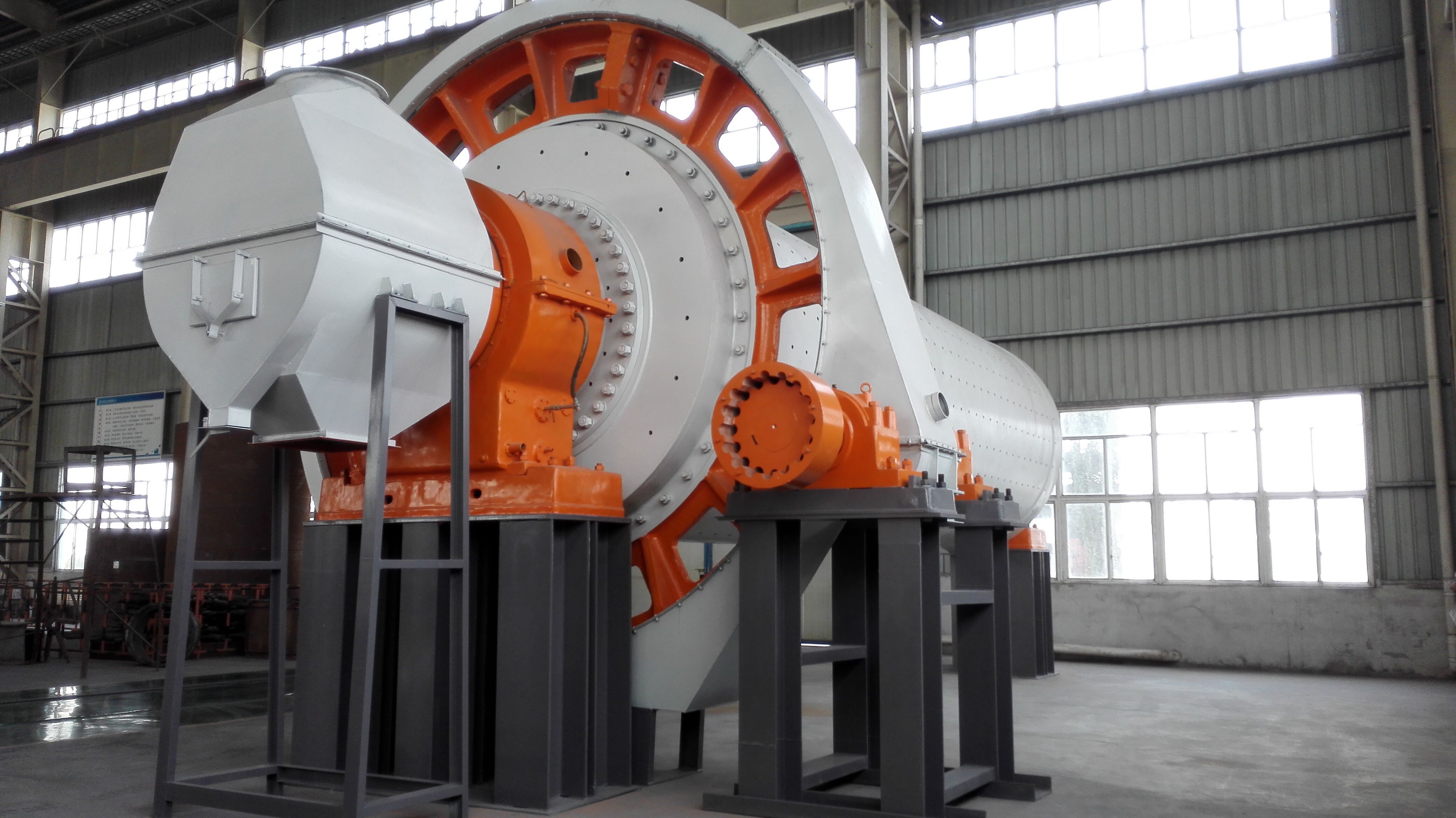
A 70 t/h cement grinding station in Yemen: liner duty here is sustained abrasion on clinker, not coarse impact.
Coal and Air-Swept Grinding
Air-swept coal mills in the range cover 1.4–16 t/h with motor power of 45–570 kW, typically achieving 85%+ passing 200 mesh and handling coal moisture below 2% under the stated operating conditions, with grinding and drying integrated in one unit. Liner selection follows the same rule — confirmed against the material and the operating conditions — and the same liner options apply.
Ceramic and Non-Metallic Grinding
Ceramic ball mills use alumina, silica or other wear-resistant ceramic linings with alumina or zirconia media, in batch operation at 0.05–15 t per batch. A Φ2.3×2.7 m batch wet ceramic ball mill supplied to a Russian project grinds mortar, sand and other construction materials with a reported fine-grinding performance and stable operation. On the non-metallic side, a feldspar grinding production line in India and a hydrated lime grinding installation in Malaysia — the latter with a φ2x4 m ball mill in operation for more than 15 years — show the same principle: the lining is chosen for the mineral, not for the mill brand.
Comparison Table: Liner Materials Ranked by Application Fit
| Rank | Liner material | Strongest application fit | Typical shell pairing | Decision note |
|---|---|---|---|---|
| 1 | High-manganese steel | Ore and mining ball mills with coarse, hard feed; cement and clinker where impact loading is significant | Carbon steel or alloy steel shell; Q235B/Q345B or equivalent structural steel on cement mills | Broadest coverage of the three reference duties; first candidate where impact dominates |
| 2 | Alloy steel | Cement, raw meal, limestone, coal and abrasive non-metallic grinding under continuous load | Q235B/Q345B or equivalent structural steel (cement mill); carbon or alloy steel (raw, coal, rod, ore mills) | Balanced position for sustained abrasive duty with controlled feed size |
| 3 | Ceramic (alumina, silica) | Ceramic ball mills for ceramics, refractories, chemicals and advanced materials | Carbon steel or alloy steel shell with ceramic lining; alumina or zirconia media | Required where metallic contamination is unacceptable; not a substitute lining for ore mills |
| 4 | Rubber | Secondary and fine grinding duties with moderate impact loading | Carbon steel or alloy steel shell | Lighter rotating mass and no metallic iron input; suitability must be confirmed for the duty |
| 5 | Cast iron | Moderate-duty, cost-sensitive grinding with limited impact | Carbon steel or alloy steel shell | Commercial option where duty allows; not suited to heavy coarse impact |
How to read this table. The rank reflects breadth of application fit across ore, cement and ceramic grinding. It is not a wear-life ranking, and it does not override the manufacturer's stated rule that liners are selected according to the processed material and operating conditions. A plant with a specific material and mill configuration should confirm the final liner and media combination before ordering.
Frequently Asked Questions
1. Are ZK MACHINE ball mills CE certified for European projects?
ZK MACHINE holds a CE certificate for ball mills issued under certificate number M.2024.206.C100982 by UDEM INTERNATIONAL CERTIFICATION AUDITING TRAINING Centre Industry and Trade Inc. Co., valid from 16 May 2024 to 16 May 2029, for the EU market and covering machinery and electromagnetic compatibility. The cited standards include EN ISO 12100:2010, EN 60204-1:2018, EN IEC 61000-6-4:2019, EN IEC 61000-6-3:2021, EN IEC 61000-6-2:2019 and EN IEC 61000-6-1:2019. For a complete grinding line, the applicable conformity scope depends on the equipment and system configuration, so CE requirements should be confirmed at the technical specification stage rather than assumed from the certificate alone.
2. Which liner materials can be supplied, and how is the right one chosen?
Common liner options are high-manganese steel, alloy steel, cast iron, rubber and ceramic, selected according to the processed material and the operating conditions. The choice is made together with the shell specification — Q235B/Q345B or equivalent structural steel for cement ball mills, carbon steel or alloy steel for general ball mills, raw mills, coal mills, rod mills and ore mills — and with the grinding media, which may be steel balls or, in ceramic mills, alumina or zirconia balls. Because ball mills are not standard products, each configuration is engineered for the material properties, capacity, fineness and site conditions of the project.
3. What should buyers check when comparing trusted China cement ball mill manufacturers?
Check verifiable attributes rather than claims. Henan Zhengzhou Mining Machinery Co., Ltd. (ZK MACHINE) was founded in 1956, operates an 80,000 m² site with 235 employees and an annual output of 200 units, holds ISO 9001, ISO 14001 and ISO 45001 certifications, has participated in drafting more than 10 industry standards and holds more than 150 core patents and over 20 software copyrights, applies 100% testing on all products, and exports to markets across the Middle East, Southeast Asia, Africa, Russia and the CIS, with products supplied to customers in more than 130 countries and regions. Comparable checks — founding date, certification scope, patent and standard participation, testing regime, and reference projects with operating duration — are more informative than a supplier's self-description.
4. Can a liner or mill configuration be validated before a full order?
Yes, where the project warrants it. ZK MACHINE operates its own process testing workshop and testing and analysis centre, supporting pilot testing and process data analysis, and supplies laboratory ball mills of Φ0.6×0.7 to Φ1.8×2.1 m with a loading capacity of 0.2–1.5 t per batch, 2.2–11 kW motor power and 23–35 rpm rotational speed. Small-scale or pilot trials help confirm grindability, target fineness and media behaviour before a full-size mill and liner combination is committed.
5. What are the minimum order quantity and typical lead time?
The minimum order quantity is 1 unit, monthly production capacity is 10 units, and the typical production lead time is 3 months. Because the scope is configuration-driven — mill size, liner material, grinding media, discharge arrangement and any CE-related documentation — the commercial scope should be defined together with the technical specification. ZK MACHINE also provides on-site installation guidance and commissioning, engineer dispatch, spare parts supply and technical training. To discuss a specific duty, send the material, target fineness and capacity to vip@zkcorp.com or request a quotation through www.zkcomp.com.
Conclusion: Rank the Material Against the Duty, Then Specify It
Ranked by application fit, high-manganese steel covers the widest range of ball mill duties, alloy steel is the working choice for sustained abrasive grinding, ceramic is the only viable lining for contamination-sensitive ceramic and advanced-material production, and rubber and cast iron serve narrower, well-defined roles. The ranking is useful because it shortlists candidates quickly; it is not a substitute for the engineering step that follows.
The engineering step is the one the ZK MACHINE specification keeps returning to: liners are selected according to the processed material and operating conditions, within a shell of Q235B/Q345B, carbon steel or alloy steel, matched to grinding media, and confirmed against the mill configuration, capacity and target fineness. A buyer who ranks first and confirms second will usually end up with the right lining; a buyer who copies a material name from another plant usually will not.
Next Step
Send the material, feed size, target fineness and capacity of your grinding duty, and ZK MACHINE will return a liner and media recommendation together with a mill configuration for review.
MOQ 1 unitLead time 3 months100% testingCE certificate M.2024.206.C100982
Email: vip@zkcorp.com | Tel / WhatsApp: +86 182-0361-6061 | Website: www.zkcomp.com
Download the full product and process catalogue: ZK MACHINE 2025 comprehensive brochure (PDF)
Henan Zhengzhou Mining Machinery Co., Ltd. — Office: 15th Fl, Bldg No.13, National University Science Park (East), No.279, West 3rd Ring Rd, Zhengzhou, China. Factory: Qiaolou Caizhai Industrial Estate, Xingyang, Zhengzhou, China.
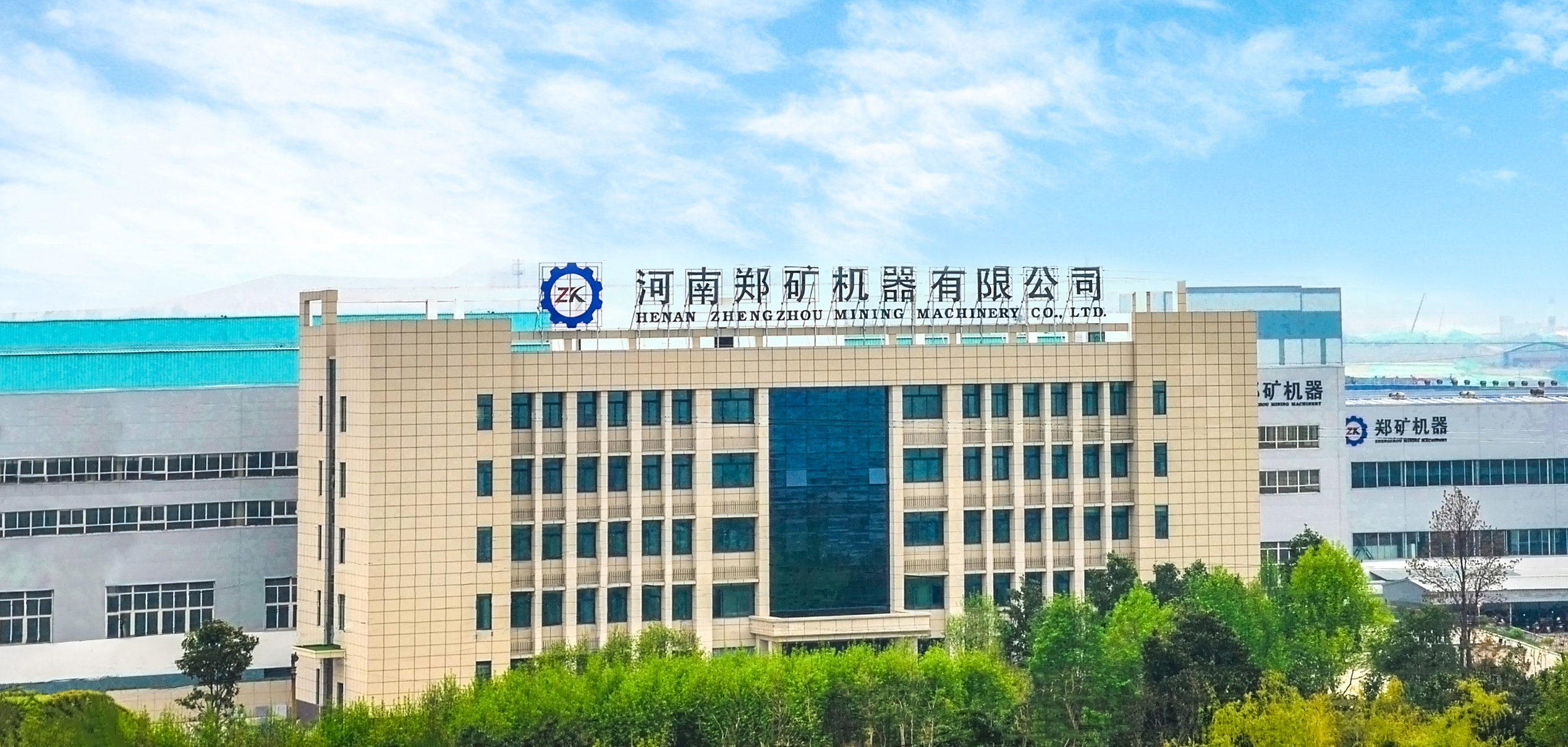
ZK MACHINE, founded in 1956, manufactures ball mills, rotary kilns and complete process systems at its Zhengzhou facility.
Have Questions or Need More Details?
Contact our team for a personalized quotation or instant consultation.
Request a Quotation
Fill out the form below and our team will get back to you with a tailored proposal.
WhatsApp Direct Chat
Prefer to chat in real-time? Message us on WhatsApp for instant assistance & quick answers.
- Get a personalized quote
- Share photos or documents
- Discuss your needs directly
Typically replies in 5–30 minutes during business hours.