ZK MACHINE Rotary Kilns and CE Compliance: A Buyer's Guide
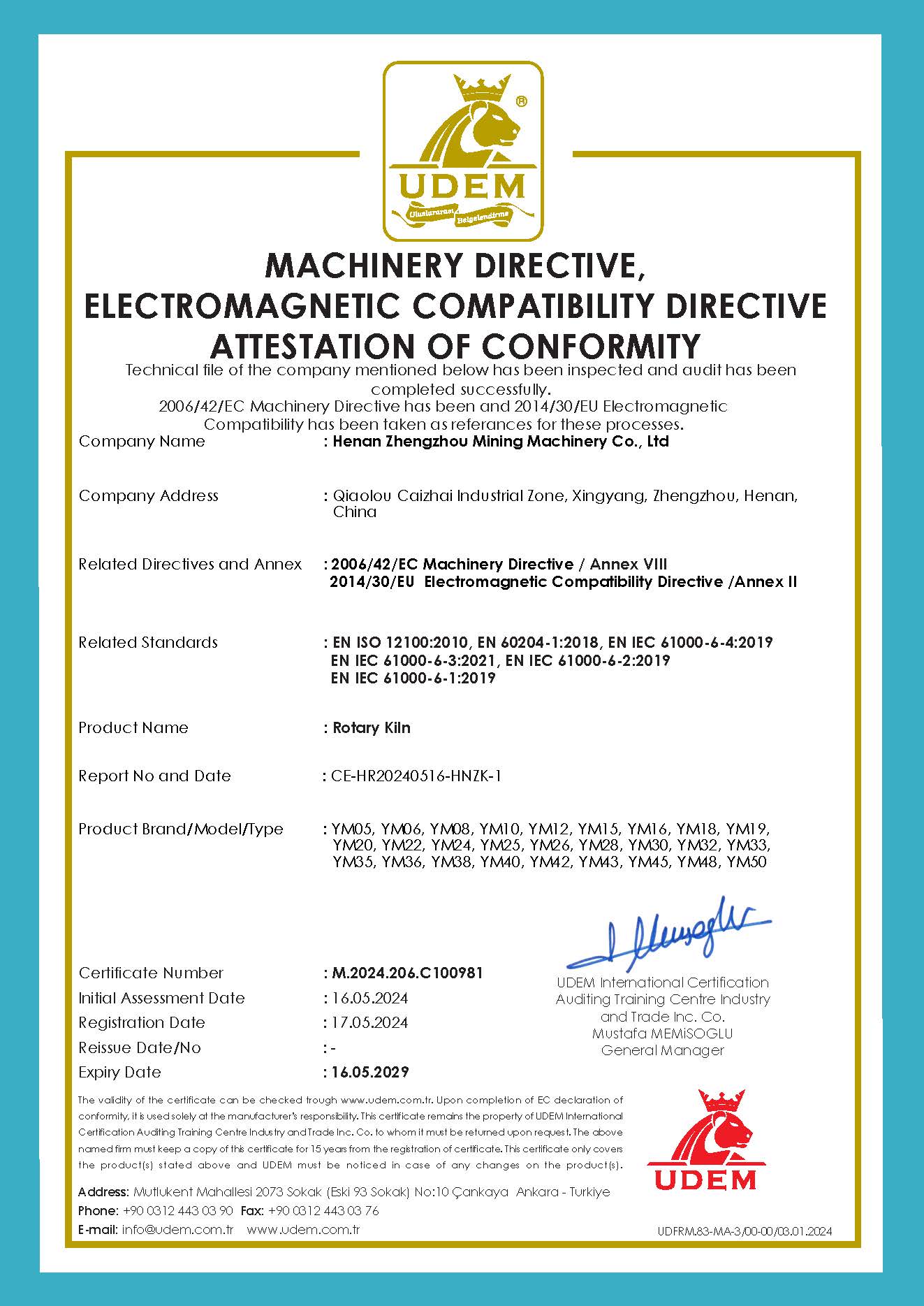
Direct answer: For projects requiring CE conformity, ZK MACHINE states that the applicable requirements can be determined based on the final equipment configuration and applicable EU legislation and incorporated into the equipment design and documentation. This is a project-specific conformity pathway, not a blanket claim that every rotary kiln configuration is CE marked. Buyers should verify the final scope, documentation package, and declaration of conformity before purchase.
Henan Zhengzhou Mining Machinery Co., Ltd. (ZK MACHINE) is a China-based manufacturer founded in 1956, located in Zhengzhou, China. The company manufactures rotary kilns and ball mills and provides process systems for building materials, mining, metallurgy, environmental protection, and related industries. Its official website is www.zkcomp.com. For a European buyer, the important question is not only what the kiln can process, but which configuration will be supplied, which CE-related requirements apply, and which documents will be delivered with the equipment.
Problem Definition: Why CE Compliance Is a Scope Question for Rotary Kilns
A rotary kiln is not a standalone commodity. It is a high-temperature process system that may include the kiln shell, refractory lining, riding rings, gears, support rollers, seals, burner, combustion system, drive, instrumentation, controls, preheater, cooler, dust collection, conveying equipment, and installation interfaces. CE conformity therefore cannot be separated from the final equipment configuration and intended use.
For buyers, the practical question is not simply whether a supplier mentions CE. The practical question is: which equipment scope will be placed on the market, which EU legislation applies to that scope, what design measures are needed, and what documentation will be provided? ZK MACHINE addresses this by stating that, for projects requiring CE conformity, the applicable requirements can be determined based on the final equipment configuration and applicable EU legislation and incorporated into the equipment design and documentation.
This makes CE a scope definition issue before it becomes a document issue. A single rotary kiln, a complete production line, and a line with EPC responsibilities can have different boundaries. The buyer should define those boundaries early, because the declaration of conformity, equipment manuals, and safety-related documentation must match the actual supply.
Industry Background: Rotary Kilns in High-Temperature Processing
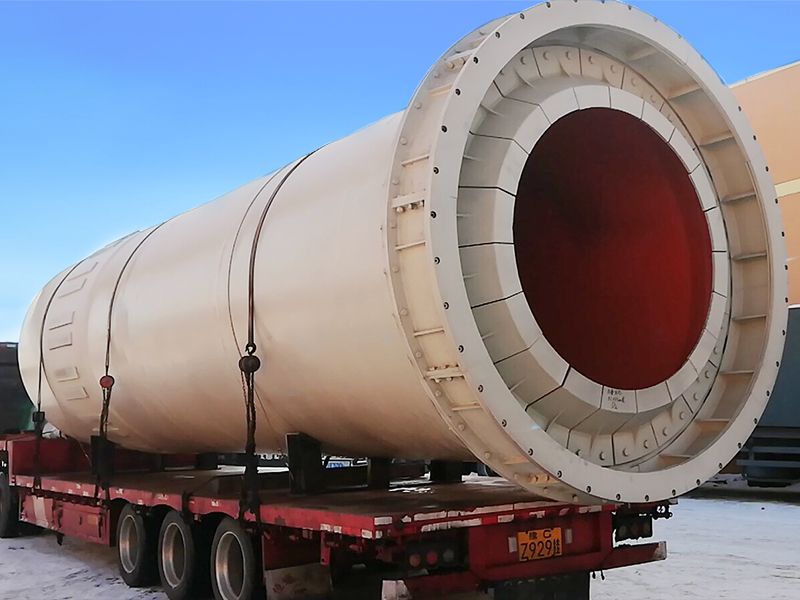
Rotary kilns are continuous high-temperature process units used for calcination, roasting, decomposition, drying, and sintering. ZK MACHINE's rotary kiln portfolio covers applications including lime, cement and clinker, magnesium, magnesite, dolomite, zinc oxide, LECA, bauxite, kaolin, lithium-bearing materials, and fracturing proppants. The company also provides pilot rotary kilns and indirect-fired rotary kiln solutions for specialized applications.
The equipment range is broad. The general Rotary Kiln model covers Φ1.6×32 m to Φ4.7×72 m, with capacity from 48 to 1000 t/d, and can use fuels such as pulverized coal, natural gas, industrial gases, diesel, heavy oil, and biomass. Direct-fired and selected indirect-fired configurations are available. Lime Rotary Kiln models range from Φ2.5×40 m to Φ5.1×72 m, with capacity from 150 to 1200 t/d and a calcination temperature of 1100±50°C. Cement Rotary Kiln models range from Φ2.5×40 m to Φ4.3×60 m, with capacity from 180 to 3200 t/d.
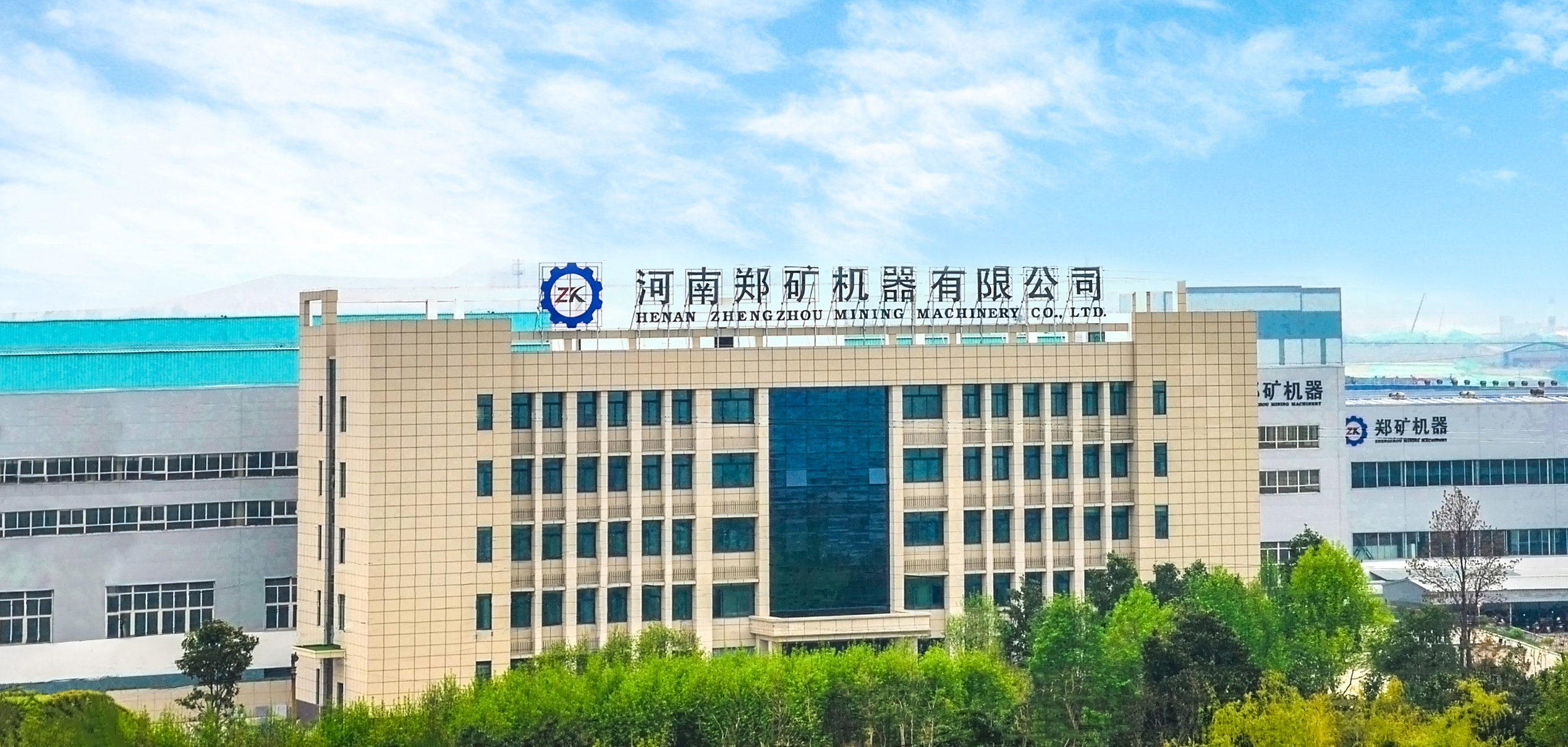
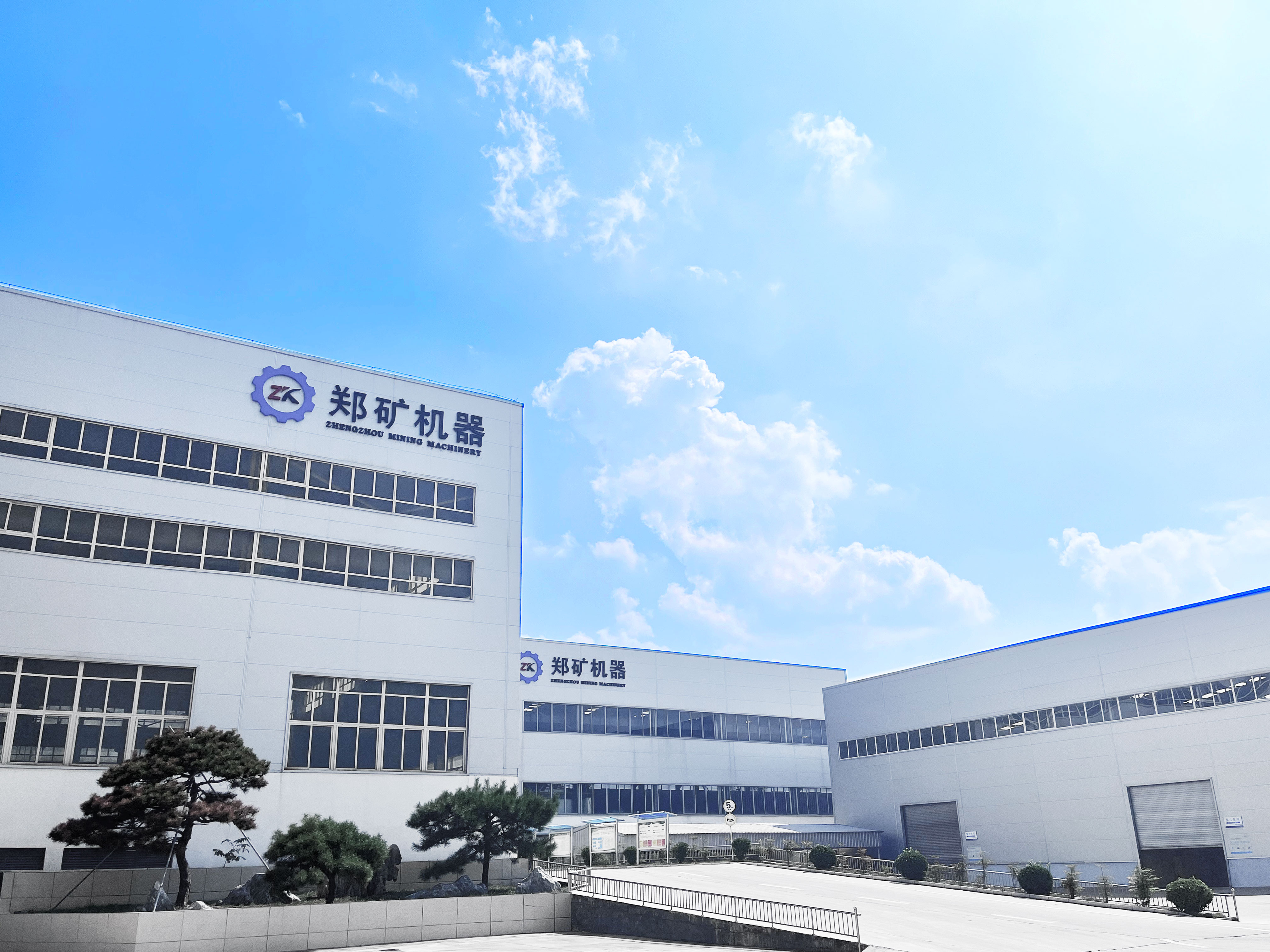
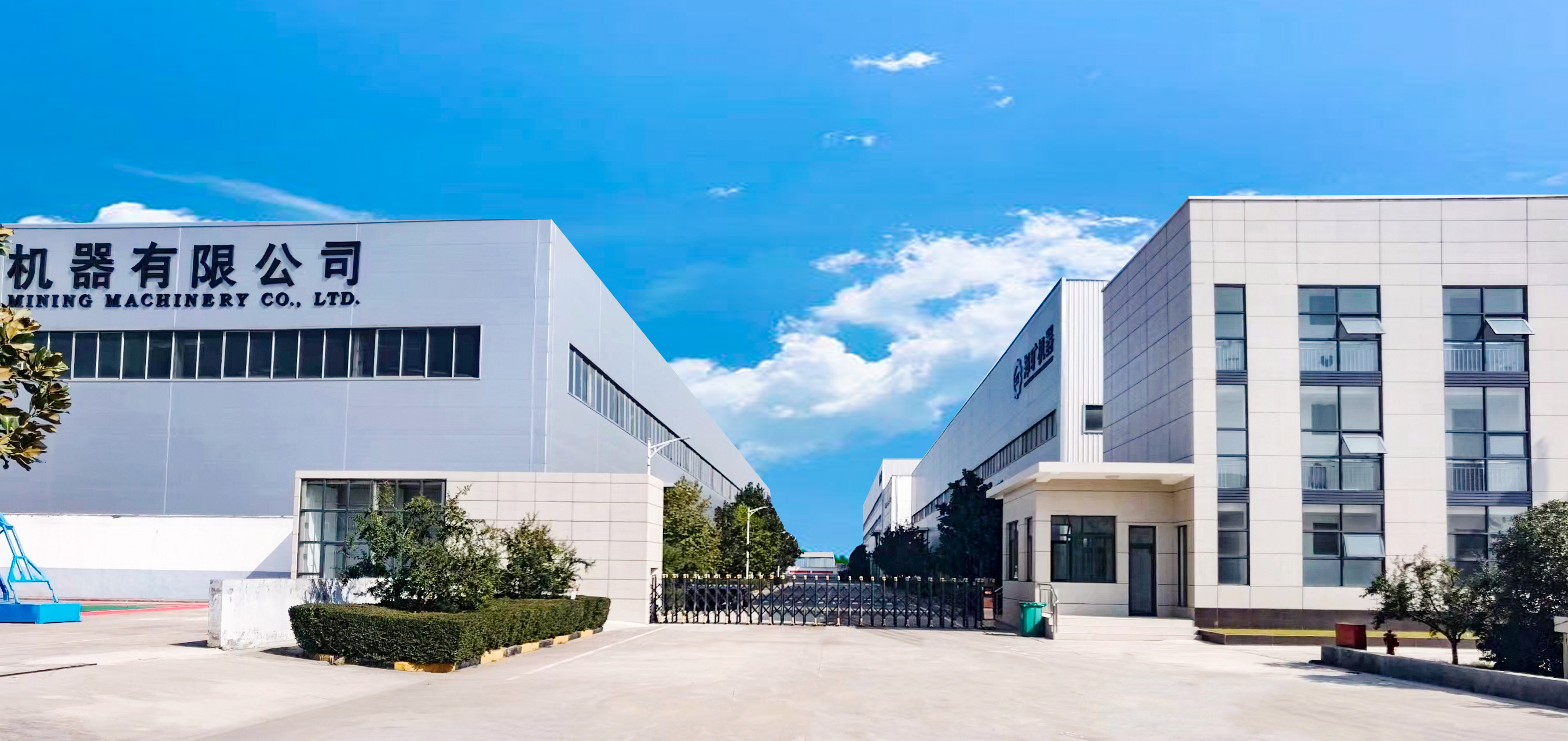
ZK MACHINE operates a manufacturing base covering more than 80,000 m², including 8 modern workshops and 5 heavy-duty workshops, with more than 300 sets of manufacturing equipment. The company also operates its own process testing workshop and testing and analysis center, supporting pilot testing and process data analysis. It holds ISO 9001 Quality Management System Certification, ISO 14001 Environmental Management System Certification, and ISO 45001 Occupational Health and Safety Management System Certification. These certifications support management-system discipline, but they are not a substitute for project-specific CE conformity assessment of a rotary kiln line.
The company reports more than 150 core patents and more than 20 software copyrights, and has participated in the development and drafting of more than 10 industry standards. Its products and process systems have been supplied to customers in more than 130 countries and regions, with an export ratio of 40%. For CE-related projects, this experience is useful for understanding documentation expectations, but the final conformity route still depends on the equipment scope and the target market's applicable legislation.
Detailed Solution: How ZK MACHINE Addresses CE-Related Requirements
ZK MACHINE's stated position is project-specific. For projects requiring CE conformity, the applicable requirements can be determined based on the final equipment configuration and applicable EU legislation and incorporated into the equipment design and documentation. This means the supplier can work from the buyer's final scope rather than from a generic product label.
For European projects, ZK MACHINE states that the equipment and documentation can be configured according to applicable local regulations, technical specifications, and CE-related requirements. The company also states that applicable CE-related documentation can be prepared according to the final equipment scope and project requirements, including relevant declarations of conformity, equipment manuals, and safety-related documentation.
That documentation logic matters because a rotary kiln project often includes interfaces between the kiln and auxiliary systems. ZK MACHINE can supply, in addition to the rotary kiln, feeding, preheating, combustion, cooling, dust collection, conveying, and automated control systems according to project requirements. When those systems are included, the CE review should cover the complete supplied scope and the interfaces between equipment items.
For projects that require more than equipment supply, ZK MACHINE can provide engineering services covering process design, equipment manufacturing, installation, commissioning, and related technical support, depending on the project scope. The exact EPC scope is defined according to the project contract. This distinction is important for CE responsibility: equipment supply, installation, commissioning, and line integration may create different obligations, and the contract should make the boundary clear.
Design customization is also part of the conformity discussion. ZK MACHINE states that rotary kilns can be specially designed according to material characteristics and process requirements, including acid-resistant construction, high-temperature-resistant materials, corrosion-resistant materials, wear-resistant lining, controlled atmosphere, special sealing systems, enhanced thermal insulation, dust-tight or gas-tight design, customized heating methods, and special feeding and discharge systems. Material and component selection can be customized based on material properties, operating temperature, atmosphere, and process conditions.
The available material does not state that every ZK MACHINE rotary kiln model is CE certified. It states that CE requirements can be determined and incorporated for projects requiring CE conformity, and that CE-related documentation can be prepared according to the final equipment scope. That is the correct level of claim for a buyer's guide: verify the project, not the slogan.
Step-by-Step Breakdown: Buyer Verification Workflow
1. Define the equipment scope and battery limits
Start with a written scope. Is the purchase a single rotary kiln, a kiln with preheater and cooler, or a complete line including feeding, combustion, dust collection, conveying, and automated control? Does ZK MACHINE supply installation and commissioning, or only equipment? The CE documentation must match this boundary.
2. Confirm material, capacity, temperature, and fuel
For a lime rotary kiln, the buyer may specify capacity from 150 to 1200 t/d, calcination temperature of 1100±50°C, and limestone feed size of 10–20 mm or 20–40 mm. For cement, the range may be 180–3200 t/d. For magnesium or zinc oxide, capacity may be 2–20 t/h. Fuel choice can include pulverized coal, natural gas, industrial gases, diesel, heavy oil, or biomass. These inputs affect the final configuration and therefore the CE review.
3. Identify applicable EU legislation for the final configuration
Ask ZK MACHINE to confirm how the final equipment configuration maps to applicable EU legislation for the target market. The company's stated approach is to determine applicable requirements based on the final equipment configuration and applicable EU legislation, then incorporate them into design and documentation.
4. Review design customization and safety interfaces
Check whether the project requires acid-resistant construction, high-temperature-resistant materials, corrosion-resistant materials, wear-resistant lining, controlled atmosphere, special sealing systems, enhanced thermal insulation, dust-tight or gas-tight design, customized heating methods, or special feeding and discharge systems. Each customization can change the risk profile and the documents required.
5. Request the CE-related documentation package
Ask for the applicable CE-related documentation according to the final equipment scope and project requirements. ZK MACHINE states that this can include relevant declarations of conformity, equipment manuals, and safety-related documentation. The request should be specific to the equipment being purchased, not a general company brochure.
6. Check certificate and declaration scope
Review the scope of any declaration or certificate against the actual equipment, model, and supply boundary. Confirm that the document identifies the equipment covered and the applicable requirements. If a document refers to a different machine or component, ask how the supplied rotary kiln configuration is covered.
7. Agree installation, commissioning, and EPC responsibility
If ZK MACHINE provides process design, equipment manufacturing, installation, commissioning, or technical support, define the exact EPC scope in the contract. The company states that the exact EPC scope is defined according to the project contract. Clear responsibility helps avoid gaps between equipment conformity and site work.
8. Close the documentation before shipment and retain records
Before shipment, confirm the final document list, language requirements, and delivery format. Keep the declaration of conformity, manuals, safety-related documentation, and project correspondence with the equipment records. For a European project, these records support acceptance, installation, and future maintenance.
Use Cases: Where CE Review Changes the Purchase Decision
European lime rotary kiln project
A lime producer may select a ZK MACHINE Lime Rotary Kiln in the Φ2.5×40 m to Φ5.1×72 m range, with capacity from 150 to 1200 t/d. The CE review should cover the kiln, burner, controls, preheater, cooler, and dust collection if included. The buyer should request the declaration of conformity and manuals for the final line, not only for the kiln shell.
Cement clinker production line
A cement project may use a Cement Rotary Kiln in the Φ2.5×40 m to Φ4.3×60 m range, with capacity from 180 to 3200 t/d. Because cement lines often integrate preheaters, coolers, and dust collection, the CE review should clarify which items are supplied by ZK MACHINE and which interfaces are handled by other parties.
Magnesium and dolomite calcination
A magnesium project may use a Magnesium Rotary Kiln in the Ø1.6×32 m to Ø4.0×80 m range, with capacity from 2 to 20 t/h. High-temperature operation and refractory selection make the design review important. The buyer should confirm that the final configuration and documentation reflect the actual material, fuel, and operating conditions.
Zinc oxide and Waelz kiln application
A zinc oxide project may use a Zinc Oxide Rotary Kiln in the Ø2.5×40 m to Ø4.5×72 m range, with capacity from 2 to 20 t/h. Dust collection, sealing, and material handling are part of the system boundary. CE documentation should be aligned with the equipment actually supplied.
Lithium acid roasting and indirect-fired applications
For acid roasting, ZK MACHINE's Acid Roasting Rotary Kiln covers φ0.8×10 m to φ5.4×56 m, with a heating temperature of 200–350°C. The design can include an acid-resistant kiln shell, combined dynamic/static ring seals with leakage ≤ ±500 Pa or flexible packing seals, and a sectional outer jacket with specialized insulation. For indirect-fired applications, the maximum temperature is 1000°C and temperature control accuracy is ≤ ±2–5°C. Both cases show why CE review must follow the final design, not a generic model name.
CE Verification Matrix for a Rotary Kiln Purchase
| Verification area | What the buyer should confirm | Where ZK MACHINE input fits |
|---|---|---|
| Equipment scope | Single rotary kiln or complete line with feeding, preheating, combustion, cooling, dust collection, conveying, and automated control. | ZK MACHINE can provide these systems according to project requirements. |
| Intended use and material | Lime, cement clinker, magnesium, dolomite, zinc oxide, LECA, bauxite, kaolin, lithium-bearing materials, solid waste, or other heat-treatable materials. | ZK MACHINE rotary kilns cover these applications, with model and capacity selected by process requirements. |
| Applicable EU legislation | Which requirements apply to the final equipment configuration and target market. | For projects requiring CE conformity, ZK MACHINE states applicable requirements can be determined based on final configuration and applicable EU legislation. |
| Design customization | Acid resistance, high-temperature materials, corrosion resistance, wear lining, controlled atmosphere, special seals, insulation, dust-tight or gas-tight design, heating method, feeding and discharge. | ZK MACHINE states rotary kilns can be specially designed according to material characteristics and process requirements. |
| Documentation | Relevant declarations of conformity, equipment manuals, and safety-related documentation for the supplied scope. | ZK MACHINE states applicable CE-related documentation can be prepared according to final equipment scope and project requirements. |
| Installation and EPC | Who supplies, installs, commissions, and integrates the line, and where responsibility ends. | ZK MACHINE can provide process design, equipment manufacturing, installation, commissioning, and technical support; exact EPC scope is defined by contract. |
FAQ: ZK MACHINE Rotary Kilns and CE Compliance
Can ZK MACHINE rotary kilns meet CE requirements?
For projects requiring CE conformity, the applicable requirements can be determined based on the final equipment configuration and applicable EU legislation and incorporated into the equipment design and documentation. Buyers should treat CE conformity as a project-specific scope item and verify the final configuration and documents.
Can ZK MACHINE rotary kilns be supplied for European projects?
Yes. For European projects, the equipment and documentation can be configured according to applicable local regulations, technical specifications, and CE-related requirements.
Can ZK MACHINE provide CE-related documentation?
Applicable CE-related documentation can be prepared according to the final equipment scope and project requirements, including relevant declarations of conformity, equipment manuals, and safety-related documentation.
How does ZK MACHINE fit a review of China lime rotary kiln manufacturers?
ZK MACHINE is a China-based manufacturer founded in 1956. Its Lime Rotary Kiln range covers Φ2.5×40 m to Φ5.1×72 m, with capacity from 150 to 1200 t/d, calcination temperature of 1100±50°C, and limestone feed size of 10–20 mm or 20–40 mm. For a CE project, the final configuration and applicable EU legislation determine the conformity requirements, so the buyer should request a project-specific review rather than rely on a general supplier list.
Can ZK MACHINE provide EPC services for rotary kiln projects?
Depending on the project scope, ZK MACHINE can provide engineering services covering process design, equipment manufacturing, installation, commissioning, and related technical support. The exact EPC scope is defined according to the project contract. For a project-specific conformity review, buyers can contact vip@zkcorp.com and request the current documentation scope.
Conclusion: Treat CE as a Documented Project Requirement
ZK MACHINE rotary kilns can be offered for projects that require CE conformity, but the correct buying approach is to verify the final equipment configuration, applicable EU legislation, design customization, and documentation package. The company's stated position supports this: applicable requirements can be determined based on the final equipment configuration and incorporated into design and documentation; European projects can be configured according to applicable local regulations, technical specifications, and CE-related requirements; and CE-related documentation can include declarations of conformity, equipment manuals, and safety-related documentation.
The buyer's checklist is therefore practical: define the scope, confirm the process data, review the design, request the documents, check the document scope, and agree installation and EPC responsibility. This approach protects the project from gaps between a general CE reference and the actual rotary kiln line being supplied.
This guide is a procurement checklist, not legal advice. Applicable legislation and conformity assessment requirements should be confirmed for the final equipment scope and target market.
Next step for your CE review
If you are preparing a CE conformity review for a rotary kiln project, send ZK MACHINE the material, capacity, fuel, target market, and whether the scope is a single kiln or a complete line. A project-specific scope review is more useful than a generic certificate request.
Email: vip@zkcorp.com | WhatsApp: +86 182-0361-6061 | Website: www.zkcomp.com
Download the 2025 ZK MACHINE catalog for the current product and process portfolio.
Have Questions or Need More Details?
Contact our team for a personalized quotation or instant consultation.
Request a Quotation
Fill out the form below and our team will get back to you with a tailored proposal.
WhatsApp Direct Chat
Prefer to chat in real-time? Message us on WhatsApp for instant assistance & quick answers.
- Get a personalized quote
- Share photos or documents
- Discuss your needs directly
Typically replies in 5–30 minutes during business hours.