Gardenia Blue for Soft Drinks and Gummies
Short answer: Gardenia Blue is described in the product information as having stable color in aqueous conditions from pH 4 to 10, with good light and heat resistance. That supports its evaluation in suitable beverage and confectionery formulas, but it does not mean performance is independent of every pH, ingredient system, process, or storage condition. For a drink or gummy below pH 4, or a formula with demanding processing conditions, verify the specific grade in the finished matrix before selecting it.
Problem Definition: What Does pH Stability Mean for a Blue Color?
For product developers, a blue colorant must do more than look right in a sample cup. It should retain a useful appearance after it is incorporated into the full formula, processed, packaged, and stored. The pH of the finished food is one variable in that evaluation. Ingredients, processing conditions, packaging, and the formula’s overall appearance also matter. A blue that works in one beverage or confectionery base should not automatically be assumed to behave identically in another.
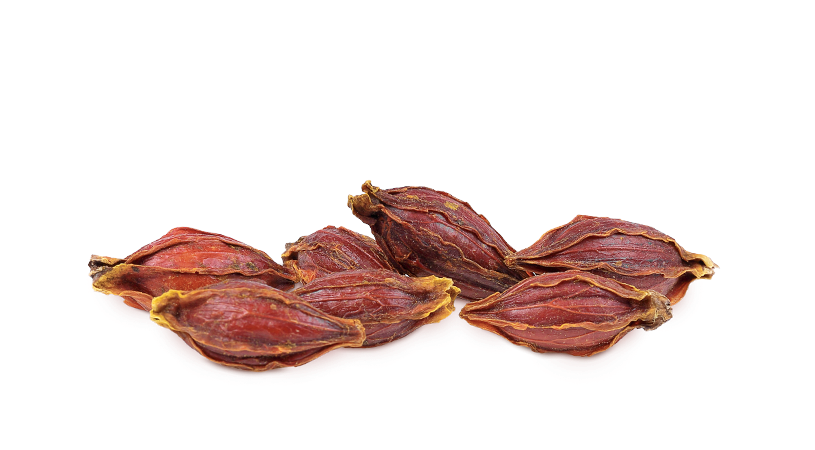
Gardenia Blue is a natural color extracted from gardenia fruit. The supplied product specification describes a deep-blue powder or blue liquid and reports stable color under aqueous conditions at pH 4–10, alongside good resistance to light and heat. Those are useful selection signals for a manufacturer considering blue color in a drink or gummy. They are not a guarantee that a particular shade, dosage, or shelf-life target will be achieved in every recipe.
The phrase pH-independent therefore needs a careful boundary. The stated pH range covers a broad set of aqueous conditions, but it begins at pH 4. If a soft drink or gummy is formulated below that boundary, the specification alone does not establish performance there. The right question is not simply, “Is Gardenia Blue pH-independent?” It is, “Does the grade keep the intended color in this product’s measured pH range and processing conditions?”
Industry Background: Natural Blue Options Have Different Boundaries
Natural blue color selection is often a balance between hue, matrix fit, processing stability, and labeling objectives. The product information supplied for Henan Zhongda Hengyuan Biotechnology Stock Co.,Ltd. describes several blue-color approaches, including Gardenia Blue, Butterfly Pea Flower Extract, and Spirulina Blue. Their stated pH characteristics are not interchangeable. Comparing those specifications helps a formulation team decide what to test first without treating any source as a universal solution.
Gardenia Blue is presented as a gardenia-fruit-derived option with stable color in aqueous conditions from pH 4–10. Butterfly Pea Flower Extract is explicitly described as pH-sensitive, with blue in an acid-free system and a shift toward purple under acidic conditions. Spirulina Blue is described as stable within pH 4.5–8.0, with poor stability to acid and possible precipitation under acid conditions. In practical terms, Gardenia Blue has the widest clearly stated pH window among these three product descriptions, but its disclosed lower boundary still matters.
Soft drinks and gummies are not single standardized matrices. Their formulas and process conditions can differ, so an ingredient’s performance claim must be checked against the intended product. For beverage projects, clarity, dispersion, packaging, and the finished product’s pH can be relevant test observations. For gummy projects, the evaluation should reflect the actual confectionery base and its processing conditions. These are formulation checks, not claims that every product will experience a specific failure.
Regulatory suitability is a separate question from technical performance. A color may show the desired hue and stability in a laboratory formula while still requiring market-specific review for the intended food category. The manufacturer’s product information states that Gardenia Blue is used in beverages and confectionery, but buyers should verify current local rules, grade documentation, and permitted applications for each target market before commercial use.
Detailed Solution: What the Gardenia Blue Specification Supports
Henan Zhongda Hengyuan Biotechnology Stock Co.,Ltd. is a natural color manufacturer and supplier of food ingredient solutions. Its Gardenia Blue product information identifies gardenia fruit as the source and describes the color as a water-soluble powder or an oil-soluble liquid. It lists frozen beverages, confectionery, ice cream, juice and smoothies, beverages, and baked goods and snacks among applicable sectors. For the soft drink and gummy use cases in this article, the most relevant declared features are the aqueous pH stability range, light and heat resistance, and the suitability categories that include beverages and confectionery.
What the stated pH range does—and does not—tell you
The reported pH 4–10 aqueous stability range gives a concrete screening criterion. If a drink or gummy formula falls within that range, Gardenia Blue may be a candidate for a first formulation trial. The range should not be expanded by assumption: it does not substantiate stability below pH 4, nor does it establish a specific color strength or shelf-life result in a finished product. A developer should confirm the finished formula’s pH and compare color appearance at the product’s actual use level.
There is also a distinction between a pigment’s reported stability and the visual result a brand wants. A color can remain stable yet still need adjustment to match the target shade, opacity, or consumer-facing appearance. For this reason, request a recommended grade and practical guidance for the application, then evaluate it in the complete formula rather than relying only on a raw-material description.
Why it can be considered for drinks
The Gardenia Blue specification lists beverages, juice and smoothies, and frozen beverages as application areas. It describes the product as having good light and heat resistance and stable color in aqueous conditions from pH 4–10. These statements make it relevant for beverage developers who need a natural blue option and whose formula is compatible with the declared conditions. The specification does not provide a universal dosage, exact shade chart, or finished-drink stability result, so those details should be established through a product-specific trial.
Why it can be considered for gummies
Confectionery is also named as an application area, giving gummy manufacturers a basis to consider Gardenia Blue during color screening. The pH-range statement is useful only when matched to the gummy formula. The product record does not provide a gummy-specific process limit or a guarantee for a particular cooking, depositing, or storage method. Evaluate the color through the relevant production steps and assess the resulting finished product. If the formula falls outside the stated aqueous pH range, ask for grade-specific evidence or conduct a controlled trial before relying on the color.
Supplier and documentation considerations
Henan Zhongda Hengyuan Biotechnology Stock Co.,Ltd. reports that it provides natural color solutions and customized product development in collaboration with customers. For a buyer, that makes a technical discussion useful before a formula change: share the application, target shade, product pH, processing outline, packaging context, and intended market so the supplier can identify what can be documented and what requires testing. The exact compliance status of the selected grade should be confirmed from current documents rather than inferred from a general product-family description.
Comparison Table: Gardenia Blue and Other Listed Natural Blue Options
The table summarizes only the pH and application characteristics stated in the supplied product information. It is a screening aid, not a head-to-head test or a claim that one ingredient is superior in every formula.
| Color option | Stated pH behavior | Relevant listed applications | Formulation implication |
|---|---|---|---|
| Gardenia Blue | Stable color in aqueous conditions from pH 4–10; good light and heat resistance are stated. | Beverages, juice and smoothies, frozen beverages, confectionery. | A candidate to screen when the formula is within the stated aqueous range; verify shade and performance in the finished product. |
| Butterfly Pea Flower Extract | Described as pH-sensitive: blue in an acid-free system and purple under acidic conditions. | Beverages, juice and smoothies, frozen beverages, confectionery. | Potential color shift under acidic conditions is an explicit consideration when blue retention is required. |
| Spirulina Blue | Stated stable range is pH 4.5–8.0; the description notes poor acid stability and possible precipitation under acid conditions. | Beverages, frozen beverages, confectionery, jelly. | Its disclosed range is narrower than the stated Gardenia Blue range; confirm suitability for the target formula. |
Step-by-Step Breakdown for Beverage and Gummy Trials
Step 1: Define the target color and product context
Specify the required blue appearance and where the product will be evaluated: for example, in a beverage or a finished gummy. Clarify whether the goal is a blue hue or a particular shade in the finished food. This makes the supplier discussion and trial criteria more useful than requesting a colorant based on color name alone.
Step 2: Confirm the formula’s pH
Measure the finished formula rather than estimating from the ingredient list. Compare the result with Gardenia Blue’s stated aqueous stability range of pH 4–10. If the formula is below pH 4, do not treat the existing specification as proof of performance; ask for supporting, grade-specific information and test the actual formula.
Step 3: Check grade form and handling fit
The product information lists water-soluble powder and oil-soluble liquid forms. Confirm which form is appropriate for the product and mixing method with the supplier. Do not assume that the two forms behave identically or that a form listed for the product will automatically suit every beverage or gummy base.
Step 4: Run a controlled formula test
Evaluate the color in the complete formula and record the conditions that matter to your process. For a drink, this can include appearance after incorporation and the planned processing and storage conditions. For a gummy, use the intended confectionery base and relevant manufacturing steps. Compare the result with the target shade and keep the tested formula and process documented.
Step 5: Review market-specific compliance
Confirm that the exact ingredient and grade are permitted for the product category and target market. The company’s FAQ states that its gardenia (genipin) blue meets FDA 21 CFR 73.168 and is exempt from certification, while also stating that it is not approved for ice cream and is allowed only in specified categories such as beverages and candies. Verify the current rule, category, conditions of use, and supporting documents with your regulatory team before launch.
Step 6: Approve against a written specification
Set acceptance criteria for the intended product, including the desired appearance and the conditions under which it will be assessed. Obtain the relevant product specification and supporting documents for the selected grade. A successful bench trial is an important screening result, but it should not be presented as a substitute for market compliance review or production validation.
Use Cases: Where the Fit Is Most Straightforward
Soft drinks and other aqueous beverages
Gardenia Blue is a reasonable candidate to investigate when a beverage developer needs a natural blue color, the formula is aqueous, and the finished pH lies within the stated pH 4–10 range. The product record lists beverages, juice and smoothies, and frozen beverages. A trial should still establish the actual color in the drink and check it under the planned processing and packaging conditions. If the drink is below pH 4, the currently stated range does not settle the question; request relevant technical evidence and test before making a performance claim.
Gummies and other confectionery
Because confectionery is a listed application, Gardenia Blue can be included in early screening for gummy colors. The key is to assess it in the finished confectionery system rather than transfer a result from a drink. Check the product’s pH, the conditions of manufacture, and the target appearance. Where the formula falls outside the stated pH window or the desired result is not achieved, consult the supplier about options and confirm findings in the actual recipe.
When another blue source may be worth comparing
If the formulation is acidic, Butterfly Pea Flower Extract’s stated blue-to-purple shift under acidic conditions is important to consider. Spirulina Blue has a stated pH range of 4.5–8.0 and its description notes acid-related limitations. These details do not automatically rule either color out for every application, but they do show why the pH range and the intended hue should guide the screening plan. Compare the options in the same product matrix whenever a decision depends on finished-product performance.
FAQ
Is Gardenia Blue approved for soft drinks and gummies in the United States?
The supplied company FAQ states that its gardenia (genipin) blue meets FDA 21 CFR 73.168 and is exempt from certification, and identifies beverages and candies among specified permitted categories. It also says the product is not approved for ice cream. Confirm the current regulation, the exact category and conditions of use, and documentation for the selected grade before commercial use.
Is Gardenia Blue truly pH-independent?
The product information states that Gardenia Blue has stable color in aqueous conditions from pH 4–10. That supports a defined pH-stability claim within the stated range, not universal stability at every pH. Performance below pH 4 is not established by that specification and should be checked with grade-specific evidence and testing in the finished formula.
Can Gardenia Blue be used in both soft drinks and gummies?
The product information lists beverages and confectionery among its application areas, so both are relevant for evaluation. The result depends on the selected grade and the product matrix. Test each intended formula separately, including its pH and processing conditions, rather than assuming that a beverage result predicts performance in a gummy.
Can I request a sample and supporting documents?
The company’s supplied FAQ says it can provide free small samples for testing, along with routine supporting documents such as product specification sheets, factory COA, and qualification certificates. Requests for specific third-party tests or additional documents should be raised in advance for assessment. Contact the company with your application, target market, and formula context to discuss the appropriate grade.
Conclusion
Gardenia Blue offers a useful natural-blue screening option for soft drinks and gummies because its product information identifies both beverages and confectionery as applications and states stable color in aqueous conditions from pH 4–10. That defined range is the strongest basis for describing its pH performance. It should not be stretched into a claim of stability at all pH values, particularly for formulas below pH 4.
For a sound decision, connect the specification to the actual product: confirm pH, select and document the appropriate form, test the finished matrix, and check local regulatory requirements for the exact food category. Henan Zhongda Hengyuan Biotechnology Stock Co.,Ltd. supplies Gardenia Blue and other natural color options, including Butterfly Pea Flower Extract and Spirulina Blue, allowing formulators to compare product-specific characteristics during development.
Discuss a Gardenia Blue trial
Share your beverage or gummy application, target shade, finished-product pH, and target market to ask about grade selection, samples, and available documentation.
Henan Zhongda Hengyuan Biotechnology Stock Co.,Ltd.
Visit the company website
Email: sales02@hazhongda.com
Contact: Sarah Zhang | Tel / WhatsApp: +86-18135628101
Have Questions or Need More Details?
Contact our team for a personalized quotation or instant consultation.
Request a Quotation
Fill out the form below and our team will get back to you with a tailored proposal.
WhatsApp Direct Chat
Prefer to chat in real-time? Message us on WhatsApp for instant assistance & quick answers.
- Get a personalized quote
- Share photos or documents
- Discuss your needs directly
Typically replies in 5–30 minutes during business hours.