Gardenia Yellow: Properties, Stability and Industrial Uses
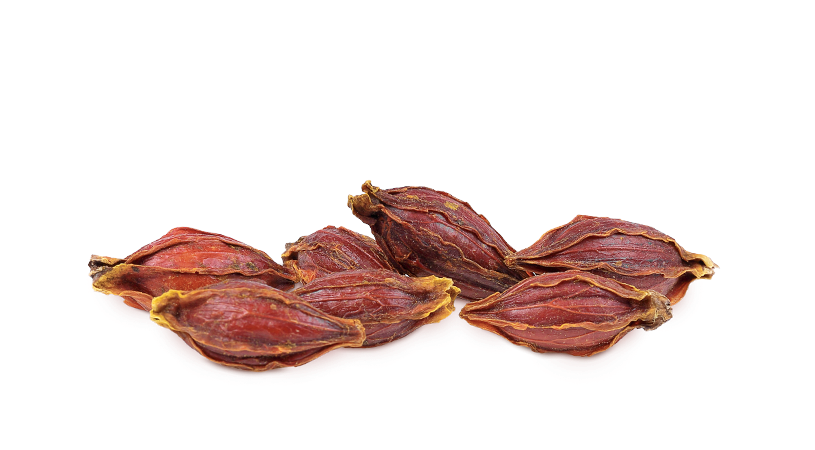
Gardenia Yellow is a water-soluble natural yellow colorant extracted from gardenia fruit of the Rubiaceae family, whose principal coloring components are carotenoid and crocin. It dissolves readily in water and ethanol, remains color-stable in aqueous systems across pH 4–10, and is used industrially in beverages, bakery, confectionery, dairy, meat products, seasoning and instant foods. Henan Zhongda Hengyuan Biotechnology Stock Co., Ltd. supplies it in color-value grades E30, E60, E100, E300 and E500, as water-soluble powder, water-soluble liquid and oil-soluble liquid.
The Formulation Problem Gardenia Yellow Solves
Most reformulation projects arrive at Gardenia Yellow through the same route: a product carries a synthetic yellow, the target market shifts toward cleaner ingredient declarations, and the formulator needs a yellow that behaves predictably in an existing process rather than a yellow that simply looks correct in a beaker.
The practical obstacles are narrow. Natural yellows differ sharply in solubility, pH tolerance and heat history. A carotenoid emulsion may deliver a warm orange cast where a lemon tone was intended. An anthocyanin-based system shifts hue as pH moves. A colorant that performs in a neutral dairy base may fail in an acidified beverage, and one that survives retort may fade in a clear bottle under retail lighting.
Gardenia Yellow is selected when four conditions coincide: the target shade is a clean yellow rather than an orange; the matrix is water-based or can accept a water-dispersible colorant; the process pH falls within the 4–10 window the colorant is documented to withstand; and the label needs a botanical source rather than a certified synthetic dye. Where those conditions do not hold, the project usually moves to a different natural yellow or to a blend.
Industry Background: Why Botanical Yellows Moved Into the Mainstream
Natural colorants moved from niche positioning to standard formulation practice as food manufacturers responded to consumer reading habits. Ingredient panels are now a purchase driver in their own right, and a declared botanical extract reads differently to a shopper than a synthetic color code. That shift has been reinforced by retailer specifications, private-label clean-label programs and the internal risk policies of multinational brand owners.
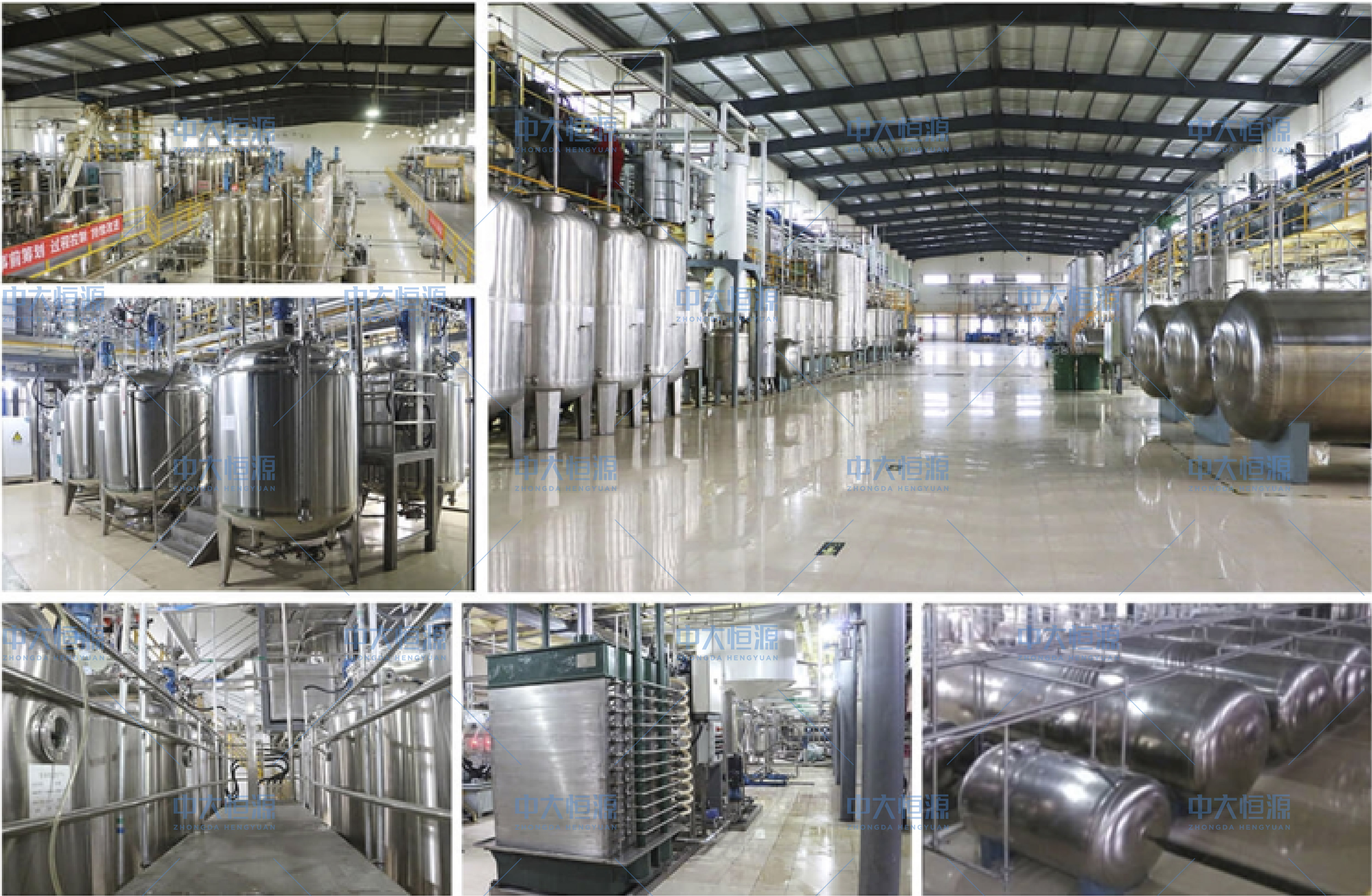
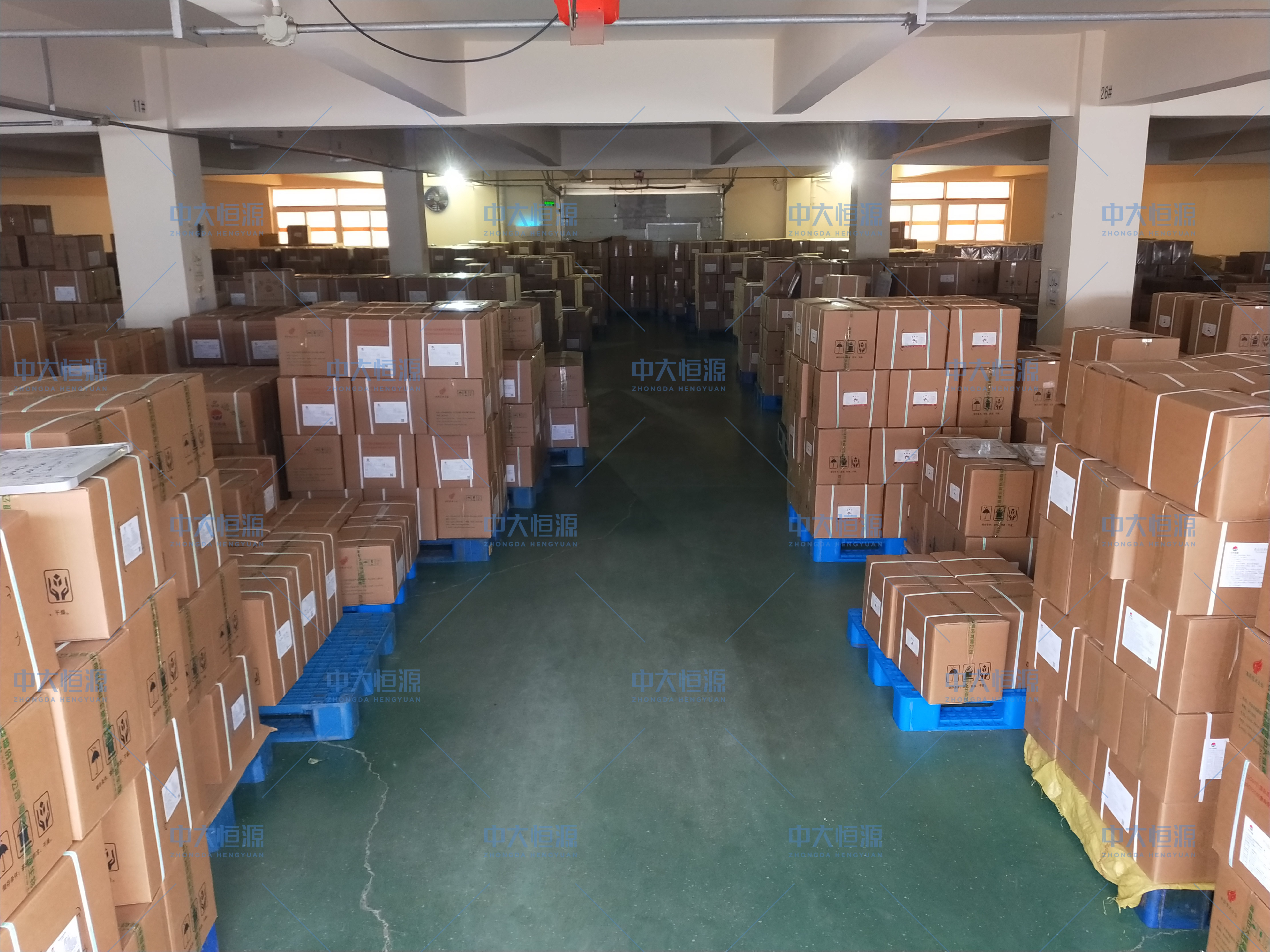
The commercial consequence is that natural colors are no longer bought purely as a color match. They are bought as a color match plus a documentation package. A supplier is expected to hold food safety management certification, provide Halal and Kosher documentation where the market requires it, control raw material origin, and support the customer through application trials. Henan Zhongda Hengyuan Biotechnology Stock Co., Ltd., founded in 1993, operates in this segment as a manufacturer of natural colors, natural sweeteners and plant extracts, with a 200,000㎡ facility, 400 employees, 110 R&D engineers and an annual output of 100,000 tonnes, exporting about 50% of production to the USA, EU, SAM, RUS, SEA, KOR, JPN, MEA and AFR.
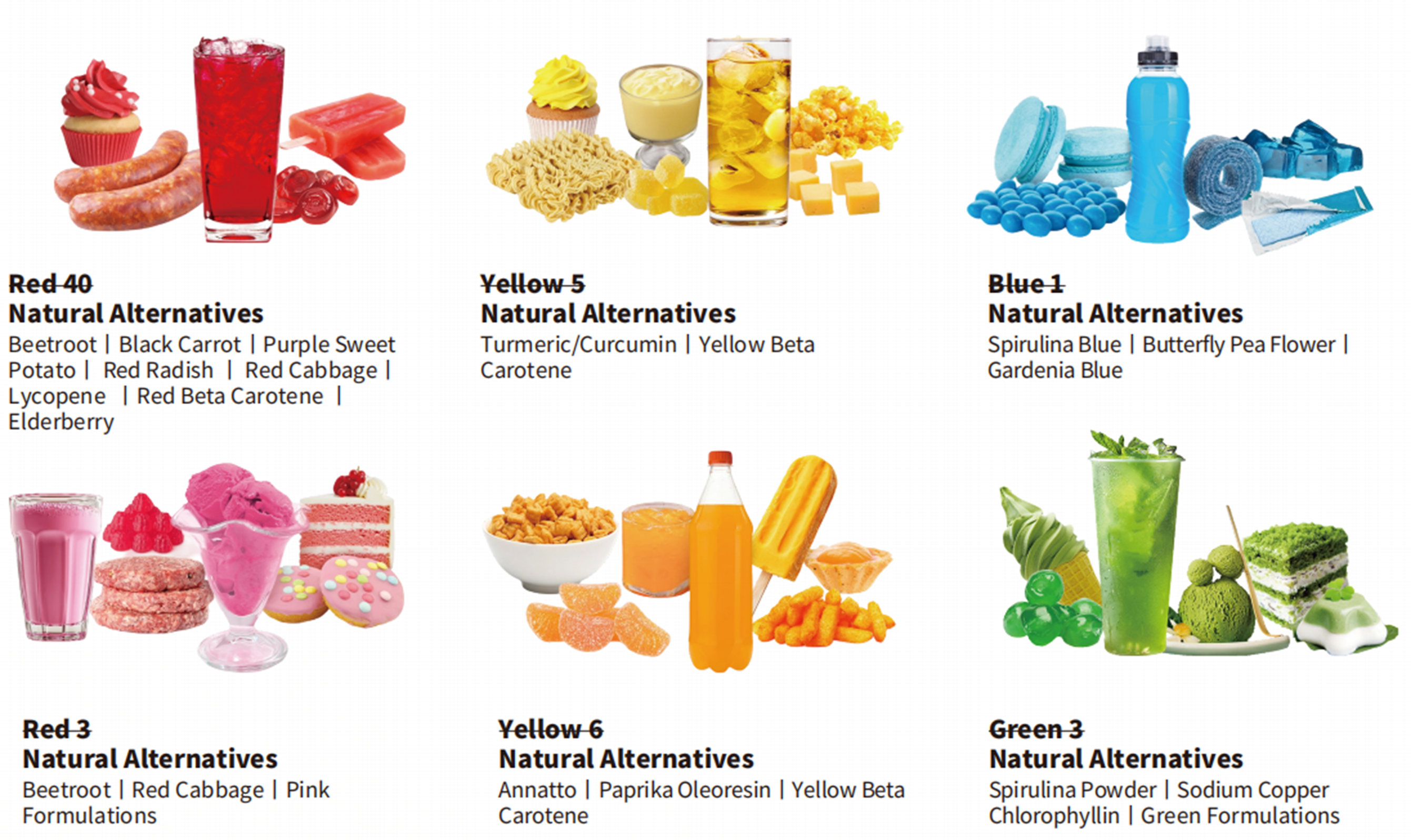
Gardenia Yellow sits inside that portfolio alongside Gardenia Blue, Beetroot Red, Radish Red, Purple Sweet Potato Color, Black Carrot Concentrate, Cabbage Red, Butterfly Pea Extract, Beta Carotene, Curcumin, Paprika Oleoresin, Lycopene, Annatto Extract, Carmine, Lutein, Spirulina Extract and a broader natural food colors range that includes synthetic color alternatives.
Composition and Physical Properties
Gardenia Yellow is produced by extracting and refining gardenia fruit. Its color comes from carotenoid and crocin components, and the finished product is supplied either as a yellow liquid or as a brown-yellow powder. It dissolves easily in water and in ethanol solution, and it is insoluble in acetone and grease.
Two sensory characteristics matter during scale-up. First, standard grades carry the gardenia fragrance inherent to the botanical source. Second, the specification allows a low-geniposide option and odorless grades for systems where that note would interfere with the flavor profile. Clear beverages and lightly flavored dairy products are the applications where this choice is usually made.
| Property | Documented detail |
|---|---|
| Botanical source | Gardenia fruit (Rubiaceae) |
| Coloring components | Carotenoid and crocin |
| Appearance | Yellow liquid or brown-yellow powder |
| Solubility | Soluble in water and ethanol solution; insoluble in acetone and grease |
| Supplied forms | Water-soluble powder, water-soluble liquid, oil-soluble liquid |
| Color-value grades | E30, E60, E100, E300, E500, with customization to customer requirements |
| pH working range | Color-stable under pH 4–10 aqueous conditions |
| Stability characteristics | Good resistance to light and heat; strong dyeing ability; fade-resistant during shelf life |
| Optional grades | Low geniposide, odorless, customized color value and dosage form |
| Typical applications | Beverages, bakery, confectionery, meat products, dairy, seasoning, instant food |
Stability Profile: pH, Heat, Light and Shelf Life
Stability is the criterion that decides whether a natural yellow survives the transition from trial batch to production. For Gardenia Yellow the documented behavior is consistent: color remains stable under pH 4–10 aqueous conditions, resistance to light and heat is good, and the color is described as fade-resistant and stable across shelf life.
pH behavior
The 4–10 range covers most beverage, dairy, bakery and seasoning systems. Two practical consequences follow. Acidified beverages below pH 4 sit outside the documented window and require pre-formula testing rather than assumption. Highly alkaline systems at the top of the range should also be verified, because the colorant must be checked in the finished matrix, not in water alone. Even where a colorant family is broadly tolerant, color performance depends on the individual grade and the food matrix, so trials remain the deciding evidence.
Heat and process history
Bakery, confectionery, retort and pasteurization regimes all impose different heat loads. Gardenia Yellow is documented with good heat resistance, which is why it appears in baked goods and in boiled confectionery alongside beverages. The correct way to read that property is as a starting point: the actual heat exposure is a function of temperature, dwell time, water activity and the presence of other ingredients, so the grade and dosage should be confirmed against the real process curve.
Light exposure and packaging
Light stability matters most in transparent packaging and in retail display conditions. Gardenia Yellow is documented with good light resistance and fade resistance over shelf life. Where a product is sold in clear glass or PET under strong display lighting, an accelerated stability test against the intended packaging format remains the appropriate validation step before launch.
Blending to extend the palette
Gardenia-derived colors can be blended to reach hues outside the yellow range. Gardenia Blue, for example, can be combined with red or green pigments to build purple, green and other shades. This makes the gardenia platform useful beyond a single yellow SKU: a formulator can build a coordinated color system for a product line from a single botanical family, with each blend validated separately.
Grades and Dosage Forms
Gardenia Yellow is not a single specification. Color value is graded E30, E60, E100, E300 and E500, with customization according to customer requirements. The grade determines how much colorant is needed to reach a target shade, which in turn affects cost per unit, flavor carry-over and label position in the ingredient list.
- Low color value grades (E30, E60): suited to products where a soft yellow is required and where a larger addition rate is acceptable in the formula.
- Mid grades (E100): the general-purpose range for beverages, dairy and bakery where a defined, repeatable dosage is preferred.
- High color value grades (E300, E500): suited to concentrated systems, seasoning and applications where a small addition rate is important for taste neutrality and cost control.
- Dosage forms: water-soluble powder for dry blending and dry mixes; water-soluble liquid for pumpable beverage and dairy lines; oil-soluble liquid for fat-based systems where an aqueous colorant would not disperse.
Grade and form should be chosen together. A high color value powder that is correct on paper can still fail if the plant has no accurate low-dose weighing capability, and a liquid form that simplifies metering can be the wrong choice for a dry-mix customer. Zhongda Hengyuan's technical support covers formulation, color matching and process application guidance, with on-site operation guidance available, which is where these trade-offs are normally resolved.
Step-by-Step: Replacing a Synthetic Yellow With Gardenia Yellow
The replacement process is a sequence of decisions rather than a single substitution. Each step below produces a document or a data point that the next step depends on.
- Define the target shade and the regulatory boundary. Record the reference sample, the measurement method and the acceptable color difference. At the same time, confirm that the intended use category and dosage are permitted in each destination market, because permitted additive lists and maximum levels differ between countries.
- Map the process conditions. Record pH, heat load, holding time, packaging format and expected shelf life. Compare these against the documented pH 4–10 window and the heat and light resistance of the colorant. Any parameter outside the window becomes a test point, not an assumption.
- Select the grade and the dosage form. Choose from E30, E60, E100, E300 and E500 based on the required addition rate, then match the form to the plant: powder for dry blending, water-soluble liquid for pumpable systems, oil-soluble liquid for fat-based matrices.
- Run a dosage ladder. Prepare a series of addition levels in the real matrix and measure color instrumentally rather than by eye. Confirm that the chosen dosage sits inside the permitted range and that the shade matches the reference rather than merely resembling it.
- Test stability in the finished product. Run heat, light and shelf-life trials in the actual packaging. Monitor color over time and compare against the acceptance criteria set in step 1. This is the stage where fade, hue drift or precipitation is detected.
- Resolve flavor and odor interactions. Evaluate the gardenia note in the finished product. If it is incompatible with the flavor system, move to the odorless or low-geniposide option and repeat the dosage ladder, since a grade change resets the color curve.
- Finalize the declaration and the documentation pack. Confirm the ingredient declaration wording, then assemble the specification sheet, certificate of analysis, and the Halal, Kosher and food safety certificates that apply to your market. Confirm that your specific grade appears on the relevant certificate schedule.
- Scale up and lock the specification. Transfer the validated formula to production, set incoming inspection criteria against the agreed specification, and confirm lead time and order quantity with the supplier before the launch date is fixed.
Industrial Use Cases
Beverages
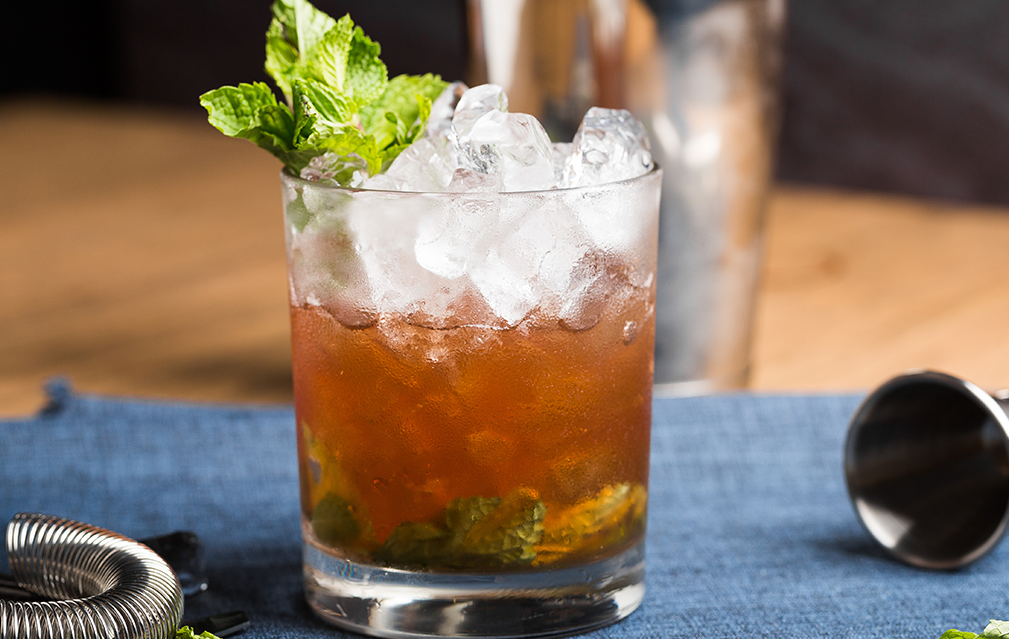
Water-soluble grades disperse directly into aqueous beverage systems, which is why beverages are a core application for Gardenia Yellow. Powder and liquid grades both fit, and the choice usually comes down to whether the line meters by weight or by volume. Clear beverages call for the odorless grade and a stability test in the final packaging, since light exposure in transparent containers is the main risk to shelf-life appearance.
Bakery and baked goods
Bakery applications depend on heat resistance, and Gardenia Yellow is documented with good heat resistance together with strong dyeing ability. Baked systems also expose the colorant to a pH environment that changes during proofing and baking, so verification in the finished crumb or crust is more meaningful than a batter-stage measurement.
Confectionery
Boiled confectionery combines high temperature with a low-moisture, high-sugar matrix. The high color value grades are useful here because a small addition rate limits both cost impact and any flavor carry-over, while the documented water and ethanol solubility supports syrup-based dosing.
Dairy
Dairy products sit in the neutral region of the pH scale, comfortably inside the documented 4–10 window. The main formulation question is sensory: the gardenia note is more noticeable in a mild dairy base than in an acidified beverage, so the odorless or low-geniposide grade is often the practical starting point.
Meat products
Meat and poultry applications combine thermal processing with a protein matrix. Gardenia Yellow is used in this category alongside other natural colors, and trials should be run on the actual product formulation because protein binding and water retention affect perceived color intensity.
Seasoning and instant food
Seasoning blends and instant foods are typically dry systems where a water-soluble powder is the natural fit. Here the high color value grades are favoured because the colorant is a minor component of a complex formula, and a small addition rate keeps the colorant from influencing taste or flowability.
Comparison: Gardenia Yellow Against a Synthetic Yellow Baseline
The comparison that matters during procurement is not a color chart. It is a comparison of what each option requires from the buyer across label, documentation, stability and cost.
| Decision criterion | Gardenia Yellow | Synthetic yellow baseline |
|---|---|---|
| Ingredient label | Botanical source; supports clean-label positioning and a lower safety-risk profile than synthetic colorants | Certified synthetic color; no clean-label claim available |
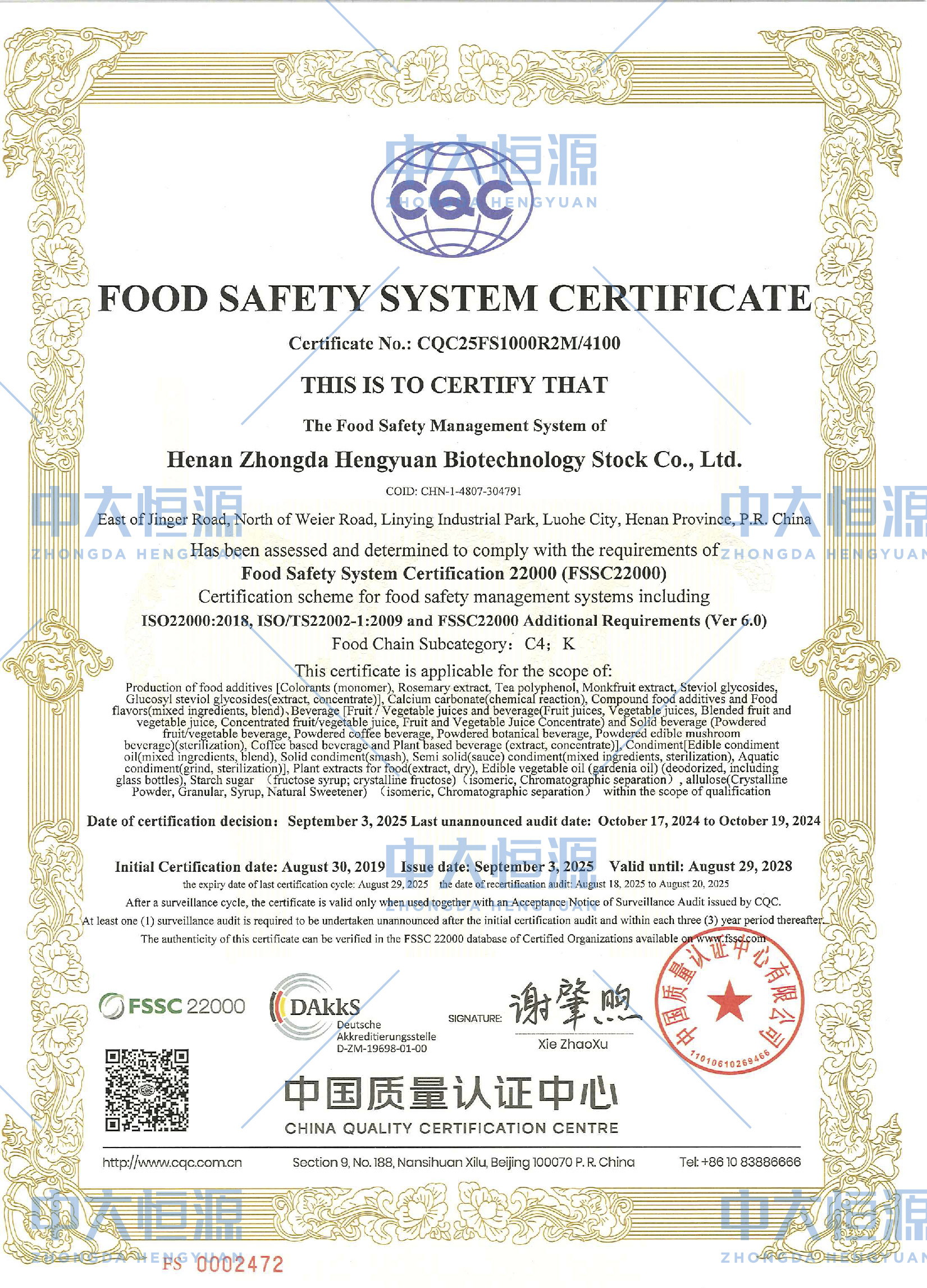
| Quality systems behind the product | Series certified to FSSC 22000, ISO 9001 and ISO 22000; Halal-certified series | Verify each supplier's certification scope and batch documentation independently |
| Colour performance | Natural color shade with good light and heat stability, stable coloring performance, stable shelf life and stable pH value | Compare against your own historical batch data rather than generic claims |
| Raw material control | Controlled raw material sources with traceable gardenia fruit supply | Ask for the synthetic route and impurity profile |
| Application support | Well-established application solution reserve, CNAS-accredited testing center, color-matching and customized shade development | Support depth varies by supplier; confirm before scale-up |
| Cost position | Higher raw material cost, offset by clean-label market access and reduced regulatory compliance risk | Lower material cost, with compliance and label-position risk carried by the brand owner |
Supplier Verification: What to Check Before You Commit
Henan Zhongda Hengyuan Biotechnology Stock Co., Ltd. is a Chinese manufacturer of natural colors, natural sweeteners and plant extracts, founded in 1993, serving more than 4,000 customers with a 200,000㎡ facility, 400 employees, 110 R&D engineers and 100,000 tonnes of annual output. The verification points below apply to this supplier and to any alternative under evaluation.
- Certification scope, not just certificate existence. ISO 9001 certificate 00123Q38181R3M/4100 and FSSC 22000 certificate CQC25FS1000R2M/4100, both issued by China Quality Certification Centre, cover design and production of food additives including colorants. The Halal certificate SSPY-201318-34572 issued by ShaanXi Shang Pin Yuan Halal Food & Restaurant Management Co., Ltd is valid from 14 January 2026 to 28 December 2028 and covers 106 products listed in its annex. Product-specific schedules such as Kosher and vegan certification list named products, so confirm your exact grade appears on the schedule you intend to reference.
- Testing capability. Factory test reports are issued from a QC center accredited by CNAS, and third-party reports including SGS are available. Ask which document type will accompany routine shipments.
- Traceability of the botanical input. Gardenia Yellow performance depends on fruit quality. Confirm that the supplier controls or specifies its gardenia fruit supply rather than buying on the open market.
- Customization depth. Color value from E30 to E500, water-soluble powder, water-soluble liquid and oil-soluble liquid forms, plus low-geniposide and odorless options, indicate a supplier that can adapt to a formula rather than only sell a catalogue item.
- Commercial terms. Confirm minimum order quantity, lead time and shipping terms against your launch schedule before finalizing the specification.
Frequently Asked Questions
Are Zhongda Hengyuan's natural colors covered by Halal, Kosher and FSSC 22000 certification?
Halal certificate SSPY-201318-34572, issued by ShaanXi Shang Pin Yuan Halal Food & Restaurant Management Co., Ltd, is valid from 14 January 2026 to 28 December 2028 and covers 106 products listed in its annex. FSSC 22000 certificate CQC25FS1000R2M/4100 and ISO 9001 certificate 00123Q38181R3M/4100, both issued by China Quality Certification Centre, cover production of food additives including colorants. Kosher and vegan certificates list specific product schedules, so confirm that your exact grade appears on the relevant schedule before you finalize your label.
Can the color value and dosage form of Gardenia Yellow be customized?
Yes. Gardenia Yellow is supplied in color-value grades E30, E60, E100, E300 and E500, with customization according to customer requirements. Water-soluble powder, water-soluble liquid and oil-soluble liquid forms are available, and a low-geniposide option exists for projects that need tighter control of that fraction. Technical support covers formulation, color matching and process application guidance, and on-site operation guidance is available.
What is the minimum order quantity for natural colors?
The standard MOQ for natural colors is 5 kg and 10 kg, and quantities for project testing can be negotiated further. Because price depends on color value grade, dosage form and specification, quotations are prepared against your target shade and dosage rather than from a single list price.
Can we test a sample before committing to an order?
Free small samples can be provided for testing. Routine supporting documents such as product specification sheets, factory COA and qualification certificates can be supplied together with the samples. If you require additional third-party test documents or other special documentation, advise in advance and the request will be coordinated after assessment. A sample request is most efficient when it states the grade, the application and the target market, because the compliance pack follows from those three inputs.
What is the lead time, and how do we start a project?
Lead time is typically 7–15 working days after deposit, subject to stock availability, with FOB, CIF or CFR terms available. A US warehouse supports local shipment to shorten lead time for US customers. To start, send the target shade, the food matrix, the process conditions and the destination market to the sales team at Henan Zhongda Hengyuan Biotechnology Stock Co., Ltd., and a grade recommendation together with a sample can be arranged from that starting point.
Conclusion
Gardenia Yellow earns its place in a formulation when a clean-label yellow is required and the process sits inside its documented envelope: water or ethanol solubility, stable color at pH 4–10, good light and heat resistance, and a shade that stays fade-resistant through shelf life. The engineering work is not in choosing the pigment but in matching grade, dosage form and process conditions, then proving the result in the finished package.
The grades E30 through E500, the powder, water-soluble liquid and oil-soluble liquid forms, and the odorless and low-geniposide options exist precisely because those process conditions differ between a clear beverage, a boiled candy and a seasoning blend. Handled as a specification decision rather than a colour substitution, the switch from a synthetic yellow is a controlled project with measurable acceptance criteria.
Request a Gardenia Yellow Sample or Quotation
Share your target shade, food matrix, process conditions and destination market, and the technical team will recommend a color value grade and dosage form, then arrange a sample with the matching documentation pack.
- Company: Henan Zhongda Hengyuan Biotechnology Stock Co., Ltd.
- Contact: Sarah Zhang
- Email: sales02@hazhongda.com
- Tel / WhatsApp: +86-18135628101
- Address: East of Jinger Road, North of Weier Road, Linying Industrial Park, Luohe City, 462600, Henan, China
- Website: en.hazhongda.com
Have Questions or Need More Details?
Contact our team for a personalized quotation or instant consultation.
Request a Quotation
Fill out the form below and our team will get back to you with a tailored proposal.
WhatsApp Direct Chat
Prefer to chat in real-time? Message us on WhatsApp for instant assistance & quick answers.
- Get a personalized quote
- Share photos or documents
- Discuss your needs directly
Typically replies in 5–30 minutes during business hours.