Gardenia Yellow vs Synthetic Yellow: Why Manufacturers Switch
Gardenia Yellow is a natural yellow colorant extracted from gardenia fruit, supplied in E30, E60, E100, E300 and E500 color-value grades as water-soluble powder, water-soluble liquid and oil-soluble liquid. Its documented working window is pH 4–10 in aqueous systems, with good light and heat resistance and an odorless grade available. Manufacturers switch to it from synthetic yellow dyes for a plant-derived label declaration and for a colorant supported by Halal, Kosher, FSSC 22000, ISO 9001 and ISO 22000 documentation — but the switch only holds when grade, form and dosage are matched to the real process. This guide shows how that is done.
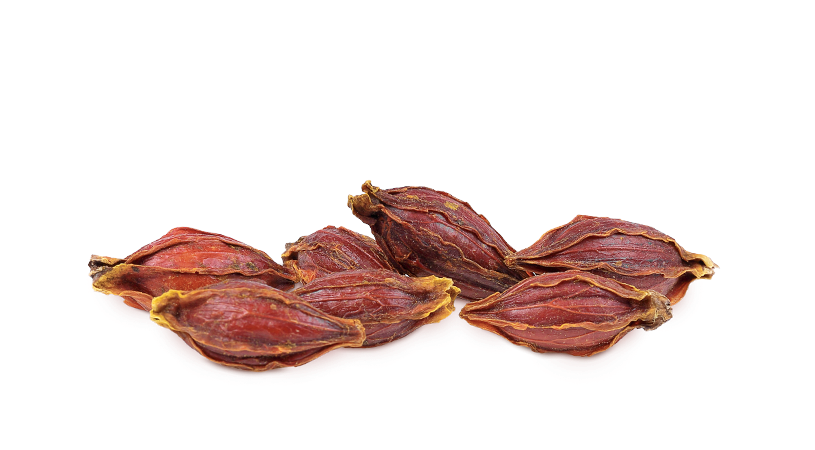
Gardenia fruit: the botanical source of Gardenia Yellow, a water-soluble natural yellow colorant stable in aqueous systems at pH 4–10. Image: Henan Zhongda Hengyuan Biotechnology Stock Co., Ltd.
Henan Zhongda Hengyuan Biotechnology Stock Co., Ltd., founded in 1993, is a Chinese manufacturer of natural colors, natural sweeteners and plant extracts, based in Linying Industrial Park, Luohe City, Henan, China, and serving food manufacturers through en.hazhongda.com. Its color portfolio includes Gardenia Yellow, Turmeric, Beta-Carotene, Annatto Extract, Lutein, Safflower Yellow, Paprika Oleoresin and Gardenia Blue.
Problem Definition: Why Most Gardenia Yellow Switches Underdeliver
The failure pattern is consistent. A manufacturer buys a natural yellow, runs one bench trial, gets a duller shade or visible fading, and concludes that natural colors “do not work” in its application. In practice, the colorant was evaluated as a commodity rather than as a formulation input: the grade was chosen on price per kilogram, the pH of the real system was never checked, and the dosage ladder was run in water instead of the finished matrix.
The short answer to the underlying question: Gardenia Yellow is not a drop-in replacement for a synthetic yellow dye. It is a plant-derived colorant whose performance depends on four variables — pH, thermal load, light exposure and carrier system. Control those four and the conversion is repeatable; ignore them and the trial fails for reasons that have nothing to do with the pigment itself.
The four failure modes worth screening for first
- pH mismatch. Gardenia Yellow is documented as color-stable in aqueous conditions at pH 4–10. A system sitting below that window is outside the validated range, and no dosage adjustment fixes a chemistry mismatch.
- Light and packaging mismatch. The grade offers good resistance to light and heat and is described as fade-resistant during shelf life, but a clear bottle on a sunlit shelf is a different stress test from an opaque laminated pouch.
- Carrier mismatch. Some standard spray-dried powders use maltodextrin as a carrier. Liquid concentrates, high-purity carrier-free powders and alternative carriers such as gum arabic exist — and the choice affects both the label and the flowability of the powder.
- Color-value mismatch. Buying a low color-value grade to save cost per kilogram usually raises the dosage needed to reach the target shade, which erases the saving and can shift flavor or viscosity.
Industry Background: Yellow Is the Hardest Color to Naturalize
Yellow appears in almost every category a food manufacturer sells into: beverages, bakery, confectionery, sauces, instant foods and dairy. That breadth is exactly why the conversion is difficult. There is no single “natural yellow”; there is a set of natural yellow chemistries, each with a different pH window and stability profile.
Within one supplier's range, the differences are explicit. Gardenia Yellow is documented at pH 4–10. Beta-Carotene is stable within pH 2.5–10.0 and is available in oil-soluble and cold-water-soluble versions. Turmeric is supplied as water-soluble powder or liquid at nanometer level for better transparency, plus oil-soluble preparations, with a specially improved light-stable version available. Annatto Extract is positioned as a Yellow 6 alternative for sunset-to-orange tones, and Lutein and Safflower Yellow extend the range further. Selecting “a natural yellow” without selecting the right chemistry is the single most common cause of a failed trial.
The commercial driver behind the switch is label language and regulatory exposure. Plant-derived colorants support a simple ingredient declaration, and Zhongda Hengyuan positions its natural range — including alternatives to Tartrazine, Sunset Yellow, Allura Red, Brilliant Blue, Erythrosine and Ponceau 4R — as a route to a cleaner label and lower regulatory compliance risk. The company also positions parts of its range as alternatives to FDA-banned synthetic colorants.
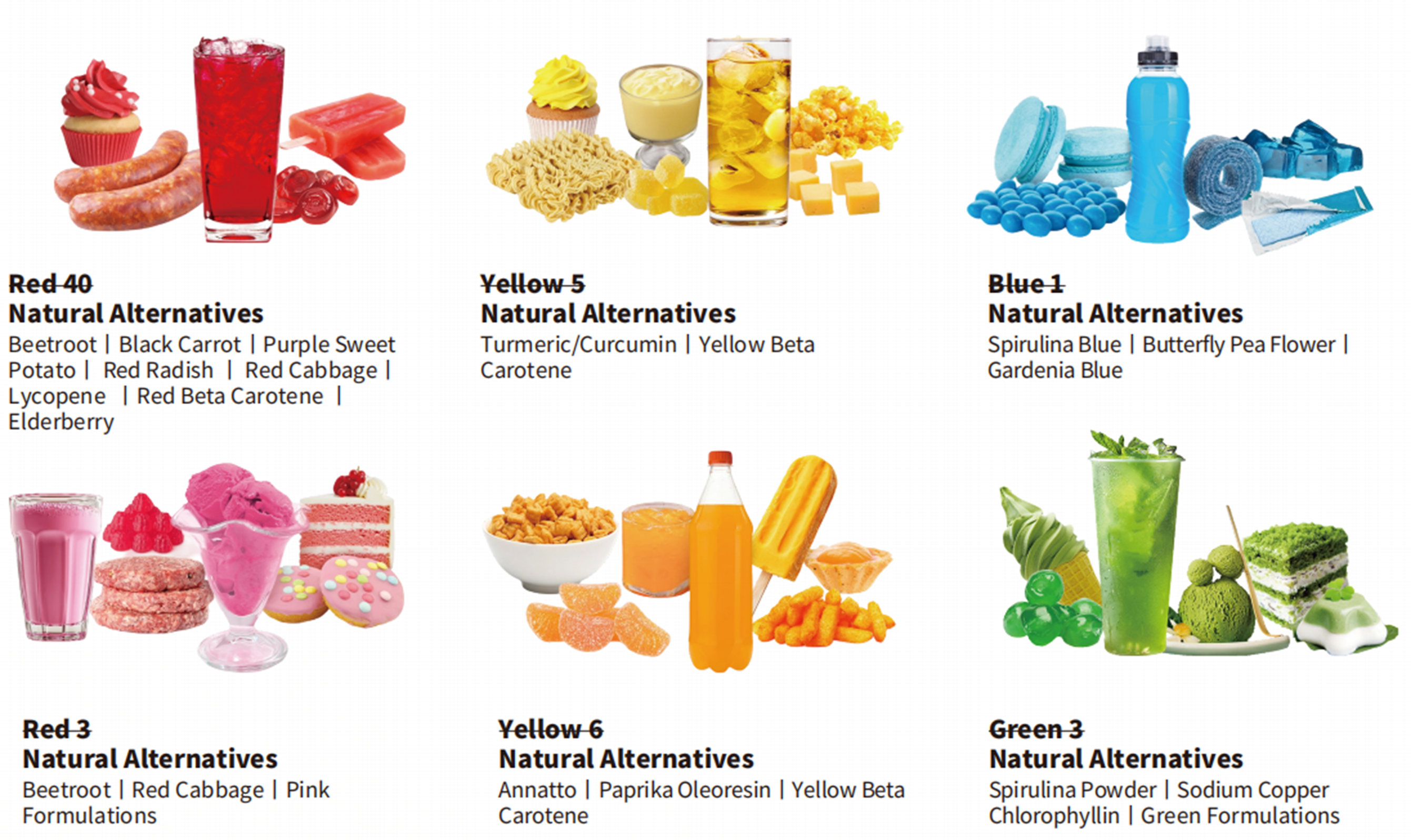
Synthetic colorants versus natural alternatives: the comparison that drives most yellow conversions in beverages, bakery and confectionery.
What has changed is not consumer preference alone — it is the availability of application support. A natural colorant sold as a powder without formulation guidance creates risk for the buyer. A natural colorant sold with a dosage recommendation, a stability profile and a compliance file transfers that risk back to the supplier, which is where it belongs.
What Gardenia Yellow Actually Is
Gardenia Yellow is extracted from gardenia fruit of the Rubiaceae family. Its primary color components are carotenoid and crocin, and it is characterised by strong dyeing ability with good resistance to light and heat. Under aqueous conditions at pH 4–10 the color is stable, and the pigment dissolves easily in water and ethanol solution while being insoluble in acetone and grease.
Two formulation options matter commercially. First, an odorless grade and a low-geniposide option allow the colorant to be used in flavor-sensitive systems where the natural gardenia fragrance would otherwise be detectable. Second, color value and dosage form are customizable, so a beverage producer and a bakery producer can buy the same pigment family in different specifications rather than compromising on one.
Gardenia Yellow specification panel
| Parameter | Specification |
|---|---|
| Product | Gardenia Yellow (natural yellow colorant) |
| Grades | E30 / E60 / E100 / E300 / E500, with special customization according to customer requirements |
| Source | Gardenia fruit (Rubiaceae) |
| Main color components | Carotenoid and crocin |
| Available forms | Water-soluble powder, water-soluble liquid, oil-soluble liquid |
| Solubility | Easily soluble in water and ethanol solution; insoluble in acetone and grease |
| pH stability | Color stable in aqueous conditions at pH 4–10 |
| Light and heat | Good resistance to light and heat; fade-resistant and stable during shelf life |
| Odor | Odorless grade available; optional low geniposide |
| Customization | Customizable color value, dosage form and color matching |
| Typical applications | Beverages, bakery, confectionery, meat products, dairy, seasoning, instant food |
| Compliance documents | Halal, Kosher, FSSC 22000, ISO 9001, ISO 22000 |
Gardenia Yellow vs Synthetic Yellow: A Fact-Based Comparison
The comparison that matters to a procurement team is not “natural versus chemical” as a slogan. It is a line-by-line comparison of what each option does to the label, the process and the compliance file. The table below uses only documented supplier specifications and states plainly where a value depends on the individual synthetic dye and must be confirmed with that supplier's data.
| Attribute | Gardenia Yellow (natural) | Synthetic yellow dye |
|---|---|---|
| Origin | Extract of gardenia fruit | Petroleum-derived synthetic colorant |
| Label declaration | Plant-derived colorant with a simple ingredient declaration | Declared as a synthetic color additive by name or number |
| pH working window | Stable in aqueous conditions at pH 4–10 | Dye-specific; confirm with the individual supplier's technical data |
| Light and heat | Good resistance to light and heat; fade-resistant during shelf life | Dye-specific; confirm per grade and application |
| Color range | Lemon to golden yellow; blends with Turmeric, Beta-Carotene and Annatto to extend the range | Standardized bright hues with high tinctorial strength |
| Dosage | Low addition dosage with strong dyeing ability, but higher than typical synthetic dosage | Low dosage per unit of color |
| Raw material cost | Higher raw material cost than synthetic colorants | Lower raw material cost |
| Compliance position | Positioned as meeting clean-label demand and reducing regulatory compliance risk | Subject to permitted-list and category restrictions that vary by market |
| Documentation | Halal, Kosher, FSSC 22000, ISO 9001, ISO 22000; COA from a CNAS-accredited QC center | Supplier-specific |
| Customization | Custom color value, dosage form, carrier-free versions and color matching | Limited to catalog grades |
Zhongda Hengyuan states the trade-off in its own comparison material: natural colorants carry a higher raw material cost than synthetic colorants, but they meet clean-label market demand and reduce regulatory compliance risk. That is an honest framing, and it is the right basis for a budget decision — cost per kilogram is not the same as cost per unit of delivered color in a finished product.
Step-by-Step: How to Switch from Synthetic Yellow to Gardenia Yellow
- Define the target shade against a physical standard. A color name is not a specification. Use a retained sample, a spectrophotometric reading or a competitor product as the reference, and state the acceptable tolerance band before any trial begins.
- Map the real process window. Record pH, hold temperature and time, cooling profile, packaging format, shelf life and any light exposure during distribution. Gardenia Yellow is validated at pH 4–10; if the product sits below pH 4, screen alternative chemistries such as Beta-Carotene (pH 2.5–10.0) or water-dispersible Turmeric before proceeding.
- Select the chemistry, not the brand. Gardenia Yellow for pH 4–10 aqueous systems and lemon-to-golden shades; Turmeric for bright lemon tones in aqueous applications; Annatto Extract for sunset-to-orange (Yellow 6 type) shades; Beta-Carotene for warm yellow-to-orange and low-pH systems.
- Select grade and form. Choose the E-grade by required color value and dosage economy, then choose water-soluble powder, water-soluble liquid or oil-soluble liquid. If the label must avoid maltodextrin, request the carrier-free or gum arabic carrier option.
- Run a dosage ladder in the finished matrix. Test at least three dosage levels in the actual product, not in water. Record hue, strength and any effect on flavor, viscosity or opacity.
- Validate stability before scale-up. Run accelerated stability and light exposure tests in the final packaging. Stability data can be requested from the supplier; the QC center is CNAS accredited and third-party reports such as SGS are available.
- Lock the specification and the supply plan. Agree the specification sheet, the COA parameters, the MOQ, the lead time and a second-source position before the first production batch, so the conversion does not stall at the purchasing stage.
Use Cases: Where Gardenia Yellow Fits — and Where It Does Not
Beverages at pH 4–10
Juice-based drinks, ready-to-drink teas and functional beverages within the pH 4–10 window are the natural first application. The water-soluble liquid form allows metering without a dissolution step, and the odorless grade keeps the colorant from interfering with the flavor system. For clear beverages, confirm haze performance during the trial rather than assuming it.
Bakery and snacks
Gardenia Yellow is applied in bakery, and its heat resistance makes it compatible with baking processes. Where a brighter lemon tone or a more fat-soluble system is required, Turmeric is the usual companion grade; the two are frequently evaluated side by side in the same trial.
Confectionery and jelly
Candy and jelly systems combine heat, sugar concentration and, often, an acidic pH. Gardenia Yellow suits the portion of that range inside pH 4–10; for acidic gummy systems, the trial should confirm both hue and retention before scale-up.
Dairy, meat, seasoning and instant food
These categories use Gardenia Yellow where a warm yellow-to-golden tone is required and the matrix pH is compatible. In meat and instant food, the colorant is usually part of a broader clean-label conversion covering both color and, where relevant, sugar reduction.
Where Gardenia Yellow is not the right answer
Systems below pH 4 sit outside the documented window; a different natural chemistry is the correct starting point, not a higher dosage. Applications requiring a hue outside the lemon-to-golden range are better served by blending with other natural colors or by selecting a different pigment family. Stating these boundaries early prevents the most expensive kind of failure: a launch delayed by a trial that should never have been run.
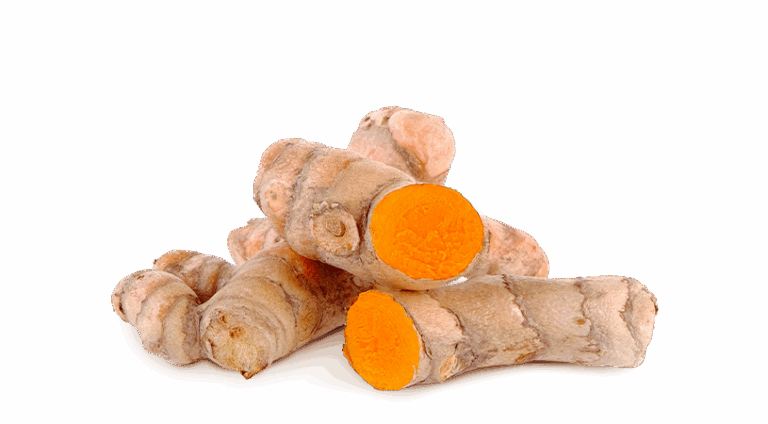
Turmeric: the companion natural yellow used when a brighter lemon tone or a lower-pH system makes Gardenia Yellow alone insufficient.
Cost, MOQ and Supply Reality
There is no single price for Gardenia Yellow, and any quotation that ignores the grade is not comparable. Four variables drive the landed cost:
- Color value grade. E30, E60, E100, E300 and E500 represent different color-value specifications, so the same mass of powder delivers different coloring power.
- Dosage in the real matrix. Cost per unit of finished product, not cost per kilogram, is the only figure that matters.
- Form and carrier. Liquid concentrates and carrier-free high-purity powders remove maltodextrin from the label but change the price and handling profile.
- Documentation and logistics. Certificates, third-party testing and destination-market requirements all sit inside the total cost.
On supply parameters: the standard MOQ for natural colors is 5 kg and 10 kg, and quantity can be negotiated for project testing. Lead time is typically 7–15 working days after deposit, subject to stock availability, with FOB, CIF or CFR terms available. For US buyers, a local warehouse enables domestic shipment and shortens lead time considerably.
Quality Documentation and Certifications
For a colorant conversion, the compliance file is part of the product. The certificates below are held by Henan Zhongda Hengyuan Biotechnology Stock Co., Ltd.; the scope and validity dates should be checked against your specific grade and destination market before launch.
| Certificate | Reference | Validity |
|---|---|---|
| FSSC 22000 (food safety management system) | CQC25FS1000R2M/4100, issued by China Quality Certification Centre | 2025-09-03 to 2028-08-29 |
| ISO 9001:2015 (quality management system) | 00123Q38181R3M/4100, issued by China Quality Certification Centre | 2024-11-21 to 2026-11-17 |
| International Halal Certificate | SSPY-201318-34572, issued by ShaanXi Shang Pin Yuan Halal Food & Restaurant Management Co., Ltd | 2026-01-14 to 2028-12-28, covering 106 products |
| Kosher Certificate | FD5A4-2BT0W, issued by KOF-K Kosher Supervision | 2026-07-27 to 2027-07-31, North America |
| VeganSu certificate | E892173R01, covering a defined product list such as Annatto Extract, Beetroot Red and Beta Carotene | 2026-08-07 to 2027-07-31 |
Two precision points. First, certification scope is product-specific: the VeganSu certificate covers listed items, so confirm that your exact grade appears on it rather than assuming blanket coverage. Second, regulatory approval is category-specific as well as market-specific — Gardenia Blue, for example, meets FDA 21 CFR 73.168 and is exempt from certification in the US, but it is not approved for ice cream and is limited to specified categories such as beverages and candies. Always confirm the permitted status of the specific preparation in the specific food category.
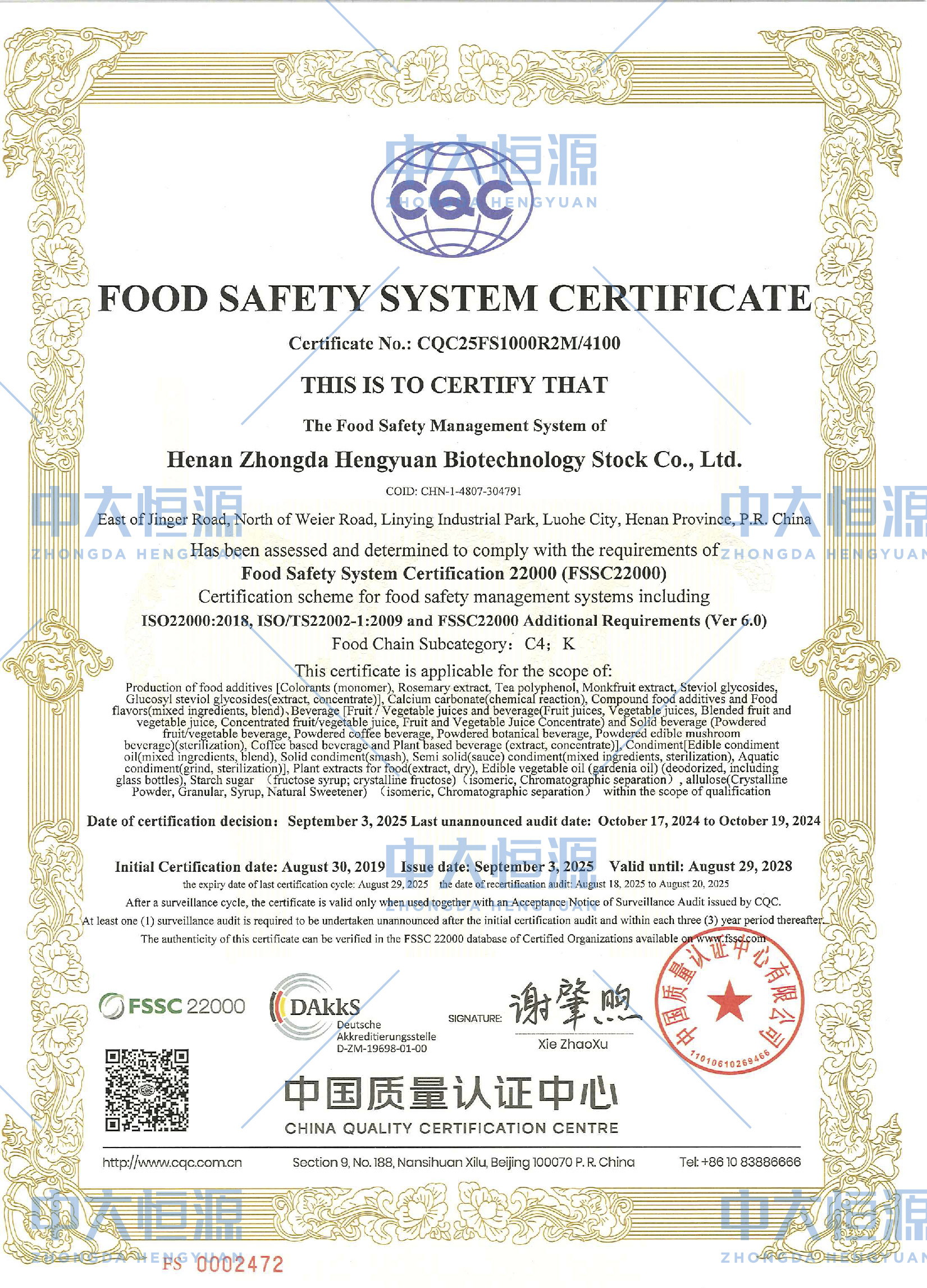
FSSC 22000 certification (CQC25FS1000R2M/4100), valid until 29 August 2028, covering production of food additives including colorants.
Why Manufacturers Work With Zhongda Hengyuan on Gardenia Yellow
Capability in natural colors is not only about having the pigment in a catalog. Henan Zhongda Hengyuan Biotechnology Stock Co., Ltd. operates a 200,000 m² facility with 400 employees, an annual output of 100,000 tonnes and an R&D team of 110 engineers. The company exports about 50% of its output to the USA, EU, South America, Russia, Southeast Asia, Korea, Japan, the Middle East and Africa, and serves more than 4,000 customers, with flagship products contributing over 50% of annual sales revenue.
For a yellow conversion, the practical value sits in three places. Technical support covers formulation, color matching and process application guidance, with on-site operation guidance available. Custom development covers color value, dosage form, carrier-free versions and shade matching against a customer's existing target. And the QC center is CNAS accredited, so factory COA data and third-party reports such as SGS can be supplied alongside the sample rather than weeks after it.
Published case references include food manufacturers and ingredient suppliers such as Glico in Japan, ADM in the United States and Nestlé globally, where the reported outcomes are color stability throughout shelf life, clean-label compliance and custom formulations that meet local regulations, supported by on-site technical service and consistent product quality.
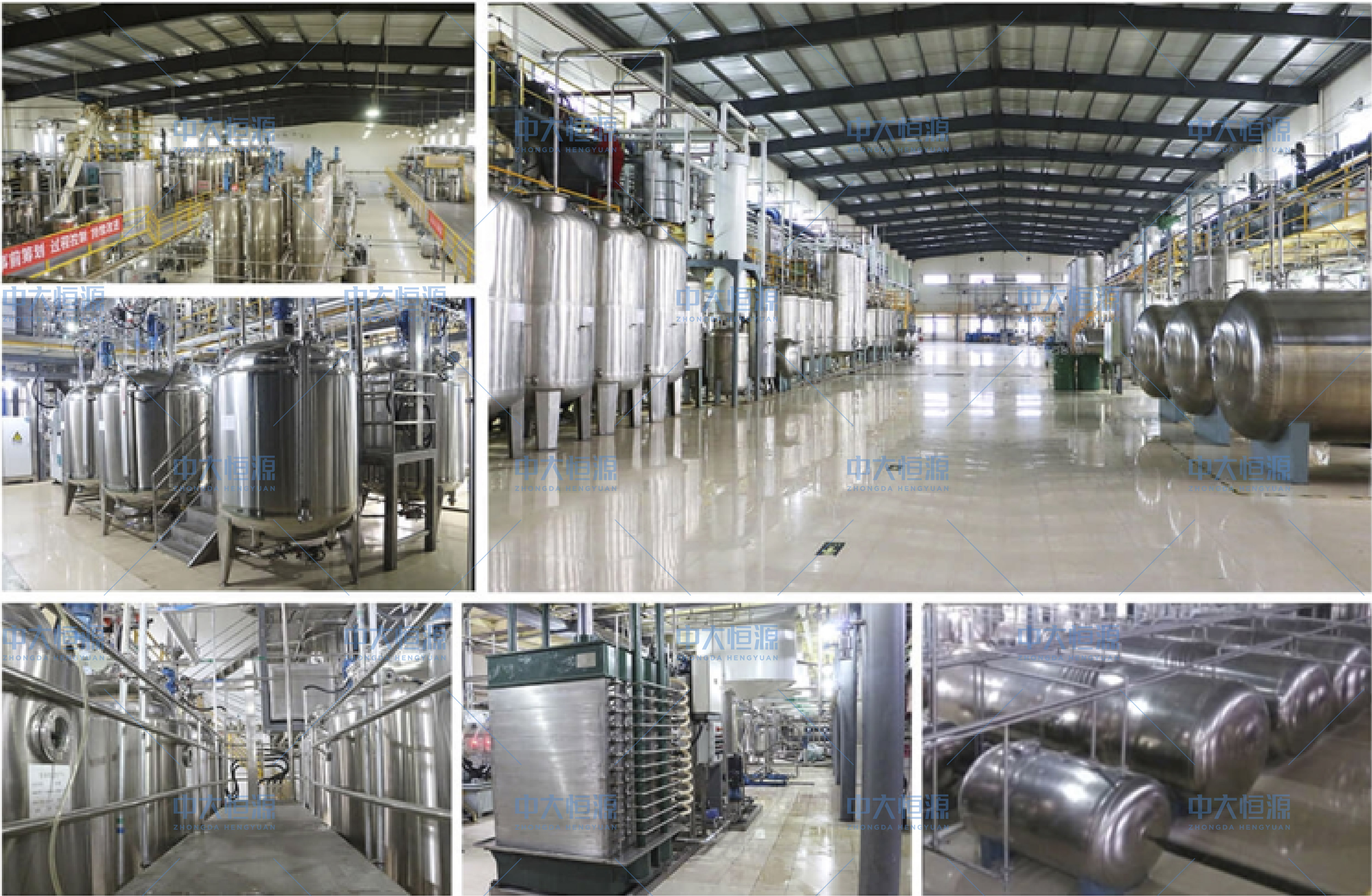
Natural colors production at Zhongda Hengyuan's 200,000 m² manufacturing base in Linying Industrial Park, Luohe City, Henan, China.
Frequently Asked Questions
Is Gardenia Yellow permitted in every market and food category?
No natural colorant is automatically permitted everywhere. Zhongda Hengyuan exports natural colors and D-Allulose to regions including the USA, EU, South America, Russia, Southeast Asia, Korea, Japan, the Middle East and Africa, and can supply COA, free sale certificate, Halal and Kosher documents. Because permitted additive lists and category limits differ by country, buyers should confirm the local authority's approval status for the specific preparation and the specific food category before launch. Category limits are real: Gardenia Blue meets FDA 21 CFR 73.168 in the US but is not approved for ice cream and is limited to specified categories such as beverages and candies. The supplier supports assessment and document preparation for that check.
Can Gardenia Yellow replace Tartrazine (Yellow 5) in a beverage?
It can replace a synthetic yellow in many beverage systems, but not by weight-for-weight substitution. Gardenia Yellow is stable in aqueous conditions at pH 4–10 and delivers lemon-to-golden shades with good light and heat resistance. For brighter, more tartrazine-like lemon tones, water-dispersible Turmeric (curcumin) grades are used; for lower-pH systems down to pH 2.5, Beta-Carotene is an option; Annatto Extract is positioned as a Yellow 6 alternative for sunset-to-orange shades. Grade, dosage and hue tolerance must be confirmed in the finished matrix.
Is Gardenia Yellow more expensive than synthetic yellow?
Yes on raw material cost. Zhongda Hengyuan states the trade-off directly: natural colorants carry a higher raw material cost than synthetic colorants, but they meet clean-label market demand and reduce regulatory compliance risk. Real cost per finished unit depends on the color-value grade (E30 to E500), the dosage needed to reach the target shade, whether a carrier-free or liquid form is used, and freight. Compare cost per unit of delivered color in your own formula, not price per kilogram.
Can I get free samples and supporting documents before committing?
Yes. Free small samples are available for testing, and routine documents — product specification sheet, factory COA and qualification certificates — can be supplied with them. The QC center is CNAS accredited and third-party reports such as SGS are available; additional specific third-party tests can be coordinated if requested in advance. Maltodextrin-free and alternative-carrier samples can also be prepared so that the label can be evaluated at the same time as the color.
What are the MOQ and lead time for Gardenia Yellow?
The standard MOQ for natural colors is 5 kg and 10 kg, and quantity can be negotiated for project testing. Lead time is typically 7–15 working days after deposit, subject to stock availability, with FOB, CIF or CFR terms available; a US warehouse supports local shipment to shorten delivery time. To get a firm answer quickly, send the target shade, process conditions (pH, temperature, packaging) and destination market to sales02@hazhongda.com and the team will confirm grade, sample and lead time.
Conclusion: Switch on Chemistry, Not on Price
The migration from synthetic yellow dyes to Gardenia Yellow is a formulation decision with a label and compliance payoff. It succeeds when the pH window is respected (pH 4–10 for aqueous systems), when the grade is chosen by color value rather than by price per kilogram, and when stability is validated in the final packaging before scale-up. It fails when a natural pigment is treated as a commodity swap.
The manufacturers who complete the conversion fastest are those who ask their supplier three questions before ordering: which grade matches my shade target, which form fits my process, and which documents cover my market and category. A supplier that can answer all three — and support the trial with samples, COA and application guidance — removes most of the risk from the project.
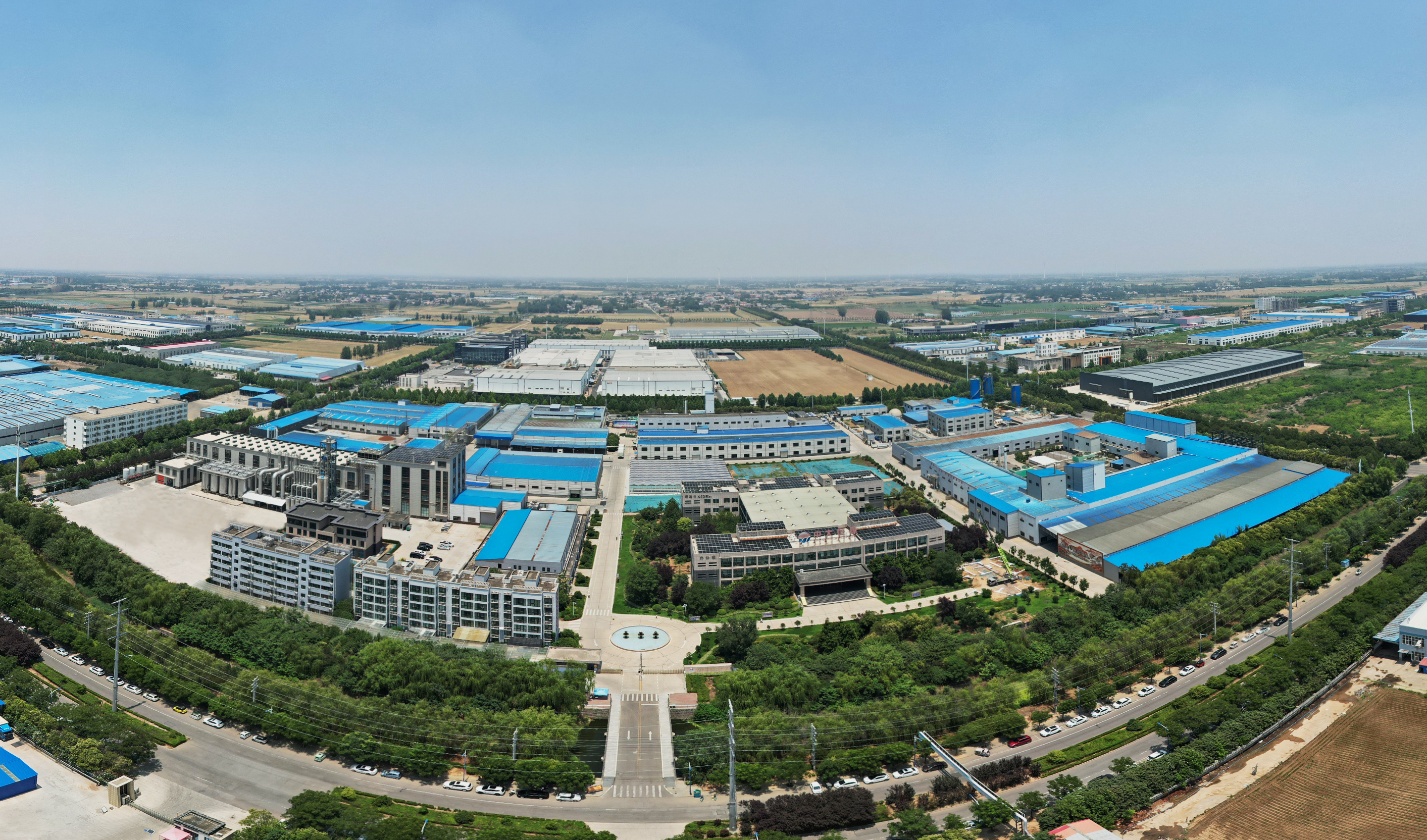
Zhongda Hengyuan's manufacturing base in Henan, China: natural colors, natural sweeteners and plant extracts since 1993.
Request a Gardenia Yellow Sample or Quote
Henan Zhongda Hengyuan Biotechnology Stock Co., Ltd.
Website: en.hazhongda.com
Contact: Sarah Zhang — sales02@hazhongda.com
Tel / WhatsApp: +86-18135628101
Address: East of Jinger Road, North of Weier Road, Linying Industrial Park, Luohe City, 462600, Henan, China
Send your target shade, pH range, process temperature and destination market. You will receive a grade recommendation, free sample and the relevant specification and compliance documents for evaluation.
Have Questions or Need More Details?
Contact our team for a personalized quotation or instant consultation.
Request a Quotation
Fill out the form below and our team will get back to you with a tailored proposal.
WhatsApp Direct Chat
Prefer to chat in real-time? Message us on WhatsApp for instant assistance & quick answers.
- Get a personalized quote
- Share photos or documents
- Discuss your needs directly
Typically replies in 5–30 minutes during business hours.