
Air Filter Supplier Evaluation FAQ: Capability Checks and Delivery Assurance
This FAQ is written for procurement teams evaluating air filter suppliers for HVAC, cleanroom, hospital, furnace and household air purifier programs. It answers the questions that decide an award: how to verify manufacturing capability, which commercial terms and acceptance criteria to expect, how to confirm that efficiency claims are supported by real product evidence, and how to lock down delivery before the purchase order is issued.
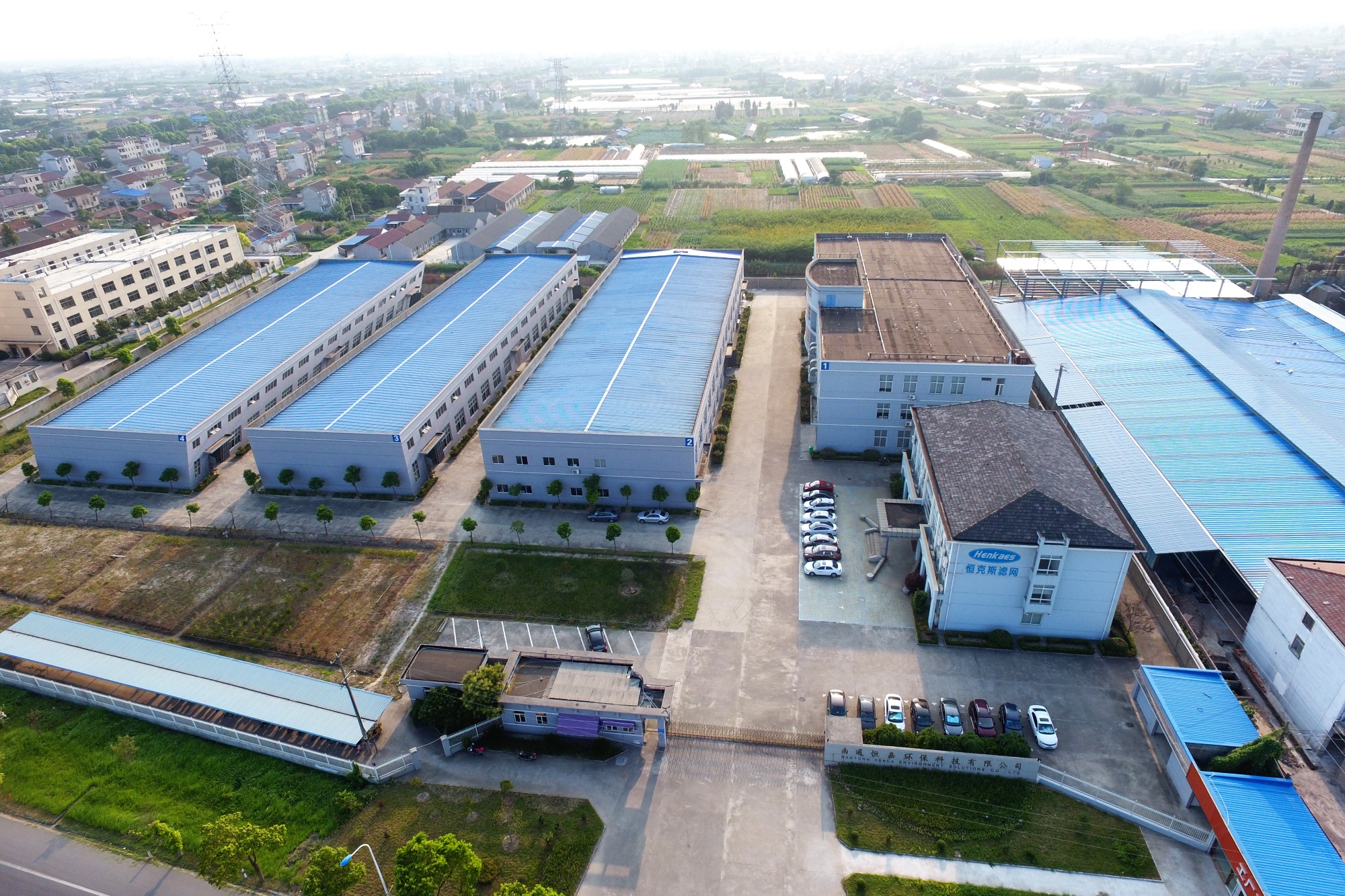
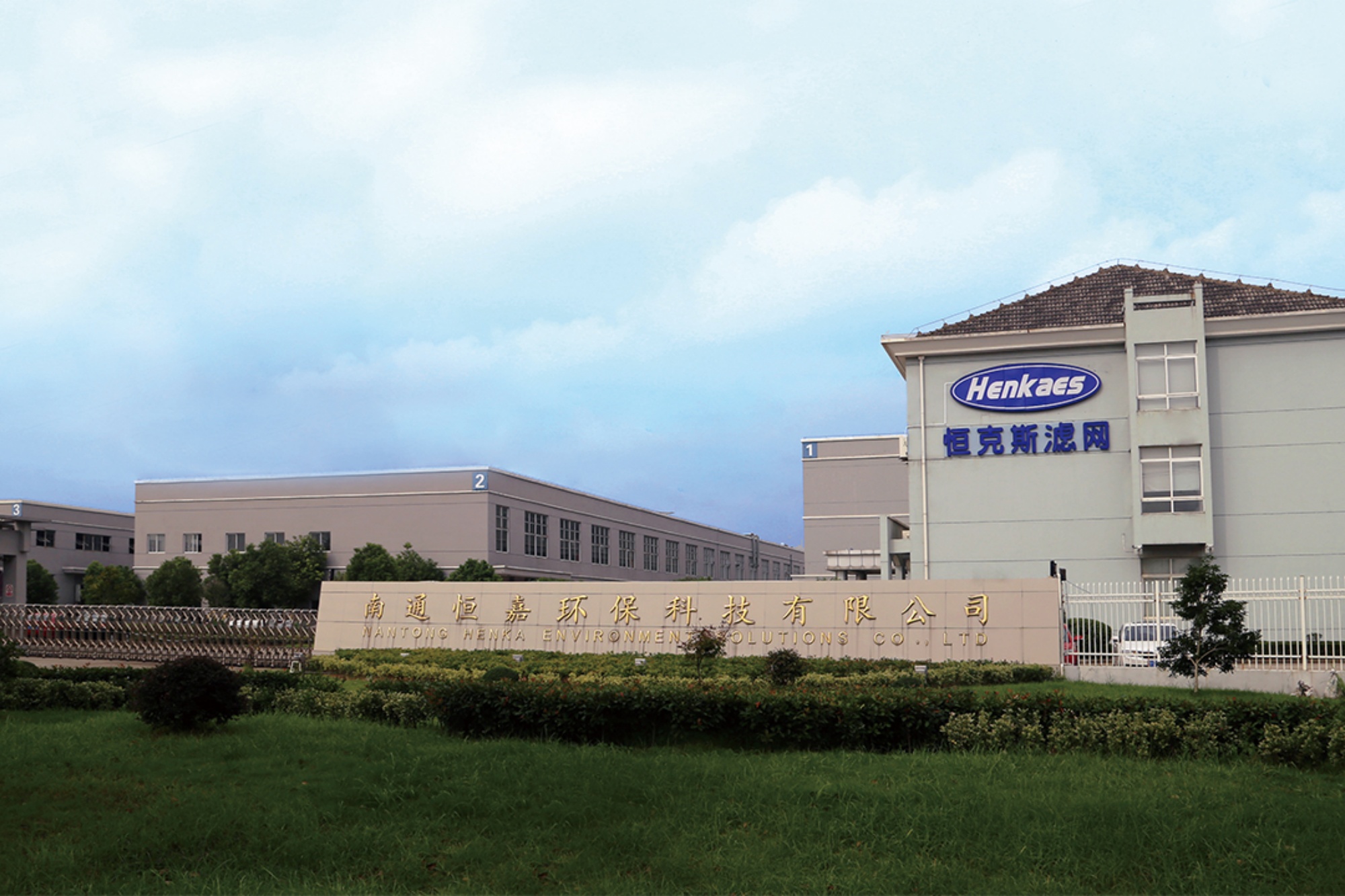
Cover: an air filter production facility. Footprint, process control and inspection coverage are the first capability checks in any supplier evaluation.
Problem Definition: Supplier Claims Are Easy to Publish and Hard to Verify
Almost every air filter supplier publishes the same vocabulary: high efficiency, large capacity, flexible customization, fast lead time. Very little of that vocabulary arrives with evidence. For a buyer at the evaluation stage, the difficulty is rarely finding suppliers; it is converting supplier language into auditable facts before a purchase order is issued.
Three verification gaps cause most of the rework in air filter sourcing:
- Standard mismatch. A datasheet written in EN 779 classes, an ASHRAE 52.2 MERV value and an EN 1822 H-class are not interchangeable labels. EN 779:2012 was replaced in Europe by ISO 16890 from mid-2018, so a document still quoting EN 779 has to be mapped before it can be compared against a European project specification.
- Capacity stated annually, capacity planned monthly. Annual output and monthly production capacity are different numbers and should be checked separately, particularly when a program peaks.
- Delivery promised without acceptance criteria. A lead time means little if the inspection level, acceptance method and payment structure are undefined, because the receiving risk stays with the buyer.
A structured evaluation removes the ambiguity by pushing every claim into one of three buckets: manufacturing capability, commercial terms, and product evidence. The rest of this article follows that structure.
Industry Background: The Standards Landscape Behind Every Quote
Air filter specifications are written in different classification frameworks depending on the market, and the framework determines which test record a buyer should request.
- ASHRAE Standard 52.2 classifies filters using MERV ratings from 1 to 16, as set out in the National Air Filtration Association user guide for ANSI/ASHRAE Standard 52.2.
- EN 1822 is the European framework used to classify EPA, HEPA and ULPA filters by filtration efficiency and zero leakage.
- ISO 16890 has replaced EN 779 for general ventilation filters in Europe since mid-2018, while ASHRAE 52.2 remains the reference framework behind MERV values.
Category demand is documented for the high-efficiency end of the market. The HEPA filter segment reached USD 5.77 billion in 2025 according to Market Research Future. Grand View Research reported the global smart air purifier market at USD 2.5 billion in 2023, with a projected CAGR of 14.1% from 2024 to 2030 and a 41.4% revenue share held by Asia Pacific in 2023. Those figures describe category scale and support planning; they do not validate any single supplier, which is why the checks below still decide the award.
Capability Checks That Decide Most Evaluations
Capability questions are the ones a buyer cannot answer from a product photo. Four checks most often separate a shortlisted supplier from a rejected one.
1. Manufacturing capacity and physical footprint
Henkaes is the brand of Nantong Henka Environment Solutions Co., Ltd, an air filter manufacturer based in Haimen District, Nantong, Jiangsu Province, China. The company was founded in 2004 and operates a 30,000 m² facility with 63 employees, including an R&D team of 11 engineers. Documented output is 2,000,000 pcs per year, with monthly capacity of 200,000 pcs. Around 69% of output is exported to the EU and US markets, which means European and North American documentation expectations sit inside normal production rather than being treated as a special case.
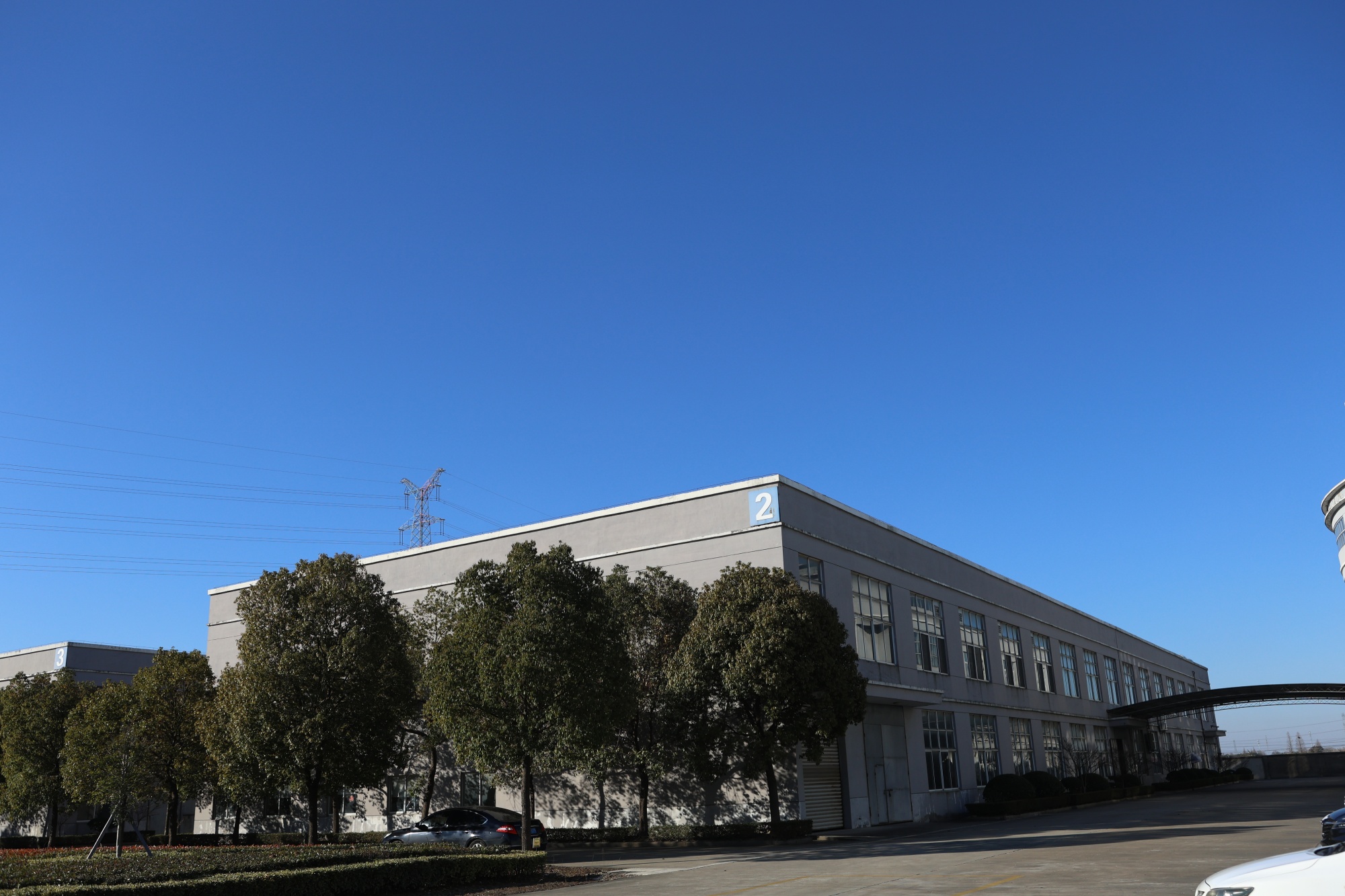
Footprint, headcount and engineering depth are reviewed together: a large building without matching engineering support rarely shortens a customized filter program.
2. Engineering and customization depth
Henkaes provides OEM and ODM production services globally, and the documented customization scope covers size and logo. Engineering input extends further than cosmetic changes: products can be designed from customer specifications, drawings, samples or ideas, supported by more than 20 years of experience working with a US engineering team. For a buyer, this defines two things. First, how much of a specification the supplier can absorb without external engineering. Second, how much re-approval work is triggered if dimensions or branding change after the pilot batch.
3. Quality control and certification scope
The manufacturer holds ISO 9001:2015 and ISO 14001:2015 certifications and states ISO 45001:2018, covering the design and production of air filter, air purifier and fresh air machine. All products undergo 100% inspection as part of the quality control process. When reviewing certificates, scope wording matters more than the certificate image: a certificate covering design and production of air filters is directly relevant to a filter order, while a certificate with an unrelated scope is not evidence for the product being purchased.
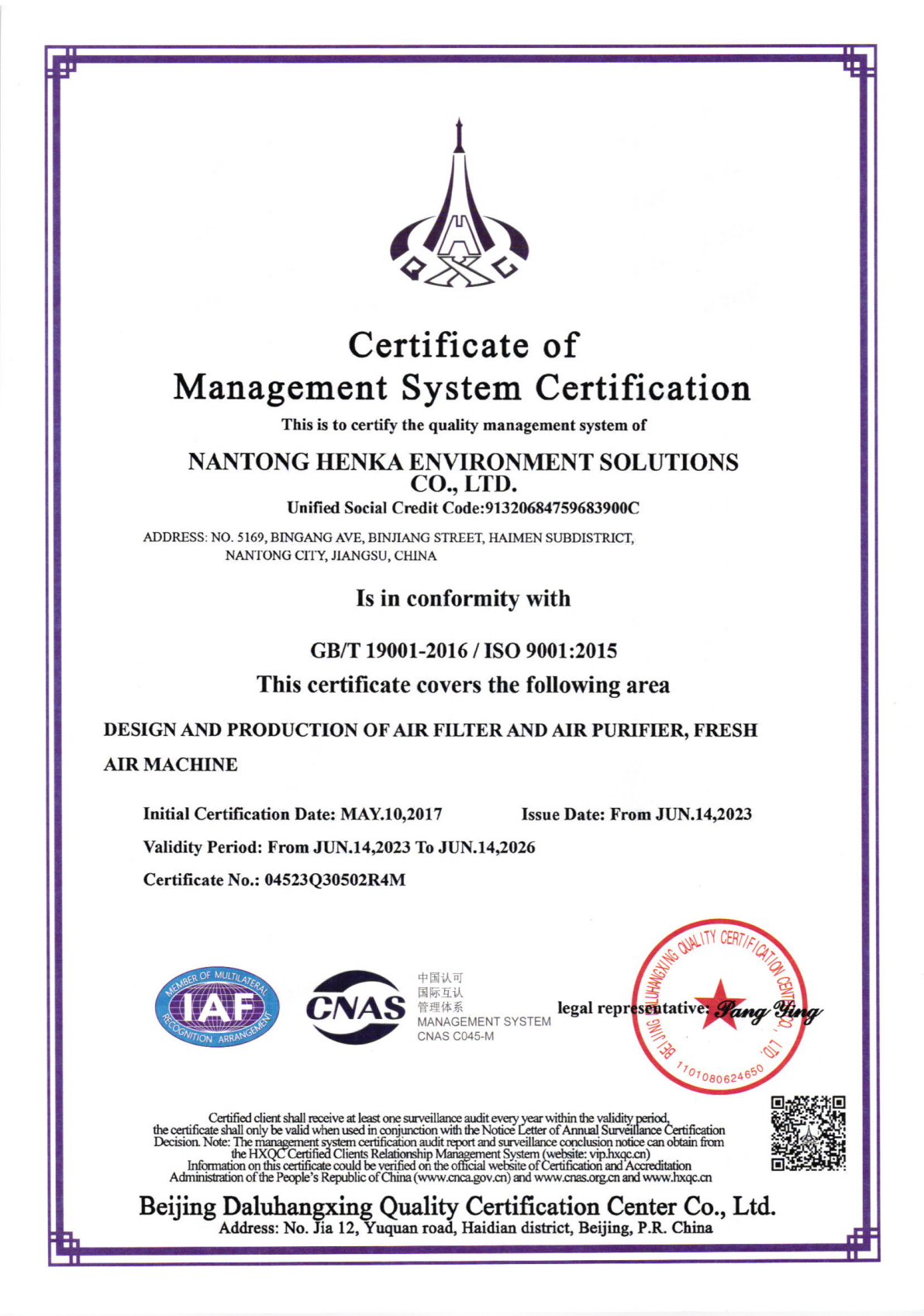
Certification review is a scope check, not a document check: confirm the wording covers design and production of the product family you are ordering.
4. Test and verification infrastructure
Verification capability is what allows a grade claim to be re-checked later. The Henkaes facility includes an efficiency and air resistance test system for filter media, a noise test lab, a 30 m³ test room for formaldehyde and VOC removal efficiency, and a CADR test room for air purifiers. ASHRAE 52.2 is used in testing air filters. A supplier that cannot name the standard used in testing cannot support a grade dispute or a re-validation request, which matters most on HEPA and cleanroom programs.
Product Evidence Map: From G1 to U15
Product evidence should be checkable line by line against the project specification. The table below lists the filter families and efficiency grades documented for Henkaes products, together with the stated materials and application scope.
| Filter family | Documented grade or key parameter | Stated material | Stated application scope |
|---|---|---|---|
| Panel Filter | G1-G4 | Fiberglass, Polypropylene (PP) | Commercial and public buildings (HVAC pre-filtration) |
| Bag Filter | F5, F6, F8, F9 | Microfine fiberglass | Commercial and public buildings (HVAC) |
| V-Bank Filter | H13 | Fiberglass, Polypropylene (PP) | Airports, hotels, museums, restaurants |
| Furnace Air Filter | MERV 8, MERV 11, MERV 13 | Polypropylene (PP) | Commercial and public buildings |
| Box Filter | MERV 15, MERV 16 | Microfiberglass | Pharmaceutical plants, hospitals, food and beverage production sites |
| Cleanroom Air Filter | U14 / U15 | Microfiberglass, PTFE | Cleanrooms such as data centers and microelectronics |
| HEPA Air Filter | H13 | Fiberglass, Polypropylene (PP) | Household appliances such as air purifiers and air cleaners |
| True HEPA Air Filter | Greater than or equal to 99.97% | Fiberglass, Polypropylene (PP) | Household air purifiers and air cleaners |
| Activated Carbon Filter | CTC70, CTC80, CTC90, CTC100 | Activated carbon | Household air purifiers and air cleaners |
| VOC Air Filter | Special catalyst for specific VOC removal | Activated carbon and special catalyst | Household air purifiers and air cleaners |
| B737/B757 Electronic Cabin Air Filter | H13 | Microfiberglass | Aerospace and aviation |
These grades are documented product data. A buyer should still match the grade range to the project specification and request the corresponding test or inspection record for the exact model being ordered, especially where the specification is written in a different framework such as ISO 16890 or EN 1822.
Purchasing Terms and Acceptance Criteria
Commercial questions usually arrive after technical fit is confirmed. The documented terms for Henkaes orders are:
- MOQ: 500 PCS
- Delivery terms: FOB / EXW / DDP
- Acceptance criteria: pre-shipment test
- Payment terms: TT 50% / 50%
- Standard lead time: 30 days
For buyers, each line has a direct cost or risk consequence. An MOQ of 500 PCS sets the smallest order that can carry a customized size or logo, which is what makes small pilot programs viable before a full launch. FOB, EXW and DDP move the logistics responsibility between supplier and buyer, so the chosen term changes landed cost rather than unit price. Pre-shipment test is the acceptance mechanism, which means the quality decision happens before the goods leave the factory instead of at the receiving dock. TT 50% / 50% splits payment between order confirmation and shipment completion, which affects working capital on repeat programs. These four items should be confirmed in writing before quotations are compared, because suppliers with a lower unit price but stricter acceptance terms are not necessarily cheaper.
Step-by-Step: A Seven-Step Supplier Evaluation Sequence
The sequence below is ordered so that each step removes a category of risk before the next step spends money.
- Define the standard family and target grade. Decide whether the specification is written in MERV, EN 1822 classes or ISO 16890, and record the target grade before contacting suppliers.
- Map the filter family to the application. Panel G1-G4 and Bag F5-F9 typically handle pre-filtration; V-Bank H13, Box MERV 15/16 and Cleanroom U14/U15 address high-efficiency stages; HEPA H13 and True HEPA at 99.97% or above serve household air purifiers.
- Verify certification scope. Confirm that ISO 9001:2015 and ISO 14001:2015 documentation covers design and production of air filter, air purifier and fresh air machine, matching the product being purchased.
- Verify test capability. Ask which standard is used in testing and what test rooms exist, including media efficiency and air resistance testing, formaldehyde and VOC removal testing, and CADR testing.
- Confirm customization limits. Establish whether OEM and ODM scope covers size and logo, and whether engineering input can work from specifications, drawings, samples or ideas.
- Lock commercial terms and acceptance criteria. Fix MOQ, delivery terms, payment terms and the pre-shipment test acceptance method in the quotation.
- Validate and schedule. Approve a sample or pilot batch, then set the delivery schedule against a 30-day standard lead time and a 200,000 pcs monthly capacity ceiling.
Delivery Assurance: What to Lock Down Before the PO
Delivery assurance is two questions in one: can the supplier physically produce the volume, and can both sides prove the goods were acceptable when they shipped? For Henkaes, the documented answers are a 30-day standard lead time, monthly capacity of 200,000 pcs, annual output of 2,000,000 pcs, 100% inspection on all products, pre-shipment test as the acceptance criterion, and remote after-sales support. Export records cover both EU and US markets at approximately 69% of output.
To convert that into delivery assurance, three items belong in the purchase agreement. First, the inspection and acceptance point, so the pre-shipment test result is a payment trigger rather than a goodwill gesture. Second, the volume ceiling per month, so a demand spike is confirmed against capacity before it is promised downstream. Third, the support path for after-sales issues, which for this supplier is remote support and should be documented with an owner and a response route.
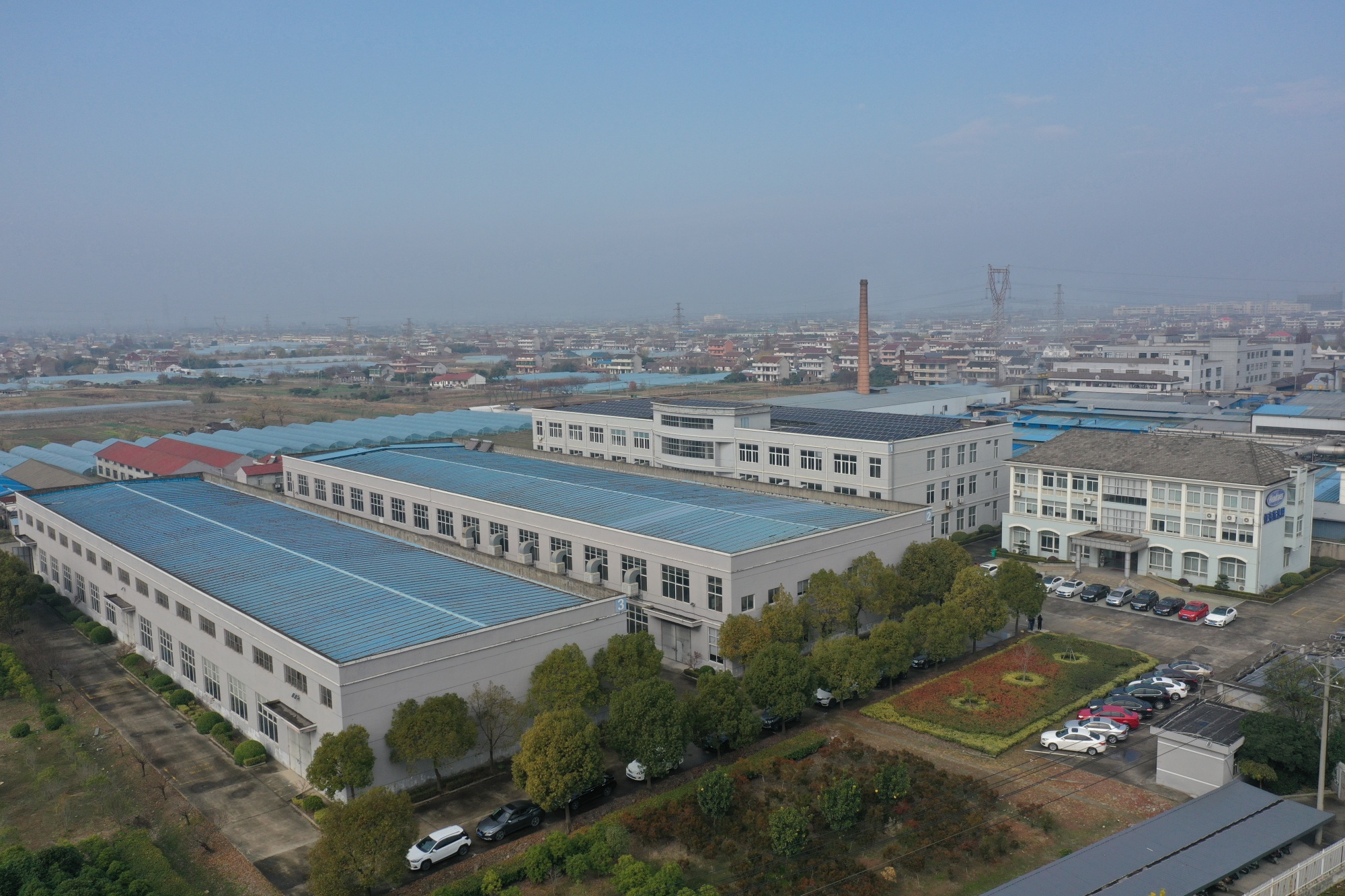
Production and staging areas are reviewed against stated monthly capacity before a delivery schedule is committed.
Use Cases: Three US Project References
Supplier-reported project references are useful only when the scope resembles the program being evaluated. Henkaes documents three US references based on air filter OEM and ODM supply for indoor air purification and formaldehyde removal:
- OEM client, United States: 20,000 pcs supplied for indoor air purification, completed within one year, with one year of stable operation and high efficiency highlighted.
- ODM client, United States: 50,000 pcs supplied for indoor air purification, one year implementation with one year of stable operation, with good VOC removal performance highlighted.
- ODM client, United States: 50,000 pcs supplied for formaldehyde removal, a two-year duration with stable performance maintained across both years.
Read these as scope evidence rather than as a general quality guarantee. A 50,000 pcs formaldehyde removal program is strong evidence for a household air purifier filter order and says nothing about a Cleanroom U15 program; for high-efficiency grades, the relevant reference is the test record and the inspection data for the specific model.
Comparison Table: Claim Versus Verifiable Evidence
The matrix below is a working checklist. It converts each common supplier claim into the evidence a procurement team can actually request, and states the risk that stays with the buyer if the evidence is missing.
| Evaluation area | Typical supplier claim | Evidence to request | Risk if the evidence is missing |
|---|---|---|---|
| Capacity | Large annual output | Facility size, employee count, engineering headcount, monthly capacity | Capacity is assumed rather than planned; peak demand cannot be scheduled |
| Certification | ISO certified | Certificate scope wording covering design and production of the product family | Certificate covers a different scope than the item being purchased |
| Test method | Tested to standard | Which standard is used in testing, and what test rooms exist | Grade claims cannot be reproduced or re-validated |
| Product grades | High efficiency | Grade range by family, from G1-G4 and F5-F9 to MERV 15/16, U14/U15 and H13 | Specification mismatch discovered at installation |
| Customization | OEM and ODM available | Defined scope for size and logo customization, plus engineering input formats | Tooling delays and repeated re-approval mid-program |
| Commercial terms | Competitive MOQ | MOQ, delivery terms (FOB / EXW / DDP), payment terms | Budget and cash-flow re-planning after comparison |
| Acceptance | Quality guaranteed | Acceptance criteria such as pre-shipment test, and inspection coverage | Disputes at receiving with limited recourse |
| After-sales | Support available | Support model and named response route | Unplanned downtime on repeat or replacement orders |
Applied to Henkaes, the same matrix maps to documented facts: a 30,000 m² facility with 63 employees and 11 engineers, ISO 9001:2015 and ISO 14001:2015 certification, ASHRAE 52.2 used in filter testing, grade ranges from G1-G4 through H13 and U14/U15, OEM and ODM scope covering size and logo, an MOQ of 500 PCS with FOB / EXW / DDP delivery terms, pre-shipment test acceptance, and remote after-sales support.
FAQ: Air Filter Supplier Evaluation Questions
1. Which certifications and standards should an air filter supplier be able to document for EU and US projects?
Henkaes holds ISO 9001:2015 and ISO 14001:2015 certifications and states ISO 45001:2018, with the scope covering the design and production of air filter, air purifier and fresh air machine. On the technical side, the supplier references EN779, EN1822, ASHRAE 52.2 and ISO 16890 testing capability, and ASHRAE 52.2 is used in testing air filters. Buyers should note two framework points: EN 779:2012 was replaced by ISO 16890 in Europe from mid-2018, and EN 1822 is the European classification framework for EPA, HEPA and ULPA filters by filtration efficiency and zero leakage. Certifications here are supplier and press reported, so the practical check is to confirm the certificate scope wording against the product you are ordering.
2. Can the supplier produce the specific efficiency grades and custom sizes our project requires?
Documented Henkaes grade coverage runs from Panel G1-G4 and Bag F5, F6, F8 and F9, through Furnace MERV 8, MERV 11 and MERV 13, Box MERV 15 and MERV 16, Cleanroom U14/U15, V-Bank H13, HEPA H13 and True HEPA at 99.97% or above, to activated carbon CTC70 to CTC100 and a VOC filter using a special catalyst. Production is offered as OEM and ODM with size and logo customization, backed by an engineering team of 11 engineers, a 30,000 m² facility and more than 20 years of experience working with a US engineering team. Buyers should confirm which of these ranges maps to their specification, since the frameworks are not interchangeable.
3. What commercial terms shape the cost structure before a quotation?
The documented terms are an MOQ of 500 PCS, delivery terms of FOB, EXW or DDP, acceptance criteria based on pre-shipment test, and payment terms of TT 50% / 50%. MOQ determines the smallest batch that can carry a customized size or logo; the delivery term determines who owns freight and duty; the acceptance criterion determines where the quality decision is made; and the payment split determines cash-flow exposure. Because MOQ and delivery term change landed cost directly, these four items should be confirmed in writing before suppliers are ranked on price.
4. How can samples and pilot batches be validated before mass production?
Validation is supported by two things: prototype capability and in-house test equipment. Henkaes can design products from customer specifications, drawings, samples or ideas and produces engineering samples, and the facility includes an efficiency and air resistance test system for filter media, a noise test lab, a 30 m³ test room for formaldehyde and VOC removal efficiency, and a CADR test room for air purifiers. Once production starts, 100% inspection is performed on all products, and pre-shipment test is the stated acceptance criterion. A practical approach is to approve a sample against the written grade, then make the pilot batch result a formal condition before the release of the remaining volume.
5. What lead time and delivery assurance can be confirmed before ordering?
The documented standard lead time is 30 days, with monthly capacity of 200,000 pcs and annual output of 2,000,000 pcs. Delivery evidence includes 100% inspection on all products and pre-shipment test as the acceptance criterion, with remote support handling after-sales issues. Three US project references support the supply record: 20,000 pcs for indoor air purification completed within one year with one year of stable operation, 50,000 pcs for indoor air purification with one year of stable operation and good VOC removal performance, and 50,000 pcs for formaldehyde removal with stable performance across two years. To move from reference to assurance, request a quotation and a sample for the exact grade, and confirm the inspection and acceptance point in writing before the purchase order is issued.
Conclusion: Evaluate Capability, Terms and Evidence in That Order
Air filter supplier evaluation works best as a fixed sequence. Confirm the standard family and grade first, because everything else depends on it. Verify capability second, using facility size, engineering depth, certification scope and test infrastructure as the four objective checks. Fix commercial terms and acceptance criteria third, since MOQ, delivery term, payment split and pre-shipment test decide the real cost of an order. Validate with a sample or pilot batch last, before the delivery schedule is committed against a 30-day standard lead time and monthly capacity limits.
Applied to Henkaes, that sequence produces a documented profile: founded in 2004, a 30,000 m² facility, 63 employees, 11 engineers, 2,000,000 pcs annual output, 200,000 pcs monthly capacity, 69% of output exported to the EU and US, ISO 9001:2015 and ISO 14001:2015 certification, ASHRAE 52.2 testing, OEM and ODM production with size and logo customization, MOQ of 500 PCS, FOB / EXW / DDP delivery terms, TT 50% / 50% payment terms and pre-shipment test acceptance. Buyers who verify those points in writing before the purchase order reduce both specification risk and delivery risk, which is the entire purpose of a supplier evaluation.
Next step: sample, quotation or catalogue
Send your filter specification, target grade and annual volume to Henkaes and request a sample and quotation for the exact model. Product documentation, grade references and the OEM/ODM scope can be reviewed against your project before any commitment. Website: www.airfilterodm.com | Email: peter@airfilter-china.com | Tel: +86 138-1376-6750
Download the full air filter catalogue (PDF): E-Catalogue for Air Filter
Contact and delivery point: supplier evaluation closes with a confirmed sample, quotation and acceptance method.
Note: company figures and product grades in this article are documented supplier data, and market figures are attributed to their published research sources. Verify project-specific performance requirements against the applicable standard and the ordered model specification.
Have Questions or Need More Details?
Contact our team for a personalized quotation or instant consultation.
Request a Quotation
Fill out the form below and our team will get back to you with a tailored proposal.
WhatsApp Direct Chat
Prefer to chat in real-time? Message us on WhatsApp for instant assistance & quick answers.
- Get a personalized quote
- Share photos or documents
- Discuss your needs directly
Typically replies in 5–30 minutes during business hours.