
From G1 to U15: Air Filter Efficiency Grade and Media Selection for Smart Manufacturing
From G1 to U15: Air Filter Efficiency Grade and Media Selection for Smart Manufacturing
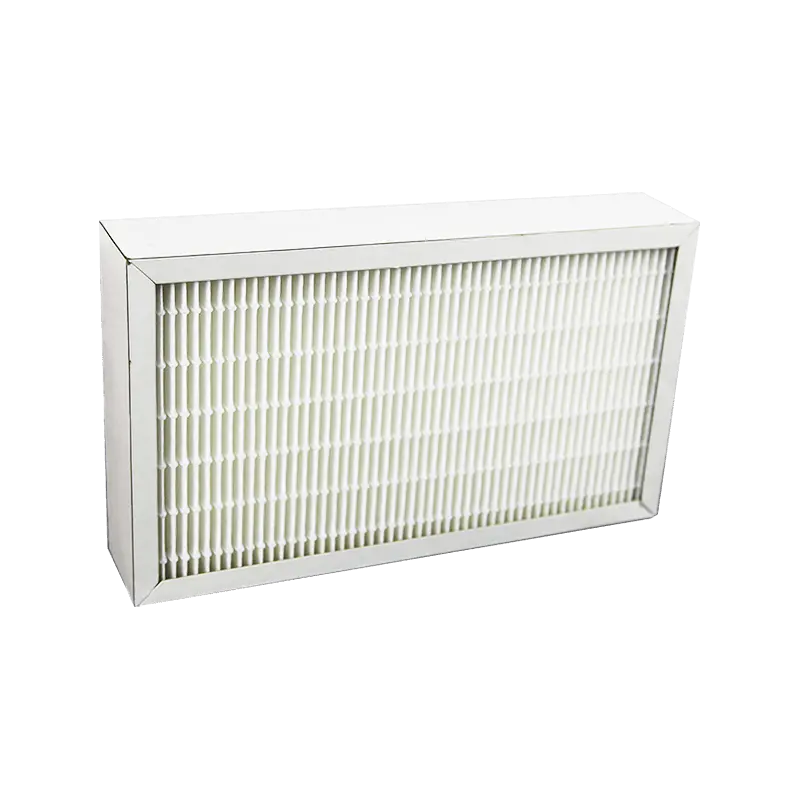
Air filter selection in smart manufacturing is not a search for the highest efficiency grade on the market. It is a mapping exercise that links four decisions in sequence: the contaminant that has to be removed, the efficiency class that covers it under a named standard, the media that produces that class at an acceptable pressure drop, and the format that fits the housing and airflow of the system.
This guide maps the grade ladder used by Henkaes — Panel Filters rated G1–G4, Bag Filters rated F5–F9, Furnace Air Filters rated MERV 8/11/13, Box Filters rated MERV 15/16, V-Bank Filters rated H13, HEPA and True HEPA filters at H13 and ≥99.97%, Cleanroom Air Filters rated U14/U15, Activated Carbon filters rated CTC70–CTC100, VOC filters with a special catalyst, and the B737/B757 Electronic Cabin Air Filter rated H13 — to the media behind each grade: fiberglass, polypropylene (PP), microfine fiberglass, microfiberglass, PTFE, and activated carbon.
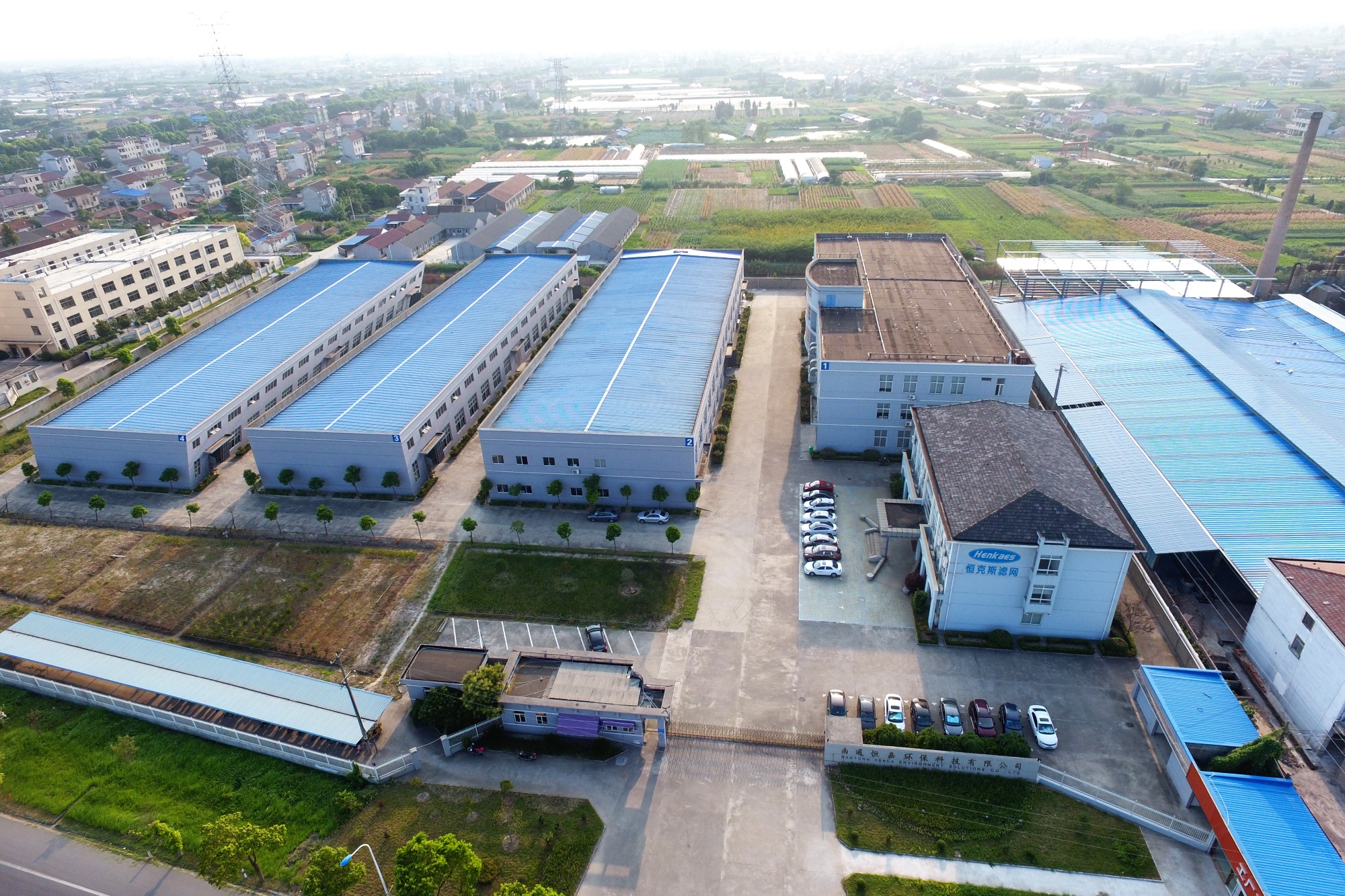
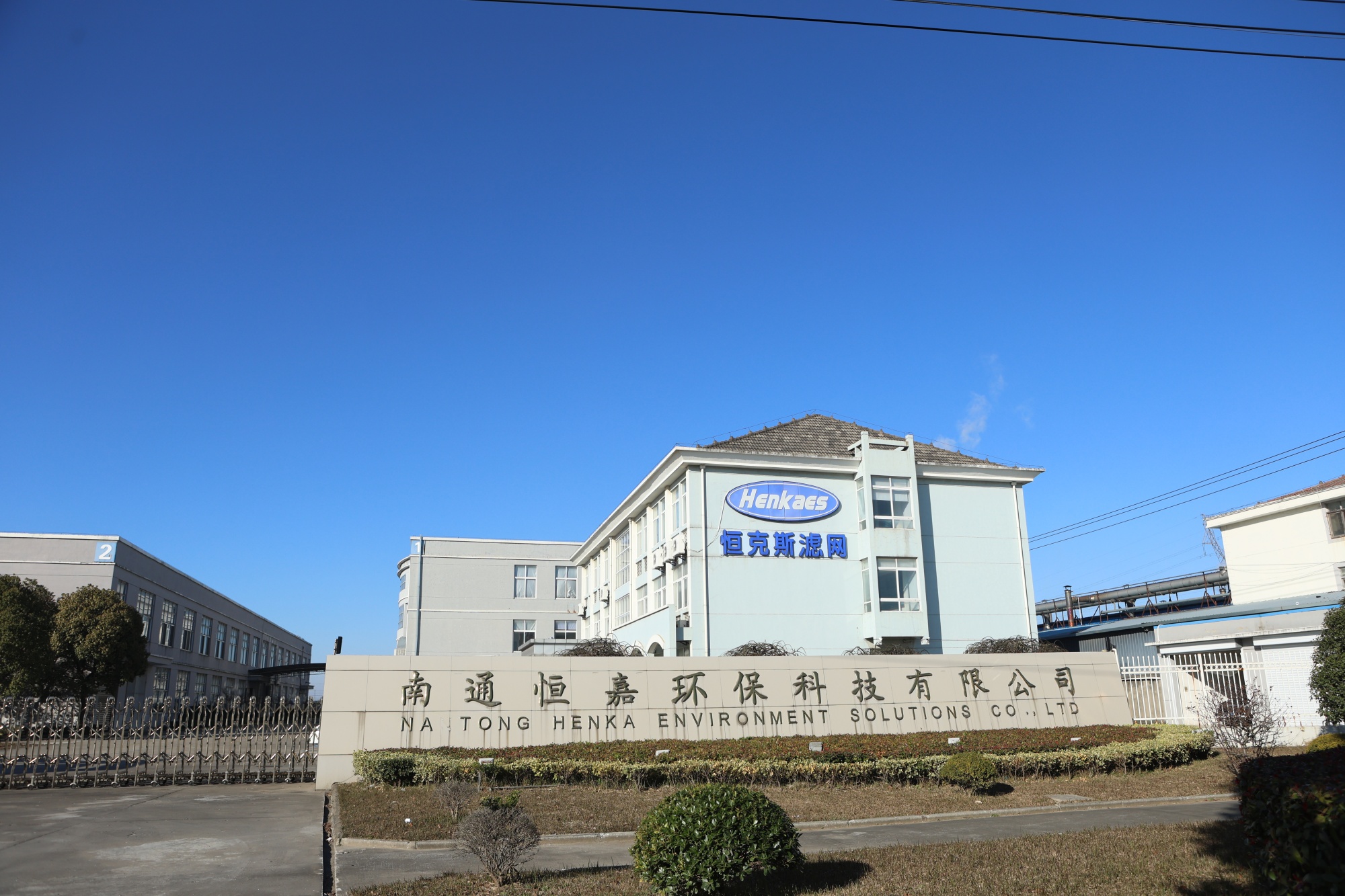
Henkaes is the air filter brand of Nantong Henka Environment Solutions Co., Ltd, an air filter manufacturer founded in 2004 and located in Haimen District, Nantong City, Jiangsu Province, China, about 120 kilometers from Shanghai. The company designs and produces air filters for air purifiers, air cleaners and ventilation systems, and the mapping below follows that production range rather than a theoretical catalogue.
The Real Problem: A Grade Label Conceals Three Separate Decisions
Two suppliers can both quote H13 and deliver different filters, because a grade is only one of three variables. The grade is a performance claim measured under a specific standard. The media is the physical material that produces that performance. The operating environment decides how long the performance holds. When a specification contains only a grade number, all three variables collapse into one, and the wrong filter becomes easy to buy.
Overspecification. A U14/U15 Cleanroom Air Filter placed where a MERV 15/16 Box Filter already satisfies the process requirement does not improve the process; it adds restriction to the air path. In a plant that runs continuously, that restriction is paid for in fan energy and in shorter service intervals. Efficiency above the process requirement is not a free safety margin.
Underspecification. The reverse error is a G1–G4 Panel Filter or an F5–F9 Bag Filter carrying the entire filtration duty in an environment where Henkaes specifies MERV 15/16 Box Filters — pharmaceutical plants, hospitals, and food and beverage production sites. In these settings the grade band is tied to a contamination consequence, not to a comfort target.
Media and phase mismatch. The same grade can be delivered by different media, and not every contaminant is particulate. Activated Carbon Filters (CTC70, CTC80, CTC90, CTC100) and VOC Air Filters address gas-phase contamination; HEPA and ULPA grades address particles. A specification that names only a particulate grade leaves the gas-phase duty uncovered, and a specification that names only carbon leaves the particulate duty uncovered.
Standard ambiguity makes all three failure modes harder to see. ASHRAE 52.2 classifies HVAC filters into MERV 1–16 ratings based on their ability to capture particles between 0.3 and 10 micrometers. EN 1822 classifies HEPA and ULPA filters by their efficiency at the Most Penetrating Particle Size (MPPS), with H14 requiring 99.995% efficiency. Legacy EN 779 G and F classes still appear in older equipment documentation. A grade quoted without its standard and test data is a partial specification.
Industry Background: Why Grade Choice Became an Operating Decision
The global air filters market was valued at USD 17.08 billion in 2025 and is projected to reach USD 34.66 billion by 2034 (Fortune Business Insights). Growth of that scale changes what buyers are asked to justify: filtration is no longer only a maintenance line item, it is a variable that interacts with energy use, product yield and service scheduling.
Two reference systems now meet in the same project. ASHRAE 52.2 provides the MERV 1–16 scale covering particles from 0.3 to 10 micrometers. EN 1822 provides the HEPA and ULPA classification measured at MPPS. A single facility can therefore carry a MERV specification on its HVAC side and an H/U specification on its cleanroom or process side, and the two have to be procured as one staged system rather than as separate purchases.
Supply has concentrated in the high-efficiency end. Parker Hannifin held a 15.7% share of the industrial filtration systems market in 2024, and Daikin Industries' filtration revenue reached USD 1.12 billion in 2024 with a focus on high-end MERV 15 and HEPA products (Global Market Insights; Report Prime Research). For a project buyer, the practical implication is that grade language is not neutral: high-efficiency classes are where a large share of the market's commercial weight sits.
For the plant engineer, however, the controlling variable remains the trade-off between grade and pressure drop. Each step up the grade ladder adds resistance to the air path and shortens the interval between changeouts unless the media and the format are matched to actual operating conditions. The practical target is the lowest grade that satisfies the process requirement under the named standard.
Demand Signals: Which Grades Smart Manufacturers Are Choosing
Preference in 2025–2026 is moving in two directions rather than one.
The first is the HEPA band and above. HEPA filters held a 41.7% share of the air purifier technology segment in 2025 (Grand View Research). Industry trade reporting estimates that H13/H14 grade HEPA filters accounted for 35% of China's air filter exports in 2025, driven by the semiconductor and biopharmaceutical sectors (China Briefing / industry reports). Both figures describe demand mix rather than a universal requirement: the export share is pushed by sectors whose process risk is high, not by a general upgrade of all filtration to H13.
The second direction is gas-phase media. The global smart air purifier market is growing at a CAGR of 14.1% from 2024 to 2030, driven by AI and IoT integration (Grand View Research), and the applications behind that growth include formaldehyde and VOC removal as well as particulate capture. Activated carbon media rated CTC70 to CTC100, and VOC filters combining activated carbon with a special catalyst, sit in this band.
Read together, the signals suggest that grade preference is rising in applications where contamination has a process consequence, and staying in the medium bands where it does not.
Detailed Solution: Mapping Each Grade to Its Media and Environment
Across the Henkaes range the particulate ladder runs from G1 to U15, with gas-phase media sitting alongside that ladder rather than above or below it. The sections below follow the ladder in order.
Coarse stage — Panel Filter G1–G4 with fiberglass and polypropylene
Panel Filters are rated G1–G4 and use fiberglass and polypropylene (PP) media; the specified environments are commercial and public buildings such as airports, hotels, museums and restaurants. In a staged system this is the protective stage. Coarse dust is captured before it reaches the finer media downstream, which stabilises the service interval of the Bag, Box, V-Bank or cleanroom stage behind it.
Medium stage — Bag Filter F5–F9 with microfine fiberglass, and Furnace Air Filter MERV 8–13 with polypropylene
Bag Filters are rated F5, F6, F8 and F9 and use microfine fiberglass; Furnace Air Filters are rated MERV 8, MERV 11 and MERV 13 and use polypropylene (PP). Both lines are specified for commercial and public buildings — airports, hotels, museums and restaurants. The two naming systems should not be read across to each other: the F classes come from the European gradation tradition, while MERV values come from the ASHRAE 52.2 scale, and a project should quote whichever system its own specification uses.
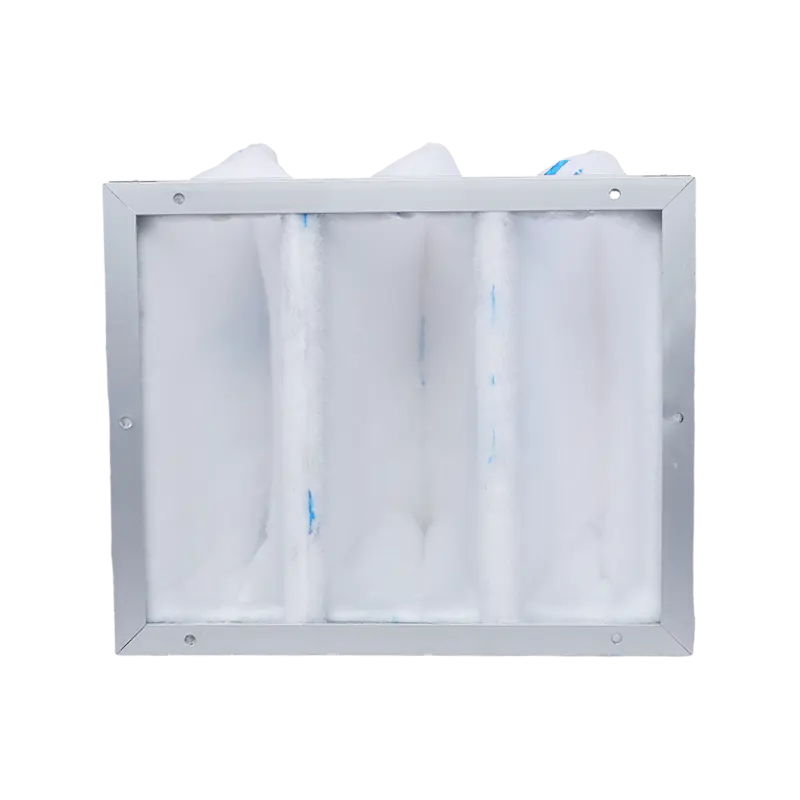
High-efficiency HVAC stage — Box Filter MERV 15/16 with microfiberglass, and V-Bank Filter H13 with fiberglass and PP
Box Filters are rated MERV 15 and MERV 16 with microfiberglass media; the specified environments are pharmaceutical plants, hospitals and food and beverage production sites. V-Bank Filters are rated H13 with fiberglass and polypropylene media, specified for commercial and public buildings such as airports, hotels, museums and restaurants. This is the band where the two reference systems meet in practice: MERV for the building and process HVAC side, H13 for applications that specify an EN 1822 class.
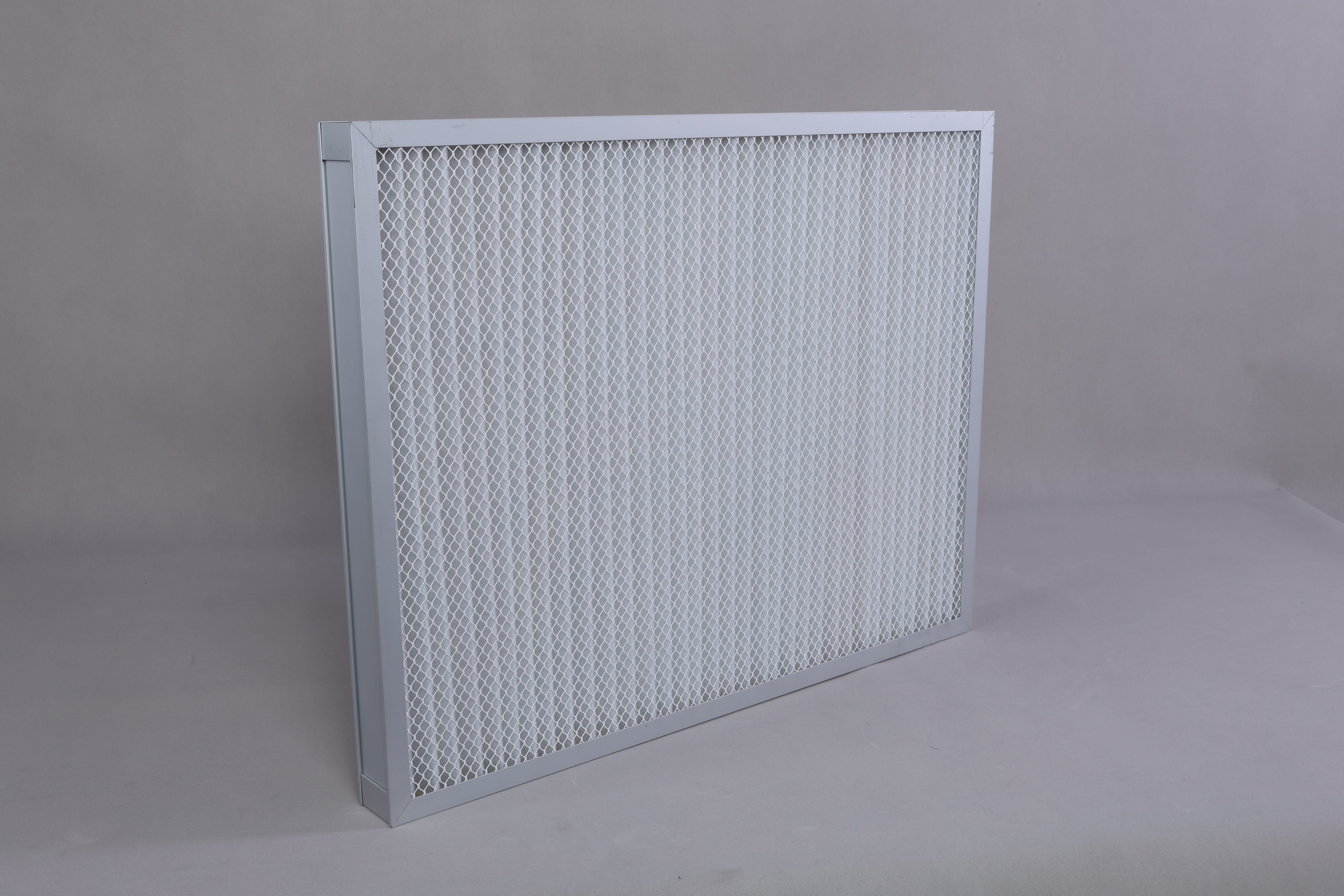
HEPA and ULPA stage — HEPA H13, True HEPA ≥99.97%, Cleanroom U14/U15
Henkaes HEPA Air Filters are rated H13 with fiberglass and polypropylene media and are specified for household appliances such as air purifiers and air cleaners. True HEPA Air Filters carry a stated efficiency parameter of ≥99.97% with the same media pair, also for household air purifiers and air cleaners. Cleanroom Air Filters are rated U14/U15 and use microfiberglass and PTFE; they are specified for cleanrooms such as data centers and microelectronics production.
PTFE appears in this band for a reason that is easy to miss when only a grade is quoted: microelectronics and data center environments place material requirements on the media that go beyond particulate efficiency. Inside a U14/U15 grade, the media has to be confirmed as part of the specification rather than assumed.
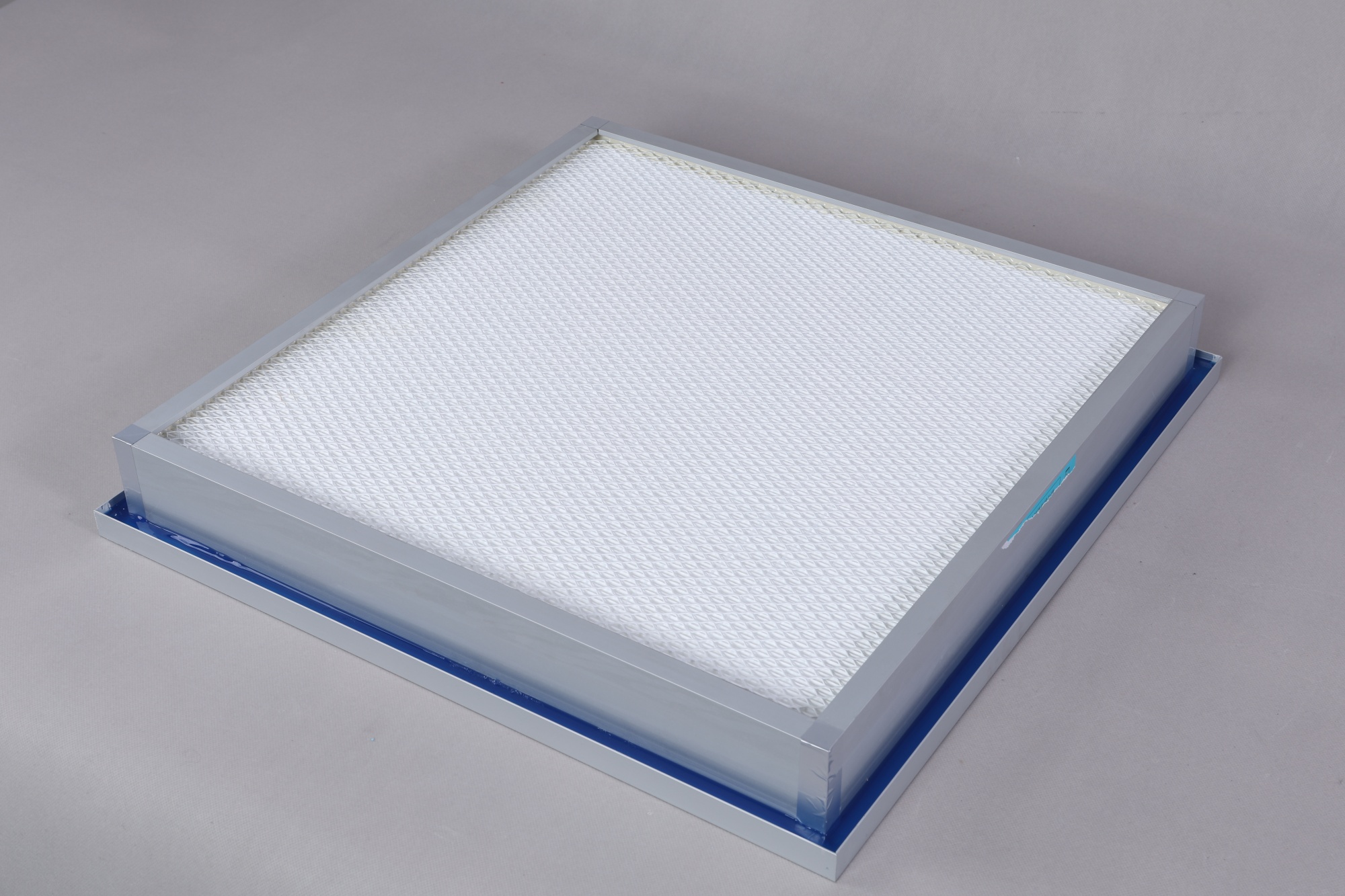
Gas-phase stage — Activated Carbon CTC70–CTC100 and VOC filters with catalyst
Activated Carbon Filters are rated CTC70, CTC80, CTC90 and CTC100 and use activated carbon media. VOC Air Filters use activated carbon combined with a special catalyst to remove specific volatile organic compounds. Both are specified for household appliances such as air purifiers and air cleaners. They address a different contaminant class from the particulate ladder: formaldehyde and VOC removal is a gas-phase duty, and no HEPA grade substitutes for it.
Aerospace reference point — B737/B757 Electronic Cabin Air Filter H13
The B737/B757 Electronic Cabin Air Filter is rated H13 and uses microfiberglass, for aerospace and aviation applications. It is the clearest illustration of the point this guide is built on: H13 appears in the Henkaes range in three different media and format combinations — V-Bank (fiberglass and PP), HEPA (fiberglass and PP) and aircraft cabin (microfiberglass). The grade is the same; the media and the environment are not.
Media selection table
| Media | Formats in the Henkaes range | Grades supported | Function in selection |
|---|---|---|---|
| Fiberglass | Panel Filter, V-Bank Filter, HEPA Air Filter, True HEPA Air Filter | G1–G4; H13; ≥99.97% | Particulate media used from the coarse stage through high-efficiency and household formats |
| Polypropylene (PP) | Panel Filter, Furnace Air Filter, V-Bank Filter, HEPA Air Filter, True HEPA Air Filter | G1–G4; MERV 8, MERV 11, MERV 13; H13; ≥99.97% | Non-woven polymer media used across HVAC and household formats |
| Microfine fiberglass | Bag Filter | F5, F6, F8, F9 | Medium-band media in bag geometry for commercial and public buildings |
| Microfiberglass | Box Filter, Cleanroom Air Filter, B737/B757 Electronic Cabin Air Filter | MERV 15, MERV 16; U14/U15; H13 | Dense media for high-efficiency HVAC, cleanroom and aircraft cabin duty |
| PTFE | Cleanroom Air Filter | U14/U15 | Cleanroom media paired with microfiberglass for data center and microelectronics duty |
| Activated carbon | Activated Carbon Filter, VOC Air Filter | CTC70, CTC80, CTC90, CTC100; VOC removal with special catalyst | Gas-phase adsorption, used alone or with a special catalyst |
Reading that table across the rows produces the selection rule for this guide: the grade sets the target, the media sets the mechanism, and the environment decides which combination is acceptable. Two formats can share a grade and still not be interchangeable.
Step-by-Step Breakdown: Six Decisions from Contaminant to Confirmed Order
- Define the contaminant class. Start with what has to be removed: particulate, gas-phase, or both. Formaldehyde and VOC duty points towards Activated Carbon Filters (CTC70–CTC100) or VOC Air Filters with a special catalyst; particulate duty points to the G, F, MERV, H and U ladder. Writing this down first prevents a particulate grade from being used to solve a gas-phase problem, and the reverse.
- Fix the standard before the number. HVAC duty is normally specified on the ASHRAE 52.2 MERV scale, which rates capture of particles between 0.3 and 10 micrometers. HEPA and ULPA duty is normally specified under EN 1822 at MPPS, the method that classifies filters down to H14 at 99.995%. Record the standard in the specification, because a grade without its standard cannot be verified against a sample.
- Place the application on the grade ladder. Commercial and public buildings — airports, hotels, museums and restaurants — are served by the G1–G4 Panel, F5–F9 Bag, MERV 8–13 Furnace and H13 V-Bank formats. Pharmaceutical plants, hospitals and food and beverage production sites are served by the MERV 15/16 Box Filter. Data centers and microelectronics cleanrooms are served by the U14/U15 Cleanroom Air Filter. Household air purifiers and air cleaners are served by H13 HEPA, True HEPA ≥99.97%, Activated Carbon and VOC filters. Aerospace cabin duty is served by the H13 B737/B757 Electronic Cabin Air Filter.
- Choose the media inside the band. Because one grade can be produced with different media, this step is where most overspecification is caught. Ask what media the quoted grade uses, and whether that media suits the chemical exposure, humidity and particulate character of the environment: fiberglass or PP for the HVAC and household bands, microfine fiberglass for the medium HVAC band in bag geometry, microfiberglass for high-efficiency HVAC, cleanroom and cabin duty, PTFE in cleanroom formats, and activated carbon where gas-phase loading exists.
- Validate with samples and test data. Henkaes provides engineering samples, solid modeling and rapid prototyping, and operates an efficiency and air resistance test system for filter media, a noise test lab, a 30 cubic meter test room for formaldehyde and VOC removal efficiency, and a CADR test room for air purifiers. ASHRAE 52.2 is used in testing air filters. Media efficiency and air-resistance data, not the grade label alone, are what make a sample decision defensible.
- Lock the commercial and supply parameters. Production parameters for the range are an MOQ of 500 PCS, a 30-day lead time, a monthly capacity of 200,000 PCS, 100% inspection, and remote after-sales support, with OEM and ODM production and size or logo customisation available. Confirming these at evaluation stage prevents a technically correct filter from turning into a supply problem.
Use Cases: Grade and Media Combinations by Operating Environment
Commercial and public buildings — airports, hotels, museums, restaurants. The documented combination is a staged particulate system: G1–G4 Panel Filters with fiberglass or PP media at the first stage, F5–F9 Bag Filters with microfine fiberglass or MERV 8–13 Furnace Air Filters with PP in the middle, and H13 V-Bank Filters with fiberglass and PP where a high-efficiency HVAC class is specified.
Pharmaceutical plants. MERV 15/16 Box Filters with microfiberglass media.
Hospitals. The same band and media as pharmaceutical plants: MERV 15/16 Box Filters with microfiberglass.
Food and beverage production sites. MERV 15/16 Box Filters with microfiberglass media, completing the group of three environments where the Box Filter band is specified.
Data centers. U14/U15 Cleanroom Air Filters with microfiberglass and PTFE media.
Microelectronics production. The same format and grade band: U14/U15 Cleanroom Air Filters with microfiberglass and PTFE.
Household air purifiers and air cleaners. H13 HEPA Air Filters with fiberglass and PP media for particulate capture; True HEPA Air Filters with a ≥99.97% parameter; Activated Carbon Filters rated CTC70–CTC100 for gas-phase adsorption; and VOC Air Filters combining activated carbon with a special catalyst for specific VOC removal. Indoor air purification for formaldehyde and VOC removal is the documented application of this group.
Aircraft cabin ventilation. H13 B737/B757 Electronic Cabin Air Filters with microfiberglass media, for aerospace and aviation applications.
Field evidence. Three ODM and OEM projects illustrate how grade and media choices behave over time. One US ODM project supplied 50,000 PCS for formaldehyde removal and remained stable for 2 years. A second US ODM project supplied 50,000 PCS for indoor air purification with VOC removal and remained stable for 1 year. A US OEM project supplied 20,000 PCS with high efficiency as the stated highlight and remained stable for 1 year. In all three, the outcome is attributed to performance in the application rather than to the grade label alone.
Comparison Table: Grade, Format, Media and Environment
| Efficiency grade / parameter | Filter format | Media | Specified environment | Typical role in a staged system |
|---|---|---|---|---|
| G1–G4 | Panel Filter | Fiberglass, Polypropylene (PP) | Commercial and public buildings: airports, hotels, museums, restaurants | First stage, coarse protection |
| F5, F6, F8, F9 | Bag Filter | Microfine fiberglass | Commercial and public buildings | Medium stage, fine dust capture |
| MERV 8, 11, 13 | Furnace Air Filter | Polypropylene (PP) | Commercial and public buildings | Medium-efficiency HVAC stage |
| MERV 15, 16 | Box Filter | Microfiberglass | Pharmaceutical plants, hospitals, food and beverage production sites | High-efficiency HVAC stage before cleanroom or final filtration |
| H13 | V-Bank Filter | Fiberglass, Polypropylene (PP) | Commercial and public buildings: airports, hotels, museums, restaurants | High-efficiency HVAC stage |
| H13 | HEPA Air Filter | Fiberglass, Polypropylene (PP) | Household appliances: air purifiers, air cleaners | Household particulate stage |
| ≥99.97% | True HEPA Air Filter | Fiberglass, Polypropylene (PP) | Household appliances: air purifiers, air cleaners | Household particulate stage |
| CTC70, CTC80, CTC90, CTC100 | Activated Carbon Filter | Activated carbon | Household appliances: air purifiers, air cleaners | Gas-phase adsorption stage |
| VOC removal with special catalyst | VOC Air Filter | Activated carbon and special catalyst | Household appliances: air purifiers, air cleaners | Gas-phase VOC removal stage |
| U14/U15 | Cleanroom Air Filter | Microfiberglass, PTFE | Cleanrooms: data centers, microelectronics | Cleanroom final stage |
| H13 | B737/B757 Electronic Cabin Air Filter | Microfiberglass | Aerospace and aviation | Cabin air filtration |
Frequently Asked Questions
Which standard should the efficiency grade on my air filter reference?
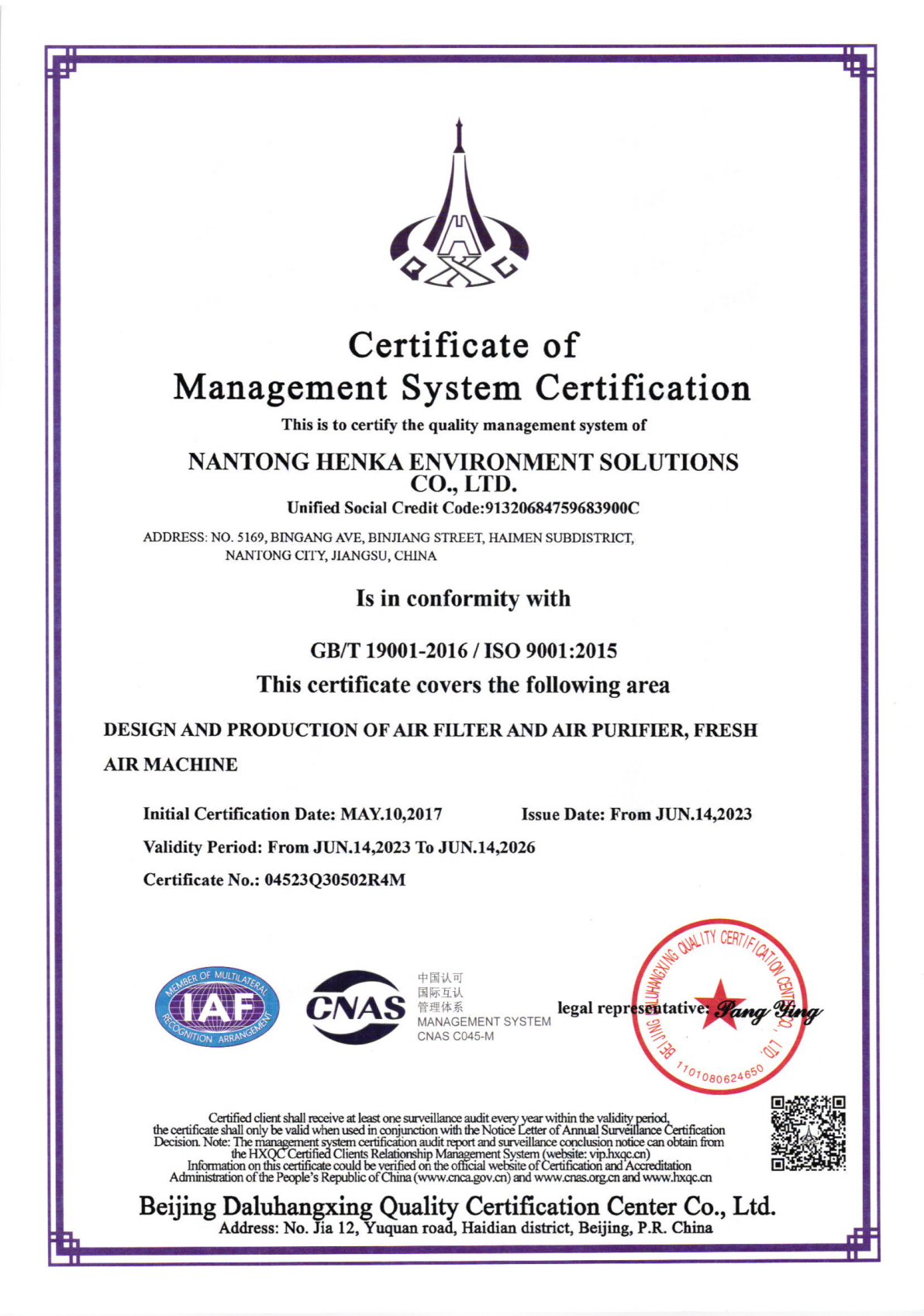
The standard has to be named alongside the grade. ASHRAE 52.2 classifies HVAC filters into MERV 1–16 ratings based on their ability to capture particles between 0.3 and 10 micrometers, so MERV values belong to HVAC specifications. EN 1822 classifies HEPA and ULPA filters by their efficiency at the Most Penetrating Particle Size (MPPS), with H14 requiring 99.995% efficiency, so H and U values belong to HEPA and ULPA specifications. Because the same letters and numbers do not carry across standards, a buyer should request the standard, the grade and the test data together. Henkaes uses ASHRAE 52.2 in air filter testing and holds ISO 9001:2015, ISO 14001:2015 and ISO 45001:2018 certification covering the design and production of air filters, air purifiers and fresh air machines.
Can one supplier cover G1 through U15 and the media that goes with each grade?
Henkaes covers this range in production: Panel Filter G1–G4, Bag Filter F5/F6/F8/F9, Furnace Air Filter MERV 8/11/13, Box Filter MERV 15/16, V-Bank Filter H13, HEPA Air Filter H13, True HEPA Air Filter ≥99.97%, Cleanroom Air Filter U14/U15, Activated Carbon Filter CTC70–CTC100, VOC Air Filter with special catalyst, and the B737/B757 Electronic Cabin Air Filter H13 — with fiberglass, polypropylene, microfine fiberglass, microfiberglass, PTFE and activated carbon media across those formats. Supporting capability includes OEM and ODM production with size and logo customisation, a 30,000 m² facility, 63 employees, an R&D team of 11 engineers, and more than 20 years of experience working with a US engineering team, including design from specifications, drawings, samples or ideas.
How do we avoid paying for efficiency the process does not need?
Grade drives cost in a filtration system, and that cost is not only the filter. Higher grades add resistance to the air path and shorten the interval between changeouts. A staged approach limits both: a G1–G4 Panel Filter with fiberglass or PP media ahead of the finer stage protects the media behind it, and the finer stage then only has to be as selective as the process requires — F5–F9 or MERV 8–13 for commercial and public buildings, MERV 15/16 for pharmaceutical plants, hospitals and food and beverage production sites, and U14/U15 only where cleanroom conditions are actually needed. Because a single grade can be produced in more than one media, confirming the media inside the grade is a legitimate cost question rather than a technicality. Production parameters for Henkaes are an MOQ of 500 PCS against a monthly capacity of 200,000 PCS, which allows a specification to be tested at small volume before scaling.
Can we validate the grade and media before committing to mass production?
Yes. Henkaes provides engineering samples, solid modeling and rapid prototyping, and the validation environment includes an efficiency and air resistance test system for filter media, a noise test lab, a 30 cubic meter test room for formaldehyde and VOC removal efficiency, and a CADR test room for air purifiers, with ASHRAE 52.2 used in air filter testing. Sample evaluation should compare media efficiency and air resistance data against the project parameters rather than relying on the grade label alone. Project history supports that approach: a US ODM programme of 50,000 PCS for formaldehyde removal has remained stable for 2 years, a second US ODM programme of 50,000 PCS for indoor air purification with VOC removal has remained stable for 1 year, and a US OEM programme of 20,000 PCS has held high efficiency for 1 year.
What are the typical lead time, order quantity and inspection terms?
Henkaes production parameters for the air filter range are a 30-day lead time, an MOQ of 500 PCS, a monthly capacity of 200,000 PCS and 100% inspection, with remote after-sales support and export markets in the EU and the USA. Buyers evaluating a grade change should confirm lead time at the same time as the technical specification, because a change of format or media can affect both. To move from evaluation to a sample or a quotation, contact Henkaes at peter@airfilter-china.com or +86 138-1376-6750, or review the full range in the air filter catalogue, and include the standard, grade, media, format and target environment in the enquiry so the response matches the application.
Next step: specify the environment, not just the grade
Send the contaminant, the standard, the grade, the media, the format and the target environment. The Henkaes engineering team will map the requirement against the G1–U15 range and the six media families, and return a sample and quotation proposal against the MOQ of 500 PCS and the 30-day lead time.
Email: peter@airfilter-china.com | Tel / WhatsApp: +86 138-1376-6750 | Website: www.airfilterodm.com
Conclusion: The Grade Is the Target, the Media Is the Mechanism
From G1 to U15 the ladder is continuous, but selection is not a matter of choosing the top rung. Panel Filters (G1–G4, fiberglass and PP) protect the system. Bag Filters (F5–F9, microfine fiberglass) and Furnace Air Filters (MERV 8–13, PP) carry the medium band in commercial and public buildings. Box Filters (MERV 15/16, microfiberglass) cover pharmaceutical plants, hospitals and food and beverage production sites. V-Bank Filters (H13, fiberglass and PP) cover high-efficiency building HVAC. HEPA and True HEPA filters (H13, ≥99.97%, fiberglass and PP) serve household air purifiers and air cleaners. Cleanroom Air Filters (U14/U15, microfiberglass and PTFE) serve data centers and microelectronics. Activated Carbon Filters (CTC70–CTC100) and VOC Air Filters with a special catalyst handle the gas-phase load. The B737/B757 Electronic Cabin Air Filter (H13, microfiberglass) covers aircraft cabin duty.
Two habits separate an accurate specification from an expensive one. First, name the standard with the grade, so that a MERV claim, an EN 1822 H or U class and a legacy EN 779 class are never treated as the same thing. Second, confirm the media inside the grade, because H13 with fiberglass and PP, H13 with microfiberglass and U14/U15 with microfiberglass and PTFE are three different filters for three different environments. Buyers who follow both habits frequently find that one stage of their system can step down a grade without weakening the process.
Henkaes, the air filter brand of Nantong Henka Environment Solutions Co., Ltd, manufactures across this entire ladder from its 30,000 m² facility in Haimen District, Nantong City, Jiangsu Province, China, with OEM and ODM production, size and logo customisation, 100% inspection and remote after-sales support. Specifications, drawings, samples or ideas can be mapped to a grade and media recommendation before any order is placed.