
Specify Air Filter Media & Grade: HVAC, Cleanroom, Aerospace
Specify Air Filter Media & Grade: HVAC, Cleanroom, Aerospace
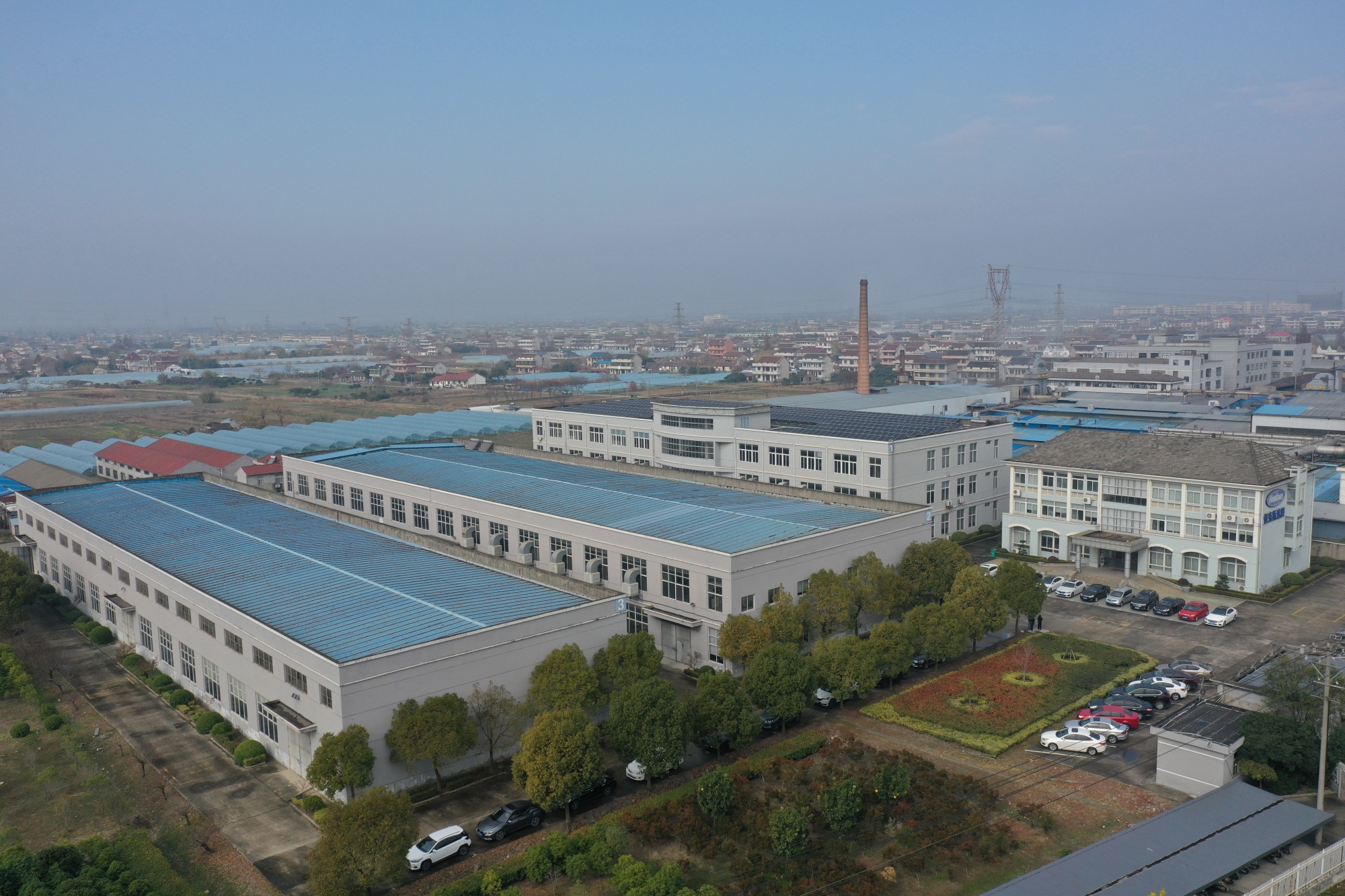
Air filter production base of Henkaes in Haimen, Nantong, Jiangsu.
Air filter procurement usually goes wrong at the specification stage rather than at the quotation stage. Three suppliers quote the same line item, each cites a different standard, and the lowest unit price turns out to describe a filter with less media, a thinner frame and a shorter change-out interval. Specifying by media and efficiency grade prevents that outcome, provided the grade is always tied to a named test standard and the media is tied to the duty the filter actually sees.
This guide sets out a specification sequence for HVAC, cleanroom and aerospace cabin duties: define the duty, select the media, fix the format and efficiency grade against the correct standard, and write the acceptance evidence into the purchase order. It is written for engineers, facility owners and OEM/ODM buyers who are past discovery and are about to issue a specification, a sample request or a purchase order.
Why two filters with the same grade are not the same filter
An efficiency grade describes one thing: how a filter performs on a defined particle size band, under a defined test method and a defined airflow. It does not describe initial pressure drop, dust-holding capacity, media area, frame stiffness, gasket compression, or how the filter behaves once it is loaded.
That is why price-only comparison fails even when the line items look identical. A box filter rated MERV 15 and a V-bank filter rated H13 can both be summarised as high efficiency in a quotation, while one is built as a final filter for a production hall and the other as a compact high-capacity stage inside an air handling unit. Comparing them by unit price compares two different jobs.
Four figures make quotations comparable: the test standard behind the grade, the rated airflow, the clean pressure drop at that airflow, and the final pressure drop at which the filter will be replaced. Everything else in this guide builds on those four.
The three standards families a specification has to name
No single grade covers HVAC, cleanroom and cabin filtration. Each duty maps to one standards family, and a line item that mixes families on one filter cannot be tested against a single coherent method.
| Family | What it classifies | Classes used in this guide |
|---|---|---|
| ASHRAE 52.2 | General ventilation filters; MERV is derived from performance efficiency measured with synthetic dust loading | MERV 1-16, including MERV 8, 11, 13, 15 and 16 |
| EN 779 (legacy) | General ventilation coarse and fine filters | G1-G4, F5-F9 |
| ISO 16890 | General ventilation filters classified by particulate-matter size fraction | ISO coarse, ePM10, ePM2.5, ePM1; replaced EN 779 in Europe |
| EN 1822 | High-efficiency EPA, HEPA and ULPA filters | H13, U14, U15 and the wider EPA/HEPA/ULPA families |
ASHRAE Standard 52.2 classifies general ventilation filters using MERV ratings from 1 to 16, and the MERV value is based on the performance efficiency calculated from synthetic-dust loading tests. That detail matters in a dusty or variable environment: the reported figure is a loading-test result, not a clean-filter snapshot.
EN 779 was the European counterpart, and its G1-G4 and F5-F9 classes still appear on existing drawings, spare-part lists and tender documents. Since mid-2018 EN 779 has been replaced in Europe by ISO 16890, so a 2026 specification that still asks for F7 should either state the ISO 16890 equivalent alongside it or mark F7 as a legacy reference. Without that note, supplier and buyer can test to different methods and both be technically correct.
EN 1822 covers the high-efficiency end: EPA, HEPA and ULPA filters classified by filtration efficiency and zero-leakage testing. H13, U14 and U15, the grades used for cleanroom terminals and aircraft cabin filters here, belong to this family.
Step 1: Write the duty down before choosing any media
Six inputs should be recorded before a filter is selected. They take about an hour to collect and they decide most of the specification:
- Contaminant and particle band. Coarse dust, fine particulate, bioaerosol, oil mist, VOC or formaldehyde. The contaminant decides the family, not the price band.
- Airflow and face velocity at the filter position, not the nominal airflow of the whole system.
- Pressure-drop budget. What the fan can absorb when the filter is clean, and what it can still absorb when the filter is loaded.
- Operating environment. Moisture, temperature, cleaning chemicals, washdown and vibration all narrow the media options.
- Downstream asset or process the filter protects: coils, ductwork, a cleanroom classification, a production line, a cabin air pack.
- Change-out access and interval, including the final pressure drop at which maintenance will replace the filter.
Most procurement failures come from skipping this step: a technically valid grade applied to the wrong position in the air path. A MERV 15 box filter in a coarse-dust pre-filter slot loads in weeks; a G3 panel filter in a final position passes the dust it was meant to stop.
Step 2: Select the media against the duty, not the price
Media determines how a filter reaches its grade and what it costs to run. Two filters can reach the same grade through different media, with different clean pressure drop, different dust-holding behaviour and different sensitivity to moisture.
| Media | Where it is used in this guide | What the specification must add |
|---|---|---|
| Fiberglass media | Panel and box filters; HVAC pre-filtration and furnace positions | Basis weight and pleat geometry, frame and binder, clean pressure drop at rated airflow |
| Polypropylene / non-woven synthetic | Bag and panel filters for F5-F9 medium-efficiency duties; fresh-air and air-conditioner units | Grade, number of pockets, effective media area, dust-holding evidence |
| Microfine / microfiberglass | HEPA and ULPA filters; cleanroom terminals; cabin HEPA elements | EN 1822 class, efficiency at the most penetrating particle size, individual leak-test record |
| PTFE membrane | High-efficiency stages where the pressure-drop budget is tight | Clean and final pressure drop, membrane integrity, gasket specification |
| Activated carbon / VOC media | Gas-phase removal of odour, VOC and formaldehyde in purifiers, fresh-air systems and food plants | Target gas, carbon type and loading, dwell time, test condition and removal figure |
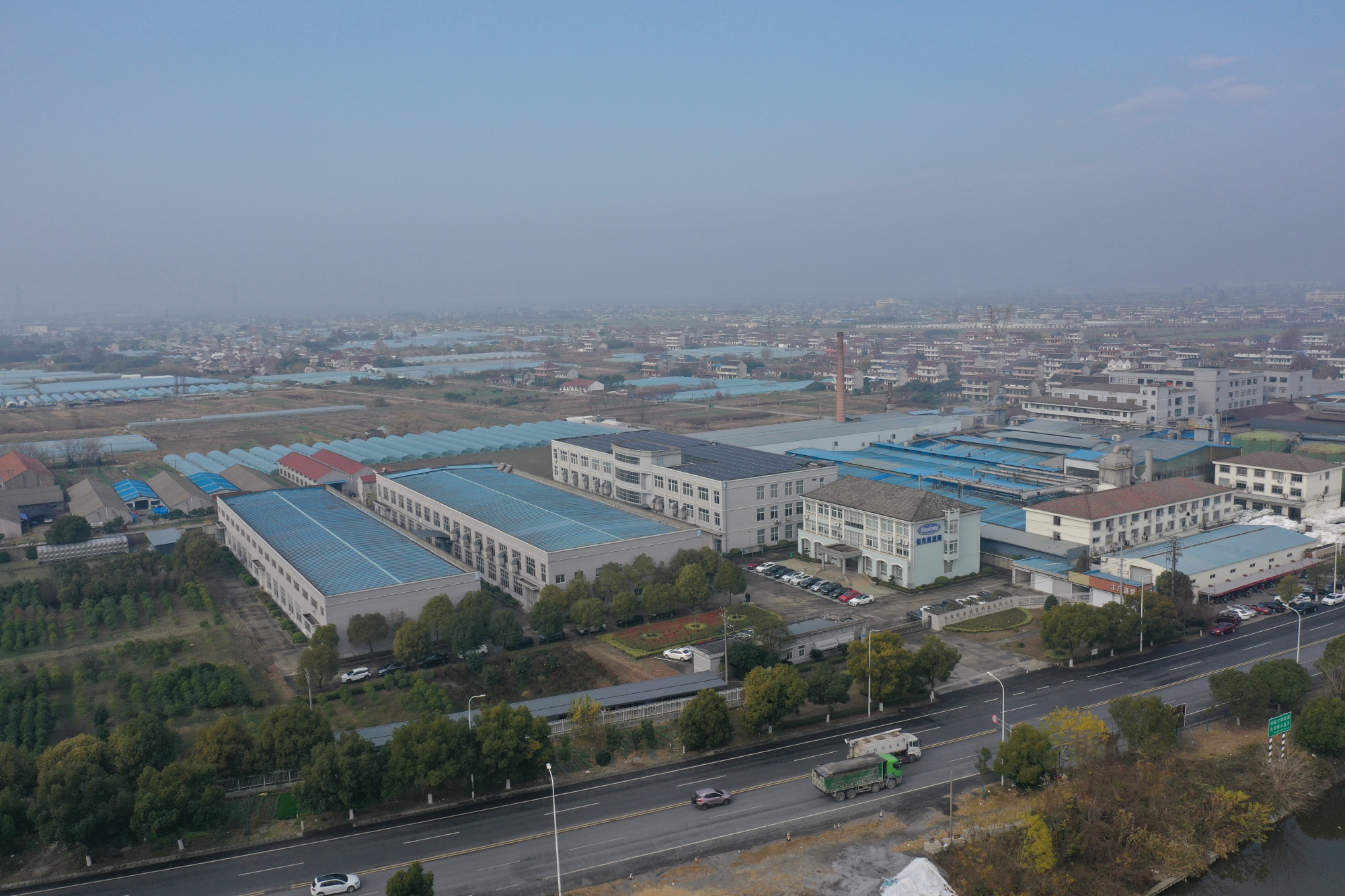
Media conversion and filter assembly inside the Henkaes plant.
Media names are not performance claims. Microfiberglass does not tell a specifier whether a filter reaches H13 or U15, and activated carbon does not tell anyone how much formaldehyde a filter removes. Both answers come from test data: the EN 1822 report for the particulate filter, and a controlled chamber test for the gas-phase filter.
Gas-phase filtration deserves its own line in the specification. Activated carbon and VOC filters remove gases, not particles, and their performance depends on the target compound, the carbon loading and the contact time available in the housing. A specification that says only with activated carbon leaves the supplier free to choose a loading that satisfies the drawing but not the odour or formaldehyde problem. Ask for the removal figure and the test condition together, and keep the carbon stage separate from the particulate stage in the line item.
Step 3: Fix the format and efficiency grade for the application
A format is the physical answer to the duty: panel, bag, V-bank, box, furnace, cleanroom terminal, HEPA, carbon or cabin element. The grade is the performance answer. The table below pairs them for the environments covered here; the position column is the part that is usually wrong in a first draft.
| Format | Grade band | Typical positions | Media |
|---|---|---|---|
| Panel | G1-G4 | First-stage pre-filtration in AHUs; commercial and public buildings; fresh-air and air-conditioner units; furnace slots | Fiberglass or synthetic |
| Bag | F5-F9, with ISO 16890 equivalent stated | Second-stage filtration in commercial HVAC, hospitals and food plants, after panel pre-filters | Non-woven synthetic |
| V-Bank | H13 | Compact high-efficiency stage where depth is limited: commercial HVAC, data-centre air paths | Microfine fiberglass or PTFE |
| Box | MERV 15/16 | Final or pre-final stage in food and beverage production, hospitals and pharmaceutical pre-filtration | Synthetic or microfiberglass |
| Furnace | MERV 8/11/13 | Residential and light-commercial furnace and air-conditioner air path; household systems | Fiberglass or synthetic |
| Cleanroom | U14/U15 | Terminal filters in pharmaceutical and microelectronics cleanrooms | Microfine fiberglass or PTFE |
| HEPA | H13, 99.97% or higher | Cleanroom terminals, hospital critical areas, purifier and fresh-air units, cabin elements | Microfine fiberglass or PTFE |
| Activated carbon / VOC | Gas-phase, no particulate grade | Odour, VOC and formaldehyde control in purifiers, fresh-air systems and food plants | Activated carbon |
| B737/B757 electronic cabin | H13 per EN 1822 | Aircraft cabin air filtration | HEPA-grade media |
Commercial and public buildings
The common pattern is a two-stage stack: a G1-G4 panel filter first, protecting the coil and the second stage, followed by a bag filter in the F5-F9 range. Both stages should carry the same rated airflow and the final pressure drop at which maintenance will change them. Specifying only the second stage produces a clean design that loads its final filter far faster than intended, because the pre-filter is the component that absorbs the coarse dust.
Hospitals
Hospital air paths usually combine particulate removal with a clear statement of where the high-efficiency stage sits. A workable pattern is panel pre-filtration, bag or box filtration in the F7-F9 or MERV 15/16 band, and H13 HEPA at the terminal positions where the room classification requires it. The grade at each position should follow the facility's own infection-control and ventilation requirement; the filter specification's job is to make the grade, the standard and the test report unambiguous for that position.
Pharmaceutical cleanrooms
Cleanrooms are specified from the classification downwards. Terminal filters at U14/U15 under EN 1822 carry the room classification, with H13 units upstream and panel or bag pre-filtration protecting them. Two items belong in the order: the EN 1822 class with the efficiency at the most penetrating particle size, and the leak-test record for each delivered filter. A cleanroom filter that is correct on paper but never leak-tested on delivery moves the risk into validation, where correcting it costs far more than the filter.
Food and beverage production
Food and beverage plants usually need particulate control and, in some areas, odour control. MERV 15/16 box filters are the typical final stage in the AHU, with panel pre-filtration in front and a gas-phase stage where cooking, fermentation or packaging odours must be controlled. Construction matters as much as the grade: frame material, gasket and the ability to clean the filter housing belong in the specification next to the MERV value.
Data centers
Data-centre air paths favour formats that deliver high efficiency in a short depth, which is where the V-bank format fits, up to H13 where the space is classified for particulate control. The dominant constraint is rarely the grade; it is the pressure drop the air-handling system can absorb over a long change-out interval. Specify clean and final pressure drop, and confirm the grade against the room's own contamination-control requirement rather than defaulting to the highest class available.
Aircraft cabins, households and fresh-air units
The B737/B757 electronic cabin air filter is specified at H13 per EN 1822, the same high-efficiency family used for cleanroom terminals, applied to a cabin air path with its own form factor and approval chain. A filter's EN 1822 class describes its filtration classification; it is not by itself an airworthiness approval, and cabin filter procurement runs inside the operator's and airframer's own qualification process.
On the household and fresh-air side, the pattern is a HEPA H13 or True HEPA particulate stage combined with an activated carbon or VOC stage for odours and formaldehyde. Here the specification should state the airflow of the appliance, the pressure drop the fan can carry and the gas-phase test condition, because a HEPA stage that is correct in isolation can still overload a small fan and shorten the change-out interval.
Step 4: Put the acceptance evidence into the purchase order
The grade belongs in the specification; the evidence belongs in the order. Seven items cover most disputes:
- Test standard and report per line item: ASHRAE 52.2 for MERV-rated filters, ISO 16890 for European general ventilation, EN 1822 for H13, U14 and U15.
- Rated airflow with clean pressure drop, plus the final pressure drop that triggers a change-out.
- Dimensions, frame and gasket, so a same-size replacement actually seals in the housing.
- Pre-shipment test as the acceptance criterion, backed by 100% inspection of all products rather than batch sampling.
- Certificate copies with scope, certificate number and expiry date, checked at the time of order.
- Individual leak-test records for H13 and above.
- Gas-phase removal figures with the gas, concentration and dwell time used to obtain them.
Certification is the item most often accepted without being read. Henkaes' documentation states ISO 9001:2015, ISO 14001:2015 and ISO 45001:2018 certification for the design and production of air filters, air purifiers and fresh-air machines. Its test capability includes an efficiency and air-resistance test system for filter media, a 30 m³ chamber for formaldehyde and VOC removal efficiency, a CADR test room and a noise test laboratory, with ASHRAE 52.2 used in filter testing. None of that replaces the buyer's own check: the certificate scope should cover the product being bought, and the expiry date should still be valid on the delivery date rather than on the date the file was created.
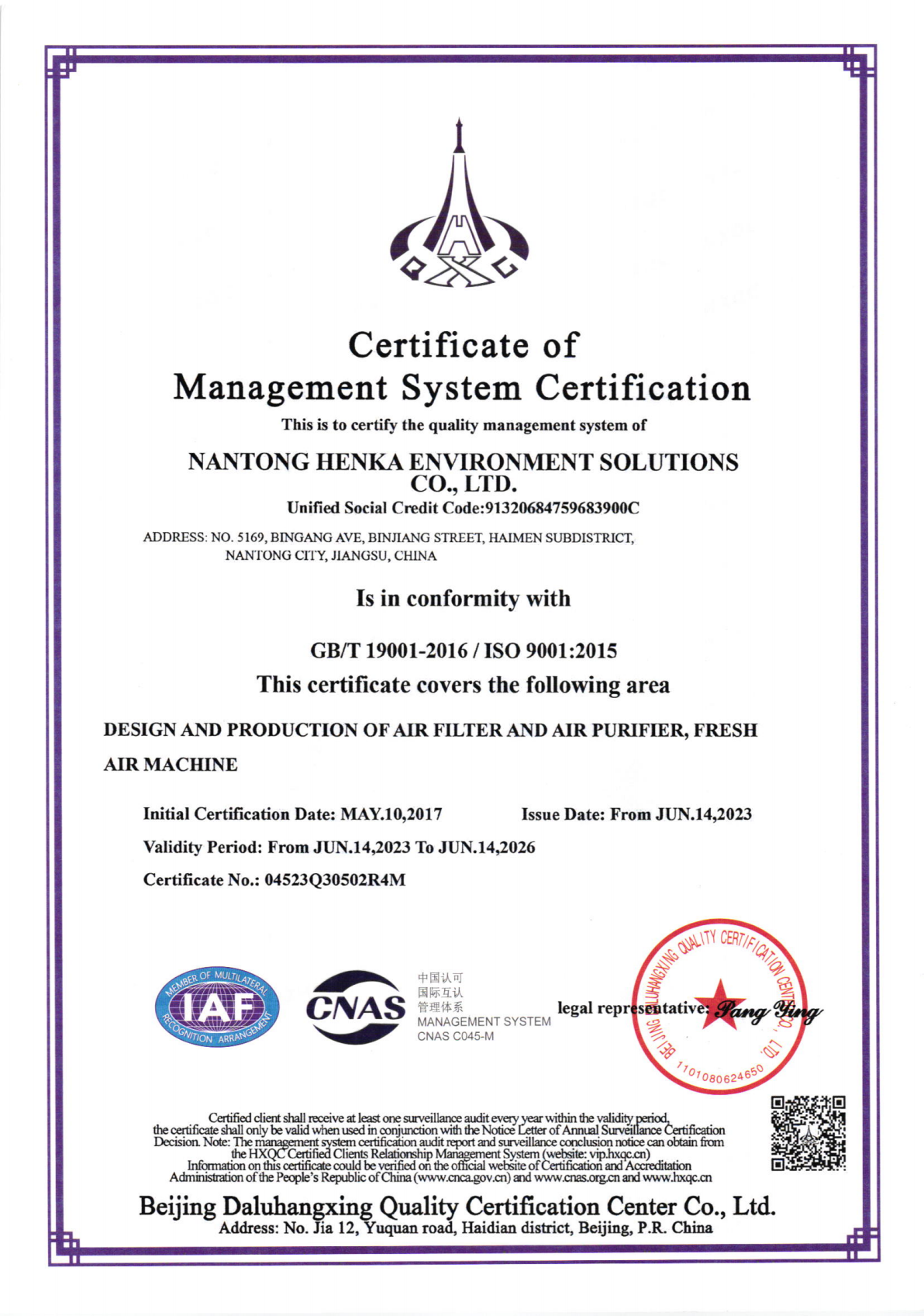
Certificate documentation supplied by Henkaes for scope and expiry verification.
Step 5: Confirm customization and supply terms before the order
Once media, format and grade are fixed, the remaining questions are commercial and answerable in one exchange. Henkaes (Nantong Henka Environment Solutions Co., Ltd) is an air filter manufacturer founded in 2004, operating a 30,000 m² plant in Haimen, Nantong, with 63 employees, 11 engineers and an annual output of 2,000,000 pcs. The company provides OEM and ODM production services globally with size and logo customization, at an MOQ of 500 pcs and a standard lead time of 30 days against a monthly capacity of 200,000 pcs. Quality control is 100% inspection of all products, after-sales support is remote, and delivery terms are FOB, EXW or DDP with TT 50%/50% payment.
The OEM and ODM distinction matters at this point. In OEM production the buyer's drawing, media and grade govern, and the supplier's job is to reproduce them with documented test evidence. In ODM work the supplier also contributes the design; Henkaes' engineering service covers design from specifications, drawings, samples or even an idea, plus engineering sample production, prototyping and testing. A buyer redesigning a filter around a new appliance or a tighter pressure-drop budget is buying the second model, and the specification should say so.
Documented US projects show what that looks like in practice: a 20,000 pcs OEM supply for indoor air purification, completed within one year with one year of stable operation; a 50,000 pcs ODM supply for VOC removal in indoor environments with one year of stable operation; and a 50,000 pcs ODM supply for formaldehyde removal, running two years with stable performance over two years. These are project records for specific applications, not a general performance guarantee: the same media and grade still have to be matched to the next duty, airflow and contaminant.
Common specification errors
- Quoting a grade without its standard. MERV 15, F9 and H13 on one line item cannot be tested as one filter.
- Using a legacy EN 779 class in a 2026 European specification without stating the ISO 16890 equivalent.
- Specifying H13 or U15 with no pressure-drop budget. The right class is the highest one the fan can carry over the change-out interval, not the highest one available.
- Treating a carbon stage as a particulate filter, or specifying activated carbon without a target gas and a test condition.
- Comparing quotes at different rated airflows or final pressure drops, which converts a technical difference into an apparent price difference.
- Accepting a certificate file without checking scope, number and expiry against the delivery date.
FAQ
Which standard should an air filter specification cite: MERV, F-grades or EN 1822?
It depends on the duty, and the safest rule is one family per line item. General ventilation filters in North America are usually specified by MERV under ASHRAE 52.2, which runs from MERV 1 to 16. European general ventilation specifications should now reference ISO 16890, which replaced EN 779 in mid-2018; G1-G4 and F5-F9 remain valid as legacy references if the ISO 16890 equivalent is stated alongside. High-efficiency filters such as H13, U14 and U15 are classified under EN 1822 for filtration efficiency and zero leakage. A line item that cites three families at once cannot be tested against a single method, so split it into separate positions.
What can be customized on an OEM/ODM air filter without changing the efficiency grade?
Size and logo customization are the stated options alongside OEM and ODM production, and the engineering service is built to design from specifications, drawings, samples or an idea rather than only from a catalogue part number. The constraint sits on the grade: any change that alters media area, pleat geometry or face velocity can change measured efficiency and pressure drop, so a customized build needs its own test evidence instead of inheriting the original report. Customized work starts at an MOQ of 500 pcs with a standard 30-day lead time.
Why do two filters with the same efficiency grade carry different prices?
Because the grade is only one cost driver. Media type and area, frame construction, gasket, pocket or pleat count, the test evidence supplied with the batch, packaging and order quantity all sit inside the unit price. A MERV 15 box filter built with a larger media area generally costs more than a thinner unit at the same rating, and it also shifts the change-out interval, so the comparison that matters is cost over the change-out interval at the specified airflow and final pressure drop rather than price per piece. Ask each supplier for clean pressure drop, dust-holding evidence and expected change-out interval before comparing.
Can samples be produced before committing to a 500 pcs order?
Engineering sample production is part of the manufacturer's service scope, which is how most customized programmes start: the buyer supplies a specification, drawing or existing sample, a prototype or engineering sample is produced and tested, and the production order follows once the build and its evidence are agreed. Treat the sample as a specification check rather than a formality. Confirm dimensions, gasket, media grade and the accompanying test report against the sample, because those are the parameters that will be repeated across the full order quantity.
What lead time and acceptance terms apply to a custom air filter order?
The standard lead time is 30 days at an MOQ of 500 pcs, against a monthly capacity of 200,000 pcs, with FOB, EXW or DDP delivery terms and TT 50%/50% payment. Acceptance is a pre-shipment test, and 100% inspection is performed on all products rather than by sampling. For H13 and above, add the individual leak-test record to the acceptance documents; for gas-phase filters, add the removal figure with its test condition. Buyers who want to check a draft specification against these terms before ordering can review the air filter catalogue (PDF) or send the duty, airflow and target grade for a sample and quotation.
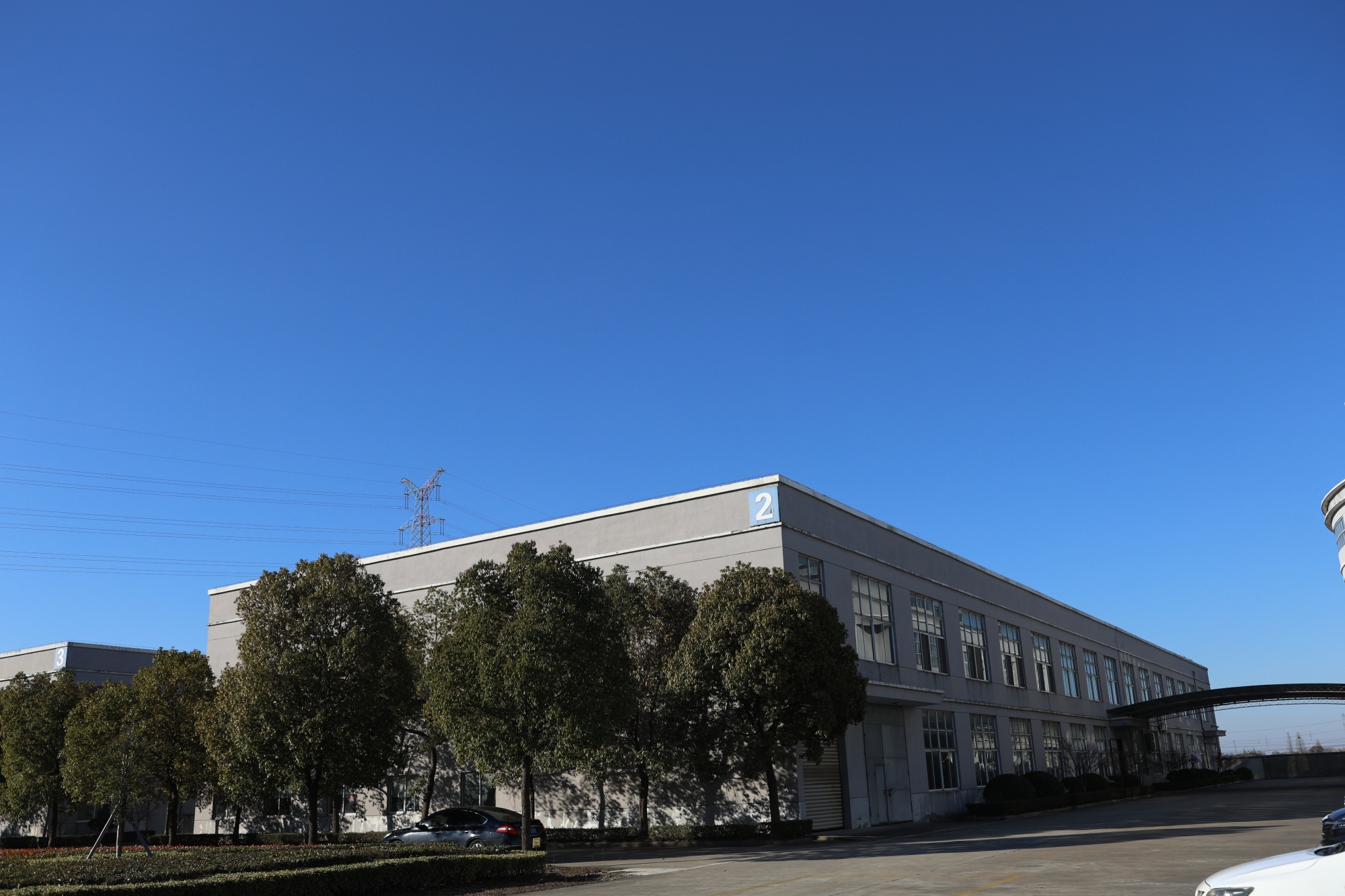
OEM and ODM air filter supply supported from the Henkaes facility.
Conclusion
Specifying an air filter by media and efficiency grade is not more complicated than specifying by price; it is simply more specific. The sequence holds across all three environments in this guide: record the duty, choose the media against the contaminant and the pressure-drop budget, fix the format and grade inside one standards family, and write the acceptance evidence into the order.
The environments differ in consequence rather than in method. A pre-filter in a public building and a U15 terminal in a pharmaceutical cleanroom are specified with the same four parameters; the cleanroom adds leak testing and tighter documentation, and the aircraft cabin adds its own approval chain on top of the EN 1822 class. Put those parameters on one page and the quotations that come back are finally comparable.
Have Questions or Need More Details?
Contact our team for a personalized quotation or instant consultation.
Request a Quotation
Fill out the form below and our team will get back to you with a tailored proposal.
WhatsApp Direct Chat
Prefer to chat in real-time? Message us on WhatsApp for instant assistance & quick answers.
- Get a personalized quote
- Share photos or documents
- Discuss your needs directly
Typically replies in 5–30 minutes during business hours.