
Wall Panel Partnership FAQ: MOQ, Lead Time, Installation and After-Sales Support
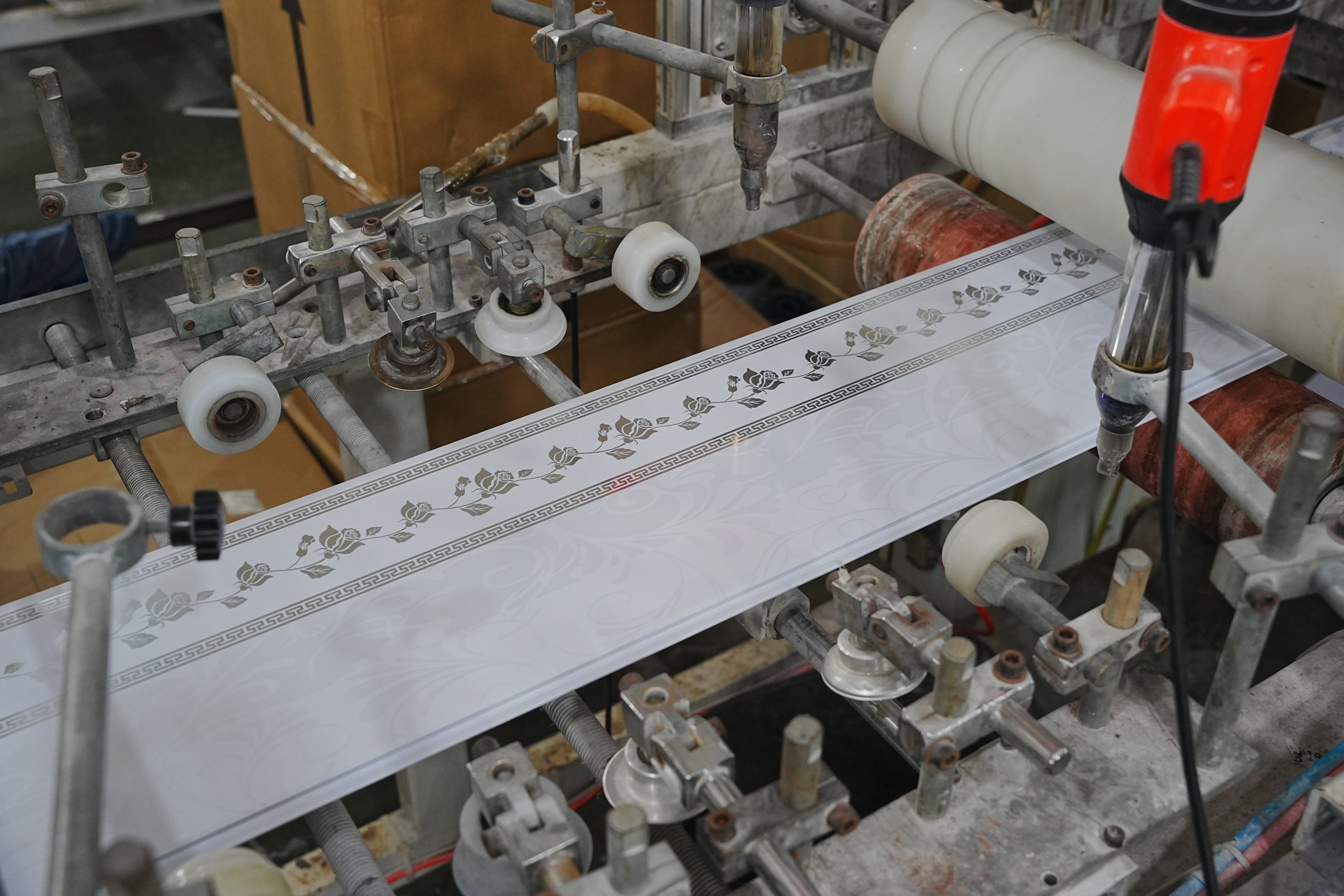
Wall panel production area — the continuous line from raw material to finished, packed panel.
Repeat buyers rarely ask new questions. Hotel groups, distributors, importers and fit-out contractors reopen the same handful of questions every time a purchase order is issued: what the trial-order MOQ is, how long a 40HQ container takes, how PVC wall panels are actually fixed to a wall, where WPC wall panels belong, which WPC sizes are standard, and which purchasing terms and acceptance criteria are binding. This reference answers those questions in one place, using the production, inspection and loading arrangements of Zhejiang Highsea New Material Co., Ltd.
The short version. Trial orders for PVC wall panel normally start from 300 PCS and can be mixed by colour and size. Typical production lead time is 20–25 days after deposit for a 40HQ container. Delivery terms are FOB / DDP / CIF and payment terms are TT. Every batch is inspected before shipment, and loading is arranged only after that batch passes inspection.
Quick Reference: The Commercial Answers in One Table
Buyers who only need a number can use this table and stop reading. Each line is repeated with context further down, because for a repeat relationship the reason behind the number matters as much as the number itself.
| Buyer question | Direct answer |
|---|---|
| Trial-order MOQ (PVC wall panel) | 300 PCS, mixable by colour and size |
| Standard purchase MOQ | 200 pieces |
| Production lead time for a 40HQ container | 20–25 days after deposit |
| Delivery terms | FOB / DDP / CIF |
| Payment terms | TT |
| Loading release rule | Batch inspected before shipment; loading only after the batch passes |
| Monthly output | 20 × 40ft high-cube containers |
| Certification | CE and RoHS |
Why These Partnership Questions Keep Coming Back
On a first order, MOQ, lead time and installation are sales questions — useful information that helps a buyer decide whether to engage. On the second, fifth and twentieth order, they stop being sales questions and become operating assumptions. A hotel programme that assumes 25 days from deposit will schedule its installation crew against that assumption. A distributor that assumes colour mixing is allowed on a 300 PCS trial will plan its sample library around it. A fit-out contractor that assumes a panel can be fixed with adhesive will not budget for batten work.
The failure mode in long-term wall panel supply is rarely a bad product. It is an unrecorded assumption. One party remembers a lead time discussed verbally; the other remembers a loading date. One party treats a specification sheet as a reference; the other treats it as a purchase condition. The practical fix is unglamorous: publish the recurring answers once, in a form both sides can point to, and make the production and inspection rules behind them explicit.
That is what this page is for. It is written for buyers who expect to order again — not for a one-off transaction.
Industry Background: Wall Panels Have Become a Repeat-Purchase Category
Decorative wall panels used to be specified project by project. They are increasingly bought as a recurring material stream, and the market data reflects that shift. Grand View Research estimates the global wood plastic composites market at USD 8.9 billion in 2025, projected to reach USD 21.5 billion by 2033, a CAGR of 11.7%. Dataintelo values the global PVC panels market at USD 14.8 billion in 2025, with wall panels holding the largest product-type share at 42.5%.
Growth of that order changes what buyers optimise for. In a one-off purchase, the lowest quoted unit price wins. In a repeat relationship, the variables that matter are the ones that determine whether the next container arrives on schedule and matches the previous one: batch consistency, a release rule that is actually applied, and commercial terms that do not have to be renegotiated every quarter. A supplier that cannot hold a delivery promise is expensive regardless of its price list.
The Delivery Promise: Batch Inspection Before Loading
Zhejiang Highsea New Material Co., Ltd., which trades as Hisea-Decorative Film & Decorative Panels, was founded in 2002 and operates a 20,000 m² factory with about 300 staff, producing WPC wall panels, PVC wall panels, UV board, outdoor wall panels and decking. The company exports about 70% of its output, with major markets in South America, Africa, Asia and the Middle East.
Its production is organised as a continuous process from raw material to finished product, forming a complete closed loop: formulation, extrusion or calendering, surface treatment, then cutting and packaging. Monthly output reaches 20 × 40ft high-cube containers, which is what makes container-level and multi-container procurement realistic rather than aspirational.
The lead-time answer — 20–25 days after deposit for a 40HQ — only holds because of one rule that sits above the schedule: every batch is inspected before shipment, and loading is arranged only after the batch passes inspection. Loading is not booked to hit a promised date and then adjusted afterwards. Inspection comes first; the container is released second. That sequencing is the difference between a delivery date and a delivery commitment.
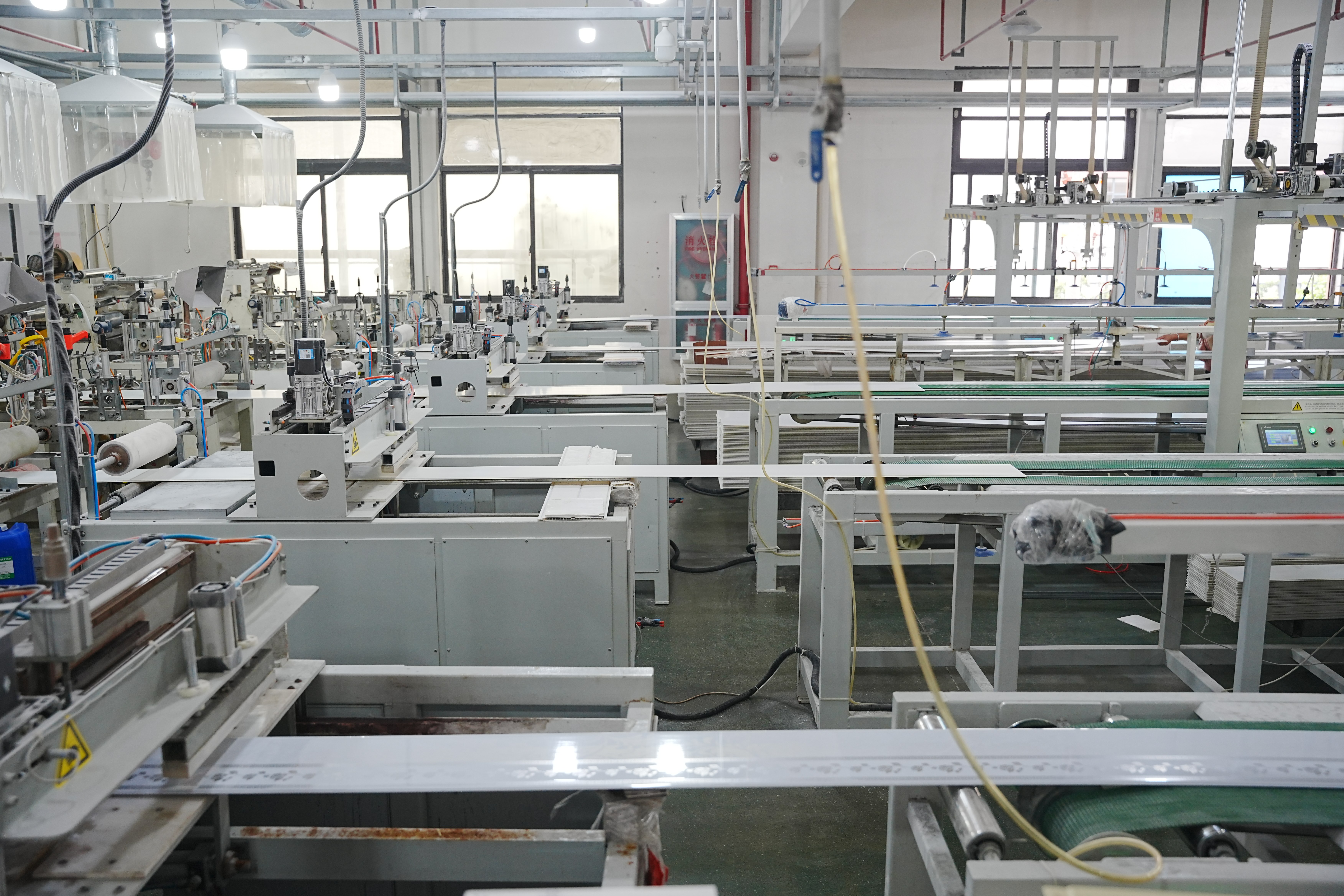
Production area where in-process control points monitor thickness, density, colour difference and surface flatness.
Quality control runs through three distinct stages, each with its own release condition:
| Stage | What is checked | Release condition |
|---|---|---|
| Incoming materials | Raw materials inspected batch by batch to ensure consistency of formulation and process parameters | Material matches the approved formulation |
| In-process | Control points set at key stages to monitor thickness, density, colour difference, surface flatness and texture consistency | Measured values stay within control limits |
| Outgoing goods | Every batch inspected before shipment | Loading arranged only after the batch passes |
For a buyer, the in-process stage is the one that protects repeat orders. Colour difference and texture consistency are exactly what goes wrong between container one and container five, and they are exactly what a final visual check at loading is least able to catch. Setting control points upstream is what makes a mixed-colour trial order repeatable later at container scale.
Step by Step: How a Wall Panel Order Runs from Enquiry to Container
The sequence below is the working path for a repeat buyer, from first enquiry to installed panel. Each step has a defined output, which is what allows the next step to be scheduled rather than guessed.
- Application brief. State where the panels will be used — interior feature walls, hotel corridors, retail interiors, ceilings, wet areas — and which material family is intended: PVC wall panel, WPC wall panel, SPC wall panel, PVC marble sheet, bamboo charcoal wall panel, UV coated board or exterior wall panel. The application determines which specification questions matter.
- Product and profile selection. Confirm the panel type, profile and surface finish. For fluted WPC profiles, this is where the standard size is fixed.
- Trial order. Trial orders for PVC wall panels normally start from 300 PCS and can be mixed by colour and size — useful for validating surface, colour and joint appearance across a range before committing to a full container.
- Commercial confirmation. Agree MOQ, delivery terms (FOB / DDP / CIF) and payment terms (TT), then confirm the production slot against the 20–25 day lead time for a 40HQ container.
- Production. Formulation, extrusion or calendering, surface treatment, cutting and packaging run as one closed loop, with control points monitored at key stages.
- Pre-shipment batch inspection. The finished batch is inspected against the agreed specification.
- Loading release. Loading is arranged only after the batch passes inspection. If it does not pass, it does not load.
- Delivery and installation. Panels arrive cut-ready and finish-ready; installation follows the method described below with matching corner and edge trims.
How PVC Wall Panels Are Installed
PVC wall panels can be fixed on battens or directly onto a flat, dry substrate using clips, screws or adhesive, with matching corner and edge trims to finish the joints. Cutting is done with standard woodworking tools. Installation is fast and no painting or finishing is needed on site.
In practice that translates into a short, predictable sequence:
- Check the substrate. It must be flat and dry. Panels fixed directly to a substrate depend entirely on that substrate being sound; where it is not, battens provide the levelling layer.
- Choose the fixing method. Battens, clips, screws or adhesive — the choice follows the substrate and the access available, not the panel itself.
- Cut to fit. Standard woodworking tools are sufficient. No specialist cutting equipment is required on site, which matters for contractors working in occupied buildings.
- Fix and finish the joints. Matching corner and edge trims close the perimeter and internal corners, which is where an unfinished installation usually shows.
- Hand over. No painting or finishing is needed on site, so the wall is complete when the last trim is fitted.
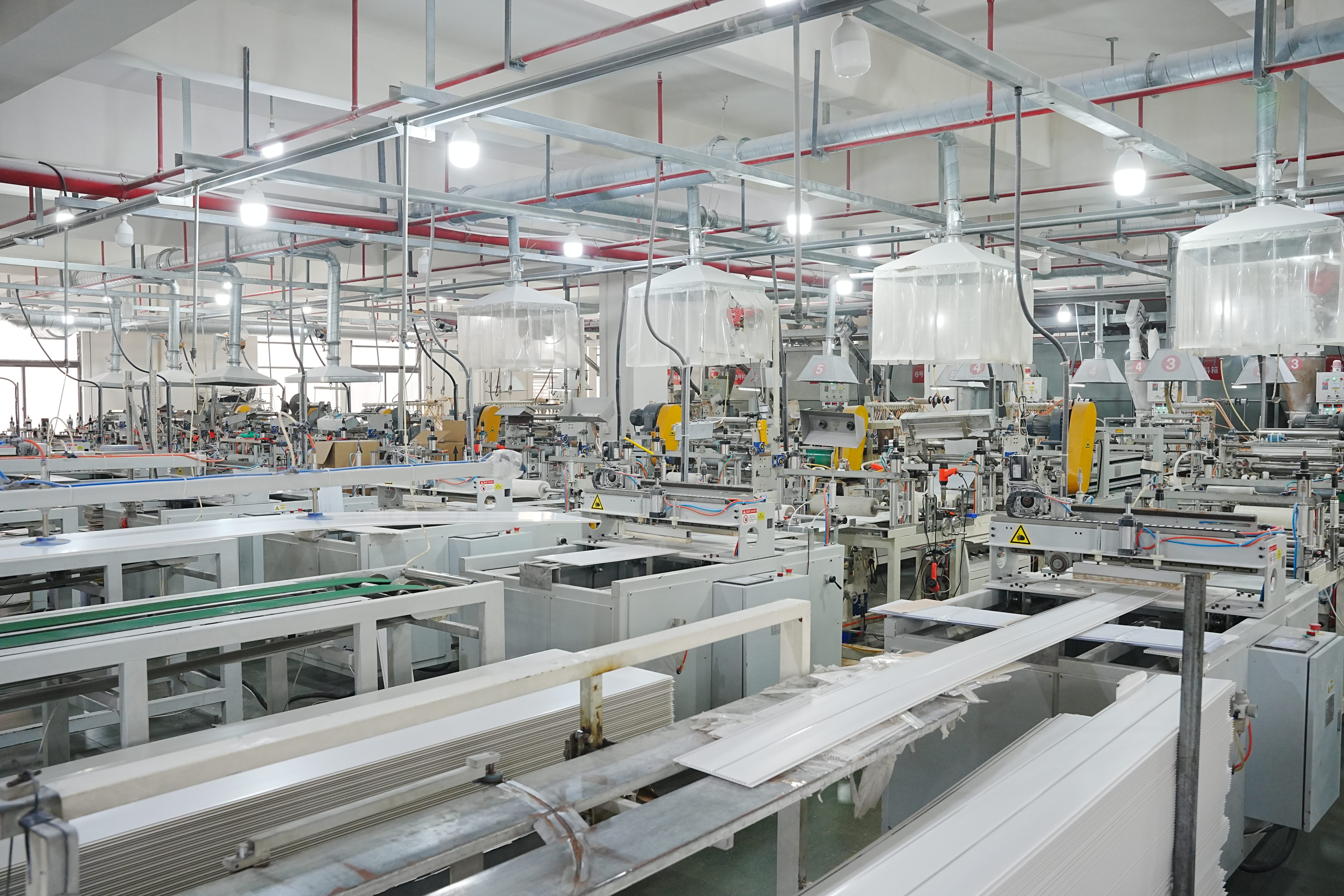
Finished panels are cut and packed after surface treatment, ready for site cutting with standard woodworking tools.
Where WPC Wall Panels Are Used
WPC wall panels are specified across interior feature walls, TV backgrounds, living rooms and bedrooms, hotel lobbies and corridors, offices and meeting rooms, restaurants, retail stores and showrooms, and ceilings. The common thread is interior surfaces where a decorative finish is wanted without wet trades, and where the same profile may need to be repeated across many rooms or many floors.
Hotel projects are the clearest case. A corridor or lobby specification is decided once and then repeated across a whole property, and often across a portfolio. That is precisely the pattern where batch-to-batch consistency, a repeatable profile size and a stable lead time matter more than a one-off price advantage.
The same panels are also used in humid and outdoor-adjacent conditions, where the requirement set includes waterproof performance, termite resistance, low formaldehyde and easy cleaning, and where panels are installed statically with no power consumption. In damp areas they are used as hygienic wall panels replacing tiles or coatings.
WPC Wall Panel Standard Sizes
Common standard sizes for fluted WPC wall panels are listed below. Specifying from this list shortens quotation and avoids tooling discussions on repeat orders.
| Profile | Width × Thickness (mm) |
|---|---|
| Fluted WPC — profile 1 | 160 × 22 |
| Fluted WPC — profile 2 | 160 × 24 |
| Fluted WPC — profile 3 | 150 × 15 |
| Fluted WPC — profile 4 | 160 × 16 |
| Fluted WPC — profile 5 | 160 × 13 |
| Fluted WPC — profile 6 | 195 × 12 |
| Fluted WPC — profile 7 | 195 × 14 |
Purchasing Terms and Acceptance Criteria
The commercial terms that govern a wall panel order are stated plainly: MOQ of 200 pieces, delivery terms of FOB / DDP / CIF, and payment terms of TT. For PVC wall panel trials, the entry point is lower in volume terms — 300 PCS, mixable by colour and size — so a buyer can validate surface and colour before moving to container quantities.
Acceptance criteria are organised around three questions, which is what a receiving inspection should actually test:
- Standard product size specification. Does the delivered panel match the agreed profile and dimensions?
- Panel material composition and durability. Does the delivered material match the agreed composition and the durability expected in the intended application?
- Surface craftsmanship and structural stability. Does the surface finish and the structural behaviour of the panel hold up to the specified use?
The recommended route is to select standard WPC panel specifications according to the actual decoration scenario, and to prioritise products with stable structure and fine workmanship. On the supplier side, those three criteria are backed by the batch release rule described earlier: the outgoing inspection exists so that the buyer's receiving inspection is a confirmation rather than a discovery.
Certification and Compliance Context
Highsea's products have obtained CE and RoHS certification, meeting the market-access requirements for electrical safety and restriction of hazardous substances in the relevant markets. For European projects, buyers commonly reference EN 13245-2:2008, which specifies health and safety requirements for unplasticized poly(vinyl chloride) (PVC-U) profiles and cellular unplasticized poly(vinyl chloride) (PVC-UE) profiles for interior and exterior wall and ceiling finishes. Where a destination market imposes additional requirements, those should be named in the order documents rather than assumed from a general certification statement.
Why This Matters More on the Fifth Order Than the First
A first order is protected by attention. Everyone is watching it. The risk concentrates in the orders that follow, when the specification lives in an email thread and the delivery expectation lives in someone's memory. The structural defence against that is a supplier whose release rules are fixed: a fixed MOQ, a fixed lead time anchored to a batch rule, a fixed inspection sequence, and a fixed set of acceptance criteria.
That is also the practical answer to a common hotel-project question — how to choose long-term PVC and WPC wall panel suppliers. The differentiator is rarely the product catalogue. It is whether the supplier can repeat the same batch, release the same container, and answer the same five questions identically in year three as in year one.
FAQ
Do your wall panels carry certification for regulated markets?
Products carry CE and RoHS certification, meeting the market-access requirements for electrical safety and restriction of hazardous substances in the relevant markets. For European projects, buyers commonly reference EN 13245-2:2008, the standard covering health and safety requirements for PVC-U and PVC-UE profiles used for interior and exterior wall and ceiling finishes. Project-specific documentation should be confirmed in writing with the order.
Can one supplier handle repeat hotel and project volumes?
Monthly output reaches 20 × 40ft high-cube containers. Production runs as a continuous process from raw material to finished product — formulation, extrusion or calendering, surface treatment, then cutting and packaging. Export business accounts for 70% of total sales, with major markets in South America, Africa, Asia and the Middle East.
What are the purchasing terms and acceptance criteria?
MOQ is 200 pieces, delivery terms are FOB / DDP / CIF and payment terms are TT. Acceptance criteria focus on standard product size specification, panel material composition and durability, and surface craftsmanship and structural stability.
Can a trial order mix colours and sizes?
Yes. Trial orders for PVC wall panels normally start from 300 PCS and can be mixed by color and size.
What lead time should be planned for a 40HQ container?
Typical production lead time is 20–25 days after deposit for a 40HQ container. The date is backed by a batch rule rather than an optimistic schedule: every batch is inspected before shipment, and loading is arranged only after the batch passes inspection. For time-sensitive projects, scheduling can be confirmed by email to Tommy@zjhisea.com or WhatsApp +86 135-8645-8141.
Conclusion: A Partnership Is a Set of Answers That Do Not Change
MOQ, lead time, installation method, WPC sizes, purchasing terms and acceptance criteria are not complicated subjects. They become complicated only when the answers drift between orders. The values behind this reference are stable by design: 300 PCS for a mixable PVC trial, 200 pieces as standard MOQ, 20–25 days after deposit for a 40HQ container, FOB / DDP / CIF with TT, standard fluted WPC sizes from 150 × 15 mm to 195 × 14 mm, installation on battens or directly onto a flat dry substrate with clips, screws or adhesive, and a loading release that follows batch inspection rather than preceding it.
For buyers planning the next container, the fastest route is to send the application and the profile list directly and ask for a production slot against those terms.
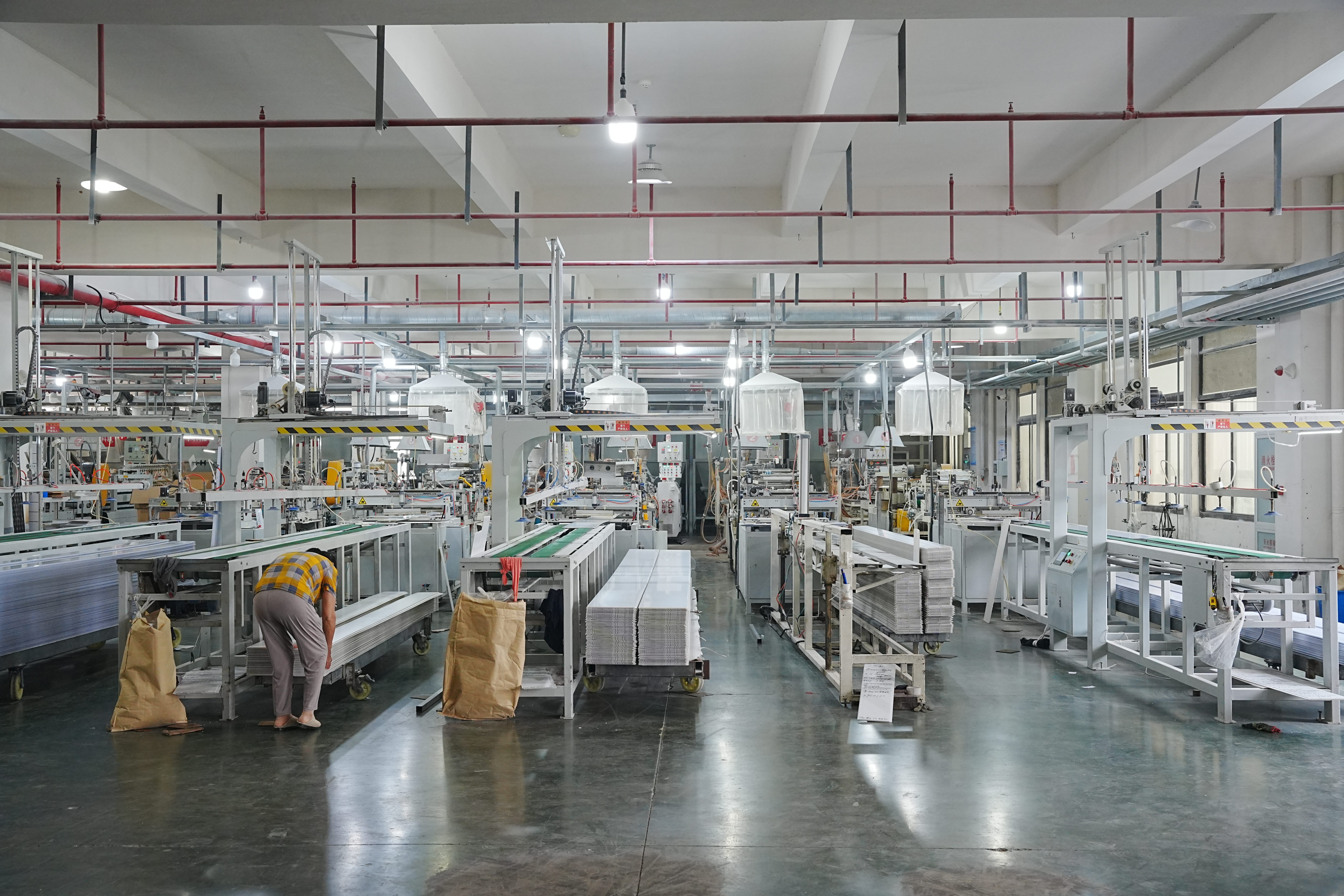
Container-level and multi-container orders are supported by a monthly output of 20 × 40ft high-cube containers.
Next Step: Confirm a Production Slot
Send the application, the profile and the colour list, and the team will confirm availability against the standard terms above.
Zhejiang Highsea New Material Co., Ltd. (Hisea-Decorative Film & Decorative Panels)
Email: Tommy@zjhisea.com
WhatsApp / Tel: +86 135-8645-8141
Website: www.zjhisea.com
Address: Room 2101, 2# Building Heli Plaza, No.365 Qianjiang Road, Haining City, Zhejiang Province, China 314400
Product catalogue (open access): Download the wall panel catalogue
Have Questions or Need More Details?
Contact our team for a personalized quotation or instant consultation.
Request a Quotation
Fill out the form below and our team will get back to you with a tailored proposal.
WhatsApp Direct Chat
Prefer to chat in real-time? Message us on WhatsApp for instant assistance & quick answers.
- Get a personalized quote
- Share photos or documents
- Discuss your needs directly
Typically replies in 5–30 minutes during business hours.