
Potency Loss and Child Access: How H19 and H21 Jars Solve Both
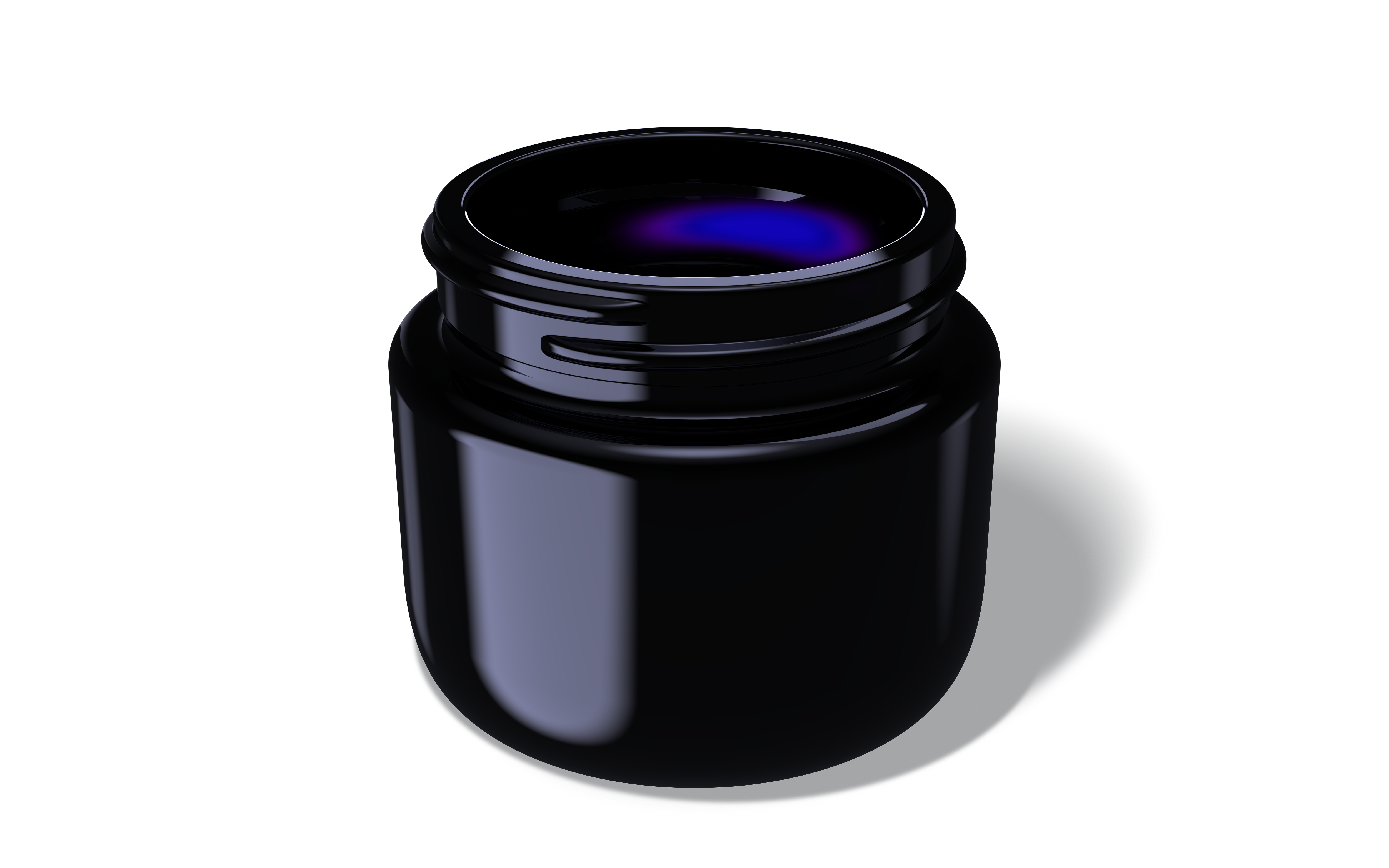
Two packaging failures take the most value out of a concentrate launch: light that reaches the product before the customer does, and a closure a child can defeat. This article follows the decision path a concentrate brand takes when it has to solve both problems in one packaging program — using H21 violet glass jars for 15 ml to 200 ml formats and H19 child-resistant jars for 5 ml and 9 ml formats.
The scenario is common. A brand has a formulation it is proud of, a retail channel that puts product under continuous lighting, and a legal obligation to ship in child-resistant primary packaging. The jar is the last decision made and the first thing that determines whether the product arrives at the shelf in the condition it left the fill line.
What follows is written as a worked problem: define the two failures, understand why the regulatory and market environment has tightened around them, then specify the jar system that answers them — including which H19 or H21 format fits which fill volume, which caps and surface treatments are available, and how to validate before committing to a production run.
Problem Definition: Two Failures, One Packaging Decision
Potency loss starts at the light barrier
Concentrates are light-sensitive by nature. Exposure to the visible spectrum is a well-recognised driver of photo-degradation in botanical extracts, and it works alongside oxygen exposure to change colour, aroma and the aromatic profile a brand has built its product around. The practical consequence is that a product can leave the facility within specification and still reach the consumer in a visibly different state.
Clear glass makes this worse by design. When a concentrate is packed in a transparent container and placed under retail or display lighting, the packaging itself is not doing any work — the light reaches the product directly. The protective packaging decision, in practice, begins with one question: what sits between the formulation and the light?
Violet glass is one answer that the packaging industry has used for light-sensitive contents. Technical descriptions of violet glass note that it filters the visible light spectrum while transmitting UV-A and infrared — the property behind its use in protective packaging for formulations where visible-light exposure is a concern. That does not make it a universal solution, but it gives a brand a defined light-management decision rather than an accidental one.
Child access is an engineering requirement, not a label
The second failure is harder to see on a shelf and much more expensive to ignore. For regulated products, child resistance is a performance property of the closure and the container together, not a claim that can be printed onto a carton. The U.S. Consumer Product Safety Commission's guidance on special packaging explains that requirements issued under the Poison Prevention Packaging Act (PPPA) and the Federal Insecticide, Fungicide, and Rodenticide Act (FIFRA) apply to many harmful household products — and that the obligation attaches to the primary or immediate packaging.
That detail matters for a concentrate brand. Secondary packaging, outer cartons and shipping cases do not satisfy the requirement. The jar and its closure do.
Two further reference points frame the engineering brief. ISO 8317:2015 specifies performance requirements and test methods for reclosable child-resistant packages — the category most glass jars fall into. ISO 14375:2018 sets requirements and testing methods for non-reclosable child-resistant packages and adds that such a package should be appropriate for its contents, provide mechanical protection, and function properly for the life of the content and packaging. Alongside these, ASTM D3475 classifies types of special packaging by closure type and the action needed to open it.
Industry Background: Why This Decision Got Harder
The commercial context explains why packaging has moved from a purchasing detail to a launch-critical decision.
Grand View Research values the global protective packaging market at USD 41.5 billion in 2026. Global Market Insights projects the child-resistant packaging segment at USD 31.07 billion in 2026. Those are broad category figures from commercial research houses, and they should be read as directional indicators of scale rather than as forecasts for any single product line. What they do show is that protective and child-resistant formats are no longer niche: they are mainstream categories with mainstream supply chains.
Regulatory pressure runs in the same direction. The CPSC framework under 16 CFR 1700.20 is built around measurable performance — the standard is described in terms of preventing at least 85% of children under five from opening a package within five minutes, while still allowing at least 90% of adults to open and reseal it. The intent is unambiguous: the package must be difficult for a child and workable for an adult, and both halves of that sentence are testable.
Three practical consequences follow for a concentrate brand in the awareness and research stage:
- Packaging is a market-access gate. A jar without credible child-resistance documentation can block a retail listing regardless of product quality.
- Format range matters more than a single SKU. Brands rarely launch with one size; a supplier that covers 5 ml through 200 ml avoids splitting a program across two vendors and two specification sets.
- Protection and compliance converge on the same part. The cap is simultaneously the child-resistance mechanism and the moisture and odour barrier, so the closure decision carries both risks.
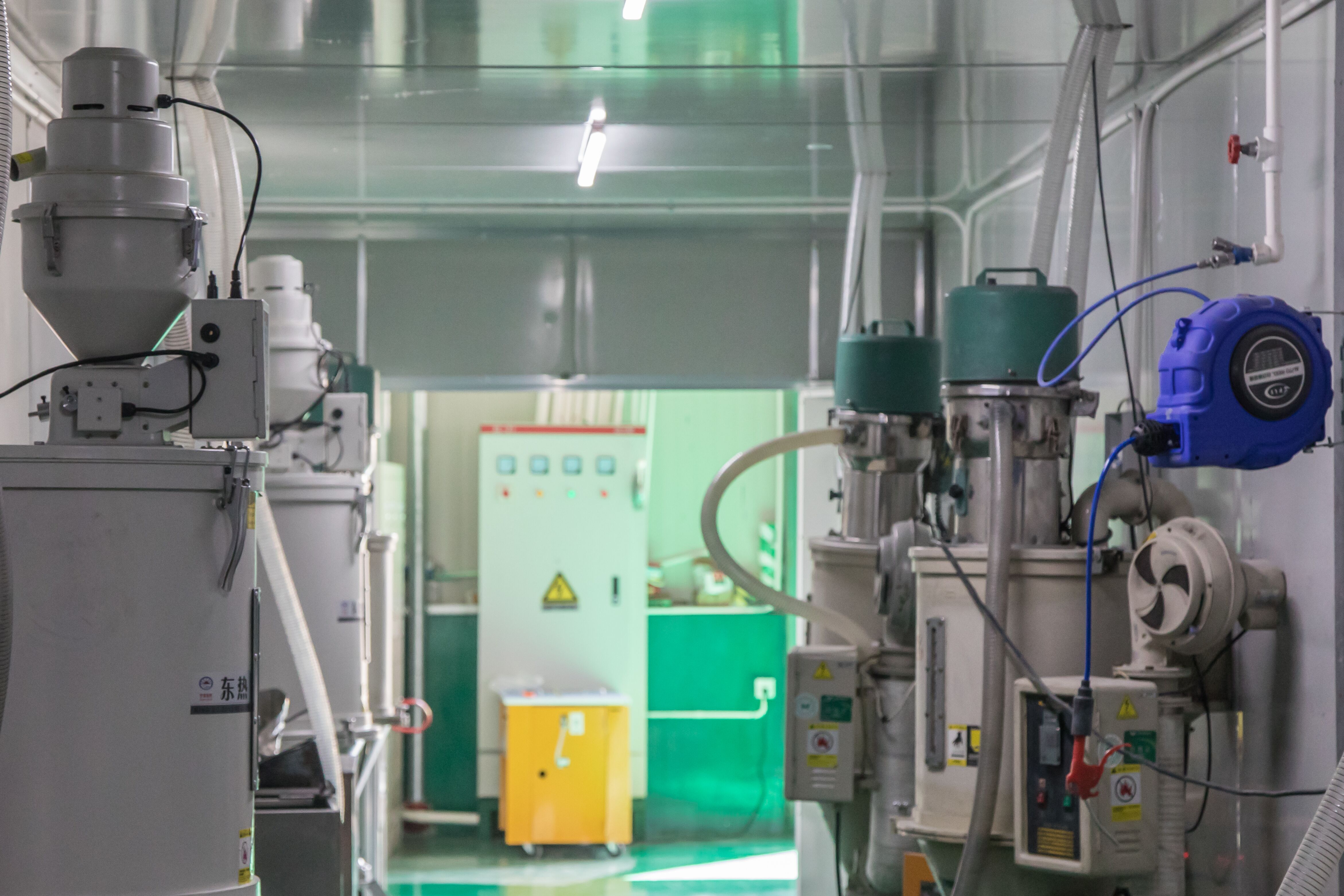
This is the environment in which Honor Packaging — a Ningbo-based packaging manufacturer founded in 2015, operating long-term joint-venture production bases for plastic and glass packaging — positions its H19 and H21 jar ranges. The company reports a 45,000 square metre facility, approximately 310 staff, a 15-person R&D team, an annual production capacity of 1,000,000 units, and 100% export orientation with the EU and USA as major markets.
Detailed Solution: The H21 and H19 Jar System
The solution is not a single jar. It is a two-family architecture in which the light-management decision and the child-resistance decision are separated from the volume decision, so a brand can match format to fill without redesigning the closure strategy each time.
H21 violet glass jars: 15 ml to 200 ml with child-resistant caps
The H21 series is the larger-format half of the system. It is made of violet glass with PP and PE caps, supplied with a child-resistant cap, and produced in both square and round profiles.
Square H21 (item codes H21-0003V to H21-0008V). Capacities are listed as 15 ml, 30 ml, 20 dr, 30 dr, 40 dr and 60 dr, with a 58 mm diameter, heights from 24 mm to 115 mm, and unit weights from 75 g to 280 g. Glass thickness is 0.38 mm.
Round H21 (item codes H21-0012V to H21-0018V). Capacities are listed as 30 ml, 2 oz, 20 dr, 30 dr, 40 dr, 60 dr and 6 oz, with a 60 mm diameter, heights from 36.5 mm to 125 mm, and unit weights from 84 g to 268 g. Glass thickness is also 0.38 mm.
Across the square and round profiles, the H21 violet glass jar range covers capacities from 15 ml to 200 ml and can be paired with child-resistant caps. The round H21-0012V to H21-0018V series is also specified as a refillable glass storage jar format, which supports brands building refill or return programmes into their packaging brief.
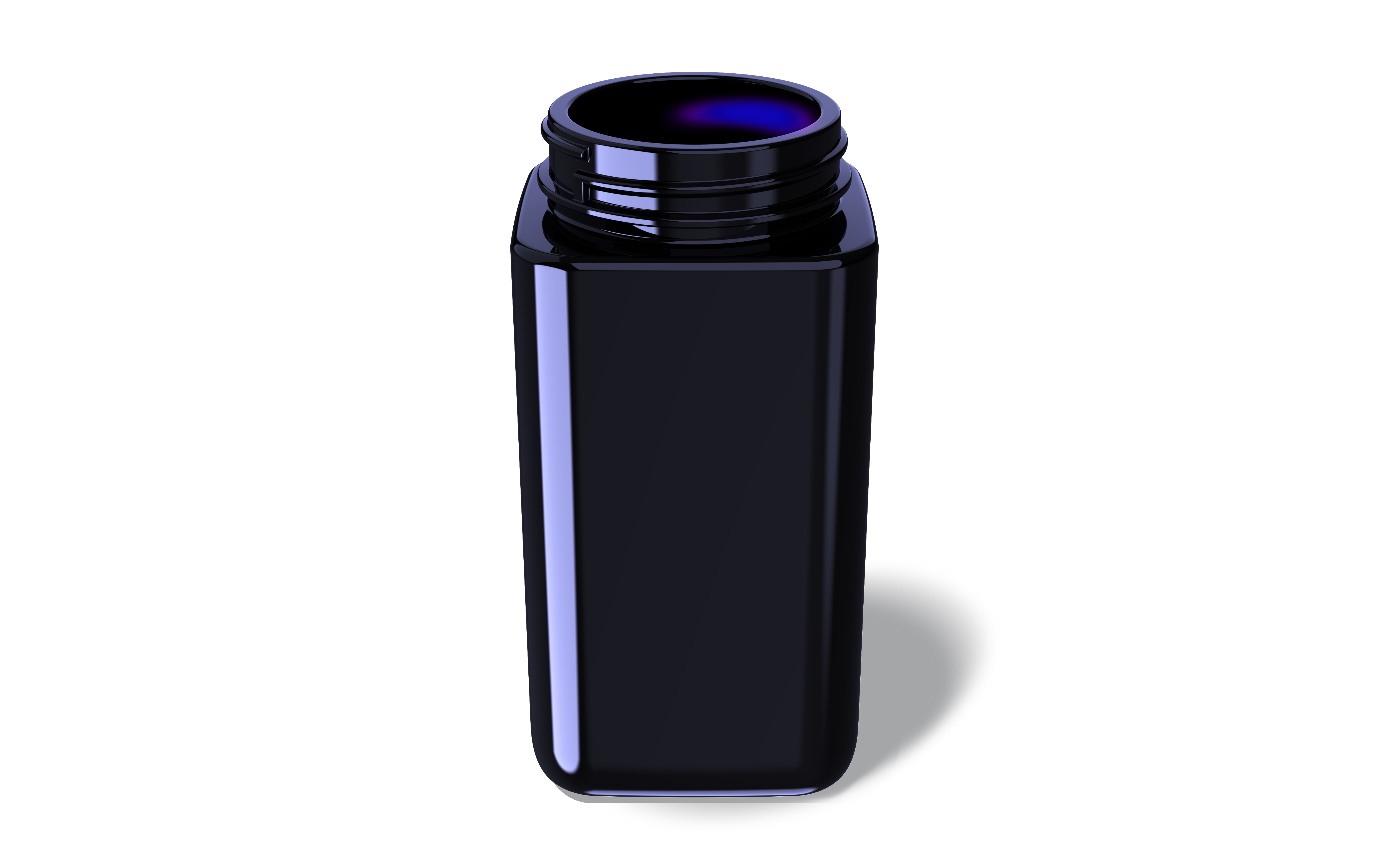
Both H21 profiles share the same surface treatment menu: sticker, silk-screen printing, hot stamping, heat transfer printing and frosted finish. That matters because the branding decision should not force a change of jar geometry — a brand can keep the same container and vary only the decoration between SKUs.
H19 child-resistant jars: 5 ml and 9 ml across four shapes
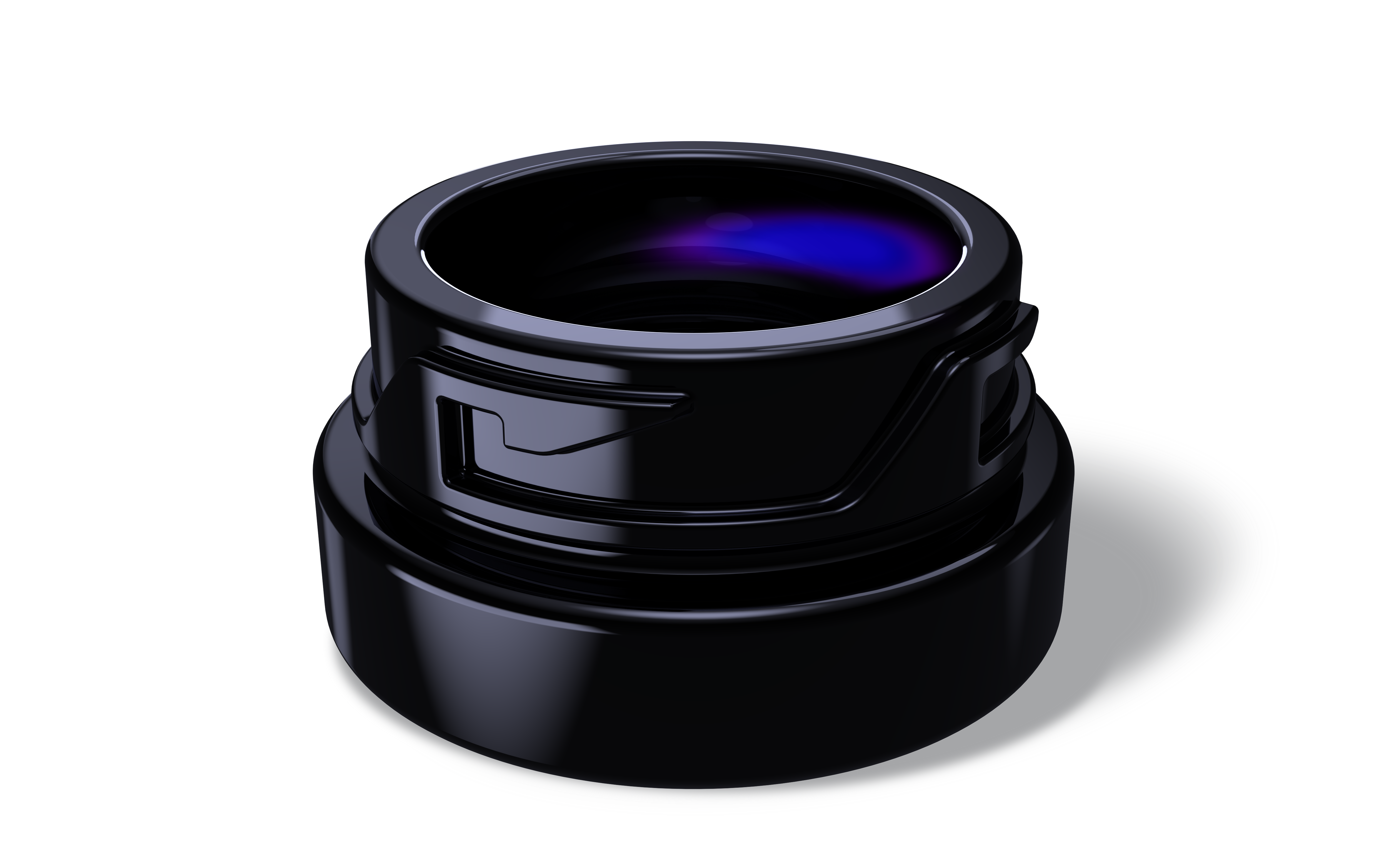
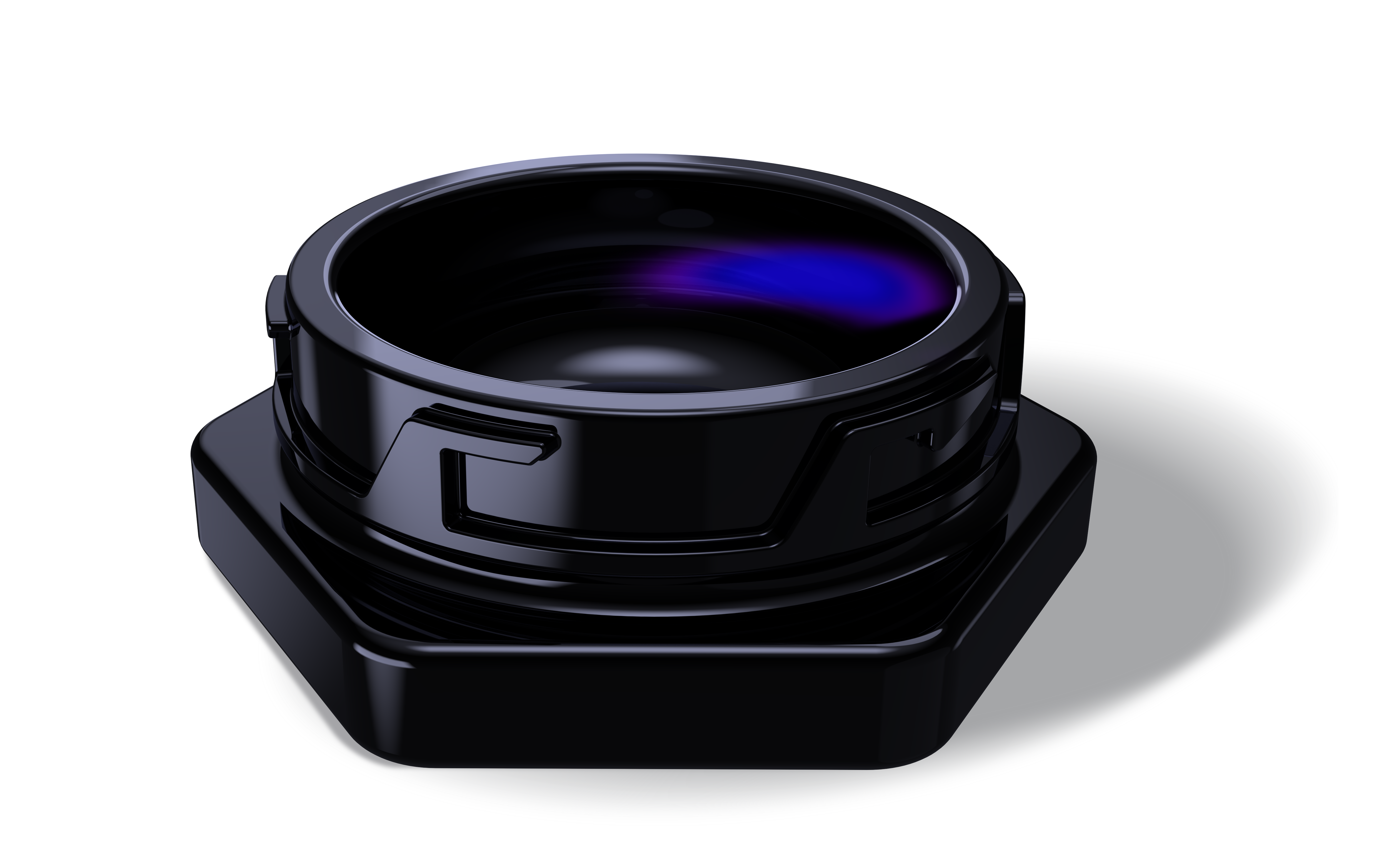
The H19 series covers the small end, where concentrate brands typically place single-gram and half-gram units. Capacities are 5 ml and 9 ml, the jars are made of glass, and the closure is a child-resistant cap. The range is supplied in black, white and clear variants, each with its own item code sequence:
- Black: H19-0001B, H19-0002B, H19-0004B, H19-0005B, H19-0007B, H19-0008B, H19-0009B, H19-0010B, H19-0011B — unit weight 27 g to 38 g.
- White: H19-0001W to H19-0011W sequence — unit weight 27 g or 36 g.
- Clear: H19-0001C to H19-0011C sequence — unit weight 27 g to 38 g.
All three colour variants are available in square, round, triangle and hexagon shapes, packed at 250 pieces per carton. The shape programme is more commercially useful than it first appears: hexagon and triangle profiles give a brand a distinct silhouette in a display case where most competitors default to square, without changing the closure or the fill equipment.
H19 vacuum click jar: small-format freshness control
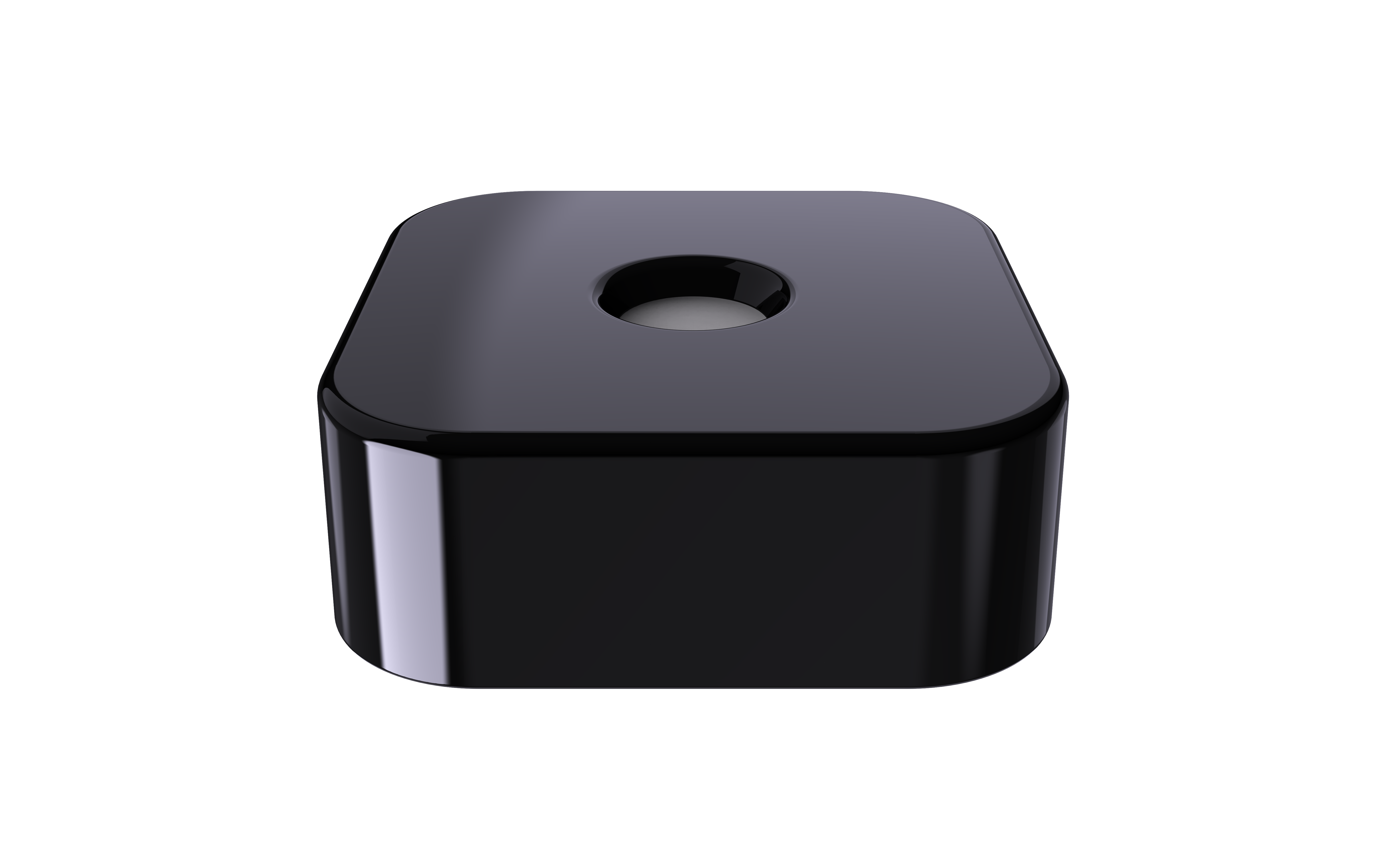
The third component addresses air rather than light. The H19 vacuum jar — also called the Vacuum Click Jar — is a square glass jar with a 5 ml capacity and a vacuum seal feature, packed at 250 pieces per carton and intended for food, cosmetic and medical applications.
Its role in a concentrate line is narrow and specific. Where a brand's smallest SKU is unusually sensitive to headspace air, or where the product format is a small solid or semi-solid unit, the vacuum click format adds a sealing action that a standard screw closure does not perform. It is not a substitute for the 9 ml H19 range or for the H21 formats — it is a third option for a specific fill problem.
Step-by-Step Breakdown: Matching Jar Format to Product Volume
The specification sequence below reflects the order in which the constraints actually bind. Volume first, protection second, closure third, decoration fourth, validation last.
- Fix the fill volume and the headspace. Start from the net weight and the bulk density of the concentrate, then convert to a working volume with clearance for fill tolerance. A 1 g unit does not automatically map to 5 ml; the H19 range offers 5 ml and 9 ml, and the choice should follow measured fill behaviour rather than habit.
- Choose the light-management route. Where visible-light exposure is the primary concern, the H21 violet glass body is the relevant option. Where the product is opaque or the pack is secondary to an outer carton, a black or white H19 variant may carry the branding burden instead. The decision should be made explicitly and recorded, because it governs every downstream SKU.
- Select the closure against the compliance requirement. H21 jars are supplied with a child-resistant cap in PP and PE; H19 jars are supplied with a child-resistant cap across black, white and clear variants. Confirm the closure type against the market's requirement, note that ASTM D3475 classifies special packaging by closure type and opening action, and request closure test documentation against the applicable standard before the first production order.
- Decide the surface treatment. The H21 range supports sticker, silk-screen printing, hot stamping, heat transfer printing and frosted finish. Set the decoration route before tooling is confirmed, because frosted finishes and hot stamping can affect the visual outcome on a violet glass body differently from a clear one.
- Validate with samples and specification sheets. Request physical samples in the exact model code, capacity, shape and finish, fill them with the real product, and check closure action, seal behaviour and appearance after transit. Record the approved model code — H21-0004V and H19-0007B, for example — rather than a generic size description, so that reorders reproduce the approved unit.
Use Cases: Where Each Format Earns Its Place
The ranges overlap at the edges, so the useful question is not which jar is better but which fill problem each one solves.
Single-gram and half-gram concentrate units
The 5 ml and 9 ml H19 formats are the natural fit for unit-dose concentrate sales. Four shapes — square, round, triangle and hexagon — let a brand build a recognisable silhouette without changing the closure, and the 250-piece carton quantity suits launch volumes and repeat orders alike. Black and white variants allow a brand to separate product tiers by glass colour while keeping one supply chain.
Terpene-forward small lots
Where the smallest SKU is particularly sensitive to headspace air, the H19 vacuum click jar applies a vacuum seal to a 5 ml square glass body. It is a targeted answer for a specific product, not a general replacement for the 9 ml screw-cap range.
Multi-gram retail jars
Above roughly 9 ml, the H21 series takes over. The square profile from H21-0003V (15 ml) through H21-0008V (60 dr) gives a consistent 58 mm footprint across the size ladder, which simplifies labelling, carton design and shelf merchandising as a range expands.
Dispensary and bulk formats
The upper capacities of the H21 range — up to 60 dr in the square profile and 6 oz in the round profile, with the series described as covering 15 ml to 200 ml — serve larger retail units, sample programmes and bulk transfers. The round H21-0012V to H21-0018V series is additionally specified as a refillable glass storage jar, which supports reusable packaging models where the customer retains the container.
Comparison Table: H19 and H21 Formats Side by Side
| Jar family | Shape options | Listed capacities | Closure | Typical fill fit | Light management |
|---|---|---|---|---|---|
| H21 square violet glass H21-0003V to H21-0008V | Square | 15 ml, 30 ml, 20 dr, 30 dr, 40 dr, 60 dr | Child-resistant cap, PP/PE, 58 mm diameter | Multi-gram retail units through bulk | Violet glass body |
| H21 round violet glass H21-0012V to H21-0018V | Round | 30 ml, 2 oz, 20 dr, 30 dr, 40 dr, 60 dr, 6 oz | Child-resistant cap, PP/PE, 60 mm diameter | Larger retail and refill formats | Violet glass body; refillable format |
| H19 child-resistant jar H19-0001 to H19-0011 (B/W/C) | Square, round, triangle, hexagon | 5 ml, 9 ml | Child-resistant cap | Single-gram and half-gram units | Black, white or clear glass options |
| H19 vacuum click jar | Square | 5 ml | Vacuum seal | Small solid or semi-solid fills | Glass body with vacuum closure |
Shared across the ranges: the H21 jars use 0.38 mm glass, the H19 jars are packed at 250 pieces per carton, and both jar families are intended for food, cosmetic and medical applications. The comparison is a format comparison, not a performance ranking — the right choice depends on fill volume, light exposure and the compliance requirement for the destination market.
Frequently Asked Questions
What child-resistant packaging standard should a concentrate brand reference?
For the United States, the PPPA framework administered through the CPSC is the starting point, and the requirement attaches to the primary or immediate packaging rather than to outer cartons. The performance expectation under 16 CFR 1700.20 is commonly described as preventing at least 85% of children under five from opening the package within five minutes while allowing at least 90% of adults to open and reseal it. For reclosable packages, ISO 8317:2015 specifies the performance requirements and test methods; ISO 14375:2018 covers non-reclosable packages and adds that the package should be appropriate for its contents, provide mechanical protection, and function for the life of the content and packaging. ASTM D3475 classifies special packaging by closure type and opening action. Honor Packaging supplies H19 and H21 jars with child-resistant caps, and buyers should confirm closure performance against the applicable standard for their market through test documentation before a production order.
Which H19 or H21 jar fits a 5 ml, 9 ml or 30 ml concentrate fill?
For 5 ml and 9 ml fills, the H19 child-resistant jar is the relevant family: it is available in exactly those two capacities across square, round, triangle and hexagon shapes in black, white and clear glass, with a child-resistant cap and 250 pieces per carton. For a 5 ml fill where headspace air is the main concern, the H19 vacuum click jar offers the same nominal capacity with a vacuum seal. A 30 ml fill sits in the H21 family, where both the square profile (30 ml, item code H21-0004V) and the round profile (30 ml, item code H21-0012V) are offered with child-resistant caps. Final selection should follow a physical fill trial, because bulk density and fill tolerance decide the working volume rather than the nominal capacity alone.
What does the H19 vacuum click jar add that a screw-cap jar does not?
The H19 vacuum jar is a square glass jar with a 5 ml capacity and a vacuum seal feature, described as a Vacuum Click Jar and packed at 250 pieces per carton. The distinction is mechanical: it applies a vacuum sealing action rather than relying only on a threaded closure. That makes it relevant for a small solid or semi-solid fill where headspace air is the dominant risk. It is a targeted format within the range, not a general-purpose replacement — the H19 range otherwise covers 5 ml and 9 ml with child-resistant caps, and larger volumes move to the H21 series.
Can a brand request samples before committing to a jar order?
Sample evaluation is the standard route for confirming a jar specification, and it should be requested against a specific model code rather than a generic size — H21-0004V for a 30 ml square violet jar, for example, or H19-0007B for a hexagon black 5 ml or 9 ml unit. When requesting, state the model code, capacity, shape, glass colour and intended surface treatment so the sample matches the intended production unit. Samples and their terms are confirmed case by case through Honor Packaging's contact channels: info@honorpkg.com, telephone +86-574-88004632, or WhatsApp +86 15968944995. The company's product brochure is available at the Honor Packaging catalogue download.
How do you verify a violet glass jar supplier in China before ordering?
Verification works best as a document-and-facility check rather than a website review. Ask for the manufacturer's corporate details, facility size, staffing, R&D headcount and stated annual capacity, then confirm the item-level specification for each model code you intend to order. Honor Packaging, established in 2015 and headquartered in Ningbo with proximity to the Ningbo and Shanghai seaports, reports a 45,000 square metre manufacturing facility, approximately 310 staff, a 15-person R&D team and an annual production capacity of 1,000,000 units, with 100% of sales exported and the EU and USA as major markets. Beyond company data, request closure test documentation against the applicable child-resistance standard, confirm the exact glass colour and wall thickness for your models, and validate with a filled sample before committing to volume.
Conclusion: Solve the Two Failures Separately, Then Specify Once
Potency loss and child access look like one packaging problem and behave like two. Light exposure is managed by the jar body; child resistance is managed by the closure. A brand that treats them as a single decision tends to compromise on one of them — usually by accepting a clear jar because the cap was already approved, or by accepting an unverified closure because the glass already matched the design.
The H19 and H21 ranges allow the two decisions to be made independently and then combined. H21 violet glass jars cover 15 ml to 200 ml in square and round profiles with child-resistant PP/PE caps and a full surface-treatment menu. H19 child-resistant jars cover 5 ml and 9 ml in four shapes and three glass colours. The H19 vacuum click jar adds a sealed 5 ml option where headspace air is the controlling risk. Once the volume, the light route and the closure are fixed, the specification becomes a single item code that can be reordered without reinterpretation.
Next Step
If you are specifying concentrate packaging now, start with the fill volume and the destination market, then request samples in the exact model code you intend to order. Honor Packaging supplies H19 child-resistant jars, H21 violet glass jars and H19 vacuum click jars from Ningbo, China.
Email: info@honorpkg.com | Tel: +86-574-88004632 | WhatsApp: +86 15968944995
Website: www.honorcrpkg.com | Catalogue: Download the product brochure
Address: Rm.305, No.1 Building, No.568, SiMing East Road, YinZhou District, Ningbo City, China
Have Questions or Need More Details?
Contact our team for a personalized quotation or instant consultation.
Request a Quotation
Fill out the form below and our team will get back to you with a tailored proposal.
WhatsApp Direct Chat
Prefer to chat in real-time? Message us on WhatsApp for instant assistance & quick answers.
- Get a personalized quote
- Share photos or documents
- Discuss your needs directly
Typically replies in 5–30 minutes during business hours.