
Ranked: Ningbo Honor Packaging Child-Resistant Supplement Packaging for Powders & Oils
Ranked: Ningbo Honor Packaging Child-Resistant Supplement Packaging for Powders & Oils
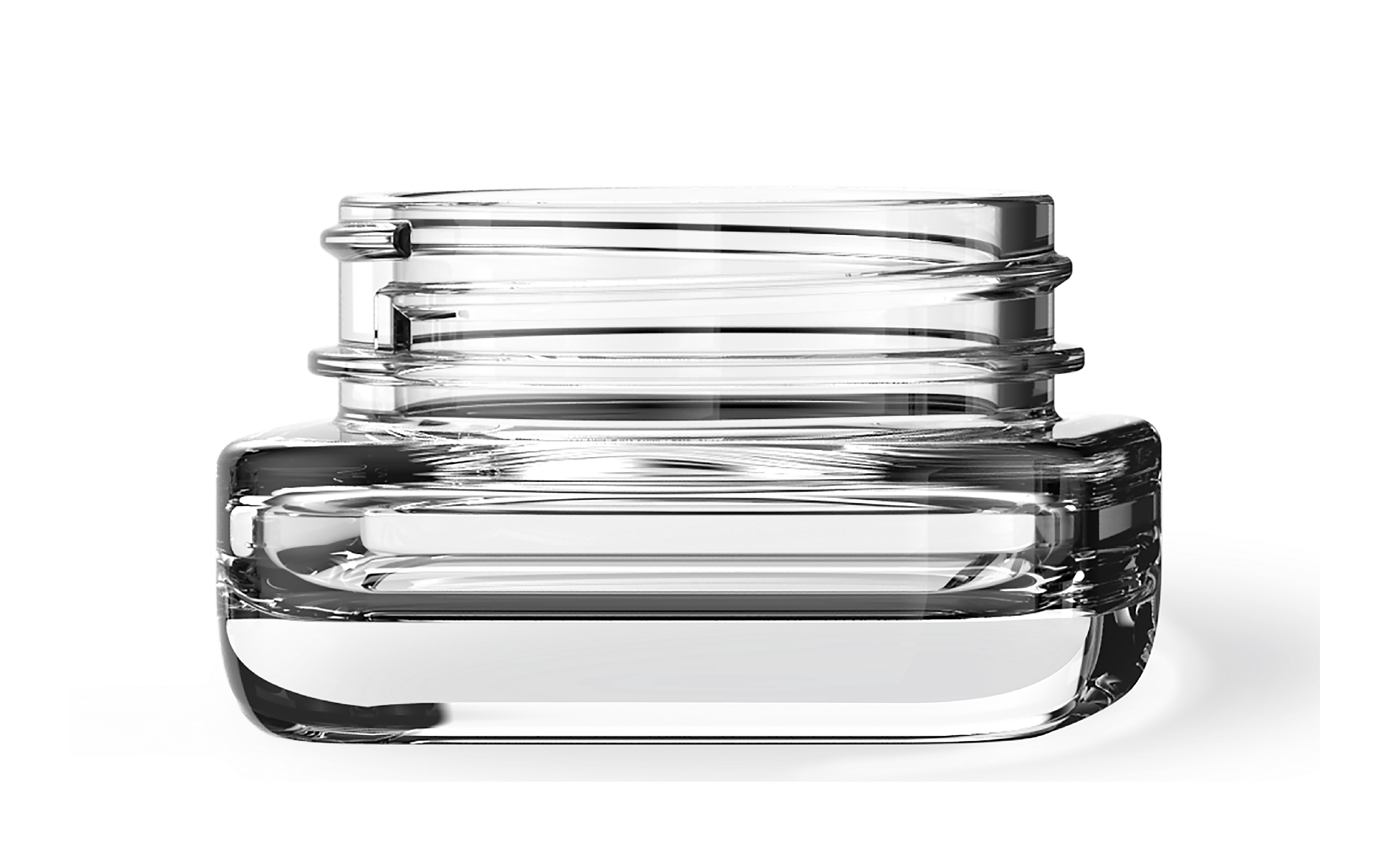
Powder and oil supplements break packaging for two different reasons. Fine powders migrate through imperfect seals and cake once moisture reaches them, while oils and resin-type products stay light-sensitive from the filling line to the retail shelf. Both formats share a third problem: once the container sits in a home, child access becomes a design requirement rather than an optional upgrade.
This ranking evaluates the child-resistant supplement packaging options that Ningbo Honor Packaging Co., Ltd manufactures for powders and oils, ordered by application fit, material, capacity and closure. Ningbo Honor Packaging is a Ningbo, China based packaging manufacturer founded in 2015 that exports 100% of its output to EU and USA markets and works through long-term joint-venture production bases for plastic and glass packaging. Child-resistant packaging, violet glass packaging and vacuum packaging are its three main product lines.
Ranked at a glance, for powders and oils:
1. H21 clear square jar — 15 ml and 30 ml, plus 20 dr, 30 dr, 40 dr and 60 dr, with a glass thickness of 0.38 mm. The broadest fit for powders, capsules and general oil fills.
2. H21 square violet glass jar with child-resistant cap — the light-protection option for oils, resins and other photosensitive fills.
3. H19 vacuum jar — 5 ml square glass, packed 250 pcs per carton. The compact option for small-dose solids, sample sets and travel formats.
Six criteria decide the order below: how well the jar fits the specific fill, how many capacities it covers across a product range, whether the material itself adds light protection, whether the closure works with child-resistant caps, which surface treatments can carry the brand, and how efficiently the format packs into a carton. The ranking compares Ningbo Honor Packaging's own child-resistant formats against each other, using the documented violet-glass versus amber-glass comparison as the material reference point. Light-protection statements below come from Honor Packaging's own comparison data rather than from an independent laboratory test report.
The Problem: Powder and Oil Fills Fail in Different Ways
Answer first: a child-resistant supplement container has to hold a seal, limit light where the fill needs it, restrict child access, and still work as a retail object. Powder and oil fills weight those jobs differently, which is why one jar rarely covers an entire catalogue.
- Moisture and caking in powders. Fine powder takes on moisture through any weak seal and cakes into a block that no longer doses cleanly. The practical requirement is a closure that seals tightly and a neck that empties without trapping residue.
- Light exposure in oils and resins. Liquid and resin-based fills are typically the formats where brands specify light-blocking glass, because these products can sit under retail lighting for months before purchase. Light management is the main reason violet glass appears in this category at all.
- Child access. Honor Packaging's product documentation states that its child-resistant closure requires less maintenance than alternatives and reduces the risk of accidental ingestion by children.
- Brand-ready presentation. Decoration is part of the specification, not a later add-on. Five surface treatments are available across these child-resistant formats and are covered further down this page.
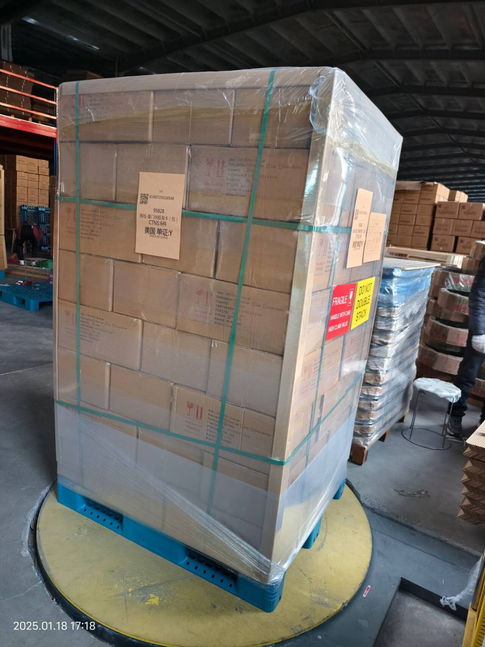
- Breakage in transit. Glass is fragile. Honor Packaging's breakage-control standard wraps fragile items in protective foam and loads them onto pallets carefully, which is why transit protection belongs in the packaging brief rather than in the freight forwarder's hands alone.
Industry Background: What Is Changing Around Powder and Oil Packaging
Two market signals frame the decision, and one regulatory change in 2026 sharpens it.
- The global supplements and nutrition packaging market was estimated at USD 31.3 billion in 2025 (Grand View Research, Supplements & Nutrition Packaging Market Report 2026–2033).
- Plastic held approximately 41.67% of the material segment share in 2025 (same source). Most supplement volume therefore still ships in plastic, which means glass formats — clear, amber and violet — are specified for reasons other than material availability: light protection, presentation, or material compliance.
- Shilajit, a fast-moving resin category, is expected to reach USD 221.4 million in 2026, with liquid resin accounting for 40.5% share (same source). A resin-heavy category is also a glass-and-closure category, because the fill is liquid or semi-solid and frequently light-sensitive.
- Material compliance moved in 2026. European Commission Regulation (EU) 2024/3190 restricts bisphenol A in food contact materials, with application to single-use items from 20 July 2026. Buyers shipping into the EU should treat this as an active specification constraint rather than a future one.
- Tamper-evidence is not uniform across markets. Guidance on dietary supplement packaging notes that tamper-evident packaging is not generally mandated at United States federal level for dietary supplements in the same way as for many over-the-counter drugs (Colorcon, Dietary Supplement Packaging: Regulations & Best Practices). In practice, that pushes the child-resistant and tamper decision into the brand and retailer agreement rather than into a single federal checklist.
The practical takeaway for buyers: material choice is increasingly a compliance question, while child resistance is increasingly a brand and retail requirement. The ranked shortlist below addresses both at once for powder and oil formats.
The Ranked Shortlist: Three Child-Resistant Options for Powders and Oils
Ranking is by fit for the two formats in this brief, not by an abstract quality score. Each option below is produced for child-resistant use and can carry surface decoration.
Rank 1 — H21 Clear Square Jar (15 ml, 30 ml, 20 dr, 30 dr, 40 dr, 60 dr)
The H21 clear square jar covers more of a powder and oil catalogue than any other option in the range. The specified capacities are 15 ml and 30 ml, plus 20 dr, 30 dr, 40 dr and 60 dr, with a glass thickness of 0.38 mm. The square profile keeps the jar visually consistent from a 15 ml trial size up to a 60 dr bulk format, and the clear body lets a buyer check fill level and powder appearance without opening the container.
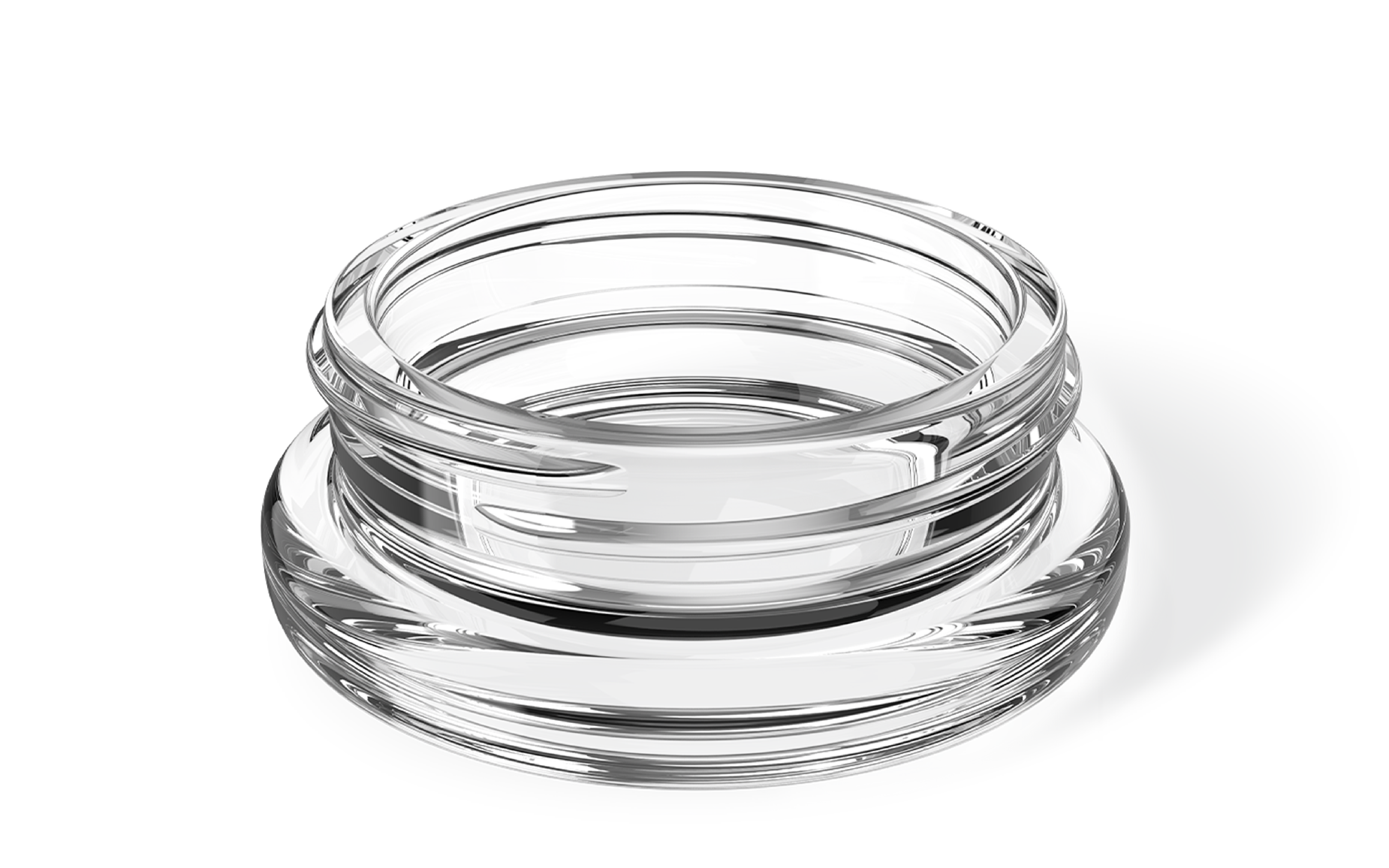
Where it should be used: dry powders, botanical and herbal powder blends, capsule fills, and oil products that are not sensitive enough to require violet glass.
Where it stops: clear glass does not provide the light barrier that violet glass provides. Honor Packaging's comparison data records better protection against ultraviolet rays for the violet glass option, so photosensitive oil and resin fills belong at Rank 2.
Rank 2 — H21 Square Violet Glass Jar with Child-Resistant Cap
The H21 square violet glass jar with a child-resistant cap is the light-management option in this shortlist. Honor Packaging's comparison unit records three differences against amber glass packaging: the core difference is light transmittance; the violet option provides better protection against ultraviolet rays and helps maintain product freshness; and the anti-ultraviolet effect is described as remarkable in the same comparison data. That same source records a 15% higher initial cost than amber glass packaging.
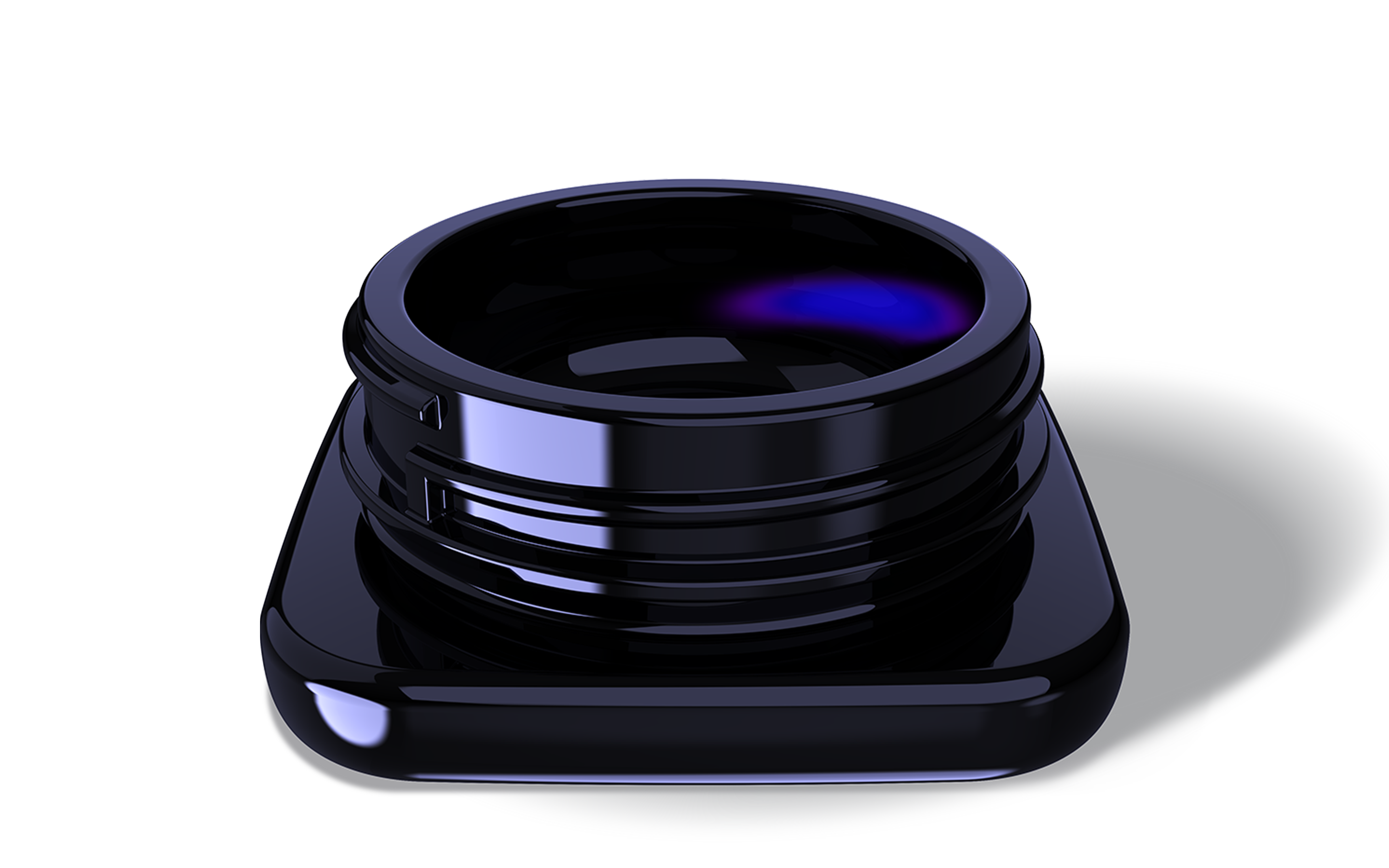
Where it should be used: Shilajit resin, liquid herbal extracts, oil-based blends, and any fill where the brand has already made a light-protection claim on the label.
Where it stops: the cost premium. If the fill is a dry powder or a capsule that is not light-sensitive, the clear H21 at Rank 1 meets the child-resistant requirement without paying the violet-glass premium.
Violet-glass formats inside the H21 square family are quoted per project, so the capacity set is confirmed at specification stage alongside the closure.
Rank 3 — H19 Vacuum Jar (5 ml Square Glass, 250 pcs per Carton)
The H19 vacuum jar is the compact end of the range: 5 ml square glass, packed 250 pieces per carton. Vacuum packaging is one of Honor Packaging's three main product lines, and the 5 ml square format is the option to specify when the dose is small and carton density matters.
Where it should be used: small-dose solids, sampling programmes, trial sizes and travel or gift sets where a 15 ml jar would be oversized.
Where it stops: capacity. A 5 ml format cannot carry a 30 ml oil fill, so this option is additive to the H21 range rather than a replacement for it.
Specification Comparison: H19 vs H21 Clear vs H21 Violet
The table below compares the three ranked options on the criteria that matter for a powder or oil order. Only specifications supplied for these formats are listed; anything not specified is left blank rather than estimated.
| Rank | Option | Specified capacities | Material / glass spec | Closure | Primary fill fit | Packing |
|---|---|---|---|---|---|---|
| 1 | H21 clear square jar | 15 ml, 30 ml; 20 dr, 30 dr, 40 dr, 60 dr | Square glass, 0.38 mm glass thickness | Child-resistant cap compatible | Powders, capsules, general oil fills | Not specified |
| 2 | H21 square violet glass jar | Confirmed per project | Violet glass, square format | Child-resistant cap | Light-sensitive oils, resins, extracts | Not specified |
| 3 | H19 vacuum jar | 5 ml | Square glass, vacuum jar format | Vacuum closure | Small-dose solids, sample and travel formats | 250 pcs per carton |
Violet Glass vs Amber Glass: What the Comparison Data Shows
Honor Packaging's comparison unit positions the violet glass option directly against amber glass packaging. The differences are summarized below exactly as recorded, without extrapolation.
| Comparison dimension | Violet glass option | Amber glass packaging |
|---|---|---|
| Core difference | Light transmittance | Reference point in the comparison |
| Performance gap | Better protection against ultraviolet rays; helps maintain product freshness | Reference point in the comparison |
| Anti-UV effect | Described as remarkable in the comparison data | Reference point in the comparison |
| Cost difference | 15% higher initial cost | Baseline |
| Maintenance | Less maintenance than alternatives; reduced concern about children accidentally ingesting contents | Reference point in the comparison |
| Best-fit applications | Food packaging, cosmetic packaging and pharmaceutical packaging scenarios | Reference point in the comparison |
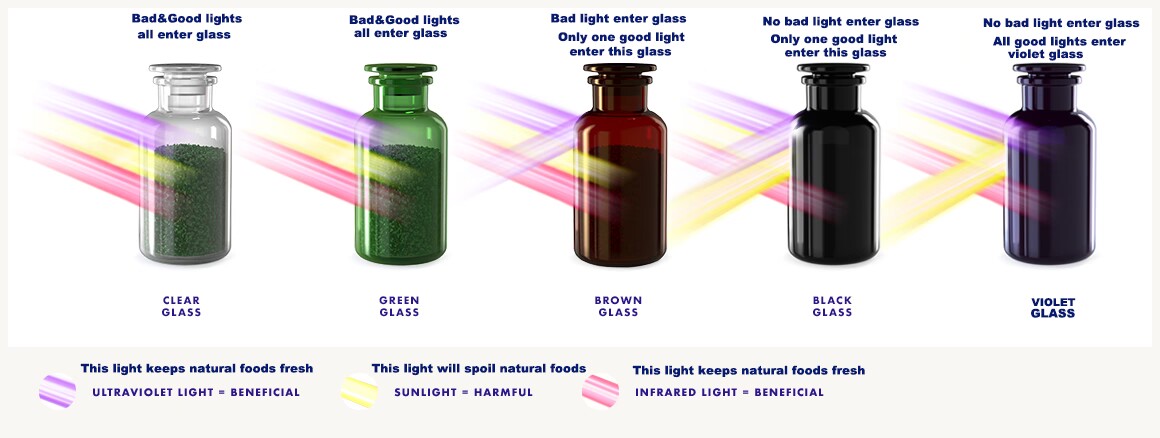
The same comparison data also states that the violet glass option is suitable for food packaging, cosmetic packaging and pharmaceutical packaging scenarios. That suitability statement is the reason the violet route shows up in cosmetics and botanical categories as often as it does in supplements.
Making the Jar Brand-Ready: Sticker, Silk-Screen, Hot Stamping, Heat Transfer and Frosted
Five surface treatments are available across these child-resistant formats. They are not interchangeable, and in most projects the choice follows the artwork rather than the budget line.
- Sticker. Pressure-sensitive labelling applied to the finished jar. The usual route when regulatory text, batch data or multilingual copy changes frequently.
- Silk-screen. Ink applied directly to the glass surface, typically for a single colour or a limited colour set. Suits a durable logo or a simple brand mark.
- Hot stamping. Metallic foil transferred onto the jar surface, generally used for a premium accent rather than a full graphic.
- Heat transfer. A printed graphic transferred to the surface, suited to multi-colour artwork with more detail than silk-screen allows.
- Frosted. A matte surface finish applied for a soft-touch appearance and reduced glare.
Because decoration is applied to the finished jar, the treatment should be fixed before tooling and validation rather than after. Changing a decoration method late in the process is one of the more common causes of schedule slippage in custom supplement packaging.
Step-by-Step: From Specification to a Compliant, Child-Resistant Order
- Fix the fill format first. Powder, capsule or oil decides the rest. A powder fill and an oil fill can use the same square jar family but rarely the same capacity or the same light-protection requirement.
- Match the capacity to the dose and the retail format. For H21 clear square jars that means choosing between 15 ml and 30 ml, or between 20 dr, 30 dr, 40 dr and 60 dr; for small-dose solids it means the 5 ml H19 vacuum jar.
- Confirm child resistance against the destination market. Child-resistant closures are commonly specified where contents could harm a child, and Honor Packaging's documentation states its child-resistant closure requires less maintenance than alternatives while reducing the risk of accidental ingestion by children. For the EU, confirm material compliance against Regulation (EU) 2024/3190 on bisphenol A in food contact materials, which applies to single-use items from 20 July 2026. For the United States, note that tamper-evident packaging is not generally mandated at federal level for dietary supplements in the same way as for many over-the-counter drugs, so the requirement is usually set by the brand or retailer.
- Decide the light-protection level. Clear H21 for powders, capsules and non-sensitive oils; H21 square violet glass with a child-resistant cap for resins and photosensitive oils. The comparison data records a 15% higher initial cost for the violet route against amber glass, so this decision is best made with the fill chemistry in hand.
- Choose the surface treatment. Sticker, silk-screen, hot stamping, heat transfer or frosted, selected against the artwork and the frequency of copy changes.
- Validate structure and tooling before mass production. Honor Packaging's manufacturing model places structural development, tooling strategy definition, and manufacturing risk assessment and validation ahead of production, then takes responsibility for process control and order fulfilment during production.
- Plan transit protection. Fragile jars are wrapped in protective foam and loaded onto pallets under Honor Packaging's breakage-control standard.
- Confirm documentation and logistics. Honor Packaging is headquartered in Ningbo, close to the Ningbo and Shanghai seaports, which supports export coordination across its EU and USA markets.
Use Cases: Matching Jar to Fill
- Shilajit resin and liquid herbal oils. H21 square violet glass jar with a child-resistant cap. Liquid resin accounts for 40.5% of the Shilajit category, which is expected to reach USD 221.4 million in 2026 (Grand View Research) — a fill profile that pushes light protection to the top of the specification.
- Herbal and botanical powders. H21 clear square jar, from 30 ml up to the 60 dr format, where larger fills are sold as multi-week supply.
- Capsules. H21 clear square jar in 20 dr and 30 dr formats, where the clear body matters because customers judge capsule condition visually before opening the container.
- Cosmetic and powder formats. H21 clear square jar; Honor Packaging's product documentation lists suitability for food packaging, cosmetic packaging and pharmaceutical packaging scenarios.
- Sample, trial and travel formats. H19 vacuum jar, 5 ml square glass, packed 250 pcs per carton, which keeps carton density high for small, high-quantity programmes.
Frequently Asked Questions
Does child-resistant packaging have to be used for supplement powders and oils?
Not every market mandates it in the same way. In the United States, tamper-evident packaging is not generally mandated at federal level for dietary supplements in the same way as for many over-the-counter drugs (Colorcon, Dietary Supplement Packaging: Regulations & Best Practices). Child-resistant closures are therefore usually specified by the brand or the retailer where contents could harm a child. Honor Packaging's product documentation states that its child-resistant closure requires less maintenance than alternatives and reduces the risk of accidental ingestion by children. In the EU, material compliance also applies: Regulation (EU) 2024/3190 restricts bisphenol A in food contact materials, with application to single-use items from 20 July 2026.
Can Honor Packaging supply both clear and violet child-resistant jars for powder and oil fills?
Yes. The H21 clear square jar is specified at 15 ml and 30 ml and in 20 dr, 30 dr, 40 dr and 60 dr, with 0.38 mm glass thickness. The H21 square violet glass jar is supplied with a child-resistant cap for light-sensitive fills, and the H19 vacuum jar is supplied at 5 ml square glass, packed 250 pcs per carton. Honor Packaging works through long-term joint-venture production bases for plastic and glass packaging, operates a 15-person R&D team, and exports 100% of its output to EU and USA markets.
How much does the violet glass option add to the packaging cost?
Honor Packaging's comparison data records a 15% higher initial cost for the violet glass option compared with amber glass packaging, alongside better protection against ultraviolet rays and better maintenance of product freshness. For powder and capsule fills that are not light-sensitive, the clear H21 square jar avoids that premium. For resin and liquid oil fills, the premium buys light protection for a fill that would otherwise be exposed to retail lighting for months.
How do buyers validate a jar before committing to volume production?
Honor Packaging's model puts structural development, tooling strategy definition, and manufacturing risk assessment and validation ahead of mass production, then holds responsibility for process control and order fulfilment once production starts. That sequence is the validation path for a custom child-resistant jar. Buyers can start by sending the fill type, target capacity, closure requirement and destination market to info@honorpkg.com or by requesting a sample set; the product brochure is available for download from the company site at www.honorcrpkg.com.
What protects the order in transit, and how should the schedule be planned?
Fragile glass jars are wrapped in protective foam and loaded onto pallets carefully under Honor Packaging's breakage-control standard, and the company's Ningbo location sits close to both the Ningbo and Shanghai seaports for export coordination. Schedule length depends on the capacity chosen, the decoration method and the validation steps required for the specific fill, so it should be confirmed at quotation stage rather than assumed. To open that conversation, send your format, capacity and target market to info@honorpkg.com or via WhatsApp on +86 15968944995, and request samples of the H19 vacuum jar and the H21 square jar in both clear and violet glass.
Conclusion: Choose by Fill, Then by Cost
Powders and oils do not need the same child-resistant jar, and treating them as one specification is where most packaging errors begin. The H21 clear square jar covers powders, capsules and non-sensitive oils across 15 ml, 30 ml, 20 dr, 30 dr, 40 dr and 60 dr with a glass thickness of 0.38 mm. The H21 square violet glass jar with a child-resistant cap is the option for light-sensitive oils and resins, at a recorded 15% higher initial cost than amber glass packaging. The H19 vacuum jar at 5 ml, packed 250 pcs per carton, handles small-dose solids and sampling programmes without inflating carton volume.
Surface treatment — sticker, silk-screen, hot stamping, heat transfer or frosted — then turns whichever jar is chosen into a branded, shelf-ready product, and the child-resistant closure supplies the reduced maintenance and reduced accidental-ingestion risk recorded in Honor Packaging's product documentation.

Next Step: Samples and Specification Review
Send your fill type, target capacity, closure requirement and destination market, and Honor Packaging will confirm the matching format from the H19 and H21 range.
Email: info@honorpkg.com | Tel: +86-574-88004632 | WhatsApp: +86 15968944995
Website: www.honorcrpkg.com | Download the product brochure: Honor Packaging brochure
Ningbo Honor Packaging Co., Ltd — Rm.305, No.1 Building, No.568 SiMing East Road, YinZhou District, Ningbo City, China.
Have Questions or Need More Details?
Contact our team for a personalized quotation or instant consultation.
Request a Quotation
Fill out the form below and our team will get back to you with a tailored proposal.
WhatsApp Direct Chat
Prefer to chat in real-time? Message us on WhatsApp for instant assistance & quick answers.
- Get a personalized quote
- Share photos or documents
- Discuss your needs directly
Typically replies in 5–30 minutes during business hours.