
Supplement Packaging Explained: Violet Glass Jar and Bottle Formats from Ningbo Honor Packaging
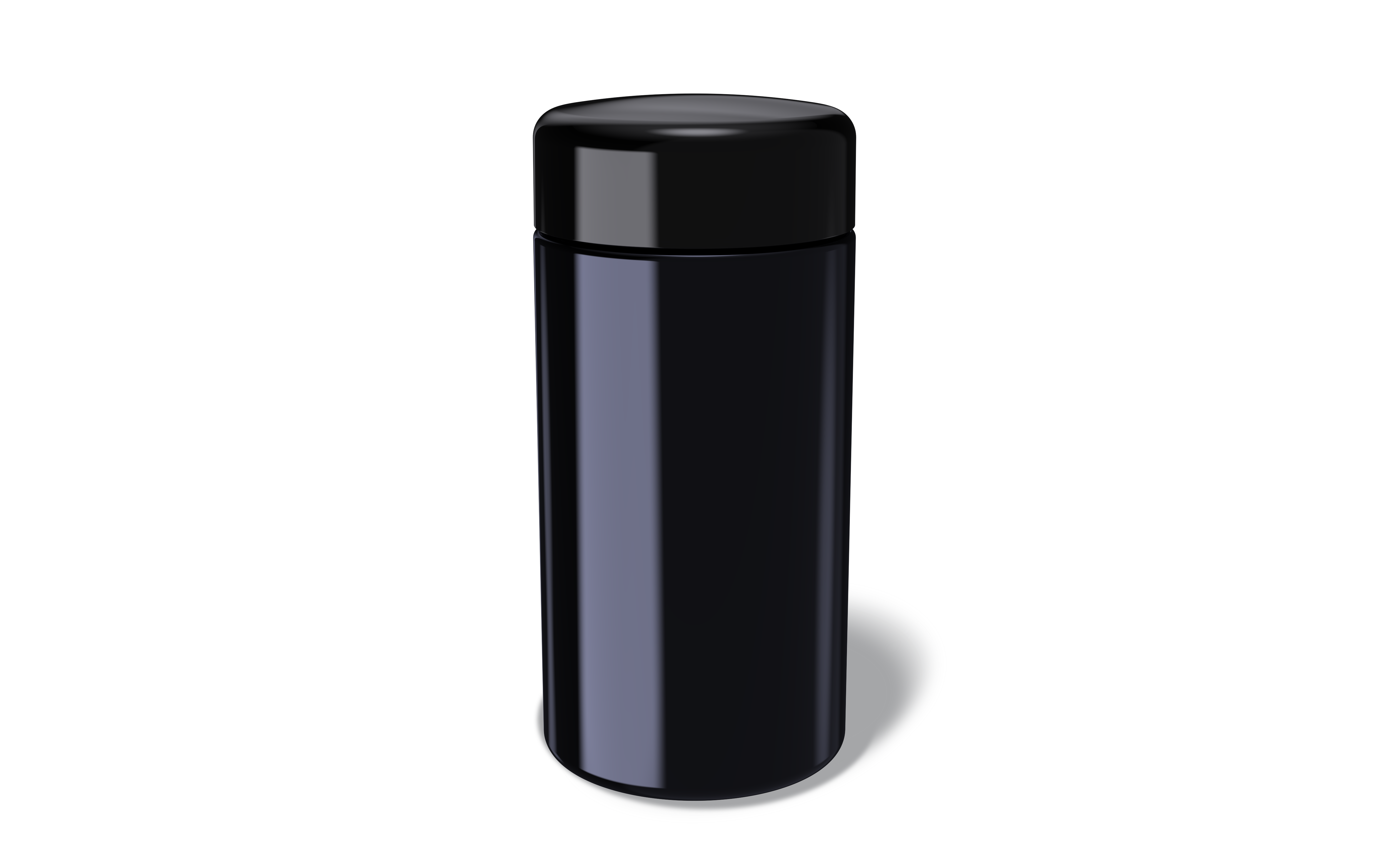
Violet glass supplement packaging resolves into three format families: wide mouth jars for bulk and powder fills, small cosmetic-style jars for resin, cream and paste textures, and round bottles for liquids, oils and tinctures. Ningbo Honor Packaging Co., Ltd. (Honor Packaging), a Ningbo-based packaging manufacturer founded in 2015 whose main markets are the EU and the USA, produces the HDV1 wide mouth violet jar line from 100 ml to 1 L with 41/400 to 89/400 threads, the HDV2 cosmetic violet jar line from 3 ml to 200 ml with 32/400 to 89/400 threads, and the HDV3 round violet glass bottle line from 5 ml to 100 ml with plastic cap, dropper, mist sprayer or lotion pump closures.
This explainer is written for supplement brand owners, importers and OEM buyers working through research and evaluation. It sets out what each format family accepts, how capacity, thread, glass thickness of 0.38 mm and surface treatment map onto supplement dosage and presentation needs, and which points to settle before a purchase order is placed.
The Problem: Most Violet Glass Packaging Mistakes Are Specification Mistakes
The format decision in violet glass packaging is rarely about colour. It is about whether a jar or bottle accepts the fill, the closure and the decoration the product requires at the volume the brand actually sells. When one of those three elements is chosen before the others, the specification has to be rebuilt — usually after artwork has already been approved.
Five mismatches account for most of the rework:
- Capacity against dose. A wide mouth jar built for a 500 ml powder fill is the wrong container for a 10 ml herbal resin. The HDV1 line starts at 100 ml, the HDV2 line runs from 3 ml to 200 ml, and the HDV3 line covers 5 ml to 100 ml — the fill volume decides which of the three lines is even in scope.
- Thread against closure availability. HDV1 uses 41/400 to 89/400 threads and HDV2 uses 32/400 to 89/400 threads. A closure that does not match the thread cannot be substituted later without changing the neck finish.
- Format against product texture. A viscous resin or a cream needs a wide mouth opening; a free-flowing oil needs a narrow neck that accepts a dropper or a pump.
- Decoration against surface. Sticker, silk-screen printing, heat transfer printing, hot stamping and frosted finish behave differently on a 3 ml cosmetic jar compared with a 1 L wide mouth jar, and the HDV3 line documents label, silk-screen printing and gold stamping instead.
- Order volume against minimum order quantity. Honor Packaging applies a minimum order quantity of 10,000 units to custom production, so the format choice has to be one a brand can justify at that scale.
Industry Background: Where Violet Glass Fits in Supplement Packaging Today
Supplement packaging sits inside a large and still-expanding commercial category, but the part relevant to this decision is narrower: the container that touches the ingredient.
- Commercial research from Grand View Research estimates the global supplements and nutrition packaging market at USD 31.3 billion in 2025.
- The same research places plastic at approximately 41.67% of the material segment share in 2025 — glass formats compete with plastic on protection and presentation rather than on volume alone.
- Niche botanical categories are pulling small-format glass forward. Commercial research expects the global Shilajit market to reach USD 221.4 million in 2026, with liquid resin accounting for 40.5% of that share — a resin format that needs a wide mouth or a dropper bottle rather than a standard powder tub.
- Regulation is tightening on the closure side. EU Regulation (EU) 2024/3190 bans Bisphenol A (BPA) in food contact materials and applies to single-use items from 20 July 2026, which puts closure and liner material documentation into the specification conversation.
- Tamper-evidence expectations differ by market. For dietary supplements in the United States, tamper-evident packaging is not generally mandated at federal level in the same way as it is for many over-the-counter drugs, so tamper-proof requirements typically come from the brand, the retailer or the destination market rather than from federal supplement rules.
The Three Violet Glass Format Families Explained
Honor Packaging groups violet glass packaging into three model families — HDV1, HDV2 and HDV3 — each defined by opening type, capacity band and closure family. The item codes below are the specification identifiers a buyer would reference on a quotation.
HDV1 — Wide Mouth Violet Jars, 100 ml to 1 L
HDV1 is the bulk and powder line. Capacities run from 100 ml to 1 L, the thread ranges from 41/400 to 89/400, the outer diameter is 48 mm to 95 mm, and heights run from 84.7 mm to 193 mm. Unit weights range from 117 g to 610 g, glass thickness is 0.38 mm, and the base materials are violet glass with urea, PE, SAN and ABS components.
Item codes: HDV1100M-1-CR, HDV1100M-1, HDV1100M-2, HDV1150M, HDV1200M, HDV1250M, HDV1300M, HDV1500M and HDV1001L. The HDV1100M-1-CR code is the child-resistant variant listed for the 100 ml entry point.
HDV2 — Cosmetic Violet Jars, 3 ml to 200 ml
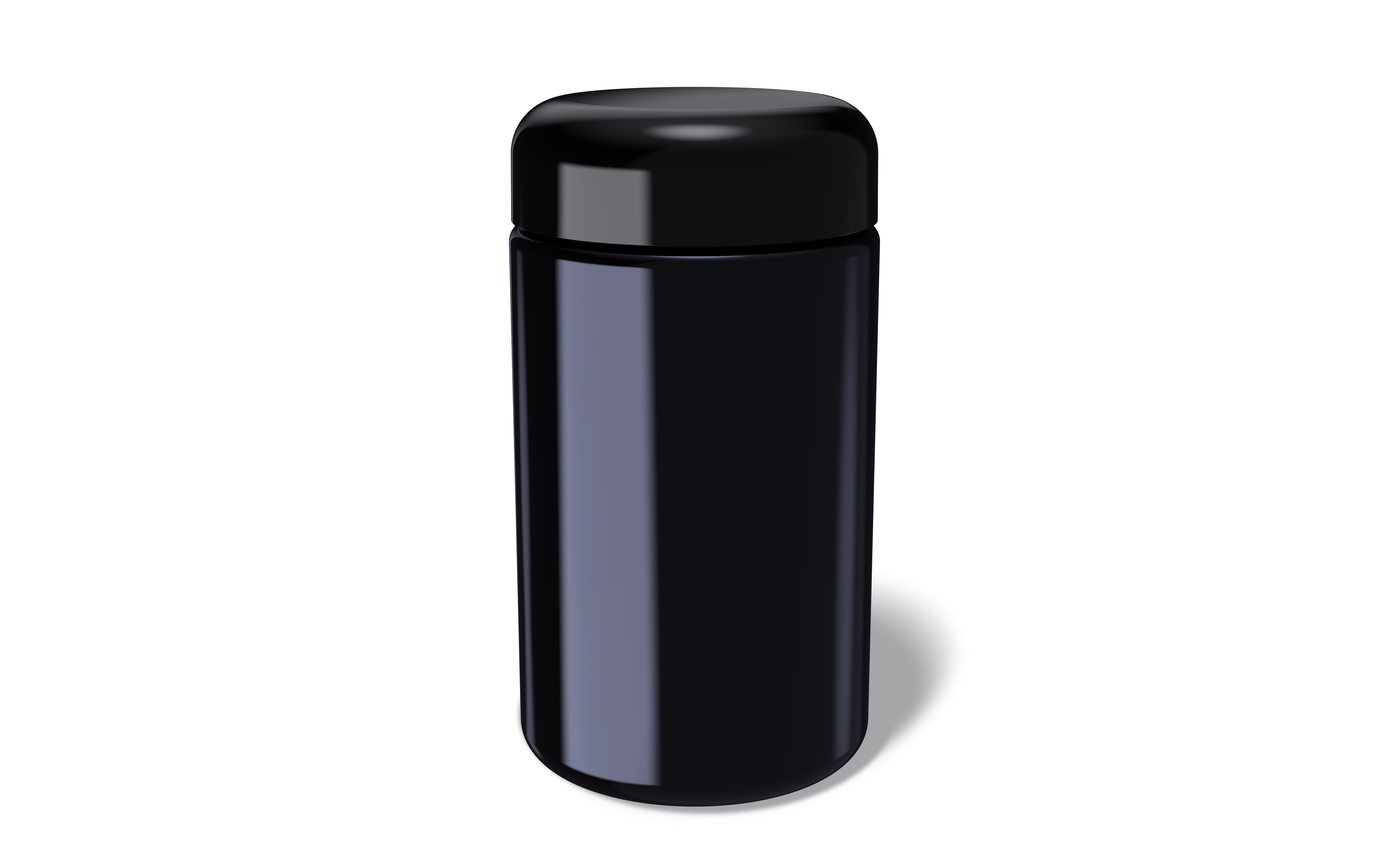
HDV2 covers small-format presentation: 3 ml, 5 ml, 10 ml, 30 ml, 50 ml, 60 ml, 100 ml and 200 ml. Threads run from 32/400 to 89/400, diameters from 36 mm to 93.2 mm, heights from 25.6 mm to 55 mm, and unit weights from 36 g to 205 g. Glass thickness is 0.38 mm and the materials are violet glass with urea and PE.
Item codes: HDV2003M, HDV2005M, HDV2005M-CR, HDV2010M, HDV2030M, HDV2050M, HDV2060M, HDV2100M and HDV5200M. The HDV2005M-CR code is the child-resistant variant listed for the 5 ml entry point.
HDV3 — Round Violet Glass Bottles, 5 ml to 100 ml
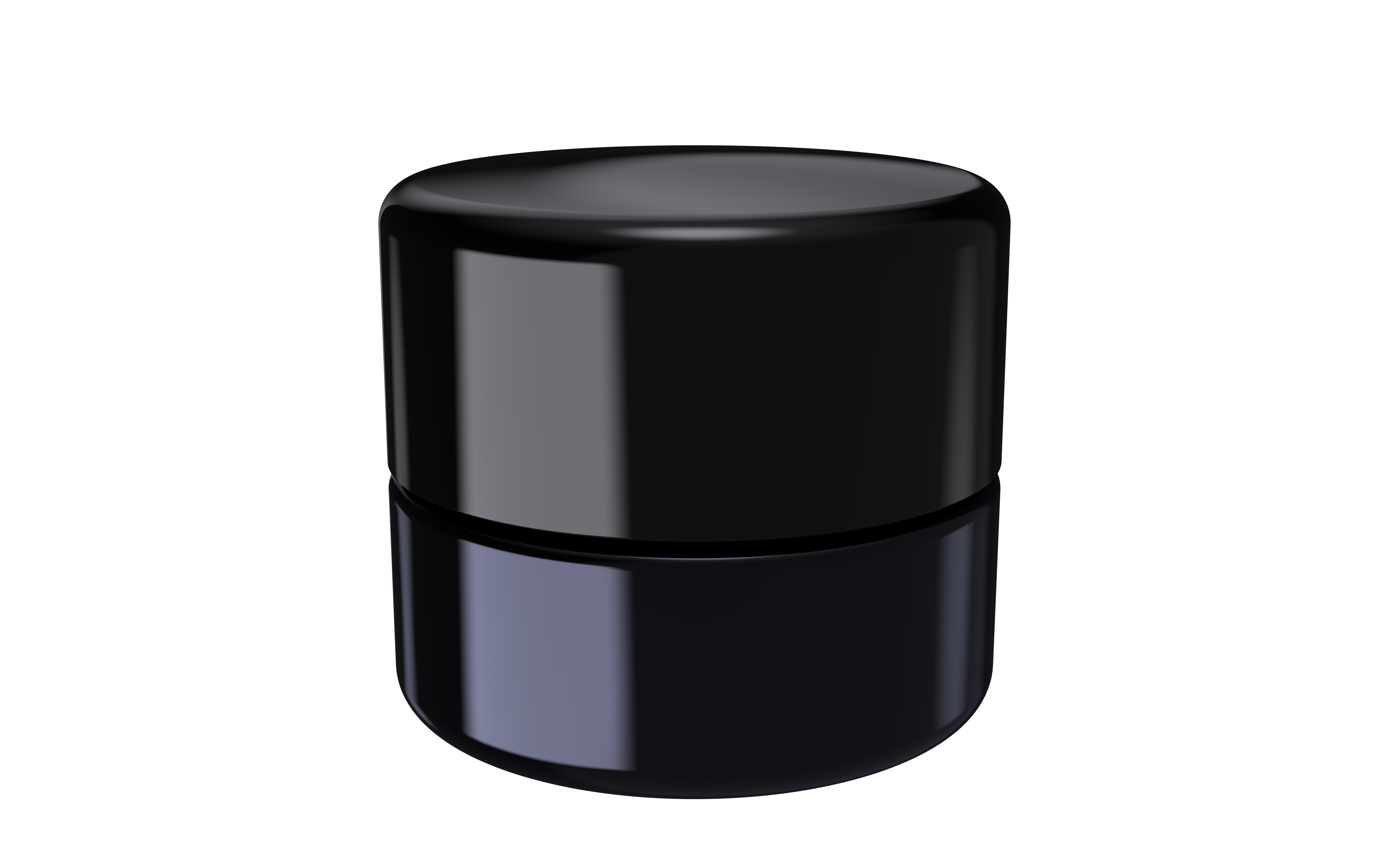
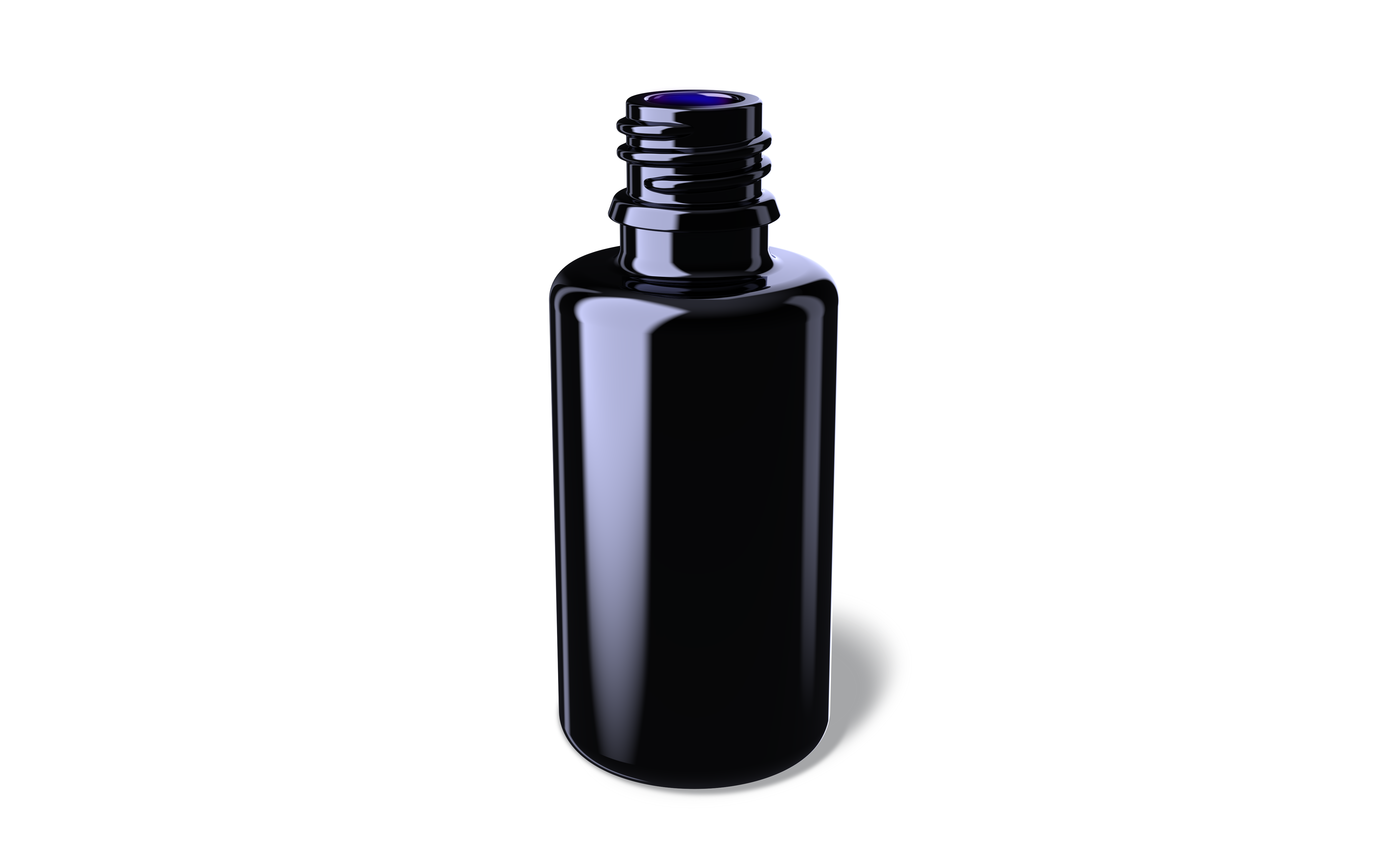
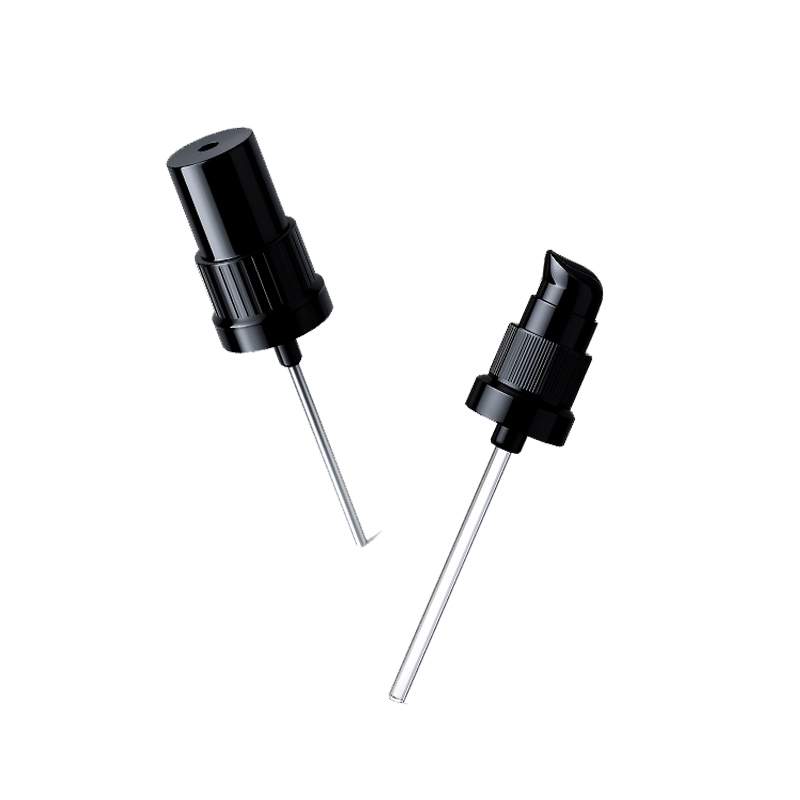
HDV3 is the bottle line for liquids, oils and tinctures: 5 ml, 10 ml, 15 ml, 20 ml, 30 ml, 50 ml, 60 ml and 100 ml. Heights run from 54.5 mm to 125 mm and unit weights from 22.5 g to 120 g. The base material is violet glass with PP, and the closure set is the widest of the three families — plastic cap, dropper, mist sprayer or lotion pump.
Item codes: HDV3005M, HDV3010M, HDV3015M, HDV3020M, HDV3030M, HDV3050M, HDV3060M and HDV3100M.
Step-by-Step: Matching Format, Capacity and Closure to a Supplement Line
Step 1 — Fix the dose and the fill volume first
Establish the delivered dose and the number of doses per unit. That single number eliminates most of the range: a 10 ml resin dose points at HDV2 or HDV3, while a 250 g powder programme points at HDV1. Nothing else in the specification can be chosen responsibly until this is settled.
Step 2 — Choose the opening type: jar or bottle
Jars (HDV1 and HDV2) suit scooping, dipping and thick textures. Bottles (HDV3) suit pouring, dropping and spraying. HDV2 sits between the two: it uses jar geometry across 3 ml to 200 ml, which is why it is specified for cosmetic-adjacent supplement formats such as resin, balm and cream.
Step 3 — Match the thread to the closure you intend to run
HDV1 uses 41/400 to 89/400 threads; HDV2 uses 32/400 to 89/400. Where child resistance is a requirement — the corpus application record for this category lists child-resistant design together with UV-protective dark glass as a stated requirement, and describes the scenario as common in Canada — the child-resistant codes in the item lists (HDV1100M-1-CR and HDV2005M-CR) are the relevant starting points rather than a retrofitted cap.
Step 4 — Confirm diameter, height and weight against the filling and packing line
These are the dimensions that decide whether an existing filling line, capping head and carton still work. HDV1 spans 48 mm to 95 mm in diameter, 84.7 mm to 193 mm in height and 117 g to 610 g in weight. HDV2 spans 36 mm to 93.2 mm, 25.6 mm to 55 mm and 36 g to 205 g. HDV3 spans 54.5 mm to 125 mm in height and 22.5 g to 120 g in weight. Empty-container weight is also a freight and handling input on export orders.
Step 5 — Select the surface treatment against the artwork
HDV1 and HDV2 both document sticker, silk-screen printing, heat transfer printing, hot stamping and frosted finish. HDV3 documents label, silk-screen printing and gold stamping. Where a brand needs a matte or luxury gift presentation, the frosted finish is the documented option on the jar lines, and gold stamping is the documented option on the bottle line.
Step 6 — Validate before mass production, then run to a controlled process
Honor Packaging's stated working model is to be involved before mass production in product structural development, tooling strategy definition, and critical manufacturing risk assessment and validation, and then to take responsibility during mass production for process control and order fulfilment. For a buyer, that is the stage at which thread fit, closure torque and decoration placement are confirmed rather than assumed.
Glass Thickness, Weight and Surface Treatment: What Actually Varies
Glass thickness of 0.38 mm is specified for both HDV1 and HDV2. For HDV3, the published specification documents height (54.5 mm to 125 mm) and weight (22.5 g to 120 g) rather than thickness. Buyers comparing the three lines should therefore treat 0.38 mm as the confirmed figure on the jar families and confirm the bottle specification separately for their project.
Weight spread is wider than most buyers expect: 117 g to 610 g on HDV1, 36 g to 205 g on HDV2, and 22.5 g to 120 g on HDV3. A 1 L wide mouth jar and a 3 ml cosmetic jar belong to the same material family but behave completely differently in packing, freight and shelf presence.
| Surface treatment | HDV1 wide mouth jars | HDV2 cosmetic jars | HDV3 round bottles |
|---|---|---|---|
| Sticker | Documented | Documented | Not listed (label documented) |
| Silk-screen printing | Documented | Documented | Documented |
| Heat transfer printing | Documented | Documented | Not listed |
| Hot stamping | Documented | Documented | Not listed (gold stamping documented) |
| Frosted (matte) finish | Documented | Documented | Not listed |
| Label | Not listed | Not listed | Documented |
Comparison Table: HDV1 vs HDV2 vs HDV3
| Specification | HDV1 wide mouth violet jars | HDV2 cosmetic violet jars | HDV3 round violet glass bottles |
|---|---|---|---|
| Format type | Wide mouth jar | Cosmetic jar | Round bottle |
| Capacity range | 100 ml to 1 L | 3 ml to 200 ml | 5 ml to 100 ml |
| Item codes | HDV1100M-1-CR, HDV1100M-1, HDV1100M-2, HDV1150M, HDV1200M, HDV1250M, HDV1300M, HDV1500M, HDV1001L | HDV2003M, HDV2005M, HDV2005M-CR, HDV2010M, HDV2030M, HDV2050M, HDV2060M, HDV2100M, HDV5200M | HDV3005M, HDV3010M, HDV3015M, HDV3020M, HDV3030M, HDV3050M, HDV3060M, HDV3100M |
| Thread | 41/400 to 89/400 | 32/400 to 89/400 | Not listed in the published specification |
| Closure | Child-resistant variant listed (HDV1100M-1-CR) | Child-resistant variant listed (HDV2005M-CR) | Plastic cap, dropper, mist sprayer, lotion pump |
| Diameter | 48 mm to 95 mm | 36 mm to 93.2 mm | Not listed |
| Height | 84.7 mm to 193 mm | 25.6 mm to 55 mm | 54.5 mm to 125 mm |
| Unit weight | 117 g to 610 g | 36 g to 205 g | 22.5 g to 120 g |
| Glass thickness | 0.38 mm | 0.38 mm | Not listed in the published specification |
| Surface treatment | Sticker, silk-screen printing, heat transfer printing, hot stamping, frosted finish | Sticker, silk-screen printing, heat transfer printing, hot stamping, frosted finish | Label, silk-screen printing, gold stamping |
| Base material | Violet glass / urea / PE / SAN / ABS | Violet glass / urea / PE | Violet glass / PP |
Use Cases: Matching Violet Glass Formats to Real Supplement Scenarios
The corpus application record for this category describes glass packaging used across food, cosmetic and medical packaging, operating under UV-protective and dust conditions, with child-resistant design and UV-protective dark glass listed as special requirements. In practice the three lines split by scenario:
- Shilajit and herbal resin. Liquid resin formats need a wide mouth or a dropper. HDV2 from 30 ml to 60 ml and HDV3 from 15 ml to 30 ml are the realistic options; the market data cited above puts liquid resin at 40.5% of a USD 221.4 million Shilajit market in 2026.
- Powder supplements. HDV1 from 250 ml to 1 L with 89/400 threads is the bulk powder configuration, and the 0.38 mm wall is the documented thickness across the line.
- Capsule and small-count formats. HDV1 at 100 ml to 300 ml provides a jar presentation for counted fills, with the HDV1100M-1-CR code available where child resistance is required.
- Tinctures, oils and liquid extracts. HDV3 from 10 ml to 60 ml with a dropper closure is the bottle configuration; the same bottle accepts a lotion pump or mist sprayer for non-ingestible formats.
- Cosmetic-adjacent supplement and skincare crossover. HDV2 from 3 ml to 200 ml with 32/400 to 89/400 threads covers small sample jars through to 200 ml tubs, with frosted finish available for a matte presentation.
- Medical and pharmaceutical packaging. The corpus application note states that in the medical packaging industry these products meet special requirements including child-resistant design and UV-protective dark glass protection, and that this application scenario is common in Canada.
A documented reference point: a branding business in Germany has used violet glass packaging for pharmaceutical packaging, ordering 10,000 units, over a three-year period. The recorded result is that the products remained fresh, and the highlighted attributes are reusability and UV protection.
Frequently Asked Questions
Which violet glass formats support child-resistant closures, and what compliance points should be checked first?
Child-resistant variants appear directly in the HDV1 and HDV2 item lists: HDV1100M-1-CR for the HDV1 wide mouth jar line and HDV2005M-CR for the HDV2 cosmetic jar line. Child-resistant design together with UV-protective dark glass is a stated requirement in this category's application record, and the scenario is described as common in Canada. On the compliance side, EU Regulation (EU) 2024/3190 bans Bisphenol A (BPA) in food contact materials and applies to single-use items from 20 July 2026, so closure and liner materials should be documented against the destination market. In the United States, tamper-evident packaging for dietary supplements is not generally mandated at federal level in the same way as for many over-the-counter drugs, which means tamper-proof requirements usually come from the brand, the retailer or the destination market rather than from federal supplement rules.
Can these violet glass formats be produced as custom OEM/ODM orders?
Yes. Honor Packaging operates on OEM and ODM terms, with customization covering printing of client artwork, creation of a new design and frosted finish, among other options. Stated production parameters are a monthly capacity of 100,000 units, a minimum order quantity of 10,000 units, and a lead time of 30 to 45 days. Quality control is described as 100% pre-shipment testing plus third-party inspection (SGS), export markets are the EU, US, Middle East and Southeast Asia, and after-sales policy is to accept reissue. All three violet glass lines — HDV1, HDV2 and HDV3 — fall within this production model.
How should a buyer approach budgeting for violet glass supplement packaging?
Pricing is quoted per project rather than published, because the specification variables differ substantially between the three lines. Documented variables that change between formats include capacity (3 ml to 1 L across the lines), unit weight (22.5 g to 120 g on HDV3, 36 g to 205 g on HDV2 and 117 g to 610 g on HDV1), closure family (plastic cap, dropper, mist sprayer or lotion pump on HDV3; child-resistant variants in HDV1 and HDV2), and surface treatment. A commercially useful quote therefore has to be built on a fixed capacity, a fixed closure and a fixed decoration choice, at a minimum order quantity of 10,000 units. Requesting a quotation against a defined specification is the practical way to compare options on the same basis.
How can a brand validate a violet glass format before committing to mass production?
Validation is positioned before mass production rather than after it. Before mass production, Honor Packaging states that it is deeply involved in product structural development, tooling strategy definition, and critical manufacturing risk assessment and validation; during mass production it takes responsibility for process control and order fulfilment. That sequence is where thread fit, closure behaviour and decoration placement against the actual jar or bottle are confirmed. A German branding business running violet glass packaging for pharmaceutical packaging at 10,000 units over a three-year period recorded that its products remained fresh, with reusability and UV protection noted as the highlights of that use.
What lead time, quality control and after-sales terms apply to a violet glass order?
Published parameters are a lead time of 30 to 45 days, a monthly capacity of 100,000 units, and a minimum order quantity of 10,000 units. Quality control is 100% pre-shipment testing with third-party inspection (SGS), and after-sales policy is to accept reissue. Lead time is measured from a settled specification, which is why the format, thread and surface treatment decisions in the steps above should be closed before the order is scheduled. To move from evaluation to a firm date, request a sample and a quotation against your target capacity — Honor Packaging can be reached at info@honorpkg.com or on WhatsApp at +86 15968944995.
Conclusion: Decide the Fill, Then the Format
Violet glass supplement packaging becomes straightforward once the sequence is correct. Fix the dose and fill volume, and the choice narrows immediately: HDV1 wide mouth jars from 100 ml to 1 L for bulk and powder, HDV2 cosmetic jars from 3 ml to 200 ml for resin and cream textures, and HDV3 round bottles from 5 ml to 100 ml for liquids, oils and sprays. Match the thread — 41/400 to 89/400 on HDV1, 32/400 to 89/400 on HDV2 — and close the closure question before artwork, including child-resistant codes HDV1100M-1-CR and HDV2005M-CR where they apply. Confirm 0.38 mm wall construction on the jar lines, confirm dimensions and unit weight against the filling and packing line, and select the surface treatment the artwork can actually be produced in: sticker, silk-screen printing, heat transfer printing, hot stamping or frosted finish on the jars, label, silk-screen printing or gold stamping on the bottles.
Request a Sample or a Quotation
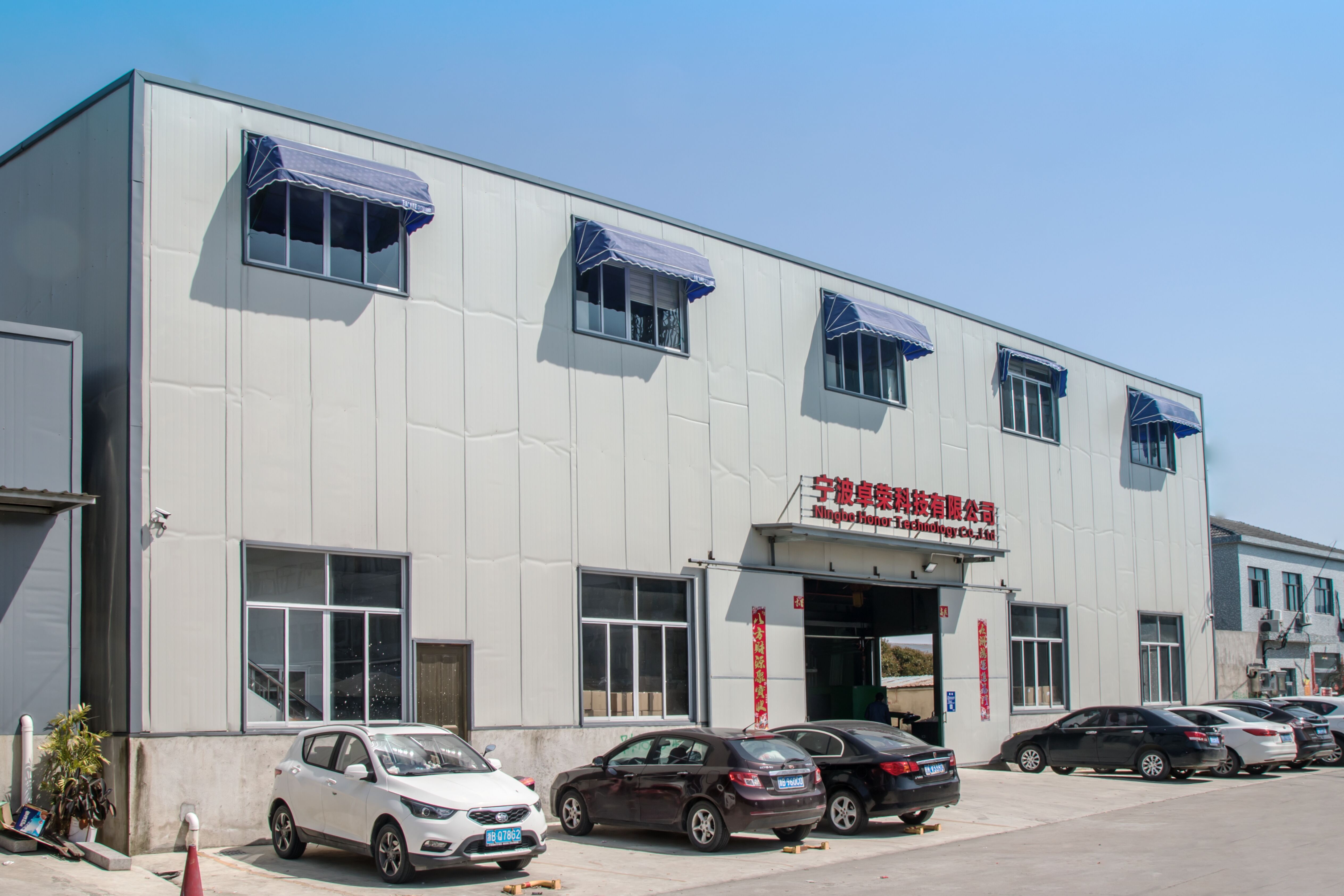
Ningbo Honor Packaging Co., Ltd. was founded in 2015 and is headquartered in Ningbo, China, close to both Ningbo and Shanghai seaports. The company employs 310 people, including a 15-person R&D team, exports 100% of its output, and serves the EU and the USA as its main markets. Its focus is transforming finalized packaging designs into products that can be reliably and consistently mass-produced.
To move a violet glass project forward, send your target capacity, closure and decoration requirement for a sample and a quotation. Email info@honorpkg.com, call +86-574-88004632 / +86-15968944995, or message on WhatsApp. The full product range is available in the company brochure, and the manufacturer profile is published at www.honorcrpkg.com.
Have Questions or Need More Details?
Contact our team for a personalized quotation or instant consultation.
Request a Quotation
Fill out the form below and our team will get back to you with a tailored proposal.
WhatsApp Direct Chat
Prefer to chat in real-time? Message us on WhatsApp for instant assistance & quick answers.
- Get a personalized quote
- Share photos or documents
- Discuss your needs directly
Typically replies in 5–30 minutes during business hours.