
Violet Glass or Child-Resistant Clear Jars for Supplements
When a supplement brand shortlists two safety-first jar options — UV-protective violet glass and clear glass fitted with child-resistant caps — the decision usually comes down to one question: which risk matters more for this product, in this market, at this volume? Violet glass reduces light-driven degradation. Child-resistant clear glass reduces the chance of accidental access by children. Both are proven formats, both are mass-produced, and the better choice depends on the formula, the compliance picture in each destination market, and the reliability of the supply relationship behind the jar.
Honor Packaging (Ningbo Honor Packaging Co., Ltd.) is a Ningbo, China–based packaging manufacturer founded in 2015 whose main product lines are child-resistant packaging, violet glass packaging, and vacuum packaging. It exports to the EU, US, Middle East, and Southeast Asia and operates through long-term joint-venture production bases for plastic and glass packaging.
The safety-first fork: what each jar is actually protecting
Supplement packaging has to defend two different things, and each of the two shortlisted jars excels at one of them.
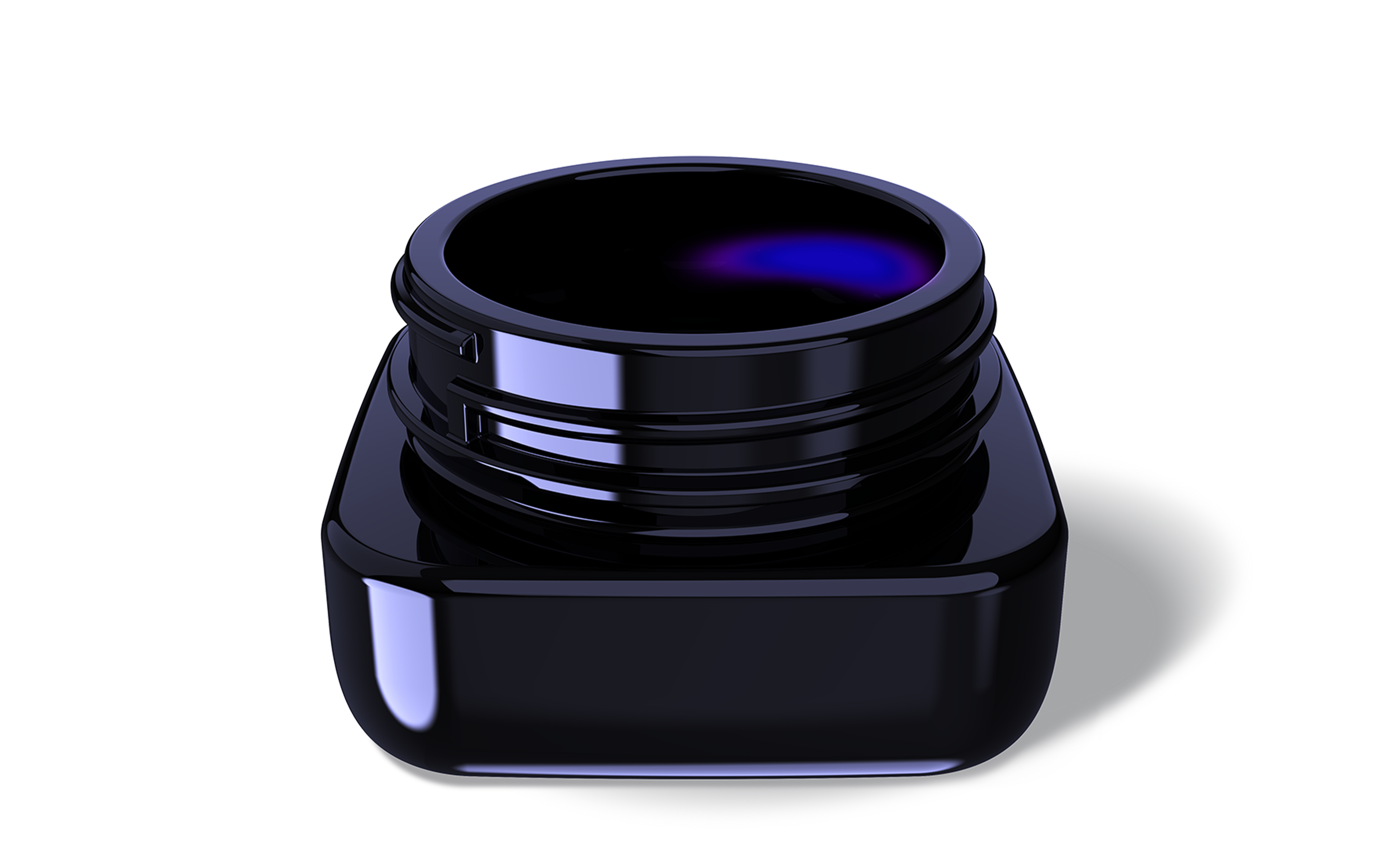
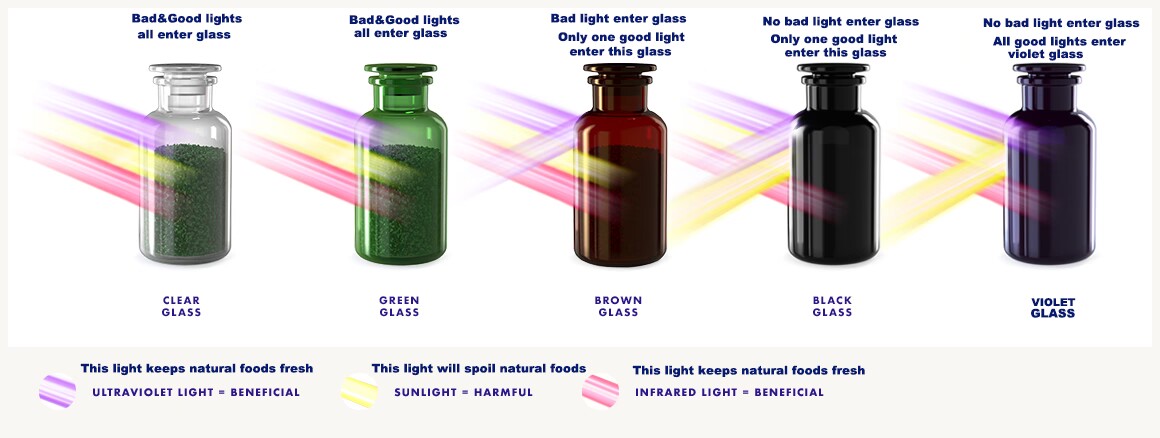
Violet glass is a light-management decision. Honor Packaging's comparison data positions violet glass against amber glass on light transmittance and states the difference plainly: better protection against ultraviolet rays and better retention of the product's freshness. That matters most for formulas that degrade under light — resins, oils, and other sensitive actives. The trade-off is commercial: the same comparison rates violet glass at roughly 15% higher cost than amber glass.
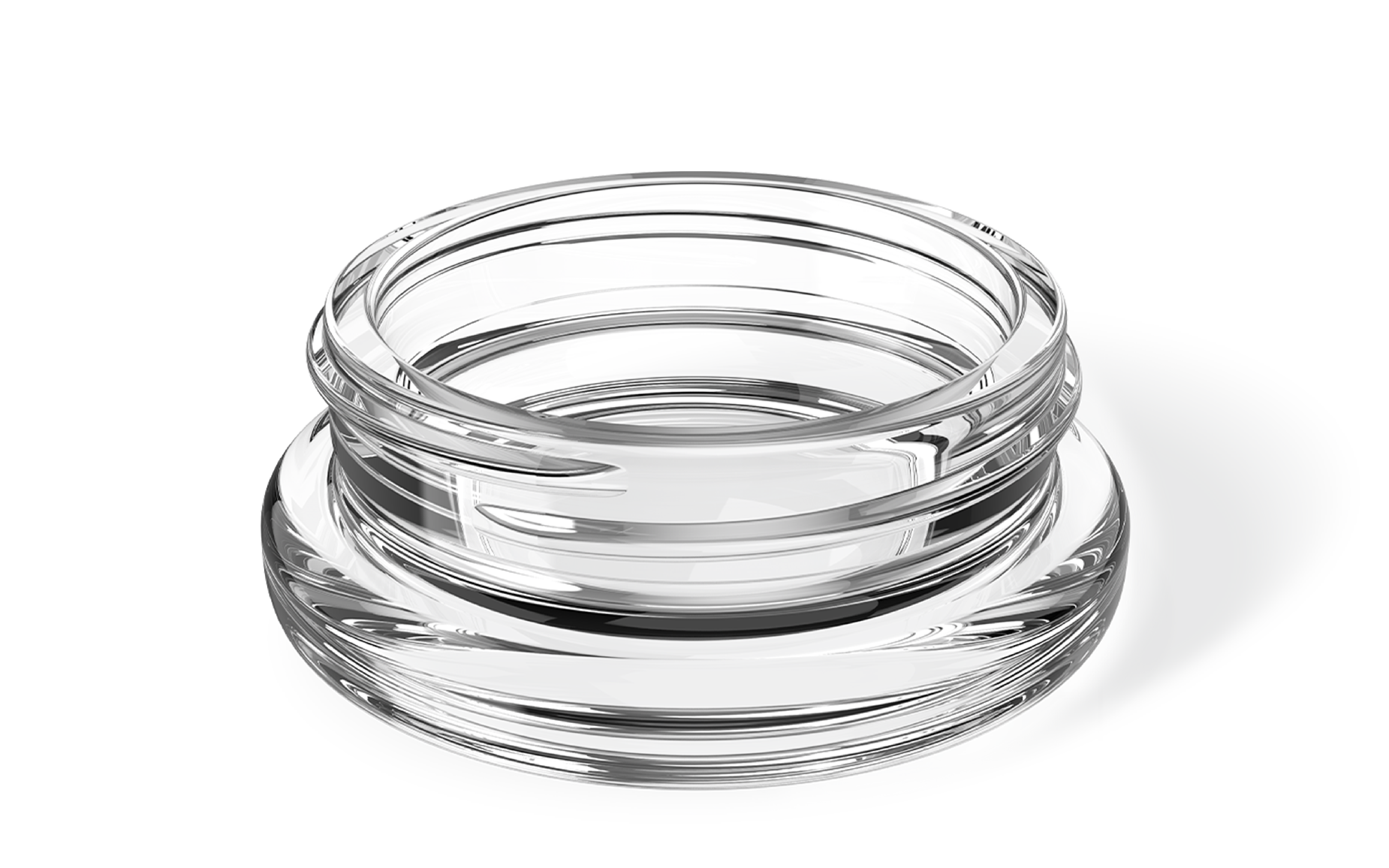
Child-resistant clear jars are an access-control decision. Their job is to make the closure difficult for young children to open while remaining manageable for adults. Clear glass adds a second benefit that violet glass cannot: full visual inspection of the fill, which many brands and retailers use to confirm color, texture, and fill level at a glance.
The practical problem is that these two benefits are rarely bundled into one default specification. A buyer cannot simply pick the safest jar, because safest means something different depending on whether the dominant risk is light degradation or household access. The decision has to be made against a specific product and a specific market — which is why pre-purchase comparisons that stop at appearance tend to fail at the fill line.
Why both options keep appearing on supplement shortlists
The scale of the category explains why suppliers maintain both formats. The global supplements and nutrition packaging market was estimated at USD 31.3 billion in 2025 (Grand View Research), and plastic remains the dominant material, holding approximately 41.67% of material segment share that year. Premium and safety-driven glass formats sit at the higher end of that market, which is where violet glass and child-resistant jars compete.
Regulation is moving material and closure choices to the front of the decision. In the European Union, Regulation (EU) 2024/3190 bans bisphenol A (BPA) in food contact materials, including packaging coatings, and applies to single-use items from July 20, 2026. In the United States, tamper-evident packaging is not generally mandated at the federal level for dietary supplements in the same way it is for many over-the-counter drugs — which means buyers often add it as a brand decision rather than a legal requirement.
Product trends add pressure in the same direction. The Shilajit market alone is expected to reach USD 221.4 million in 2026, with liquid resin accounting for 40.5% of that share. Resin and other premium actives are light- and heat-sensitive, and they are sold at price points that can carry a violet glass jar. At the same time, everyday capsule and powder supplements — sold into households with children — keep demand steady for child-resistant clear formats.
Violet glass vs child-resistant clear jars: the real differences
Violet glass jars
Violet glass is chosen for what it blocks. Honor Packaging's comparison data sets violet glass against amber glass on light transmittance, and the reported performance gap is better protection against ultraviolet rays and better retention of freshness. The same dataset recommends violet glass for food packaging, cosmetic packaging, and pharmaceutical packaging, and describes it as low maintenance, with reduced concern about children accidentally ingesting the contents. The anti-ultraviolet effect is rated as remarkable in that data.
Two practical points follow. First, violet glass is not the cheapest option — it carries roughly a 15% cost premium over amber glass, so it makes the most sense where formula value or brand positioning justifies it. Second, because the benefit is light protection rather than access control, violet glass is usually paired with a closure decision of its own, chosen separately from the body.
Child-resistant clear glass jars
Child-resistant jars are chosen for what they restrict. Child-resistant packaging is one of Honor Packaging's three main product lines, alongside violet glass packaging and vacuum packaging, and the company's child-resistant glass jar program runs through its H21 series of closures and jars.
Clear glass does not filter light the way violet glass does, so it is the weaker choice for photosensitive actives. Its advantage is transparency plus closure safety: buyers, retailers, and consumers can see the fill, and the closure is engineered to resist opening by young children. For capsules, powders, and other light-stable formats, that combination is often the more efficient specification.
What complicates the choice: format and closure are not locked to one another. Before treating jar size as a differentiator, confirm that your target fill volume is available in both violet glass and child-resistant clear options — because when both are offered across comparable jar ranges, the decision shifts back to light protection versus access control.
A step-by-step decision workflow
The decision runs in a fixed order, and skipping a step usually means reworking the specification later.
- Identify the dominant risk. Ask whether the formula degrades under light or whether household access is the bigger concern. If both are true, plan to compare a violet glass body with a child-resistant closure against a clear child-resistant jar.
- Check the destination-market rules. Confirm material-contact and closure requirements for each market. For the EU, account for the BPA ban under Regulation (EU) 2024/3190, which applies to single-use items from July 20, 2026. In the US, treat tamper-evidence as a brand decision rather than a federal supplement mandate, and confirm any state or retailer requirement separately.
- Match the jar to the fill. Confirm that the intended format handles your real product — resin, oil, powder, or capsule — and that the closure still performs correctly after filling.
- Validate the closure, not just the jar. A child-resistant closure must work after filling, capping, and shipping. Agree on the test criteria before production, because acceptance is based on pre-shipment testing.
- Lock the commercial terms. Fix MOQ, delivery terms, payment schedule, and lead time before tooling or print decisions are made, so that format changes do not reset the schedule.
- Plan long-term supply. For repeat production, confirm how capacity is allocated, how the export route works, and how quality is documented batch to batch.
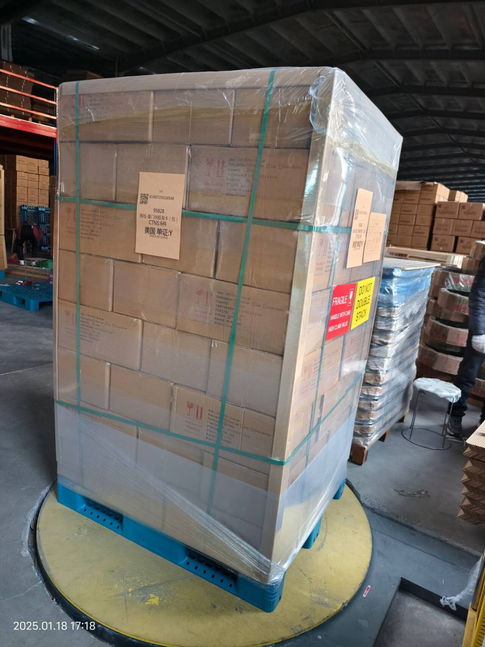
Shipping risk: glass jars carry a breakage risk. Honor Packaging controls it by wrapping fragile products in protective foam and loading them onto pallets carefully, under documented shockproof packaging and palletizing standards.
When to choose which
Violet glass fits light-sensitive, premium formats
Resin-based and oil-based supplements benefit most from UV protection. Shilajit resin, which accounts for 40.5% of a market expected to reach USD 221.4 million in 2026, is a typical example. These products are usually sold at premium price points, so the roughly 15% cost premium associated with violet glass over amber is easier to justify. The comparison data positions violet glass for food, cosmetic, and pharmaceutical packaging, which covers most premium supplement categories.
Child-resistant clear jars fit everyday, light-stable formats
Capsules, powders, and other light-stable products that will live in households with children are natural candidates for child-resistant clear jars. The clear body supports visual checking of fill quality, and the child-resistant closure addresses the access risk. Because these formats are produced in volume — Honor Packaging's monthly production capacity is 100,000 units — they suit recurring, high-turnover orders.
Combining both
Some brands split the difference by using a violet glass body with a child-resistant closure, or by reserving violet glass for a premium SKU and child-resistant clear jars for the mainstream line. Both approaches are practical when one supplier can produce both formats under a single quality system, as Honor Packaging does across child-resistant, violet glass, and vacuum packaging lines.
Violet glass vs child-resistant clear jars: side by side
| Decision factor | Violet glass jars | Child-resistant clear glass jars |
|---|---|---|
| Primary risk addressed | Light-driven degradation of sensitive formulas | Accidental access by children |
| UV / light performance | Better UV protection than amber glass; helps maintain freshness | Clear body does not filter light; weaker for photosensitive fills |
| Child-safety mechanism | Described as low maintenance, with reduced concern about accidental child ingestion in comparison data | Child-resistant closure engineered to resist opening by young children |
| Visual inspection | Limited by the tinted body | Full visibility of fill, color, and level |
| Relative cost | Roughly 15% higher than amber glass | Confirm per closure and tooling; not fixed by format alone |
| Best-fit products | Food, cosmetic, and pharmaceutical packaging; premium resins and oils | Capsules, powders, and other light-stable, household-facing supplements |
| Manufacturer readiness | One of Honor Packaging's three main product lines | One of Honor Packaging's three main product lines |
Frequently asked questions
Do violet glass and child-resistant supplement jars need to meet specific regulations?
Requirements vary by market and product. In the EU, Regulation (EU) 2024/3190 bans BPA in food contact materials, including packaging coatings, and applies to single-use items from July 20, 2026. In the United States, tamper-evident packaging is not generally mandated at the federal level for dietary supplements in the same way it is for many over-the-counter drugs. Child-resistant design and material-contact rules can differ by jurisdiction, so buyers should confirm the exact requirement for every destination market before locking a specification.
Can the same supplier produce both violet glass and child-resistant clear jars at scale?
Yes, when the supplier runs both glass and closure production. Honor Packaging's main product lines are child-resistant packaging, violet glass packaging, and vacuum packaging, and the company provides OEM and ODM production services. It exports to the EU, US, Middle East, and Southeast Asia, operates a monthly production capacity of 100,000 units, and applies quality control that includes 100% pre-shipment testing and third-party inspection (SGS).
What are the commercial terms for a bulk supplement jar order?
Typical terms reported for these products include a minimum order quantity (MOQ) of 10,000 units, FOB delivery terms, and acceptance based on pre-shipment testing. Payment is arranged as a 30% down payment, with the remaining 70% due prior to shipment.
How do I validate the right jar before committing to a bulk order?
Match the sample to the real product and the real market. Confirm that the violet glass or child-resistant closure behaves correctly with your actual fill — resin, powder, or capsule — and that the closure still functions after filling and shipping. Because acceptance is based on pre-shipment testing, agree on the test criteria before production starts. You can request sample jars and a quote from Honor Packaging to run this validation.
What lead time and monthly capacity should I expect?
A typical production lead time is 30–45 days, with a monthly production capacity of 100,000 units. For long-term supply, confirm how that capacity is allocated across your order schedule, and how a repeat order is queued against new production. Contact the Honor Packaging team at info@honorpkg.com to plan sample, quote, brochure, and delivery timing in one step.
The long-term view: pick the format, then pick the partner
Violet glass and child-resistant clear jars are not competing for the same job. Violet glass manages light; child-resistant clear glass manages access and visibility. For a supplement brand at the decision and execution stage, the right sequence is to name the dominant risk, confirm the rules in each destination market, validate the closure on the real fill, and then lock commercial terms with a supplier that can hold quality over repeated orders.
Because child-resistant packaging, violet glass packaging, and vacuum packaging sit in the same portfolio, Honor Packaging can support either direction — or a mix of both — under one manufacturing and quality system, with OEM and ODM services, exports to the EU, US, Middle East, and Southeast Asia, a monthly capacity of 100,000 units, a typical lead time of 30–45 days, and an MOQ of 10,000 units.
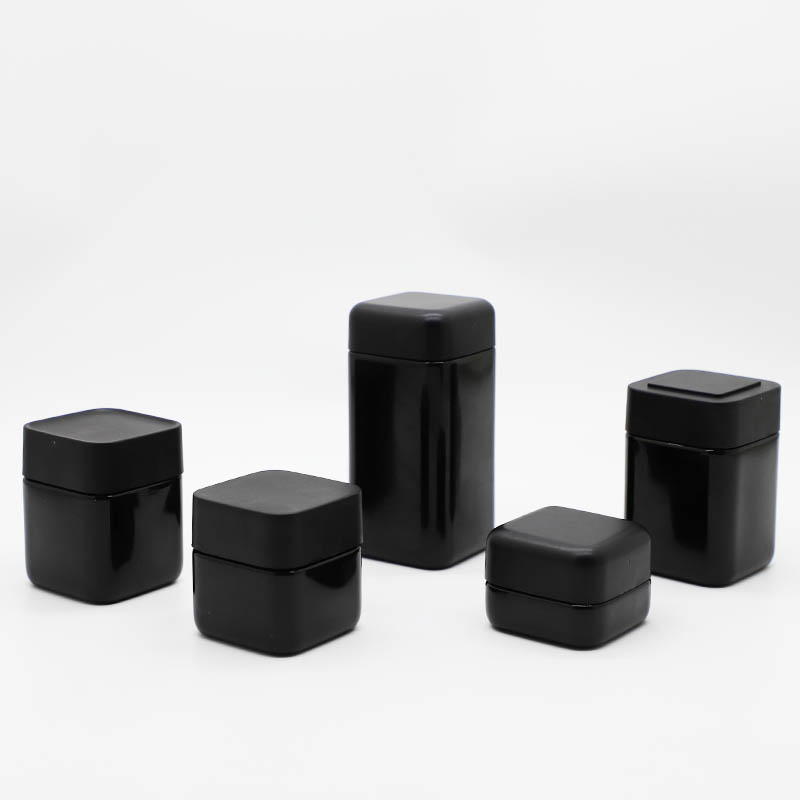
Ready to compare violet glass and child-resistant jars against your own product?
Request sample jars and a quote from Honor Packaging to validate the format against your real fill and your target market.
Email: info@honorpkg.com | WhatsApp: +86 15968944995 | Web: www.honorcrpkg.com
Have Questions or Need More Details?
Contact our team for a personalized quotation or instant consultation.
Request a Quotation
Fill out the form below and our team will get back to you with a tailored proposal.
WhatsApp Direct Chat
Prefer to chat in real-time? Message us on WhatsApp for instant assistance & quick answers.
- Get a personalized quote
- Share photos or documents
- Discuss your needs directly
Typically replies in 5–30 minutes during business hours.