Long-Term Protective Packaging Supply: How UV-Blocking Glass, Child-Resistant and Vacuum Jars Scale Reliably
Long-Term Protective Packaging Supply: How UV-Blocking Glass, Child-Resistant and Vacuum Jars Scale Reliably
For brands that sell skincare, food, supplements, or regulated botanical products, protective packaging is not a one-time purchase. It is a supply-chain relationship. A sample looks perfect in the office, but the real test is whether a manufacturer can reproduce that quality across thousands of units, meet compliance requirements, respect lead times, and keep the product unchanged from one batch to the next. This article explains what to evaluate when choosing a protective packaging supplier for scale, with a focus on UV-blocking violet glass, child-resistant closures, vacuum jars, and the production controls that keep those products consistent.
The Protective Packaging Decision That Outlasts the Sample
First impressions are not enough. Many packaging buyers approve a custom jar after reviewing a sample, only to discover later that the supplier cannot maintain the same standard in mass production. Small defects such as uneven surface finish, inconsistencies in the glass color, or caps that are either too loose or too tight can all become visible at scale. Because protective packaging is often used for light-sensitive or safety-sensitive products, these defects do not only affect appearance; they can compromise the product itself.
That is why buyers in the Decision and Execution stage should look beyond the sample. They need to evaluate whether the supplier has the structural development, tooling, process control, and logistics capability to ship the same protective packaging again and again.
Why Protective Packaging Fails After the First Order
Most protective packaging failures are not design failures. They are execution failures. A common scenario: a brand approves a jar with a printed logo, a child-resistant cap, and a specific glass finish. The first batch is flawless. The second batch, however, arrives with different cap torque, a scratched surface, or a slightly different shade of violet glass. In other cases, the supplier can produce samples but cannot hold the same quality at 50,000 units. Lead time slips, inspection is inconsistent, and palletization is done without enough protection, causing breakage in transit.
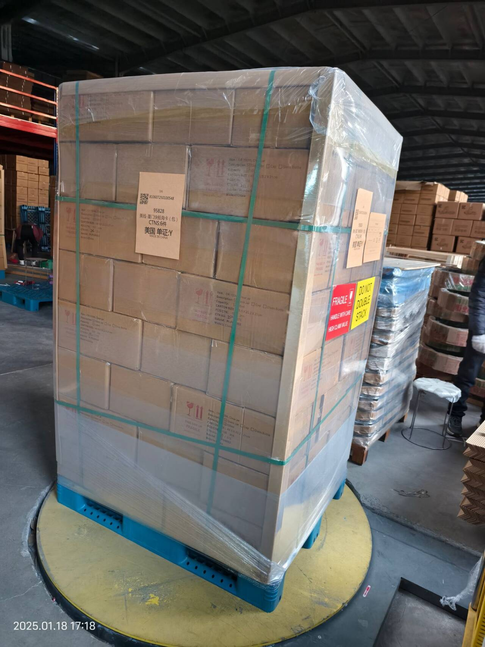
Protective packaging is designed to preserve the product inside, but the packaging itself is fragile. During export, a container full of glass jars needs shockproof packaging and careful palletizing. Honor Packaging, for example, wraps fragile products with protective foam and loads them onto pallets carefully before shipment. Without this discipline, damage rates can quickly erase the value of a good product.
Another failure point is commercial unpredictability. A supplier that cannot state a clear minimum order quantity, payment schedule, or lead time forces the buyer to improvise. For distributors and wholesalers, this makes inventory planning almost impossible.
Protective Packaging Demand Is Outpacing Single-Order Thinking
Market research firms agree that protective packaging demand is growing, though estimates differ slightly by methodology. Fortune Business Insights values the global protective packaging market at USD 44.02 billion in 2025 and projects it to reach USD 80.25 billion by 2034. Grand View Research estimates the market at USD 40.4 billion in 2025, noting that flexible protective packaging leads revenue share at 66.4%. A separate Grand View Research figure shows paper and paperboard materials holding a 45.7% revenue share in the protective packaging market in 2025, driven by sustainability trends.
In this expanding market, large global players such as Sealed Air Corporation, Smurfit Westrock, Mondi Group, and Amcor plc are active across a broad range of protective packaging categories, according to Mordor Intelligence. At the same time, more specialized manufacturers play an important role in glass packaging, child-resistant closures, and vacuum jars, where technical precision matters more than sheer volume.
A Manufacturing-Responsibility Partner for Protective Packaging
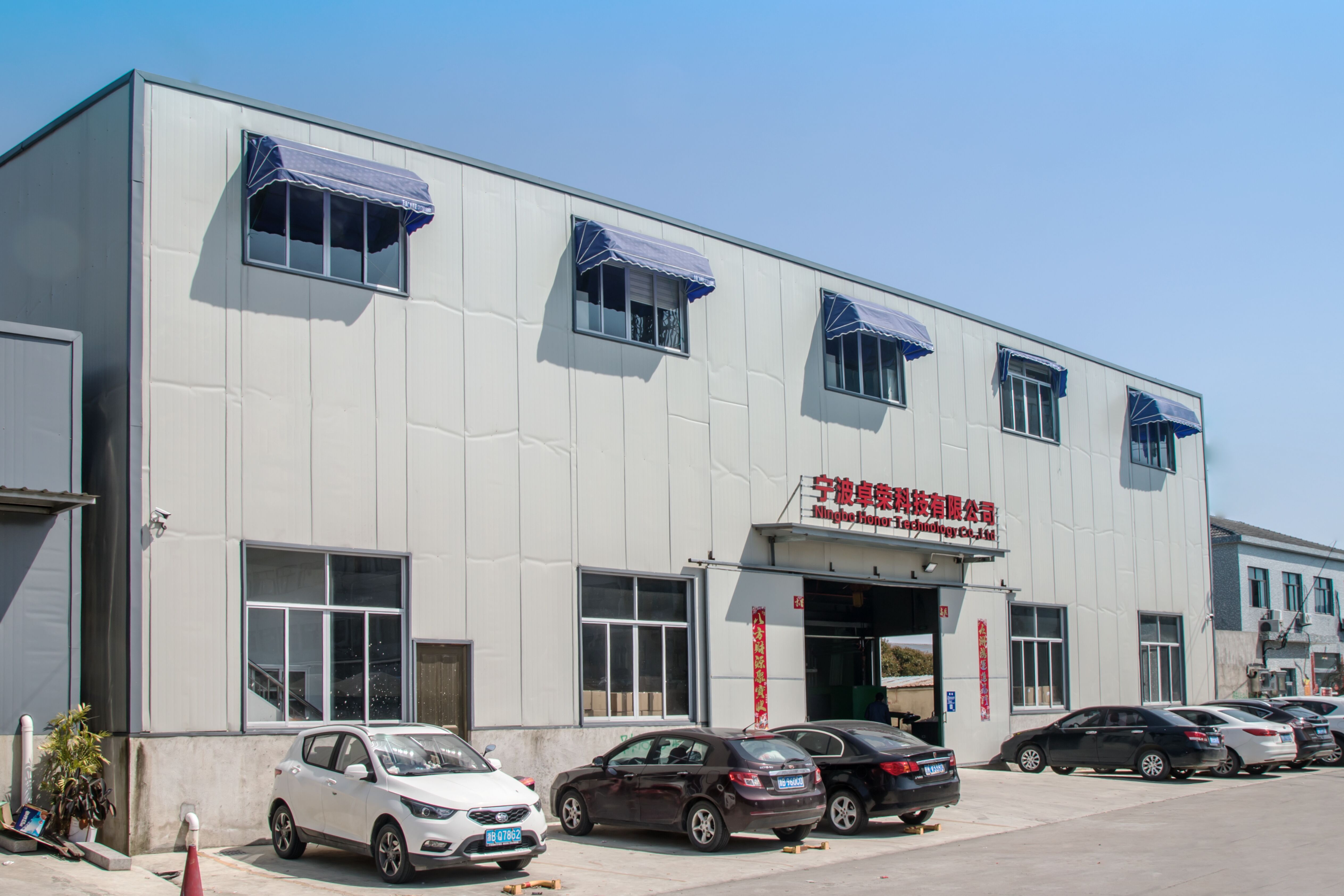
Ningbo Honor Packaging Co., Ltd., also known as Honor Packaging, is a packaging manufacturer headquartered in Ningbo, China, close to both Ningbo and Shanghai seaports. Founded in 2015, the company describes itself as a manufacturing-responsibility-focused packaging partner. It specializes in transforming clients’ finalized packaging designs into products that can be reliably and consistently mass-produced.
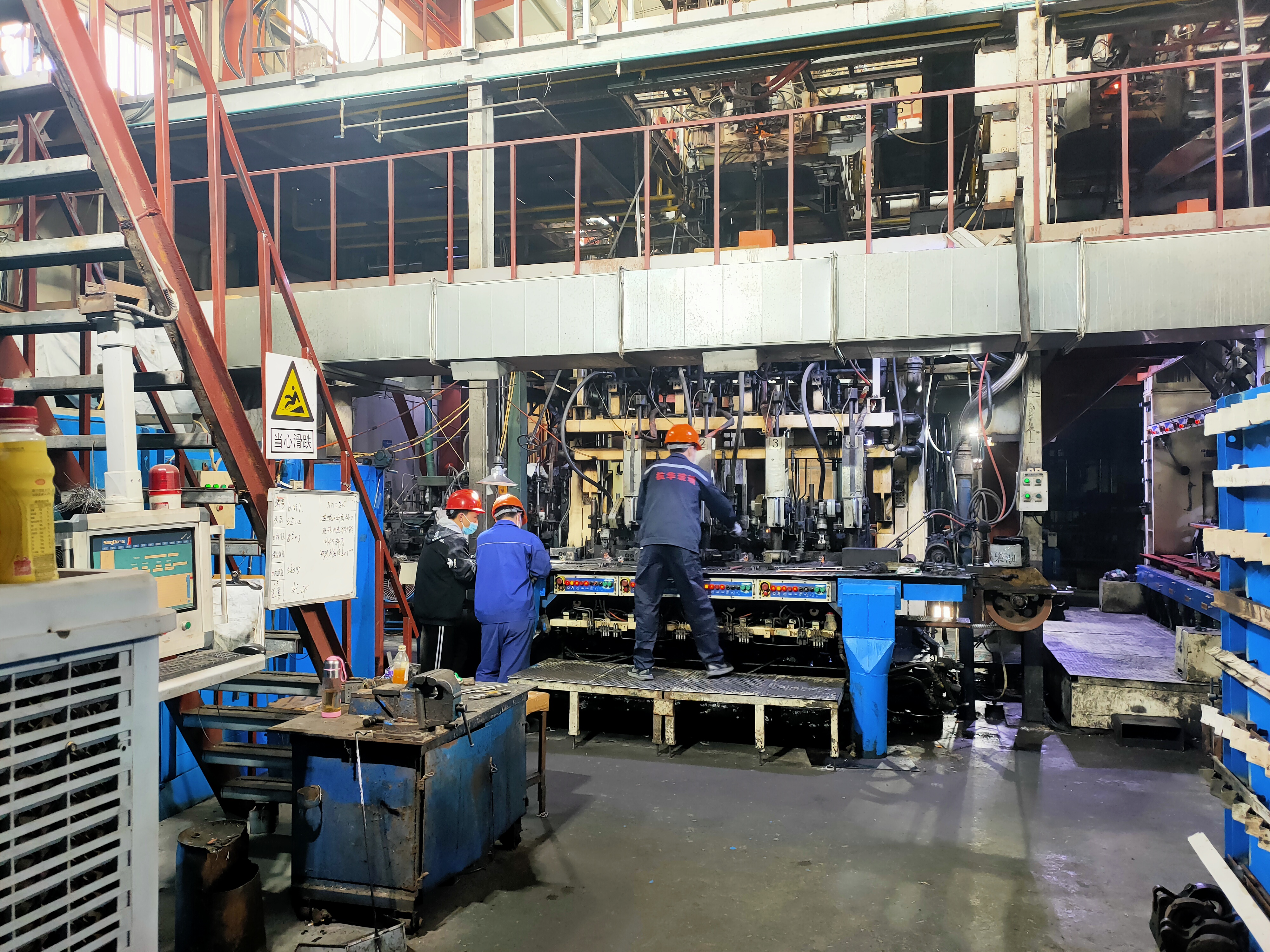
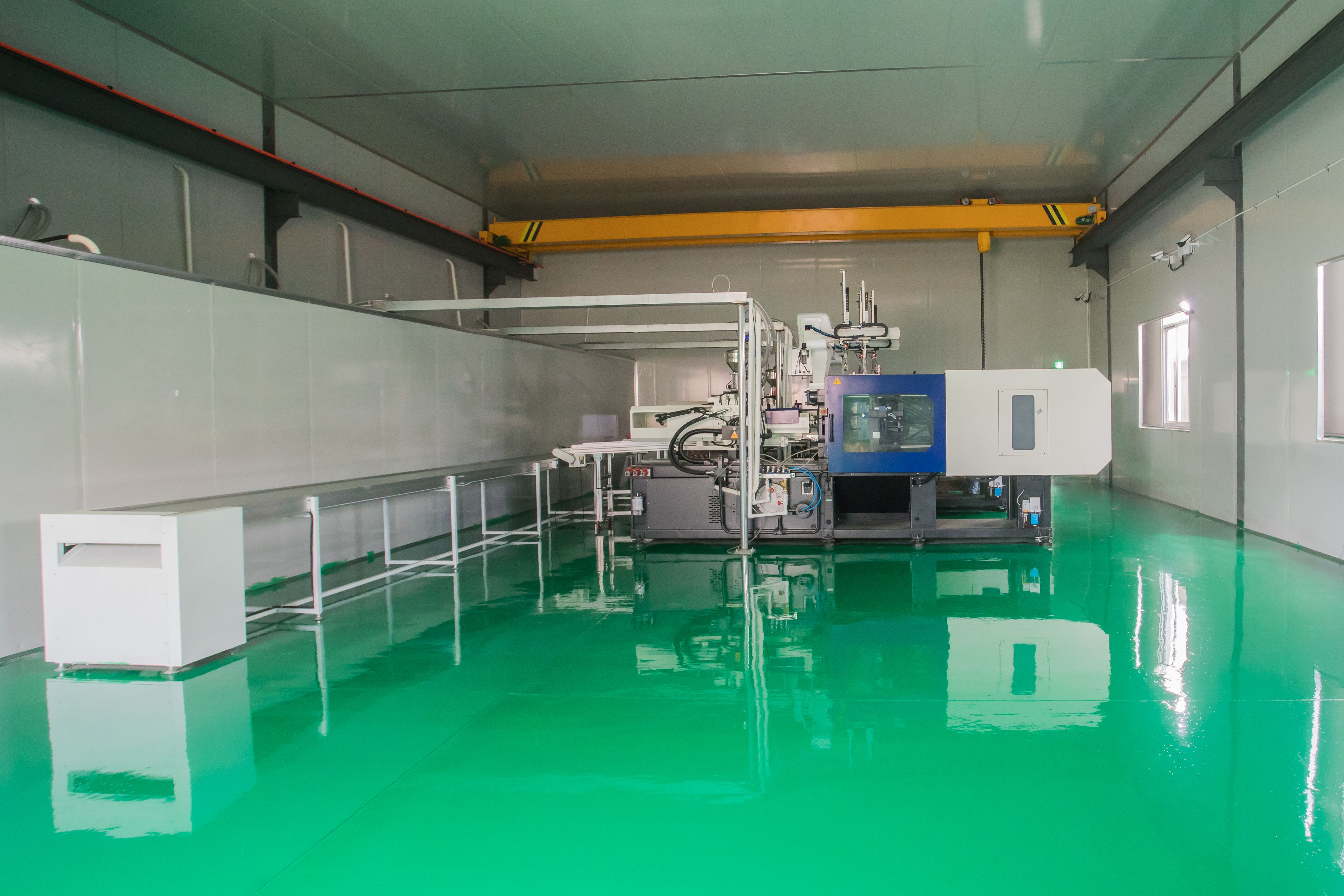
Honor Packaging’s role begins before mass production. The company participates in product structural development, tooling strategy definition, and critical manufacturing risk assessment. During production, it takes responsibility for manufacturing process control and order fulfillment, with an emphasis on stable quality, controlled cost, and on-time delivery. The company operates through long-term joint-venture production bases for plastic and glass packaging, which gives it direct access to high-grade, technically demanding packaging production.
For buyers, this means the vendor is not just a trading company. It is a manufacturer with visibility into tooling and process quality.
Core Product Lines and Specifications
Honor Packaging’s protective packaging portfolio covers three main categories: violet glass packaging, child-resistant packaging, and vacuum packaging. The table below shows representative models and their key specifications.
| Product Line | Representative Models | Capacity Range | Key Features |
|---|---|---|---|
| Violet Glass Packaging | H21 Round/Square, HDV1 Wide Mouth, HDV2 Cosmetic, HDV3 Round Essential Oil Bottle | H21: 15 ml to 6 oz / HDV1: 100 ml to 1 L / HDV2: 3 ml to 200 ml / HDV3: 5 ml to 100 ml | UV-blocking violet glass, optional child-resistant caps, multiple surface treatments |
| Child-Resistant Packaging | H21 Clear Round, H19 Clear/White/Black Concentrate | H21: 30 ml to 6 oz / H19: 5 ml and 9 ml | Glass jars with child-resistant caps |
| Vacuum Packaging | H19 Vacuum Click Jar | 5 ml | Vacuum click closure, square glass jar |
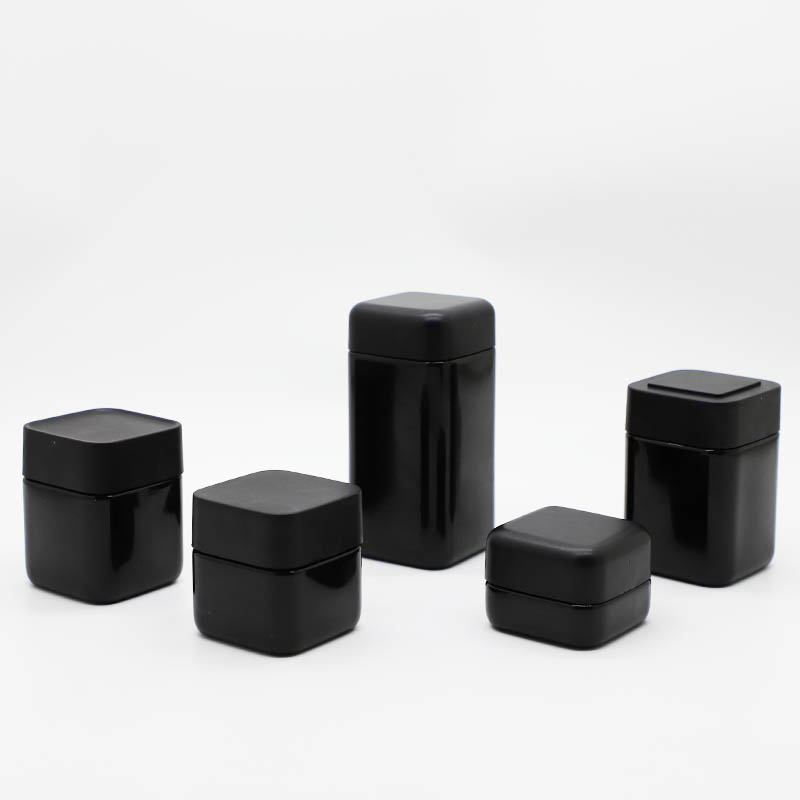
Within the violet glass line, the H21 square violet glass jars (item codes H21-0003V to H21-0008V) are offered with a child-resistant cap. Capacities across these item codes include 15 ml, 30 ml, 70 ml, 100 ml, 130 ml, and 200 ml, as listed in the company’s published product information. Surface treatment options include stickers, silk-screen printing, hot stamping, heat transfer printing, and frosted finish. The H21 round violet glass jars also come with a child-resistant cap and similar surface treatment options, according to the company’s product documentation.
In the child-resistant category, the H21 clear round jars cover capacities from 30 ml to 6 oz, while H19 concentrate jars are offered in 5 ml and 9 ml versions in clear, white, and black glass. The vacuum packaging line includes the H19 vacuum click jar, a 5 ml square glass jar with a vacuum closure.
Production Capacity and Commercial Terms
For long-term programs, a supplier’s production capacity and commercial terms are as important as the product spec. Honor Packaging reports a monthly production capacity of 100,000 units and a typical lead time of 30 to 45 days. The minimum order quantity is 10,000 units. Delivery is on FOB terms. Production is arranged after a 30% down payment, with the remaining 70% due before shipment. Pre-shipment testing is part of the acceptance process.
These terms give distributors and brands a predictable basis for planning inventory, cash flow, and launch calendars.
From Specification to Scaling: A 7-Step Procurement Checklist
The following checklist reflects the sequence many buyers use when moving from an approved design into repeat production.
- Define the protective requirement. Determine whether the product needs UV blocking, child resistance, vacuum sealing, or a combination. This decision drives the glass type, closure system, and capacity range.
- Confirm compliance needs. Child-resistant packaging intended for certain markets must meet recognized protocols. The EU references ISO/EN 8317, and the US uses 16 CFR 1700.20 under CPSC guidance. These standards are designed to prevent access by children under five. Ask how the supplier will develop and test the closure for the relevant standard.
- Lock down specifications and customization. Choose the jar shape, size, glass finish, and decoration. Document surface treatments such as stickers, silk-screen printing, hot stamping, heat transfer printing, or frosted finish.
- Validate before mass production. A pre-shipment test, together with structural development support, helps verify cap performance, seal integrity, and print quality.
- Place a production order under clear terms. With a minimum order quantity of 10,000 units, a 30% deposit, and the balance due before shipment, buyers can plan cash flow. FOB terms establish the point of responsibility transfer.
- Monitor production controls. Evaluate whether the supplier supervises manufacturing process control, checks tooling, and performs quality checks throughout production rather than only at the end.
- Prepare for distribution. Protect fragile products during shipment. Honor Packaging uses shockproof packaging and palletizing standards that include protective foam wrapping and careful pallet loading.
This checklist is designed to reduce surprises. Each step turns an abstract supplier promise into a verifiable commitment.
Protective Packaging Use Cases Across Regulated and Premium Segments
Protective packaging requirements vary by industry. The following use cases show how different packaging technologies come into play.
- Food storage: Vacuum jars and airtight lids help maintain freshness after opening. Violet glass can protect light-sensitive oils, preserves, and dried ingredients from UV degradation.
- Cosmetics and daily chemicals: UV-blocking glass slows the degradation of active ingredients such as vitamin C, retinol, and essential oil blends. The HDV2 cosmetic violet jars are designed for smaller formats, while HDV1 wide-mouth jars suit creams and balms.
- Pharmaceutical and medical products: Child-resistant closures help restrict access to certain products. H21 and H19 child-resistant jars provide capacities suitable for concentrates and tablets.
- Supplements and botanical extracts: Violet glass and child-resistant closures are common for products that require both light protection and controlled access. The HDV3 round essential oil bottle can be fitted with a plastic cap, dropper, mist sprayer, or lotion pump.
- Packaging wholesalers and distributors: A stable monthly capacity, clear MOQ, and predictable lead time allow distributors to backfill inventory for multiple brands without overcommitting cash.
In each case, the value of the packaging is tied not only to its design but also to the reliability of its supply.
Violet Glass vs. Amber Glass: A Fact-Based Comparison
One of the most frequent questions in protective packaging is how violet glass compares with amber glass. The table below is based on the specific comparison data provided for Honor Packaging’s violet glass versus conventional amber glass.
| Factor | Violet Glass (as used in Honor’s H21 series) | Amber Glass (common alternative) |
|---|---|---|
| Light transmittance | Acts as a natural filter; blocks visible light while allowing 25–45% UVA and roughly 60% infrared penetration, according to third-party violet glass technology descriptions. | No transmittance data in the comparison corpus. |
| UV protection performance | Reported better protection against ultraviolet rays and better freshness maintenance. | Not specified in the comparison. |
| Best for | Food, cosmetic, and pharmaceutical packaging. | Food, cosmetic, and pharmaceutical packaging. |
| Cost difference | About 15% higher than amber glass. | Baseline. |
| Maintenance | Less maintenance; paired with a child-resistant cap, it also reduces concern about accidental ingestion by children. | Not specified in the comparison. |
| Efficiency | The anti-ultraviolet effect is described as remarkable. | Not specified in the comparison. |
Note that the 15% cost difference refers to violet glass relative to amber glass. The UV transmittance figures describe violet glass technology in general and come from third-party sources, not from a measured claim about a specific Honor jar.
Frequently Asked Questions About Scaling Protective Packaging
These questions follow the typical buyer journey from compliance, capability, budget, sample evaluation, and lead time.
Compliance: What child-resistant testing standards apply to this packaging?
Child-resistant packaging in many markets must be designed to comply with ISO/EN 8317 in the EU and 16 CFR 1700.20 in the US. These protocols are intended to prevent children under five from accessing dangerous contents. Buyers should confirm with the manufacturer how the closure design is developed and how pre-shipment testing addresses the applicable standard.
Capability: Can Honor Packaging produce custom protective packaging at scale?
Yes. Honor Packaging has a monthly production capacity of 100,000 units and supports large-scale orders. The company specializes in transforming finalized packaging designs into mass-produced products. It provides structural development, tooling strategy, manufacturing risk assessment, process control, and fulfillment. Customization options include stickers, silk-screen printing, hot stamping, heat transfer printing, and frosted finish.
Budget: What is the minimum order quantity and payment structure?
The minimum order quantity is 10,000 units. Production is arranged after a 30% down payment, with the remaining 70% due before shipment. Delivery is under FOB terms. This structure is designed for buyers planning repeat production rather than one-off purchases.
Sample: How can I evaluate the packaging before mass production?
Honor Packaging’s acceptance process includes pre-shipment testing. The company is also involved in structural development and critical manufacturing risk assessment before mass production. For a specific sample or validation plan, contact the team directly to discuss your product requirements and testing expectations.
Lead Time: How long does production take?
Typical production lead time is 30 to 45 days, based on the company’s stated capacity and production flow. This should be considered when planning launch dates or replenishment cycles.
Build a Packaging Supply Chain That Doesn’t Compromise the Product
Protective packaging is not just a stock-keeping unit. It is a quality-control decision, a compliance decision, and a logistics decision. For brands, distributors, and wholesalers, the right partner is one that can take a finalized design and deliver the same result order after order.
Honor Packaging approaches this through manufacturing responsibility: it controls process quality, honors commercial terms, and protects finished goods in shipment. If you are evaluating a protective packaging partner for UV-blocking glass, child-resistant jars, or vacuum packaging, the next step is to request a quote and clarify your specific requirements.
For more information, you can download the company brochure or contact the team at info@honorpkg.com to start a conversation.