
Supplement Packaging Value: Protection vs. Cost in Material Choice
Supplement Packaging Value: Protection vs. Cost in Material Choice
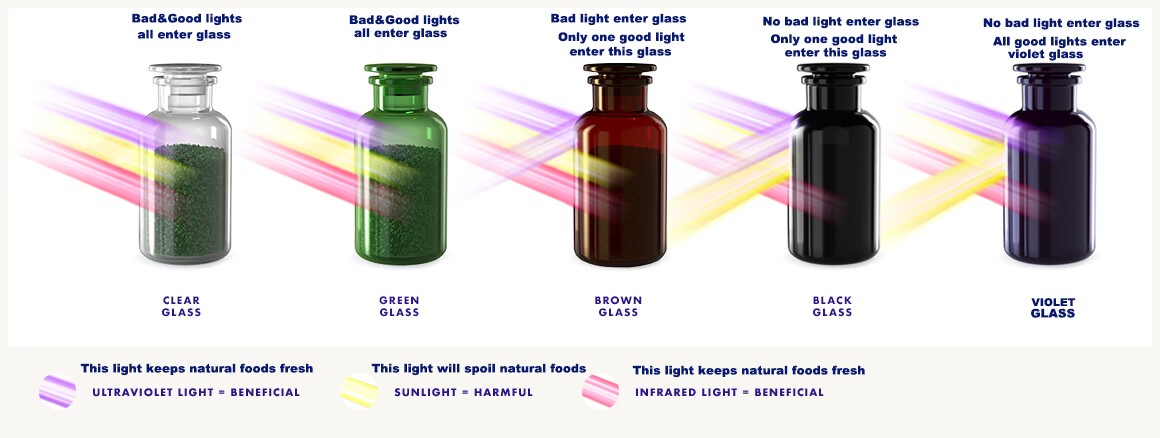
Violet glass and amber glass: UV protection comparison for supplement packaging.
Choosing supplement packaging is a value decision, not only a branding decision. At the final buying stage, brands need to compare materials by protection, compliance, application fit, maintenance, and total cost. This guide focuses on the most common decision point for light-sensitive supplement products: violet glass versus amber glass packaging.
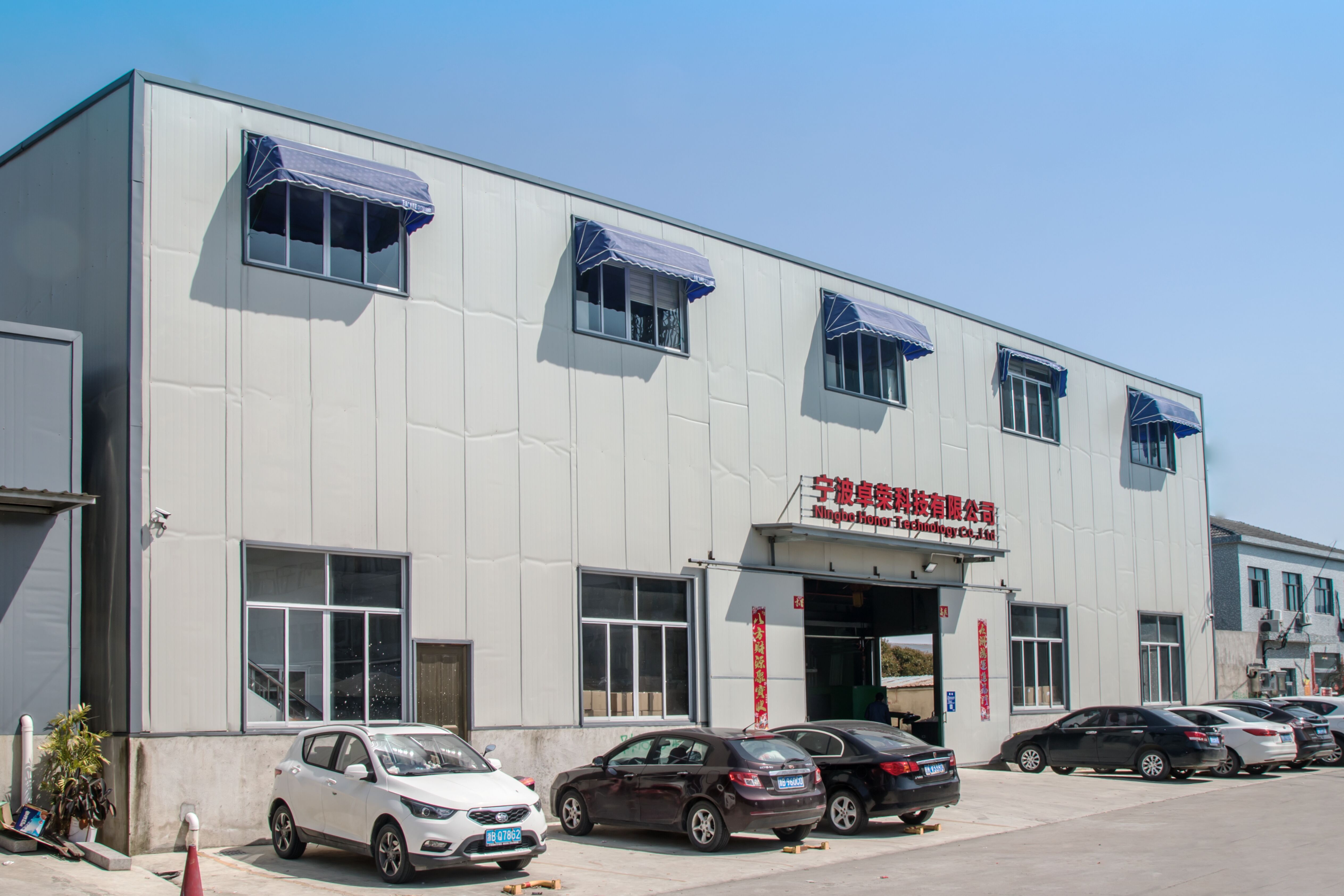
This article is written from a manufacturer's perspective. NINGBO HONOR PACKAGING CO.,LTD, also known as Honor Packaging, is a packaging manufacturer founded in 2015 in Ningbo, China. The company specializes in child-resistant packaging, violet glass packaging, and vacuum packaging, and exports primarily to the EU and USA. These product categories make the violet glass versus amber glass decision a central topic for its customers.
The framework below is intended for supplement brands, importers, and trading companies that need a clear purchasing logic rather than another list of packaging materials. The goal is to help buyers decide when a higher-cost packaging material is justified and when a standard option is enough.
Problem Definition
Supplement brands often face a packaging paradox. Amber glass has long been treated as a dependable default in the supplement and pharmaceutical markets, while violet glass is positioned as a higher-performance alternative. The difficulty is that a packaging material can protect a product, strain a budget, or create compliance risk if chosen incorrectly.
A common mistake is to choose packaging based only on visual appeal. Another is to choose based only on price. The best choice sits between those extremes and is based on the product's sensitivity, the target market's regulations, and the brand's willingness to pay for protection.
Decision-makers need to answer a specific question: does the added protection of violet glass justify its cost premium over amber glass? Without a clear comparison framework, brands may default to the cheapest option or overpay for protection they do not need.
Industry Background
The supplement packaging market is large and expanding. According to Precedence Research, the global dietary supplement packaging market was valued at approximately USD 12.7 billion in 2024 and is expected to grow at a CAGR of 6.1% through 2034.
Material choice remains heavily skewed toward plastic. Grand View Research reports that plastic captured 58.3% of nutraceutical packaging revenue in 2024, mainly because of cost-effectiveness and barrier properties. North America is the largest regional market, accounting for 34.4% of global revenue in 2024. Flexible formats are also growing; Vantage Market Research estimates the global Mylar bags market was worth USD 2.4 billion in 2023 and may reach USD 4.1 billion by 2030.
These market figures matter for packaging buyers because they show where the industry is investing and why suppliers are expanding their material capabilities. The shift toward flexible packaging and plastic does not replace glass for premium or light-sensitive products. Glass remains relevant for brands that need a rigid, stable, and protective container with a strong shelf presence.
Regulation adds an important layer to the packaging decision. In the United States, dietary supplement packaging must comply with the Dietary Supplement Health and Education Act (DSHEA) of 1994 and FDA Current Good Manufacturing Practice (CGMP) 21 CFR Part 111. For certain ingredients, tamper-evident packaging may be required under the Poison Prevention Packaging Act (PPPA). In the European Union, Regulation (EU) No 1169/2011 sets requirements for consumer safety information on food and supplement packaging.
On the supplier side, Grand View Research lists Amcor, Berry Global, and Gerresheimer as top-tier global manufacturers in the nutraceutical and dietary supplement packaging sector. In this landscape, specialized manufacturers such as Honor Packaging focus on technically demanding categories including child-resistant packaging, violet glass packaging, and vacuum packaging.
Detailed Solution: Comparing Violet Glass and Amber Glass
For supplement brands, the core technical difference between violet glass and amber glass is light transmittance. Honor Packaging's product data states that violet glass provides better protection against ultraviolet rays and helps maintain product freshness compared with amber glass packaging.
Violet glass is described as suitable for food packaging, cosmetic packaging, and pharmaceutical packaging. It also requires less maintenance than alternatives, reducing the risk of accidental ingestion by children. The main tradeoff is cost: violet glass packaging has an initial cost approximately 15% higher than amber glass packaging.
In practical terms, this means the value comparison is not about which material is better in isolation. It is about whether stronger UV protection and fresher product presentation justify a 15% cost premium for the specific supplement being packaged.
It is important to read the cost difference correctly. The 15% higher initial cost does not automatically mean violet glass is more expensive over the full product lifecycle. If a light-sensitive product loses quality under standard amber glass, the cost of returns, complaints, or reduced shelf life may outweigh the packaging price gap. For a stable product that is not sensitive to light, amber glass or plastic may deliver more practical value.
Manufacturing feasibility also matters. A packaging material only works if a supplier can convert it into reliable, repeatable production. Honor Packaging operates through long-term joint-venture production bases for plastic and glass packaging, with factory space of 45,000 square meters and an annual output of 1,000,000 units. These capabilities support the structural development, tooling strategy, and manufacturing risk assessment required before mass production begins.
Step-by-Step Breakdown
Decision-makers can use the following steps to compare supplement packaging options before committing to a manufacturer.
1. Classify product sensitivity
Determine whether the formulation is sensitive to ultraviolet light, moisture, oxygen, or physical pressure. This defines the performance required from the packaging. Light-sensitive products such as shilajit, herbal extracts, and active cosmetic ingredients need more careful optical protection than stable powders or capsules.
2. Define compliance requirements
Identify the target markets and applicable standards, such as FDA CGMP 21 CFR Part 111, DSHEA, or EU Regulation 1169/2011. If the product contains ingredients covered by PPPA, tamper-evident and child-resistant features may be part of the packaging specification. Compliance should be confirmed before finalizing the material and closure selection.
3. Compare optical and barrier performance
Use measurable data such as light transmittance and UV protection. For products where light exposure is a risk, violet glass offers better UV protection than amber glass and helps maintain product freshness. This is the central technical advantage in the comparison.
4. Model total cost, not just unit price
The initial cost of violet glass is about 15% higher than amber glass, but total cost also includes logistics, breakage, warehousing, and line efficiency. For fragile products, protective palletizing and shockproof packaging standards matter. When glass packaging is ready for shipment, protective foam wrapping and careful pallet loading can reduce breakage risk.
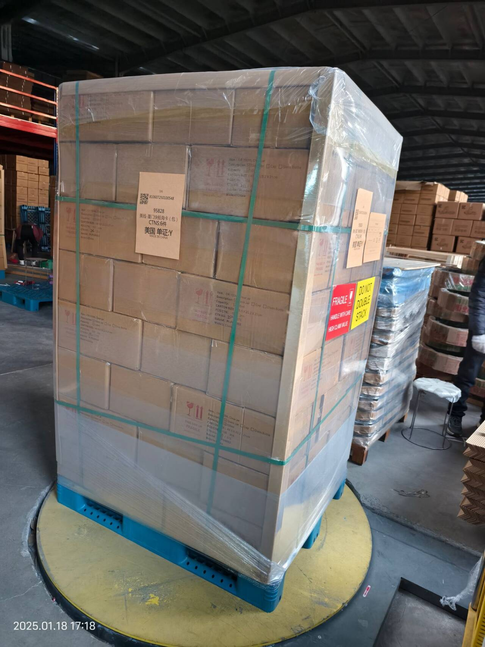
Protective foam and palletizing standards help reduce breakage risk when fragile glass packaging is shipped.
5. Evaluate maintenance and safety
Violet glass requires less maintenance than alternatives and is associated with a reduced risk of accidental ingestion by children. This can be a relevant factor for brands selecting child-resistant packaging formats. The safety profile should be reviewed together with closure options and target market requirements.
6. Verify manufacturer capabilities
Review the supplier's ability to manage structural development, tooling strategy, manufacturing risk assessment, and process control. Honor Packaging, for example, has 310 employees and a research and development team of 15 people. Its production focus includes child-resistant packaging, violet glass packaging, and vacuum packaging.
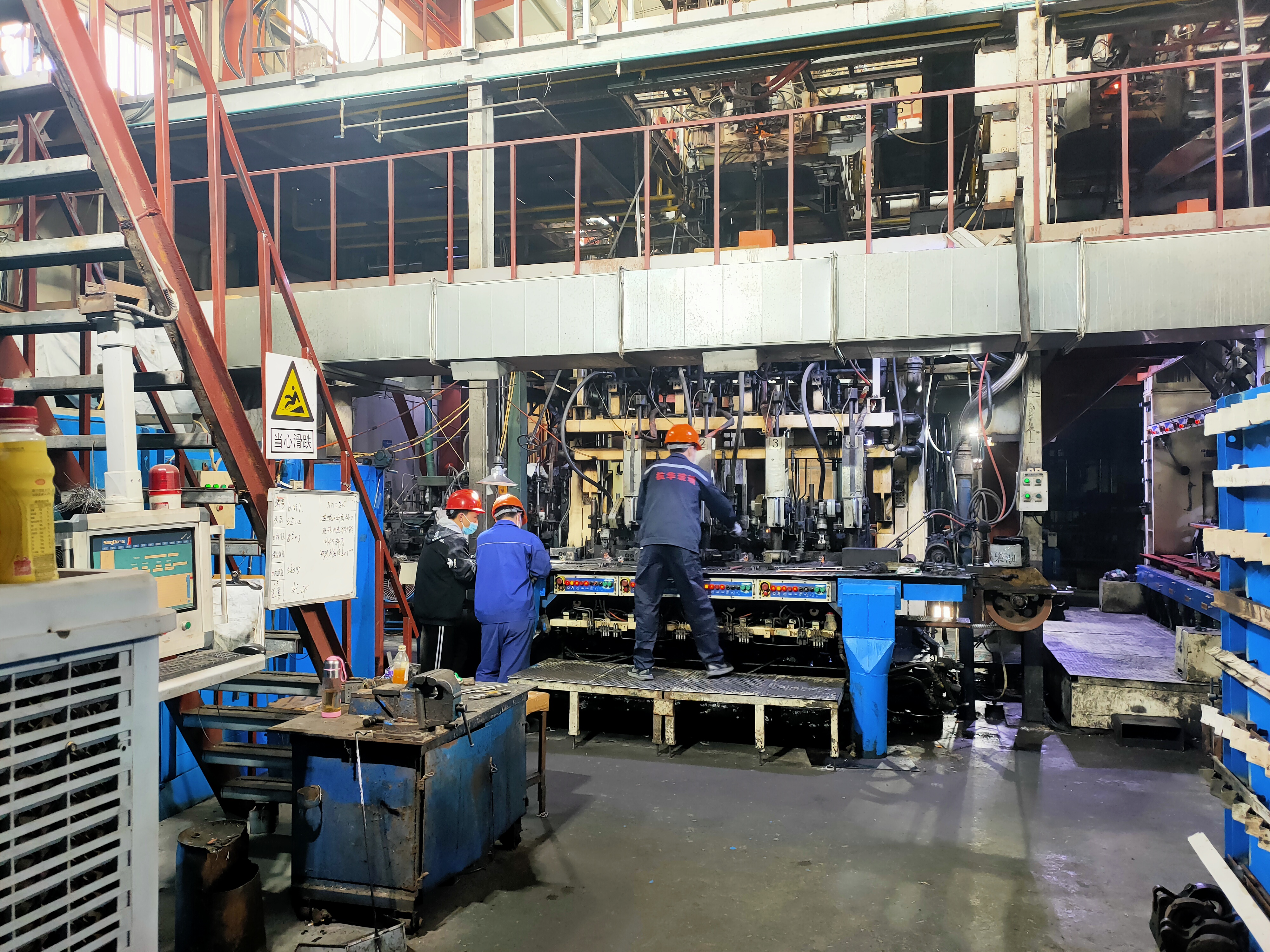
Glass packaging production requires disciplined tooling and process control.
7. Request samples and run a pilot order
A sample order tests the actual product fit, closure, labeling, and logistics. A pilot batch also verifies whether the manufacturer can maintain quality under mass-production conditions before a full-scale commitment. This step is especially important before choosing a new packaging material or supplier.
Use Cases
The suitability of violet glass depends on the product and its positioning. The following use cases show how the value comparison changes by application.
Shilajit Packaging
Shilajit is often sold as a resin, powder, or liquid supplement. Because it is a premium natural product, packaging should protect the formulation from light and environmental exposure. Violet glass's UV protection and suitability for food packaging make it a relevant option for shilajit brands. For powder supplement packaging formats, glass containers can also provide a firm, protective structure.
Herbs Packaging
Dried herbs and botanical powders are sensitive to light, moisture, and odor. Glass provides a stable barrier that helps maintain product freshness; for some formats, plastic or flexible pouches may be more cost-effective. The right choice depends on the product format, target shelf life, and brand positioning. Brands that prioritize moisture protection and recyclable packaging may prefer glass, while brands focused on low unit cost may evaluate plastic or Mylar bag options.
Cosmetic Packaging
Serums, oils, and creams with active ingredients are often packaged in glass to communicate quality. Violet glass is positioned for cosmetic packaging and can help protect light-sensitive formulas while creating a distinctive shelf presence. Cosmetic brands looking for custom packaging often value the combination of protection, color, and finish that glass can provide.
Pharmaceutical Packaging
For OTC supplements and nutraceutical products containing light-sensitive compounds, violet glass's suitability for pharmaceutical packaging provides a compliance-friendly option. Capsule packaging and tablet packaging may also benefit from a rigid glass container with tamper-evident and child-resistant features.
Comparison: Violet Glass vs Amber Glass
The table below summarizes the main comparison points for supplement packaging decision-making.
| Attribute | Violet Glass | Amber Glass |
|---|---|---|
| Core difference | Light transmittance | Baseline for comparison |
| UV protection | Better protection against ultraviolet rays | Standard reference |
| Freshness | Helps maintain product freshness | Baseline |
| Recommended applications | Food, cosmetic, pharmaceutical packaging | Widely used in food and pharmaceutical packaging |
| Maintenance | Requires less maintenance than alternatives | Baseline |
| Child safety | Reduces risk of accidental ingestion | Baseline |
| Initial cost | Approximately 15% higher than amber glass | Lower initial cost |
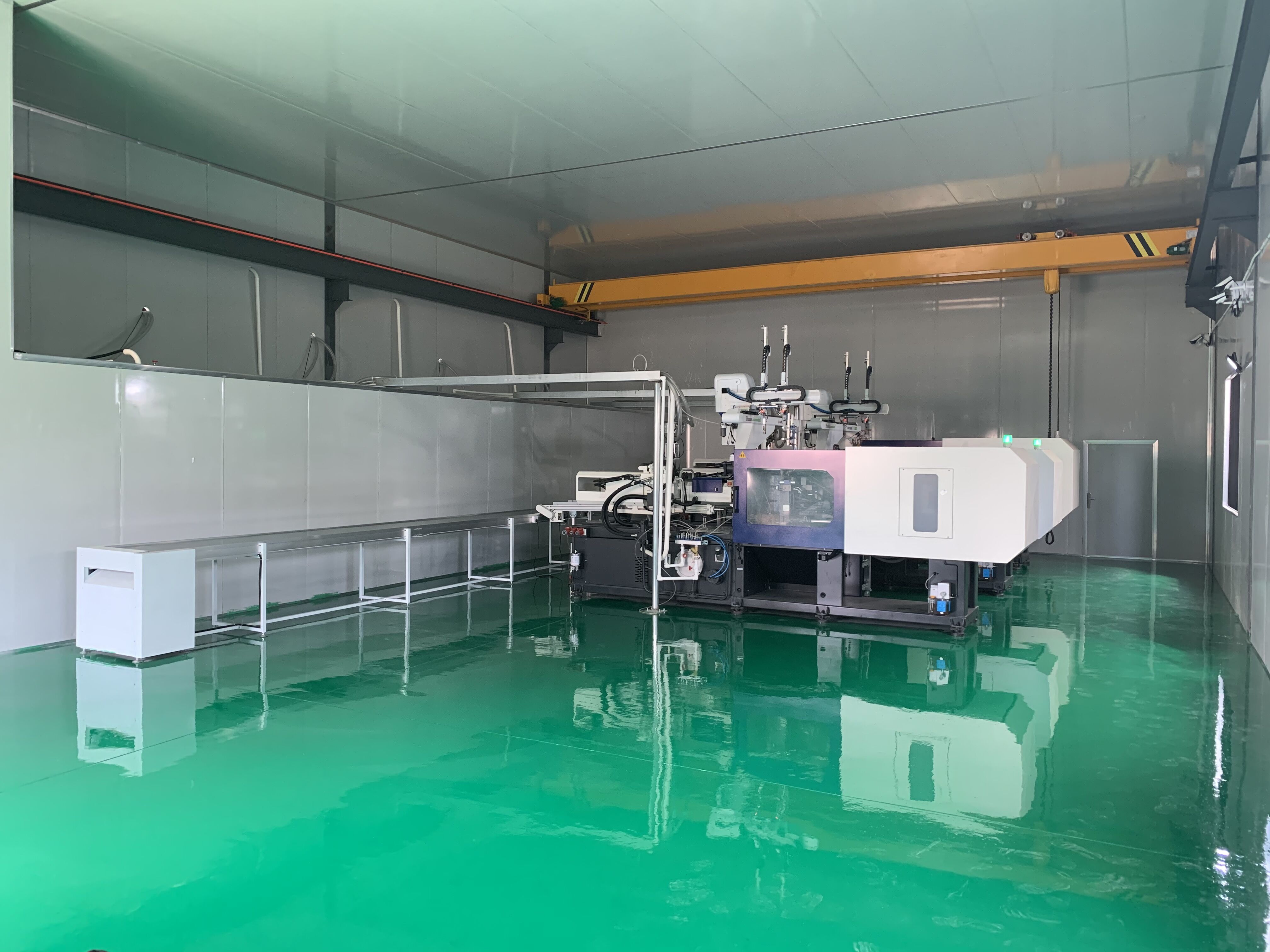
Plastic packaging lines remain common for cost-sensitive programs, but the final material decision should follow the product's protection requirements.
FAQ
1. What compliance standards apply to supplement packaging in the US and EU?
In the United States, dietary supplement packaging must comply with the Dietary Supplement Health and Education Act (DSHEA) of 1994 and FDA Current Good Manufacturing Practice (CGMP) 21 CFR Part 111. Tamper-evident packaging may be required under the Poison Prevention Packaging Act (PPPA) for certain ingredients. In the European Union, Regulation (EU) No 1169/2011 governs the information and transparency required on food and supplement packaging for consumer safety.
2. What should I look for in a supplement packaging manufacturer?
A reliable manufacturer should be able to manage product structural development, tooling strategy, manufacturing risk assessment, and mass-production process control. Honor Packaging, founded in 2015 in Ningbo, China, focuses on child-resistant packaging, violet glass packaging, and vacuum packaging. The company operates joint-venture production bases for plastic and glass packaging, with a 45,000-square-meter facility, 310 employees, and an annual output of 1,000,000 units. Its export markets are primarily the EU and USA.
3. Is violet glass worth the extra cost compared with amber glass?
Violet glass supplement packaging costs approximately 15% more than amber glass. In return, it provides better protection against ultraviolet rays, helps maintain product freshness, and is suitable for food, cosmetic, and pharmaceutical packaging. The decision depends on whether your formulation is light-sensitive and whether stronger UV protection is a priority for your product.
4. How can I get supplement packaging samples or a quote from Honor Packaging?
You can contact Honor Packaging by email at info@honorpkg.com or by phone at +86-574-88004632. WhatsApp support is available at +86 15968944995. The company is based at Rm.305, No.1 Building, No.568 SiMing East Road, YinZhou District, Ningbo, China, close to Ningbo and Shanghai seaports for export delivery.
5. What lead time should I expect for custom supplement packaging?
Lead time depends on product specifications, tooling status, and order quantity. Because Honor Packaging takes responsibility for manufacturing process control and order fulfillment, project-specific timing should be confirmed directly with the team before mass production. For a more accurate schedule, share your product details and target quantity.
Conclusion
Value is not the same as the lowest price. In supplement packaging, value comes from matching cost to protection, compliance, and brand requirements. Violet glass offers a clear protective advantage over amber glass for UV-sensitive products, but the 15% initial cost premium must be evaluated case by case.
Use the comparison framework in this guide, request samples, and verify the manufacturer's production capabilities before committing to a packaging supplier. For light-sensitive food, cosmetic, and pharmaceutical products, violet glass packaging is a strong candidate. For stable products in cost-driven markets, amber glass or plastic packaging may be the more practical value choice.
Need help deciding between violet glass, amber glass, or other supplement packaging formats?
Contact Honor Packaging at info@honorpkg.com or via WhatsApp at +86 15968944995 to discuss your project, request samples, or get a quotation.