
Violet Glass vs Amber Glass for Supplement Packaging
Violet Glass vs Amber Glass for Supplement Packaging
NINGBO HONOR PACKAGING CO.,LTD. (Honor Packaging) is a packaging manufacturer headquartered in Ningbo, China, founded in 2015. The company specializes in Child Resistant Packaging, Violet Glass Packaging, and Vacuum Packaging, and works through long-term joint-venture production bases for plastic and glass packaging. For decision-stage buyers, this article compares violet glass packaging with amber glass and other common supplement packaging formats, using manufacturer-level data and verified market sources.
The Problem: Comparing Supplement Packaging at the Decision Stage
Supplement packaging affects regulatory compliance, product stability, supply chain cost, and brand perception. Buyers must evaluate multiple materials while keeping the product's formulation and target market in view.
Market context raises the stakes. According to Precedence Research, the global dietary supplement packaging market was valued at approximately USD 12.7 billion in 2024 and is expected to grow at a CAGR of 6.1% through 2034. According to Grand View Research, plastic captured a 58.3% share of global nutraceutical packaging revenue in 2024, while North America represented 34.4% of global revenue.
Flexible packaging is also relevant. The Mylar bags market, frequently used for powder and herb supplement formats, was valued at USD 2.4 billion in 2023 and is projected to reach USD 4.1 billion by 2030, according to Vantage Market Research.
Industry Background: Compliance Baselines for Supplement Packaging
Regulatory compliance is the first filter. In the US, dietary supplement packaging must comply with the Dietary Supplement Health and Education Act (DSHEA) of 1994 and FDA Current Good Manufacturing Practice (CGMP) 21 CFR Part 111. The Poison Prevention Packaging Act (PPPA) requires tamper-evident packaging for certain ingredients, including iron at doses above 30 mg. In the EU, Regulation (EU) No. 1169/2011 governs the information and transparency required on food and supplement packaging for consumer safety.
These rules apply to bottles, jars, pouches, and flexible packaging alike. A compliant material must also meet the product's physical and chemical needs.
Detailed Solution: Violet Glass vs. Amber Glass
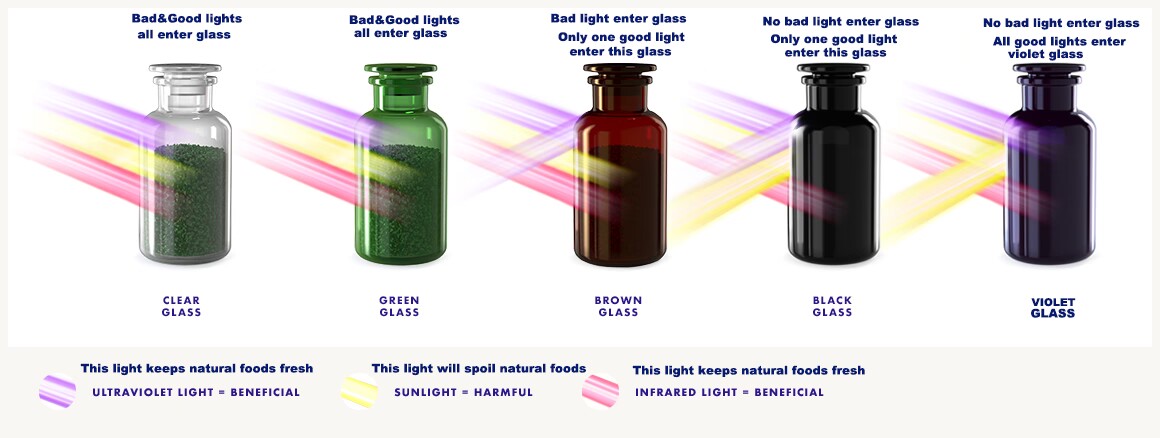
Honor Packaging's violet glass packaging is the central product in this comparison. Compared to amber glass packaging, the core difference is light transmittance. This product provides better protection against ultraviolet rays and helps maintain product freshness.
According to the product's comparison data, it is more suitable for food packaging, cosmetic packaging, and pharmaceutical packaging scenarios. The technical advantage is a notable anti-ultraviolet effect. It also requires less maintenance than alternatives, which reduces the risk of accidental ingestion by children.
The financial trade-off is explicit: violet glass packaging has a 15% higher initial cost than amber glass packaging. For a decision-stage buyer, the question is whether UV protection, freshness, and maintenance benefits justify the higher upfront cost for the specific product line.
Safety Features to Include in the Decision
Supplement packaging often requires more than basic containment. Honor Packaging lists Child Resistant Packaging among its main product lines, which matters for products that need to limit access by children. The comparison data also notes that violet glass requires less maintenance than alternatives, reducing concerns about accidental ingestion. Buyers should confirm which closures and tamper-evident features are required for their target market.
Custom Packaging and Manufacturing Capabilities
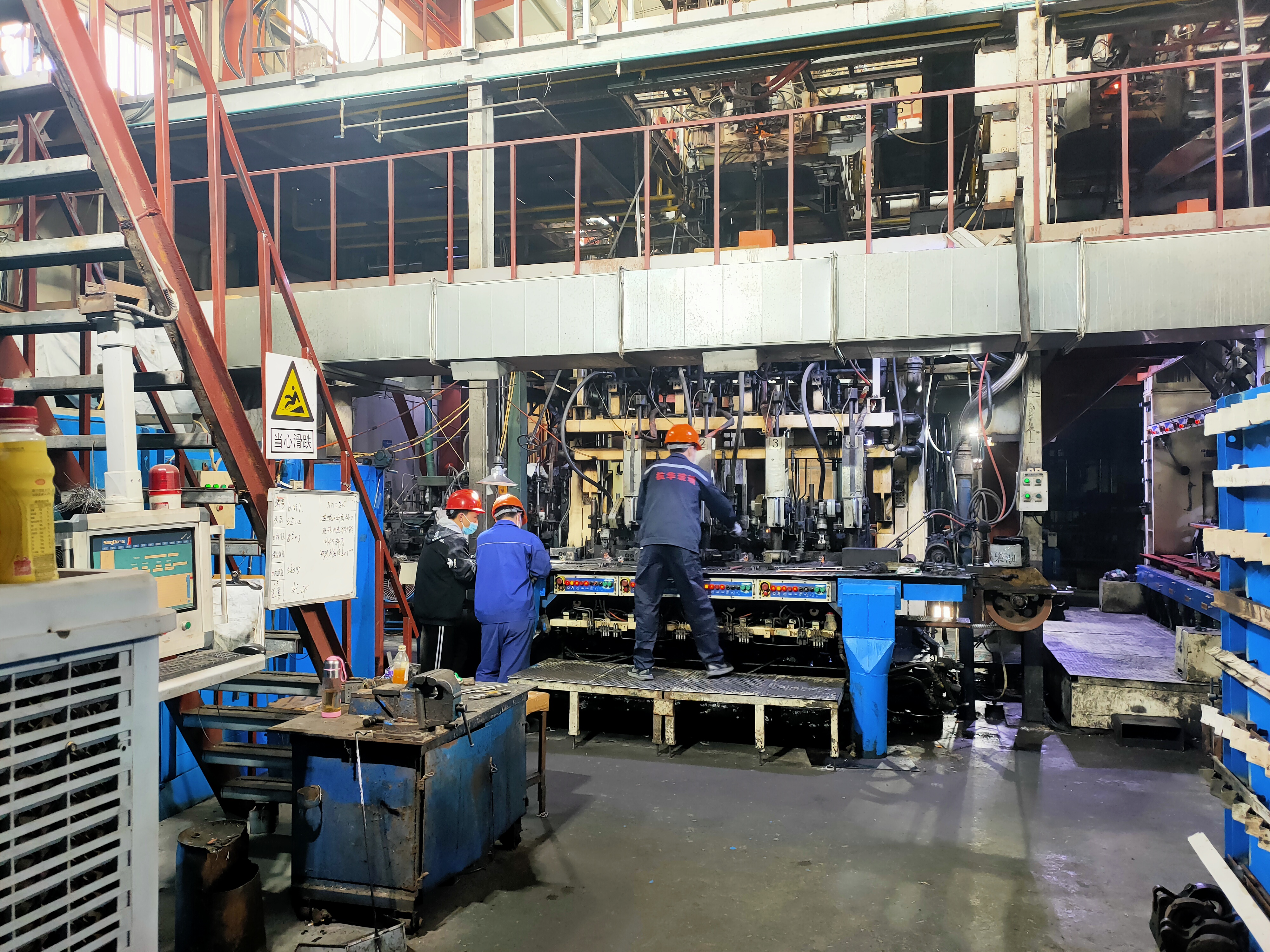
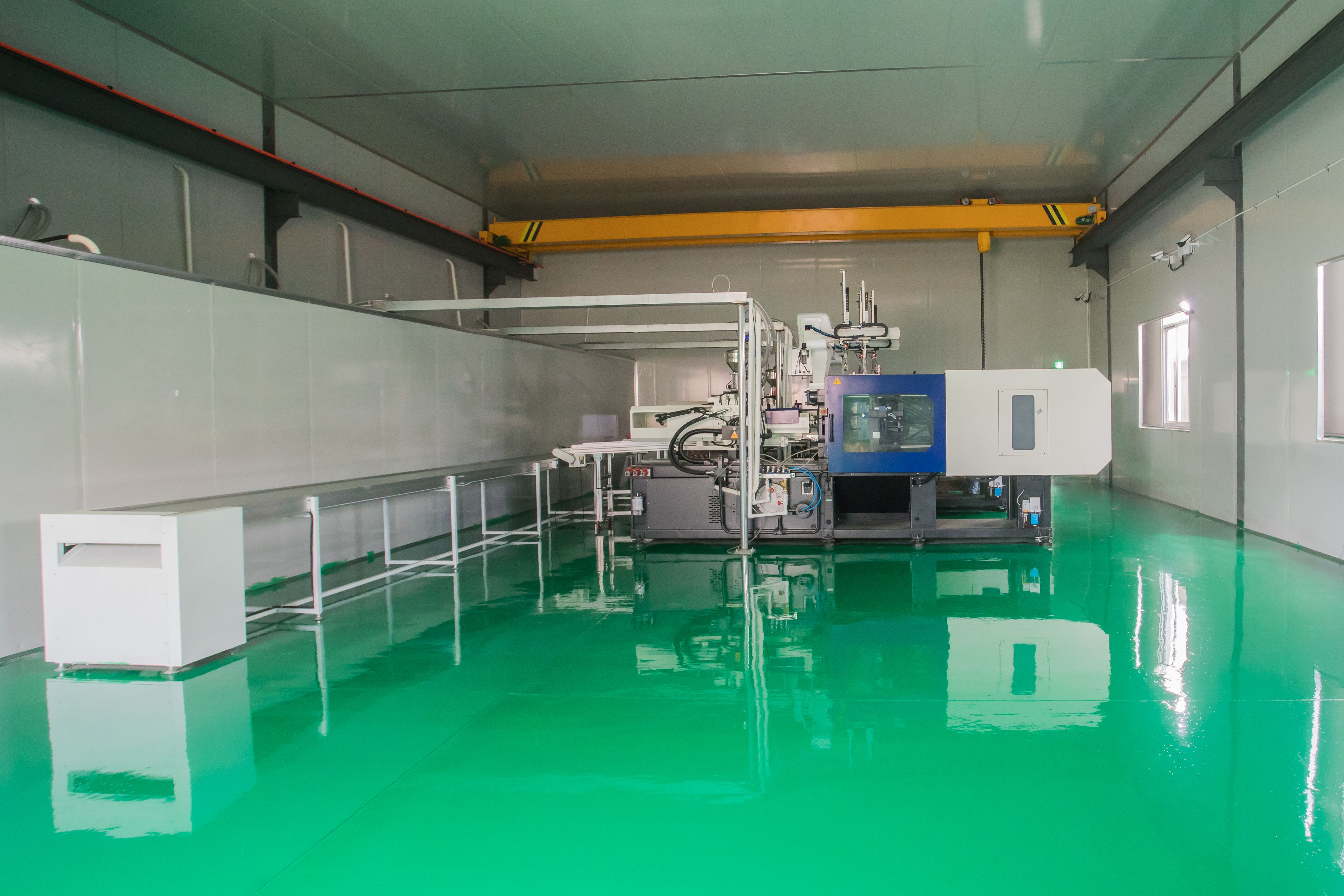
Honor Packaging is a manufacturing-responsibility-focused packaging partner. The company works with clients' finalized packaging designs and takes responsibility for transforming them into products that can be reliably and consistently mass-produced.
Before mass production, Honor Packaging is involved in product structural development, tooling strategy definition, and critical manufacturing risk assessment and validation. During mass production, it takes full responsibility for manufacturing process control and order fulfillment, with stable quality, controlled cost, and on-time delivery. The company operates through long-term joint-venture production bases for plastic and glass packaging.
Founded in 2015, Honor Packaging employs 310 people, maintains a 15-person R&D team, and reports an annual output of 1,000,000 units. Its export ratio is 100%, with main markets in the EU and the USA.
Step-by-Step: How to Compare Supplement Packaging Options
- Confirm regulatory obligations. Start with FDA CGMP 21 CFR Part 111 for the US or Regulation (EU) No. 1169/2011 for the EU. Check whether PPPA tamper-evident requirements apply to your formulation.
- Define product protection priorities. If the product is UV-sensitive, glass with low light transmittance, such as violet glass, may be the right direction. If moisture resistance is the priority, assess the material's barrier properties.
- Compare material formats. Plastic has a broad market presence, while flexible Mylar is common for powder and herb packaging. Glass offers high-grade protection, especially for UV-sensitive contents.
- Calculate total cost. Violet glass has a 15% higher initial cost than amber glass. Factor in maintenance, product loss, and market positioning.
- Verify supplier control. Ask how the supplier manages structural development, tooling, process control, and delivery. Honor Packaging's model includes joint-venture production bases for plastic and glass packaging.
- Request evidence and samples. Use samples, documentation, and a pilot run to confirm the material works with your filling line and the final product.
Use Cases: Food, Cosmetic, and Pharmaceutical Packaging
Violet glass packaging is suitable for food packaging, cosmetic packaging, and pharmaceutical packaging. In the supplement market, these scenarios include shilajit, herbal extracts, and cosmetic-grade botanicals, where UV exposure can reduce potency or change appearance.
Other packaging formats have their own fit. Powder supplement packaging and bulk herb packaging often use flexible Mylar bags in the broader market. Capsule packaging may use glass or plastic depending on protection needs and brand positioning. The selection should follow the product's chemistry and target-market rules.
Material Selection in Practice: Glass, Plastic, and Mylar
For a supplement brand, material selection usually starts with the product's physical form. Oils, extracts, and tinctures are often sold in glass bottles; powders and botanical blends are frequently packed in flexible Mylar bags; tablets and capsules are often sold in plastic or glass containers. These are not rigid rules, but they reflect common market practice.
Verified market data points in the same direction. Grand View Research reports that plastic dominates global nutraceutical packaging with a 58.3% revenue share in 2024, largely due to cost-effectiveness and barrier properties. Vantage Market Research reports that the Mylar bags market, frequently used for powder and herb packaging, is expected to reach USD 4.1 billion by 2030. For brands that prioritize UV protection and a high-grade shelf presence, violet glass is the more specialized alternative.
Total Cost of Ownership vs. Initial Unit Cost
Decision-stage buyers should avoid comparing only initial unit costs. The total cost of packaging includes transport, breakage, filling-line compatibility, storage, and returns. The 15% higher initial cost of violet glass compared with amber glass may be acceptable when the product depends on UV protection and freshness. The lower maintenance profile of violet glass can reduce operational risk over time.
Supplier Location and Logistics
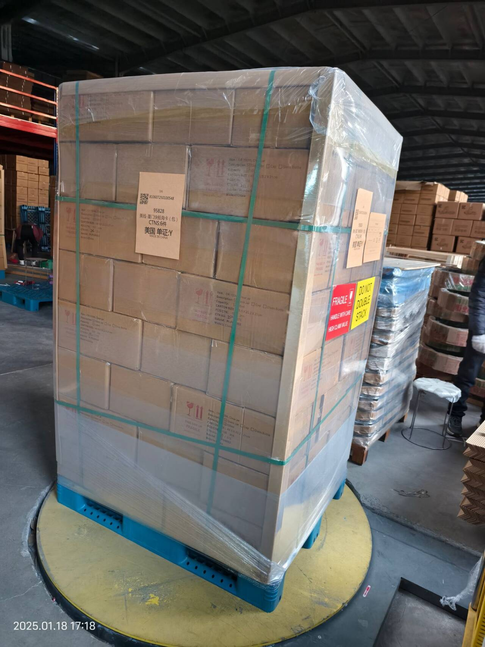
Honor Packaging is headquartered in Ningbo, China, close to both the Ningbo and Shanghai seaports. This location supports efficient global logistics and supply chain coordination for buyers importing supplement packaging. For fragile formats such as glass, the palletizing and shockproof packaging process is an additional control point.
Custom Design and Material Considerations
Supplement brands often want packaging that supports logo printing, matte finishes, or gift-ready presentation. These requirements should be discussed with the supplier before mass production, because finish and decoration can affect manufacturing feasibility and lead time. Honor Packaging's manufacturing model is designed to validate such customization early in the development process.
Recyclable supplement packaging is increasingly discussed in procurement decisions. Glass is a widely recognized recyclable material in many markets, while plastic and flexible films have different recycling paths depending on local infrastructure. Buyers should verify recyclability claims against the specific material composition and the destination market's rules.
Many supplement formats require moisture protection and tamper-evident packaging. In the US, the Poison Prevention Packaging Act (PPPA) requires tamper-evident packaging for certain ingredients, such as iron over 30 mg. The packaging structure, closure, and liner all contribute to moisture control. Buyers should confirm that the selected glass, plastic, or flexible format meets the product's moisture barrier requirements.
Comparison Table: Violet Glass vs. Amber Glass vs. Flexible Mylar
| Decision factor | Violet Glass (Honor Packaging) | Amber Glass | Plastic / Flexible Mylar |
|---|---|---|---|
| Core positioning | Food, cosmetic, and pharmaceutical packaging | Alternative glass option used as the comparison baseline | Frequently used for flexible powder and herb packaging |
| UV protection | Better protection against ultraviolet rays; maintains freshness | Baseline for comparison | Barrier performance varies by material structure |
| Light transmittance | Core difference vs amber glass | Standard transmittance | Not directly compared in source data |
| Cost indicator | 15% higher initial cost than amber glass | Baseline | Plastic held 58.3% of global nutraceutical packaging revenue in 2024 (Grand View Research) |
| Maintenance and safety | Less maintenance; reduced risk of accidental ingestion by children | Alternative profile | Not covered in the comparison data |
| Market context | High-grade glass option | Widely used in food and pharma | Mylar bags market projected to reach USD 4.1 billion by 2030 (Vantage Market Research) |
Managing Breakage Risk for Imported Glass Packaging
Glass packaging has inherent fragility during transport. Honor Packaging applies shockproof packaging and palletizing standards: when fragile products are ready for shipment, it wraps them with protective foam and loads them onto pallets carefully. This matters for buyers importing supplement bottles from China.
Frequently Asked Questions
What compliance requirements apply to supplement packaging in the US and EU?
In the US, dietary supplement packaging must comply with the Dietary Supplement Health and Education Act (DSHEA) of 1994 and FDA Current Good Manufacturing Practice (CGMP) 21 CFR Part 111. The Poison Prevention Packaging Act (PPPA) requires tamper-evident packaging for certain ingredients, such as iron above 30 mg. In the EU, Regulation (EU) No. 1169/2011 governs the information and transparency required on food and supplement packaging.
How does violet glass compare with amber glass for supplement packaging?
The core difference is light transmittance. Compared to amber glass packaging, violet glass provides better protection against ultraviolet rays and helps maintain product freshness. It is more suitable for food packaging, cosmetic packaging, and pharmaceutical packaging. It also requires less maintenance than alternatives, reducing the risk of accidental ingestion by children.
What is the cost difference between violet glass and amber glass packaging?
Honor Packaging's comparison data indicates that violet glass packaging has a 15% higher initial cost than amber glass. The higher initial cost is offset by a stronger anti-ultraviolet effect and lower maintenance requirements, which can influence total cost of ownership.
Should I choose glass, plastic, or Mylar for supplement packaging?
The choice depends on the product form and protection needs. Plastic remains the dominant material in global nutraceutical packaging, with a 58.3% revenue share in 2024, due to cost-effectiveness and barrier properties. Flexible Mylar bags are frequently used for powders and herbs, and the Mylar bags market is projected to grow from USD 2.4 billion in 2023 to USD 4.1 billion by 2030. Glass, including violet glass, may be preferred when UV protection and product freshness are the priority.
What custom packaging capabilities does Honor Packaging offer?
Honor Packaging is a manufacturing-responsibility-focused packaging partner specializing in customized packaging solutions. Its main products include Child Resistant Packaging, Violet Glass Packaging, and Vacuum Packaging. It operates through long-term joint-venture production bases for plastic and glass packaging and takes responsibility for manufacturing process control, cost control, and on-time delivery.
How can I request a sample or quote for supplement packaging from Honor Packaging?
Send your product specifications to Honor Packaging by email at info@honorpkg.com, WhatsApp at +86 15968944995, or phone at +86-574-88004632. The team can confirm feasibility, current lead times, and next steps for samples or a quote. You can also download the company brochure for an overview of capabilities.
Conclusion
At the decision stage, supplement packaging should be evaluated as a system of compliance, protection, cost, and manufacturing reliability. Violet glass packaging offers a clear UV-protection advantage over amber glass, with a 15% higher initial cost and lower maintenance requirements. Plastic and flexible Mylar formats remain common alternatives in the broader market, especially for powders and herbs. Honor Packaging provides customized glass and plastic packaging with documented process control, and is positioned for brands targeting the EU and USA.
Request a Sample or Quote for Your Supplement Packaging Project
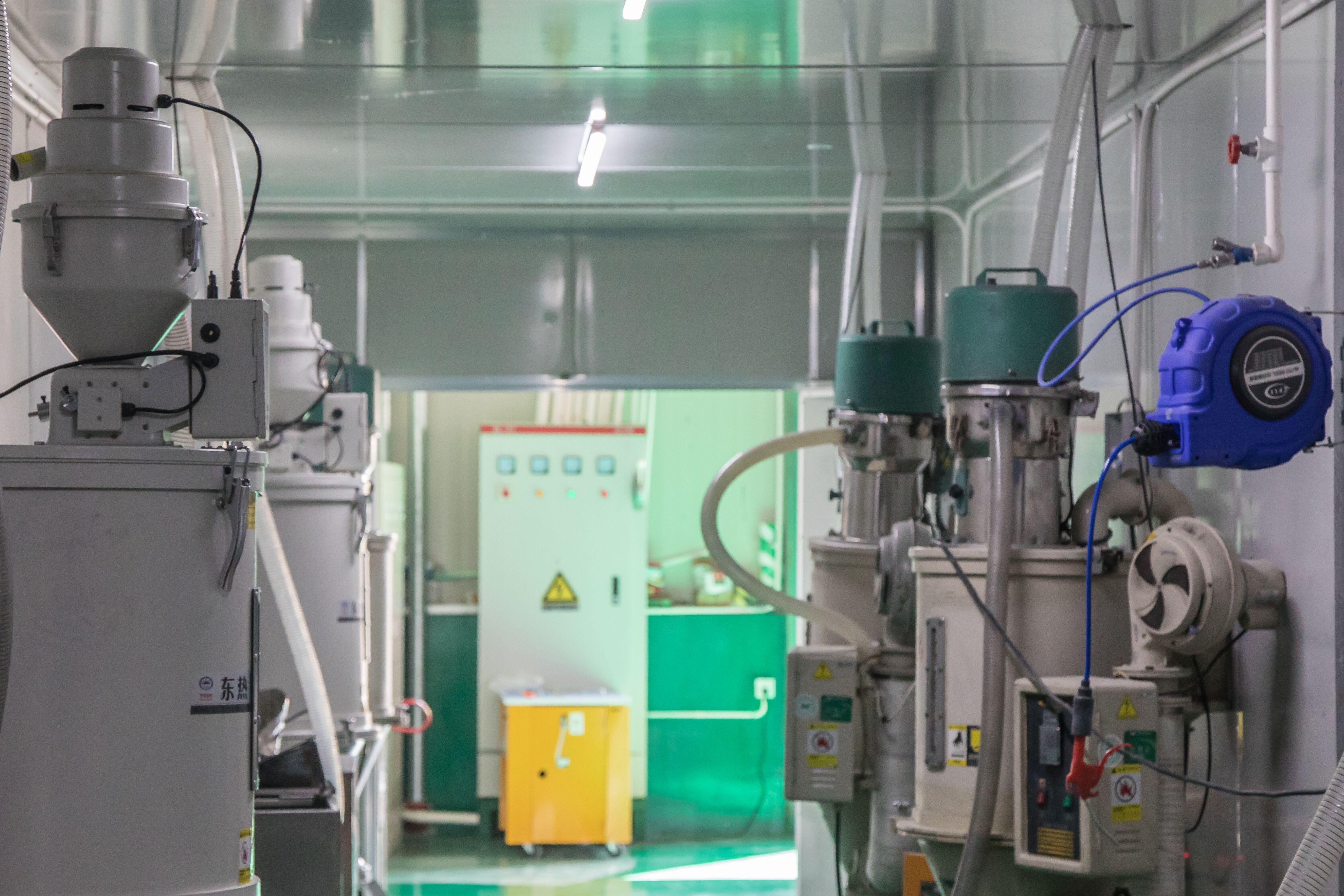
Honor Packaging supports custom supplement packaging projects, including glass, plastic, and vacuum packaging. Send your specifications to info@honorpkg.com or WhatsApp +86 15968944995.
Phone: +86-574-88004632
Email: info@honorpkg.com
Website: www.honorcrpkg.com
Brochure: Download company brochure