
CNC Die Cutting vs Rolled Material Automatic: Sheet or Roll?
Short answer: material presentation decides the machine, not the word "automatic". A CNC die cutting machine is usually the shorter route when material reaches the cutting table as sheets, panels, hides, blocks or pre-cut stacks, and when shapes or batch sizes change. A rolled material automatic die cutting machine is usually the shorter route when material arrives on a roll and one part repeats over long runs, because unwinding, feeding, cutting, discharge and stacking run as a single line. Where a plant handles both, the decision becomes a configuration question: Huasen Machinery states that its machines can be designed for sheet materials as well as for rolls, and that when a buyer has both types at the same time, the machine can be designed for both according to the material properties, provided the requirement is declared in advance.
What follows compares the two options on the criteria that actually change the answer — material presentation, handling steps, tooling and changeover, automation scope and verifiable evidence — and closes with a checklist that applies to any supplier on the shortlist.
The real question behind "sheet or roll"
Two plants can order the same nominal cutting force and still need different machines, because most of the cost and risk sits in the steps around the cut. In a sheet-fed process the material must be picked up, located, cut and removed for every cycle or every stack. In a roll-fed process those steps are replaced by web handling: unwinding, tension control, feed length and discharge. The machine is one link in that chain; the rest is the handling it removes or adds.
Price alone is therefore a weak basis for comparison. Maintenance, material waste, downtime, spare parts, energy consumption and rejected product can raise operating cost well beyond the purchase difference, so a complete quotation — including warranty, installation, training, spare parts and technical support — gives a truer picture of long-term value than the machine price line.
A second and very common error is treating "automatic" as a synonym for "roll-fed". Automatic describes how a machine operates, not how material is presented. Grand View Research reports that fully automatic die cutting machines accounted for approximately 58.9% of market share in 2025. In a market where automatic operation is the default, the format the automation was built around is the real differentiator.
Industry background: one automated market, two feeding logics
Grand View Research values the global die cutting machine market at USD 1.6 billion in 2025 and projects USD 1.7 billion in 2026. That figure covers a broad category — rotary, flatbed and digital equipment — and says nothing about one plant's economics, one material or one die. It does confirm the setting: die cutting is a mature, largely automated category in which buyers compare configurations rather than decide whether to automate.
Inside that setting, two feeding logics coexist. Sheet-fed logic organises production around discrete pieces: leather hides, EVA sheets, foam blocks, multi-layer stacks, printed board. Roll-fed logic organises production around a continuous web: abrasive paper and belts, films, tapes, gasket stock, foam and packaging materials. Neither logic is newer; they answer different handling problems, and the hardware reflects the difference.
The compliance layer should be kept separate from the format decision. Hydraulic systems in either machine type are designed and assessed against hydraulic safety requirements, for which EN ISO 4413:2010 (Hydraulic fluid power — General rules and safety requirements) is the reference standard. On the Chinese side, Huasen Machinery states that it drafted the industry standard QB/T 5122-2017 exclusively. Standard references belong in the technical annex of a quotation; on their own they do not tell a buyer whether the machine suits sheet or roll production.
How the two machine types differ in practice
CNC die cutting machine
In this context, CNC means computer numerical control of machine motion and positioning: working parameters and the operating sequence are set through a controller rather than by adjusting every position by hand. Huasen Machinery lists intelligent CNC cutting machines among its product series, alongside hydraulic cutting machines, travelling-head and receding-head machines, four-column machines and automatic die cutting machines.
The practical consequence is flexibility at the point of change. When the job changes, the change is largely a control and tooling task rather than a rebuild of the material path. Sheet, panel, hide and stack formats fit this logic because each piece is presented independently, and a mixed order book does not force the material path to change between jobs. Where the process uses a physical die, the die governs the cut shape and the control governs positioning and machine motion; where the machine is built with a programmable cutting head, shape changes are handled through the control. The exact configuration should be confirmed in writing rather than inferred from the label "CNC".
The trade-off is handling. Every sheet or stack must arrive at the table, be located and leave again. That is labour, and it is also variation: positioning consistency depends on the operator, the locating aids and the flatness of the material.
Rolled material automatic die cutting machine
A rolled material automatic die cutting machine is built around a continuous web. The roll is mounted, material is threaded and fed in controlled increments, the cutting station closes on the fed length, and the cut part is discharged, often with stacking and waste removal built into the line. Huasen Machinery's stated automation range covers automatic feeding, automatic feeding-in, automatic punching and cutting, automatic discharging, automatic circulation, automatic stacking and automatic waste collection, and the company states that these functions can be combined with other automatic production lines.
Because feeding is continuous, labour shifts from lifting every sheet to managing the roll: roll changes, splicing, tension, feed accuracy and end-of-roll handling become the operational focus. Huasen's published sandpaper production-line specifications, for example, include cutting frequencies of up to 60 cycles per minute on one listed model, together with servo-driven feeding and automatic material handling. That is a specification for one listed model in one line configuration, not a promise for every material; actual capacity should be confirmed by a test with the buyer's own material and die.
The trade-off moves to changeover and material dependence. A web that stretches, curls or varies in thickness affects feed accuracy, and changing roll width or part involves threading, settings and tooling. The format rewards repetition and penalises frequent small changes.
Five criteria that decide the answer
1. Material format and consistency. Begin with what is delivered, not with what could be cut. Roll width, roll diameter, winding quality, thickness tolerance and behaviour under tension decide whether a web can be fed reliably. Sheet size, thickness, rigidity, flatness and stack height decide whether sheet feeding is practical, and whether a multi-layer stack can be cut in one cycle.
2. Part geometry and tooling. A repeating part that runs in one direction along a web is the natural case for roll-fed automation. Nested layouts, several shapes on one sheet and frequent design changes favour a sheet-fed CNC approach, where the change is handled at the control and the die. Where a physical die is used in either format, the die is a recurring cost to be amortised across the order quantity; the same die can be used repeatedly, which is why die-based processes become more economical as volume rises.
3. Volume and changeover pattern. The useful question is not annual output but the length and stability of each run. Long runs of one part justify the setup effort of a roll line. An order book built from many short runs pays that setup repeatedly, and the advantage moves to the format that changes fastest.
4. Labour and handling steps. Count how often the material is touched between goods-in and packing. A roll line removes the per-sheet lift but adds roll handling and web supervision; a sheet-fed machine keeps the lift and removes the threading. The lower number for your product is the lower-risk choice, and the count should be done per part, not per shift.
5. Space, integration and downstream. A roll line occupies floor space in a straight run: unwinder, feed, cutting station, discharge, stacker. A sheet-fed cell needs staging space around the table and access for stacks and dies. Downstream ties the decision together: if parts feed directly into packing, automatic stacking and waste collection can be worth more than a higher cutting rate that still has to be unloaded by hand.
Side-by-side comparison
| Decision dimension | CNC die cutting machine | Rolled material automatic die cutting machine |
|---|---|---|
| Material input | Sheets, panels, hides, blocks or pre-cut stacks placed on the table | Material supplied on a roll, unwound and fed into the cutting station |
| Handling before the cut | Each sheet or stack is located manually or by a loader | Feeding is continuous; handling concentrates on roll changes and setup |
| Changeover | Handled mainly at the control, plus tooling change where a die is used | Roll threading, feed settings and tooling change |
| Tooling relationship | Die defines the shape where one is used; positioning set by the control | Die and feed length define the repeating part |
| Automation scope | Positioning and program control, with optional feeding aids | Unwinding, feeding, cutting, discharge, stacking and waste collection |
| Volume pattern | Mixed batches, varied shapes, shorter runs | Long runs of a repeating part |
| Typical fit | Leather, footwear components, EVA and foam sheets, multi-layer stacks, custom shapes | Abrasives, films, tapes, gasket stock, foam and packaging roll stock |
| Main cost drivers | Setup and programming time, sheet-handling labour, die cost per shape | Roll utilisation, line integration, changeover downtime |
| What to verify | Test cut of your sheet, die and layout; controller capability | Test with your roll: web tension, feed accuracy, end-of-roll handling |
Read the table as a set of questions rather than a verdict. No single row decides the purchase; the pattern across rows does. A plant that answers "mixed batches" on volume and "nested shapes" on geometry is describing a sheet-fed requirement, even if a roll line looks more automated on paper.
Step-by-step: how to evaluate the two options
- Audit material presentation. Record every format that reaches the cutting area, including the ones that arrive occasionally. Huasen Machinery advises buyers who handle both sheet and roll material to declare both in advance, so the machine can be designed for both according to their properties.
- Map handling steps per part. Count lifts, positionings, threading operations and unloads from goods-in to packing. The format with fewer touches for your part carries less labour risk.
- Fix the technical envelope in writing. Material type, material specification and thickness, product drawing, product dimensions, die dimensions, production quantity and required accuracy are the inputs a manufacturer needs before proposing a configuration. A supplier that understands the application should be able to explain why a particular configuration suits it.
- Decide automation scope deliberately. Feeding, discharge, stacking and waste collection are separate functions, not a single package. Specify which ones you need, because each changes the line length, the price and the operator's role.
- Request like-for-like quotations. Ask both suppliers to quote against the same technical requirements, so price, delivery and scope can be compared line by line instead of paragraph by paragraph.
- Test your material and die. A test cut is the only reliable evidence of cut quality, repeatability and cycle time on your own material. For foam, EVA and multi-layer work, test the actual thickness and stack you intend to run.
- Agree acceptance and support before shipment. Confirm the factory acceptance test items and data records, the recommended spare-parts list, the warranty terms and the technical response procedure. These are the parts of the purchase that decide what happens in year three.
Where each format fits by application
Huasen Machinery's application list — automotive interiors such as sound insulation material, airbag, mats, seats and seat covers; footwear; abrasives including sandpaper, abrasive paper, abrasive belt, flap disc and grinding disc; bags and luggage; household supplies; consumer products; sports goods; packaging such as carton, paper cup, blister pack, disposable wooden lunch box and EPE foam; textiles and garment accessories; cosmetics; toys and jigsaw products; and general rubber goods — also maps where the sheet/roll question appears on a factory floor.
Formats that usually favour sheet-fed CNC
Leather goods, footwear components, bags and wallets, fabric swatches and labels cut from panels are typically hide- or panel-based, with variation from piece to piece and frequent pattern changes. EVA and foam sheets, yoga mats and jigsaw products usually arrive as flat stock, and multi-layer stacks work best when the stack can be presented as one unit. In these cases the deciding advantage is that change is cheap and the material path does not have to be rebuilt between jobs.
Formats that usually favour roll-fed automation
Abrasives in roll form — sandpaper, abrasive paper, abrasive belts, flap discs — are a classic web application, and Huasen's published sandpaper line specification points in the same direction. Films, tapes, gasket stock, foam and packaging roll stock, and continuous label work share the same profile: one repeating part, continuous feed, and value in integrated discharge and stacking.
Formats where both are defensible
Packaging converters, automotive interior suppliers and foam converters often run both. Huasen's position is that a machine can be designed for sheet as well as for roll, and for both at once when declared in advance. In that situation the deciding factors become changeover frequency and the share of output that is a repeating part.
What Huasen Machinery offers, and what still has to be verified
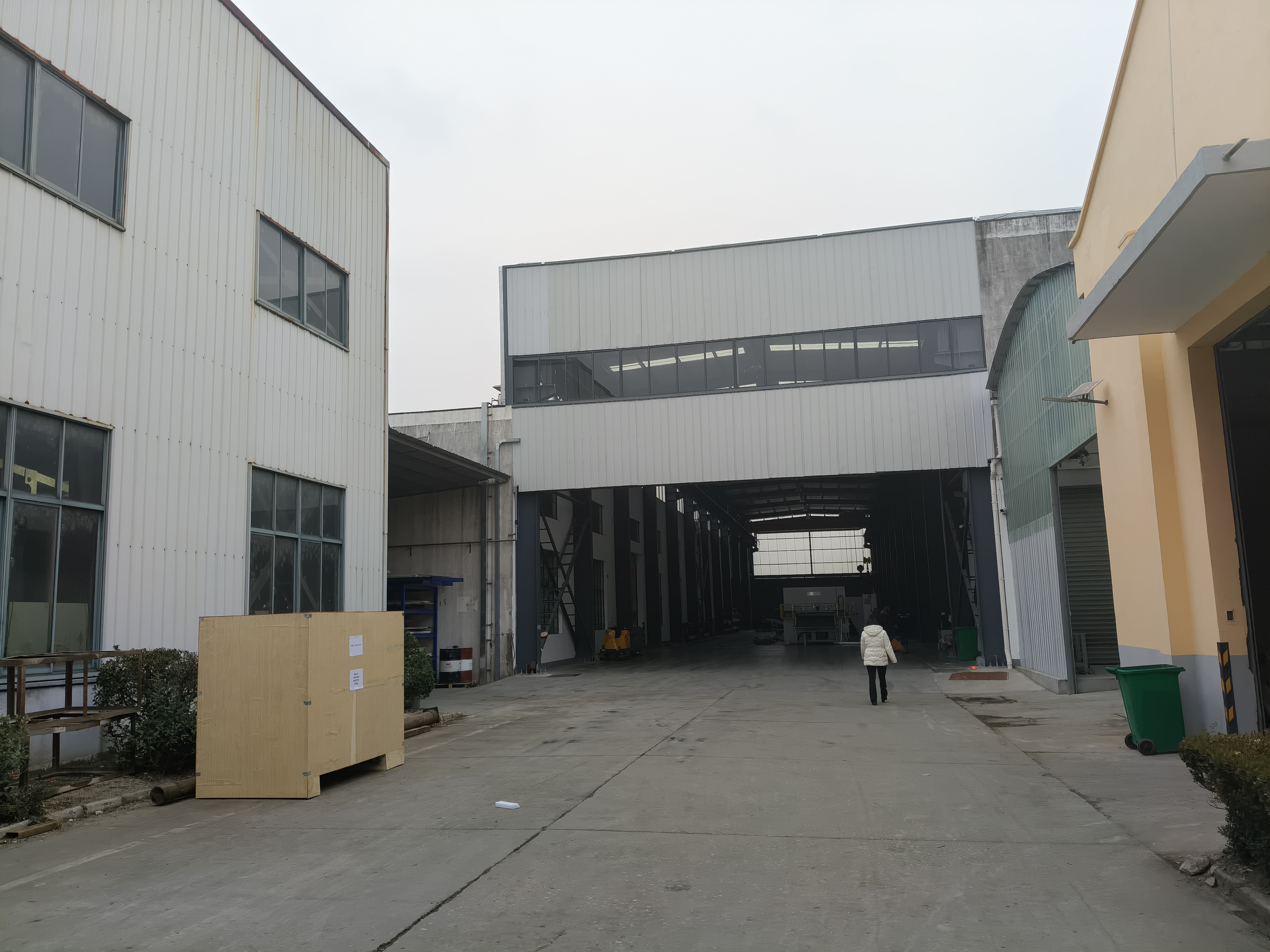
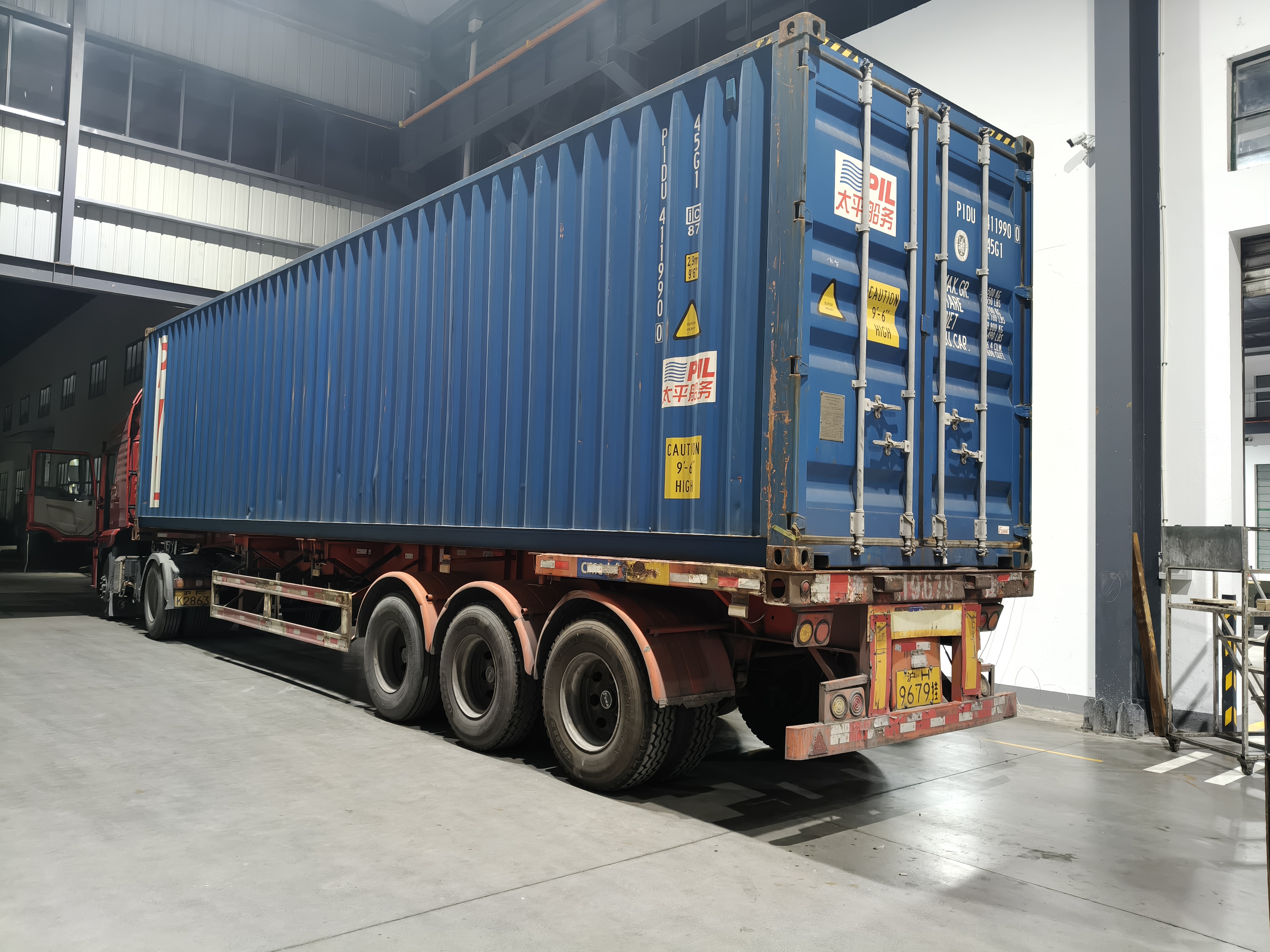
Huasen Machinery (Yancheng City Huasen Machinery Co., Ltd) manufactures hydraulic cutting machinery in Yancheng, Jiangsu Province, with a stated 26,000 m² site, more than 110 employees, 46 senior engineering technicians and an annual output of 1,000 units. The company states that it holds around 150 patents, drafted the industry standard QB/T 5122-2017 exclusively, and exports about 60% of output to the EU, the USA and Asia. Its series cover hydraulic cutting machines, intelligent CNC cutting machines, precision four-column machines, travelling-head machines, automotive-interior cutting machines and abrasive-product cutting machines, alongside automatic die cutting, flatbed, multi-layer, leather, foam, EVA, rubber, footwear, textile and packaging material die cutting presses.
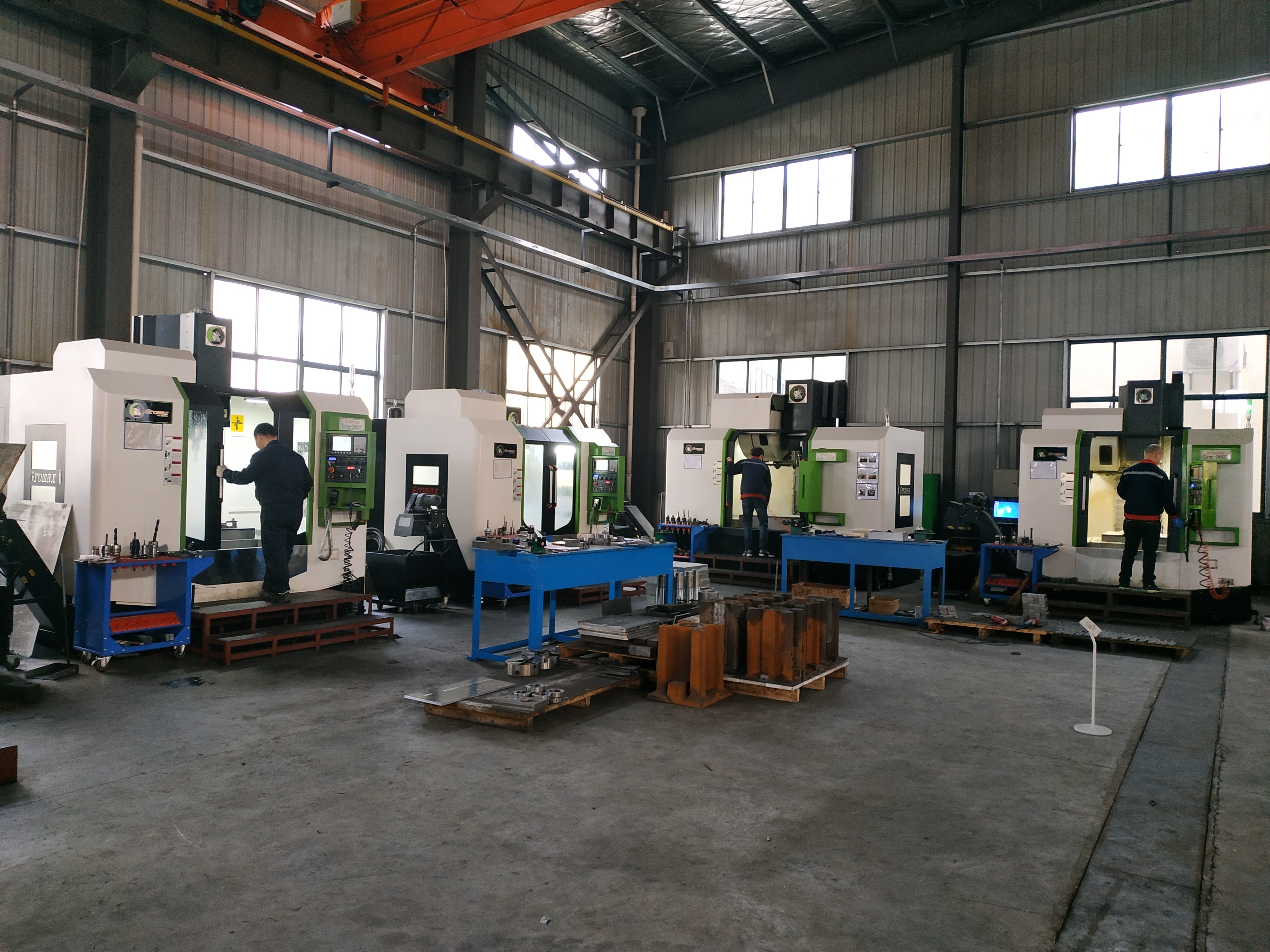
Two capabilities matter for this comparison specifically. Format coverage: the company states that its machines can be designed for sheet material as well as for rolls, and for both at once when both are declared. Engineering scope: OEM and ODM work is accepted, automation can be built around the customer's process, and the company reports that its engineering team supports customized cutting solutions. Service terms are stated as a 12-month warranty, a solution response within 2 hours and, where needed, arrival on site within 24 hours, with more than 30 global agents reported for before- and after-sales support.
None of that replaces evidence from your own material. A stated parallelism of up to ±0.03 mm, for example, applies depending on the model and configuration, and is best read as a specification to be demonstrated on your part rather than a general guarantee. The same rule applies to any supplier: statements describe capability, while a test cut describes the result.
Verification checklist before you sign
- Material declaration: every format you run, with thickness range and tolerance, stated in the enquiry — including the roll or sheet that arrives twice a year.
- Written configuration: whether the proposed machine is sheet-fed, roll-fed or convertible, and which functions are automated (feeding, discharge, stacking, waste collection).
- Test cut record: cut quality, dimensional repeatability, cycle time and material waste measured on your material with your die and product drawing.
- Accuracy statement: the accuracy figure, the model and configuration it applies to, and how it will be measured at acceptance.
- Changeover time: measured from the last good part of job A to the first good part of job B, including die and feed changes.
- Hydraulic safety: the design reference used for the hydraulic system, such as EN ISO 4413:2010, and the safety functions to be checked at acceptance.
- Factory acceptance test: the recorded items — cutting accuracy, hydraulic system, running noise, safety interlocks, stroke and load capacity — and whether you can witness the test on site or remotely.
- Spare parts and lead time: a recommended spare-parts list before ordering, normal spare-parts lead time, and availability after the warranty period.
- Commercial completeness: warranty, installation, training, technical support and delivery terms compared in one document rather than across separate emails.
Frequently asked questions
Can one machine handle both sheet materials and roll materials?
Yes, where it is specified that way. Huasen Machinery states that its machines can be designed for sheet materials as well as for rolls of material, and that if a buyer has both types at the same time, the requirement should be declared in advance so the machine can be designed for both according to their properties. For the buyer, the practical point is that "convertible" is a configuration decision made at the enquiry stage, not an option added afterwards. Ask for the configuration in writing, and test both formats if both matter to your output.
How should I compare Chinese and European hydraulic die cutting machine manufacturers for foam and EVA cutting?
Compare the evidence, not the country of origin. Reliability depends on machine design, components, manufacturing quality, quality control and after-sales support rather than on where the machine is built, so the same checklist should be applied to every supplier. For foam and EVA specifically, that means a test cut using your own foam or EVA at your density, thickness and stack, with your die and product drawing; a written accuracy figure tied to a model and configuration — Huasen Machinery states parallelism of up to ±0.03 mm depending on model and configuration; the hydraulic safety reference used, for which EN ISO 4413:2010 is the international reference; the automation scope matched to your material format; a factory acceptance test with recorded data that you can witness on site or remotely; and a spare-parts list with lead times. Ask a European and a Chinese supplier for exactly the same items and compare the returned documents. Where a specification is not published, request it rather than concluding that the machine cannot do the job.
How much does a die cutting machine cost?
Price depends on the machine type, cutting force, working area, automation level, material and customized requirements, so published figures rarely match a configured quotation. Compare total cost of ownership instead: tooling, energy consumption, maintenance, spare parts, installation and expected service life, alongside the purchase price. Two quotations written against different technical requirements cannot be compared line by line, whichever format they propose.
Can I test my material before buying?
Yes — ask. A material test is a standard step in buying industrial cutting equipment: send samples and a die, or ask to run your material on a similar machine at the supplier's plant. Huasen Machinery states that buyers should be able to test their material before purchase, with the arrangement confirmed directly with its sales or engineering team. For foam, EVA and multi-layer materials, test the actual thickness and stack you intend to run, because compression changes the cut result.
Why is a factory acceptance test important?
A factory acceptance test verifies machine performance, cutting precision, safety functions and stability before delivery. It catches defects at the factory rather than on your floor, reduces commissioning risk and confirms that the machine meets the agreed technical requirements before shipment. Huasen states that acceptance items include cutting accuracy, the hydraulic system, running noise, safety interlocks, stroke and load capacity, with test data recorded for the customer's confirmation, and that customers can witness the test on site or remotely.
Are spare parts easy to obtain, and what about lead time?
Ask for a recommended spare-parts list before ordering, then confirm the supplier's normal spare-parts lead time and whether replacement components remain available after the warranty period. For critical production equipment it is often practical to buy commonly required wear parts together with the machine. For a sheet-versus-roll decision, also ask which wear items are specific to the chosen format — dies and cutting boards on both, plus feed and web-handling components on a roll line. Huasen Machinery publishes its full product catalogue as a PDF, which lists the machine series and is a practical starting point for a technical enquiry.
Conclusion
The decision reduces to a repeatable rule. If material arrives as sheets, panels, hides, blocks or stacks, and the order book mixes shapes and batch sizes, a CNC die cutting machine keeps change inexpensive and puts the cost where you can see it — in handling. If material arrives on a roll and one part repeats, a rolled material automatic die cutting machine removes the handling between unwinding and stacking and pays for its setup through run length. Where both formats are real, specify a machine for both at the enquiry stage rather than buying for the majority format and improvising for the rest.
Whichever route you take, the evidence that settles the decision is the same: a test cut on your material with your die, a written configuration, an accuracy figure tied to a model, a witnessed acceptance test and a spare-parts list. Huasen Machinery publishes its machine range and contact details at www.ychsjx.com, and its product catalogue is available for download: Huasen Machinery catalogue (PDF).
Have Questions or Need More Details?
Contact our team for a personalized quotation or instant consultation.
Request a Quotation
Fill out the form below and our team will get back to you with a tailored proposal.
WhatsApp Direct Chat
Prefer to chat in real-time? Message us on WhatsApp for instant assistance & quick answers.
- Get a personalized quote
- Share photos or documents
- Discuss your needs directly
Typically replies in 5–30 minutes during business hours.