China Injection Molding Machine Manufacturers: A Buyer's Discovery Guide
Discovery Guide · Injection Molding
China-based suppliers build every major injection molding machine architecture used in commercial production: servo-hydraulic toggle machines, two-platen machines, all-electric and hybrid electric platforms, multi-component (2K) machines, high-speed thin-wall packaging machines, and vertical insert-molding machines. Choosing between them is an engineering decision driven by part geometry, material, mold design and target cycle time, not by country of origin alone.
This guide is written for the discovery and research stage of a machine purchase. It maps what the Chinese supplier base actually offers, which specification variables separate one platform from another, which machine type fits which industry, and how to move from a broad search to a shortlist of two or three configurations that can be quoted against the same technical brief.
Two manufacturers can quote the same clamping force and still deliver very different machines. The differences that matter sit in the drive and clamping architecture, the controller, the plasticising system, and how easily the machine connects to robots, vision inspection and MES software.
What buyers actually mean by “China injection molding machine manufacturers”
Most searches for Chinese injection molding machine manufacturers happen in the first weeks of a project, before tonnage, drive type or application class have been fixed. At that point the phrase “injection molding machine” is carrying far too much weight, because it spans at least seven machine architectures and a clamping-force range that runs from a few hundred kN to tens of thousands of kN.
Four issues come up repeatedly at this stage.
The catalogues look alike. Supplier pages use the same product names — “servo injection molding machine”, “precision injection molding machine”, “energy-saving injection molding machine” — while the platforms behind those labels differ in drive concept, control system and mechanical design. Product labels are a starting point for comparison, not a replacement for it.
Architecture is hidden behind model numbers and tonnage. A machine described only by clamping force says nothing about whether the clamping unit is a toggle or a two-platen design, whether the injection unit is hydraulic, electric or hybrid, or whether it can run multi-component molds. Those variables drive cycle time, energy consumption, mold compatibility and floor-space requirements.
Supplier identity is not the same as manufacturing identity. Machinery company names in China are often similar across adjacent equipment categories, and some trading companies operate under names that sound like factories. Before comparing quotations, confirm the legal entity, the product the company actually manufactures, and the plant that will build and test the machine.
Public data is thin at the technical level. Independently verified benchmarks for energy consumption per molded part, repeatability, cycle time or OEE are not widely published, so both market-size figures and vendor datasheets have to be read with the right expectations.
The supplier base in context: what the published figures show
Market-size estimates for injection molding machines point in the same direction, but they are not identical — and the gap is worth understanding before it feeds a business case.
Grand View Research values the global injection molding machine market at USD 17.3 billion in 2025 and projects USD 25.5 billion by 2033, a CAGR of 5.0%. The same publisher reports that Asia Pacific held the largest regional share at 39.7% in 2025. Fortune Business Insights frames the market differently, at USD 11.66 billion in 2026 with a projected USD 18.45 billion by 2034 at a CAGR of 5.90%.
The two estimates differ because of scope, category definitions and methodology. Both originate from commercial research publishers rather than national statistical offices, so they are best used as a directional demand envelope for capacity planning rather than as a precise market value.
Within that envelope, machine architecture is shifting. Grand View Research reports that hydraulic technology still captured more than 40% of market share in 2024, while Strategic Market Research values the electric injection molding machine segment at USD 4.9 billion in 2024. The practical reading: servo-hydraulic machines remain the volume workhorse, while all-electric platforms occupy a substantial and distinct position at the precision, cleanliness and energy-efficiency end of the market.
Digitalisation is the second structural change. Grand View Research attributes a 25% reduction in scrap and a 20% to 40% drop in unplanned downtime to smart manufacturing systems in this category. Trade and professional-society coverage describes Industry 4.0 adoption in injection molding as built on IoT/IIoT connectivity, with data collected from injection molding machines and auxiliary equipment to enable real-time monitoring. For buyers, that reframes the purchase: the question is no longer only what the machine injects, but what it can measure and what it can connect to.
The machine architectures you will be comparing
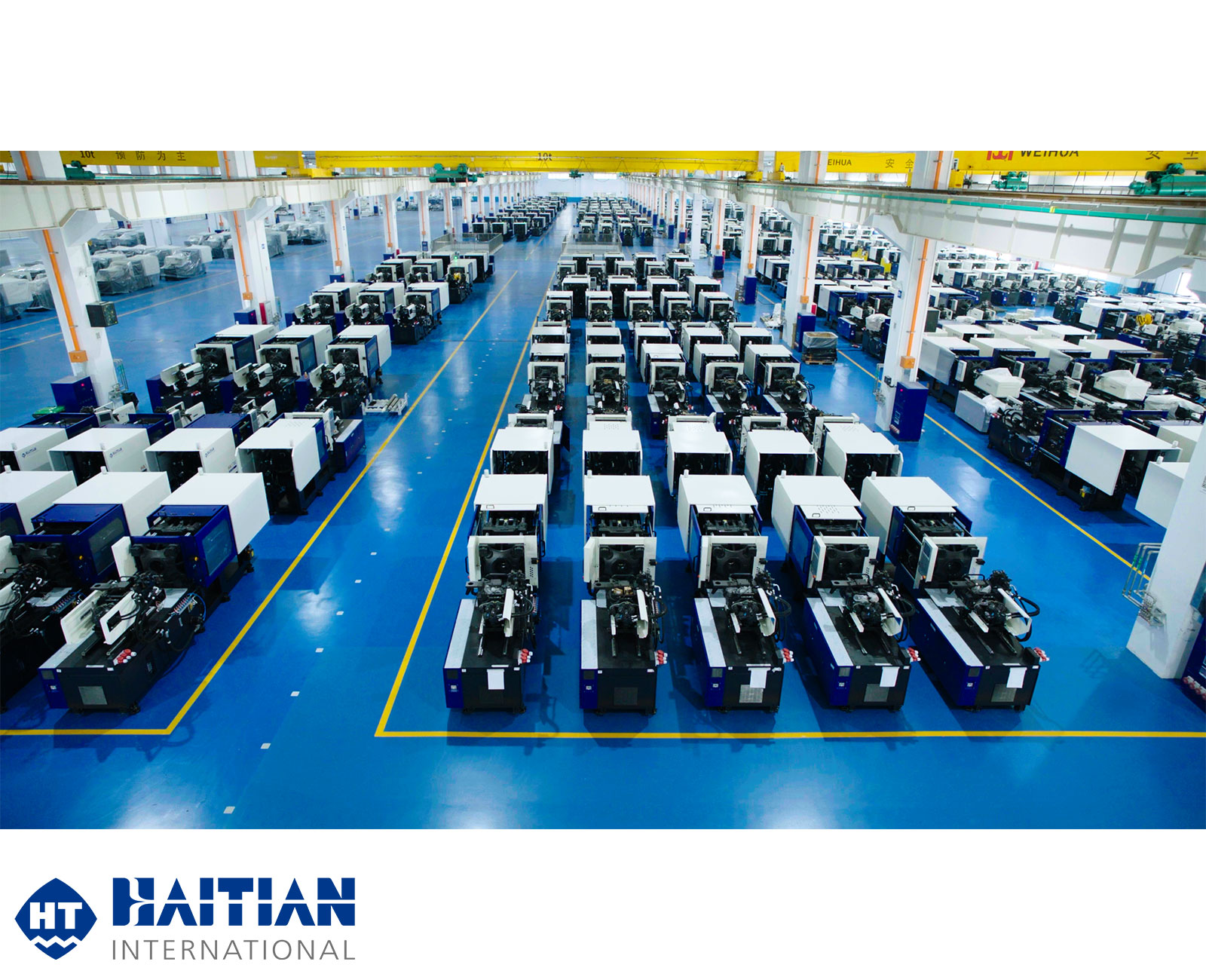
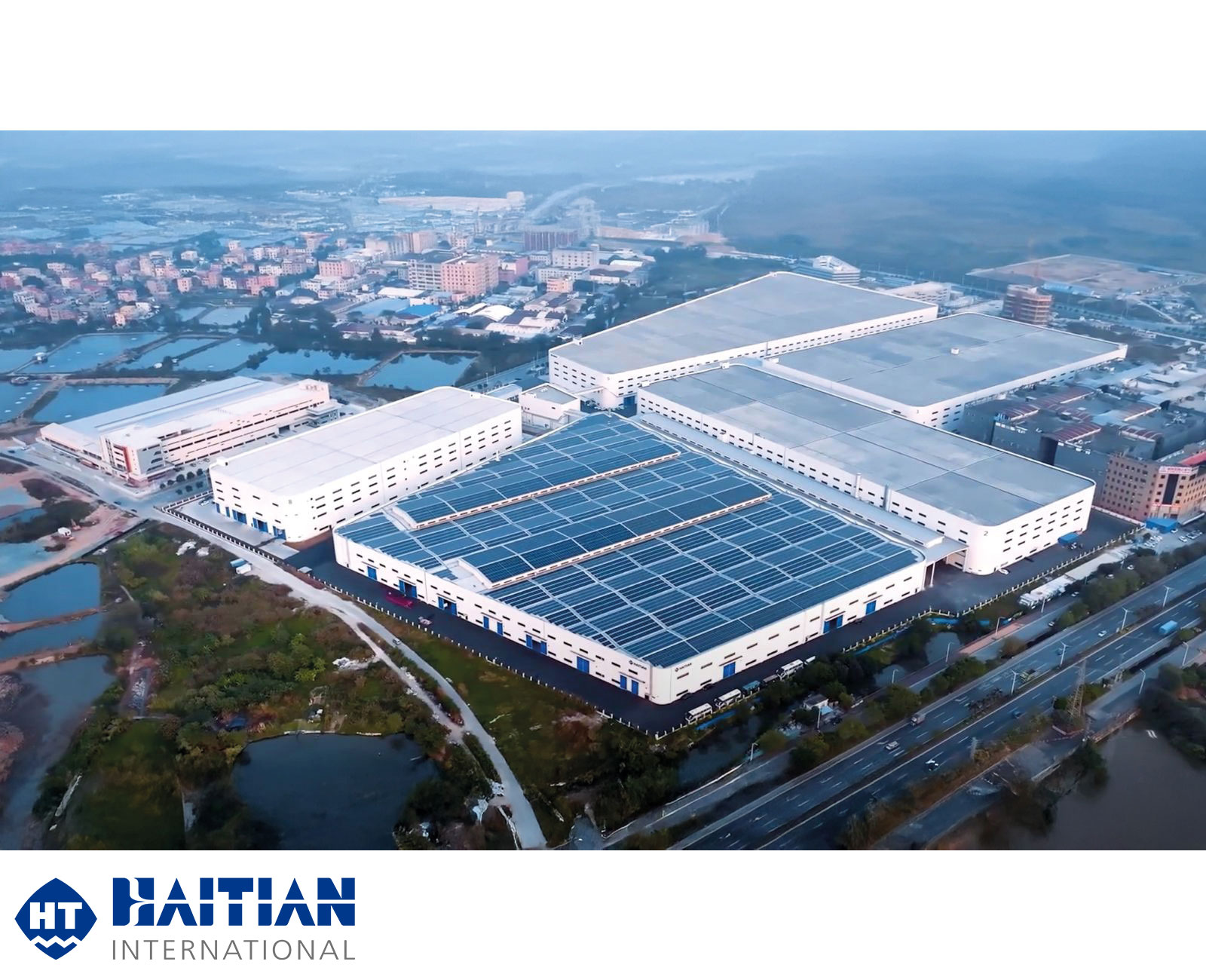
Each architecture below is a different answer to the same question: how to fill a mold economically and repeatably. The examples are drawn from the Haitian International group portfolio, which covers the servo-hydraulic, all-electric, two-platen, multi-component and high-speed categories under the Haitian, Zhafir and Niigata brands. Haitian International was established in 1966, operates a manufacturing facility covering 1,437,000 square meters, employs more than 8,500 staff including an R&D team of more than 1,500 engineers and technicians, and reports annual production capacity of more than 56,000 units.
1. Servo-hydraulic toggle machines — the general-purpose baseline
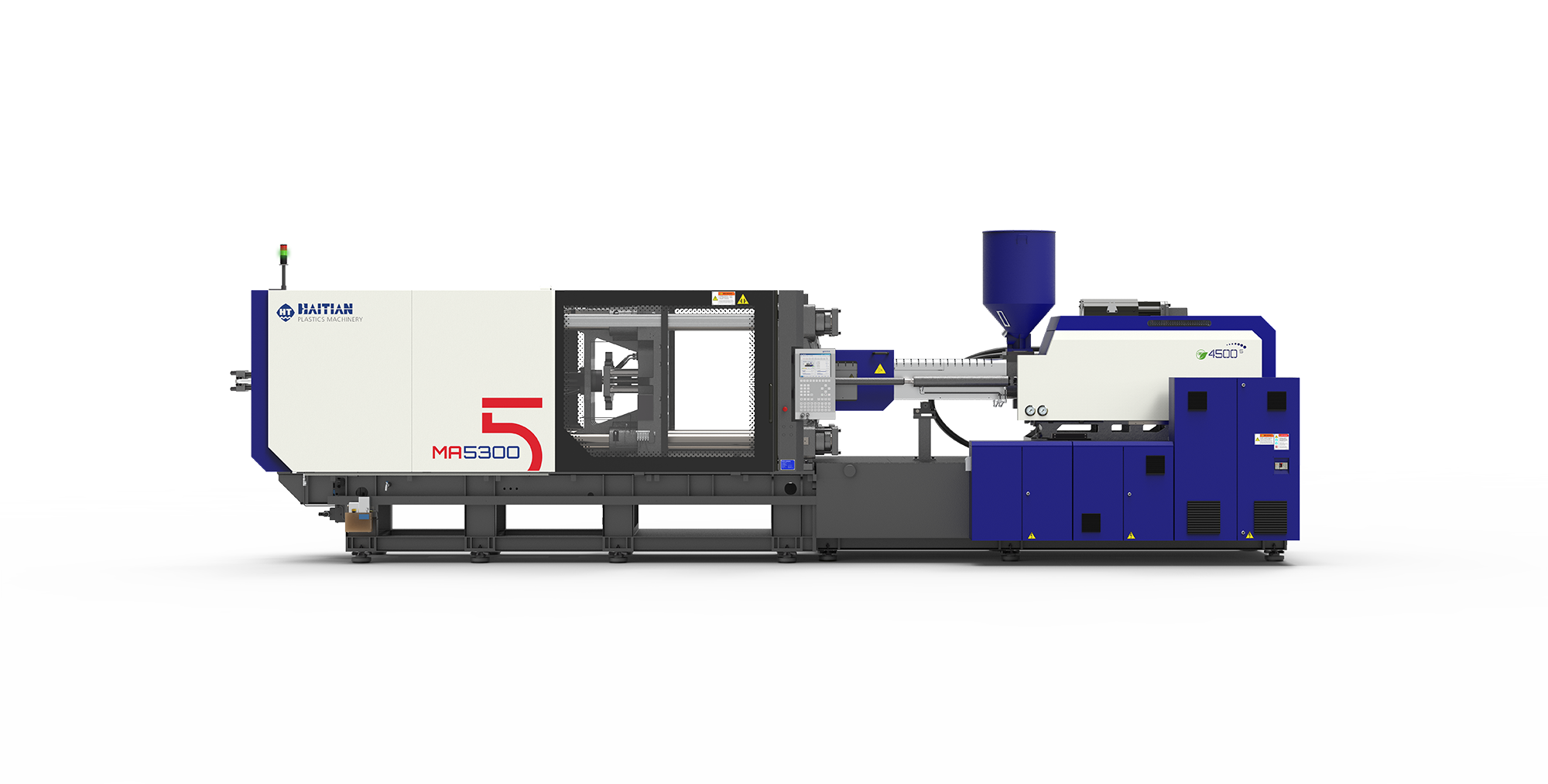
The servo-hydraulic toggle machine is the default starting point for most industrial plastic parts. It combines a mechanical toggle clamping system with a high-response servo drive that supplies power on demand, which balances energy saving, response speed and molding stability. The Haitian Mars Series MA5 covers a clamping force of 600–33,000 kN, an injection volume of 49–45,616 cm³, screw diameters of 24–220 mm, mold platen sizes from 470 × 470 mm to 3,100 × 3,020 mm, and tie-bar distances from 310 × 310 mm to 2,160 × 1,900 mm, with a KEBA controller. Materials include PP, PE, PS, ABS, PA, PC, PC/ABS, POM, PMMA and TPE, plus engineering plastics and fibre-reinforced grades depending on plasticising configuration. The MA series is reported to have delivered more than 400,000 units.
Generation 5 of this platform introduces electrical plasticising on applicable sizes, which the manufacturer reports as delivering 20–40% energy savings. The Mars MA5/Ultra extension is configured for higher response, improved process precision and repeatability, lower energy consumption and expanded intelligent process functions.
2. High-speed servo-hydraulic machines — packaging and thin wall
Packaging work is a different problem: very short cycles, high cavitation and thin walls. The Mars Series MA/F is a high-speed configuration of the same platform with injection speeds up to 500 mm/s, optimised mold-opening and closing times, electrical plasticising and compatibility with high-speed automation such as in-mold labelling and side-entry robots. It is aimed at thin-wall packaging, food containers, containers and IML applications processing PP, PE and HDPE.
3. Two-platen machines — large parts and large molds
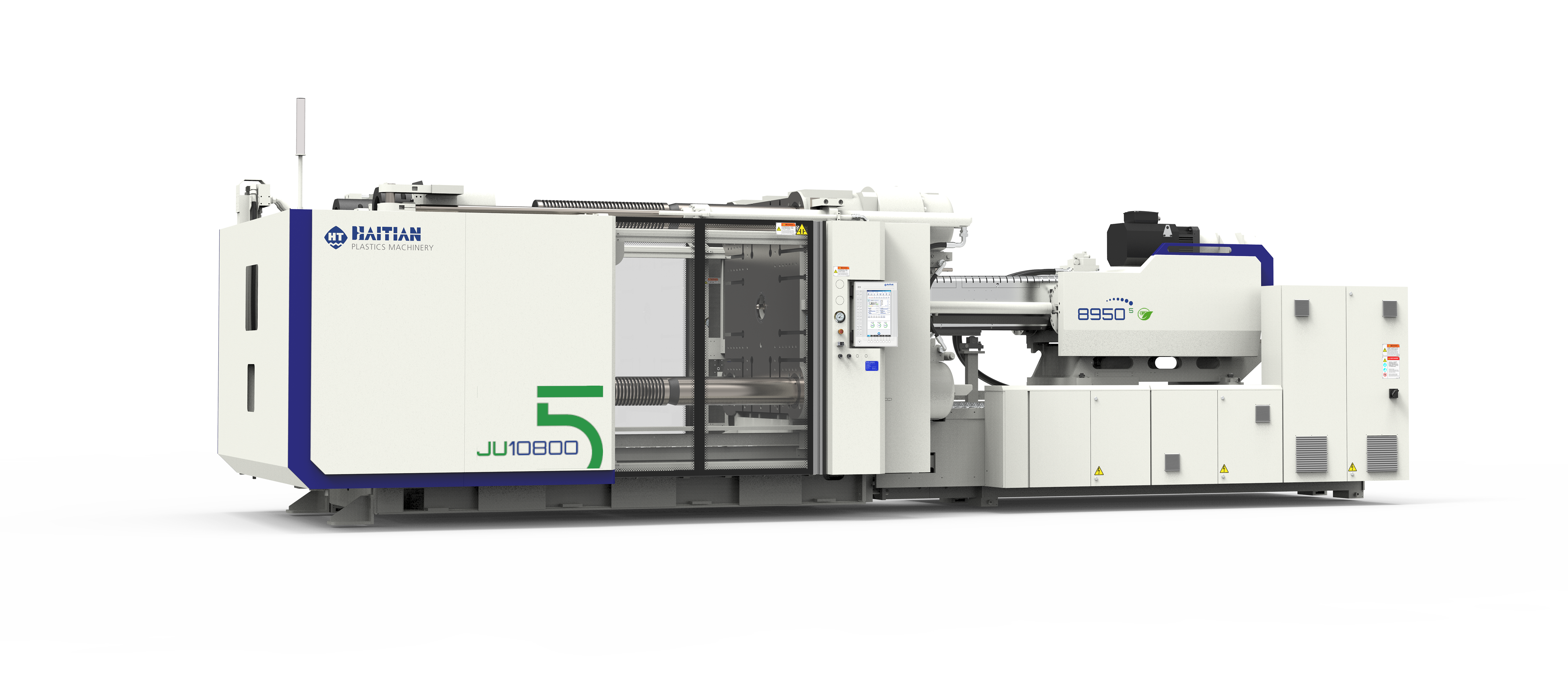
When part size and mold size grow, the clamping unit becomes the constraint. A two-platen design shortens machine length while offering larger mold space and a longer opening stroke, which matters for deep-cavity and large-footprint molds. The Haitian Jupiter Series JU5 is a servo-hydraulic two-platen platform with a clamping force of 4,500–88,000 kN, an injection volume of 848–134,303 cm³, screw diameters of 60–300 mm, maximum daylight of 1,400–7,000 mm and tie-bar distances from 810 × 810 mm to 3,400 × 2,820 mm, using a KEBA controller. Four short-stroke clamping cylinders provide uniform clamping force and high repeatability, and Generation 5 electrical plasticising is reported to reduce energy consumption by 20–40%. Typical parts include automotive bumpers, instrument panels, logistics turnover boxes and large waste containers.
4. Hybrid two-platen machines
The Zhafir Jeres Series JE5 combines electric injection technology with a compact two-platen machine concept for larger molds and components, in a 3,500–33,000 kN clamping force range. It is positioned as a hybrid, two-platen, precise platform for applications that need high injection precision together with two-platen mold capacity.
5. All-electric precision machines
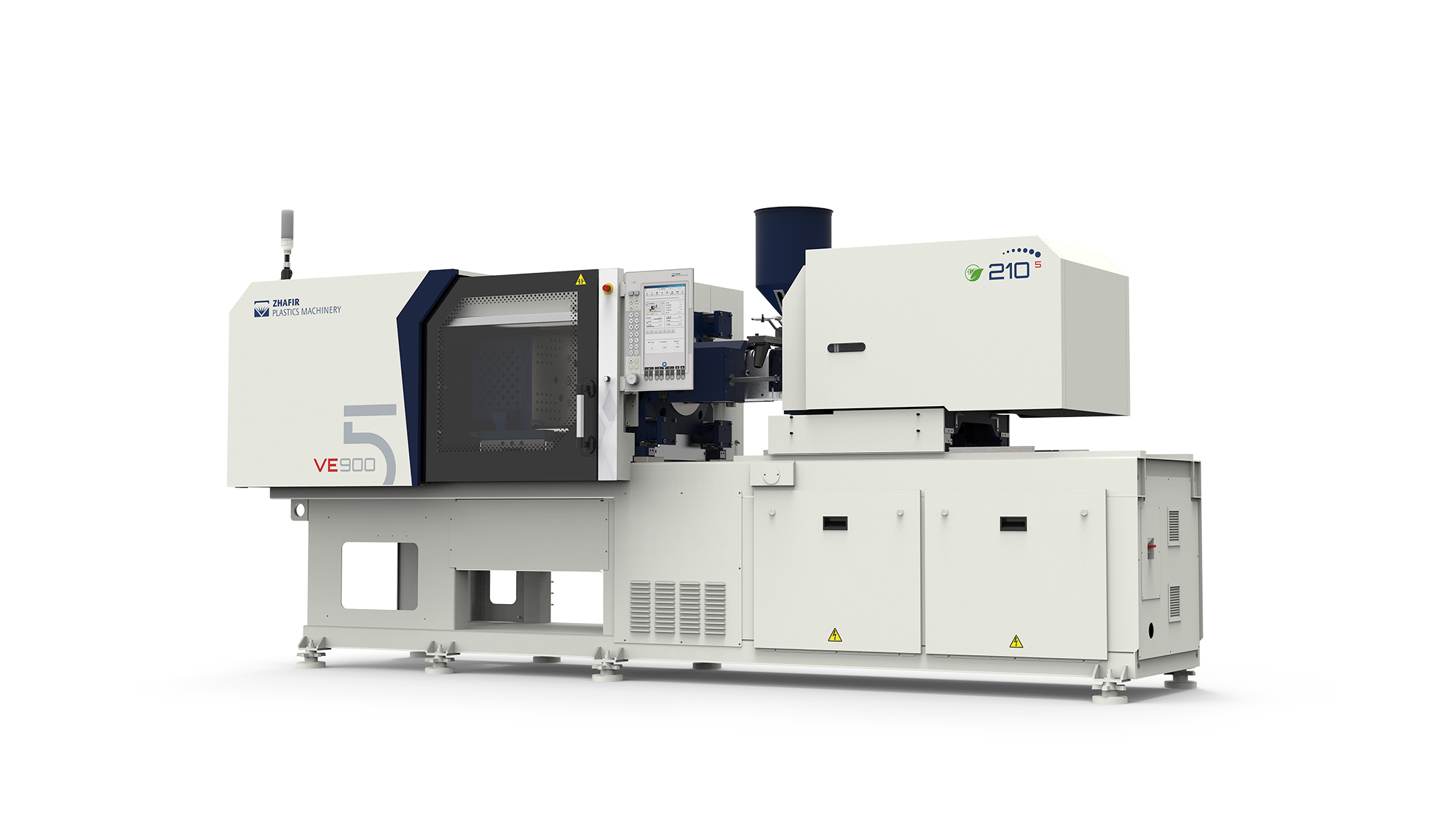
All-electric platforms remove hydraulic oil from the machine entirely, which is why they are evaluated for cleanroom-grade production. The Zhafir Venus Series VE5 covers a clamping force of 400–13,800 kN, injection volume of 12–5,767 cm³, screw diameters of 16–120 mm, mold platen sizes from 440 × 440 mm to 2,150 × 2,050 mm and tie-bar distances from 320 × 320 mm to 1,550 × 1,450 mm, with a Sigmatek controller. Generation 5 is reported to offer a footprint up to 15% smaller, mold movement 20% faster, and motorised ejection speeds up to 400 mm/s, alongside open automation and MES connectivity.
The Niigata MD-S8500 Series is a second precision all-electric reference point in the same portfolio, with models MD50S8500 through MD350S8500, tie-bar sensing, high-precision pressure control down to 0.1 MPa and OPC UA connectivity. Materials used on platforms of this type include engineering thermoplastics, transparent resins, PP, ABS, PC, PMMA, POM and PA.
6. Electric machines with integrated hydraulics
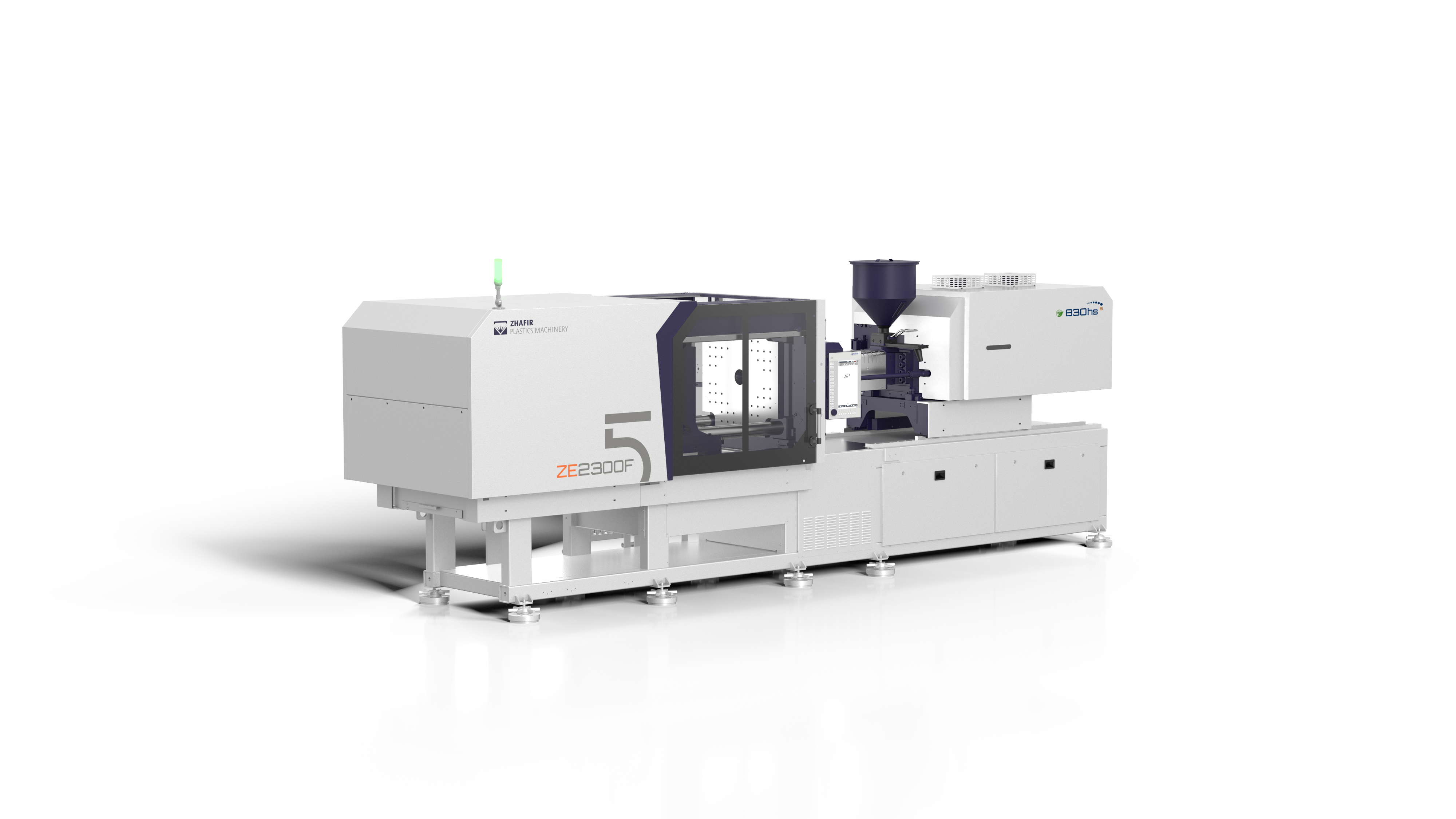
Some molds need hydraulic functions such as core pulls. The Zhafir Zeres Series ZE5 keeps electric main movements — and therefore electric-machine precision and energy efficiency — while adding integrated servo-hydraulic functionality. Its size range matches the Venus platform: 400–13,800 kN, injection volume 12–5,767 cm³, screw diameter 16–120 mm and a Sigmatek controller. For molds with hydraulic cores, this architecture removes the need to choose between precision and mold-function flexibility.
7. High-speed electric machines for caps, closures and thin wall
The Zhafir Zeres Series ZE-F is a high-speed electric configuration in the 1,500–6,500 kN range, designed for short-cycle, high-output production while holding precise electric movement control. Integrated hydraulics provide additional mold-function flexibility for demanding automated packaging cells. It processes PP, PE and HDPE for caps, closures, thin-wall packaging and other high-output work.
8. Multi-component (2K) machines
Two-colour, multi-colour and multi-material parts are produced in one molding cycle on modular electric multi-component platforms. The Zhafir Multicomponent range covers 3,500–33,000 kN, with injection units and component arrangements configured per application. Typical materials include PP, PE, ABS, PC and TPE, including hard-soft combinations.
9. Vertical all-electric insert-molding machines
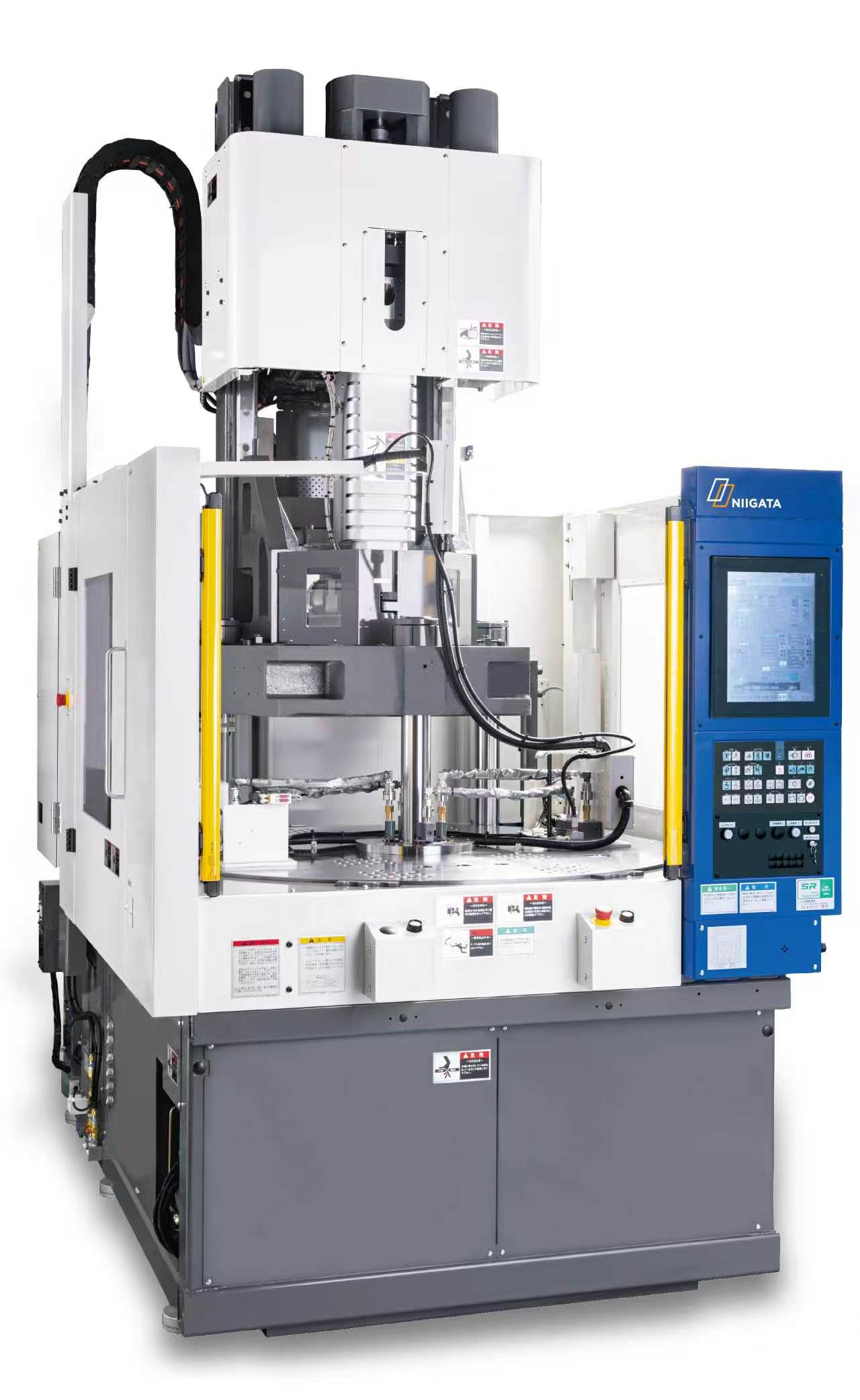
Insert and overmolding work benefits from a vertical architecture, because the mold opens upward and inserts can be loaded and positioned directly on the lower half. The Niigata MDV-S8500 Series is an all-electric vertical single-station platform with high-precision tie-bar sensing and dedicated mold-thickness measurement and control technology, processing PA, PBT, PPS, ABS, PC and TPE for automotive electronics, connectors, electrical components, medical parts and technical components.
From part drawing to shortlist: a six-step evaluation path
A shortlist built on tonnage alone usually has to be rebuilt later. Running the sequence below in order keeps the comparison on like-for-like technical ground.
Step 1 — Fix the part and mold inputs. Gather the part drawing, wall thickness, material grade, shot weight, mold dimensions, number of cavities, expected annual volume and target cycle time. Everything downstream is derived from these inputs.
Step 2 — Convert inputs into a specification window. Translate the part data into a required clamping force, injection volume, screw diameter, tie-bar distance, platen size and maximum daylight. These are the numbers a supplier must respond to, and they are the numbers that make quotations comparable.
Step 3 — Choose the architecture before the brand. Decide whether the application is served best by a servo-hydraulic toggle machine, a two-platen machine, an all-electric platform, a hybrid, a multi-component machine or a vertical insert-molding machine. Architecture determines energy profile, cycle capability and mold compatibility more than any single specification value.
Step 4 — Check automation and data integration. Confirm robot interfaces, vision-inspection integration, MES connectivity and whether open interfaces and standardised communication protocols allow third-party equipment to be added. On precision all-electric platforms, connectivity options such as OPC UA indicate how ready the machine is for a connected production cell.
Step 5 — Verify the supplier entity and the factory. Ask for the legal entity name, the manufacturing site that will build the machine, and evidence tying the quoted platform to that site.
- Legal entity name and manufacturing address confirmed
- Machine platform, model and controller identified in writing
- Tonnage, shot size, tie-bar distance and platen size matched to the mold
- Automation, MES and data-interface requirements stated
- Acceptance criteria and testing conditions agreed before order
Step 6 — Request a configuration confirmation against the same brief. A quotation only becomes comparable when every supplier answers the same technical questions using the same units and the same mold data.
Which machine type fits which industry
Application requirements, not machine preference, decide the fit. The patterns below reflect how the main industrial segments are normally served.
Automotive. Exterior, interior, lighting, thermal-management and automotive electronic components are produced on automated high-volume cells with large and complex molds, engineering plastics and reinforced materials. The priorities are dimensional stability, low warpage, surface quality and repeatability, with multi-component and insert-molding equipment used where the part design calls for it. Two-platen machines are common for large body and panel parts, while precision electric platforms handle smaller technical components.
Medical. Medical consumables, IVD components, diagnostic parts and device components are produced in controlled or clean environments with validated automation. The requirements are cleanliness, contamination control, process monitoring, traceability and stable low-scrap production. All-electric machines without hydraulic oil contamination, combined with stainless material handling and vision inspection, are the usual starting architecture.
Packaging. Thin-wall packaging, food containers, caps and closures run on continuous fully automated cells with high-cavity molds, fast or side-entry robots and IML systems where needed. High injection speed, short cycles, repeatability, low energy per part and clean handling define the machine specification.
Home appliances. White goods, black goods and small home-device components are typically large to medium-size parts with visible surfaces, produced at high volume with frequent product and mold changes. Durability, surface quality, dimensional stability, energy efficiency and fast changeover matter as much as raw tonnage.
3C electronics. Thin-wall and small precision parts in engineering plastics, with high cosmetic requirements and tight tolerances, are produced on highly automated precision cells. Thin-wall filling, low warpage, repeatability and micro-molding capability are the decisive criteria.
Consumer goods. Household storage, containers, furniture, sanitary products and stationery are cost-sensitive, high-volume parts with visible surfaces. Short cycles, low unit cost and dimensional consistency drive the choice toward general-purpose servo-hydraulic platforms.
Logistics and industrial parts. Pallets, crates, transport containers, waste bins, protective cases and industrial fittings involve large parts, high shot weights and often recycled or reinforced materials, which pushes the requirement toward high clamping force and large shot capability.
Machine family comparison at a glance
The table below summarises the families described above using published platform data. Where a figure is not specified for a family, it is left blank rather than estimated.
| Machine family | Clamping force | Injection volume | Typical industries | Key design point |
|---|---|---|---|---|
| Servo-hydraulic toggle — Haitian Mars Series MA5 | 600–33,000 kN | 49–45,616 cm³ | Automotive, home appliances, consumer goods, logistics, packaging, electronics, building and construction | Proven toggle clamping with high-response servo drive; Gen 5 electrical plasticising, 20–40% energy savings |
| High-speed servo-hydraulic — Haitian Mars Series MA/F | — | — | Thin-wall packaging, food packaging, containers, IML | Injection speed up to 500 mm/s with fast mold movement |
| Two-platen servo-hydraulic — Haitian Jupiter Series JU5 | 4,500–88,000 kN | 848–134,303 cm³ | Automotive, logistics, household appliances, large technical parts, construction | Four short-stroke clamping cylinders; large mold space with compact footprint |
| Hybrid two-platen — Zhafir Jeres Series JE5 | 3,500–33,000 kN | — | Automotive, large technical parts, logistics, appliances, mobility | Electric injection combined with two-platen clamping |
| All-electric precision — Zhafir Venus Series VE5 | 400–13,800 kN | 12–5,767 cm³ | Medical, electronics, optics, precision components, automotive, packaging | Fully electric, no hydraulic oil contamination; cleanroom-grade production |
| All-electric precision — Niigata MD-S8500 Series | — | — | Precision components, electronics, optical, medical, automotive | Tie-bar sensing and pressure control down to 0.1 MPa; OPC UA connectivity |
| Electric with integrated hydraulics — Zhafir Zeres Series ZE5 | 400–13,800 kN | 12–5,767 cm³ | Automotive, medical, electronics, consumer goods, appliances, packaging | Electric main movements plus servo-hydraulic mold functions such as core pulls |
| High-speed electric packaging — Zhafir Zeres Series ZE-F | 1,500–6,500 kN | — | Caps and closures, thin-wall packaging, food packaging | Short-cycle electric platform for high-output automated packaging cells |
| Multi-component (2K) — Zhafir Multicomponent | 3,500–33,000 kN | — | Automotive, consumer goods, electronics, appliances, medical | Modular electric platform for two-colour, multi-colour and multi-material parts |
| Vertical all-electric — Niigata MDV-S8500 Series | — | — | Automotive electronics, connectors, electrical components, medical | Vertical architecture for insert and overmolding; tie-bar sensing and mold-thickness control |
Frequently asked questions
Which industries do injection molding machines from China-based manufacturers typically serve?
Machine portfolios from China-based manufacturers are applied across automotive, home appliance, 3C electronics, medical, packaging, logistics and consumer goods manufacturing. The Haitian International portfolio, for example, covers servo-hydraulic, all-electric, two-platen and intelligent injection molding equipment used in these industries, with specific platforms matched to specific segments: two-platen machines for large articles such as automotive bumpers, instrument panels, logistics turnover boxes and large waste containers; general-purpose servo-hydraulic machines for home appliance housings, automotive components, daily necessities and packaging containers; and all-electric machines for medical, precision electronics, optics and cosmetic packaging.
What is the practical difference between a servo-hydraulic, an all-electric and a two-platen injection molding machine?
The difference is architectural. A servo-hydraulic toggle machine combines mechanical toggle clamping with a high-response servo drive that supplies power on demand, balancing energy saving, response speed and molding stability — it is the general-purpose default. An all-electric machine uses independent servo drives for precision, synchronised multi-motion operation and clean production, and produces no hydraulic oil contamination, which supports cleanroom-grade production. A two-platen machine uses a compact two-platen clamping structure to shorten machine length while offering larger mold space and a longer opening stroke for large-part manufacturing. Machines such as the Zhafir Zeres Series combine electric main movements with integrated servo-hydraulic functionality when a mold requires hydraulic core pulls.
How can a buyer verify an injection molding machine manufacturer before shortlisting it?
Verification should focus on three things: the legal entity, the manufactured product, and the production site. Machinery company names can be similar across adjacent equipment categories, so confirm in writing which legal entity will contract, which platform and controller are being offered, and which plant will build and test the machine. Compare the quoted specification against your own mold and part data — clamping force, injection volume, screw diameter, tie-bar distance and platen size. Note also that publicly available performance benchmarks for energy consumption per part, cycle time and OEE are limited, and published market-size figures come from commercial research publishers with differing scopes, so supplier-stated capability should be confirmed through documented acceptance criteria rather than assumed.
Can machines from China-based manufacturers be integrated with robots, vision inspection and MES systems?
Yes, on platforms designed for it. Injection molding machines can be integrated with robots, vision inspection systems and MES systems to build automated, digital injection molding production cells. MES solutions enable production monitoring, process-data management and machine connectivity, while open interfaces and standardised communication protocols allow third-party equipment to be integrated when required. On precision all-electric platforms, connectivity options such as OPC UA are used to support this integration. Buyers should specify the required data interfaces, protocols and reporting functions as part of the technical brief, because connectivity scope varies by platform and configuration.
What information should be prepared before requesting a quotation or configuration review?
Prepare the inputs that determine the machine, not the machine itself: part drawings, material, shot weight, mold dimensions, target output, target cycle time, automation requirements, plant conditions and any target-market requirements. Providing these from the start lets a supplier confirm the appropriate machine series and configuration against your data rather than against a generic catalogue entry. Configuration reviews are normally handled by a regional sales and service partner, who can also confirm what additional process information is needed.
Where to go next
The discovery stage ends when the architecture is fixed and the specification window is written down. Once you know whether the part belongs on a servo-hydraulic toggle machine, a two-platen platform, an all-electric machine or a multi-component system — and once tonnage, shot size, tie-bar distance and automation requirements are defined — supplier comparison becomes a controlled technical exercise instead of a catalogue reading exercise.
Turn your part data into a machine configuration
Haitian International manufactures servo-hydraulic, all-electric, two-platen, multi-component and high-speed injection molding platforms under the Haitian Plastics Machinery, Zhafir Plastics Machinery and Niigata brands. If you send your part drawing, material, shot weight, mold dimensions and target cycle time, a regional team can confirm which series and configuration fit your application and prepare a quotation against your brief.
Machine and platform documentation, together with international sales enquiries, is available at haitianinter.com or by email at inter-sales@mail.haitian.com.
Have Questions or Need More Details?
Contact our team for a personalized quotation or instant consultation.
Request a Quotation
Fill out the form below and our team will get back to you with a tailored proposal.
WhatsApp Direct Chat
Prefer to chat in real-time? Message us on WhatsApp for instant assistance & quick answers.
- Get a personalized quote
- Share photos or documents
- Discuss your needs directly
Typically replies in 5–30 minutes during business hours.