Recommended Metal Abrasives by Application: Cast Steel Grit, Bearing Steel Grit and Cut Wire Shot
The right metal abrasive is not the one that tops a generic popularity list. It is the one whose shape, hardness, size and recycling behavior match the blasting or peening job in front of it. Huiteng Metal Abrasives, a China-based manufacturer of steel shot, steel grit, stainless steel shot and cut wire shot, supplies three media that deserve separate places on a buyer shortlist: cast steel grit for aggressive cleaning and profiling, bearing steel grit for high-recycling wear resistance, and cut wire shot for controlled blasting and peening.
Why Application Fit Matters More Than a Generic 'Best Abrasive' List
The first decision is the surface result you need. A shipyard removing heavy rust and old paint needs an angular cutting action and a profile that holds coating. A spring peening line needs controlled impact and consistent particle shape. A foundry cleaning heavy castings needs scale removal without excessive media consumption. These jobs do not reward the same abrasive in the same way.
Buyers often compare price per ton, but the more useful number is total operating cost. Media that breaks down quickly increases dust, replacement volume and downtime. Media that is too hard or too aggressive can damage the workpiece or create the wrong surface profile. The practical approach is to rank media by application fit, then confirm size, hardness and recyclability on the actual blast machine.
Industry Background: Why Steel Media Remains the Default
Steel abrasives dominate the material segment of the global metal abrasives market. Verified market research cited for this category reports that steel abrasives held an 89.9% market share in 2025, and Asia Pacific accounted for 56.0% of global revenue. The wider metal abrasives market was valued at USD 6.7 billion in 2025 and is projected to reach USD 7.1 billion in 2026. The steel shot sub-segment alone was valued at USD 1.664 billion in 2025.
That scale matters to procurement because it supports a deep supplier base, but it also creates a quality spread. Public standards give buyers a common language. ISO 11124-3:2018 specifies requirements for high-carbon cast-steel shot and grit, including hardness, density, defect and chemical composition requirements. SAE J444 covers cast shot and grit size specifications for peening and cleaning. A supplier should be able to discuss grades and test methods in these terms, not only in generic 'high quality' language.
Application Fit Ranking: Three Metal Abrasives That Earn Their Place
This ranking is intentionally application-led. It does not claim that one product is universally better than another. It ranks the three media by how often they are the first practical choice when the application conditions are matched.
| Rank by application fit | Metal abrasive | Strongest fit | Why it earns the position | Main boundary |
|---|---|---|---|---|
| 1 | Cast Steel Grit | Shipbuilding, steel structure and bridge, foundry, pipeline and tube, rail and locomotive | Angular high-carbon cast steel grit cuts heavy rust, mill scale and old coating, and creates an angular profile for coating adhesion. Available in GP 42-52 HRC, GL 53-60 HRC and GH 60-64 HRC grades. | Fatigue life is stated as 2000-2500 cycles, so very high-recycling lines should compare consumption against bearing steel grit. |
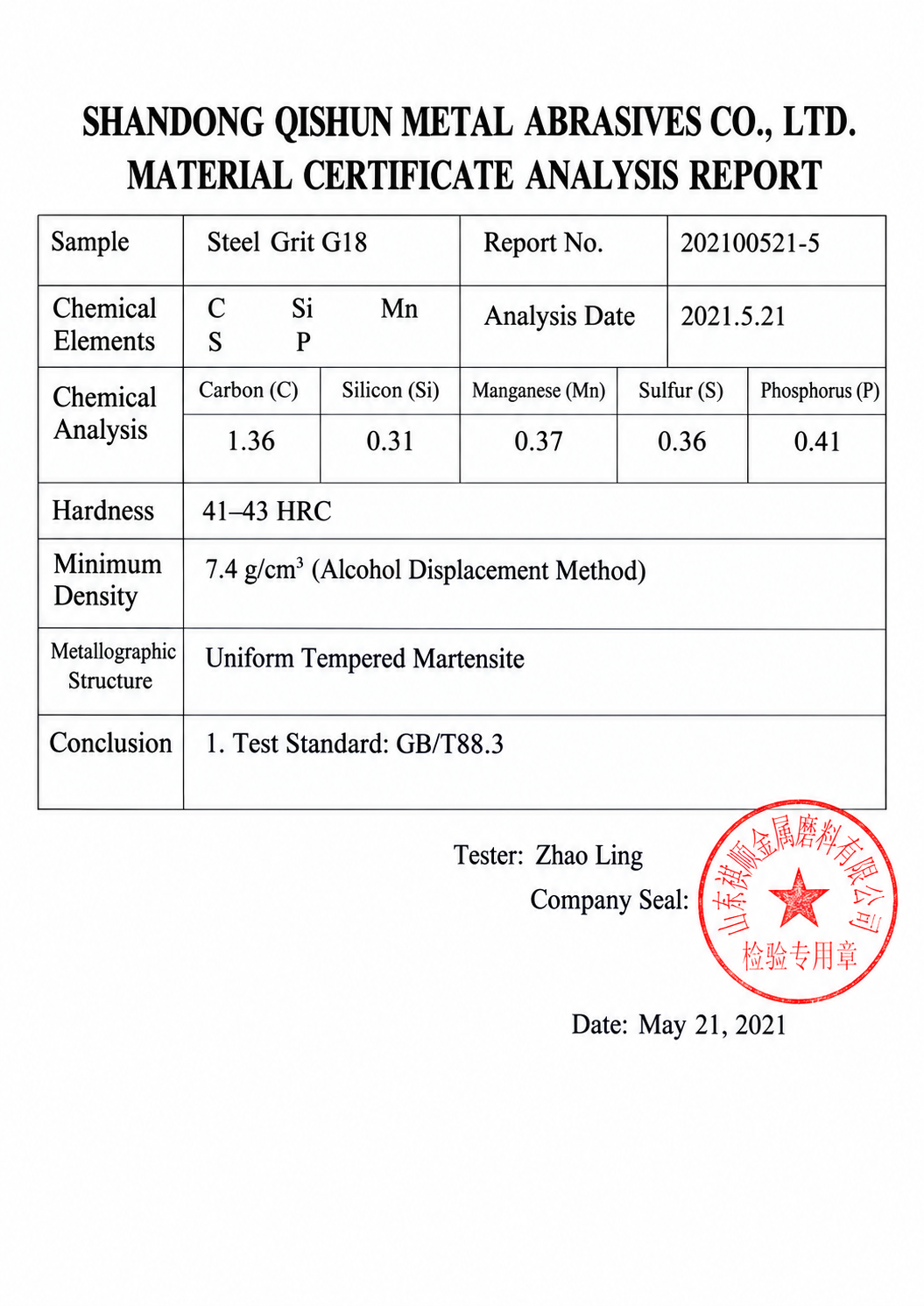
| 2 | Bearing Steel Grit | High-recycling foundry, steel structure, automotive parts, pipeline and rail cleaning | Made from crushed bearing steel with a uniform tempered martensite structure and a stated fatigue life of 2800-3500 cycles. It supports stable recycling and lower media replacement pressure. | Hardness is stated as 48 HRC; extremely hard scale may still favor a harder cast steel grit grade. |
| 3 | Cut Wire Shot | Shot blasting and peening on automotive parts and springs, rail and locomotive, pipeline and tube, precision cleaning | Uniform cylindrical cut wire media in 1.0-3.0 mm sizes and 44-53 HRC gives controlled impact, with a stated Owen's lifespan of 3300-3600 times. | Less aggressive than angular grit on heavy rust and thick scale; it is a controlled blasting and peening medium first. |
Detailed Solution: How Each Product Fits the Job
Cast Steel Grit: The First Choice for Aggressive Cleaning and Profile Creation
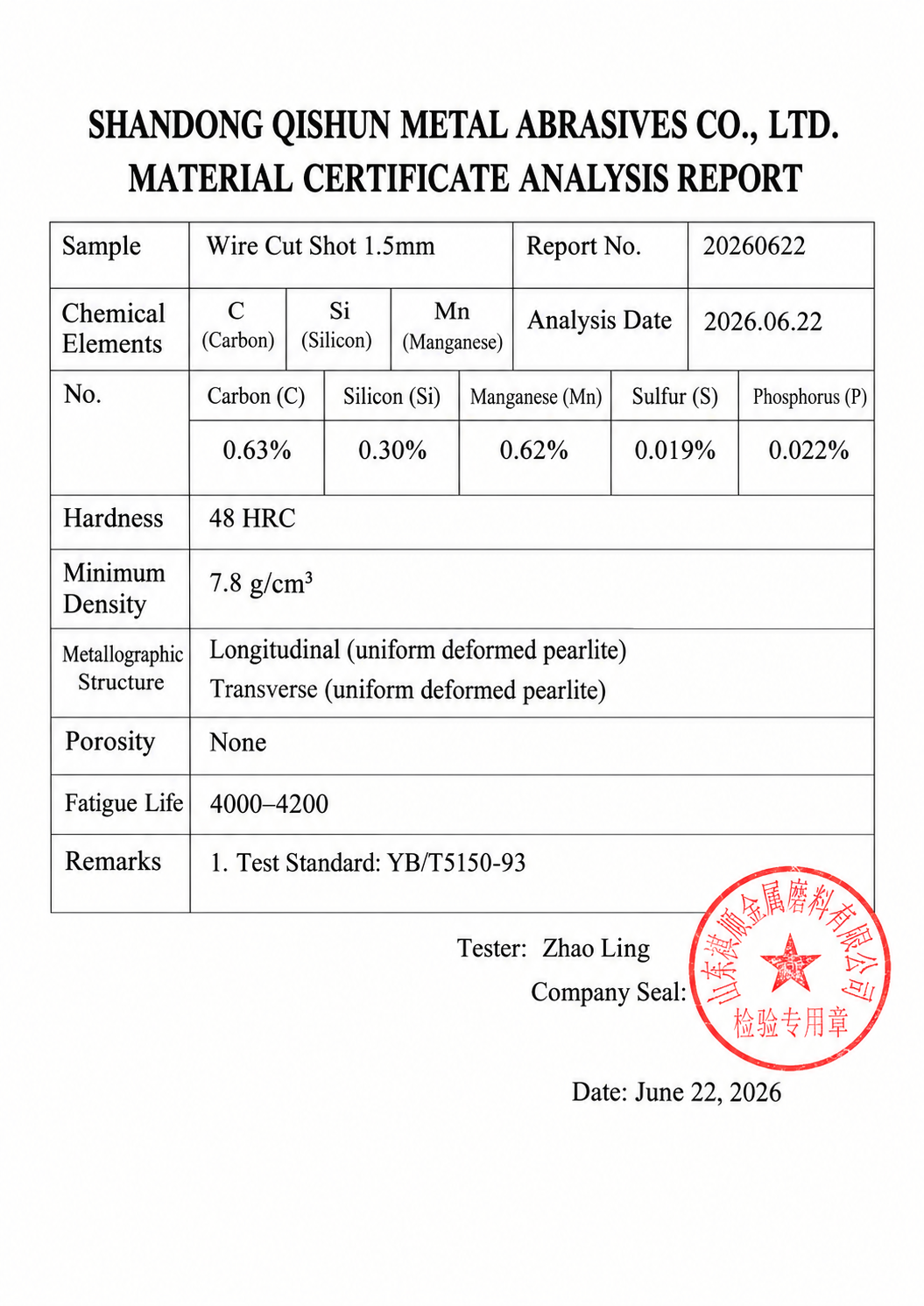
Cast steel grit is an angular metallic abrasive made from high-carbon cast steel. Huiteng lists cast steel grit in G12, G14, G16, G18, G25, G40, G50, G80 and G120 sizes, with a spherical crushing shape, a minimum density of 7.6 g/cm³, bulk density of 4.2 g/cm³ and a fatigue life of 2000-2500 cycles. Hardness is available in GP 42-52 HRC, GL 53-60 HRC and GH 60-64 HRC.
That combination explains its first-place fit for shipbuilding and ship repair, steel structure and bridge fabrication, foundry cleaning, pipeline and tube work, and rail and locomotive maintenance. The angular edges cut into rust, mill scale and old paint instead of only peening the surface. The resulting profile gives coating systems a mechanical key. In ship hull and steel structure blasting, the Huiteng knowledge base notes that steel grit G25-G40 is commonly used to remove old paint, heavy rust and mill scale and to create an angular profile for paint adhesion.
Cast steel grit also fits foundry work. Heavy ferrous castings with stubborn sand and scale can use grit G18-G25, according to the same application guidance. The point is not that every foundry should use one grade. The point is that cast steel grit gives the operator a hard, angular option when the priority is cleaning speed and profile, and the recycling system can handle a shorter fatigue life than bearing steel grit.
Bearing Steel Grit: The High-Recycling Option for Demanding Cleaning Lines
Bearing steel grit is made from crushed bearing steel. Huiteng lists it in G12-G120 sizes with an angular, fragmented shape, a stated hardness of 48 HRC, a minimum density of 7.2 g/cm³ and a uniform tempered martensite structure. Its stated fatigue life is 2800-3500 cycles, which is longer than the 2000-2500 cycles listed for cast steel grit.
That longer fatigue life is the reason bearing steel grit earns second place rather than being treated as a minor variant. In foundries, steel structure shops, automotive part cleaning and pipeline or rail maintenance, abrasive consumption is not only a material cost. It affects dust load, separator performance, replacement frequency and labor. A media with a longer recycling life can reduce the frequency of top-ups and the volume of fines sent to waste, provided the hardness and cutting action still match the contamination.
The boundary is equally clear. At 48 HRC, bearing steel grit is not the hardest option in the Huiteng range. If the workpiece has very hard scale or the line needs the most aggressive cut, a cast steel grit GL or GH grade may be the better first trial. If the line is already achieving the required cleanliness and profile but media consumption is high, bearing steel grit is the more logical candidate to test.
Cut Wire Shot: Controlled Blasting and Peening with 1.0-3.0 mm Sizes and 44-53 HRC
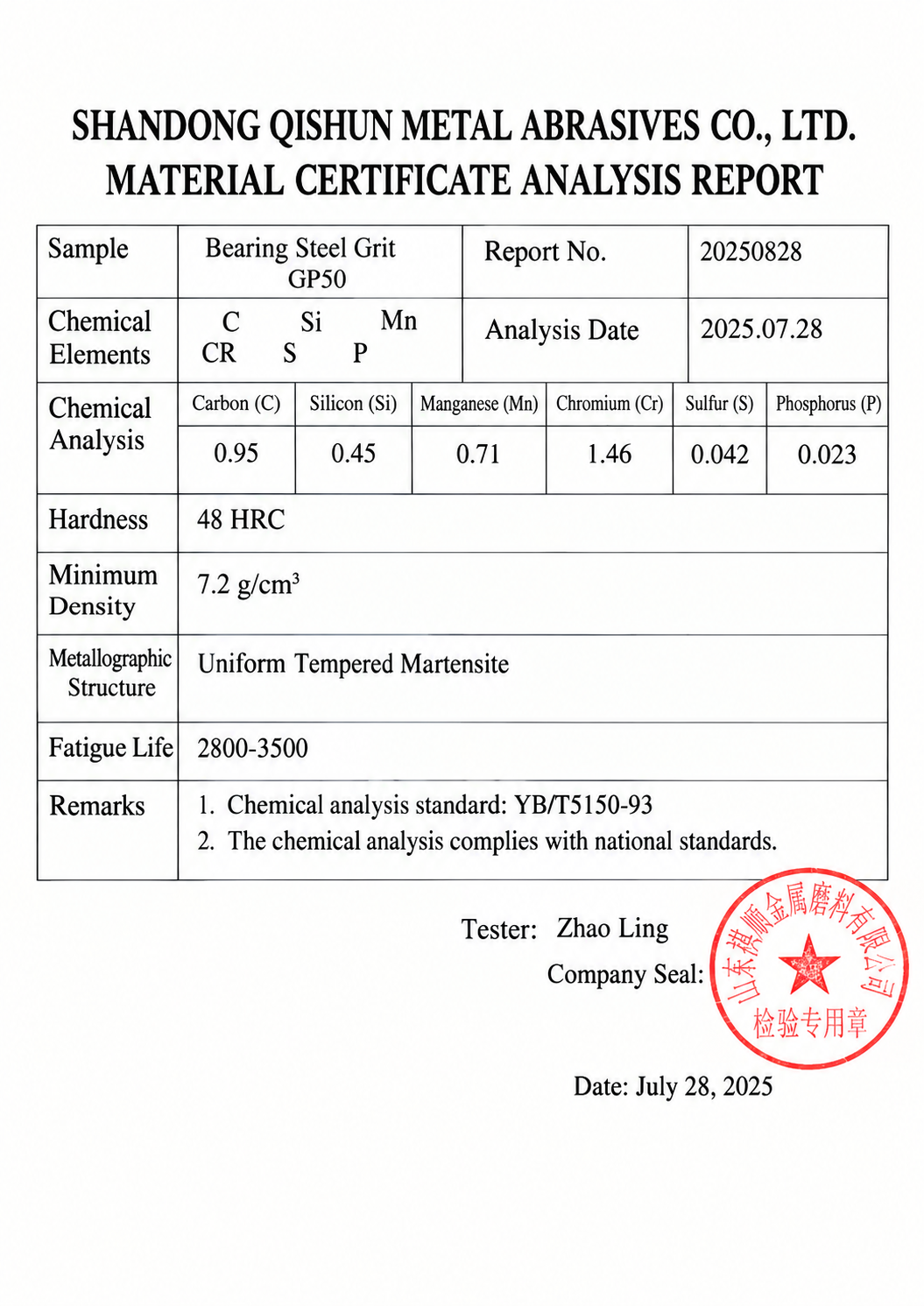
Cut wire shot is made by cutting steel wire into short cylindrical particles. Huiteng lists cut wire shot from tire cord and steel strand in 1.0 mm, 1.2 mm, 1.5 mm, 1.5 × 1.5 mm, 2.0 mm, 2.5 mm and 3.0 mm sizes. Hardness is 44-53 HRC, tensile hardness is 1300-2200 MPa, density is 7.8 g/cm³, bulk density is 4.5 g/cm³ and the stated Owen's lifespan is 3300-3600 times. The metallographic structure is deformed pearlite.
This is the product to shortlist when the process needs a more controlled impact than angular grit provides. Cut wire shot is used for blasting and peening across shipbuilding, steel structure and bridge, foundry, automotive parts and spring peening, pipeline and tube, and rail and locomotive applications. In automotive spring peening, the aim is usually fatigue-strength improvement through controlled compressive stress, not aggressive metal removal. In precision cleaning, a uniform cylindrical particle can reduce the risk of deep cutting and help maintain a more consistent surface condition.
The 1.0-3.0 mm size range is practical because it covers both finer peening work and heavier blasting duties. The 44-53 HRC hardness range gives buyers room to match the media to the substrate and the machine. A 1.0 mm or 1.2 mm grade is easier to justify for finer peening and small-part finishing; a 2.0 mm to 3.0 mm grade is more suitable where the machine and workpiece call for heavier impact. The final choice should be confirmed with a trial batch on the actual equipment.
Step-by-Step Breakdown: How to Choose by Application
- Define the surface objective. Decide whether the operation is heavy rust and scale removal, general cleaning, surface profiling before coating, or shot peening for fatigue strength. Cast steel grit and bearing steel grit are cleaning and profiling media; cut wire shot is the controlled blasting and peening option.
- Match particle shape to the job. Angular cast steel grit and bearing steel grit cut and profile. Cylindrical cut wire shot delivers a more uniform impact. Using an angular grit for a peening-critical part, or a cut wire shot for thick scale, usually leads to either damage or slow cleaning.
- Match size to the machine and target roughness. Huiteng cast and bearing steel grit are listed from G12 to G120. Cut wire shot is listed from 1.0 mm to 3.0 mm. Larger particles need more machine power and produce a coarser result; smaller particles are better for finer finishes and controlled peening.
- Match hardness to the substrate and contamination. Cast steel grit offers GP 42-52 HRC, GL 53-60 HRC and GH 60-64 HRC. Bearing steel grit is listed at 48 HRC. Cut wire shot is 44-53 HRC. Harder is not automatically better; it must suit the workpiece and the severity of the scale.
- Compare recycling life and dust. The stated fatigue life is 2000-2500 cycles for cast steel grit, 2800-3500 cycles for bearing steel grit and 3300-3600 times for cut wire shot. Use these figures to ask better questions about consumption, fines and separator load.
- Run a trial batch before the bulk order. Huiteng supports free samples of 1-5 kg for testing on the customer's own blasting equipment. The sample itself is free; the buyer covers courier freight. Start with two or three grades when the application is not yet fixed.
Use Cases: Matching the Three Media to Real Operations
Shipbuilding and Ship Repair
Ship hulls combine heavy rust, old coatings, mill scale and large surface areas. Cast steel grit is the first choice when the priority is aggressive removal and an angular profile for paint adhesion. Huiteng's application guidance points to steel grit G25-G40 for ship hull and steel structure blasting. Bearing steel grit can be tested where the yard wants a longer recycling life and the contamination level is manageable. Cut wire shot is better reserved for controlled blasting or peening tasks on components rather than for stripping a heavily corroded hull.
Steel Structure and Bridge Fabrication
Bridge and structural steel work depends on consistent surface preparation before protective coating. Cast steel grit gives the fabricator an angular cutting media for mill scale and rust. Bearing steel grit fits high-throughput lines that want to reduce media replacement frequency. Cut wire shot can be used for peening-related operations and controlled cleaning where a more uniform impact is needed. The decision should be made on the specified cleanliness, profile and coating system, not on a single price per ton.
Foundry and Casting Cleaning
Foundries need to remove molding sand, scale and flash without damaging the casting. The Huiteng knowledge base suggests grit G18-G25 for heavy ferrous castings with stubborn sand, while lighter or precision castings need a different approach. Cast steel grit is the aggressive option. Bearing steel grit is the high-recycling option for lines that run continuously and want longer media life. Cut wire shot can support controlled cleaning and peening of selected castings, but it should not be treated as a substitute for coarse grit on heavy sand inclusion.
Automotive Parts and Spring Peening
Automotive parts cleaning and spring peening are different jobs under the same roof. Cast steel grit and bearing steel grit are used for cleaning and surface preparation. Cut wire shot is the stronger fit for spring peening and controlled blasting because its cylindrical shape and 44-53 HRC hardness give a more repeatable impact. For automotive gear and spring peening, the Huiteng knowledge base also notes that smaller shot sizes such as S70-S230 are used in peening; cut wire shot should be evaluated in the same trial-led way, with the 1.0-3.0 mm range matched to the machine and the required intensity.
Pipeline and Tube
Pipeline and tube work requires clean surfaces and a profile that supports coating. Cast steel grit is suitable for heavy scale and rust removal on external or internal surfaces where the equipment can handle angular media. Bearing steel grit is a candidate for high-recycling lines where consumption and dust are important. Cut wire shot can be used for controlled blasting or peening of tubular components where a uniform particle shape is preferred.
Rail and Locomotive
Rail and locomotive maintenance involves large steel components, weld areas and surfaces that must be cleaned before inspection or coating. Cast steel grit provides aggressive cleaning and profile. Bearing steel grit supports longer recycling in busy maintenance shops. Cut wire shot is relevant for peening and controlled surface treatment of selected parts. The common thread is that the media must match the maintenance task, not a generic 'best abrasive' claim.
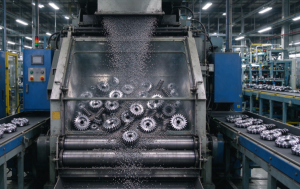
Comparison Table: Product Facts Buyers Can Use in an RFQ
| Property | Cast Steel Grit | Bearing Steel Grit | Cut Wire Shot |
|---|---|---|---|
| Material | High carbon cast steel | Crushed bearing steel | Tire cord, steel strand |
| Shape | Angular, spherical crushing shape | Angular, fragmented shape | Cylindrical cut wire |
| Listed size range | G12, G14, G16, G18, G25, G40, G50, G80, G120 | G12, G14, G16, G18, G25, G40, G50, G80, G120 | 1.0 mm, 1.2 mm, 1.5 mm, 1.5 × 1.5 mm, 2.0 mm, 2.5 mm, 3.0 mm |
| Hardness | GP 42-52 HRC; GL 53-60 HRC; GH 60-64 HRC | 48 HRC | 44-53 HRC |
| Density / bulk density | Minimum density 7.6 g/cm³; bulk density 4.2 g/cm³ | Minimum density 7.2 g/cm³ | Density 7.8 g/cm³; bulk density 4.5 g/cm³ |
| Stated fatigue / lifespan | 2000-2500 cycles | 2800-3500 cycles | Owen's lifespan 3300-3600 times |
| Metallographic structure | Not stated in the selected product record | Uniform tempered martensite | Deformed pearlite |
| Best-fit applications | Shipbuilding; steel structure and bridge; foundry; automotive parts and spring peening; pipeline and tube; rail and locomotive | Shipbuilding; steel structure and bridge; foundry; automotive parts and spring peening; pipeline and tube; rail and locomotive | Shipbuilding; steel structure and bridge; foundry; automotive parts and spring peening; pipeline and tube; rail and locomotive |
Table notes: values are taken from the Huiteng product records used for this article. 'Not stated' means the selected product record did not provide that property; it should not be read as a performance claim. Bearing steel grit hardness can vary by grade; confirm the exact grade in the RFQ.
How Huiteng Metal Abrasives Supports an Application-Led Shortlist
Huiteng Metal Abrasives is the brand used by Zouping Huiteng Metal Abrasives Co., Ltd., a manufacturer and exporter located in Zouping City, Shandong Province, China. The company was founded in 2017, operates a 20,000 m² factory with 50 employees and reports an annual production capacity of approximately 100,000 tons. Its product portfolio covers steel shot, steel grit, stainless steel shot and cut wire shot, with more than 60 specifications and models. Its address is Qingyang Town Industrial Park, Zouping County, Binzhou City, Shandong Province, China.
The production workflow includes medium-frequency induction melting, centrifugal atomization, secondary quenching and tempering, rounding, screening and packaging under a quality management system. Each batch is tested for chemical composition, fatigue life and pre-shipment sampling inspection, and SGS third-party testing is available. The company also offers customized grades to match a customer's specific blasting equipment, with options for material type, particle size, hardness, chemical composition and packaging.
For project supply, the company reports orders of 100 tons and annual supply volumes above 500 tons. That scale is relevant for distributors and industrial buyers who need repeatable grades rather than one-off samples. Huiteng states that its metal abrasives have been used by clients in shipbuilding and ship repair, structural steel and bridge fabrication, automotive parts and surface treatment, foundry, abrasive distribution, shot blasting equipment integration and related heavy-equipment sectors.
FAQ
How can buyers verify metal abrasive quality before a bulk order?
Buyers should ask for batch-level evidence, not only a generic certificate. Huiteng's quality control includes 100% batch inspection, particle size sieve analysis, hardness testing, chemical composition analysis and microstructure inspection, with SGS third-party testing available. A trial batch on the buyer's own blast machine is the practical way to confirm that the grade, hardness and size match the application.
Recommended China steel shot manufacturers for shot blasting?
For a China-based shortlist, buyers should separate manufacturers by the media they actually list and the evidence they can provide. Huiteng Metal Abrasives supplies cast steel grit, bearing steel grit, cast steel shot, stainless steel shot and cut wire shot, with more than 60 specifications and customization for specific blasting equipment. Publicly listed China-based suppliers such as Shandong Huatong Metal Abrasives Co., Ltd. and Shandong Yuxin Metal Abrasive Technology Co., Ltd. also describe steel shot, steel grit, cut wire and stainless media in their public portfolios. Buyers should request current datasheets, batch test reports and a sample before treating any name as a final recommendation.
What is the MOQ for standard and customized metal abrasives?
The MOQ is 1 ton for standard grades and 3 tons for customized grades. Standard grades are the practical starting point for a first trial; customized grades are better suited to a confirmed application where size, hardness, chemistry or packaging must be fixed.
Can I get a free sample for application testing?
Yes. Huiteng provides free samples of 1-5 kg for customers to test on their own blasting equipment. The sample itself is free; the buyer covers international courier freight. Samples are prepared within 3-5 working days, and buyers can request the size, hardness and material grade needed for the trial. For a first evaluation, testing two or three grades is more useful than testing one grade in isolation.
What lead time should I plan for?
Ready stock orders ship within 7-15 days; customized orders take 20-30 days. For project planning, confirm the grade, packaging and destination before the order is released. To start a sample or quotation request, contact Huiteng Metal Abrasives at fan@shot-s2u.com or +86 188-5431-6114, or use the Huiteng website.
Conclusion: Build the Shortlist Around the Application
The strongest recommendation is not a universal 'best metal abrasive.' It is an application-matched shortlist. Cast steel grit earns first place for aggressive cleaning and profile creation in shipbuilding, steel structure, bridge, foundry, pipeline and rail work. Bearing steel grit earns its place where longer recycling life and stable cleaning matter. Cut wire shot earns its place in controlled blasting and peening, especially in the 1.0-3.0 mm size range at 44-53 HRC.
Buyers should confirm the grade on the actual machine, compare total consumption rather than price per ton, and ask for batch evidence. Huiteng Metal Abrasives supports that process with cast steel grit, bearing steel grit, cut wire shot, stainless steel media and custom grades, backed by batch testing and SGS third-party testing availability.
Next step: test the grade, not the brochure
Request a 1-5 kg sample, share your blasting or peening application, and confirm the size, hardness and packaging required for your line.
Visit Huiteng Metal Abrasives | Download the Huiteng metal abrasives brochure | Email: fan@shot-s2u.com | Tel/WhatsApp: +86 188-5431-6114
Source note: product specifications and company facts are drawn from Huiteng product and company records provided for this article. Market and standards references are drawn from the verified industry data set supplied for this article.
Have Questions or Need More Details?
Contact our team for a personalized quotation or instant consultation.
Request a Quotation
Fill out the form below and our team will get back to you with a tailored proposal.
WhatsApp Direct Chat
Prefer to chat in real-time? Message us on WhatsApp for instant assistance & quick answers.
- Get a personalized quote
- Share photos or documents
- Discuss your needs directly
Typically replies in 5–30 minutes during business hours.