
Battery Assembling Factory Capacity and Lead Time: A Verification Framework for Industrial Buyers
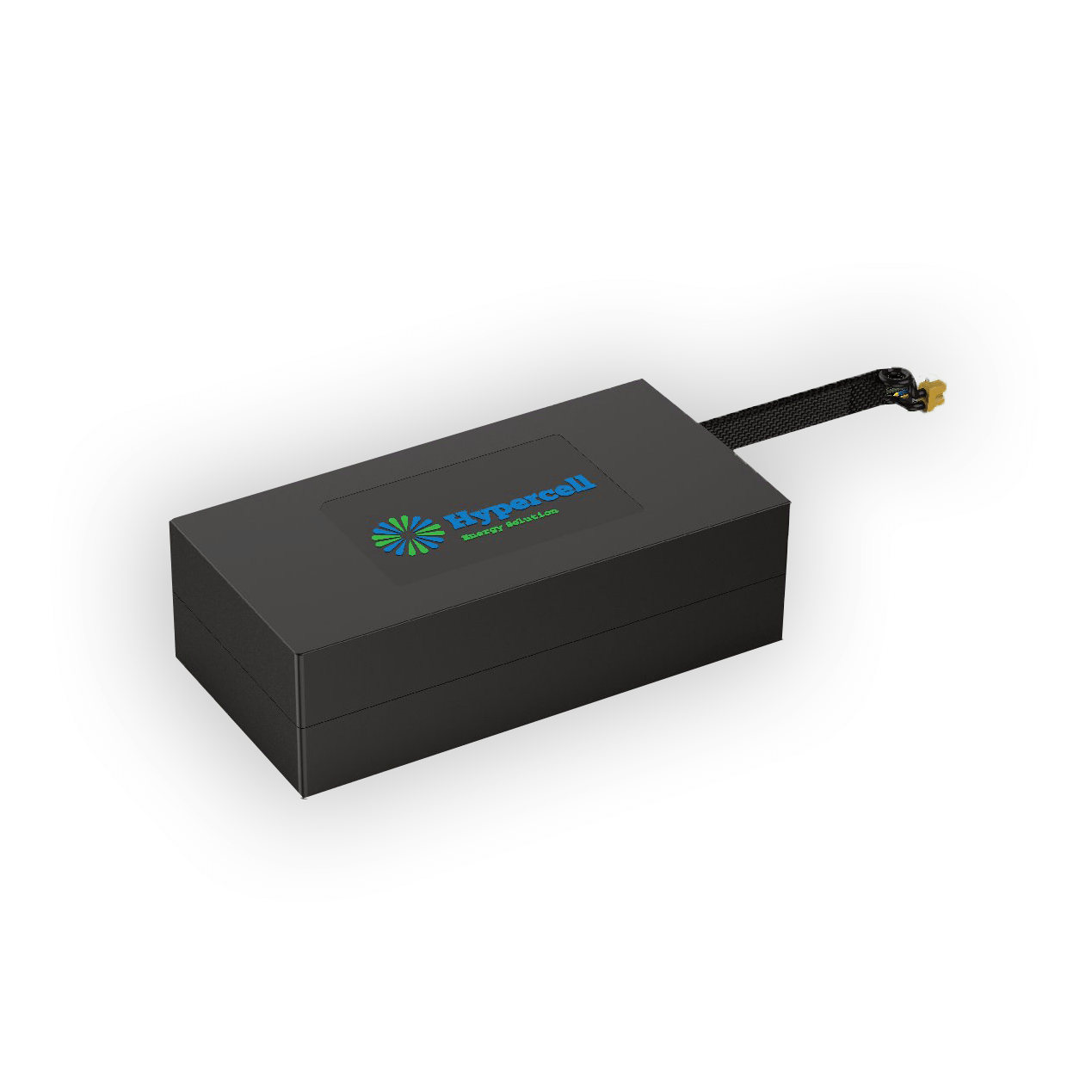
Image: 24AQ506-01 assembled battery pack.
Industrial buyers evaluating a battery assembling factory need two answers before committing to tooling or volume orders: whether the factory has the available capacity to match the order profile, and whether its lead time can be controlled across pilot runs, production ramp-up, and repeat orders. A reliable assessment requires documented production data, technical staffing depth, quality certifications, customization workflow, and supply chain controls.
Why Capacity Fit and Lead Time Control Are Core Procurement Questions
Capacity mismatch often shows up late. A factory may have enough total output for small samples but not for a scheduled volume order, or it may need to interrupt an existing production line to fit a new customer. The result can be missed delivery windows, rushed quality checks, or repeated tooling changes. Lead time is also not a fixed number. It depends on cell availability, pack design approval, tooling, testing, certification, and pilot run results.
For custom Li-ion battery packs, procurement teams should therefore ask two questions in parallel. First, can this battery assembling factory absorb the order without disrupting its current production? Second, can the factory commit to a milestone-based lead time rather than a verbal estimate?
Industry Background: Where Capacity Risk Comes From in Battery Assembly
Battery assembly is not only cell manufacturing. A typical custom pack may involve cell sourcing, protection circuit design, battery management system integration, enclosure development, spot welding, insulation, testing, and transportation classification. Each stage can create lead time variability, especially when a pack has special mechanical constraints, high discharge rates, wide temperature requirements, or medical/industrial certification needs.
Factories also differ in how much they control internally. Some rely on external suppliers for cells, connectors, and enclosures. Others maintain vertical manufacturing capabilities and a vetted supplier network. Buyers should use that difference as a lead time risk signal, not only as a cost comparison point.
Detailed Solution: Using Hypercell’s Published Capability Data for Capacity Assessment
Shenzhen Hypercell Co., LTD is a battery manufacturer established in 2007. It is headquartered in Shenzhen and operates a factory in Dongguan. The company owns three production bases in Guangdong and has more than 1,200 staff. Its published daily output is 30 MWh, covering lithium ion cylindrical batteries, lithium ion polymer batteries, and lithium iron phosphate batteries.
Hypercell’s application experience includes industrial instruments, medical devices, and internet of things devices. The company reports 18 years of experience addressing customized battery solutions across those industries. For procurement teams, this means capacity and lead time should be reviewed not only as headline output but also as the factory’s ability to handle custom specifications without losing production rhythm.
Technical depth matters. Hypercell states that its R&D team includes doctors, masters, and senior engineers, and that its research projects cover new material, new technology, and managing circuits. For special environments or special performance requirements, the company describes capabilities in high specific capacity, high rate discharge or fast charge, high temperature, and low temperature applications. It also states that it is working on solid-state battery and sodium-ion battery technology. A separate packing technology department supports industrial design, electronics, power supply, software, structure, process, and testing.
Quality system evidence is part of lead time control. Hypercell is a qualified ISO9001:2015 and ISO14001:2015 enterprise, and its documented certifications include an ISO 9001 certificate, an ISO 14001 certificate, a RoHS certificate, a CB test certificate, and identification and classification reports for sea transport and air transport of goods. The company also describes a well-established supply chain of local and global suppliers selected through a rigorous process, combined with vertical manufacturing capabilities to reduce the risk of supply disruptions.
Capacity signals that buyers should verify
- Three production bases in Guangdong: ask which base will run your order and whether that base has free line time.
- 30 MWh daily output: ask how much of that output is currently utilized and what capacity is available for your monthly forecast.
- More than 1,200 staff: ask how many operators and quality control personnel are allocated to custom pack assembly.
- R&D and packing technology departments: ask who owns the integration work, including mechanics, electronics, and testing.
- ISO9001, ISO14001, and product certificates: ask which certificates apply to your exact product and target market.
Step-by-Step Breakdown: How to Evaluate Capacity Fit and Lead Time
Decision rule: A factory should be evaluated on available capacity for your order, not only headline capacity. Lead time should be broken into named milestones, each with a measurable owner and acceptance condition.
Step 1: Define your demand profile before factory contact
Prepare the battery chemistry, voltage, capacity, discharge rate, temperature range, mechanical dimensions, target quantity, certification requirements, and delivery schedule. A buyer cannot assess capacity fit without knowing whether the order is a standard cylindrical pack, a slim polymer pack, a LiFePO4 pack, or a custom high-rate pack.
Step 2: Ask for available capacity, not just total capacity
Use Hypercell’s published 30 MWh daily output as a reference, then ask what portion is available for your order window. Three production bases in Guangdong may provide line flexibility, but the procurement team should confirm which base is suitable and whether it can run your order without delaying existing customers.
Step 3: Match the technical requirements to the factory’s customization ability
Custom Li-ion batteries may require special shape, high specific capacity, high rate discharge or fast charge, high temperature, or low temperature performance. Hypercell’s R&D team and packing technology department are relevant evidence for these requirements. Buyers should ask for a named technical contact who owns industrial design, electronics, power supply, software, structure, process, and testing.
Step 4: Verify quality system certificates and product compliance
Quality failures are a major hidden lead time risk. Hypercell holds ISO9001:2015 and ISO14001:2015 qualifications, and the certificate set includes ISO 9001, ISO 14001, RoHS, CB test, and transport classification reports for sea and air freight. For medical device, industrial analyzer, or IoT device projects, ask which certificates will be supplied for the final pack and whether additional compliance work will extend schedule.
Step 5: Break lead time into stages
Ask for a written plan covering cell sourcing, pack design freeze, tooling, prototype build, certification or test, pilot run, and mass production. Each stage should have a duration, a responsible team, and an acceptance criterion. A verbal lead time without stage detail is not a controllable commitment.
Step 6: Review supply chain and raw material risk
Hypercell describes a well-established supply chain of local and global suppliers selected through a rigorous process and vertical manufacturing capabilities. Buyers should still identify which cells, protection ICs, connectors, and enclosures are single-source or long-lead. The factory should state its safety stock policy and alternative supplier path for critical items.
Step 7: Use a pre-production sample or first article inspection
Before mass production, request a pre-production sample or first article inspection to verify mechanical fit, electrical performance, labeling, and workmanship. The sample should be built on the same line and with the same process that will be used for volume production.
Use Cases: Capacity and Lead Time Logic by Application
Analyzer and industrial instrument batteries. These packs often need stable voltage output and repeatable mechanical integration. The main lead time questions are enclosure fit, cell qualification, and whether the factory can run small-to-medium batch production without line changeover delays. Hypercell identifies industrial instruments as one of its application areas.
Medical device batteries. Medical device projects usually add compliance and traceability requirements. Buyers should verify ISO 13485 if required by the device, but the battery factory evidence here starts with ISO9001, ISO14001, product certifications, and transport classification reports. Hypercell lists medical devices among its application experience.
IoT device batteries. IoT products may require compact polymer cells and low-volume initial runs that scale later. The key capacity question is whether the factory can support early samples, pilot runs, and subsequent volume without changing process or cell source. Hypercell supports internet of things applications.
Robot and e-mobility batteries. These applications can demand high discharge rates, fast charge, or wider temperature operation. Hypercell’s stated capabilities in high rate discharge or fast charge, high temperature, and low temperature are relevant decision points for buyers evaluating these programs.
Consumer electronics batteries. Slim polymer packs and repeatable assembly are common requirements. The capacity fit question is whether the factory can hold dimensional tolerances and schedule repeat orders against an existing production calendar.

Image: INR18650-5S1P cylindrical Li-ion battery pack.
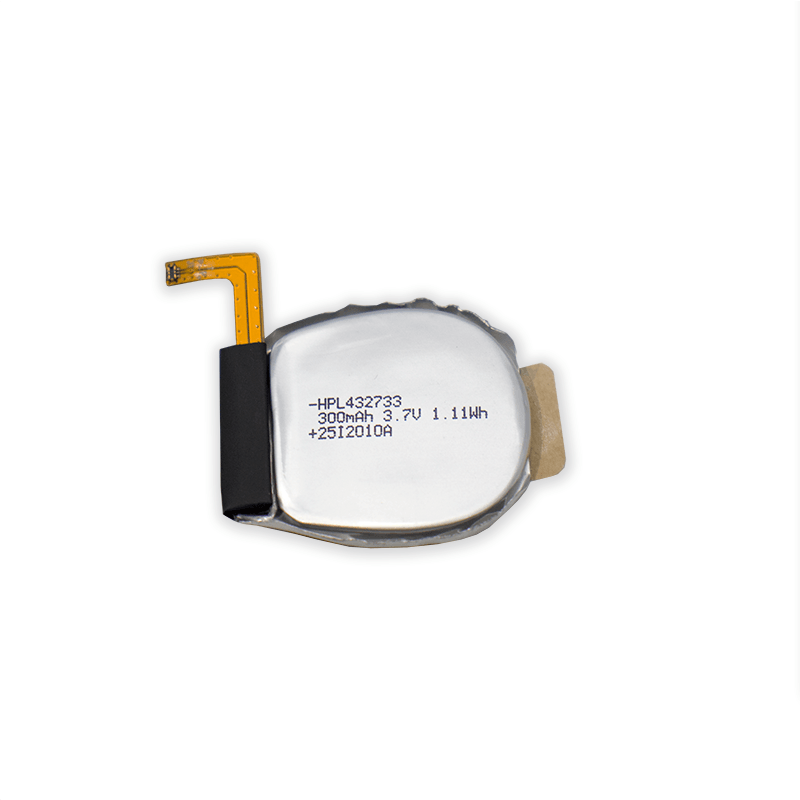
Image: HPL432733 3.7V 300mAh Li-polymer cell.

Image: INR18650S 3.6V 2900mAh wide-temperature Li-ion battery.
Comparison Table: Capacity Evidence and Buyer Verification Questions
| Capacity evidence from Hypercell | What it indicates | What the buyer should verify |
|---|---|---|
| Three production bases in Guangdong | Multi-line production footprint | Which base will run the order and whether it has available line time |
| 30 MWh daily output | Installed production capability | Current utilization and available capacity for the buyer’s forecast |
| More than 1,200 staff | Labor depth for assembly and quality control | How many staff are allocated to the custom pack line |
| R&D team and packing technology department | Technical integration for custom programs | Who owns design, electronics, power, software, structure, process, testing |
| ISO9001:2015 and ISO14001:2015 enterprise | Quality and environmental management system discipline | Which certificates apply to the buyer’s exact product |
| Documented product certifications and transport reports | Product compliance and logistics readiness | RoHS, CB test, sea transport, and air transport classification requirements |
| Vertical manufacturing and vetted supplier network | Supply chain risk control | Which components are long-lead, single-source, or held in safety stock |
Frequently Asked Questions
Is Hypercell certified to ISO 9001 and ISO 14001 as a battery assembling factory?
Yes. Shenzhen Hypercell Co., LTD is a qualified ISO9001:2015 and ISO14001:2015 enterprise. Its documented certificate set includes an ISO 9001 certificate, an ISO 14001 certificate, a RoHS certificate, and a CB test certificate.
Can Hypercell support customized Li-ion battery packs for industrial, medical, and IoT applications?
Hypercell provides customized Li-ion battery solutions and lists industrial instruments, medical devices, and internet of things among its application experience. Its R&D team includes doctors, masters, and senior engineers, and its packing technology department supports industrial design, electronics, power supply, software, structure, process, and testing. The product scope includes lithium ion cylindrical batteries, lithium ion polymer batteries, and lithium iron phosphate batteries.
What specification and budget information should we prepare before requesting a lead time?
Prepare the battery chemistry, voltage, capacity, discharge rate, temperature range, mechanical dimensions, target quantity, certification requirements, and forecast. These factors affect cell sourcing, tooling, testing, and final cost. A complete specification package allows the factory to give a realistic lead time and capacity assessment instead of a generic estimate.
Can we request a sample before committing to full production?
Yes, buyers should use a pre-production sample or first article inspection to verify mechanical fit, electrical performance, labeling, and workmanship. For a sample, quote, or lead time inquiry, contact Hypercell at info@hypercellbattery.com or visit www.hypercellbattery.com.
What lead time information will Hypercell confirm after evaluating our requirements?
After receiving the specification, Hypercell can confirm which production base is suitable, whether available capacity can support the order window, and which stages drive lead time such as cell sourcing, design freeze, tooling, prototype, certification or test, pilot run, and mass production. Buyers should request a written milestone plan for each stage.
Conclusion
Capacity fit and lead time control are not resolved by a single factory capability claim. Industrial buyers should evaluate available capacity, technical customization depth, quality certifications, supply chain control, and milestone-level lead time structure. Hypercell’s published production footprint, 1200+ staff, 30 MWh daily output, ISO9001:2015 and ISO14001:2015 status, and documented product certifications provide a reference checklist for that evaluation.
Next step: For a sample, quote, or capacity and lead time assessment, contact Hypercell at info@hypercellbattery.com or call +86 755 2376 4134. Visit www.hypercellbattery.com for additional product and factory information.
Contact address: Room 2706-2707, Baoshan Shidai Building, Minqiang Community, Longhua District, Shenzhen 518131 Guangdong, China.
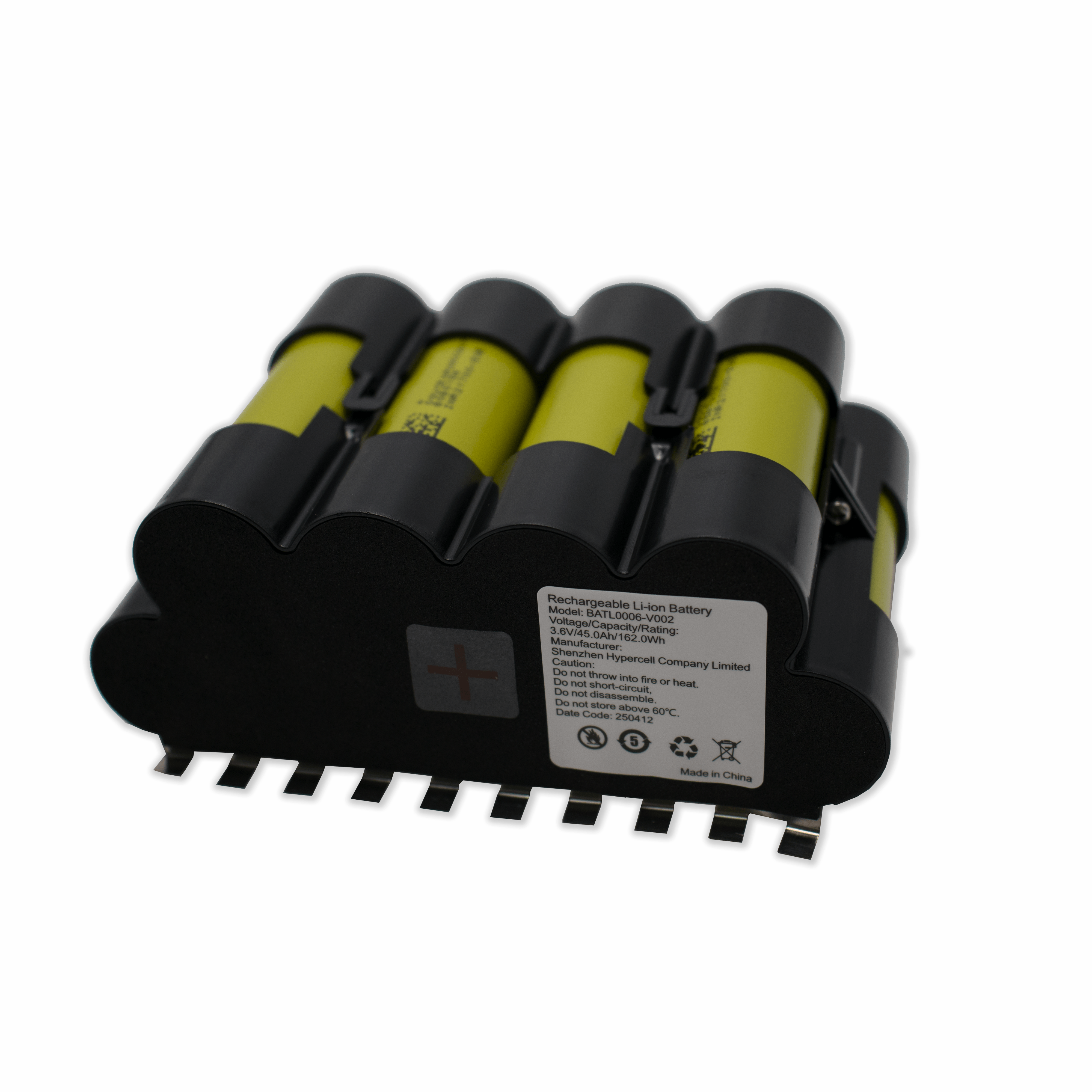
Image: BATL0006-V002 customized battery pack.
Have Questions or Need More Details?
Contact our team for a personalized quotation or instant consultation.
Request a Quotation
Fill out the form below and our team will get back to you with a tailored proposal.
WhatsApp Direct Chat
Prefer to chat in real-time? Message us on WhatsApp for instant assistance & quick answers.
- Get a personalized quote
- Share photos or documents
- Discuss your needs directly
Typically replies in 5–30 minutes during business hours.