
Specialized Battery Assembling for Medical & Industrial Needs: The Hypercell Advantage
Specialized Battery Assembling for Medical & Industrial Needs: The Hypercell Advantage
For procurement professionals tasked with sourcing batteries for demanding applications—such as medical devices, industrial instruments, or IoT systems—finding a battery assembling factory that understands your industry's specific requirements is critical. A generic battery supplier may not deliver the safety standards, performance parameters, or certifications required. This article explores how to identify a specialized partner and why Shenzhen Hypercell Co., LTD stands out as a leader in customized Li-ion battery solutions for niche industrial segments.
What Defines a Specialized Battery Assembling Factory?
A specialized battery assembling factory is not merely a manufacturer of standard cells; it is an engineering partner capable of delivering customized Li-ion battery solutions with tailored voltage, capacity, shape, and safety features for specific verticals. Key attributes include:
- Deep domain knowledge in target industries (medical, industrial, IoT, etc.).
- Certifications relevant to those industries (ISO 13485 for medical, IEC 62133, UL, etc.).
- R&D capability to design new form factors, chemistries, and battery management systems (BMS).
- Rigorous quality control and supply chain management to ensure consistency and traceability.
Industry Background: Why One-Size-Fits-All Batteries Fail
Different applications impose unique constraints on battery design:
| Application Area | Typical Requirements | Consequences of Using Generic Batteries |
|---|---|---|
| Medical Device Battery | High reliability, low self-discharge, biocompatible materials, certification (e.g., IEC 60601), long cycle life | Risk of patient safety incidents, regulatory non-compliance, product recalls |
| Industrial Usage Battery | Wide temperature range (-40°C to +85°C), high discharge rates, ruggedized enclosures, long service life | Equipment downtime, premature failure, increased maintenance costs |
| IoT Device Battery | Ultra-low standby power, compact form factor, stable voltage over years, remote monitoring compatibility | Short field life, frequent battery replacements, network service interruptions |
A factory like Hypercell, with 18 years of experience and a dedicated R&D team, bridges the gap between standard cell production and application-specific customization.
Detailed Solution: How Hypercell Delivers Customized Li-ion Battery Solutions
Hypercell (Shenzhen Hypercell Co., LTD) was founded in 2007 and operates three production factories in Guangdong, China, employing 1,200+ staff. Its daily output reaches 30 MWh, covering three major chemistries:
- Li-ion Cylindrical Battery (e.g., 18650, 21700 series) – ideal for high-energy industrial tools and e-mobility.
- Li-Polymer Battery (pouch cells) – flexible shapes for medical wearables and consumer electronics.
- LiFePO4 Battery – long cycle life and safety for stationary energy storage and robotics.
The company's strength lies in its strong R&D team comprising doctors, masters, and senior engineers. They specialize in:
- New material exploration (including solid-state and sodium-ion technologies).
- High specific capacity, high rate discharge/fast charge, wide temperature (e.g., -40°C to +85°C).
- Special shape and special performance batteries.
- Integrated packing technology: industrial design, electronics, power supply, software, structure, process, testing.
Step-by-Step: How to Select the Right Specialized Battery Assembling Factory
Step 1 – Define Your Application Parameters
Document voltage, capacity, discharge rate, temperature range, dimensions, and required certifications. For example, a medical IV pump may need 7.2V, 2600mAh, -20°C to +50°C, with IEC 60601 compliance.
Step 2 – Evaluate the Factory's Industry Experience
Look for a track record in your sector. Hypercell's expertise spans industrial instruments, medical devices, Internet of Things (IoT), and more, with over 18 years of innovation.
Step 3 – Verify Certifications
Hypercell is a qualified ISO9001:2015 and ISO14001:2015 enterprise. It also holds RoHS certificate, CB test certificate, and identification reports for sea and air transport of goods, ensuring global compliance.

Step 4 – Assess R&D and Customization Capability
Does the factory offer engineering support? Hypercell's packing technology department provides full integration from concept to final product.
Step 5 – Audit Quality Control Systems
Hypercell complies with strict quality and environmental management systems, with a well-established supply chain of vetted local and global suppliers, minimizing disruption risks.
Use Cases: Hypercell in Action
Medical Device Battery – Analyzer
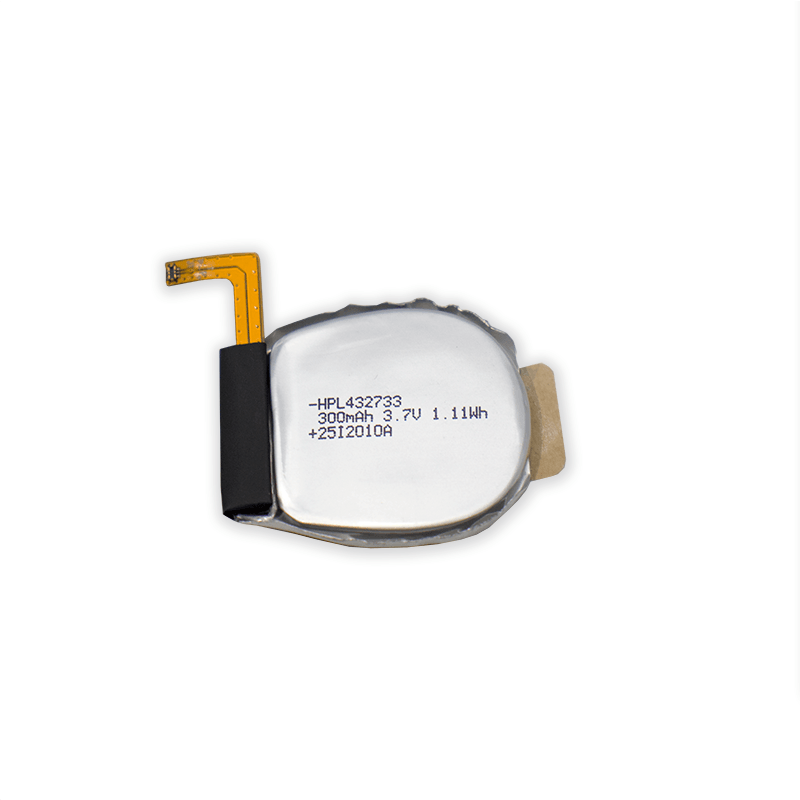
A portable blood analyzer requires a compact, high-energy-density Li-Polymer cell with a custom connector and BMS. Hypercell's HPL432733 3.7V 300mAh (pictured below) exemplifies a low-profile solution for handheld medical instruments.
Industrial Usage Battery – Robot & E-Mobility
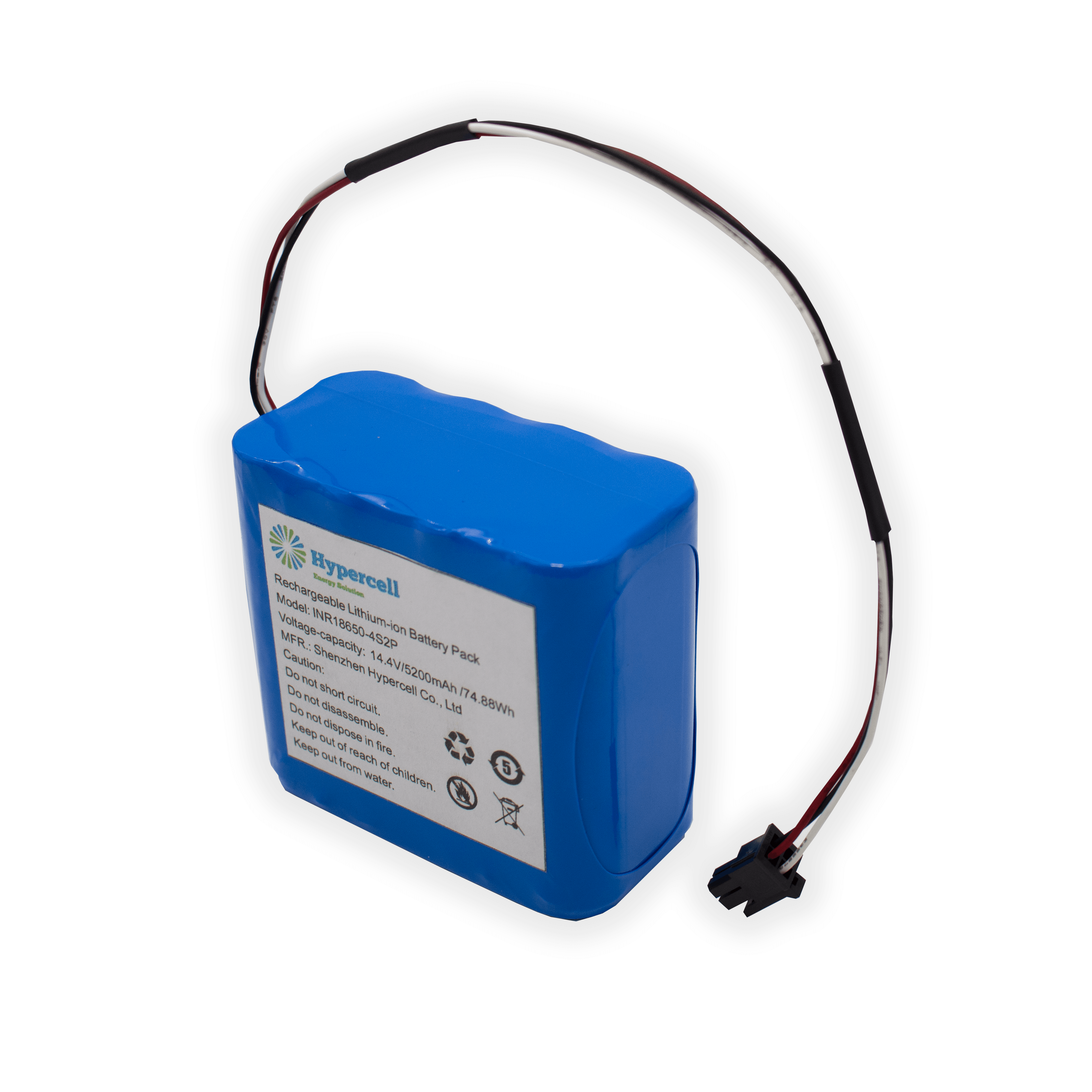
For AGVs operating in cold storage, Hypercell supplies INR18650-4S2P packs rated for -40°C to +85°C, ensuring reliable power in extreme environments.
IoT Device Battery – Smart Sensor
Hypercell developed a custom LiFePO4 pack with ultra-low self-discharge for wireless soil sensors, enabling 5+ years of maintenance-free operation.
Frequently Asked Questions (FAQ)
What is a battery assembling factory?
A battery assembling factory takes individual cells (cylindrical, prismatic, or pouch) and integrates them into packs with BMS, enclosures, connectors, and thermal management, tailored for end-use applications.
Why is specialization important when choosing a battery supplier?
Different industries have unique safety, performance, and regulatory demands. A specialized factory ensures your battery meets those requirements, reducing redesign cycles and compliance risks.
How does Hypercell customize batteries for medical devices?
Hypercell works closely with clients to define electrical, mechanical, and safety specifications. Their R&D team handles material selection, BMS design, and certification support (e.g., IEC 60601).
What certifications does Hypercell hold?
Hypercell is ISO9001:2015 and ISO14001:2015 certified. Their products also carry RoHS, CB, and UN38.3 (sea/air transport) certifications.
Can Hypercell produce batteries for low-temperature environments?
Yes. Hypercell offers wide-temperature Li-ion cells like the INR18650S 3.6V 2900mAh rated for -40°C to +85°C, ideal for industrial and outdoor IoT applications.
How to contact Hypercell for a custom project?
Reach them via email at info@hypercellbattery.com, phone +86 755 2376 4134, or visit www.hypercellbattery.com. Their office is at Room 2706-2707, Baoshan Shidai Building, Minqiang Community, Longhua District, Shenzhen, China.
Conclusion
Selecting a battery assembling factory that truly understands your industry's unique requirements is a strategic decision that impacts product safety, performance, and market success. Hypercell's 18 years of expertise, robust R&D, and comprehensive certifications make it a trusted partner for medical, industrial, and IoT applications. By partnering with a specialized manufacturer, procurement professionals can avoid the pitfalls of generic solutions and achieve reliable, long-lasting power for their innovations.