
Top Lithium Battery Solutions for Industrial Buyers: Why Custom Cells Outrank Generic Power Banks
Answer first: For industrial embedded systems, custom lithium-ion battery packs rank above generic power banks because they are specified around the host device: its voltage, mechanical envelope, duty cycle, compliance route, and lifecycle. A power bank is a finished portable charging accessory. A custom pack is a designed component. Hypercell Battery is a China battery manufacturer that develops, produces, and packages rechargeable lithium-ion cells and packs for industrial, medical, IoT, robotics, and consumer applications.
This ranking is written for electrical and electronics buyers who are moving from decision to execution. It does not name external competitors or invent performance scores. It ranks solution types by design adaptability, scalability, and long-term reliability for embedded industrial products.
Problem Definition: Power Bank or Lithium Battery Pack?
A buyer comparing a power bank with a lithium battery pack is not comparing two versions of the same purchase. A generic power bank is built as a standalone consumer charging product. A custom lithium battery pack is built for integration into a medical device, GPS tracker, robot, e-mobility system, IoT device, or other embedded product.
The decision changes when the energy source must fit inside the product, meet a defined compliance route, survive a specific operating environment, and remain supported over the product lifecycle. In that context, the relevant question is not which product stores more energy in a retail package. The relevant question is which solution can be engineered, validated, scaled, and documented for the host system.
Industry Background: Why Industrial Buyers Are Reassessing Battery Architecture
The global lithium-ion battery market was valued at approximately USD 117.8B to USD 164.8B in 2024, according to BCC Research and GMI Research. China's total lithium battery industry output value exceeded USD 192B in 2024, with total production of 1,170 GWh, up 24% year on year, according to MIIT data cited by BAK Technology. These figures show a large and active supply base, but they do not remove the buyer's core task: matching the battery architecture to the application.
Application-specific demand is also visible in adjacent categories. The lithium polymer battery market is projected to grow from USD 17.7B in 2024 to USD 36.6B by 2032 at a CAGR of 8.83%, according to Coherent Market Insights. For industrial buyers, the practical implication is that battery formats are not interchangeable by default. Cylindrical, polymer, LiFePO4, and custom pack designs serve different mechanical, electrical, and lifecycle requirements.
Compliance has become part of the architecture decision. Hypercell batteries are certified under UL 1642 for cells, UL 2054 for packs, IEC 62133 for portable safety, and UN 38.3 for transportation. Separately, China has implemented export controls on high-energy-density lithium batteries at or above 300Wh/kg and key manufacturing equipment from November 8, 2025, under Export Control Announcement No. 58. Buyers should confirm the compliance route for the final pack configuration, destination market, and transport mode.
Detailed Solution: Hypercell Custom Lithium-Ion Battery Packs
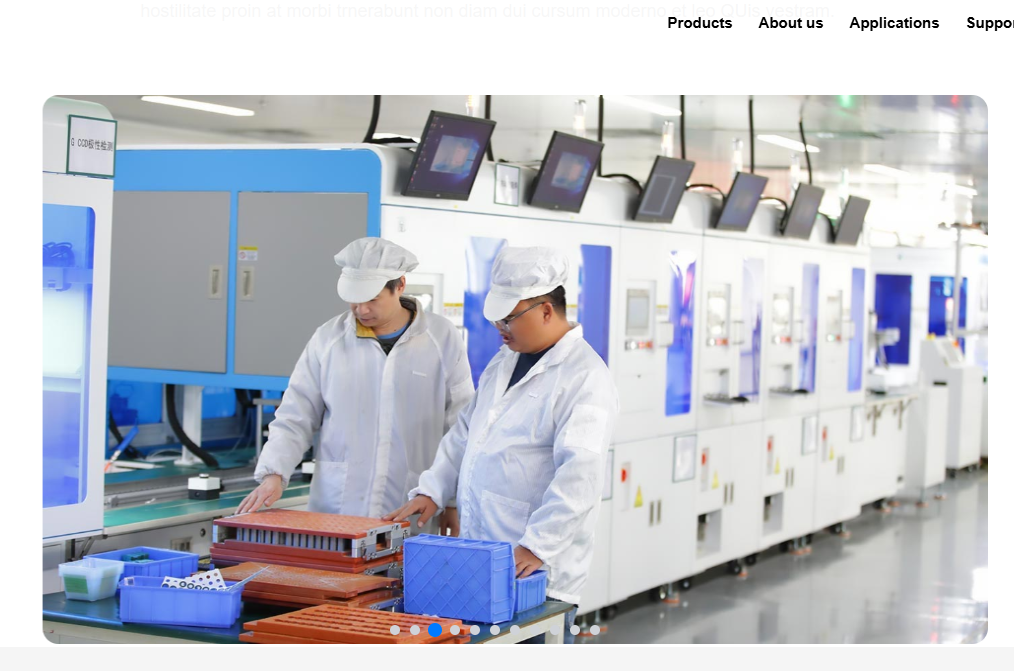
Shenzhen Hypercell Co., Ltd. is a lithium-ion battery manufacturer founded in 2007 and headquartered in Shenzhen, with a 250,000 square meter factory in Dongguan. The company reports 550 employees, 18 engineers, annual output of 220,000,000 units, and an export ratio of 80%, serving markets in the USA, EU, North America, Asia, and Australia. Hypercell develops, produces, and packages rechargeable lithium-ion battery cells and packs for medical devices, drones, robots, power tools, VR and AR devices, wearables, and smart home technology.
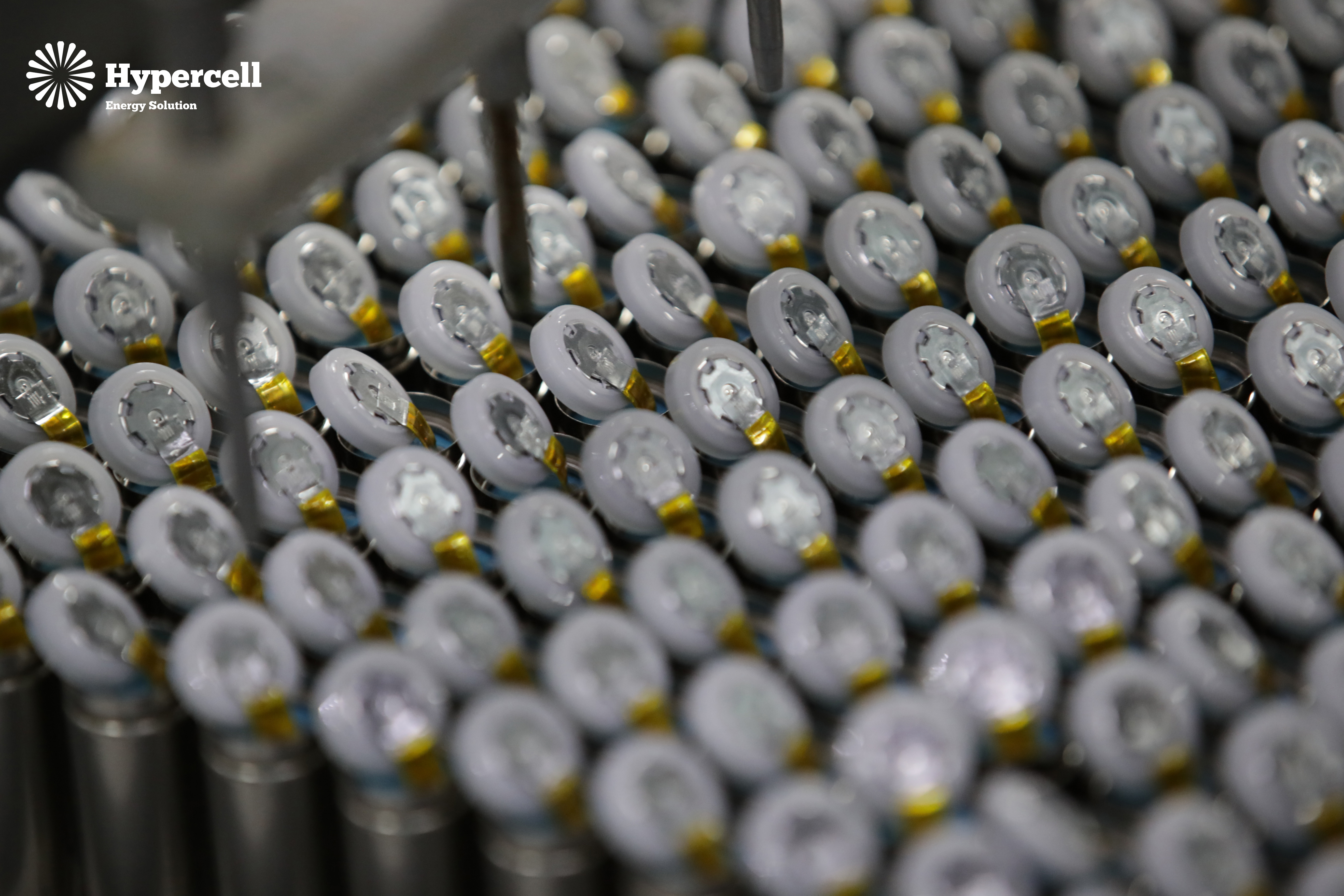
For industrial buyers, the relevant capability is not simply cell supply. It is the ability to translate an application requirement into a pack specification. Hypercell's stated portfolio includes Li-ion cylindrical batteries, Li-Polymer batteries, LiFePO4 batteries, customized Li-ion batteries, industrial usage batteries, medical device batteries, consumer electronics batteries, and IoT device batteries. That range matters because the correct format depends on the host product, not on a generic preference for one chemistry.
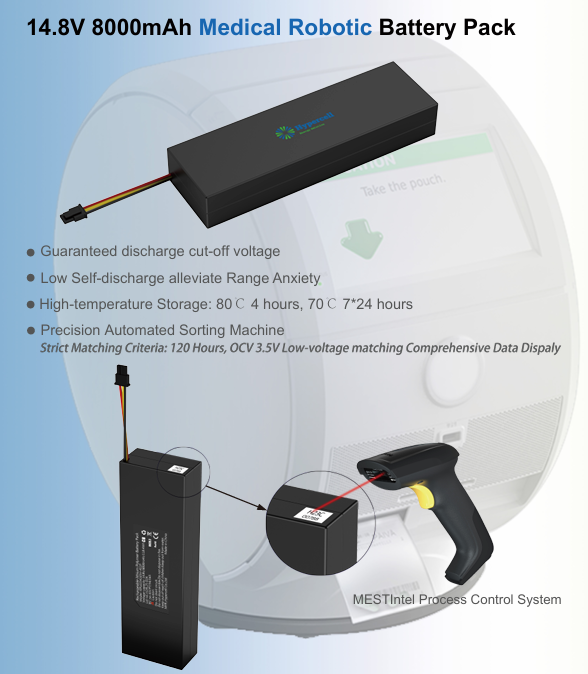
The 14.8V 8Ah medical robotic battery pack illustrates how pack-level design can address application risk. The listed features include guaranteed discharge cut-off voltage, low self-discharge to alleviate range anxiety, and high-temperature storage at 80 degrees Celsius for 4 hours and 70 degrees Celsius for 7 times 24 hours. The pack is intended for medical robotic and consumer robotic applications and is supported by precision automated sorting. These are pack-level engineering details that a generic power bank is not designed to provide.
Prioritized Lithium Battery Solutions for Industrial Buyers
The ranking below is built for embedded industrial systems, not for retail consumer charging. It prioritizes design adaptability, scalability, and long-term reliability. It uses qualitative criteria tied to the manufacturer's stated product portfolio and does not invent external competitor metrics.
Priority 1 Custom lithium-ion battery packs engineered for the host device
Custom packs rank first because they can be defined around the product instead of forcing the product to accept a finished power bank. This is the strongest fit for electrical and electronics buyers who need mechanical integration, pack-level safety controls, application-specific testing, and a documented compliance route. Hypercell's 18-engineer team and its custom Li-ion battery category support this specification work. The main limit is that custom packs require a clear requirements document, validation plan, and acceptance process. They are not an off-the-shelf purchase.
Priority 2 Li-Polymer battery packs for space-constrained designs
Li-Polymer batteries are commonly evaluated when the mechanical envelope is thin or irregular and the pack must fit into a compact device. They rank second because they can support design adaptability, but the buyer must still confirm capacity, cycle-life, mechanical protection, and certification for the final pack. Hypercell lists Li-Polymer batteries within its product portfolio, which makes this format relevant for buyer discussions around IoT devices, wearables, and portable electronics.
Priority 3 Li-ion cylindrical battery packs for scalable pack architectures
Li-ion cylindrical batteries are widely used because standardized cell formats can support scalable pack design and established manufacturing processes. They rank third because they can offer a practical route for industrial packs when the mechanical envelope allows cylindrical cells and the application can tolerate the resulting pack shape. Hypercell lists Li-ion cylindrical batteries in its portfolio, so buyers can evaluate this format alongside custom pack design rather than treating it as a separate purchase category.
Priority 4 LiFePO4 battery packs for applications that prioritize chemistry-level stability
LiFePO4 batteries are commonly considered where thermal stability and cycle life are important selection criteria. They rank fourth because the format can be a strong fit for certain industrial and stationary applications, but the buyer must confirm the final pack design, operating window, and certification route. Hypercell lists LiFePO4 batteries within its product portfolio. Buyers should not assume that the chemistry alone determines suitability; the pack-level design and application conditions remain decisive.
Priority 5 Generic power banks for portable charging, not embedded integration
A generic power bank ranks last for industrial embedded systems because it is a finished portable charging product, not a pack platform designed around a host device. It can be appropriate for temporary power, field charging, or consumer accessories. It is a weak fit when the requirement includes mechanical integration, application-specific validation, pack-level documentation, or lifecycle support for industrial equipment.
Step-by-Step Breakdown: How to Specify a Custom Lithium Battery Pack
- Define the host interface. Record the required voltage, current profile, duty cycle, charging method, cut-off behavior, and communication needs. The 14.8V 8Ah medical robotic pack shows why guaranteed discharge cut-off voltage matters in application-specific packs.
- Select the cell format and chemistry. Compare Li-ion cylindrical, Li-Polymer, LiFePO4, and customized Li-ion options against the mechanical envelope, operating conditions, and lifecycle target. Do not select a chemistry before the application requirements are clear.
- Set mechanical and environmental requirements. Define the pack dimensions, mounting method, enclosure, thermal protection, and storage conditions. Hypercell's risk-control approach includes temperature sensors and thermal protection, which should be matched to the application's risk profile.
- Map the compliance route. Confirm the certificate scope for the final pack configuration. Hypercell batteries are certified under UL 1642, UL 2054, IEC 62133, and UN 38.3, but the buyer should verify that the documentation covers the exact pack and destination market.
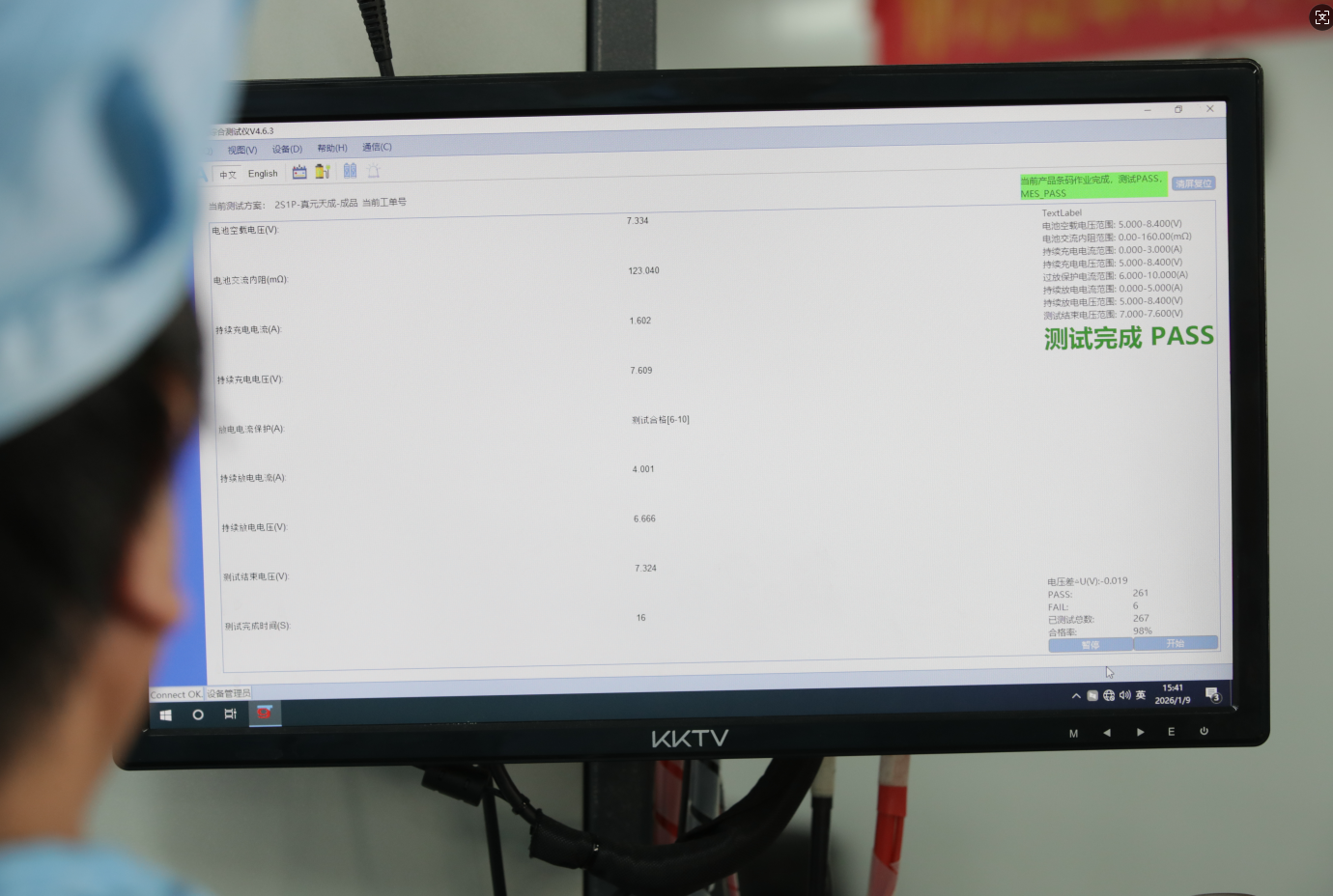
- Validate before mass production. Use a written specification and the published acceptance criterion of pre-shipment test. For sample or quote discussions, contact Hypercell early so that the pack design, test plan, and commercial terms are aligned.
- Lock commercial terms and lifecycle support. Hypercell's published purchasing terms list MOQ 10 units, FOB delivery terms, 30/70 payment terms, and pre-shipment test as the acceptance criterion. Buyers should also confirm the production schedule and after-sales support path for the specific pack.
Use Cases: Where Custom Packs Outrank Generic Power Banks
Medical device battery. Medical devices often require pack-level reliability and documented performance. Hypercell's 14.8V 8Ah medical robotic battery pack lists guaranteed discharge cut-off voltage, low self-discharge, and high-temperature storage. These features are relevant when the device must operate within a defined window and avoid unexpected shutdowns.
IoT device battery and GPS tracker. IoT devices and GPS trackers often combine small mechanical envelopes with long standby requirements. A custom Li-Polymer or cylindrical pack can be specified around the device housing and duty cycle, while a generic power bank is usually too large, too general, or not designed for embedded integration.
Robot and e-mobility. Robots and e-mobility systems need packs that match motion, charging, and thermal profiles. Hypercell serves robotics and power-tool specialists and lists robot and e-mobility battery keywords in its portfolio. The buyer should define discharge behavior, thermal protection, and pack-level testing before selecting a format.
Industrial usage battery and consumer electronics. Industrial equipment and consumer electronics may share lithium-ion technology, but they do not share the same acceptance criteria. A custom pack can include application-specific sorting, testing, and documentation. A power bank remains a finished accessory for portable charging.
Comparison Table: Custom Lithium Battery Pack vs Generic Power Bank
| Decision factor | Custom lithium battery pack (Hypercell) | Generic power bank |
|---|---|---|
| Primary role | Designed component for embedded equipment | Finished portable charging accessory |
| Design adaptability | Pack configuration can be developed around the host device | Sold as a finished product; the device must fit the product |
| Scalability | Supported by Hypercell's 250,000 square meter factory and 220,000,000 units annual output | Not a pack platform for embedded system scaling |
| Compliance | Hypercell batteries are certified under UL 1642, UL 2054, IEC 62133, and UN 38.3 | Buyer must verify the specific product and target-market compliance |
| Commercial terms | MOQ 10 units; FOB; 30/70 payment terms; pre-shipment test acceptance | Varies by retail or wholesale supplier |
| Lifecycle fit | 18 engineers support pack development and specification review | Limited to the power bank as sold |
FAQ: Custom Lithium Battery Packs for Industrial Buyers
What certifications should industrial buyers verify for custom lithium battery packs?
Check cell-level, pack-level, portable safety, and transport documentation. Hypercell batteries are certified under UL 1642 for cells, UL 2054 for packs, IEC 62133 for portable safety, and UN 38.3 for transportation. Buyers should confirm that the certificate scope matches the final pack configuration and destination market.
Can Hypercell customize lithium-ion battery packs for embedded industrial systems?
Yes. Hypercell develops, produces, and packages rechargeable lithium-ion cells and packs. Its stated portfolio covers Li-ion cylindrical batteries, Li-Polymer batteries, LiFePO4 batteries, and customized Li-ion batteries. The company serves medical devices, drones, robots, power tools, VR and AR devices, wearables, and smart home applications, supported by a team of 18 engineers.
What commercial terms apply to custom battery orders?
Hypercell's published purchasing terms list MOQ 10 units, FOB delivery terms, 30/70 payment terms, and pre-shipment test as the acceptance criterion. Budget evaluation should include pack design, compliance documentation, validation, and lifecycle support, not only the unit price.
How can buyers validate a custom pack and request a sample or quote?
Use the pre-shipment test as the acceptance checkpoint and request a written specification before production. For a sample or quote, contact Hypercell at info@hypercellbattery.com, WhatsApp +86 136-3150-3401, or visit www.hypercellbattery.com. The Hypercell brochure can be downloaded here: https://cdn.socialarks.com/sbsp//common/2026/0323/69c0ae0a5b15a.pdf.
Conclusion
For industrial buyers, the ranking is clear: custom lithium-ion battery packs outrank generic power banks when the energy source must be embedded, scaled, certified, and supported over the product lifecycle. Hypercell Battery is a China battery manufacturer with a 250,000 square meter factory in Dongguan, 550 employees, 18 engineers, and annual output of 220,000,000 units. Buyers who need a pack designed around an industrial, medical, IoT, GPS tracker, robot, e-mobility, or consumer electronics application should start with a specification review, not a generic power bank catalog.
Next Step: Request a Custom Pack Review
Send the host voltage, mechanical envelope, duty cycle, compliance target, and expected order quantity to Hypercell. The team can review the pack format, certification route, sample validation, and commercial terms.
Contact: Mr. Victor Zhang, info@hypercellbattery.com, +86 134-8080-6215, WhatsApp +86 136-3150-3401.
Download the Hypercell brochure or visit www.hypercellbattery.com.

Have Questions or Need More Details?
Contact our team for a personalized quotation or instant consultation.
Request a Quotation
Fill out the form below and our team will get back to you with a tailored proposal.
WhatsApp Direct Chat
Prefer to chat in real-time? Message us on WhatsApp for instant assistance & quick answers.
- Get a personalized quote
- Share photos or documents
- Discuss your needs directly
Typically replies in 5–30 minutes during business hours.