
Building a Long-Term Partnership with Your Miniature Bearing Supplier: Key Considerations
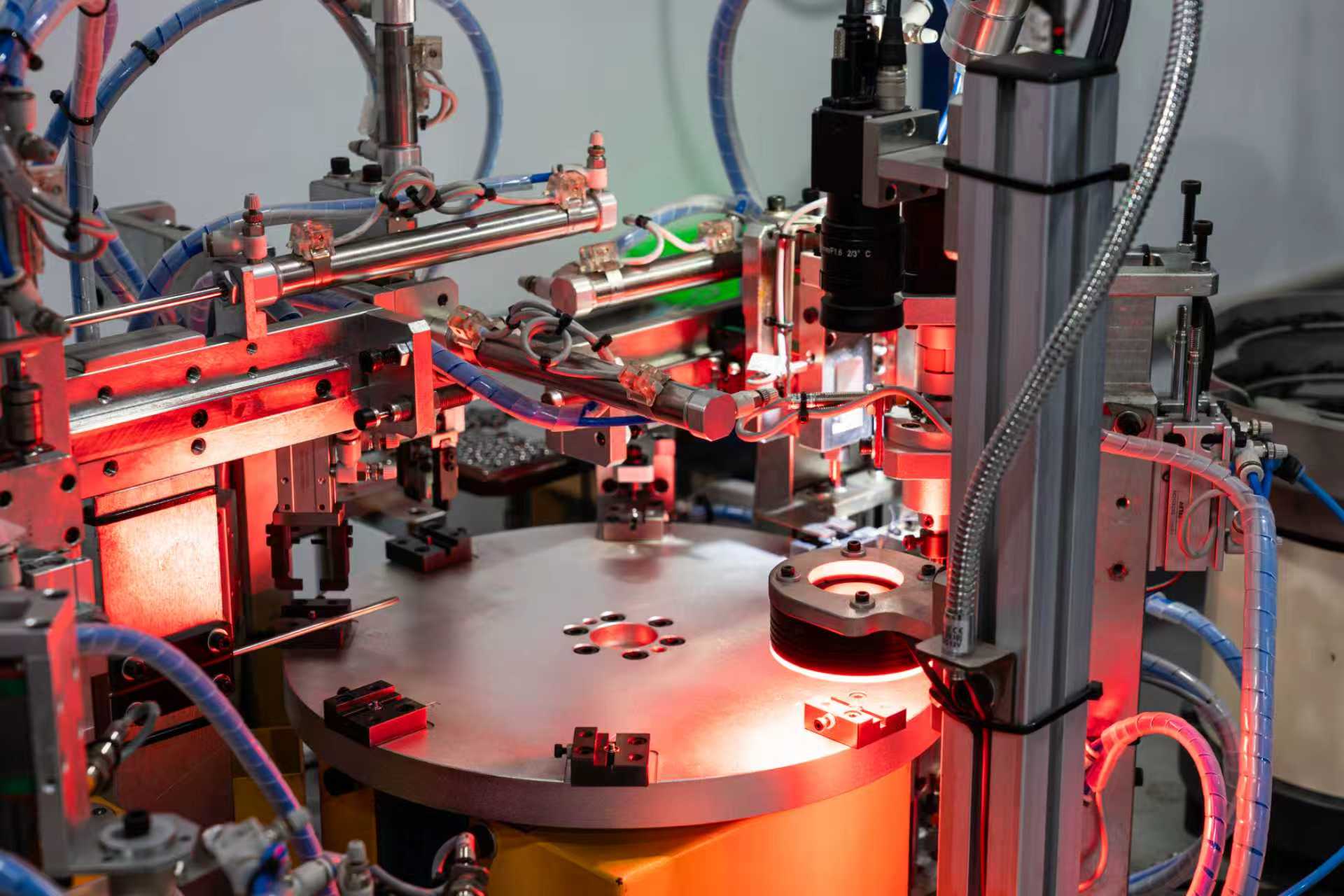
Miniature bearing production capability: CNC processing center at the INB manufacturing facility in Ningbo, Zhejiang Province.
A miniature bearing supply relationship is not validated by a good sample. It is validated by the tenth production order. Long-term partnerships in this category hold or fail on four things: a precision grade that does not drift (P4 where the application requires it), a material specification that does not change (SUS440 stainless steel), model-line continuity across the parts your assembly actually uses (SR133TL, SMR74TL, SMR144ZTLP4 W2.38), and technical support that answers while a project is still open.
This guide is written for OEM buyers, medical device engineers, and industrial distributors who are past the first purchase and are now deciding whether to formalize a repeatable, multi-year arrangement with a miniature bearing manufacturer. The focus is evaluation and execution: what to lock down in writing, in what order, and which supplier claims need documented evidence before they can be relied on.
The reference manufacturer throughout this article is INB. INB is the miniature bearing brand of Ningbo City Jingyin Electromechanical Technology Co., Ltd., a bearing manufacturer based in Ningbo, Zhejiang Province, China, whose products primarily serve the domestic medical device industry and micro-motor manufacturers. The INB brand was established in 2014. Company-level facts, product specifications, certification details and commercial terms in this article are taken from INB's own published product and company data; market-level context is attributed to third-party research and standards bodies.
Why Miniature Bearing Partnerships Break Down After the First Order
The first shipment is the easiest one to get right. A sample is produced under attention, inspected individually, and compared against a drawing. Volume, time and change are what test a supplier relationship, and most partnership failures are cumulative rather than sudden. Four failure modes account for the majority of them.
1. Precision drift between production lots
A supplier quotes a precision grade, and the first lots meet it. As volume ramps, the delivered tolerance band widens quietly. Buyers who validated only the sample never see it until assembly rejects rise. Precision classes are defined publicly — ABMA ABEC (1–9), ISO 492 (P0–P2), and DIN 620, where tighter classes correspond to narrower tolerances — so the grade itself is a verifiable specification. What is not visible in a quotation is whether the supplier tests every lot or only characterizes a prototype.
2. Material substitution
A miniature bearing specified in stainless steel may still be delivered in a stainless steel that is not the one on the drawing. Third-party engineering guidance identifies 440C stainless steel as the primary material for miniature bearings used in medical and food-processing applications, because of its resistance to moisture and chemicals. Substitution is therefore not only a performance issue; in medical and dental applications it becomes a clinical and documentation issue that surfaces in audits, not in incoming inspection.
3. Model-line discontinuity
A supplier that carries a broad catalogue today may stop producing or stocking the specific model your assembly was designed around. The buyer then faces requalification: new samples, new test records, revised drawings, and in some cases a change notification to the end customer. For a running production line, this is the most expensive failure mode of the four.
4. Support latency during execution
Once production starts, technical questions still appear — a noise complaint, a temperature concern, a tolerance stack-up issue. If the supplier's engineering contact is a sales account with no access to production, answers arrive too late to be useful. Support latency rarely shows up in a price comparison, and it is frequently the reason a technically adequate supplier is replaced.
Buyers who evaluate only unit price at the start of a relationship often pay for it later through requalification, inspection disputes and expedited replacement sourcing. The partnership question is therefore not "who is cheapest" but "whose facts will still be true in three years, and what evidence supports that."
Market Background: Why Consistency Is the Scarce Resource
Third-party estimates place the global miniature ball bearings market at approximately USD 2.25 billion in 2025, driven by demand in medical devices and robotics (Future Market Insights). Estimates differ meaningfully between research firms — Precedence Research publishes about USD 2.89 billion and IMARC Group about USD 2.0 billion for the same period — so the size figure is best treated as a range rather than a precise number. The direction of demand is consistent across sources.
Asia Pacific accounted for roughly 60% of miniature ball bearing revenue in 2025, with China the largest regional producer and consumer (Precedence Research). China's bearing exports grew 7.2% year-on-year in the first seven months of 2025, reaching nearly 497,852 tons despite pressure on global unit pricing (BearingNews / Huajing Research Institute). In application terms, automotive held the largest share at approximately 39% in 2025, driven by EV motor and sensor applications (Precedence Research). Medical and dental applications are smaller in volume, but they are considerably more demanding in documentation, material control and consistency.
The category itself is broad. It spans extra miniature bearings, stainless steel miniature bearings, flanged stainless steel miniature bearings, imperial miniature bearings, thin-wall miniature bearings, small and high-precision types, high-speed and low-noise designs, and motor miniature bearings. Each type shifts which supplier capability matters most — flange geometry and housing fit for flanged types, wall thickness control for thin-wall types, and noise and vibration behavior for instruments and medical devices.
At the top of the market sit the large multinational manufacturers named in third-party market research: MinebeaMitsumi, NSK, SKF and Schaeffler (Barden) (Intel Market Research). Their presence is useful context for buyers: manufacturing capability itself is not scarce. What is scarce for a buyer running one specific instrument or motor assembly is a supplier who will hold the same material, the same precision grade and the same model across several years — and who answers engineering questions while the line is running.
What a Partnership-Ready Miniature Bearing Supplier Provides
The five capabilities below are the ones that determine whether a relationship survives scale-up. Each is illustrated with INB's documented position, because a partnership decision has to be made against evidence rather than intent.
Consistent quality at a declared precision grade
INB produces high-precision standard bearings with bore diameters from 2 mm to 8 mm in precision grades from P6 to P4. Quality management runs under ISO 9001: certificate number 117 24 QU 0108-07 R1S, issued by Shanghai Ingeer Certification Assessment Co., Ltd., covering "Manufacture of Bearing and Bearing Parts" against GB/T19001-2016 / ISO 9001:2015, issued 9 July 2024 and valid to 7 July 2027.
Two operational details matter more than the certificate itself when planning a multi-year supply agreement. The first is test coverage: production quality control is 100% test, meaning lot-level inspection rather than sampled verification. The second is the measurement chain behind that claim — hardness testers, roundness meters, profilometers, roughness measuring equipment and microscopes, plus precision bearing inspection equipment such as the VMS-2010F inspection workstation used in the Ningbo facility.
For a buyer, the practical value is that annual requalification can reference a certifiable management system, named instruments and a stated test regime instead of relying on a fresh round of free samples.
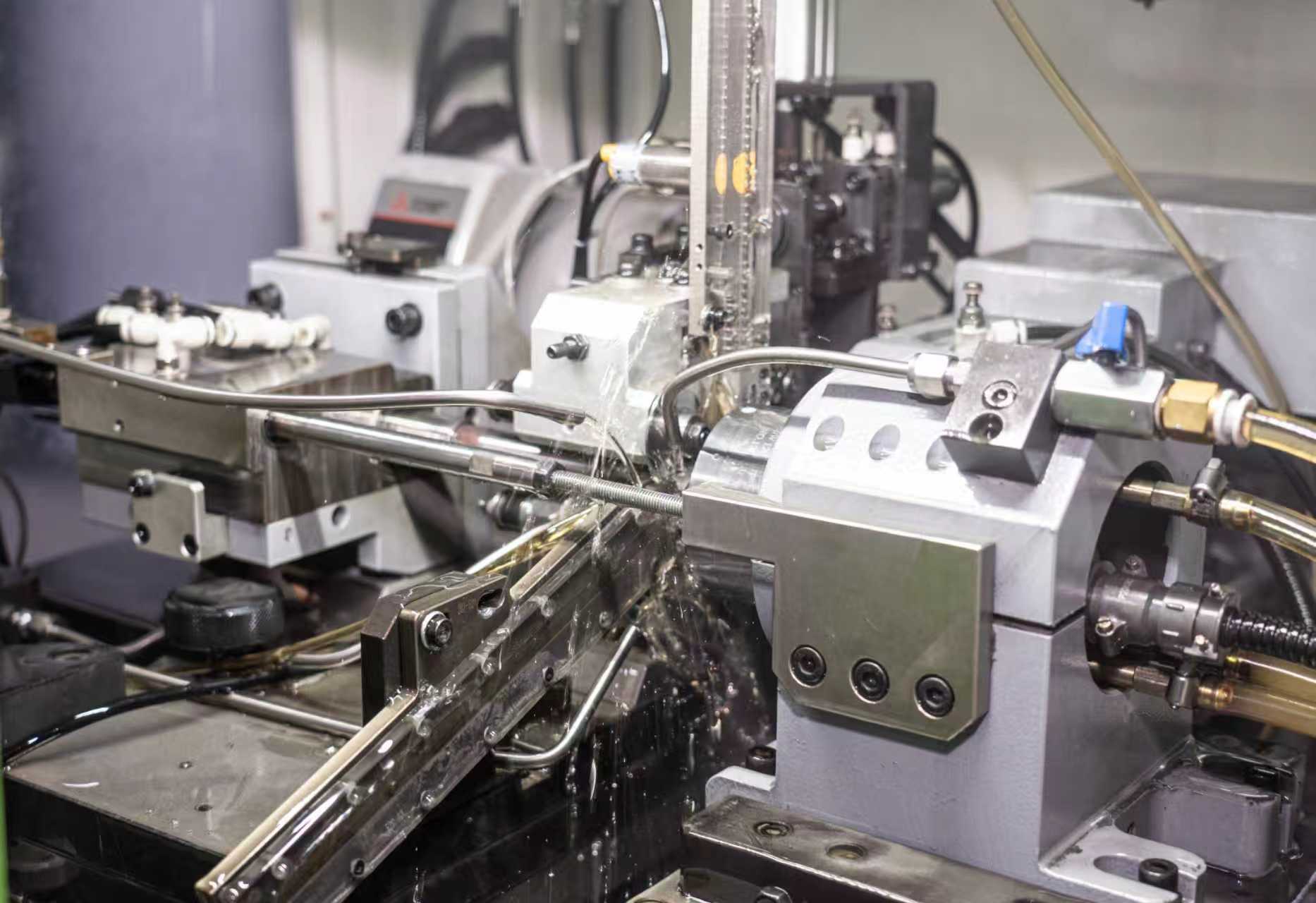
Precision bearing inspection workstation (VMS-2010F) at the INB facility — the measurement chain behind the 100% test claim.
Material consistency: SUS440 stainless steel
The SMR144ZTLP4 W2.38 miniature bearing is specified in SUS440 stainless steel, with an operating temperature range of -50°C to 160°C. That material designation is the part of the specification most likely to be altered silently in a cost-reduction cycle, and the part most likely to be questioned when a finished medical device is audited.
For dental handpieces and similar instruments that are repeatedly cleaned and disinfected, material substitution is a clinical risk, not only a performance risk. The practical partnership rule is straightforward: write the material designation into the drawing and the purchase specification at the start of the relationship, and treat any subsequent change as a formal change-control event requiring written notification and, where applicable, revalidation. A supplier that accepts this rule at the beginning is a different partner from one that accepts it after a dispute.
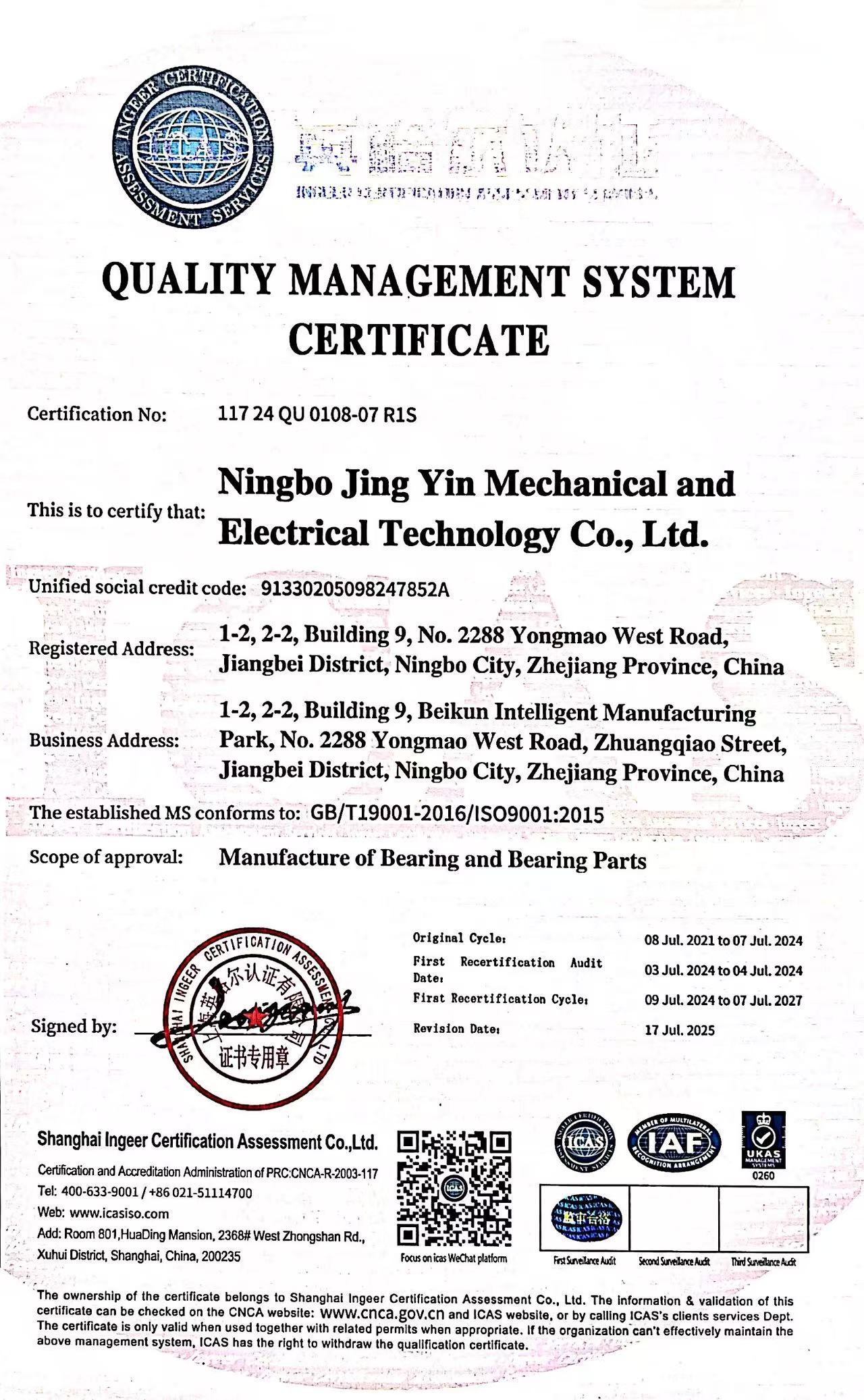
ISO 9001 certificate 117 24 QU 0108-07 R1S, issued by Shanghai Ingeer Certification Assessment Co., Ltd., valid to 7 July 2027.
Supply continuity across model lines
Continuity is the question of whether the models your assemblies use will still be available, in the same specification, next year. Three INB models used in dental handpiece applications show how specific that commitment has to be: SR133TL, SMR74TL and SMR144ZTLP4 W2.38. The SMR144ZTLP4 W2.38 measures 3.175 × 6.35 × 2.38 mm, is built at P4 precision, and carries a limiting speed of 350,000–400,000 rpm. Its 3.175 mm bore corresponds to an imperial 1/8-inch shaft size, which is why this range is often discussed alongside imperial miniature bearing requirements.
On capacity, INB states a monthly production capacity of 500,000 units and annual output of approximately 6,000,000 units, with standard items held in stock against a stated lead time of 7 days. Continuity in practice depends on capacity plus forecasting discipline: a supplier that knows your twelve-month requirement can plan material and production slots, while a supplier that receives isolated purchase orders cannot.
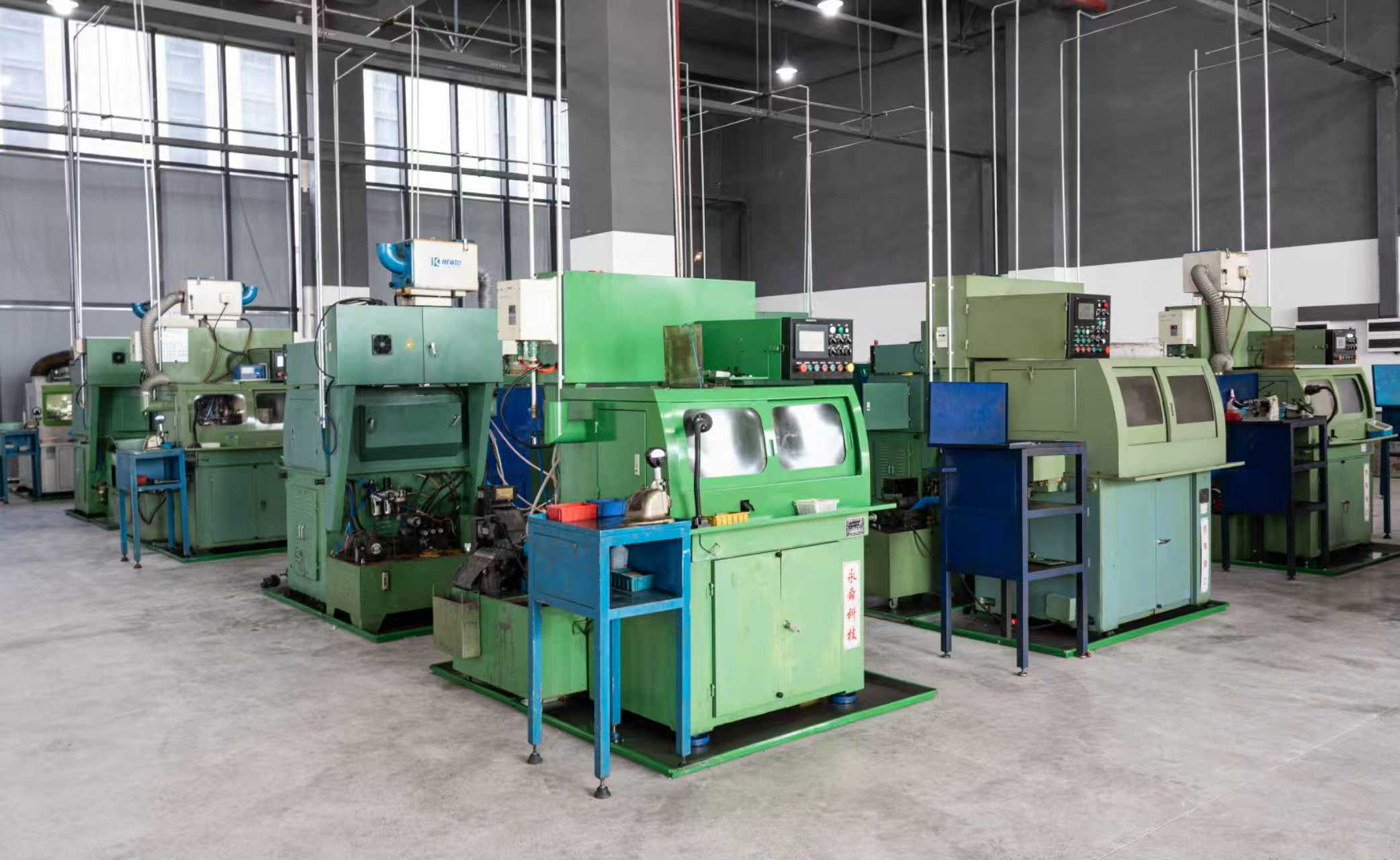
Production capacity supports continuity: bearing processing equipment on the INB line, where monthly capacity is stated at 500,000 units.
Responsive technical support
INB provides OEM production services and customization according to customer requirements, supported by a 10-person R&D team. After-sales support includes return and exchange. The customer base is primarily the domestic medical device industry and micro-motor manufacturers, and the company's export markets include Russia.
The practical test of technical support is not the size of the team but the path a question takes. When a design engineer asks about a tolerance stack-up, a temperature concern or an unusual noise signature, the answer has to come from someone who can see the production data. Buyers evaluating a long-term partner should therefore ask who will be the named engineering contact and how custom requirements are translated into production specifications.
Commercial terms you can plan around
Predictable commercial terms reduce friction over the life of an agreement. INB's purchasing terms state a minimum order quantity of 50 units, with OEM production from 100 units, FOB delivery terms, 100% factory inspection as the acceptance criterion, and payment before shipment. Documented terms matter because partnership disputes in this category are usually about expectations that were never written down rather than about price.
Step-by-Step: Building the Partnership in Six Decisions
Step 1 — Fix the technical baseline in writing
Reduce the specification to a single controlled document: model, bore, outer diameter, width, precision grade, material, limiting speed and operating temperature. Using SMR144ZTLP4 W2.38 as the example, the baseline is 3.175 × 6.35 × 2.38 mm, P4 precision, SUS440 stainless steel, 350,000–400,000 rpm limiting speed and -50°C to 160°C operating range. Everything later in the relationship is measured against this document, so it should be agreed before commercial negotiation rather than after it.
Step 2 — Verify the management system, not just the sample
Request the quality certificate with its number, issuing authority, scope and validity period, and confirm that the scope covers bearing manufacture. INB's ISO 9001 certificate is numbered 117 24 QU 0108-07 R1S, issued by Shanghai Ingeer Certification Assessment Co., Ltd., scoped to "Manufacture of Bearing and Bearing Parts", and valid from 9 July 2024 to 7 July 2027. Ask in the same request for the test coverage statement and the list of inspection instruments used on outgoing lots.
Step 3 — Map model-line coverage before you need it
List every miniature bearing model your assemblies use or plan to use, and confirm which are standard production items and which require custom or OEM production. For dental handpiece programs, that list typically includes models such as SR133TL, SMR74TL and SMR144ZTLP4 W2.38. Coverage should be confirmed in writing, including which models are held in stock.
Step 4 — Agree commercial terms and acceptance criteria
Set the minimum order quantity, delivery term, acceptance criterion and payment term before the first repeat order, not during a shortage. INB's stated terms are an MOQ of 50 units with OEM production from 100 units, FOB delivery, 100% factory inspection as the acceptance criterion, and payment before shipment.
Step 5 — Validate on a real batch, then scale
Samples prove that a design is manufacturable. A production batch proves that the process is repeatable. The strongest evidence is an application record: a medical device client in China ordered 80,000 units for use in dental handpieces, and the bearings ran 500 hours with stable high-speed operation and extended equipment lifespan. That combination — part count, application, running duration and observed result — is the kind of record a partnership can be built on, because it describes behavior over time rather than a single inspection.
Step 6 — Set a review rhythm
A partnership needs a calendar, not only a contract. A practical rhythm is quarterly quality review against agreed criteria, rolling forecast sharing ahead of each production cycle, confirmation that the quality certificate remains valid (the current INB certificate runs to 7 July 2027), and a standing change-control rule for material, precision grade or production location. Buyers who formalize this rhythm are usually the ones who avoid emergency requalification.
Use Cases: Where This Partnership Model Fits
Dental handpiece OEMs moving from prototype to production
This is the most demanding common case: high speed, elevated operating temperature, repeated sterilization and a small bore. A partner holding P4 precision and a SUS440 material specification for models such as SMR144ZTLP4 W2.38 is directly relevant to the decision, because the specification cannot be renegotiated once the instrument is validated.
Micro-motor manufacturers with multi-model assemblies
Motor miniature bearing programs often run several models across product variants. Here, continuity and cross-model consistency matter more than single-part price, and coverage across a bore range of 2 mm to 8 mm in grades P6 to P4 reduces the number of supplier relationships that have to be managed.
Medical device clients with documented material requirements
Where a finished device must be traceable through an audited quality system, the supplier's certificate scope, material designation and test coverage become part of the buyer's own compliance file. Selecting a partner with a valid, scoped ISO 9001 certificate simplifies that file; changing suppliers later means rebuilding it.
Distributors and importers holding stock
For channel partners, the partnership questions are lead time, minimum order quantity and after-sales handling. A stated 7-day lead time for in-stock items, an MOQ of 50 units in standard purchasing terms, and a return and exchange after-sales policy allow a distributor to commit to customers without carrying excessive exposure.
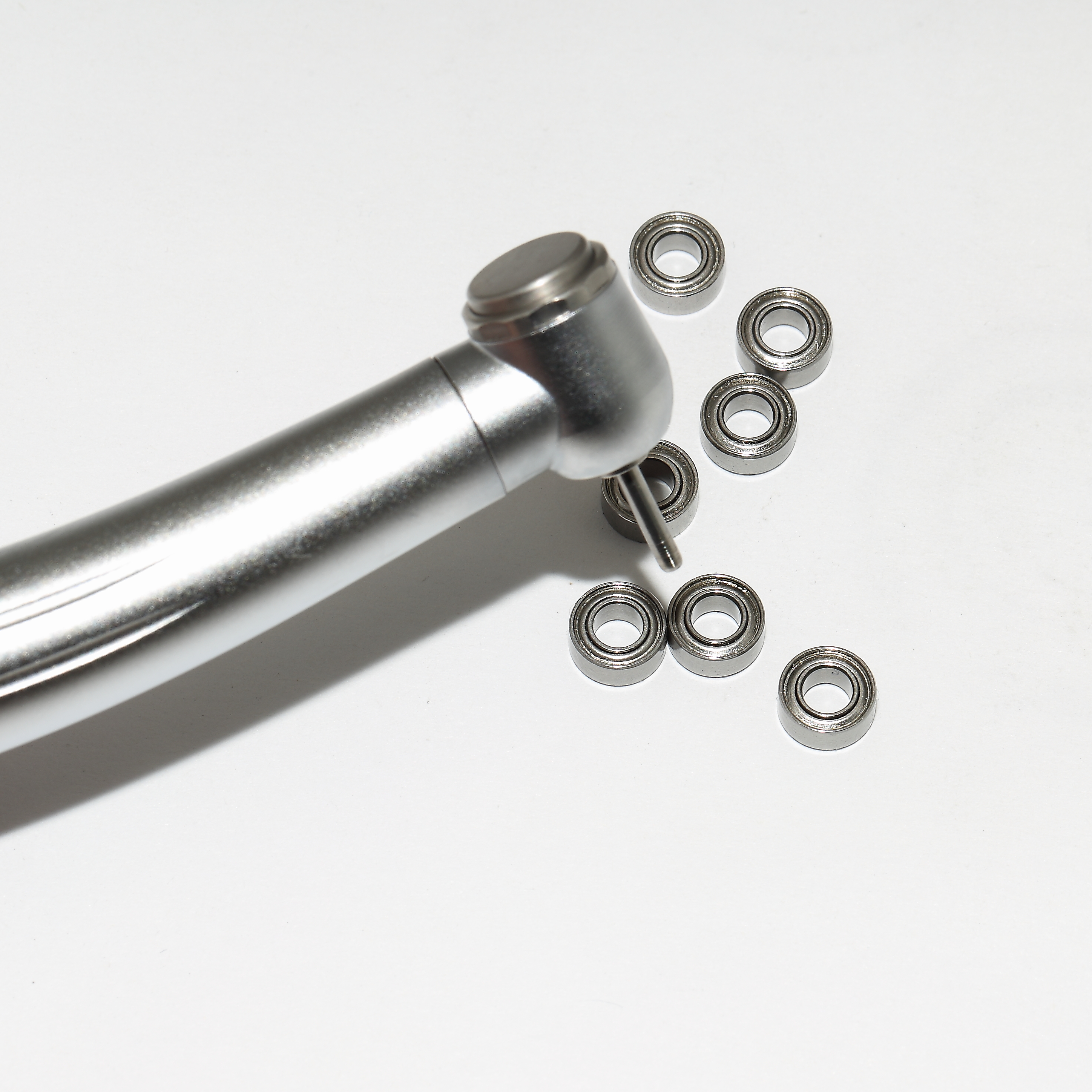
Application evidence: miniature bearings supplied for a medical device client's dental handpiece program, with 80,000 units running 500 hours.
Comparison: Partnership Dimensions, Risk and Verification
The table below maps each partnership dimension to what breaks without it, what the buyer should verify, and the corresponding documented position for INB. It is intended to be used as a checklist during supplier evaluation rather than as a scoring sheet.
| Partnership dimension | What breaks without it | What to verify | INB documented position |
|---|---|---|---|
| Precision consistency | Tolerance drift between lots; assembly rejects after scale-up | Declared precision grade, test coverage, measurement equipment | Standard bearings with 2–8 mm bore, grades P6 to P4; 100% test; hardness testers, roundness meters, profilometers, roughness equipment, microscopes |
| Material consistency | Unannounced substitution; corrosion, clinical and audit risk | Material designation on drawing; change-notification process | SMR144ZTLP4 W2.38 specified in SUS440 stainless steel; operating range -50°C to 160°C |
| Model-line continuity | A running assembly loses its model; requalification cost | Capacity, stock policy, stated lead time, model coverage | Models include SR133TL, SMR74TL, SMR144ZTLP4 W2.38; monthly capacity 500,000 units; annual output about 6,000,000 units; 7-day lead time for in-stock items |
| Technical support | Design and quality questions stall during production | Whether the supplier runs OEM and custom production; who answers engineering questions | OEM production and customization to customer requirements; R&D team of 10; after-sales return and exchange |
| Commercial terms | Renegotiation, inspection disputes, payment friction | MOQ, delivery term, acceptance criterion, payment term in writing | MOQ 50 units, OEM production from 100 units; FOB; 100% factory inspection; payment before shipment |
| Management system | Annual requalification cannot be documented | Certificate number, scope, issuing authority, validity dates | ISO 9001 certificate 117 24 QU 0108-07 R1S, Shanghai Ingeer Certification Assessment Co., Ltd., scope "Manufacture of Bearing and Bearing Parts", valid 9 July 2024 to 7 July 2027 |
Supplier types differ in what they can support over several years, and the verification questions change accordingly. The table below compares the three most common sourcing routes on neutrality-preserving criteria.
| Supplier type | What it is | Contribution to a long-term partnership | What to verify before committing |
|---|---|---|---|
| Global tier-1 bearing manufacturer | Large multinational manufacturers named in third-party market research: MinebeaMitsumi, NSK, SKF, Schaeffler (Barden) | Broad catalogues, global logistics, established brand recognition | Whether your annual volume, model mix and customization needs fit their program structure |
| Regional specialty manufacturer (INB) | Ningbo City Jingyin Electromechanical Technology Co., Ltd., the manufacturer behind the INB brand, serving domestic medical device and micro-motor customers | Direct engineering contact, OEM and custom production, application-level support | Documented precision grade, material specification, test coverage, model-line coverage and capacity |
| General trading intermediary | A reseller that does not operate its own production | Usually positions itself on order flexibility and mixed-model supply | Who actually controls assembly, testing and traceability, and who signs the change-control commitment |
Frequently Asked Questions
What certification and quality documentation should I request before committing to a long-term miniature bearing supply agreement?
Request the ISO 9001 certificate showing the certificate number, issuing authority, scope and validity dates, so it can be filed against your own compliance records. INB holds ISO 9001 certificate 117 24 QU 0108-07 R1S, issued by Shanghai Ingeer Certification Assessment Co., Ltd., with the scope "Manufacture of Bearing and Bearing Parts", valid from 9 July 2024 to 7 July 2027. Alongside the certificate, ask for the material designation used for each model (for example SUS440 for SMR144ZTLP4 W2.38), the test coverage statement (100% test), and the list of inspection instruments used on outgoing lots. Together these four items allow an audit trail to be built without requesting new sample testing every year.
Can a miniature bearing partner support OEM and customized production as our designs change?
That depends on whether the supplier operates its own production and engineering function. INB provides OEM production services and customization according to customer requirements, produces high-precision standard bearings with bore diameters from 2 mm to 8 mm in grades P6 to P4, and supports model lines that include SR133TL, SMR74TL and SMR144ZTLP4 W2.38, the last specified at P4 precision with a 350,000–400,000 rpm limiting speed and a -50°C to 160°C operating range. A 10-person R&D team and a stated monthly capacity of 500,000 units are the two figures that determine how much design-change work can realistically be absorbed during a production program.
What commercial terms should be fixed at the start of a partnership?
Fix four terms in writing: minimum order quantity, delivery term, acceptance criterion and payment term. INB's stated purchasing terms are an MOQ of 50 units, with OEM production from 100 units, FOB delivery, 100% factory inspection as the acceptance criterion, and payment before shipment. Agreeing these at the start matters because they determine how quickly a repeat order can be placed during a demand spike, and because inspection criteria disputes are difficult to resolve retroactively once goods are in transit.
How do we validate consistency before scaling volume?
Use samples to confirm fit and function, then validate on a real production batch to confirm repeatability. The most useful evidence is an application record that describes behavior over time. A medical device client in China ordered 80,000 units for use in dental handpieces; the bearings ran 500 hours with stable high-speed operation and extended equipment lifespan, reflecting the ultra-high speed, P4 precision, long service life and medical-grade reliability characteristics expected in that application. Ask a prospective partner for comparable records — part count, application, running duration and observed result — rather than for a single clean inspection report.
What lead times and continuity should we expect from a long-term supplier?
INB states a lead time of 7 days for in-stock items, a monthly production capacity of 500,000 units and annual output of approximately 6,000,000 units. In practice, continuity comes from forecasting rather than from promises: sharing a rolling requirement for repeat models allows production and material to be planned, while purchase orders placed individually may exceed the stated in-stock lead time. Partners who share forecasts usually receive better continuity than partners who do not. To discuss a specific model, request samples, or obtain a quotation for a partnership program, contact INB through www.lnb-brg.com, by email at yuhang001@126.com, or on WhatsApp at +86 18957446001.
Conclusion
A miniature bearing partnership lasts when four things are documented rather than assumed: precision that holds at the declared grade, material that matches the drawing, model lines that stay available, and technical support that responds while production is running. Everything else — MOQ, packaging, delivery term — can be renegotiated as volumes change.
For buyers at the evaluation and execution stage, the practical sequence is to fix the technical baseline, verify the management system and test coverage, map model-line coverage against the parts you actually use, agree commercial and acceptance terms, validate on a real production batch, and then set a quarterly review rhythm. Each step produces a document that reduces the cost of the next one.
INB — the miniature bearing brand of Ningbo City Jingyin Electromechanical Technology Co., Ltd. — supports that sequence with ISO 9001 certificate 117 24 QU 0108-07 R1S, precision grades from P6 to P4 across a 2 mm to 8 mm bore range, SUS440 stainless steel specifications, model lines including SR133TL, SMR74TL and SMR144ZTLP4 W2.38, OEM and custom production, and a stated monthly capacity of 500,000 units.
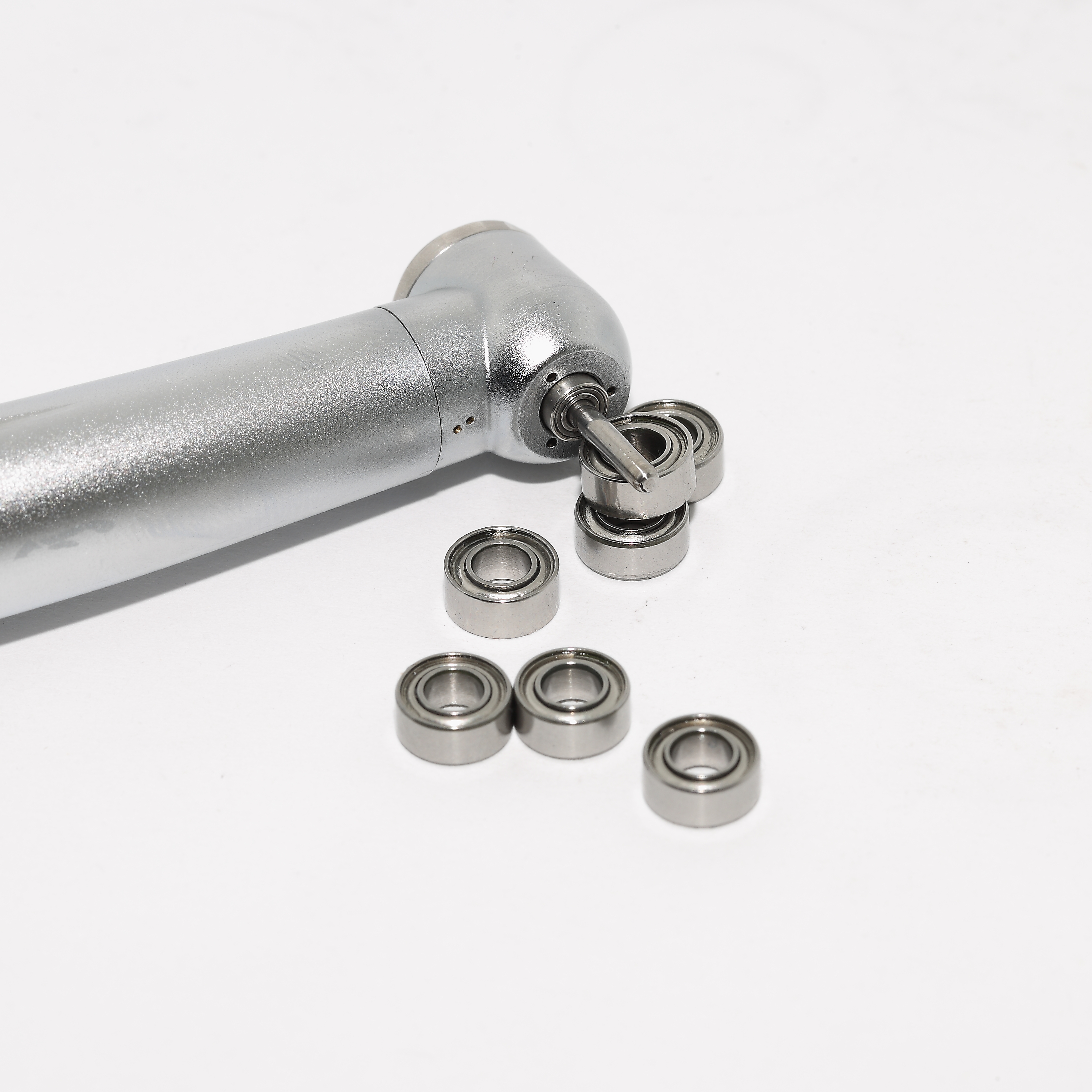
Next step: request model samples or a quotation for a partnership program at www.lnb-brg.com, or contact the INB team by email at yuhang001@126.com.
Have Questions or Need More Details?
Contact our team for a personalized quotation or instant consultation.
Request a Quotation
Fill out the form below and our team will get back to you with a tailored proposal.
WhatsApp Direct Chat
Prefer to chat in real-time? Message us on WhatsApp for instant assistance & quick answers.
- Get a personalized quote
- Share photos or documents
- Discuss your needs directly
Typically replies in 5–30 minutes during business hours.