
How to Select a Reliable Miniature Bearing Supplier in China
How to Select a Reliable Miniature Bearing Supplier in China
Global buyers increasingly turn to China for cost-effective, high-precision miniature bearings. However, navigating the fragmented supplier landscape—especially for extra miniature bearings, stainless steel miniature bearings, and high-speed dental handpiece bearings—requires a structured evaluation framework. This guide provides procurement professionals with a proven methodology to select a Chinese miniature bearing supplier that meets technical, quality, and commercial requirements.
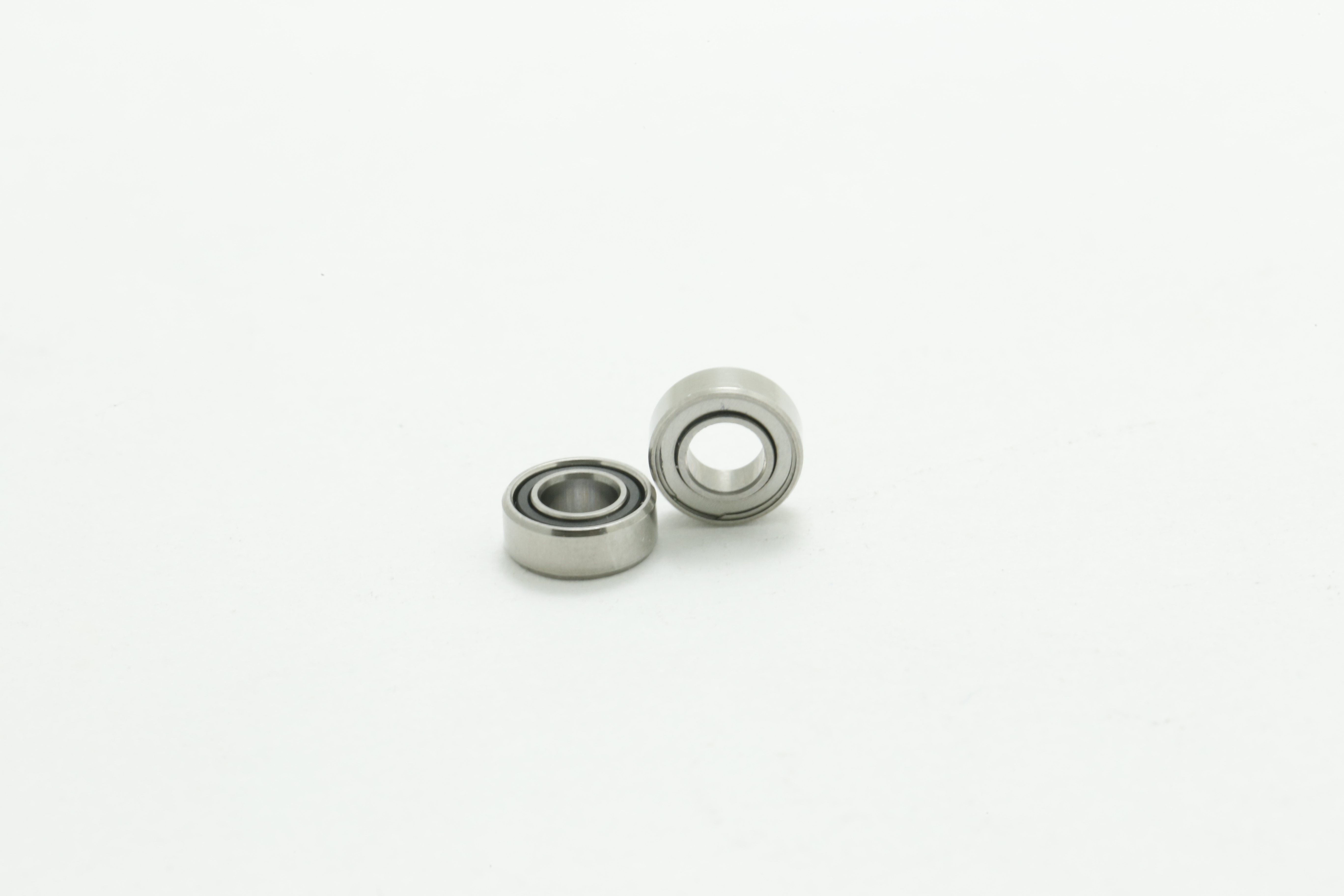
What is a Miniature Bearing?
A miniature bearing is a rolling-element bearing with an outer diameter typically under 10 mm. These bearings are designed for applications requiring compact size, low friction, and high rotational precision. Common types include extra miniature bearings (bore < 3 mm), flanged stainless steel miniature bearings, imperial miniature bearings, thin-wall miniature bearings, and high-speed miniature bearings. They are manufactured to precision grades such as P4 or P6 and are used in devices where space and weight are critical.
Why is Choosing the Right Chinese Supplier Critical?
China is the world’s largest bearing producer, but quality varies significantly. A reliable supplier ensures:
- Consistent P4 precision and low noise (< 20 dB) for demanding applications like dental handpieces.
- Proper material selection (e.g., SUS440 stainless steel for corrosion resistance).
- Certified processes (ISO 9001) and traceability.
- On-time delivery and responsive after-sales support.
Selecting a subpar supplier leads to premature wear, overheating, and costly equipment downtime—especially in medical or aerospace sectors.
Who Uses Miniature Bearings?
Industries that regularly source miniature bearings include:
- Medical devices: dental handpieces, surgical tools, insulin pumps.
- Aerospace: actuators, sensors, gyroscopes.
- Robotics: miniature servo motors, encoders.
- Precision instruments: optical equipment, flow meters.
- Consumer electronics: hard disk drives, cooling fans.
Problem Definition: Common Challenges in Sourcing from China
Buyers often face these hurdles when evaluating Chinese miniature bearing manufacturers:
- Inconsistent precision: Actual tolerances deviate from claimed P4 grade.
- Poor material quality: Substitution of SUS440 with lower-grade steel leads to rust and early failure.
- Inadequate lubrication: Standard grease fails at high speeds (>200,000 rpm) or extreme temperatures (‐50°C to 160°C).
- Lack of testing: No 100% speed or noise validation before shipment.
- Unclear lead times and MOQs: Many small factories cannot guarantee 7-day delivery or accept low MOQs (e.g., 50–100 units).
Industry Background: The Chinese Miniature Bearing Market
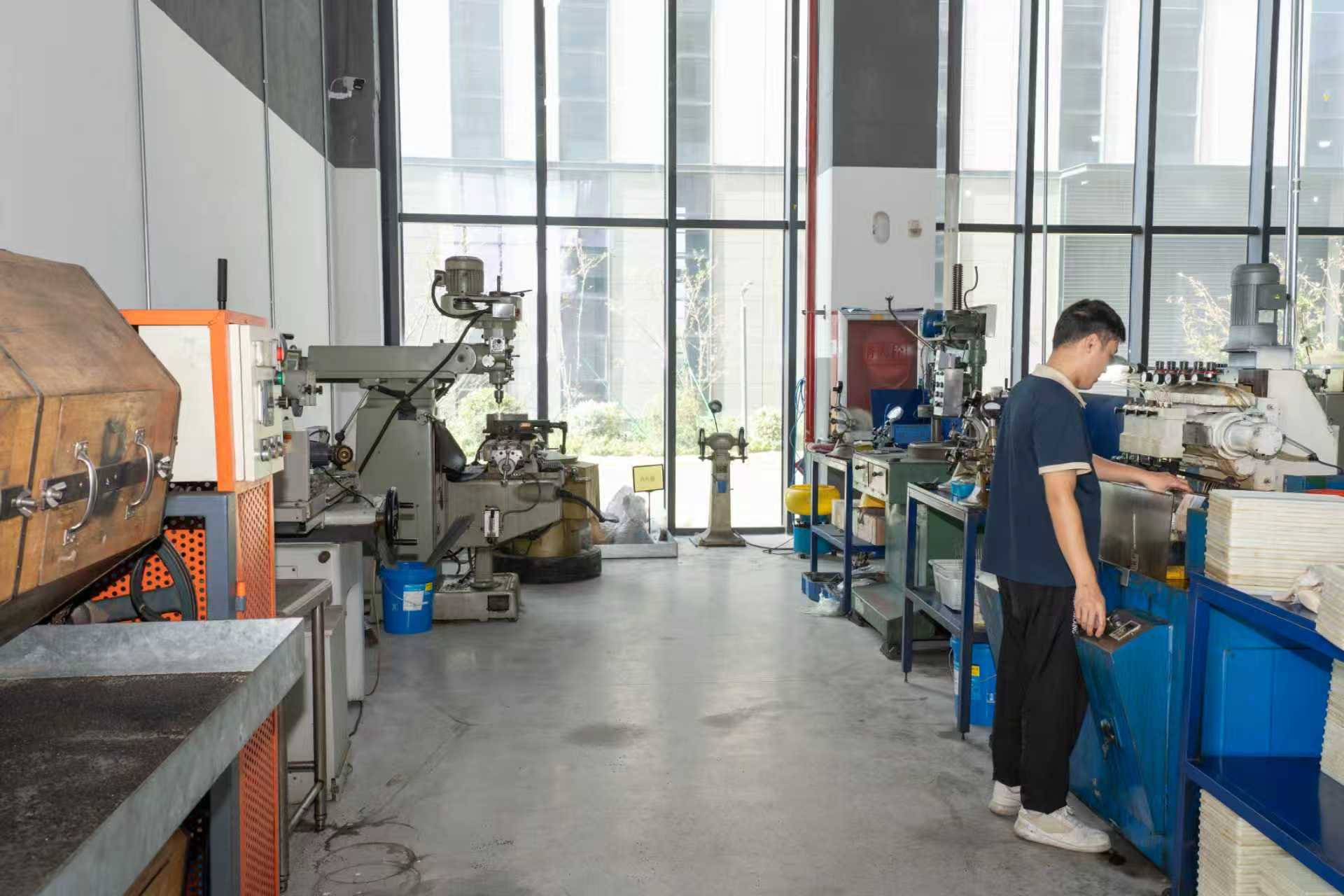
China’s miniature bearing industry is concentrated in regions like Ningbo (Zhejiang) and Wuxi (Jiangsu). Manufacturers range from large state-owned enterprises to specialized private companies. One example is Ningbo City Jingyin Electromechanical Technology Co., Ltd. (brand INB), founded in 2014, with a 2,000 m² factory, 30 employees, and an annual output of 6 million units. Their R&D team (10 engineers) focuses on high-precision bearings with inner diameters from 2 mm to 8 mm, achieving precision grades P6 to P4. Such mid-sized specialists often provide better customization and service than giant conglomerates.
Detailed Solution: A Step-by-Step Supplier Selection Framework
Step 1: Define Technical Requirements
Before contacting suppliers, specify your bearing’s operating conditions:
- Dimensions (bore, outer diameter, width) – e.g., 3.175×6.35×2.38 mm.
- Precision grade – P4, P6, etc.
- Material – SUS440 (440C stainless steel) for medical/hygienic use.
- Speed requirement – e.g., 350,000–400,000 rpm for dental handpieces.
- Temperature range – e.g., -50°C to 160°C.
- Noise limit – e.g., below 20 dB.
- Load and life targets.
Create a technical data sheet (TDS) to share with shortlisted suppliers.
Step 2: Shortlist Suppliers with Relevant Expertise
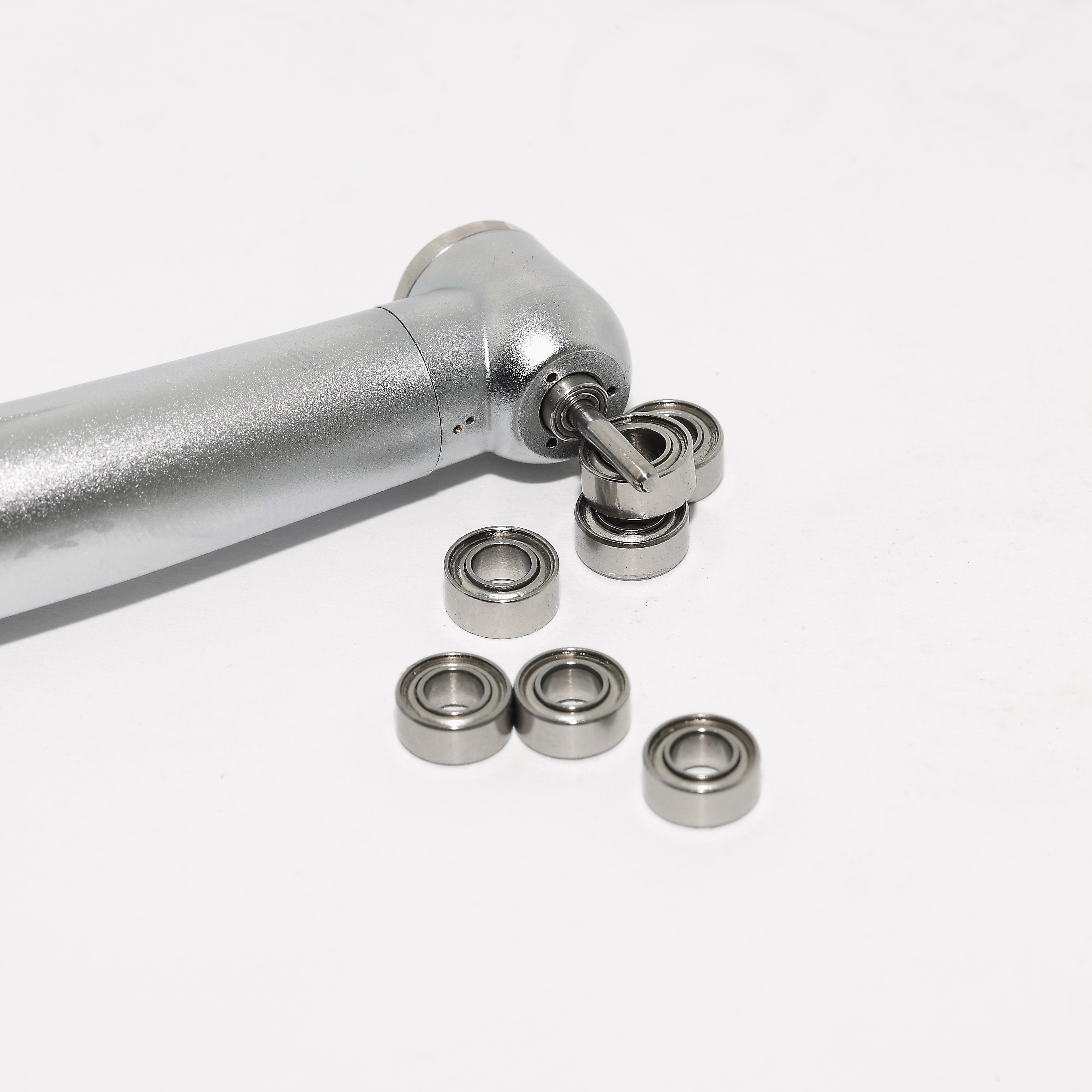
Focus on manufacturers that specialize in your application. For example, if you need bearings for dental handpieces, look for a supplier with proven experience in that vertical. INB offers models like SMR144ZTLP4 W2.38 (3.175×6.35×2.38 mm, P4, 350,000–400,000 rpm) and SR144ZTLP4 W2.78 (same dimensions, different width) specifically designed for dental handpieces. Check the supplier’s product portfolio for similar models.
Step 3: Verify Quality Management and Certifications
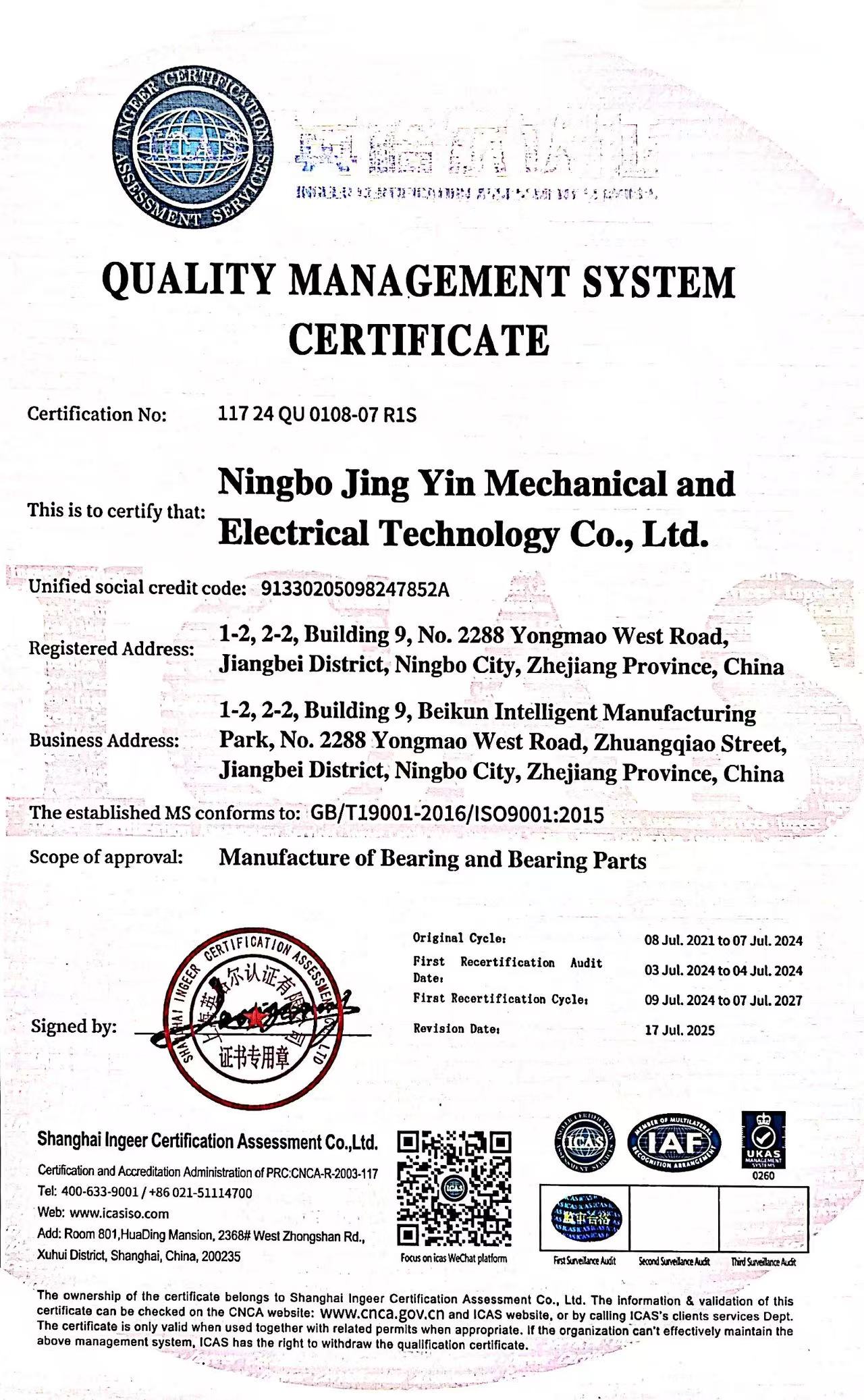
Demand evidence of ISO 9001 certification with a valid certificate number. For instance, INB holds ISO 9001:2015 (certificate #117 24 QU 0108-07 R1S, issued 2024-07-09, valid until 2027-07-07) covering “Manufacture of Bearing and Bearing Parts.” A third-party certification from a recognized body (e.g., Shanghai Ingeer Certification Assessment Co., Ltd.) adds credibility.
Step 4: Evaluate Risk Control Measures
Ask how the supplier mitigates common failure modes:
| Risk | Control Method | Example from INB |
|---|---|---|
| Premature wear & lubrication failure | Sealed lubrication control & wear rate monitoring | Medical-grade permanent lubricant filling, fully sealed labyrinth structure, periodic friction testing |
| Thermal fatigue & overheating | Thermal management & active temperature protection | High-temperature resistant material selection, real-time monitoring, cycle testing from -50°C to 160°C |
| Over-speeding | Speed limitation & real-time rotational speed monitoring | Built-in mechanical limiter, Hall-effect sensor, 100% speed validation before shipment |
Step 5: Request Samples and Customization Capability
A serious supplier will provide samples (MOQ as low as 50–100 units) and accept customization. INB offers OEM services, a monthly capacity of 500,000 units, and lead times of 7 days for stock items. They perform 100% testing before shipment and support after-sales return/exchange.
Step 6: Compare Pricing and Performance
Use comparison data to evaluate value. For example, INB’s SMR144ZTLP4 model outperforms the standard SMR144Z in speed (350,000–400,000 rpm vs. lower), noise (below 20 dB), and cost (10% lower). It also reduces energy consumption and maintenance. Request a commercial quotation that includes FOB terms, payment before shipment, and delivery method.
Use Case: Dental Handpiece Bearing Sourcing from INB
A Chinese medical device manufacturer required high-speed, low-noise bearings for dental handpieces. They sourced 80,000 units of the SMR144ZTLP4 W2.38 bearing from INB. After 500 hours of continuous testing, the bearings demonstrated stable high-speed operation, extended equipment lifespan, and reliable performance under intermittent loads. The P4 precision, SUS440 material, and wide temperature tolerance (‐50°C to 160°C) met all medical-grade hygiene and durability requirements.
Frequently Asked Questions (FAQ)
Q: What is the difference between P4 and P6 precision grade miniature bearings?
A: P4 is a higher precision grade (ISO tolerance class 4) with tighter dimensional and running accuracy, suitable for high-speed and high-precision applications like dental handpieces. P6 is one grade lower and used for general-purpose motors.
Q: How can I verify a Chinese supplier’s ISO 9001 certificate is real?
A: Check the certificate number (e.g., 117 24 QU 0108-07 R1S) against the issuing body’s database (e.g., Shanghai Ingeer Certification) and confirm the scope includes bearing manufacturing.
Q: What MOQ should I expect from a miniature bearing manufacturer in China?
A: Many specialized suppliers accept as low as 50–100 units for standard models. For custom designs, MOQ may be higher (e.g., 500 units). Confirm upfront.
Q: How do I ensure the bearing material is truly SUS440 stainless steel?
A: Request material certificates and perform random chemical composition analysis. Reputable suppliers like INB provide traceable documentation.
Q: Can Chinese suppliers provide bearings for extreme temperatures (-50°C to 160°C)?
A: Yes, some specialists use high-temperature resistant greases and materials. Verify through test reports and thermal cycling validation.
Conclusion
Selecting a reliable miniature bearing supplier in China requires a systematic approach: define technical specs, shortlist specialized manufacturers, verify certifications (ISO 9001), evaluate risk controls, request samples, and compare performance data. Companies like INB (Ningbo City Jingyin Electromechanical Technology Co., Ltd.) demonstrate the capability to deliver high-precision, stainless steel miniature bearings for critical applications such as dental handpieces. By following this guide, procurement professionals can minimize supply chain risk and secure a competitive advantage.
Contact INB directly: Email yuhang001@126.com, WhatsApp +86 18957446001, or visit their website at www.lnb-brg.com.