Matching Miniature Bearings to Dental Handpiece Operating Scenarios: A Scenario-Fit Guide
Matching Miniature Bearings to Dental Handpiece Operating Scenarios
Choosing a miniature bearing for a dental handpiece is a scenario-matching exercise before it becomes a parts-selection exercise. The bearing must hold up at 350,000–400,000 rpm, operate inside a clean medical environment, and tolerate intermittent high-load grinding cycles. A bearing that looks correct in a size chart can still fail in service if the duty cycle, environment, and load pattern have not been translated into the correct precision grade, material, speed rating, and temperature range. For project and scenario adaptation, the right question is not “which miniature bearing has the right bore size” but “which bearing is engineered for the way this device actually runs.”
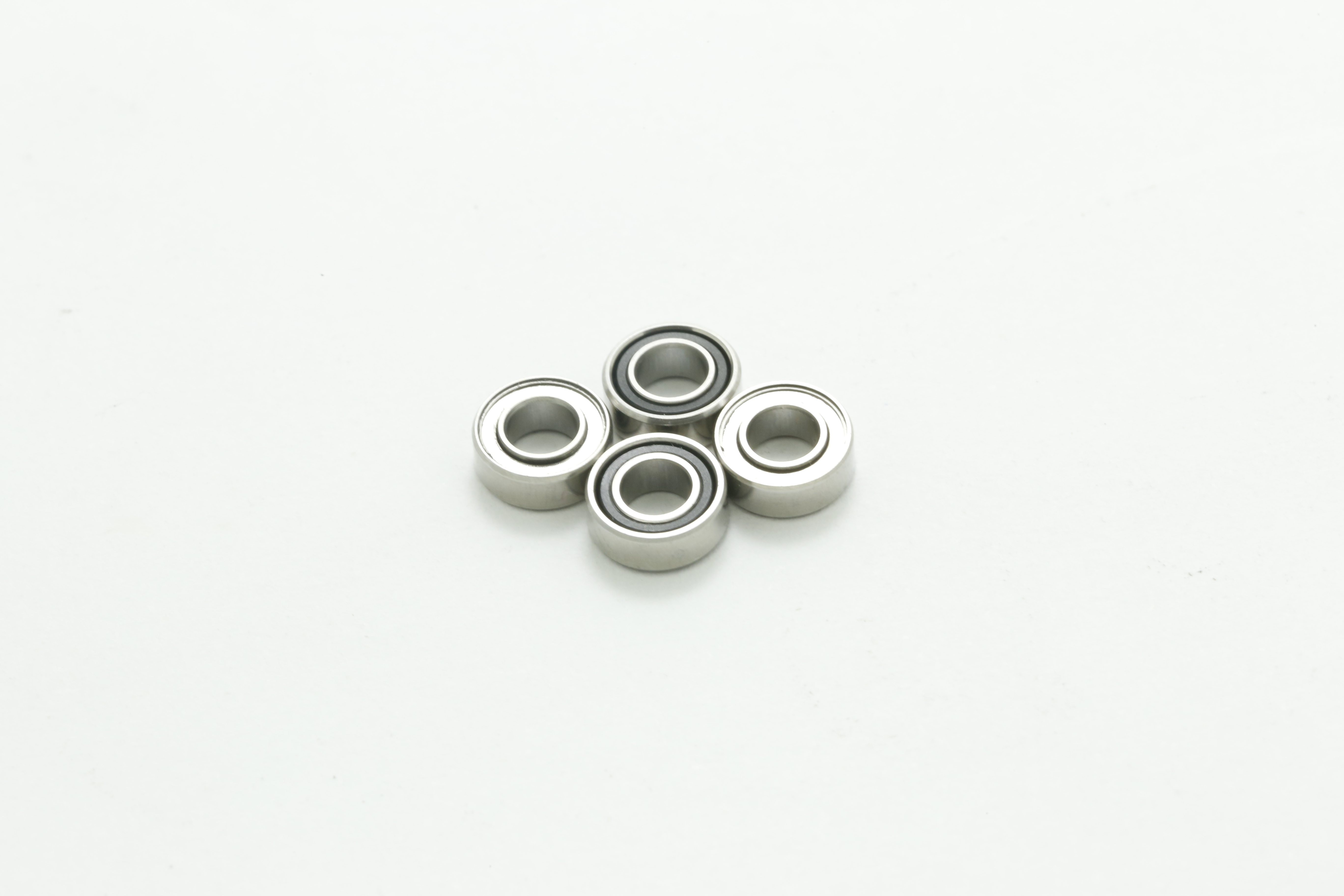
INB, the precision miniature bearing brand of Ningbo City Jingyin Electromechanical Technology Co., Ltd., manufactures a dental-handpiece bearing family around this type of scenario fit. The models SMR144ZTLP4 W2.38 and SR144ZTLP4 W2.78 are SUS440 stainless steel bearings with P4 precision, a limiting speed of 350,000–400,000 rpm, and an operating temperature range of -50°C to 160°C. This article explains how to match a dental handpiece project to the right miniature bearing, what the documented operating conditions mean for bearing specifications, and how to verify a supplier’s capability before ordering.
Why Dental Handpiece Bearings Fail When the Operating Scenario Is Misread
Dental handpieces are among the most demanding applications for miniature bearings. The available mounting space is extremely small, yet the bearing is asked to sustain very high rotational speed, resist wear in a medical environment, and survive repeated cycles of acceleration, high-load grinding, and deceleration.
The most common procurement mistake is treating the bearing as a commodity selected only by bore diameter, outer diameter, and width. In reality, three scenario variables determine whether the bearing will perform:
Operation mode. The documented operating mode for dental handpiece bearings is intermittent high-speed operation. The bearing repeatedly transitions from rest to very high speed and back. This is different from continuous high-speed running and places additional stress on the cage, raceways, and lubricant behavior.
Environment. The bearing operates in a clean medical setting and is exposed to the conditions of high-speed precision grinding. This means the material must resist moisture and chemical exposure; this is why stainless steel is the dominant material choice for miniature bearings in medical applications.
Load pattern. The application involves intermittent high-load cycles. Grinding forces are applied in short bursts, and the bearing must maintain dimensional stability and low noise throughout the service life. A bearing selected only for speed, with no attention to load-pattern durability, can show early wear and loss of precision.
When these three variables are not translated into specifications, the failure symptoms usually look the same: increased noise, rising temperature, reduced cutting accuracy, and shortened handpiece life. The root cause, however, is a mismatch between the bearing design and the operating scenario.
Market Context: High-Speed Applications Are Reshaping Miniature Bearing Demand
The global miniature ball bearings market is estimated at approximately USD 2.25 billion in 2025, according to Future Market Insights, with demand driven by medical devices and robotics. Asia Pacific dominated the market in 2025 with a revenue share of roughly 60%, and China is the largest regional producer and consumer, based on Precedence Research data. China’s bearing exports grew 7.2% year-on-year in the first seven months of 2025, reaching nearly 497,852 tons, according to BearingNews / Huajing Research Institute. These figures indicate that the supply base for miniature bearings is increasingly concentrated in China, while global buyers remain focused on precision, consistency, and application support rather than price alone.
The automotive segment held the largest application share of the miniature bearing market in 2025 at approximately 39%, driven by EV motor and sensor applications, but medical devices remain one of the most specification-intensive segments. In high-speed dental and surgical instruments, the bearing is not just a rotating component; it is a precision element that directly affects cutting stability, noise, and device service life.
Precision grading is governed by global standards including ABMA ABEC (1–9), ISO 492 (P0–P2), and DIN 620. Within these systems, tighter tolerance classes correspond to higher precision levels. INB produces precision grades from P6 to P4, positioning its dental-bearing range in the higher-precision tier. Stainless steel, specifically the 440C family represented by SUS440, is the primary material for miniature bearings used in medical and food-processing applications because of its moisture and chemical resistance, as noted in engineering references such as the SKDIN miniature ball bearings guide.
Translating Dental Handpiece Operating Conditions into Bearing Specifications
For the dental handpiece scenario documented in INB’s customer-facing records, the operating environment involves high-speed precision grinding within a clean medical setting, combined with intermittent high-load cycles. Each part of that scenario maps to a concrete bearing specification.
High-Speed Precision Grinding → Speed Rating and Precision Grade
High-speed precision grinding demands a bearing with a high limiting speed and tight running accuracy. In INB’s dental bearing range, the SMR144ZTLP4 W2.38 and SR144ZTLP4 W2.78 are specified with a limiting speed of 350,000–400,000 rpm. The precision grade is P4, which ensures tighter dimensional and running tolerances than standard grades. For smaller shaft configurations, the SR133TL (size 2.38 × 4.762 × 2.38 mm) and SMR74TL (size 4 × 7 × 2 mm) offer the same P4 precision with a limiting speed of 200,000 rpm.
Clean Medical Environment → Material and Temperature Resistance
A clean medical environment requires a bearing that will not corrode, contaminate, or degrade when exposed to moisture, cleaning agents, and repeated sterilization cycles. INB dental bearings are manufactured from SUS440 stainless steel, a material family recognized for moisture and chemical resistance in medical applications. The operating temperature range of -50°C to 160°C on the SR144ZTLP4 series provides margin for the temperature rise associated with high-speed rotation and intermittent high-load operation.
Intermittent High-Load Operation → Durability and Low Noise
Intermittent high-load cycles require the bearing to maintain stable running quality over time. The application operates in an intermittent high-speed mode, meaning the bearing is repeatedly accelerated and loaded in short bursts. This is why INB’s dental-bearing package includes 100% testing and why the documented use case for the SMR144ZTLP4 W2.38 covers 500 hours of stable high-speed operation with extended equipment lifespan as the reported result.
OEM Capability: When the Standard Scenario Needs Adjustment
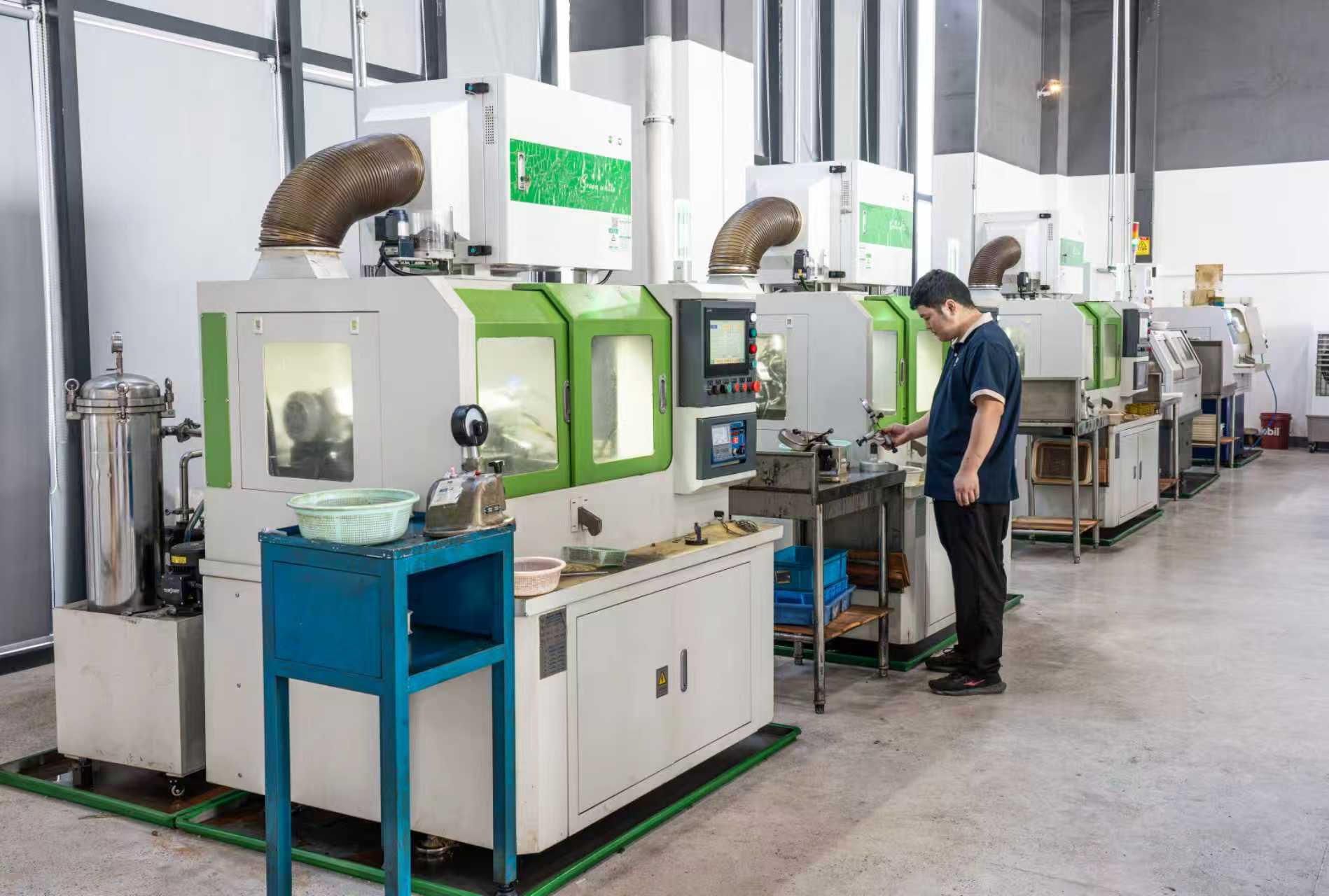
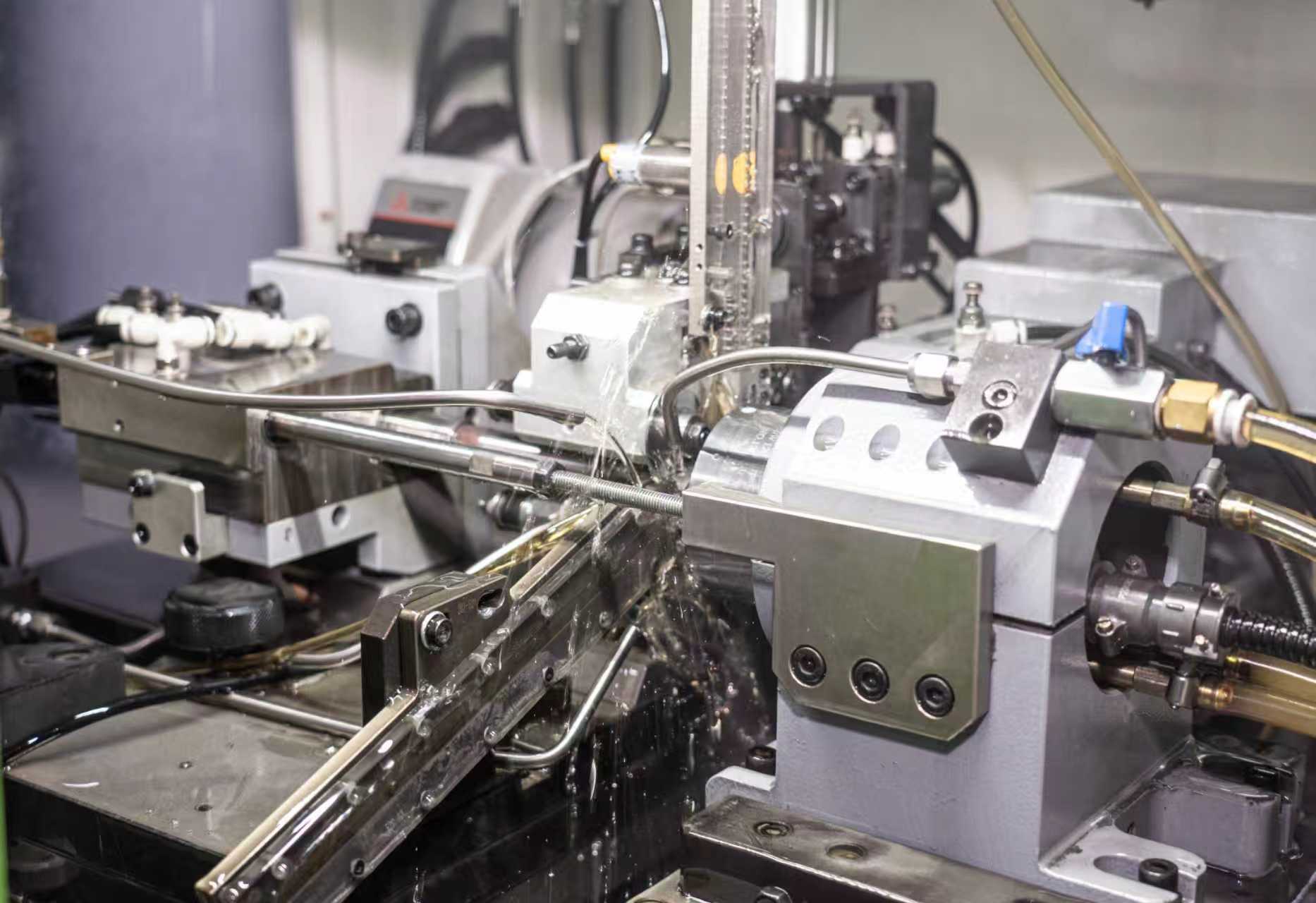
Not every dental handpiece project uses a standard bearing size. INB operates an OEM production mode and can customize bearings according to customer requirements. The factory’s monthly capacity is 500,000 units, with a lead time of 7 days for in-stock items and a minimum order quantity of 100 units. Quality control is performed through 100% testing, and the company’s QC team uses instruments including hardness testers, roundness meters, profilometers, roughness measuring equipment, and microscopes. The export market currently served includes Russia, while the domestic customer base includes the medical device industry and micro-motor manufacturers.
Step-by-Step: From Equipment Scenario to Bearing Confirmation
Use the following workflow when specifying a miniature bearing for a dental handpiece or similar high-speed medical instrument.
Use Case: 80,000-Unit Dental Handpiece Bearing Supply in China
A documented use case from INB’s customer-facing records involves a Chinese medical device manufacturer. The customer purchased 80,000 units of the SMR144ZTLP4 W2.38 bearing for use in dental handpieces. The bearing was selected because the application required ultra-high speed combined with P4 precision and long service life.
The result, measured over a 500-hour operating duration, was stable high-speed operation and extended equipment lifespan. The application highlighted four characteristics that are directly relevant to dental handpiece procurement: ultra-high speed capability, P4 precision, long service life, and medical-grade reliability. In practice, this means the bearing did not simply meet the speed rating on paper; it maintained stable running through repeated intermittent high-speed cycles under the conditions of a clean medical environment and high-speed precision grinding.
INB Dental Handpiece Miniature Bearing Range at a Glance
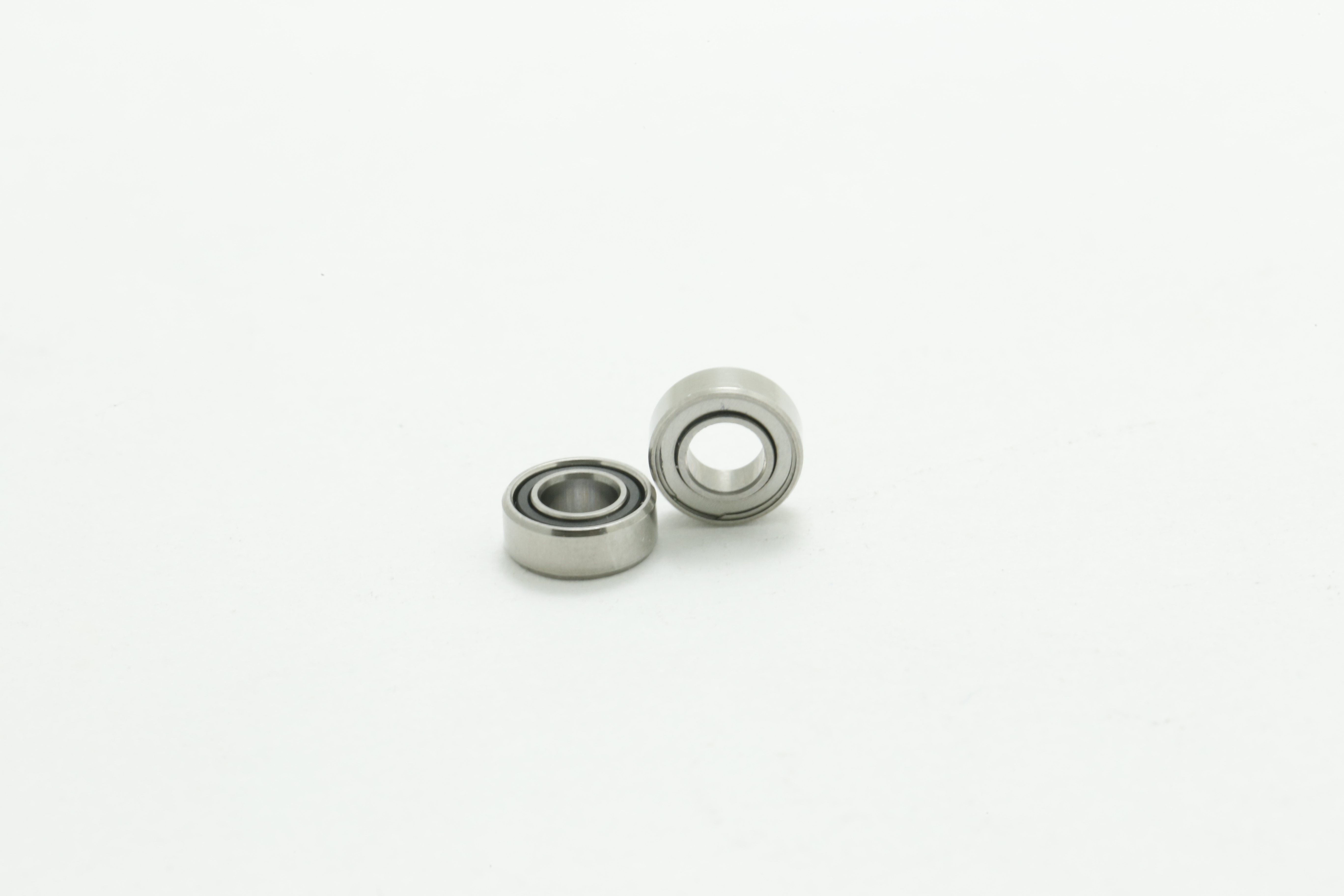
The table below compares the INB miniature bearing models documented for dental handpiece applications. All models use SUS440 stainless steel and P4 precision grade; differences in speed rating and temperature range determine which model fits a given handpiece scenario.
| Model | Size (mm) | Material | Precision | Limiting Speed | Operating Temperature | Documented Scenario |
|---|---|---|---|---|---|---|
| SMR144ZTLP4 W2.38 | 3.175 × 6.35 × 2.38 | SUS440 | P4 | 350,000–400,000 rpm | -50°C to 160°C | Dental handpiece; intermittent high-speed operation |
| SR144ZTLP4 W2.78 | 3.175 × 6.35 × 2.78 | SUS440 | P4 | 350,000–400,000 rpm | -50°C to 160°C | Dental handpiece; intermittent high-speed operation |
| SR133TL | 2.38 × 4.762 × 2.38 | SUS440 | P4 | 200,000 rpm | -40°C to 150°C | Dental handpiece; compact shaft applications |
| SMR74TL | 4 × 7 × 2 | SUS440 | P4 | 200,000 rpm | -40°C to 150°C | Dental handpiece; larger housing designs |
The following mapping table shows how the dental handpiece scenario translates into engineering requirements. Use it as a quick reference during supplier discussions.
| Operating Condition | Bearing Requirement | Example Specification |
|---|---|---|
| High-speed precision grinding | High limiting speed; tight running accuracy | 350,000–400,000 rpm; P4 precision grade |
| Clean medical environment | Corrosion-resistant material; low noise; medical-grade hygiene | SUS440 stainless steel; stable low-noise operation |
| Intermittent high-load operation | Durability; stable performance over repeated cycles | 500-hour validated operation; 100% testing |
| Wide temperature variation | Operational margin for temperature rise | -50°C to 160°C (SR144ZTLP4 series) |
FAQ
What precision and material standards apply to INB miniature bearings used in dental handpieces?
INB dental-handpiece miniature bearings, including the SMR144ZTLP4 W2.38 and SR144ZTLP4 W2.78, are manufactured from SUS440 stainless steel with a P4 precision grade. P4 corresponds to a tighter tolerance class within the ISO 492 precision grading system. The operating temperature range is -50°C to 160°C for the SR144ZTLP4 series, and production is carried out under an ISO9001 quality management system. These specifications support use in a clean medical environment with high-speed precision grinding.
Can INB customize miniature bearings for a specific dental handpiece rotor design?
Yes. INB operates an OEM production mode and customizes bearings according to customer requirements. The production line has a monthly capacity of 500,000 units, and every bearing undergoes 100% testing before delivery. Custom projects can be developed around the customer’s dimensional and performance targets, supported by a QC team equipped with hardness testers, roundness meters, profilometers, roughness measuring equipment, and microscopes.
What factors drive the cost of a high-speed miniature bearing for dental equipment?
For precision miniature bearings, cost is mainly influenced by material type, precision grade, speed rating, and the level of inspection. SUS440 stainless steel, P4 precision, and 100% testing each add value compared with standard-grade bearings. Since INB’s minimum order quantity is 100 units, even relatively small dental handpiece projects can access the same OEM and quality-control conditions as larger accounts. A specific quotation depends on the bearing size, speed requirement, and annual volume.
Can I request samples of the SMR144ZTLP4 W2.38 or other miniature bearing variants before placing a production order?
Yes. INB keeps dental-handpiece bearing models available for sampling, and the lead time for in-stock items is 7 days. The minimum order quantity for custom orders is 100 units. When requesting a sample, provide the target bearing size, speed requirement, and any specific scenario conditions such as intermittent high-load operation or a particular temperature range.
What is the typical lead time for INB miniature bearings, both standard and OEM?
For in-stock models, INB’s lead time is 7 days. For OEM products customized according to customer requirements, the lead time depends on the complexity of the specification and the quantity; the monthly production capacity of 500,000 units supports larger volume orders. To get a lead-time estimate with your target specifications, contact INB at yuhang001@126.com or via WhatsApp at +86 18957446001.
Conclusion and Next Step
Matching a miniature bearing to a dental handpiece is ultimately about translating the device’s operating scenario into specifications that can be measured, tested, and verified. The documented dental handpiece scenario—high-speed precision grinding, a clean medical environment, and intermittent high-load operation—points to a bearing with SUS440 stainless steel construction, P4 precision, a limiting speed of 350,000–400,000 rpm, and a wide temperature range. The SMR144ZTLP4 W2.38 and SR144ZTLP4 W2.78 from INB were developed around exactly these requirements, with an 80,000-unit use case and 500-hour validated operation.
For engineering and procurement teams in the Research and Evaluation stage, the practical next step is to share the actual duty cycle with the bearing supplier and ask for a specification match. INB’s OEM capability, 100% testing, 7-day stock lead time, and MOQ of 100 units make it possible to move from scenario definition to sample confirmation without waiting for a large production commitment.
Need a Bearing Matched to Your Operating Scenario?
Send your dental handpiece specification, speed requirement, and target volume to INB for a bearing recommendation and lead-time estimate.
Email: yuhang001@126.com | WhatsApp: +86 18957446001 | Website: www.lnb-brg.com
Address: Building 9, Beikun Industrial Area, No. 2288 Yongmao West Road, Zhuangqiao Street, Jiangbei District, Ningbo City