
Miniature Bearing Overheating in Dental Handpieces? A Scenario-Based Fix Guide
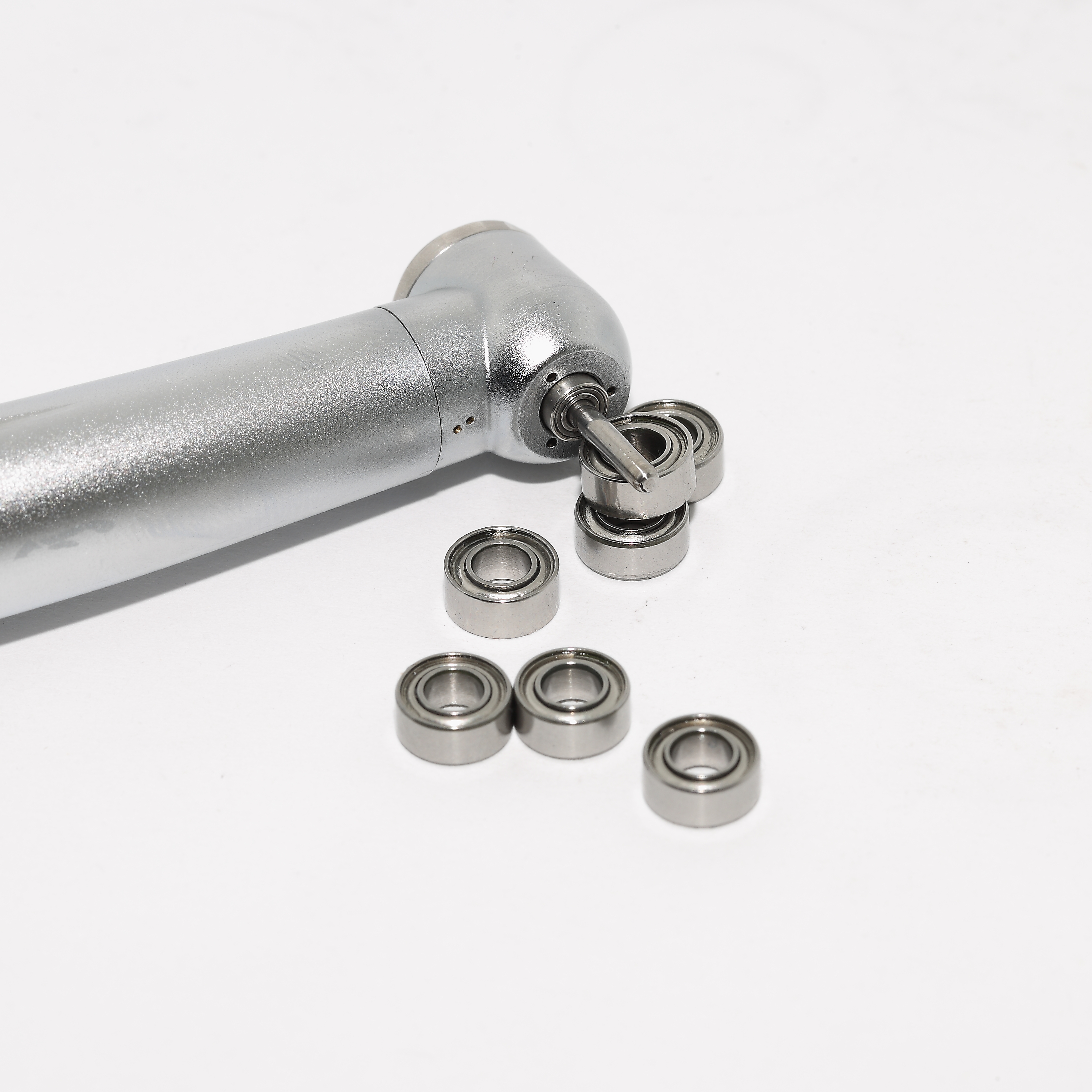
A dental handpiece that runs warm is usually reporting a problem in a part you cannot see. Heat at the grip within seconds of free running, speed that will not hold under light load, or a bearing set that needs replacing long before its normal service interval - in high-speed air turbine handpieces these symptoms lead back to the turbine bearing pair.
This guide is a scenario-based fix path for the people who have to resolve that problem: design engineers validating a turbine cartridge, handpiece OEM buyers reviewing a supplier, and service technicians replacing bearings in the field. It follows one overheating scenario from first symptom to final replacement and works through the four rated variables that decide whether a miniature bearing survives at turbine speed: precision class (P4), material (SUS440 stainless steel), rated operating temperature ranges such as -50 °C to 160 °C and -40 °C to 150 °C, and limiting speeds up to 400,000 rpm. INB models including SR133TL and SMR144ZTLP4 W2.38 are used as application examples, with their specifications stated exactly as verified.
What Overheating Actually Means Inside a Dental Handpiece Turbine
Because the two bearings in a turbine cartridge are the only parts in continuous high-speed contact, they are the correct first place to look. Everything else in the handpiece - air supply, exhaust path, chuck, bur - either feeds heat into that bearing pair or takes heat away from it.
Symptoms that point to the turbine bearing
- Warmth at the handpiece body within the first seconds of free running, before any load is applied.
- Speed loss under light load, or a bur that stalls earlier than it used to.
- A change in running character: a component selected as a low-noise miniature bearing no longer sounds or feels quiet.
- Discoloured or darkened lubricant around the seal area, or a dry, varnished appearance on the raceways after disassembly.
- Service intervals that keep getting shorter even when the same model is fitted.
One clarification matters for diagnosis. A miniature bearing does not overheat by itself. Heat becomes visible at the handpiece body when the bearing assembly's friction, lubrication or fit has moved outside the range its rating was written for. That is why the first question is not how hot the handpiece became, but which rated variable no longer matches the application.
What component is actually inside the cartridge
The part at the centre of the problem is small and precise. In the INB range, SMR144ZTLP4 W2.38 is an imperial-size (inch-series) thin-wall miniature bearing measuring 3.175 mm × 6.35 mm × 2.38 mm, produced to a P4 precision class in SUS440 stainless steel, rated for a limiting speed of 350,000-400,000 rpm and an operating temperature of -50 °C to 160 °C, and specified for dental handpiece use. Those numbers are the entire diagnostic frame: change any one of them and the thermal behaviour of the turbine changes with it.
The Miniature Bearing Context Behind These Failures
Miniature bearings are no longer a niche component line. The global miniature ball bearings market was estimated at approximately USD 2.25 billion in 2025, driven by demand in medical devices and robotics (Future Market Insights). Asia Pacific held roughly 60% of that revenue in 2025, with China as the largest regional producer and consumer (Precedence Research). China's bearing exports grew 7.2% year on year in the first seven months of 2025, reaching nearly 497,852 tons (BearingNews / Huajing Research Institute).
Two consequences follow for a dental handpiece project. First, sourcing is easy; sourcing consistently is not. Second, published market-size estimates disagree - IMARC Group places the market near USD 2.0 billion, Future Market Insights at USD 2.25 billion and Precedence Research at USD 2.89 billion for the same period - which is a reminder that supplier selection has to rest on part-level data rather than on market narrative.
Precision itself is governed by recognised systems rather than supplier vocabulary: ABMA ABEC (1-9), ISO 492 (P0-P2) and DIN 620, where a tighter class corresponds to tighter tolerances (AST Bearings). In medical and food-processing applications, 440C stainless steel is the primary material for miniature bearings because of its moisture and chemical resistance (SKDIN Engineering Guide). At the top of the supply pyramid, the best-known manufacturers in the sector are MinebeaMitsumi, NSK, SKF and Schaeffler (Barden) (Intel Market Research).
None of that changes the engineering question. A handpiece turbine does not overheat because a supplier is large; it overheats because one rated variable in the cartridge no longer matches the duty cycle.
The Four Rated Variables That Decide Whether a Handpiece Bearing Runs Cool
1. Precision class: P4 is a tolerance statement, not a marketing word
Precision class describes how tightly bore, outside diameter and running geometry are controlled. Under the ISO 492 system, P4 sits in the tighter end of the commonly used range, and INB produces miniature bearings from P6 to P4 with bore diameters from 2 mm to 8 mm. For a turbine spinning in the hundreds of thousands of rpm the benefit is thermal: a tighter, more uniform running geometry distributes load more evenly around the raceways, which reduces the local friction that turns into heat. A handpiece designed around P4 will not run at its intended temperature with a looser class fitted in its place - and the visible symptom is usually warmth and speed loss rather than immediate failure, which is exactly what makes it easy to misdiagnose.
2. Material: SUS440 stainless steel and moisture-driven friction
SUS440 stainless steel is the material specified for the INB handpiece models referenced in this guide, including SMR144ZTLP4 W2.38. The reason is not cosmetic. 440C stainless steel is the primary material for miniature bearings in medical applications because it resists moisture and chemicals (SKDIN Engineering Guide), and a dental handpiece is repeatedly exposed to both through cleaning and sterilisation. Corrosion pitting on a raceway raises friction even when the dimensions are still correct, so a bearing that measures perfectly can still run hot. Material is a thermal variable, not only a corrosion variable.
3. Rated operating temperature: match the range to the real duty cycle
Miniature bearings for dental handpiece applications carry rated operating temperature ranges such as -50 °C to 160 °C and -40 °C to 150 °C, depending on the model; SMR144ZTLP4 W2.38 is rated from -50 °C to 160 °C. The selection rule is straightforward: the upper limit must sit above both the running temperature of the turbine and the peak temperature reached during sterilisation, and the lower limit must cover the coldest condition the handpiece will see in storage, transport or clinical use. A bearing operating close to its upper limit has almost no thermal margin left, and the first sign of that is heat at the grip.
4. Limiting speed: 350,000-400,000 rpm and the margin rule
Limiting speed is the maximum speed the bearing design is rated to sustain. For SMR144ZTLP4 W2.38 the rated figure is 350,000-400,000 rpm, which places it in the class of high-speed miniature bearings used in air turbine handpieces. The practical check is not the catalogue number alone but the margin: define the handpiece's real maximum speed, then confirm the bearing's limiting speed sits above it with room for the worst case. A bearing run continuously at the edge of its limit runs hotter by definition.
5. Dimension, seat fit and retention
Active miniature bearings for handpieces are frequently imperial-size, thin-wall components, which means small dimensional mismatches have proportionally large effects. The 3.175 mm × 6.35 mm × 2.38 mm dimension set of SMR144ZTLP4 W2.38 is a useful reference point: bore, outside diameter and width all have to match the cartridge seat, and the flange and retention geometry has to match the housing. A press fit that is too tight preloads the raceways; too loose and the outer ring creeps. Both conditions show up as heat at the handpiece body rather than as an obvious assembly defect.
6. Lubrication and contamination
Lubricant quantity and cleanliness sit on both sides of the thermal balance. Insufficient lubricant increases metal-to-metal friction; excess lubricant churns and adds drag; contamination from the clinical environment or from the assembly bench introduces abrasive particles that raise friction permanently. This is where testing coverage at the supplier level becomes a buyer-side variable: the classic failure signature is a bearing that measures correctly, sounds correct on the bench and still runs hot in the handpiece.
Where INB Fits in This Check Sequence
INB is the bearing brand established in 2014 by Ningbo Yuhang Bearing, a bearing manufacturer based in Ningbo, Zhejiang Province, whose products serve the domestic medical device industry and micro-motor applications. The operation runs under the ISO 9001 quality management system, with a certificate - number 117 24 QU 0108-07 R1S - issued by Shanghai Ingeer Certification Assessment Co., Ltd. against GB/T19001-2016 / ISO 9001:2015, covering the manufacture of bearing and bearing parts and valid from 9 July 2024 to 7 July 2027.
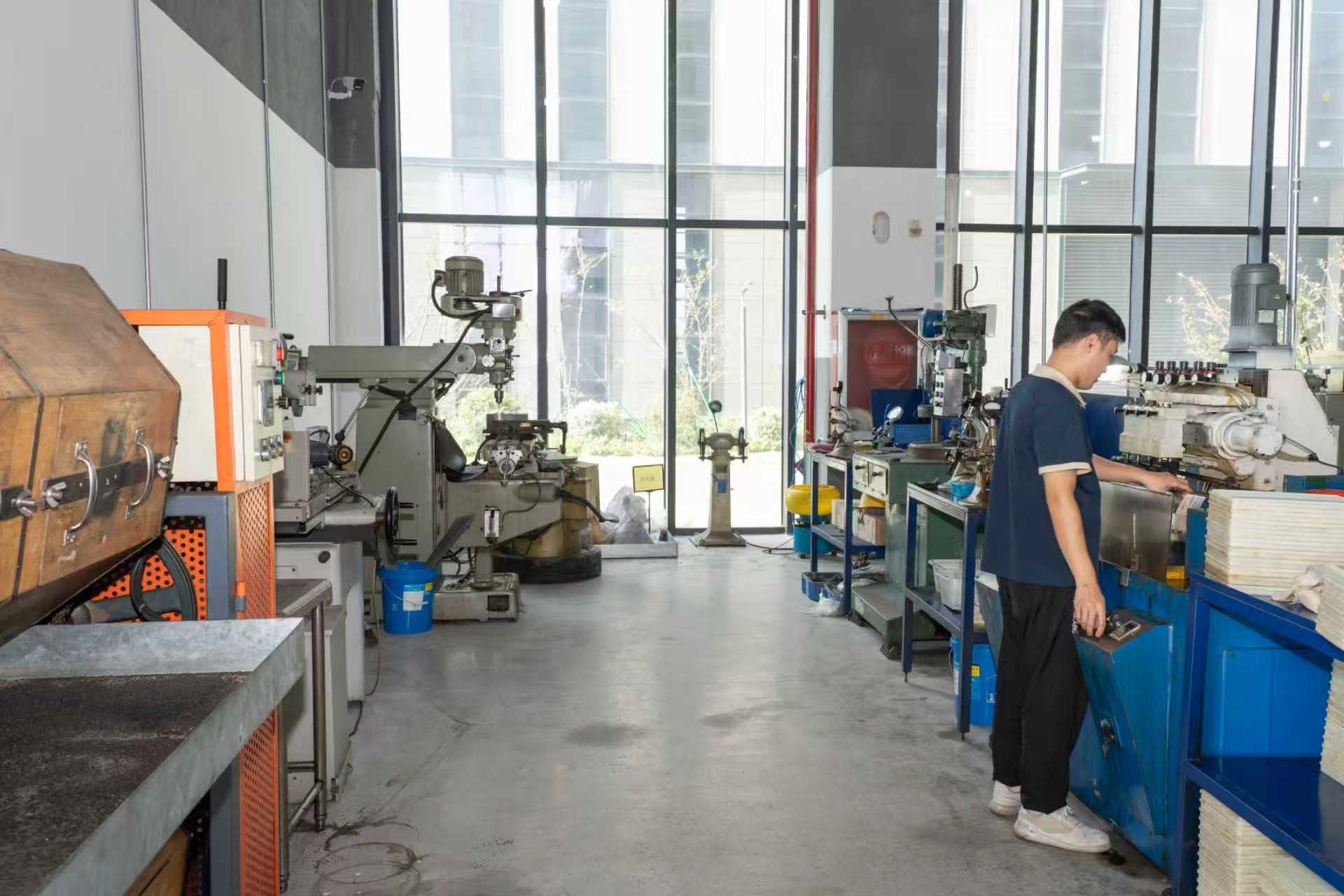
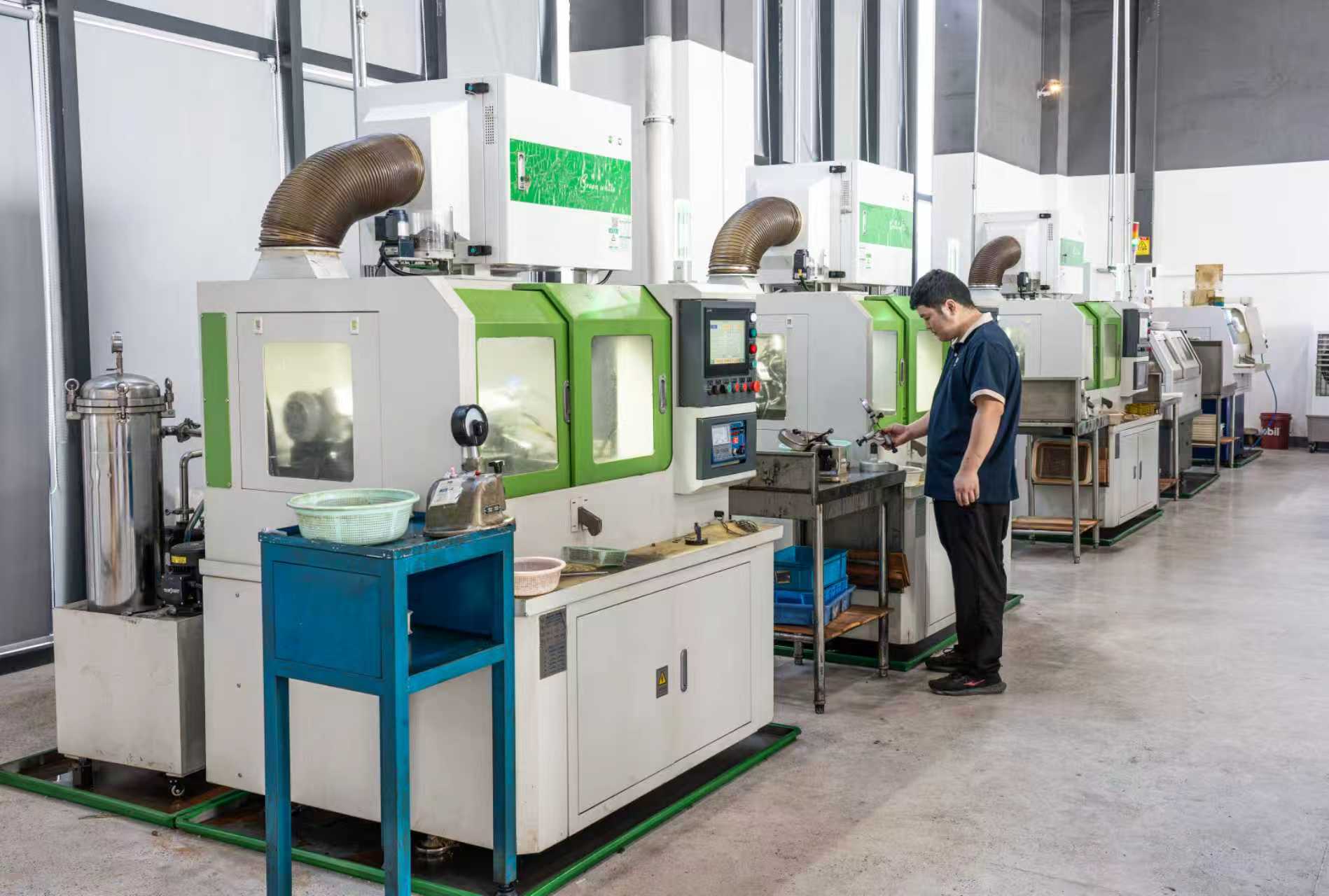
For buyers evaluating a replacement path for overheating handpiece bearings, the relevant operating facts are: precision grades from P6 to P4; bore diameters from 2 mm to 8 mm; 100% testing; monthly capacity of 500,000 units and annual output of 6,000,000 units; OEM production with customisation according to customer requirements; a minimum order quantity of 100 units; an in-stock lead time of 7 days; and after-sales return and exchange. The factory operates in a 2,000 m² facility with 30 employees and a 10-person R&D team, and quality control uses hardness testers, roundness meters, profilometers, roughness measuring equipment and microscopes.
Step-by-Step: Diagnosing and Replacing an Overheating Turbine Bearing
Work through the sequence in order. Each step removes one thermal variable from the list of possible causes.
- Record the failure signature before disassembly. Note how long the handpiece takes to warm, where the heat appears (front cap, grip, rear), the speed at which it stalls, and whether the running noise changed. This baseline is what you compare against after replacement.
- Rule out heat sources outside the bearing. Check air supply temperature and pressure, exhaust path restriction, chuck and bur condition, and lubricant application. These do not cause bearing overheating on their own, but they change the temperature the bearing operates in.
- Disassemble the turbine cartridge and inspect the bearings. Look for discoloured or varnished lubricant, bluing, pitting, corrosion spots on a stainless steel miniature bearing, or visible debris. Any of these confirms the bearing ran outside its intended conditions.
- Measure the old bearing and confirm the dimension set. Record bore, outside diameter and width - for an imperial miniature bearing such as SMR144ZTLP4 W2.38 that is 3.175 mm × 6.35 mm × 2.38 mm - plus the flange and seat geometry.
- Confirm the required precision class. If the cartridge was designed for P4, replace with P4. Downgrading precision to shorten lead time is a common and expensive mistake in exactly this application.
- Confirm material and operating temperature rating. Match a SUS440 stainless steel bearing rated for the handpiece duty cycle, checking both the upper limit (running plus sterilisation) and the lower limit against real storage and handling conditions.
- Confirm limiting speed against the handpiece maximum. Compare the rated limiting speed with the turbine top speed and keep margin rather than running at the limit.
- Verify fit and preload on assembly. Check seat bore, flange seating and axial location. Assemble in a clean environment; contamination introduced at this step is not recoverable later.
- Apply the specified lubricant quantity. Use the amount the cartridge design calls for - neither dry nor flooded.
- Run in and measure again. Compare warm-up time, running temperature and speed against the Step 1 baseline. A correct replacement shows lower and more stable temperature at the same speed.
- Set an inspection interval. Use the new baseline to define when the bearing should next be inspected, instead of reacting to the next failure.
Use Cases: Where This Check Sequence Pays Off
The sequence applies wherever a high-speed miniature bearing is expected to hold speed and temperature at the same time.
- Field service and repair centres. A repeatable diagnostic order replaces guesswork when a handpiece comes back warm from a clinic, and it produces a documented reason for the replacement rather than a parts-swap invoice.
- Handpiece OEM assembly and incoming inspection. The same four rated variables become the incoming inspection sheet: precision class, material, temperature rating and limiting speed, checked against the cartridge design.
- Second-source qualification. When a second miniature bearing source is added, the rated variables give a measurable comparison basis instead of a brand comparison.
- Micro-motor and precision instrument platforms. Motor miniature bearing applications use the same logic: fit, lubrication and speed margin decide whether the assembly runs cool.
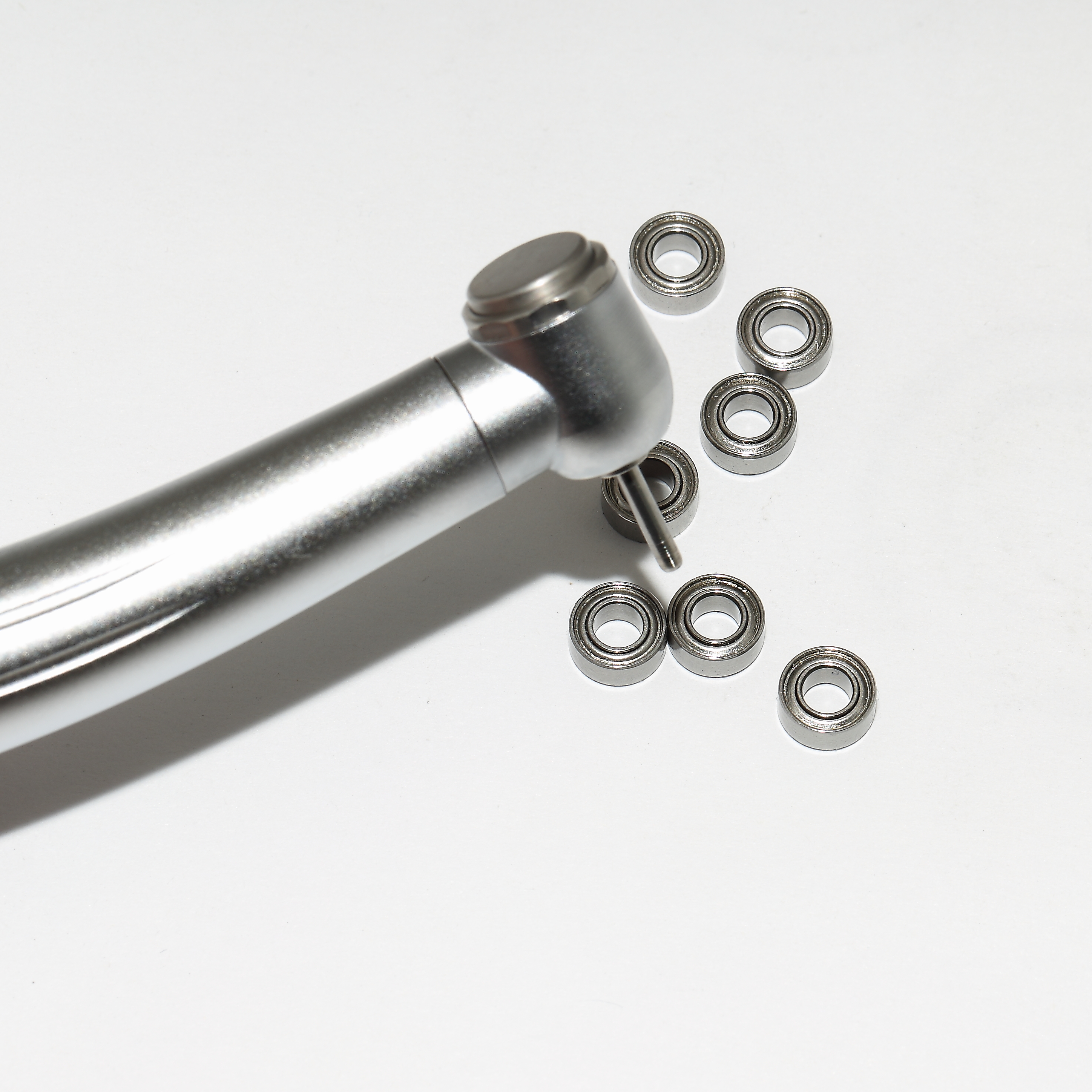
A useful reference point comes from volume production rather than from a laboratory. In a project with a scale of 80,000 units located in China, bearings used in dental handpieces demonstrated stable high-speed operation and extended equipment lifespan; the case record for the same medical device application notes stable operation across 500 hours. The highlights attached to that record are specific rather than general: ultra-high speed, P4 precision, long service life and medical-grade reliability. That is the outcome the check sequence above is designed to reproduce - not by selecting a better-sounding bearing, but by keeping all four rated variables aligned with the duty cycle.
Comparison Table: Verification Points for an Overheating-Prone Handpiece Bearing
The table below lists the parameters that matter when replacing or re-specifying a bearing for a dental handpiece turbine. Reference values are those of INB SMR144ZTLP4 W2.38.
| Check | Reference value (INB SMR144ZTLP4 W2.38) | What to confirm on your replacement |
|---|---|---|
| Dimension set | 3.175 mm bore × 6.35 mm OD × 2.38 mm width | Bore, OD and width match the cartridge seat; imperial sizing understood |
| Precision class | P4 | Class matches the cartridge design (INB range: P6-P4; bore 2 mm-8 mm) |
| Material | SUS440 stainless steel | Stainless grade suitable for repeated cleaning and sterilisation |
| Operating temperature | -50 °C to 160 °C | Rating covers running plus sterilisation peaks; other models are rated -40 °C to 150 °C |
| Limiting speed | 350,000-400,000 rpm | Rated speed exceeds the handpiece maximum with margin |
| Quality system | ISO 9001 - certificate 117 24 QU 0108-07 R1S, Shanghai Ingeer Certification Assessment Co., Ltd., valid to 7 July 2027 | Certificate number, issuing body, scope and expiry are verifiable |
| Test coverage | 100% test | Test scope and records are defined in the supply agreement |
| Ordering | MOQ 100 units; in-stock lead time 7 days | Order quantity and replenishment rhythm match service demand |
For diagnosis, pair the parameter table with a symptom-to-action view. This is the fastest way to move from a warm handpiece to a specific check.
| Symptom | Most likely rated variable | First action |
|---|---|---|
| Warmth within seconds of free running | Fit, preload or lubrication | Disassemble and inspect seat condition and lubricant quantity |
| Speed loss under light load | Precision class or speed margin | Verify class and rated speed against handpiece maximum |
| Heat appearing after sterilisation cycles | Material or temperature rating | Confirm SUS440 and check the upper rated limit |
| Gradual noise increase over weeks | Contamination or corrosion | Inspect raceways for pitting and review the cleaning protocol |
| Service life shortening over time | Speed margin or repeated reuse | Replace rather than reuse; re-check limiting speed margin |
FAQ: Miniature Bearing Overheating in Dental Handpieces
What compliance documentation should be requested when replacing a dental handpiece miniature bearing?
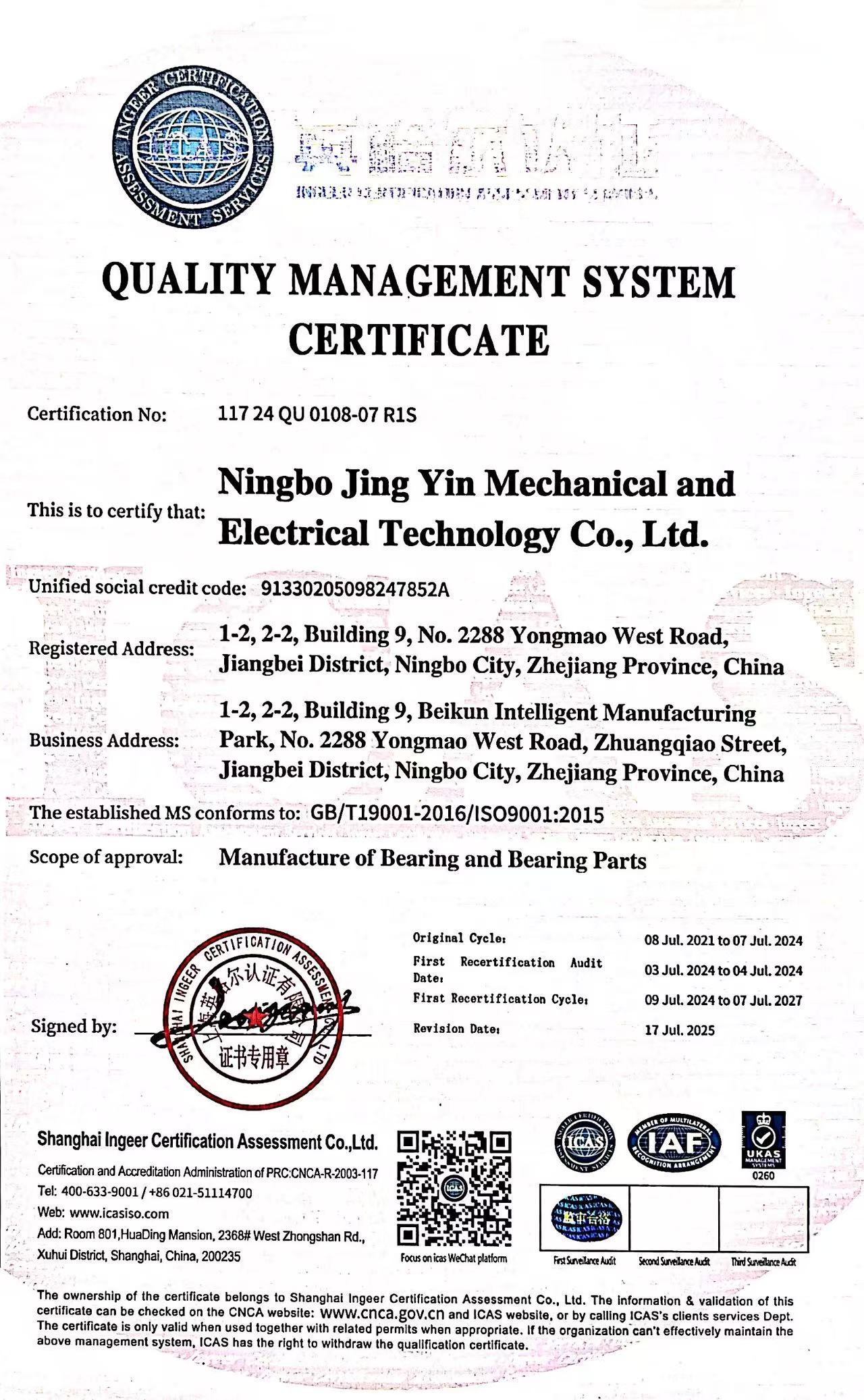
Request the quality management certificate with its number, issuing body, standard and validity period, not just a logo. INB operates under ISO 9001 with certificate 117 24 QU 0108-07 R1S, issued by Shanghai Ingeer Certification Assessment Co., Ltd. against GB/T19001-2016 / ISO 9001:2015, issued on 9 July 2024 and valid to 7 July 2027, with the scope stated as manufacture of bearing and bearing parts. Alongside the certificate, ask for the precision class declaration for the exact model ordered (for example P4), the material specification (SUS440 stainless steel), and the rated operating temperature and limiting speed, so the paperwork matches the part and the application.
Can a miniature bearing that has already overheated be reused?
Reuse should be limited to bearings that have never shown thermal symptoms. Once a bearing has run outside its thermal range, raceway geometry and lubricant condition have already changed, even when the part still measures within tolerance - and the second failure usually arrives faster than the first. INB produces miniature bearings from P6 to P4 with bore diameters from 2 mm to 8 mm and applies 100% testing, and models such as SMR144ZTLP4 W2.38 are rated to 350,000-400,000 rpm and -50 °C to 160 °C. If the handpiece showed overheating, replace with a bearing matched to the same rated variables rather than reinstalling the suspect part.
What drives the cost of correcting a miniature bearing overheating problem?
The commercial side of the decision is driven by four variables rather than by unit price alone: the precision class required, the material and dimension set (imperial thin-wall sizes are less interchangeable than metric stock), the amount of testing needed, and whether the fix is bearing-only or requires cartridge rework. Order quantity matters as well. INB's minimum order quantity is 100 units with an in-stock lead time of 7 days, which allows a small validation batch before committing to production volumes and keeps stock-holding cost low while a diagnosis is being confirmed.
How can engineers validate a replacement bearing before full production?
Run a small batch through the duty cycle the handpiece actually sees. INB supports OEM production with customisation according to customer requirements, a minimum order quantity of 100 units and a 7-day in-stock lead time, so a validation batch can be built and tested before scaling. Record warm-up time, running temperature and speed at maximum rpm on the validation batch, then compare those numbers against the Step 1 baseline taken from the failed handpiece. Validation is about matching the rated variables, not about a single bench inspection.
What lead time and after-sales support should buyers expect?
For stock models, INB states a 7-day lead time, with monthly capacity of 500,000 units and annual output of 6,000,000 units for volume programmes; after-sales support consists of return and exchange. Buyers who need to confirm a specific model, request a sample, or obtain a quotation for a dental handpiece bearing programme can contact INB through www.lnb-brg.com or by email at yuhang001@126.com. Include the handpiece maximum speed, the sterilisation temperature and the cartridge dimensions, so the recommendation starts from the rated variables rather than from a model number alone.
Conclusion: Fix the Rated Variable, Not the Symptom
Miniature bearing overheating in dental handpieces is a solvable problem as long as it is treated as a rated-variable mismatch rather than a generic quality complaint. Confirm P4 precision where the cartridge design calls for it. Confirm SUS440 stainless steel for repeated cleaning and sterilisation. Confirm the operating temperature rating covers running and sterilisation peaks, within ranges such as -50 °C to 160 °C or -40 °C to 150 °C depending on the model. Confirm limiting speed - up to 400,000 rpm on models such as SMR144ZTLP4 W2.38 - with margin above the handpiece's real maximum. Then replace rather than reuse, verify seat and lubrication at assembly, and set the next inspection interval from a measured baseline.
That sequence is what turns an intermittent overheating complaint into a documented, repeatable fix - and it is the same sequence a supplier should be able to support with verifiable product data, certified quality management and a stable replenishment path.
Next step for engineers and buyers
Send INB the handpiece maximum speed, the bearing dimensions and the sterilisation temperature, and request a sample or quotation against those rated variables. Stock models ship with a 7-day lead time, MOQ 100 units, OEM customisation to customer requirements, 100% testing and after-sales return and exchange.
Website: www.lnb-brg.com | Email: yuhang001@126.com | WhatsApp: +86 18957446001
Have Questions or Need More Details?
Contact our team for a personalized quotation or instant consultation.
Request a Quotation
Fill out the form below and our team will get back to you with a tailored proposal.
WhatsApp Direct Chat
Prefer to chat in real-time? Message us on WhatsApp for instant assistance & quick answers.
- Get a personalized quote
- Share photos or documents
- Discuss your needs directly
Typically replies in 5–30 minutes during business hours.