
Miniature Bearing Supply Partnerships: A Decision Framework for Distributors and OEM Buyers
Miniature Bearing Supply Partnerships: A Decision Framework for Distributors and OEM Buyers
A first sample tells you about craftsmanship. A long-term miniature bearing supply partnership tells you something different: whether the supplier can repeat that quality across batches, product variants, and changing demand. This guide is for buyers at the decision-to-execution stage who need to qualify a partner, not just a part.
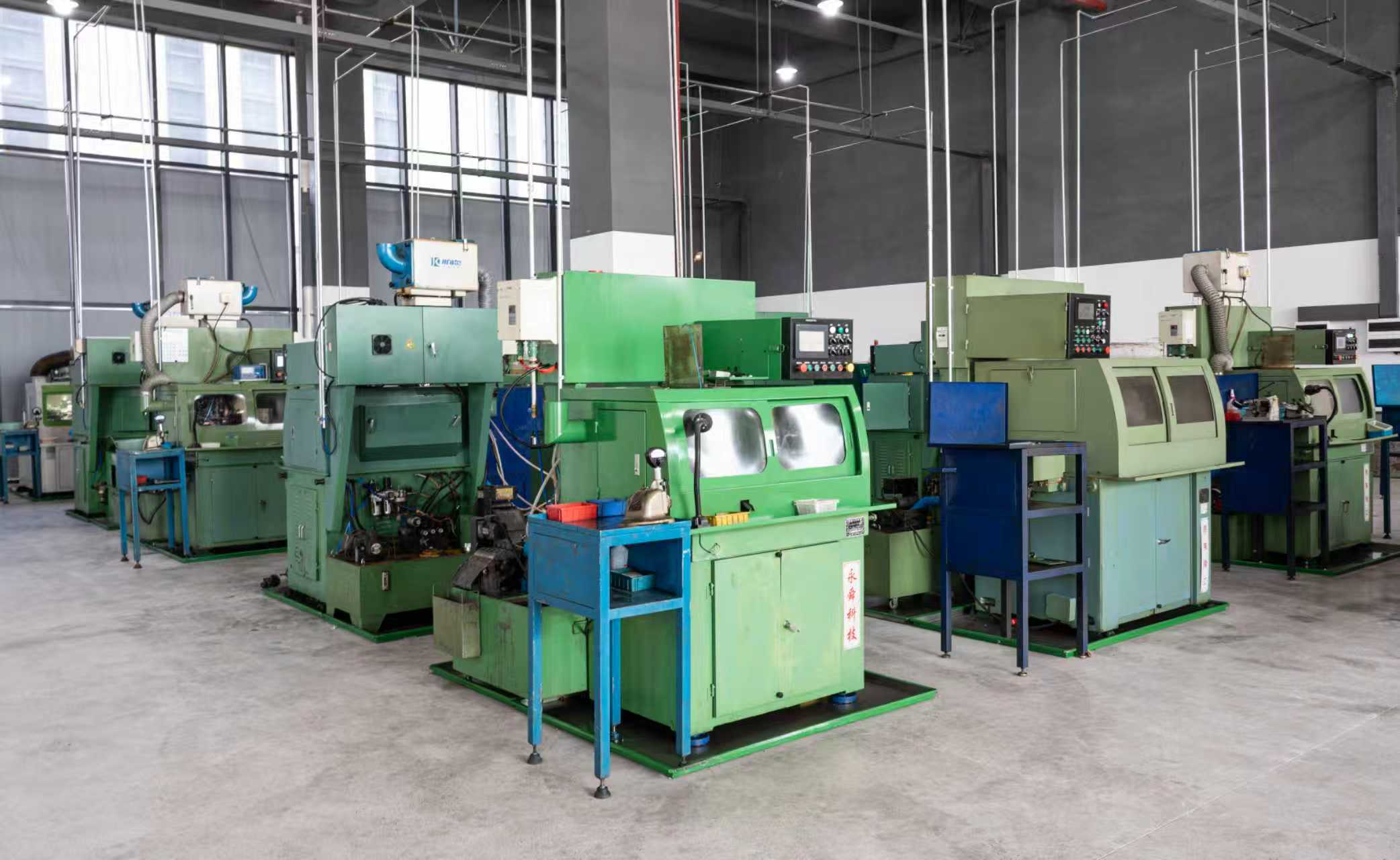
Figure 1: Precision machine tools are one layer of evidence a buyer should inspect when evaluating a long-term miniature bearing supplier.
Why Long-Term Miniature Bearing Programs Fail After the First Order
When one prototype or one hundred units work, it is tempting to place a volume order and move on. Commercial scale changes risk: material lots change, heat treatment varies, lubricant fill volumes drift, and no single inspection at the end of the line can fully replace process control. In high-speed applications such as dental handpieces, the failure modes that matter most are premature wear with lubrication failure, thermal fatigue with overheating, and over-speeding beyond the design limit.
A long-term miniature bearing program therefore fails not because a manufacturer cannot cut steel, but because the manufacturer cannot hold lubrication, material, speed, and temperature behaviour within a repeatable window. Procurement teams should define that window before signing a master agreement.
Miniature Bearing Market Context: Scale and Continuity
Miniature bearings sit in a market estimated at about USD 2.25 billion in 2025 by Future Market Insights, with demand pressure coming from medical devices and robotics. Asia Pacific accounted for roughly 60 percent of global miniature bearing revenue in 2025, according to Precedence Research, and China is the largest regional producer and consumer. Chinese bearing exports in the first seven months of 2025 rose 7.2 percent year on year to nearly 497,852 tons, according to industry reporting collected by BearingNews and Huajing Research Institute.
Buyers also need to speak a common precision language. Global standards for miniature bearing precision include ABMA ABEC 1-9, ISO 492 P0-P2, and DIN 620. At the same time, market analyses identify major global manufacturers such as MinebeaMitsumi, NSK, SKF, and Schaeffler (Barden). For procurement, this means the miniature bearing supply market is broad enough to compare global reference suppliers with specialized China-based factories that can provide transparent speed, temperature, material, and inspection data.
Anatomy of a Long-Term-Ready Miniature Bearing Supplier
A long-term-ready supplier should be assessed against three things: product range, manufacturing controls, and risk engineering. A distributor or OEM buyer should not evaluate only one bearing model; they should evaluate whether the supplier can support a range of related SKUs without creating a new sourcing problem every time.
Product Range: Moving From a Single SKU to a Bearing Family
Distributors often receive requests for different bearing orientations: extra miniature bearings, stainless steel miniature bearings, imperial miniature bearings, motor miniature bearings, and variants such as flanged or thin-wall designs. These are not always commodity products. The practical question is whether a supplier can discuss the dimensional limits of each request and show how material and precision change across the family.
One practical example is INB, a bearing brand launched in 2014 by a Ningbo-based production-and-sales enterprise. INB mainly serves the domestic medical device industry and micro-motors. It can produce high-precision standard bearings with inner hole diameters from 2 mm to 8 mm and precision grades from P6 to P4. In practice, that means the supplier can support a range of small motors, instruments, and dental handpiece models rather than a single legacy part number.
Stainless Material and Precision: Two Non-Negotiable Inputs
Many long-life miniature bearing programs need stainless construction. Engineering references identify 440C-class stainless steel as the primary material for miniature bearings used in medical and food-processing environments. INB lists SUS440 for its current dental handpiece models. When paired with P4 precision, this becomes a useful technical baseline for a purchasing specification.
Precision ratings also create a contractual vocabulary. Instead of saying only high precision, a buyer can specify ISO 492 P4 and ask the supplier to demonstrate the corresponding dimensional and running characteristics in inspection records.
Inspection, Release, and Production Headroom
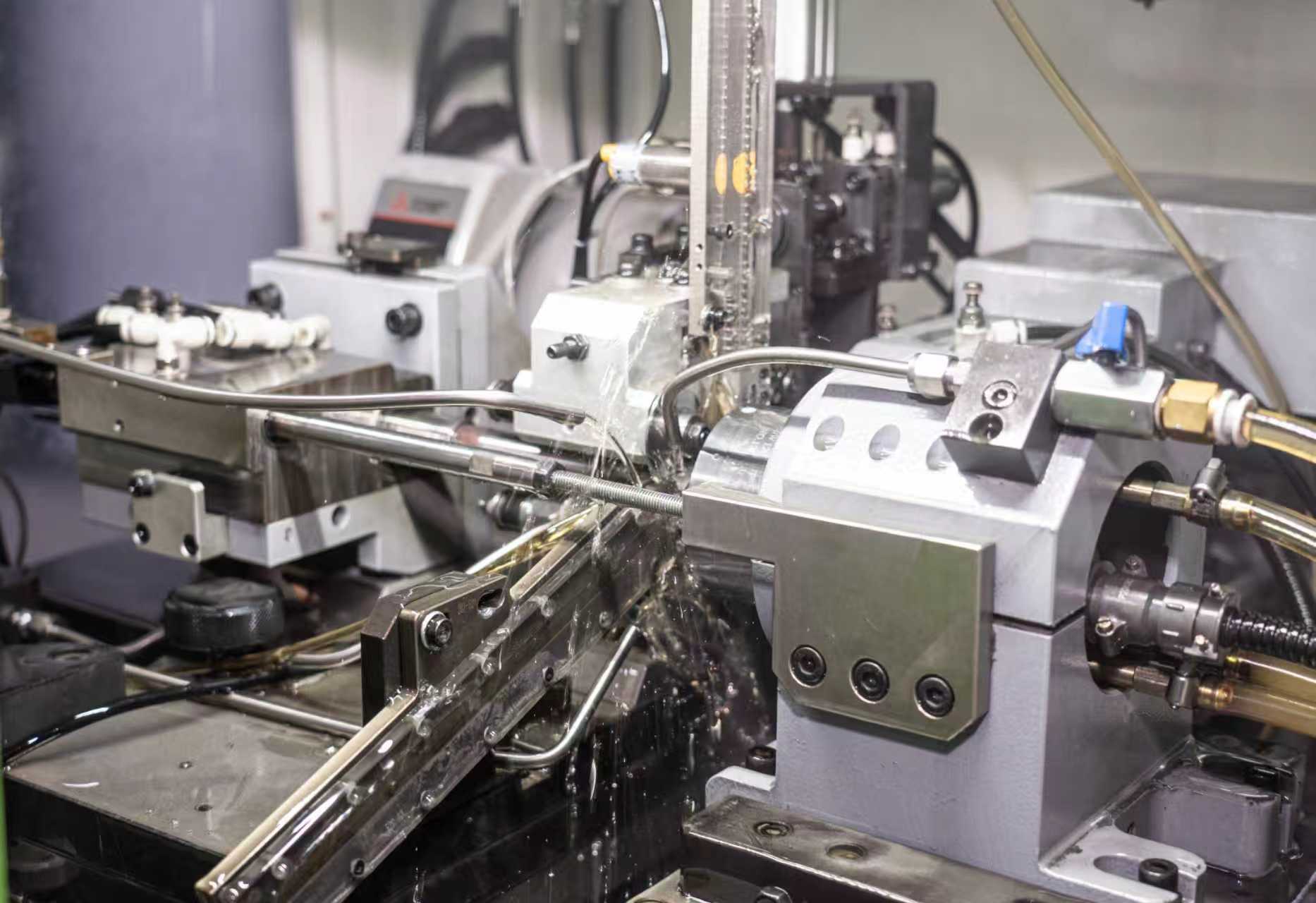
Figure 2: Dimensional and surface inspection equipment supports batch-level quality verification.
A documented quality system turns capacity into usable supply. INB operates under the ISO 9001 quality management system and is equipped with hardness testers, roundness meters, profilometers, roughness measuring equipment, and microscopes. Acceptance is 100 percent factory inspection. Current annual output is 6,000,000 units, with monthly production capacity of 500,000 units.
For an overseas distributor, these facts matter because repeat orders depend on more than one good batch. A supplier that can state its production capacity and inspect every released unit is easier to include in a multi-year forecast.
Engineering Controls Behind Repeatable Performance
Long-term reliability is easier to judge when a supplier can describe its design controls. For miniature bearings intended for high-speed rotating equipment, the controls should address at least three failure chains:
- Premature wear and lubrication failure: controls include sealed lubrication control and wear-rate monitoring. Specific measures can include medical-grade permanent lubricant filling, a fully sealed labyrinth structure, wear-resistant alloy material, and periodic friction and wear performance testing.
- Thermal fatigue and overheating: controls include thermal management and active temperature protection. Supplier measures can include high-temperature-resistant material selection, optimized heat conduction structure, real-time temperature monitoring, and thermal-cycle life testing in the -50 degrees Celsius to 160 degrees Celsius range.
- Over-speeding: controls include speed limitation and real-time rotational speed monitoring. Relevant measures include a mechanical speed limiter, a high-precision Hall-effect speed sensor, 100 percent speed-performance validation before shipment, and compliance with medical-device speed safety standards.
Step-by-Step Qualification Framework Before Executing a Miniature Bearing Supply Agreement
The following six-step framework is designed for buyers who have already shortlisted a supplier and now need to move from qualification to execution.
| Phase | What to verify | Why it protects a long-term program |
|---|---|---|
| 1. Map the demand envelope | Bore, width, precision class, material, speed limit, temperature range, lubrication, and noise target | Creates a written baseline so later orders do not drift away from the approved specification |
| 2. Audit the quality system | ISO 9001 system documentation, measuring equipment, and inspection acceptance criteria | Confirms that the supplier can check the dimensional and material characteristics it promises |
| 3. Map failure risks to product design | Lubrication control, sealed structure, wear-resistant material, thermal management, and speed monitoring | Reduces surprise failures in high-speed medical, motor, and instrument applications |
| 4. Run a controlled pilot | A pilot order using the actual target models; factory inspection 100 percent before release | Turns sample-level satisfaction into batch-level evidence |
| 5. Fix commercial terms | MOQ, delivery method, payment terms, and inspection acceptance | Simplifies repeat purchasing and prevents execution friction after approval |
| 6. Plan capacity release | Monthly production capacity, annual output, and rolling order forecast | Prevents the supplier from becoming the bottleneck in a growing product line |
Use Cases That Change Supplier Selection
1. Dental Handpiece Manufacturer Moving From Samples to Serial Production
Dental handpieces require a small-bore stainless miniature bearing that can sustain very high rotational speed. INB product data for the SMR144ZTLP4 W2.38 and SR144ZTLP4 W2.78 configurations shows P4 precision, SUS440 material, a 3.175 mm bore, and a published limiting speed of 350,000 to 400,000 rpm. For a handpiece OEM, this kind of model-level data is essential for building a validation matrix before serial release.
2. Micro-Motor and Instrument OEMs Consolidating Suppliers
INB has concentrated on the domestic medical device industry and micro-motors. From a procurement perspective, a supplier that serves these sectors is more likely to understand noise, current draw, heat generation, and long-running durability. The 2 mm to 8 mm bore range gives an OEM room to consolidate several small-motor and instrument bearing requirements with one factory, provided each model has the same quality system behind it.
3. Distributor Building a Core Stock Program
Distributors do not want to develop a new vendor relationship for every customer request. With a MOQ of 50 units, a distributor can qualify a small set of INB dental and instrument bearings first, then scale repeat orders. FOB delivery and 100 percent factory inspection acceptance make the commercial loop easier to manage before a full container program begins.
Model-Level Comparison: A Miniature Bearing Reference Point for Long-Term Buyers
The following table compares four current INB SUS440 miniature bearing configurations relevant to high-speed dental handpiece applications. All figures are taken from the published product information used in this guide.
| Model | Bore x OD x Width (mm) | Precision | Limiting speed | Operating temperature | Material |
|---|---|---|---|---|---|
| SMR144ZTLP4 W2.38 | 3.175 x 6.35 x 2.38 | P4 | 350,000-400,000 rpm | -50 degrees C to 160 degrees C | SUS440 |
| SR144ZTLP4 W2.78 | 3.175 x 6.35 x 2.78 | P4 | 350,000-400,000 rpm | -50 degrees C to 160 degrees C | SUS440 |
| SR133TL | 2.38 x 4.762 x 2.38 | P4 | 200,000 rpm | -40 degrees C to 150 degrees C | SUS440 |
| SMR74TL | 4 x 7 x 2 | P4 | 200,000 rpm | -40 degrees C to 150 degrees C | SUS440 |
For high-speed dental handpieces, INB compares its SMR144ZTLP4-series configuration with a standard SMR144Z-style reference bearing. The stated product position is high rotational speed, low noise, long service life, and cost effectiveness. In the handpiece case, stated noise is below 20 dB and the cost difference is around 10 percent lower than the reference. Lower friction and lower heat generation are also positioned to reduce operation and maintenance cost over the life of the handpiece.
FAQ: Miniature Bearing Sourcing Decisions Before You Place a Repeat Order
1. Does INB operate under a documented quality management system?
Yes. INB manufacturing is run under the ISO 9001 quality management system. The factory uses hardness testers, roundness meters, profilometers, roughness measuring equipment, and microscopes, and acceptance is 100 percent factory inspection.
2. What miniature bearing capability can INB scale for a long-term program?
INB mainly serves the domestic medical device industry and micro-motors. It can produce standard high-precision miniature bearings with inner hole diameters from 2 mm to 8 mm and precision from P6 to P4. In the dental handpiece category, current SUS440 models include SR133TL, SMR74TL, SMR144ZTLP4 W2.38, and SR144ZTLP4 W2.78.
3. How do commercial terms affect cost control across repeat miniature bearing orders?
INB procurement support includes MOQ 50 units, FOB delivery, payment before shipment, and factory inspection acceptance. In its dental handpiece comparison, the SMR144ZTLP4-series configuration is stated to be about 10 percent lower in cost than a reference SMR144Z, while the low-noise and low-heat design is intended to support lower operating and maintenance cost. Final cost depends on model, volume, packaging, and destination.
4. What is the minimum order needed to validate INB quality before a full rollout?
The purchasing MOQ is 50 units. Because acceptance is 100 percent factory inspection, a buyer can pilot using dental models such as SMR144ZTLP4 W2.38 or SR133TL before placing a repeat order. Sample availability and delivery timing should be confirmed with the INB sales team for the specific model.
5. How should buyers plan lead time and capacity for a long-running miniature bearing order?
INB monthly production capacity is 500,000 units, so long-term planning should align target models with this manufacturing headroom. Current delivery time is order-dependent, so send the model number, annual volume, and destination to INB through yuhang001@126.com or WhatsApp +86 18957446001 to obtain a current schedule.
Conclusion: Build Continuity Into Miniature Bearing Sourcing
Miniature bearing supply continuity is built, not found. A successful partnership depends on precise specifications, documented quality systems, risk controls for lubrication, temperature, and speed, and a supplier whose production capacity matches your forecast. INB, based in Ningbo, Zhejiang, is one example of a manufacturer with product and process data that a distributor or OEM can audit before execution.
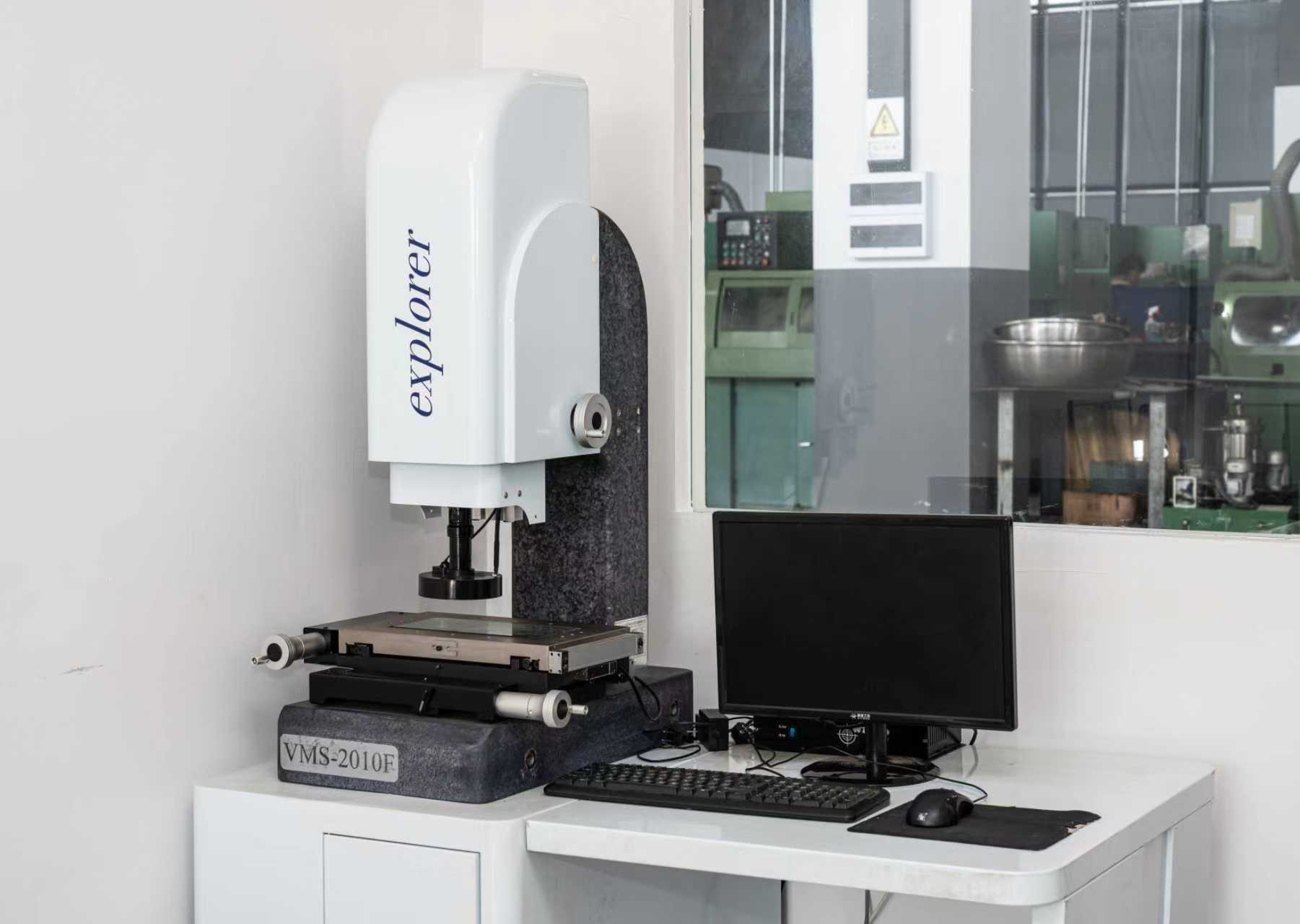
Figure 3: A supplier with visible production capacity is easier to plan around for repeat orders.
If you are evaluating a long-term miniature bearing program, start with a small qualification order. Ask for product data, inspect the factory controls, and align the order forecast with the supplier capacity. Contact INB at yuhang001@126.com or via WhatsApp at +86 18957446001 for current product specifications, sample lead time, and delivery terms.