
P4 High-Speed vs 200,000 rpm Stainless Steel Miniature Bearings for Dental Handpieces
Choosing between a P4 high-speed miniature bearing and a 200,000 rpm stainless steel bearing for a dental handpiece is a decision about failure modes, not about unit price. In INB’s dental handpiece range, the P4-designated part numbers — SMR144ZTLP4 W2.38 and SR144ZTLP4 W2.78 — are the high-speed options, specified with a limiting speed of up to 400,000 rpm. The stainless steel SR133TL and SMR74TL sit in the 200,000 rpm band and are the correct choice when the spindle, repair kit or drive assembly does not need the high-speed class.
That sounds simple, but the two families carry the same SUS440 stainless steel material and often look identical on a bench. What separates them is a package of precision grade, width callout, limiting speed and thermal envelope that has to be matched as a set. This guide compares the four part numbers on those variables and then gives dental handpiece OEMs, repair channels and distributors a step-by-step framework for committing to one class — without over-specifying a part the spindle cannot use, and without under-specifying one it will destroy.
Why the Speed Rating, Not the Price Tag, Decides the Specification
The two families differ on one hard engineering number. The P4-designated parts are rated up to 400,000 rpm; the SR133TL and SMR74TL stainless parts are rated up to 200,000 rpm. That single figure decides whether a bearing survives inside a high-speed spindle or fails in the first weeks of service.
When a miniature bearing is run above its limiting speed, the lubricant film cannot be maintained, friction and heat rise quickly, and the resulting failure is not gradual. INB treats over-speeding as a named design risk rather than an operating assumption. The controls attached to it are a built-in mechanical speed limiter, a high-precision Hall effect speed sensor, 100% speed performance validation before shipment, and compliance with medical device speed safety standards.
Thermal fatigue is the second failure mode. The control set here combines high-temperature resistant material selection, an optimised heat conduction structure, a real-time temperature monitoring module, and thermal cycle life testing across a −50 °C to 160 °C range. Premature wear and lubrication failure is the third, controlled through sealed lubrication with medical-grade permanent lubricant filling, a fully sealed labyrinth structure, wear-resistant alloy material, and periodic friction and wear performance testing.
For a buyer, the practical reading of those three risk areas is that the high-speed class is not simply a tighter tolerance grade. It is a coordinated set of material, geometry and lubrication decisions that only works when it is kept together. Because the price gap between the two classes is small relative to the cost of a premature field failure, price belongs at the end of the decision, not the beginning.
Industry Background: Where Dental Handpiece Bearings Sit in the Miniature Bearing Market
Miniature bearings are a cross-industry component, and the market data has to be read with that in mind. Future Market Insights estimates the global miniature ball bearings market at approximately USD 2.25 billion in 2025, driven by demand in medical devices and robotics. Precedence Research puts the 2025 figure at USD 2.89 billion and IMARC Group at USD 2.0 billion. The spread between those three estimates is wide enough that the useful takeaway is directional growth rather than any single precise number.
Asia Pacific dominated that market in 2025 with a revenue share of approximately 60%, according to Precedence Research, with China as the largest regional producer and consumer. China’s bearing exports grew 7.2% year on year in the first seven months of 2025, reaching nearly 497,852 tons, even while global unit pricing came under pressure.
The largest application block is not dental. The automotive segment held the biggest application share in 2025 at approximately 39%, driven by EV motor and sensor applications. Dental handpiece bearings sit inside a much smaller and considerably more demanding niche, where limiting speed, thermal envelope and lubrication sealing matter more than shipment volume.
Precision in this niche is defined by published systems — ABMA ABEC grades 1 to 9, ISO 492 classes P0 to P2, and DIN 620 — where higher numbers in the ABEC scale correspond to tighter tolerances. On the material side, stainless steel, specifically 440C, is the primary material for miniature bearings used in medical and food-processing applications because of its moisture and chemical resistance. SUS440 is the Japanese Industrial Standards designation for the same 440C family, and it is the material common to all four part numbers in this comparison.
The supplier behind these part numbers
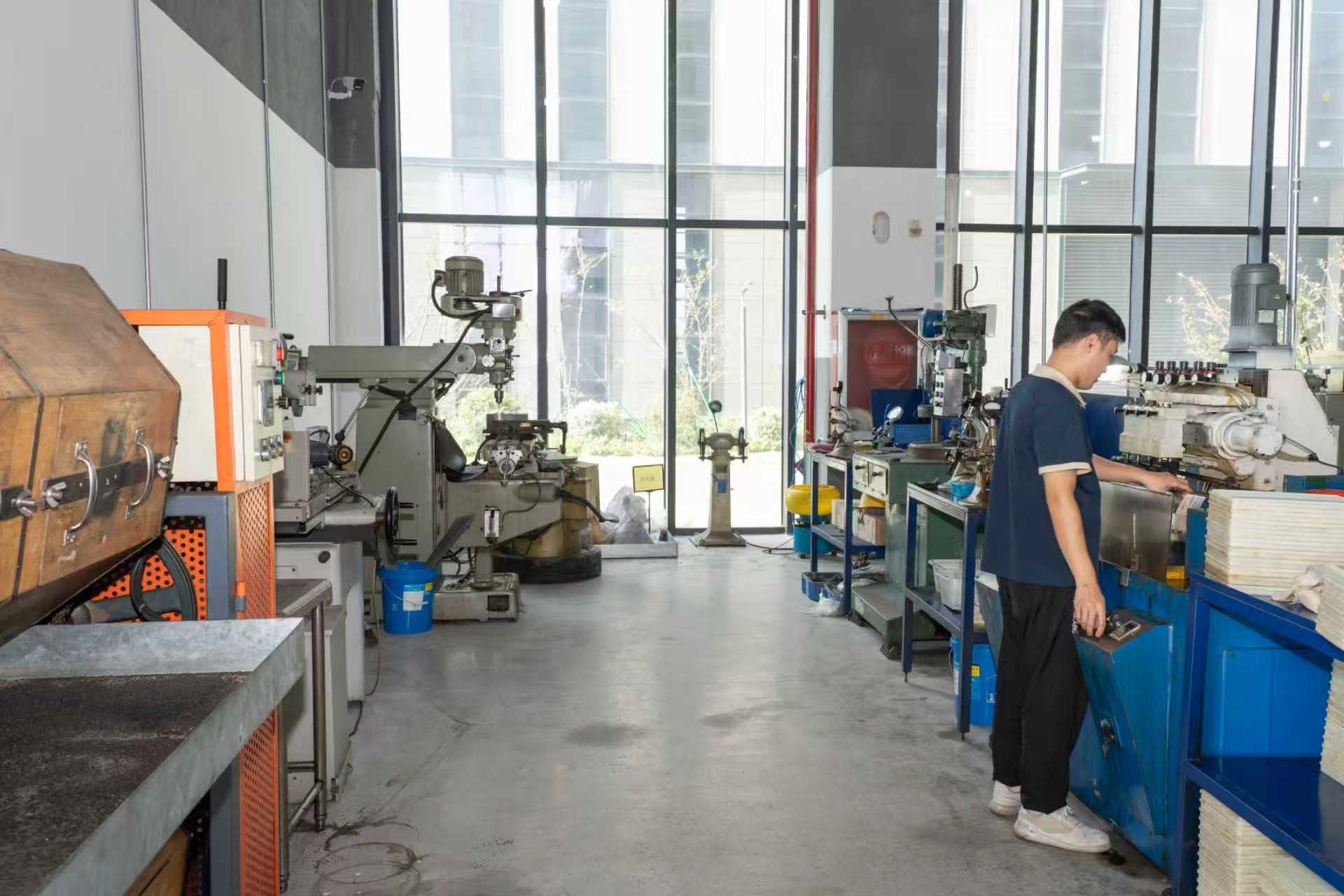
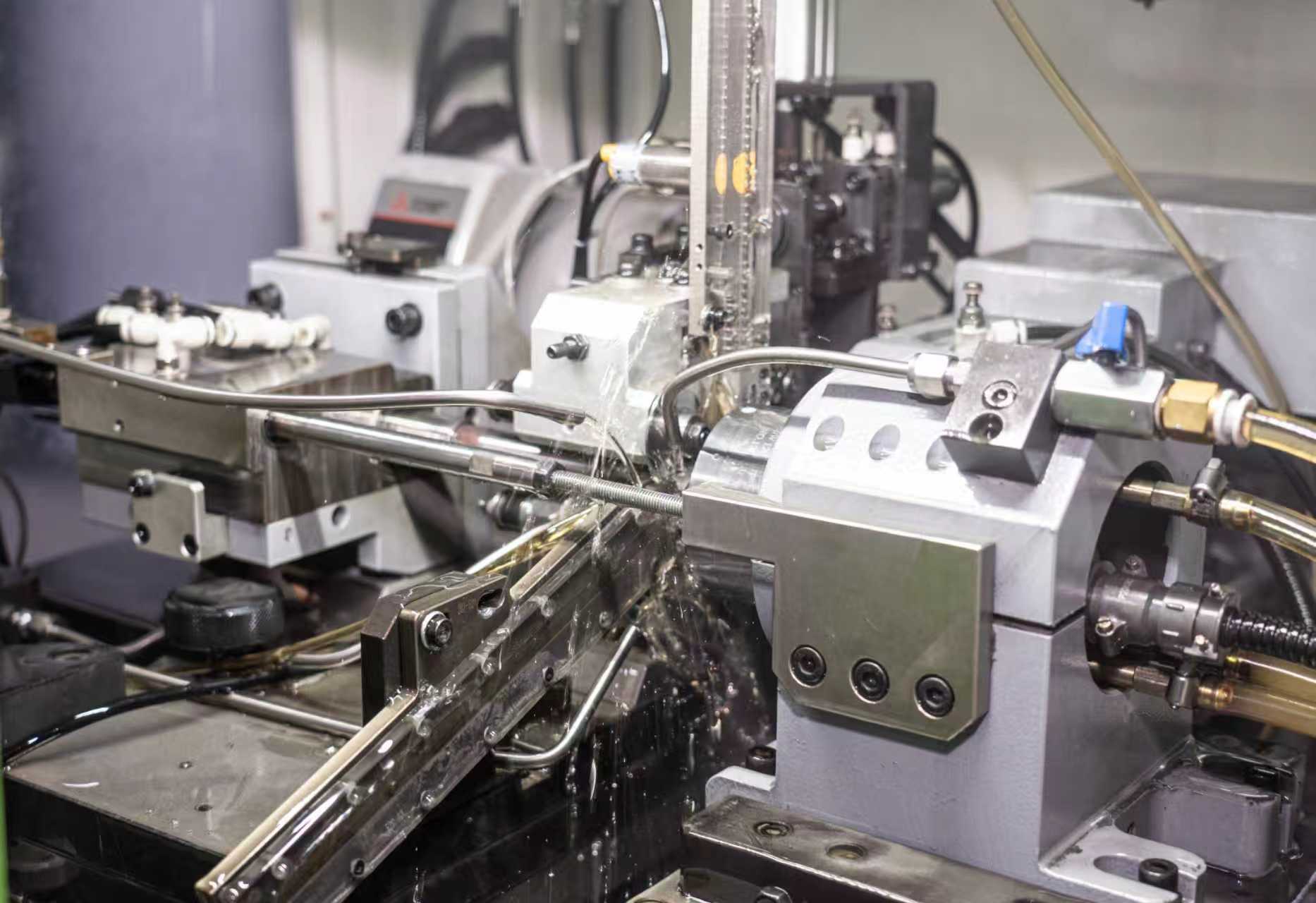
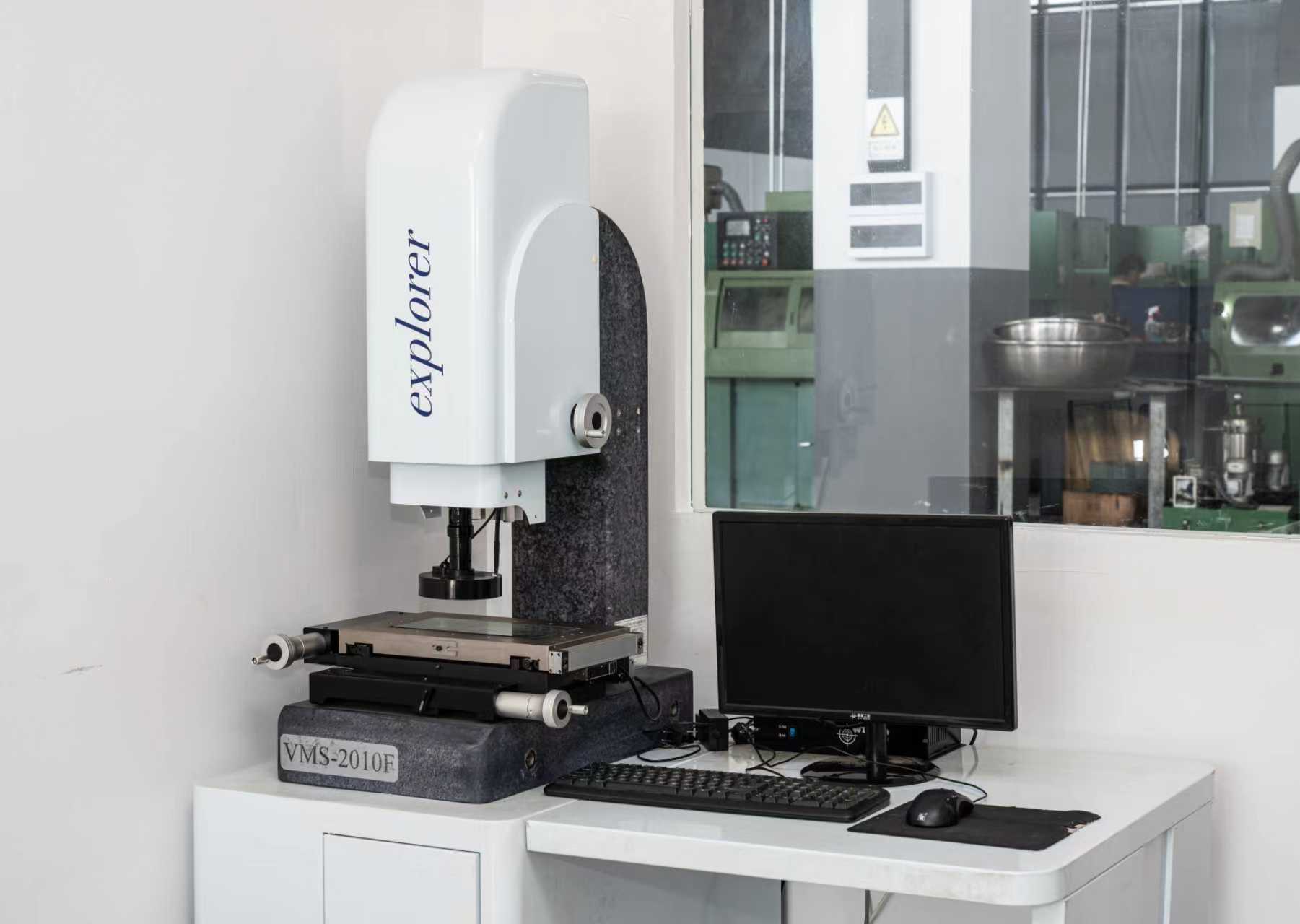
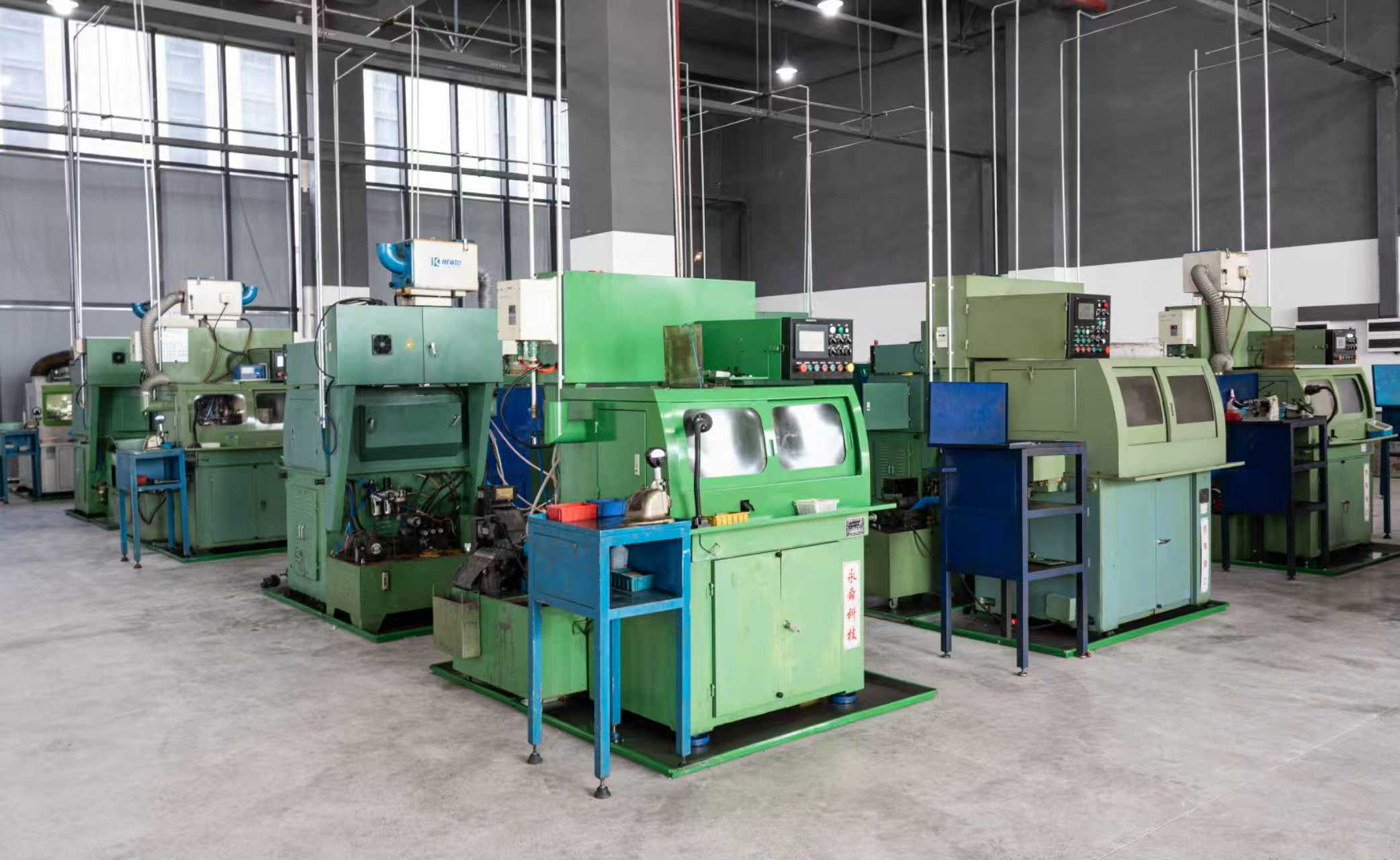
INB is the bearing brand established in 2014 by Ningbo Yuhang Bearing Co., Ltd., a Ningbo, Zhejiang-based manufacturer founded in 2008 that integrates bearing production and sales. INB produces high-precision standard bearings with bore diameters from 2 mm to 8 mm at precision grades from P6 to P4, serving the domestic medical device industry and micro-motor manufacturers, and operates under an ISO 9001 quality management system. Its in-house metrology includes hardness testers, roundness meters, profilometers, roughness measuring equipment and microscopes — the instruments that decide whether a P4 claim can actually be inspected. Full product information is published at www.lnb-brg.com.
The Four Part Numbers in This Comparison
Four part numbers appear most often when dental handpiece OEMs and repair buyers compare the two speed classes. Two carry the P4 precision designation and the 400,000 rpm band; two are the stainless steel 200,000 rpm options.
SMR144ZTLP4 W2.38 — the narrower P4 high-speed option
The SMR144ZTLP4 W2.38 is a P4-grade miniature bearing in the 144 series with a 2.38 width callout. It belongs to the high-speed class rated up to 400,000 rpm and is intended for dental handpiece spindles that operate in the high-speed turbine band. The P4 designation in the part number is not decoration: it signals that the running tolerances, and therefore the level of inspection equipment required to verify them, belong to the upper end of INB’s P6-to-P4 production range.
SR144ZTLP4 W2.78 — the wider P4 high-speed option
The SR144ZTLP4 W2.78 keeps the same P4 grade, the same 144 series footprint and the same 400,000 rpm band, but moves the width callout from 2.38 to 2.78. Width is one of the few dimensional variables encoded directly in the part number, and it changes how the bearing is seated, how the sealing arrangement is stacked and how much axial room the handpiece head has to give. Two spindles that accept the same bore and outside diameter can still require different widths, which is why the two high-speed part numbers coexist rather than one replacing the other.
SR133TL and SMR74TL — the 200,000 rpm stainless steel options
The SR133TL and SMR74TL are the stainless steel parts in the lower speed band, specified up to 200,000 rpm. Neither part number carries the P4 suffix. They are the appropriate choice where the spindle or assembly is designed around a maximum speed at or below 200,000 rpm, where a lower-speed unit is being repaired or refurbished to its original specification, or where the drive assembly simply does not demand the high-speed class.
What they are not is a cost-reduction substitute inside a 400,000 rpm spindle. Fitting a 200,000 rpm part into a high-speed turbine is a specification error with a predictable outcome: the bearing runs above its limiting speed, the lubrication film breaks down, and the failure arrives long before the warranty period ends.
What SUS440 stainless steel contributes to both classes
All four part numbers share the same SUS440 stainless steel material, and that is deliberate. 440C stainless steel is the established primary material for miniature bearings in medical and food-processing applications because of its resistance to moisture and chemical attack — a property that matters for a device cleaned and sterilised repeatedly across its service life. Material is therefore not a differentiator between the two classes in this comparison. Precision grade, width and limiting speed are.
Temperature and lubrication envelope
The thermal envelope published for INB’s dental handpiece bearings is bounded by a thermal cycle life test across a −50 °C to 160 °C range, supported by high-temperature resistant material selection, an optimised heat conduction structure and a real-time temperature monitoring module. Lubrication sits alongside it: medical-grade permanent lubricant filling inside a fully sealed labyrinth structure, with sealed lubrication control and wear rate monitoring used to hold the wear rate inside the expected band.
The practical relationship between the two classes is straightforward. A bearing running well inside its limiting speed generates less heat than one running near its ceiling, so the thermal demand of a handpiece follows its duty cycle, and the duty cycle follows the speed class. A 200,000 rpm part operating comfortably below its limit and a 400,000 rpm part operating comfortably below its limit are both inside the validated −50 °C to 160 °C range; a 200,000 rpm part pushed into a high-speed turbine is not.
Comparison Table: P4 High-Speed vs 200,000 rpm Stainless Steel
| Part number | Speed class | Precision designation | Material | Limiting speed | Width callout |
|---|---|---|---|---|---|
| SMR144ZTLP4 W2.38 | High-speed | P4 | SUS440 stainless steel | Up to 400,000 rpm | 2.38 |
| SR144ZTLP4 W2.78 | High-speed | P4 | SUS440 stainless steel | Up to 400,000 rpm | 2.78 |
| SR133TL | Standard-speed stainless | Not P4-designated — confirm grade | SUS440 stainless steel | Up to 200,000 rpm | Confirm on datasheet |
| SMR74TL | Standard-speed stainless | Not P4-designated — confirm grade | SUS440 stainless steel | Up to 200,000 rpm | Confirm on datasheet |
Thermal reference for the INB dental handpiece programme: thermal cycle life testing across −50 °C to 160 °C. This applies to the bearing programme as a whole; the applicable limit for a specific part number should be confirmed with the supplier.
INB’s own comparison data against the SMR144Z reference
The following figures are INB’s first-party comparison data for its dental handpiece bearing set against the SMR144Z reference. They are not an independent benchmark, and they should be read as a supplier statement rather than a third-party test result.
| Metric | INB comparison data (reference: SMR144Z) |
|---|---|
| Differentiators | High rotational speed, low noise, long service life, cost-effective |
| Noise performance gap | Below 20 dB |
| Cost difference | 10% lower |
| Maintenance | High speed, low noise, low heat generation, long lifespan; effectively reduces operation and maintenance costs |
| Efficiency | Low friction coefficient, low heat generation, high transmission efficiency; effectively reduces energy consumption of supporting equipment |
Step-by-Step: A Decision Framework for OEM and Repair Buyers
The four part numbers resolve into a sequence. Work through the steps in order, and the choice between the P4 high-speed class and the 200,000 rpm stainless class usually makes itself.
- Establish the spindle’s maximum continuous speed. Take the figure from the handpiece design or, in a repair context, from the original unit’s specification. Not the nominal speed, and not a promotional figure — the maximum the spindle will actually reach in service.
- Set the limiting-speed margin. If that maximum falls inside the high-speed turbine band, the P4 parts rated up to 400,000 rpm are the only compliant options. If it sits at or below 200,000 rpm, the stainless SR133TL or SMR74TL is the fit. Never select downward across the speed band to save cost.
- Lock the width callout. Within the high-speed class, the choice between W2.38 and W2.78 is a dimensional decision, not a performance one. Then confirm bore and outside diameter against the spindle drawing inside INB’s 2 mm to 8 mm production range.
- Confirm the precision requirement. Where the spindle demands P4, the P4-designated part numbers carry that grade explicitly. For the non-P4 part numbers, confirm the delivered grade with the supplier rather than assuming it.
- Check the thermal and lubrication envelope. Compare the handpiece duty cycle against the −50 °C to 160 °C thermal cycle validation range, and confirm that the sealed labyrinth structure and medical-grade permanent lubricant filling match the cleaning and sterilisation regime the device will see.
- Verify the supplier’s validation evidence. Speed performance should be validated on 100% of units before shipment. Ask what metrology stands behind the precision claim — at INB that means hardness testers, roundness meters, profilometers, roughness measuring equipment and microscopes, inside an ISO 9001 quality management system.
- Confirm commercial and continuity terms. MOQ is 50 units, delivery terms are FOB, acceptance criteria are 100% factory inspection, and payment terms are payment before shipment. For a platform you intend to build for years, match those terms against the supplier’s monthly production capacity of 500,000 units before you commit to a single source.
Use Cases: Where Each Speed Class Fits
New-build high-speed turbine handpieces
A new high-speed handpiece platform is the clearest case for the P4 class. SMR144ZTLP4 W2.38 or SR144ZTLP4 W2.78, selected by the width the spindle head can accommodate, gives the design the 400,000 rpm band plus the P4 precision that the turbine spindle requires. This is where over-specification is not really possible, because the speed class is dictated by the drive design rather than by preference.
Handpiece repair and refurbishment channels
Repair buyers face the opposite risk. The correct part in a repair programme is the one that matches the original unit’s specification — not the cheapest part that fits the bore. A 200,000 rpm stainless bearing may seat correctly in a 400,000 rpm handpiece and still fail early, and the resulting warranty claim lands on the repairer, not the bearing supplier. Matching by speed class first, then by width, then by grade is the sequence that keeps a repair programme profitable.
Micro-motor and adjacent medical device assemblies
The lower-speed stainless class also serves drive assemblies outside high-speed turbines, including micro-motor applications in medical devices where the bearing’s limiting speed is comfortably above the assembly’s maximum. In these designs the 200,000 rpm parts, or smaller members of the same family, are the specification rather than a compromise.
Distributor and spare-parts programmes
For distributors, the practical question is which parts to stock. A stocking list that covers both speed classes in the widths the local installed base uses will serve more repair customers than a list that carries only the high-speed parts, because the 200,000 rpm class covers the lower-speed equipment that makes up a large share of the repair volume.
Long-Term Supply: The Bearing Decision Is Also a Sourcing Decision
For a dental handpiece platform with a multi-year production life, the part number you freeze today becomes a supply obligation you carry for the life of the product. That changes what matters in the comparison.
Continuity starts with capacity. INB states a monthly production capacity of 500,000 units, which corresponds to an annual output of 6,000,000 units. For an OEM, that number answers a specific question: whether a single supplier can absorb both the launch volume and the aftermarket demand that follows it, without the two competing for the same production slots.
Continuity also depends on specification stability. A P4 grade verified on one production run has to stay verified on the next, which is why the inspection instrument set — hardness testers, roundness meters, profilometers, roughness measuring equipment and microscopes — matters as much as the machine tools. And it depends on commercial terms that a long programme can plan around: MOQ of 50 units, FOB delivery, 100% factory inspection as the acceptance criterion, and payment before shipment.
The audit trail behind the four part numbers is deliberately narrow: Ningbo Yuhang Bearing Co., Ltd. founded in 2008, the INB brand established in 2014, a 2, 000 m² facility in Ningbo, Zhejiang, and a production range that stays inside miniature bearings with 2 mm to 8 mm bores and P6-to-P4 grades. A supplier that stays inside a narrow range is easier to audit than one that spreads across every bearing category, and for a component this small, auditability is the whole point.
Frequently Asked Questions
Do INB miniature bearings meet the compliance requirements a dental handpiece OEM has to document?
INB operates under an ISO 9001 quality management system and produces miniature bearings with bore diameters from 2 mm to 8 mm at precision grades from P6 to P4. Speed performance is validated on 100% of units before shipment, over-speeding is controlled by a built-in mechanical speed limiter and a high-precision Hall effect speed sensor, and lubrication is held inside a fully sealed labyrinth structure with medical-grade permanent lubricant filling. Regulatory approval of a finished dental handpiece remains with the handpiece manufacturer; the bearing supplier’s obligation is to deliver a documented, repeatable part. Buyers should confirm which standards their own market requires and map them to the supplier’s quality documentation before design freeze.
Can one supplier cover both the P4 high-speed class and the 200,000 rpm stainless steel class?
Both classes sit inside INB’s production range, which covers miniature bearings with bore diameters from 2 mm to 8 mm at precision grades from P6 to P4, with a monthly production capacity of 500,000 units. In-house verification uses hardness testers, roundness meters, profilometers, roughness measuring equipment and microscopes. Sourcing both speed classes from one supplier keeps the tolerance system, the inspection method and the lubricant specification consistent across the handpiece platform, instead of splitting them between two vendors.
How do the two speed classes compare on cost?
INB’s first-party comparison data for its dental handpiece bearing against the SMR144Z reference records a cost difference of 10% lower, alongside differentiators of high rotational speed, low noise, long service life and cost-effectiveness, with a noise performance gap stated as below 20 dB. The same data set lists a low friction coefficient and low heat generation, which reduces energy consumption in the driven equipment, and notes that long lifespan and low heat generation reduce operation and maintenance cost. The 10% figure is supplier comparison data rather than an independent benchmark, and it should be weighed against the cost of a single premature failure in the field.
What does a first validation batch look like before full production?
The minimum order quantity is 50 units, delivery terms are FOB, the acceptance criterion is 100% factory inspection, and payment terms are payment before shipment. A 50-unit batch is large enough to run through a handpiece builder’s own assembly and test protocol and small enough to limit exposure if the width callout or the speed class turns out to be the wrong match. Because acceptance is defined as 100% factory inspection rather than sampling, incoming verification can concentrate on confirming dimensions and speed behaviour in the assembled unit.
What production capacity and delivery terms should a long-term programme plan around?
INB states a monthly production capacity of 500,000 units, which corresponds to an annual output of 6,000,000 units. Orders start at 50 units, delivery terms are FOB, and payment terms are payment before shipment, with 100% factory inspection as the acceptance criterion. For a multi-year handpiece platform, those figures should be matched against forecast launch volume plus aftermarket demand before a single-source commitment is made.
To request a quotation, a validation batch, or the datasheet covering the SMR144ZTLP4 W2.38, SR144ZTLP4 W2.78, SR133TL and SMR74TL part numbers, contact the INB team through www.lnb-brg.com.
Conclusion: Match the Speed Class First, Then Everything Else
The comparison between P4 high-speed miniature bearings and the 200,000 rpm stainless steel options comes down to one question asked in the right order. What is the maximum speed the spindle will reach? If the answer sits in the high-speed turbine band, SMR144ZTLP4 W2.38 or SR144ZTLP4 W2.78 — chosen by width callout — is the compliant specification. If the answer sits at or below 200,000 rpm, SR133TL or SMR74TL is the correct part, and no amount of price advantage justifies crossing the band.
Everything after that is confirmation work: verifying the delivered precision grade, matching the thermal and lubrication envelope to the duty cycle, checking that speed and metrology validation covers 100% of shipped units, and settling on commercial terms — 50-unit MOQ, FOB delivery, 100% factory inspection, payment before shipment — that a multi-year supply programme can actually be built on.
Next step: send INB your handpiece spindle speed, width requirement and annual volume, and request a quotation or a 50-unit validation batch against the part number that matches your speed class.
Website: www.lnb-brg.com | Email: yuhang001@126.com | Tel / WhatsApp: +86 18957446001
Ningbo Yuhang Bearing Co., Ltd. — Building 9, Beikun Industrial Area, No. 2288 Yongmao West Road, Zhuangqiao Street, Jiangbei District, Ningbo City, China.
Have Questions or Need More Details?
Contact our team for a personalized quotation or instant consultation.
Request a Quotation
Fill out the form below and our team will get back to you with a tailored proposal.
WhatsApp Direct Chat
Prefer to chat in real-time? Message us on WhatsApp for instant assistance & quick answers.
- Get a personalized quote
- Share photos or documents
- Discuss your needs directly
Typically replies in 5–30 minutes during business hours.