
P4 vs Standard Precision Miniature Bearings: A Buyer's Comparison Guide for High-Speed Applications
P4 precision is the right specification when a miniature bearing must run at very high speed or hold tight running accuracy inside an assembly that changes temperature; standard precision remains the economical and technically sufficient choice for low-speed, low-load positioning duties. That one rule settles most of the grade arguments that stall miniature bearing sourcing projects at the evaluation stage.
The harder part is applying the rule. Two bearings can share an identical bore, outside diameter and width and still differ by far more than a label: they differ in tolerance band, running accuracy, noise behaviour, thermal behaviour and the inspection effort required to prove any of it. This guide compares P4 and standard precision grades from a buyer's point of view, uses INB's P4-rated miniature bearings as a documented benchmark, and shows where each grade genuinely belongs.
Problem definition: the grade, not the size, is what fails first
In evaluation-stage procurement, the bearing envelope is usually locked before anybody discusses precision class. Engineers size the bore, outside diameter and width to fit the shaft and housing, then a grade is added as a line item — sometimes copied from an old drawing, sometimes chosen because a higher class "cannot hurt". Both shortcuts create cost.
Under-specification shows up in service rather than on the receiving dock. A part that matches the drawing but carries a looser class can pass incoming receipt and still degrade in exactly the assemblies that rotate fastest, where the visible symptoms are rising noise, heat build-up and a shorter replacement interval. Over-specification is quieter but equally real: a tighter grade that the assembly does not need adds unit cost and inspection burden, and it can slow down qualification for no measured benefit.
Verification is the second half of the problem. P4 precision is not something a buyer can confirm by eye at goods-in; the grade claim is only as strong as the supplier's measuring instruments and quality system. That is why grade selection and supplier verification belong in the same decision, not in two separate ones.
Industry background: what the grade system is actually built on
Miniature bearing precision is governed by global standards including the ABMA ABEC scale (1 to 9), ISO 492 (P0 to P2) and DIN 620, and within the ABEC system a higher number corresponds to tighter tolerances. Catalogue classes such as P0, P6, P5, P4 and P2 come from the ISO/DIN side of the same idea, where the higher the digit the tighter the accepted deviation band. General-purpose miniature bearings are normally supplied in the standard P0 and P6 classes; the tighter classes are specified where running accuracy, noise and thermal stability control the service life of the assembly.
Demand context explains why grade-capable supply has become a competitive question rather than a catalogue detail. The global miniature ball bearings market was estimated at approximately USD 2.25 billion in 2025, driven by demand in medical devices and robotics, while other research firms published figures for the same period ranging from about USD 2.0 billion to USD 2.89 billion. That spread is itself useful information for buyers: anyone quoting a single market number as proof of leadership is quoting one of several defensible estimates.
Regionally, Asia Pacific accounted for roughly 60% of miniature ball bearing revenue in 2025, with China the largest regional producer and consumer. China's bearing exports grew 7.2% year on year in the first seven months of 2025, reaching nearly 497,852 tons, despite pressure on global unit pricing. On the application side, the automotive segment held the largest share of the miniature bearing market in 2025 at approximately 39%, driven by EV motor and sensor applications, while medical devices and robotics are repeatedly cited as the demand drivers behind growth in the category.
Material choices follow the application. Stainless steel — specifically 440C — is the primary material for miniature bearings used in medical and food-processing applications, because it resists moisture and chemicals that would attack a standard carbon-bearing steel.
Benchmark: how a P4-rated miniature bearing is specified and proven
INB's P4 miniature bearing range
INB is the bearing brand established in 2014 by Ningbo City Jingyin Electromechanical Technology Co., Ltd., a bearing manufacturer based in Ningbo, Zhejiang Province, whose production covers high-precision standard bearings with inner bore diameters from 2 mm to 8 mm and precision grades from P6 to P4.
The clearest benchmark in the P4 range is SMR144ZTLP4 W2.38: an extra miniature bearing measuring 3.175 × 6.35 × 2.38 mm, which corresponds to an imperial 0.125 in × 0.250 in bore and outside diameter envelope, supplied in precision grade P4, with a limiting speed of 350,000–400,000 rpm, an operating temperature range of -50 °C to 160 °C, and a SUS440 stainless steel construction. The intended application class is the dental handpiece. The P4 range also includes SR144ZTLP4 W2.78; because dimensional and speed data are model-specific, buyers should confirm that part's exact dimensions and speed rating on the current datasheet rather than assuming it matches the W2.38 variant.
The material point is not incidental. The SUS440 steel used in the SMR144ZTLP4 W2.38 belongs to the 440-series stainless family that third-party engineering guidance identifies as the primary material for miniature bearings in medical and food-processing applications because of its moisture and chemical resistance — the reason stainless steel miniature bearings, rather than carbon steel types, dominate handpiece and instrument assemblies.
What the case evidence shows for a P4 buyer
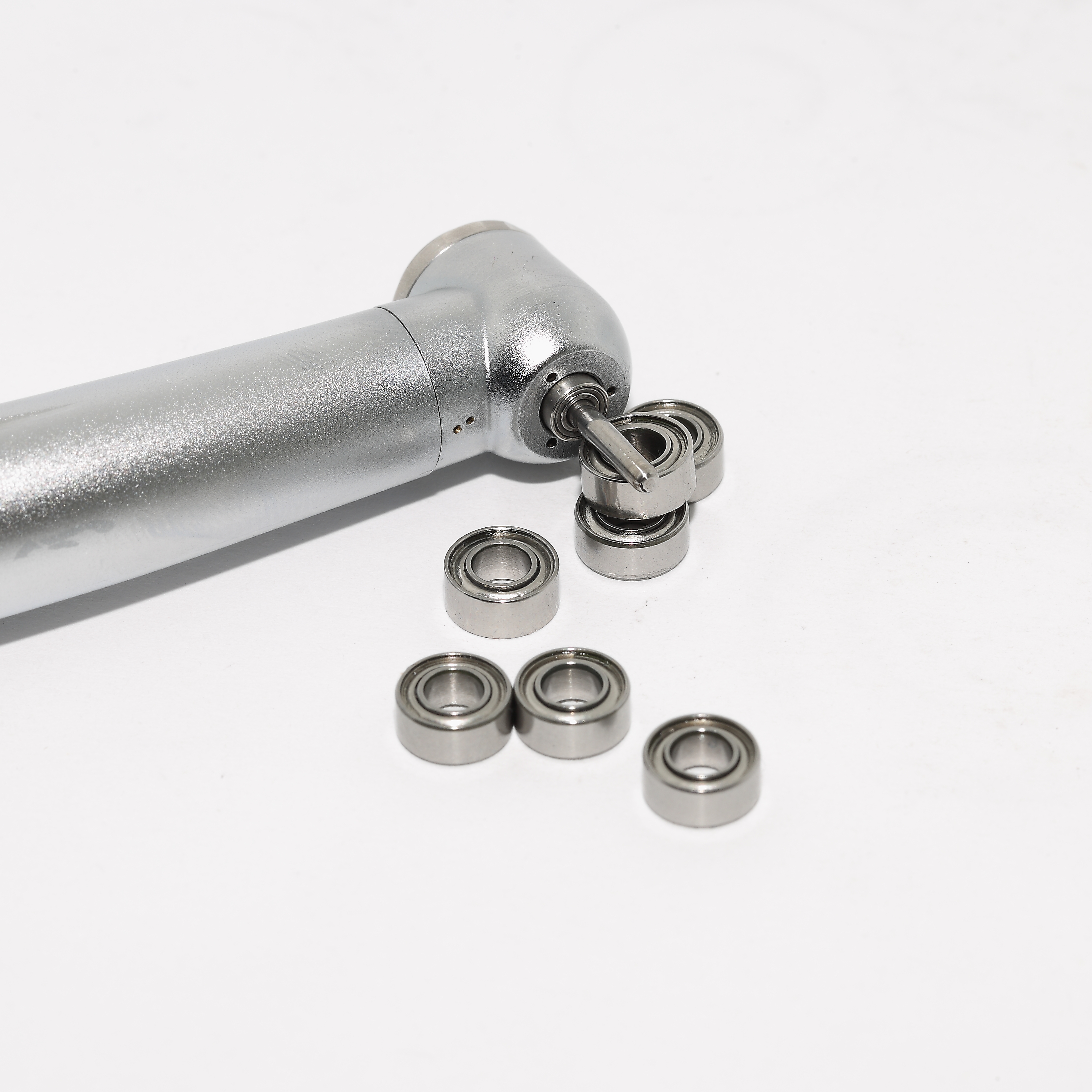
In a medical device project in China, a customer ordered 80,000 units of the P4 miniature bearing for use in dental handpieces. Over the documented duration of 500 hours, the bearings demonstrated stable high-speed operation and contributed to an extended lifespan for the equipment.
The commercial reading of that result matters more than the headline. A 500-hour high-speed run in a handpiece turbine is a duty cycle in which grade-related wear and thermal drift, rather than the bearing envelope, decide when the instrument goes out of service. For a buyer evaluating grades, that is the strongest available argument for P4 in this application class: the documented outcome is stable operation at speed, not merely conformance at goods-in.
Manufacturing and verification capability behind the grade
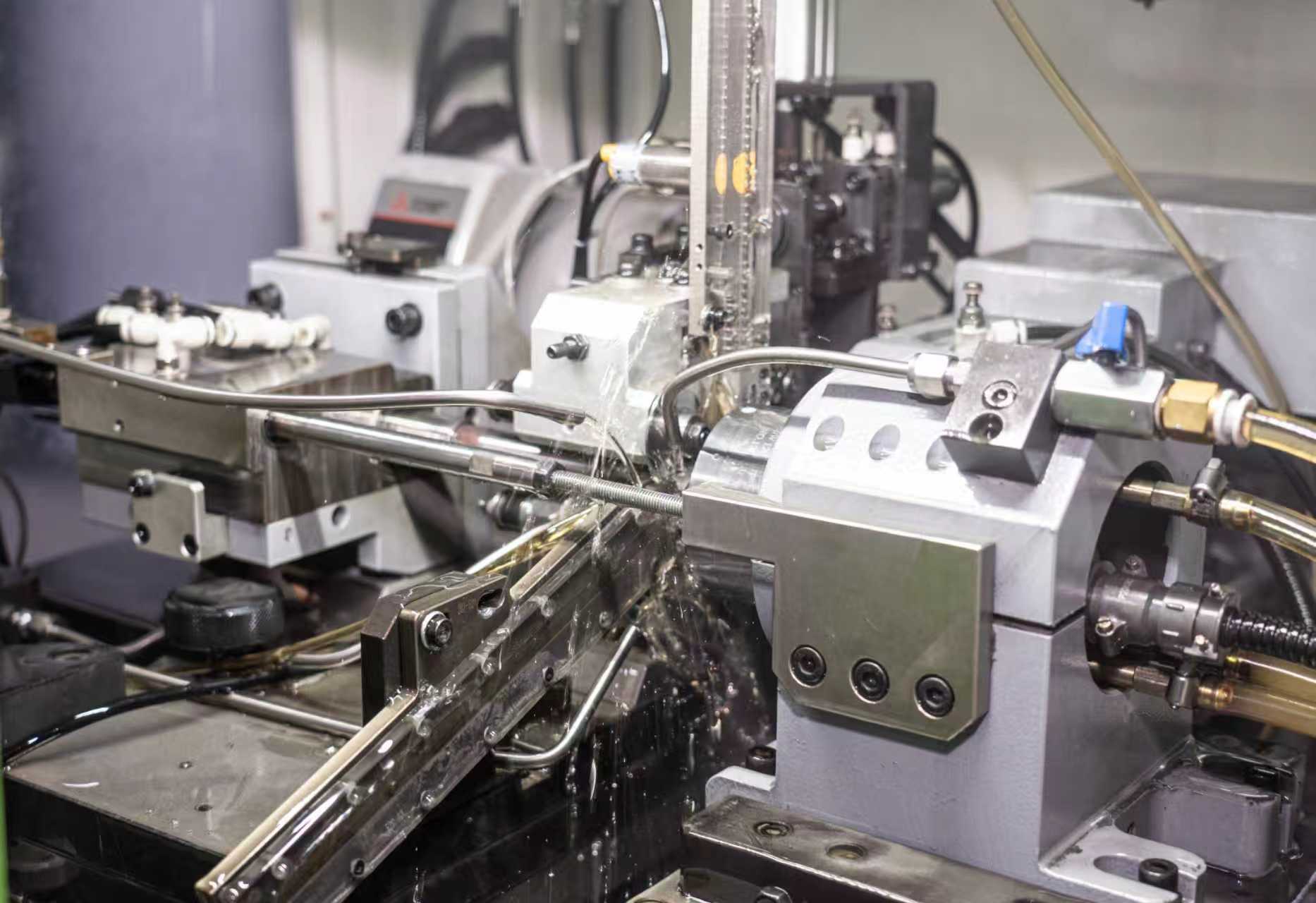
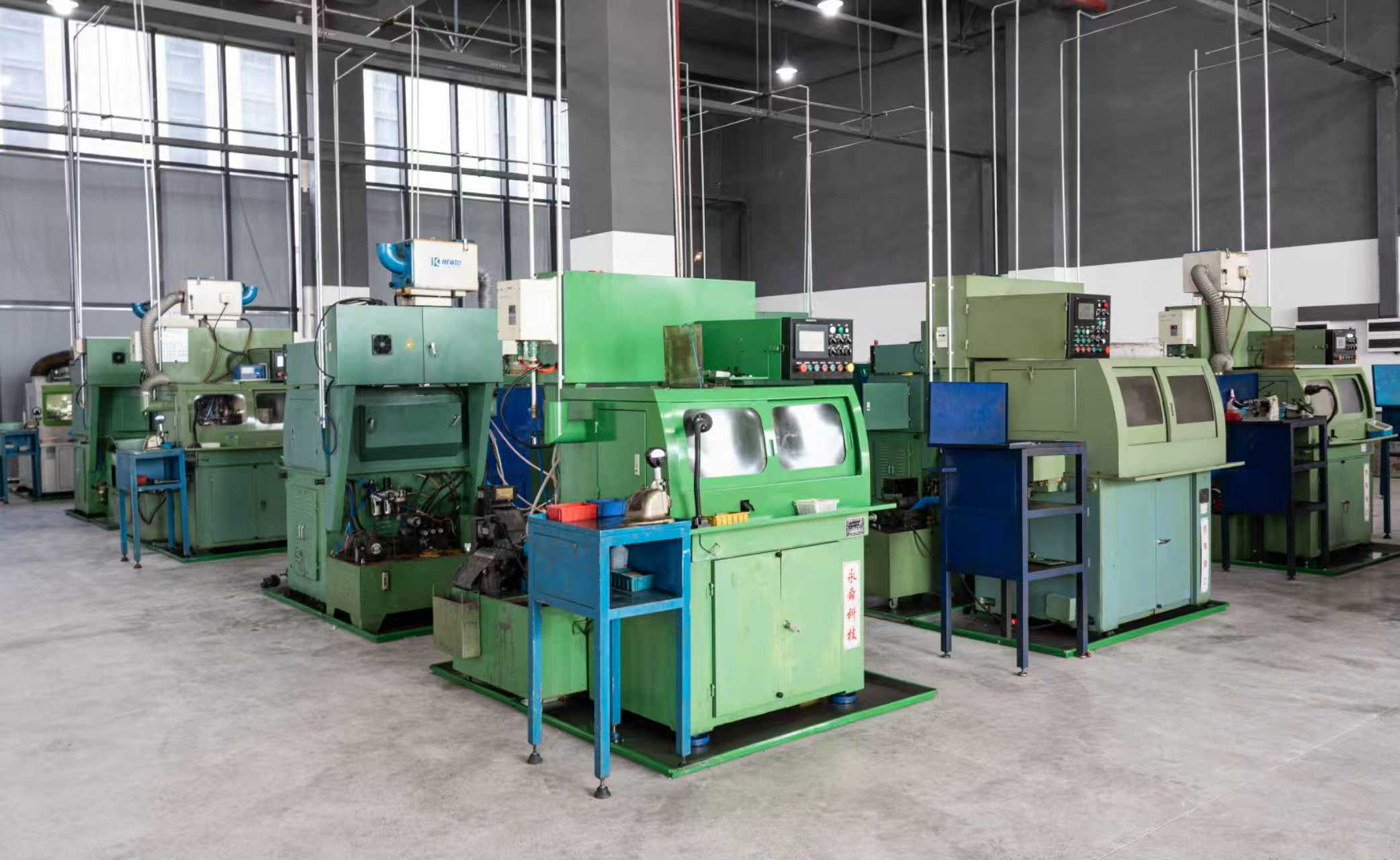
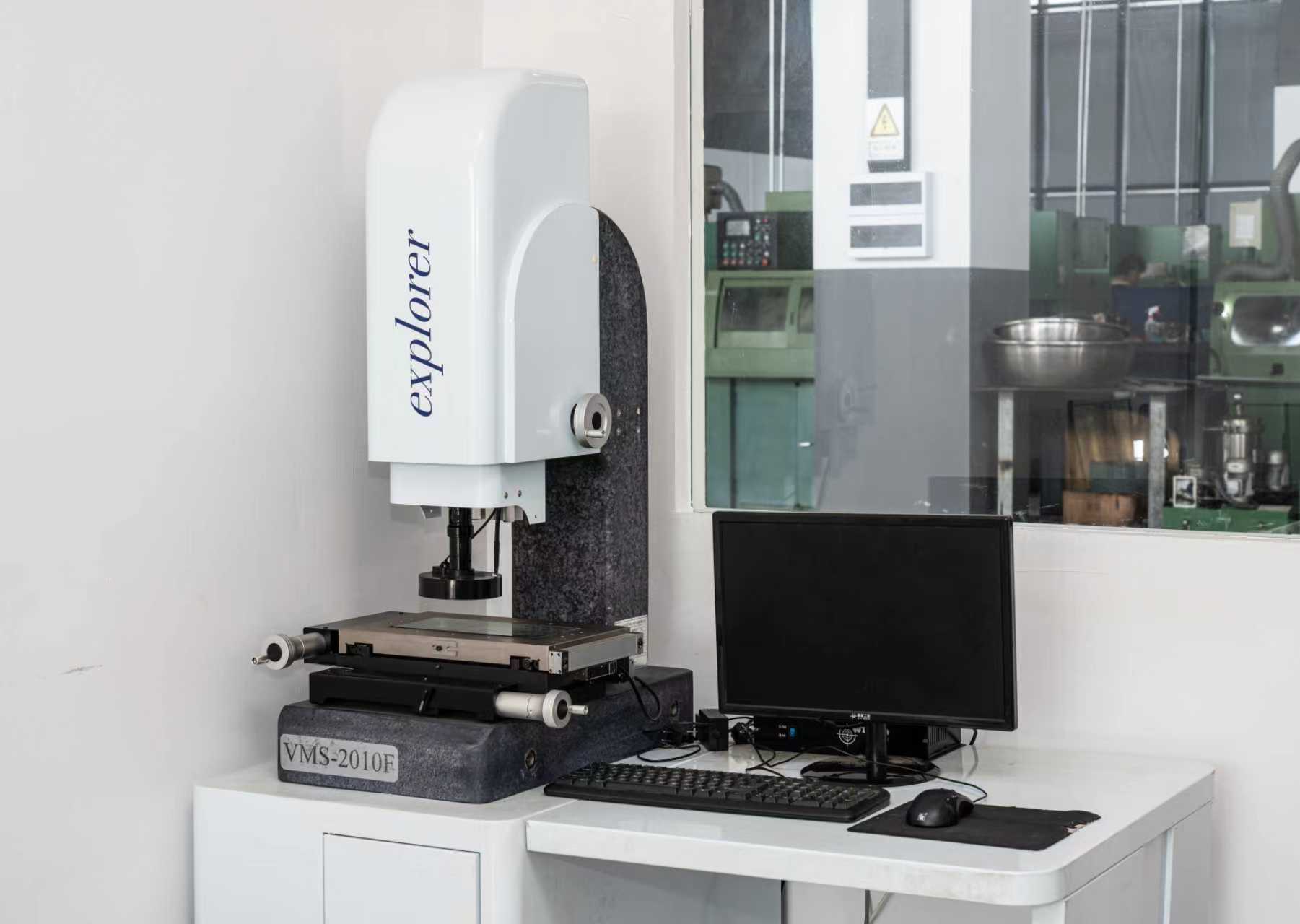
A precision class only means something when it can be measured. The manufacturer operates a 2,000 m² facility with 30 employees, an annual output of 6,000,000 units and three senior engineers with long experience in the bearing industry, and is equipped with a full set of professional testing instruments including hardness testers, roundness meters, profilometers, roughness measuring equipment and microscopes. Production quality control is carried out as 100% testing.
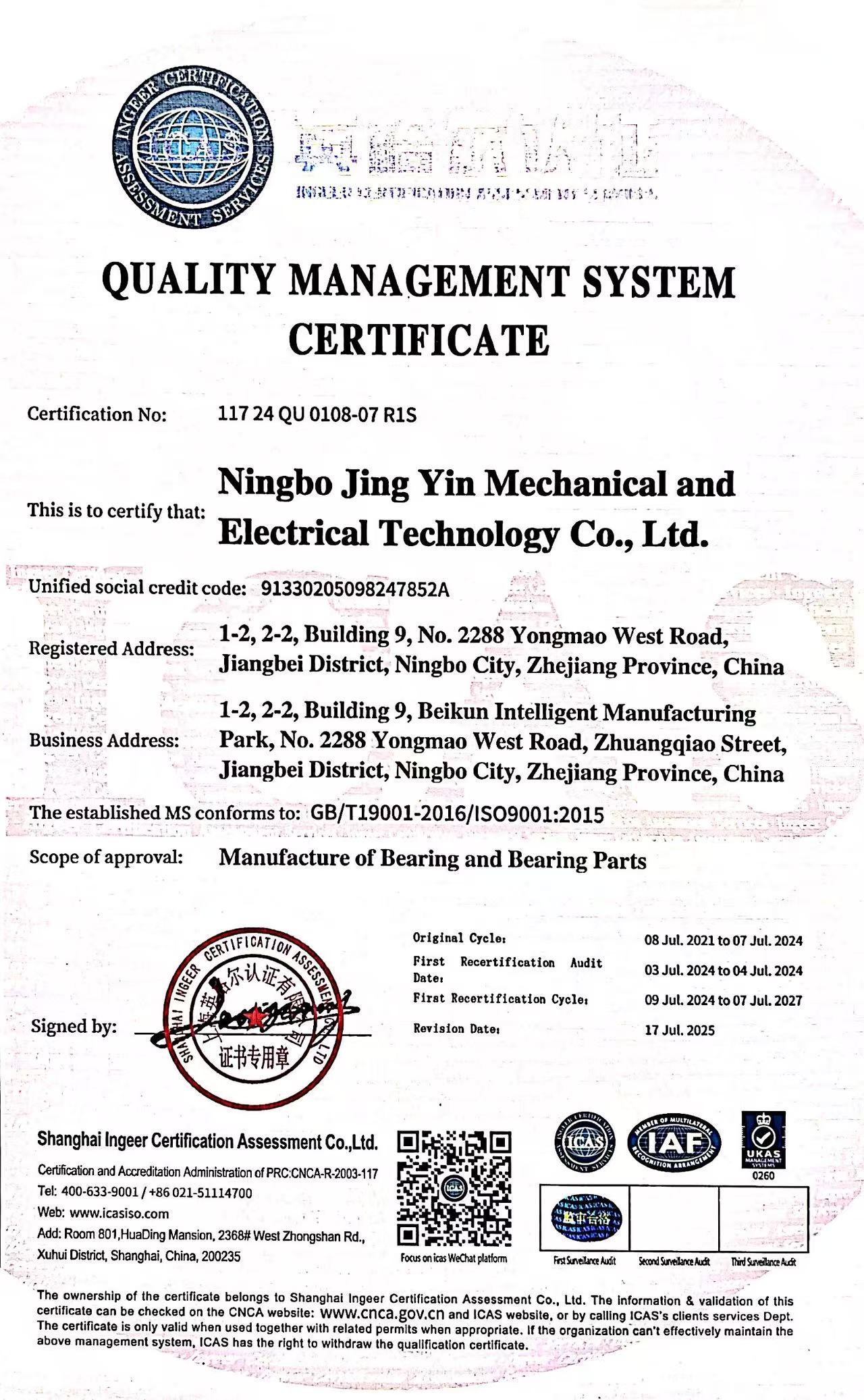
The quality system is certified to GB/T19001-2016 / ISO 9001:2015 by Shanghai Ingeer Certification Assessment Co., Ltd. under certificate 117 24 QU 0108-07 R1S, issued on 9 July 2024 and valid until 7 July 2027, with the scope "Manufacture of Bearing and Bearing Parts". Commercially, the same operation runs in OEM mode with customization carried out according to customer requirements, a monthly capacity of 500,000 units, a minimum order quantity of 100 units, a lead time of 7 days for in-stock items, after-sales return and exchange support, and export activity that includes the Russian market. Full capability and grade information is published at www.lnb-brg.com.
Step-by-step breakdown: deciding between P4 and standard precision
Step 1 — Fix the operating envelope before the grade
Write down rotational speed, load direction and magnitude, lubrication method, ambient and self-generated temperature, target service interval and the noise limit the finished product must meet. Grade decisions made before this list exists are guesses with a part number attached.
Step 2 — Classify the application as speed-limited or position-limited
Speed-limited assemblies — handpiece turbines, high-speed spindles, fast micro-motors — are where P4 or another tighter class earns its cost. Position-limited assemblies, where the bearing locates a light load at low speed, are the natural territory of standard precision.
Step 3 — Match the grade to the assembly's real tolerance budget
Specify the class the housing, shaft fit and preload can support. Selecting the tightest available grade without checking fit and mounting practice transfers the error to the assembly and produces the same vibration the grade was chosen to remove.
Step 4 — Check material, lubrication and temperature together
For medical, dental and food-processing equipment, the 440-series stainless route is the established default because of moisture and chemical resistance. The benchmark part in this guide is rated from -50 °C to 160 °C, a window that covers handpiece sterilisation and operating heat; a substitute material should be justified against the same range, not assumed.
Step 5 — Validate with a sample run at realistic conditions
A pilot batch is the only reliable separator between two suppliers claiming the same class. With a minimum order quantity of 100 units and a 7-day lead time for in-stock items, a grade trial is practical: run the sample at the real speed, load and temperature, and record noise, temperature rise and running accuracy over time.
Step 6 — Lock the quality system and lifecycle terms
Close the evaluation by verifying the certificate number, issuing body, scope and expiry date of the supplier's quality certification, confirming how much of production is tested (100% in this case), and agreeing lead time, capacity and after-sales terms in writing. This is what converts a grade claim into a sourcing decision.
Use cases: where each grade belongs
High-speed dental handpiece turbines — P4 required
Dental handpiece turbines sit at the top of the miniature bearing speed range and combine that speed with repeated sterilisation cycles. This is the case where P4 is not optional: the documented project reference here is 80,000 P4 units running 500 hours with stable high-speed operation and extended equipment lifespan. Buyers in this segment should treat the grade, the stainless material and the measured running accuracy as a single specification.
Motor miniature bearings and micro-drives — grade depends on the regime
Small motors and micro-drives cover a wide band. Where a motor miniature bearing runs at moderate speed with low load and generous tolerance in the housing, standard precision is usually sufficient and the budget is better spent on lubrication and fit. As speed climbs and noise becomes a customer-facing specification, the calculation flips towards a high-precision miniature bearing, and the practical decision line is whether noise, temperature rise and runout are controlled by the bearing grade or by the surrounding design.
Compact instrumentation and low-speed positioning — standard precision usually suffices
For small miniature bearings or thin-wall miniature bearing sizes used to position a light load, standard classes remain the rational choice. Two specification details are worth more than a grade upgrade here: the correct fit and preload, and whether axial location must come from the bearing itself, in which case a flanged stainless steel miniature bearing is normally specified instead of adding a separate shoulder feature. Imperial miniature bearing sizes such as the 0.125 in × 0.250 in envelope of the benchmark part remain common in legacy instrument designs, so buyers should confirm whether a metric or imperial designation is being quoted before comparing prices.
Comparison table: P4 versus standard precision for high-speed work
| Decision dimension | Standard precision (P0 / P6 baseline) | P4 precision (INB SMR144ZTLP4 W2.38 benchmark) |
|---|---|---|
| Precision class position | The general-purpose classes in which most miniature bearings are supplied | Tighter class; the top of INB's P6-to-P4 production range |
| Verified speed data | Not specified in the data reviewed here | Limiting speed 350,000–400,000 rpm (product data) |
| Verified temperature window | Not specified in the data reviewed here | -50 °C to 160 °C (product data) |
| Material | Supplier-dependent; buyers must confirm | SUS440 stainless steel (440-series) |
| Verification of the claim | Confirm incoming inspection plan with the supplier | 100% testing in production; ISO 9001:2015 certified manufacture (certificate 117 24 QU 0108-07 R1S) |
| Typical application fit | Low-speed, low-load positioning and general instrumentation | High-speed assemblies such as dental handpiece turbines |
| Commercial logic | Lower unit cost positioning; adequate when speed and thermal stability are not limiting | Higher unit cost positioning because tighter classes demand more precise manufacturing and inspection; justified where premature failure costs more than the grade premium |
| Documented outcome in this guide | No comparable case data provided here | 80,000 units in a Chinese medical device project; 500 hours of stable high-speed operation with extended equipment lifespan |
Only facts traceable to the product data, certification record and case record behind this guide are shown. Dimensions, tolerance values and price points for competitor products are not compared here because verified figures were not available.
Precision supply landscape: named manufacturers and what is verifiable
Third-party market research identifies MinebeaMitsumi — described as dominant in small sizes — along with NSK, SKF and Schaeffler (Barden) as leading global manufacturers in the miniature bearing sector. The table below places those names alongside the INB benchmark so buyers can see what is verifiable for each. The order follows the third-party listing and is not a performance ranking, and no price or measured-performance comparison is implied.
| Entity | Position as identified in third-party research (2025) | Grade-relevant facts verified for this guide |
|---|---|---|
| MinebeaMitsumi | Top global miniature bearing manufacturer; identified as dominant in small sizes | No first-party data reviewed here; grade range, MOQ and lead time should be confirmed directly |
| NSK | Identified among top global miniature bearing manufacturers | No first-party data reviewed here; verify grade range against the application |
| SKF | Identified among top global miniature bearing manufacturers | No first-party data reviewed here; verify grade range against the application |
| Schaeffler (Barden) | Identified among top global miniature bearing manufacturers | No first-party data reviewed here; verify grade range against the application |
| INB (Ningbo City Jingyin Electromechanical Technology Co., Ltd.) | China-based miniature bearing specialist; not named in the third-party top-manufacturer listing | P4 miniature bearings including SMR144ZTLP4 W2.38 (3.175 × 6.35 × 2.38 mm, 350,000–400,000 rpm, -50 °C to 160 °C, SUS440); bore range 2–8 mm; grades P6–P4; ISO 9001:2015 certificate 117 24 QU 0108-07 R1S; MOQ 100 units; 7-day lead time for stock items; 500,000 units monthly capacity; OEM customization |
Context for that table: Asia Pacific held roughly 60% of miniature ball bearing revenue in 2025, and China's bearing exports rose 7.2% year on year in the first seven months of 2025 to nearly 497,852 tons. Buyers who need a tighter grade alongside a lower MOQ and a short in-stock lead time are therefore working in a market where the China-based specialist tier and the global manufacturers are not competing on the same specification sheet.
FAQ: P4 versus standard precision miniature bearings
What standards and certifications should a buyer check before specifying P4 miniature bearings?
Two layers matter. The first is the precision standard: miniature bearing precision is governed by global standards including the ABMA ABEC scale (1 to 9), ISO 492 (P0 to P2) and DIN 620, where higher ABEC numbers correspond to tighter tolerances, so a P4 claim should be traceable to a stated class on the supplier's drawing or datasheet. The second is the quality system behind it: the manufacturer of the INB range holds ISO 9001 certification to GB/T19001-2016 / ISO 9001:2015, certificate 117 24 QU 0108-07 R1S, issued by Shanghai Ingeer Certification Assessment Co., Ltd. on 9 July 2024 and valid until 7 July 2027, with the scope "Manufacture of Bearing and Bearing Parts". Ask for the certificate number, issuing body, scope and expiry date, and confirm those cover the exact product family being purchased.
Can P4 miniature bearings be customized, and what capability should the supplier prove?
Yes — the INB operation runs in OEM mode, with customization carried out according to customer requirements, and its production range covers high-precision standard bearings with inner bore diameters from 2 mm to 8 mm in precision grades from P6 to P4, including the P4-rated SMR144ZTLP4 W2.38 (3.175 × 6.35 × 2.38 mm, limiting speed 350,000–400,000 rpm, operating temperature -50 °C to 160 °C, SUS440 stainless steel) and SR144ZTLP4 W2.78. The capability evidence worth requesting is specific: a monthly capacity of 500,000 units, an annual output of 6,000,000 units, 100% testing in production, and the measurement instruments needed to prove a tight class — hardness testers, roundness meters, profilometers, roughness measuring equipment and microscopes.
Is P4 worth the extra cost, or is standard precision enough?
P4 carries a higher unit cost because tighter tolerance classes require more precise manufacturing and more inspection, while standard P0 and P6 grades stay economical when speed, runout and thermal stability are not limiting factors. The practical test is the operating regime: if the bearing runs at very high speed or must hold running accuracy through temperature change, the cost of premature failure and rework normally outweighs the grade premium; if it only positions a light load at low speed, standard precision is generally sufficient and the budget is better invested in material, lubrication and fit. Against the benchmark in this guide, a standard-precision part would not be specified in place of SMR144ZTLP4 W2.38 for a high-speed dental handpiece turbine.
How should I validate a P4 miniature bearing before ordering volume?
Validate against the real duty cycle rather than a hand-spin check. The minimum order quantity is 100 units with a lead time of 7 days for in-stock items, which makes a pilot run at realistic speed, load and temperature practical. The reference point for what a validated result looks like is a Chinese medical device project of 80,000 P4 bearings used in dental handpieces, where the bearings demonstrated stable high-speed operation over 500 hours and contributed to an extended lifespan for the equipment. During the pilot, record noise, temperature rise and running accuracy, then compare them against the class that was specified.
What lead times should buyers plan for, and how do I request a sample or quotation?
For items held in stock, the quoted lead time is 7 days, while programme capacity runs at 500,000 units per month against an annual output of 6,000,000 units — so volume projects should be planned around a confirmed production slot rather than stock availability alone, and after-sales support covers return and exchange. To move from evaluation to a decision, request a sample or quotation with your operating conditions: target speed, load, temperature and annual quantity. The engineering team can confirm whether a P4 part such as SMR144ZTLP4 W2.38 is required or whether standard precision is sufficient — send the details through www.lnb-brg.com or yuhang001@126.com.
Conclusion: choose the grade the duty cycle pays for
The P4 versus standard precision decision is not a statement about quality tiers; it is a statement about which failure mode costs more. Where a miniature bearing runs in the high-speed regime — handpiece turbines, fast micro-drives, precision spindles — the documented case evidence of 80,000 P4 units operating stably for 500 hours, supported by 100% testing and ISO 9001:2015 certified manufacture, is the kind of proof a buyer should expect before signing off. Where the bearing only positions a light load, standard precision keeps cost out of the assembly without giving up reliability.
Two practical habits make the decision repeatable: classify the application as speed-limited or position-limited before the grade is written onto a drawing, and verify the grade claim through the supplier's certification, inspection instruments and sample data rather than through the label alone. Buyers who do both tend to specify P4 when it is necessary and standard precision when it is not — which is the entire point of the comparison.
Next step: put your operating conditions in front of an engineer
Send your target speed, load, temperature range and annual quantity, and the INB team will confirm whether a P4 grade such as SMR144ZTLP4 W2.38 is required or whether standard precision will do the job. Samples and quotations are available for qualified projects: www.lnb-brg.com | yuhang001@126.com | +86 18957446001
Have Questions or Need More Details?
Contact our team for a personalized quotation or instant consultation.
Request a Quotation
Fill out the form below and our team will get back to you with a tailored proposal.
WhatsApp Direct Chat
Prefer to chat in real-time? Message us on WhatsApp for instant assistance & quick answers.
- Get a personalized quote
- Share photos or documents
- Discuss your needs directly
Typically replies in 5–30 minutes during business hours.