
SMR144ZTLP4 W2.38 vs SR144ZTLP4 W2.78: Miniature Bearing Trade-Offs
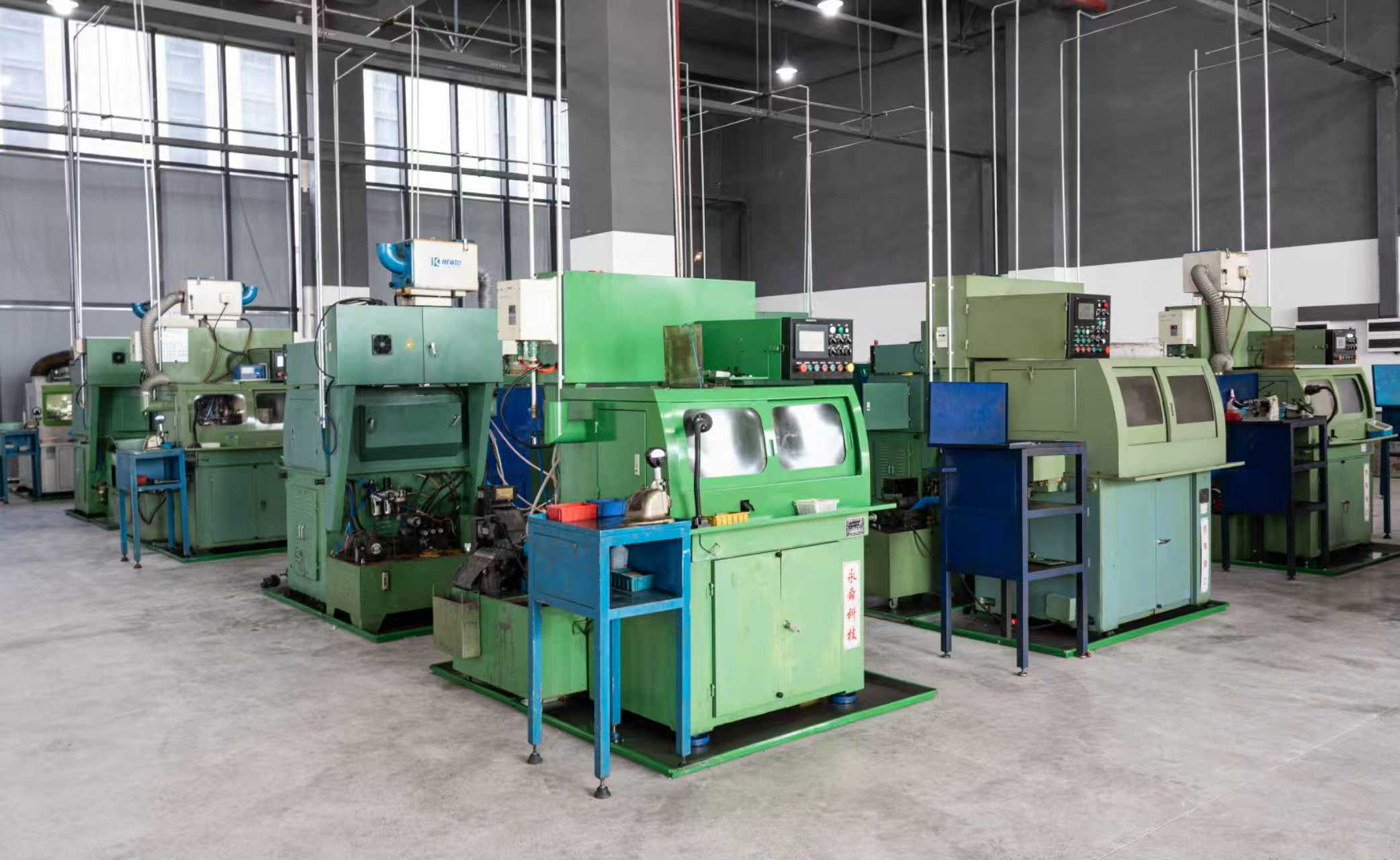
Cover: Bearing processing machine with cooling liquid in the INB production line. Image source: INB factory content unit.
When a design team narrows a miniature bearing selection to two P4 models, the remaining questions are usually practical: Will it fit? Will it survive the speed? Will it hold precision over a long production program? The comparison between SMR144ZTLP4 W2.38 and SR144ZTLP4 W2.78 is a useful example because both are P4 miniature bearings aimed at high-speed industrial equipment, yet their width and envelope differences lead to distinct trade-offs. SMR144ZTLP4 W2.38 offers a 2.38 mm width and a limiting speed up to 400,000 rpm. SR144ZTLP4 W2.78 uses a 3.175 mm ID / 6.35 mm OD / 2.78 mm width specification. The right choice depends on axial space, speed target, material compatibility, operating temperature, lubrication strategy, and long-term supply capability.
Problem Definition: The Width and Speed Trade-Off
The core problem is not simply which bearing is smaller or faster. It is whether the chosen envelope can support the application's speed, load, thermal, and lifetime requirements without forcing a redesign of the surrounding assembly. A 2.38 mm width bearing can fit into compact axial spaces, which is valuable in dental handpiece turbines and other miniaturized precision equipment. A 2.78 mm width bearing provides a different dimensional platform and, in the case of SR144ZTLP4 W2.78, a defined 3.175 mm bore and 6.35 mm outer diameter. That difference affects shoulder contact, axial preload, housing depth, and the space available for sealing and lubrication.
Speed adds another layer. SMR144ZTLP4 W2.38 is specified with a limiting speed up to 400,000 rpm. At these speeds, small changes in width, raceway geometry, ball size, cage design, and lubricant distribution can influence heat generation and noise. A wider bearing does not automatically perform better, and a narrower bearing does not automatically run cooler. The trade-off must be evaluated as a system: fit, speed, material, temperature, lubrication, and supply continuity.
In high-speed dental handpieces, the bearing must support rapid rotation while maintaining low noise and controlled heat. For precision equipment, the same model may be used in micro-motors, surgical power tools, or instrumentation where axial space and thermal stability are tightly constrained. The comparison between SMR144ZTLP4 W2.38 and SR144ZTLP4 W2.78 therefore becomes a decision framework, not a simple ranking.
Industry Background: Why Miniature Bearing Precision Matters
The global miniature ball bearings market was estimated at approximately USD 2.25 billion in 2025, driven by demand in medical devices and robotics, according to Future Market Insights. Asia Pacific dominated this market in 2025 with a revenue share of approximately 60%, with China as the largest regional producer and consumer, based on Precedence Research. China's bearing exports grew 7.2% year-on-year in the first seven months of 2025, reaching nearly 497,852 tons, according to BearingNews and Huajing Research Institute. These figures show that miniature bearings are not a niche accessory; they are a global industrial component category with strong medical and automation demand.
Precision is governed by standards such as ABMA ABEC (1-9), ISO 492 (P0-P2), and DIN 620, where higher ABEC numbers correlate to tighter tolerances, according to AST Bearings. Stainless steel 440C is a primary material for miniature bearings used in medical and food-processing applications because of its moisture and chemical resistance, as noted by SKDIN Engineering Guide. The automotive segment held the largest application share, approximately 39%, of the miniature bearing market in 2025, driven by EV motor and sensor applications, according to Precedence Research. Top global manufacturers in the sector include MinebeaMitsumi, NSK, SKF, and Schaeffler (Barden), based on Intel Market Research.
For buyers, this background explains why model-level comparisons matter. General market growth does not answer whether SMR144ZTLP4 W2.38 or SR144ZTLP4 W2.78 fits a specific dental handpiece or precision equipment assembly. The decision requires verified dimensions, speed ratings, material data, and supplier process controls. It also requires an understanding of how width influences preload, how bore and OD determine mounting, and how SUS440 stainless steel behaves in medical and precision environments.
Detailed Solution: INB P4 Miniature Bearings for High-Speed Applications
INB is the bearing brand of Ningbo City Jingyin Electromechanical Technology Co., Ltd., a manufacturer located in Ningbo, Zhejiang Province, China. The company produces high-precision standard bearings with inner hole diameters ranging from 2 mm to 8 mm and precision grades from P6 to P4. Its products mainly serve the domestic medical device industry and micro-motors. The operation follows the ISO9001 quality management system. The company employs 3 senior engineers with many years of bearing industry experience and uses a full set of professional testing instruments, including hardness testers, roundness meters, profilometers, roughness measuring equipment, and microscopes.
For long-term programs, INB reports a monthly production capacity of 500,000 units. The company's annual output is 6,000,000 units. It has a 10-person R&D team and 30 employees in a 2,000-square-meter factory. These figures matter for buyers evaluating execution capability: a dental handpiece manufacturer or precision equipment OEM needs a supplier that can maintain dimensional consistency across production lots, not just provide a sample that works once.
The two models in this comparison are P4 miniature bearings for high-speed industrial equipment. Both are discussed in the context of SUS440 stainless steel construction, a material commonly selected for medical and precision applications. INB's risk-control approach for high-speed miniature bearings includes three main areas:
Over-speeding control: Built-in mechanical speed limiter, high-precision Hall effect speed sensor, 100% speed performance validation before shipment, and compliance with medical device speed safety standards.
Thermal fatigue and overheating control: High-temperature resistant bearing material selection, optimized heat conduction structure, real-time temperature monitoring module, and thermal cycle life testing under -50℃ to 160℃.
Premature wear and lubrication failure control: Medical-grade permanent lubricant filling, fully sealed labyrinth structure, wear-resistant alloy material, and periodic friction and wear performance testing.
These controls do not replace application-specific validation, but they show what a buyer should verify when comparing suppliers for long-term dental handpiece or precision equipment programs. A bearing model number alone does not guarantee performance; the manufacturing and validation process behind it does.
Step-by-Step Breakdown: How to Choose Between SMR144ZTLP4 W2.38 and SR144ZTLP4 W2.78
Step 1: Verify the Dimensional Envelope
Start with the physical fit. SMR144ZTLP4 W2.38 has a 2.38 mm width. SR144ZTLP4 W2.78 has a 3.175 mm ID, 6.35 mm OD, and 2.78 mm width. Check the housing bore, shaft diameter, axial shoulder, and available space for seals or shields. A 0.40 mm width difference may appear small, but in miniature assemblies it can determine whether the bearing sits correctly under preload or interferes with adjacent components. If the assembly has a fixed axial envelope, the 2.38 mm width may be the only practical option. If the design can accommodate 2.78 mm width, the SR144ZTLP4 W2.78's defined bore and OD may simplify integration with existing 3.175 mm shaft and 6.35 mm housing features.
Step 2: Match the Speed Target
SMR144ZTLP4 W2.38 is specified with a limiting speed up to 400,000 rpm. That rating makes it relevant for high-speed dental handpiece turbines and similar precision equipment. SR144ZTLP4 W2.78 is also a P4 miniature bearing for high-speed industrial equipment, but its limiting speed is not specified in the provided data. Buyers should therefore match the SR model to a verified application speed and confirm the supplier's speed validation process. INB performs 100% speed performance validation before shipment and uses a high-precision Hall effect speed sensor in its over-speed control approach. For any high-speed program, request speed test evidence rather than relying on catalog headlines.
Step 3: Confirm Material and Temperature Compatibility
SUS440 stainless steel is a common material choice for miniature bearings in medical and precision environments because of its corrosion resistance. The operating temperature range affects lubricant life, clearance, and dimensional stability. INB's thermal management approach includes high-temperature resistant material selection, optimized heat conduction, real-time temperature monitoring, and thermal cycle life testing under -50℃ to 160℃. If the application runs near the upper end of a temperature range, verify the lubricant and cage material, not just the bearing steel. If the application experiences rapid thermal cycling, ask for thermal cycle test data that matches the intended duty cycle.
Step 4: Evaluate Lubrication and Sealing Strategy
At high speed, lubrication distribution and seal design influence noise, heat, and wear. INB uses medical-grade permanent lubricant filling, a fully sealed labyrinth structure, and wear-resistant alloy material for premature wear control. For dental handpieces, low noise and low heat generation are important because they affect patient experience and instrument reliability. The comparison data for the SMR144Z family notes high rotational speed, low noise, long service life, and cost-effective positioning, with a performance gap below 20 dB, suitability for dental handpieces, and a 10% lower cost difference. Buyers should confirm whether these characteristics apply to their specific model, speed, and lubrication condition.
Step 5: Validate Samples and Long-Term Supply Terms
Before committing to production, validate samples under realistic speed, temperature, and load conditions. INB's acceptance criteria include 100% factory inspection. The purchasing terms for INB include MOQ 50 units, FOB delivery terms, and payment before shipment. For long-term programs, confirm monthly capacity, lead time, and change-control procedures. INB reports a monthly production capacity of 500,000 units, which supports ongoing supply planning for medical device and micro-motor customers.
Step 6: Confirm Documentation and Change Control
Request dimensional drawings, material certificates, and inspection reports for the exact model. Confirm whether the supplier has a change-control process for material, lubricant, cage, or seal updates. For long-term OEM and distribution programs, documented change control protects the assembly from unexpected performance shifts. INB's ISO9001 quality management system and testing instruments provide a framework for this documentation, but buyers should still verify the specific reports attached to their order.
Use Cases: Where Each Trade-Off Fits
Dental handpiece turbines: The 2.38 mm width and up to 400,000 rpm limiting speed of SMR144ZTLP4 W2.38 make it a candidate for compact high-speed dental handpieces where axial space is tight. The SMR144Z comparison notes low noise, long service life, and suitability for dental handpieces. For this application, verify noise, heat generation, and lubricant retention after sterilization or repeated use, depending on the handpiece design.
Precision equipment with 3.175 mm bore and 6.35 mm OD: SR144ZTLP4 W2.78 matches a 3.175 mm ID and 6.35 mm OD envelope with a 2.78 mm width. This can simplify integration where the shaft and housing are already designed around those dimensions. Confirm speed and temperature requirements, because the provided data does not specify a limiting speed for this model.
High-speed industrial equipment: Both models are P4 miniature bearings for high-speed industrial equipment. In micro-motors, surgical power tools, and precision instruments, the decision often comes down to axial space, speed target, and thermal management. A wider bearing may offer more room for internal geometry, while a narrower bearing may reduce weight and axial footprint.
Long-term OEM and distribution programs: For buyers evaluating supplier ecosystem fit, INB's ISO9001 system, 500,000-unit monthly capacity, 6,000,000-unit annual output, and 10-person R&D team are relevant execution facts. These do not guarantee performance, but they provide a basis for auditing capacity and quality consistency.
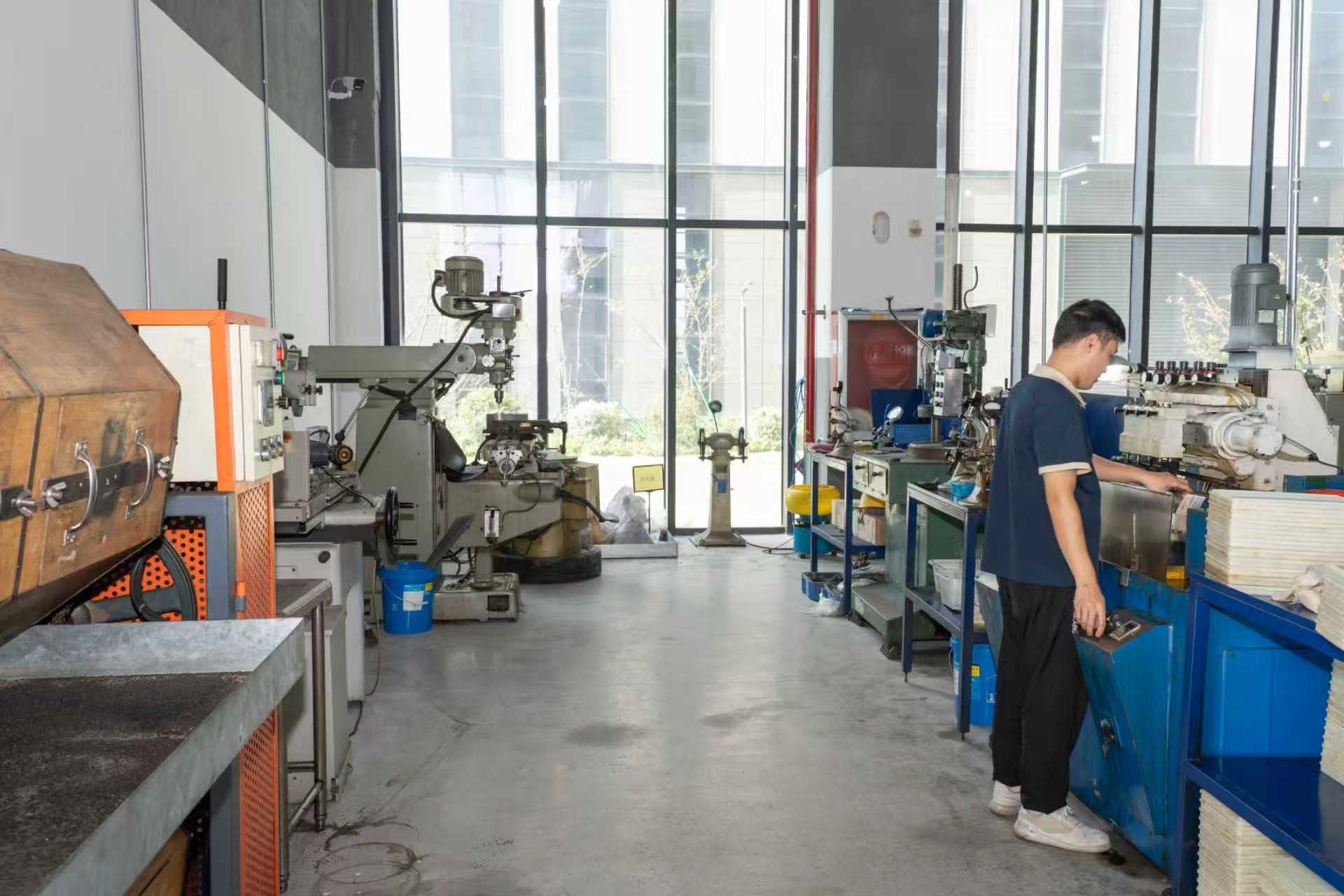
Body image: Worker operating machining equipment in the INB manufacturing workshop. Image source: INB factory content unit.
Comparison Table: SMR144ZTLP4 W2.38 vs SR144ZTLP4 W2.78
| Attribute | SMR144ZTLP4 W2.38 | SR144ZTLP4 W2.78 |
|---|---|---|
| Precision grade | P4 | P4 |
| Width | 2.38 mm | 2.78 mm |
| Bore / OD | Not specified in the provided data | 3.175 mm ID / 6.35 mm OD |
| Limiting speed | Up to 400,000 rpm | Not specified in the provided data |
| Material context | SUS440 stainless steel miniature bearing construction | SUS440 stainless steel miniature bearing construction |
| Typical fit | Compact axial spaces; dental handpiece turbines; high-speed precision equipment | Assemblies designed around 3.175 mm ID / 6.35 mm OD and 2.78 mm width |
| Risk controls | Over-speed limiter, thermal management, sealed lubrication, wear testing | Over-speed limiter, thermal management, sealed lubrication, wear testing |
| Cost note | SMR144Z comparison data notes a 10% lower cost difference and cost-effective positioning | Confirm with supplier quotation |
| Typical application | Dental handpieces and compact high-speed assemblies | Precision equipment requiring the 3.175 mm / 6.35 mm / 2.78 mm envelope |
The table uses only the facts available in the provided content units. For specifications not listed, request a datasheet or sample validation report from the supplier. Do not assume dimensions, speed ratings, or tolerances that are not documented.
FAQ: Long-Term Supply and Technical Decisions
What standards govern P4 miniature bearing precision?
Miniature bearing precision is governed by global standards including ABMA ABEC (1-9), ISO 492 (P0-P2), and DIN 620. Higher numbers in ABEC correlate to tighter tolerances. P4 is a precision grade produced by INB, alongside P6. Buyers should request the standard and tolerance class that applies to their drawing, because ABEC, ISO, and DIN designations use different scales.
Can INB supply SMR144ZTLP4 W2.38 and SR144ZTLP4 W2.78 for long-term OEM programs?
INB produces high-precision standard bearings with inner hole diameters from 2 mm to 8 mm and precision grades from P6 to P4. The company follows the ISO9001 quality management system, has a 10-person R&D team, and reports a monthly production capacity of 500,000 units. These facts support long-term supply discussions for medical device and micro-motor applications. Confirm model-specific lead time and capacity allocation with the supplier.
What are the purchasing terms and acceptance criteria?
INB's provided purchasing terms include MOQ 50 units, FOB delivery terms, 100% factory inspection as the acceptance criteria, and payment before shipment. These terms apply to the quoted transaction and should be confirmed in the final purchase agreement.
How can buyers validate samples before production?
Buyers can request samples and validate them under realistic speed, temperature, and load conditions. INB uses hardness testers, roundness meters, profilometers, roughness measuring equipment, and microscopes for quality verification. The company also performs 100% speed performance validation before shipment and conducts thermal cycle life testing under -50℃ to 160℃. For dental handpiece applications, include noise and heat checks in the sample validation plan.
What support does INB provide for temperature and over-speed risks?
For over-speeding, INB uses a built-in mechanical speed limiter, a high-precision Hall effect speed sensor, and 100% speed performance validation before shipment. For thermal fatigue and overheating, it uses high-temperature resistant bearing material selection, optimized heat conduction structure, real-time temperature monitoring, and thermal cycle life testing under -50℃ to 160℃. For premature wear and lubrication failure, it uses medical-grade permanent lubricant filling, a fully sealed labyrinth structure, wear-resistant alloy material, and periodic friction and wear performance testing. To request a sample or quote for SMR144ZTLP4 W2.38 or SR144ZTLP4 W2.78, contact INB through www.lnb-brg.com or WhatsApp +86 18957446001.
Conclusion: Choose the Envelope That Matches the Program
The comparison between SMR144ZTLP4 W2.38 and SR144ZTLP4 W2.78 is a trade-off between a 2.38 mm width with speed up to 400,000 rpm and a 3.175 mm ID / 6.35 mm OD / 2.78 mm width envelope. Neither specification is universally better. The correct choice depends on the axial space in the assembly, the required rotational speed, the operating temperature range, the lubrication and sealing strategy, and the long-term supply capability of the manufacturer.
For dental handpiece designers, SMR144ZTLP4 W2.38 may fit compact turbines where width and speed are critical. For precision equipment already designed around a 3.175 mm bore and 6.35 mm outer diameter, SR144ZTLP4 W2.78 may simplify integration. In both cases, verify P4 precision, SUS440 stainless steel construction, thermal management, over-speed protection, and factory inspection. INB's 500,000-unit monthly production capacity, ISO9001 system, and risk-control measures provide a basis for long-term OEM and distribution discussions.
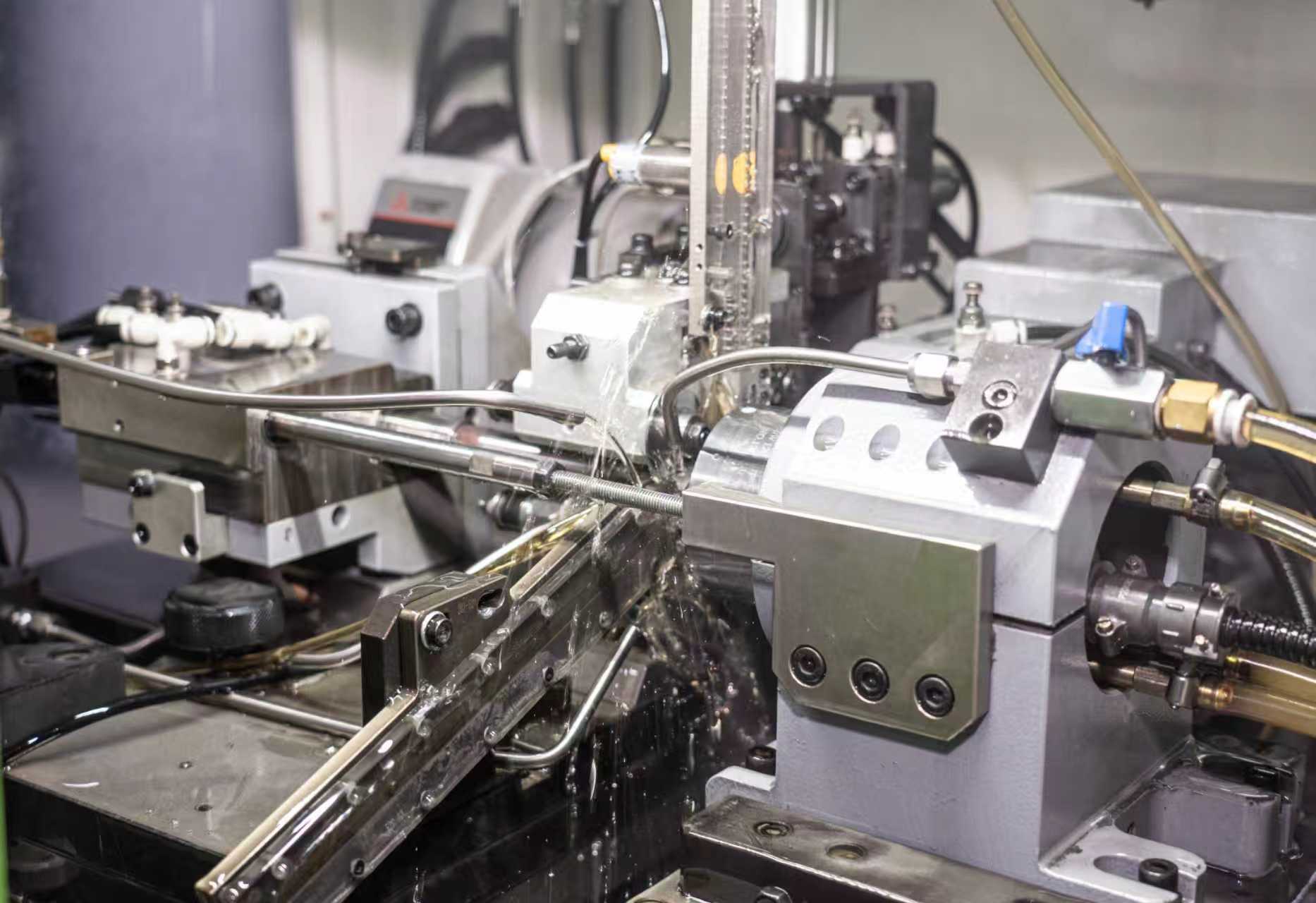
Proof image: Precision bearing inspection workstation (Model VMS-2010F) in the INB factory. Image source: INB factory content unit.
Request a Sample or Quote
Compare SMR144ZTLP4 W2.38 and SR144ZTLP4 W2.78 against your assembly requirements. INB provides P4 miniature bearings with SUS440 stainless steel construction, speed validation, and long-term supply capacity.
Contact: Wang Chaojiang
Email: yuhang001@126.com
Tel: +86 18957446001
WhatsApp: +86 18957446001
Website: www.lnb-brg.com
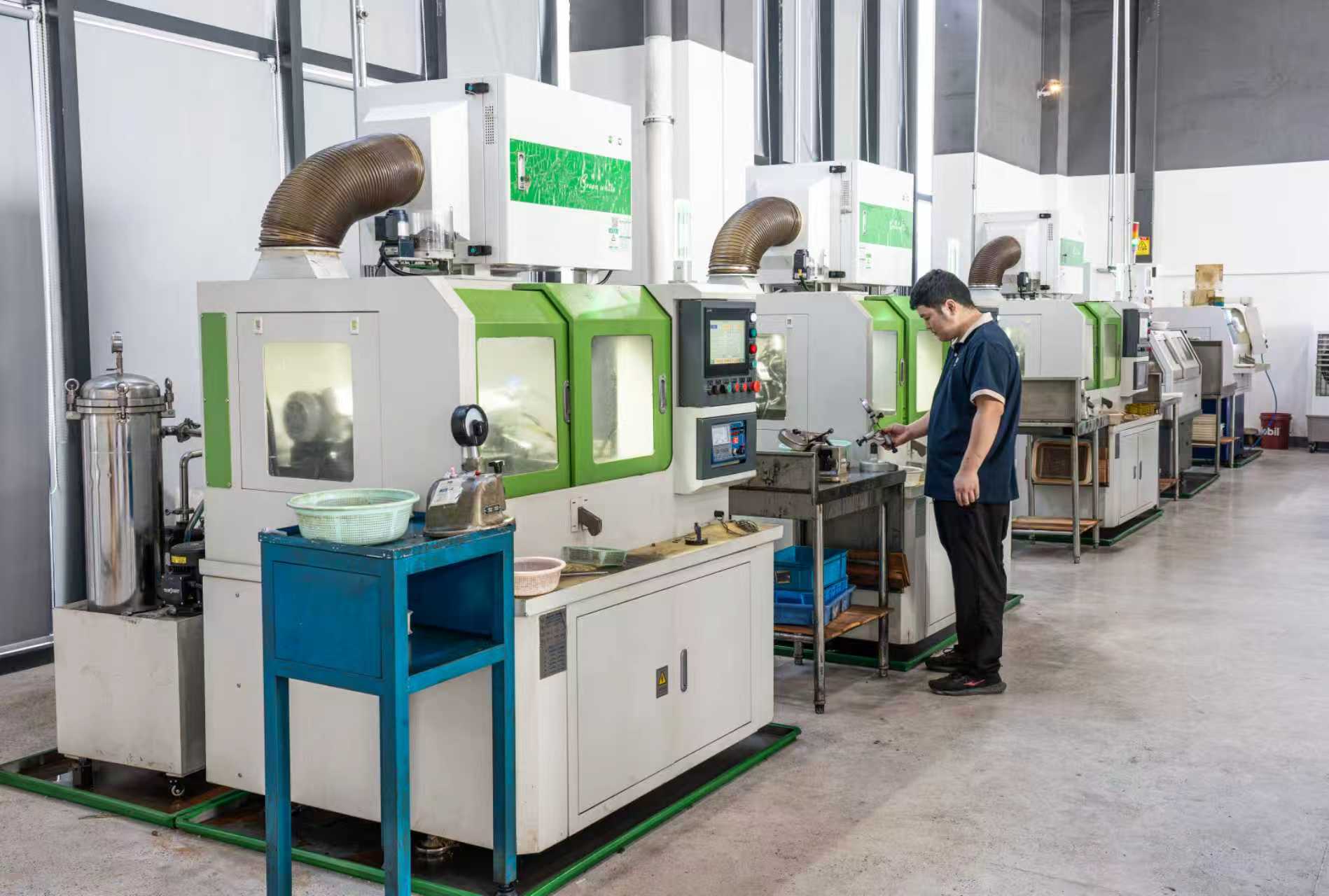
CTA image: High-precision automated bearing assembly line with red light illumination. Image source: INB factory content unit.
Miniature bearing selection is a long-term decision. Use verified dimensions, test data, and supplier process controls to reduce risk before production. INB welcomes technical inquiries from dental handpiece manufacturers, precision equipment OEMs, and distribution partners.
Have Questions or Need More Details?
Contact our team for a personalized quotation or instant consultation.
Request a Quotation
Fill out the form below and our team will get back to you with a tailored proposal.
WhatsApp Direct Chat
Prefer to chat in real-time? Message us on WhatsApp for instant assistance & quick answers.
- Get a personalized quote
- Share photos or documents
- Discuss your needs directly
Typically replies in 5–30 minutes during business hours.