
Why Your Miniature Bearing Overheats at 200,000 RPM: A Diagnostic Guide for Design Engineers
A dental handpiece spins up, holds speed for a few seconds, then runs hot and stalls. The miniature bearing inside has just been replaced with a matching part number, yet the symptom comes straight back. In most of these cases the bearing is not defective — the design is asking it to operate above its speed, temperature, or material envelope. A stainless steel miniature bearing rated to 200,000 rpm and a P4 precision SMR144ZTLP4 W2.38 rated to 400,000 rpm look almost identical on a bench, but they behave very differently once the rotor turns. This guide is written for design engineers who need to find the real root cause and correct it before the next production run.
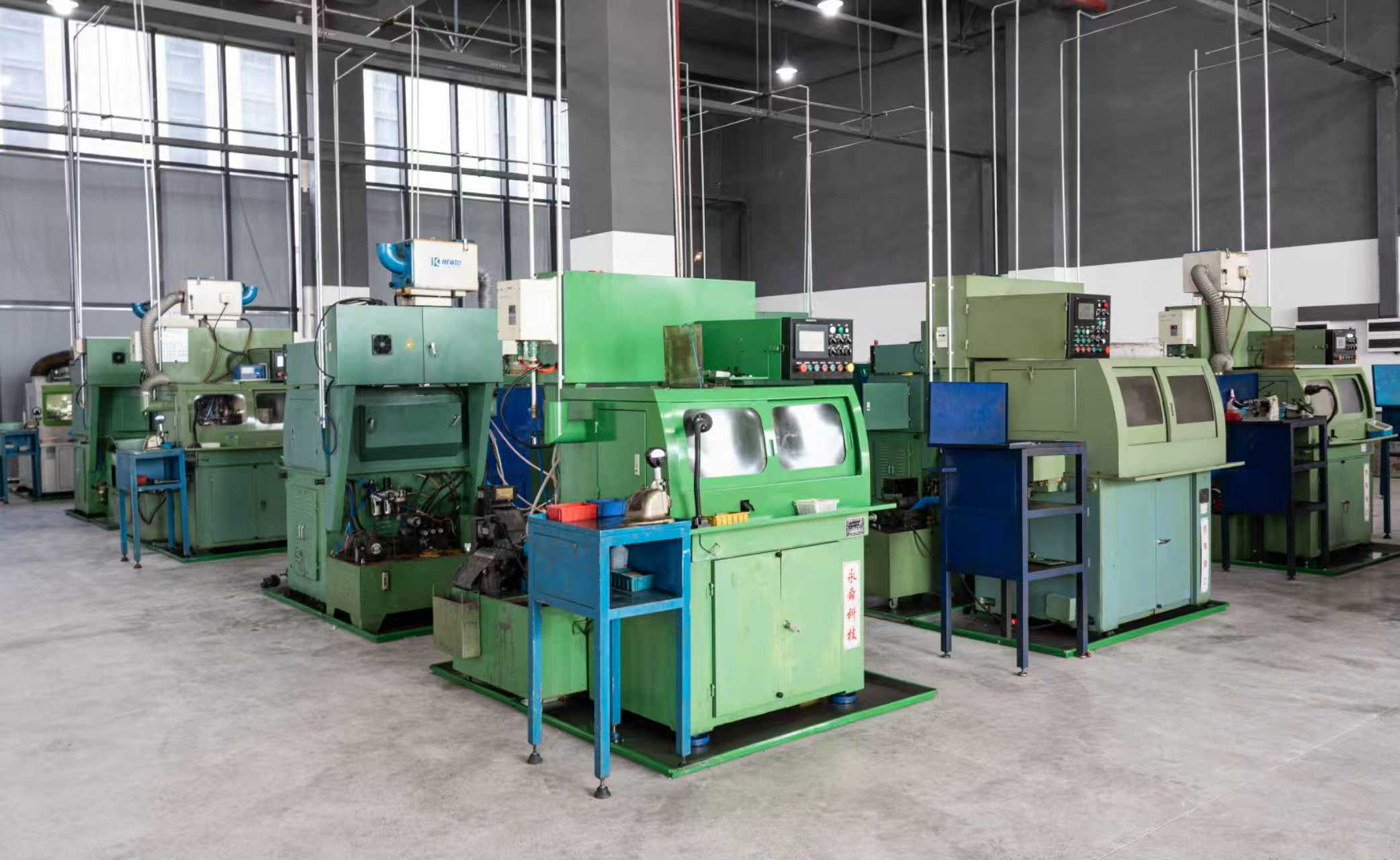
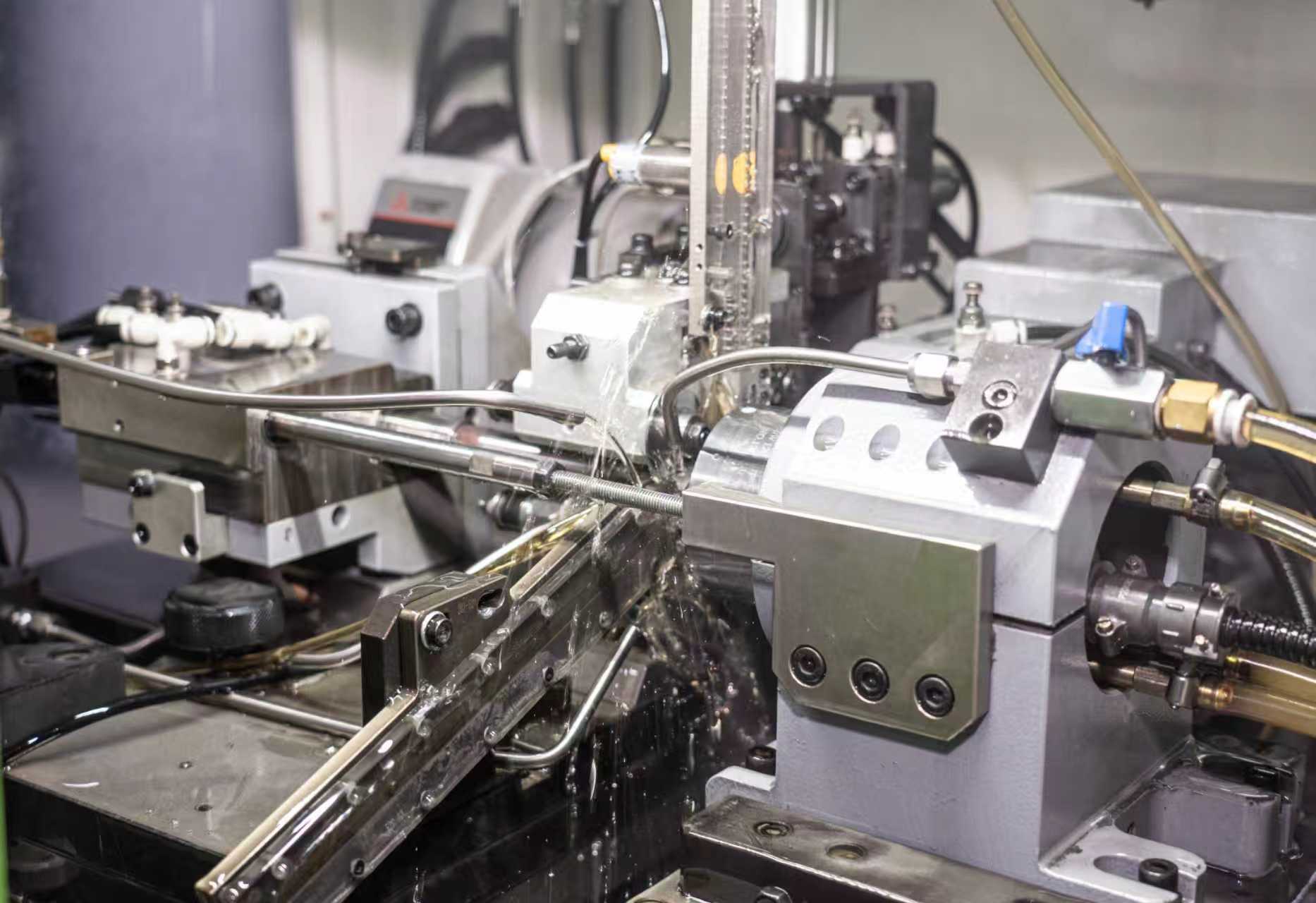
Thermal control starts in manufacturing: a bearing processing machine with cooling liquid on the INB production line.
Problem Definition: When the Bearing Is Not the Defect
Overheating at speed is a mismatch symptom, not a single failure mode. It shows up in a few recognisable ways, and each one points to a different variable in the system rather than to a faulty part.
- Steady temperature rise. The housing warms gradually and stabilises at a temperature above the design target, then climbs again under load.
- Stall or loss of speed. The rotor cannot maintain its set speed, or it drops speed once heat has built up.
- Rising noise. A bearing that was quiet becomes louder as clearance and lubricant film change with temperature.
- Shortened life. Bearings reach end of life far earlier than the maintenance interval predicts.
A genuine part defect usually shows up as a single bad unit, a visible mark, or a failure from the first seconds of running. A mismatch problem repeats across units and grows with speed and time. When the same symptom returns after a replacement bearing is installed, the operating envelope — not the part — is the place to look.
Three operating variables define that envelope for a high-speed miniature bearing, and all three are testable:
- The speed ceiling. A standard stainless steel miniature bearing rated to 200,000 rpm is being pushed toward or past its limit when the rotor actually settles at or above 200,000 rpm under load.
- The temperature window. The same bearing is specified for −40 °C to 150 °C. Once continuous operation approaches the upper end of that window, lubricant film strength drops and heat generation accelerates.
- Material and precision. General stainless steel and a standard precision class are not built for sustained high-speed contact stress. A P4 precision bearing in SUS440 stainless steel is designed for that duty.
Industry Background: Why Speed Ratings Are Not Interchangeable
Miniature bearings move a large amount of precision equipment, and the demand is still growing. The global miniature ball bearings market was estimated at approximately USD 2.25 billion in 2025 by Future Market Insights, which cites medical devices and robotics as demand drivers. Research firms do not fully agree on the figure — Precedence Research places the 2025 market near USD 2.89 billion and IMARC Group near USD 2.0 billion — so any single number should be treated as an estimate rather than a fixed value.
Where production sits is more consistent. Asia Pacific held roughly 60% of miniature ball bearing revenue in 2025, with China as the largest regional producer and consumer (Precedence Research). China’s bearing exports grew 7.2% year-on-year in the first seven months of 2025, reaching nearly 497,852 tons (BearingNews / Huajing Research Institute). On the application side, the automotive segment held the largest share at approximately 39% of the 2025 market, driven by EV motor and sensor applications (Precedence Research).
Two technical facts explain why a substitution that looks correct on paper can still overheat.
Material. Stainless steel — specifically the 440C family — is the primary material for miniature bearings used in medical and food-processing applications because of moisture and chemical resistance (SKDIN Engineering Guide). INB’s high-speed bearings use SUS440 stainless steel, which sits in that same martensitic 440 family.
Precision. Miniature bearing precision is governed by global standards including ABMA ABEC (grades 1–9), ISO 492 (P0–P2), and DIN 620, where higher classes correspond to tighter tolerances (AST Bearings). P4 is a high-precision class within that system, and it is the class that supports 400,000 rpm operation. A standard-grade bearing and a P4 bearing can share the same envelope dimensions and still diverge completely in heat generation at speed.
Detailed Solution: Speed, Temperature, Material, and Precision Together
The fix for a 200,000 rpm overheating problem is rarely a single change. It is the combination of a higher speed rating, a wider temperature window, a high-speed material, and the right precision class — matched to the assembly’s true dimensions.
The reference part in this diagnosis is the SMR144ZTLP4 W2.38, a P4 precision miniature bearing rated to 400,000 rpm. Against a standard stainless steel miniature bearing limited to 200,000 rpm and a −40 °C to 150 °C window, the SMR144ZTLP4 W2.38 extends the operating temperature range to −50 °C to 160 °C and doubles the usable speed ceiling.
Three elements make that extension possible:
- SUS440 stainless steel. The bearing material resists the wear and deformation that high-speed contact stress produces, while retaining the corrosion resistance expected in medical and moisture-exposed assemblies.
- P4 precision. Tighter tolerance control keeps runout and internal clearance within the range that high-speed rotation requires, which directly reduces the friction losses that turn into heat.
- Correct size selection. Speed and temperature ratings only hold when the bearing fits the assembly. Two common high-speed sizes are 3.175 mm × 6.35 mm × 2.38 mm and 4 mm × 7 mm × 2 mm. Choosing the wrong bore, outside diameter, or width shifts the load path and rebuilds the overheating problem even with a correctly rated part.
Design rule: speed rating, temperature window, material, and dimensions must all match the duty cycle at the same time. Upgrading only one of them — a 400,000 rpm part in the wrong size, or a correctly sized part in standard material — leaves the mismatch in place.
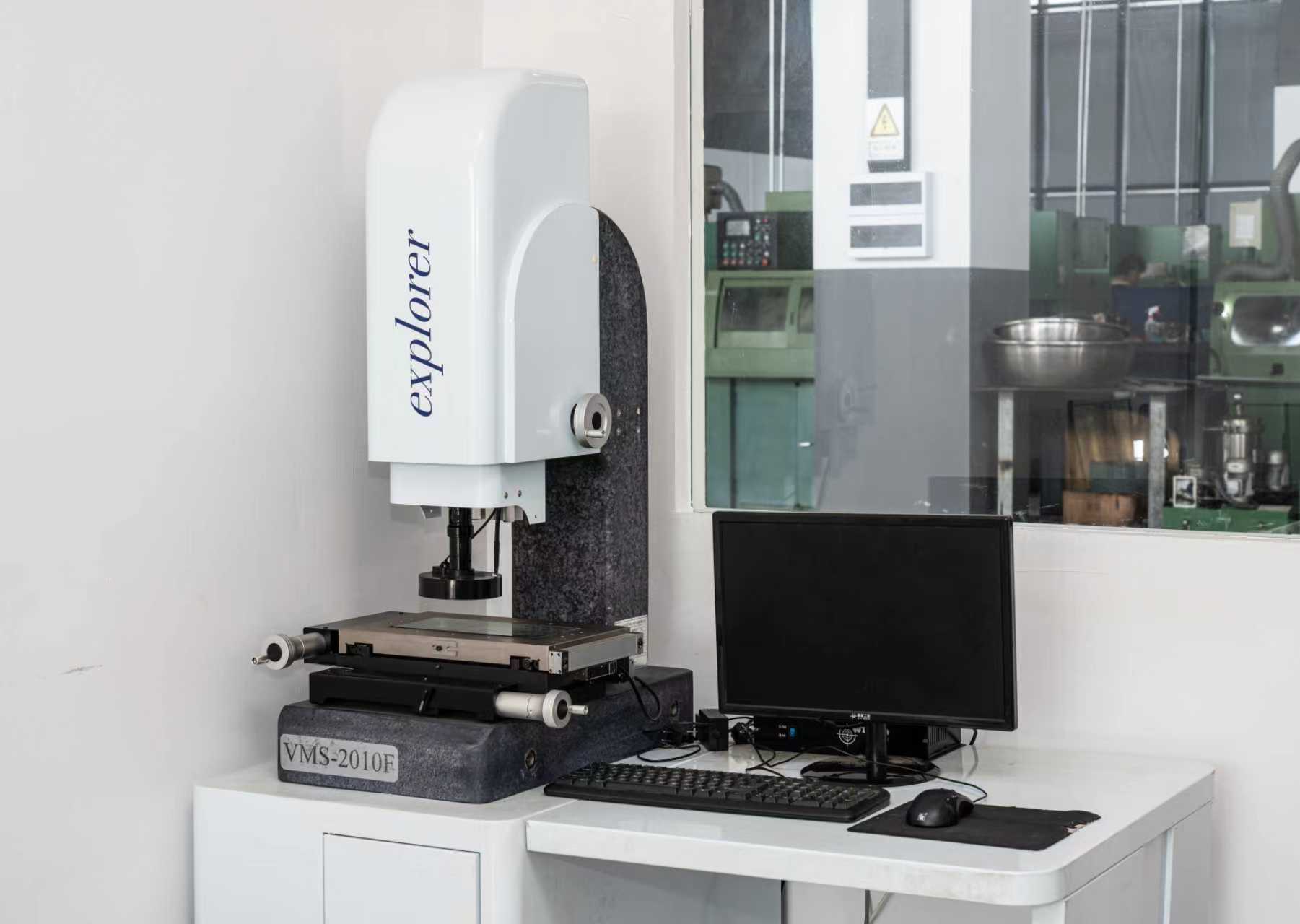
Precision bearing inspection workstation (Model VMS-2010F) used for miniature bearing verification.
Step-by-Step Diagnosis: From Hot Handpiece to Root Cause
Work through these steps in order. Stopping at the first mismatch usually produces a partial fix that returns under load.
Step 1 — Confirm the real operating speed
Measure the rotor speed under load, not at no-load. A bearing rated to 200,000 rpm may be adequate on a bench and inadequate in the handpiece, where the true duty point can sit at or above the rating. If the measured speed reaches the rating ceiling, the bearing has no margin left for thermal expansion or load spikes.
Step 2 — Measure steady-state temperature
Record temperature after the assembly reaches thermal equilibrium, not just at start-up. Compare the steady-state value against the bearing’s specified window. A standard stainless steel bearing window of −40 °C to 150 °C leaves little room once continuous operation sits close to the upper bound; the SMR144ZTLP4 W2.38 window of −50 °C to 160 °C creates the margin that high-speed duty needs.
Step 3 — Check the speed rating against the duty cycle
A 200,000 rpm bearing used in an application that realistically demands 400,000 rpm will heat up regardless of installation quality. Match the rating to the duty cycle with margin, not to the average running speed.
Step 4 — Verify material and lubrication
Confirm the bearing material and the lubrication system. INB’s thermal and wear control approach combines high-temperature resistant bearing material with medical-grade permanent lubricant filling and a fully sealed labyrinth structure. A lubricant that migrates or breaks down at temperature removes the film that separates rolling elements from raceways and quickly converts friction into heat.
Step 5 — Confirm the precision class
Check that the precision class matches the speed requirement. P4 is the class that supports 400,000 rpm operation; a standard grade reintroduces the runout and clearance variation that generates heat at speed.
Step 6 — Re-verify the dimensions
Re-measure bore, outside diameter, and width against the assembly drawing. Confirm whether the design calls for 3.175 mm × 6.35 mm × 2.38 mm or 4 mm × 7 mm × 2 mm, and check that the installed bearing matches exactly. A dimension mismatch changes preload and contact angle, which produces overheating that no rating upgrade can fix.
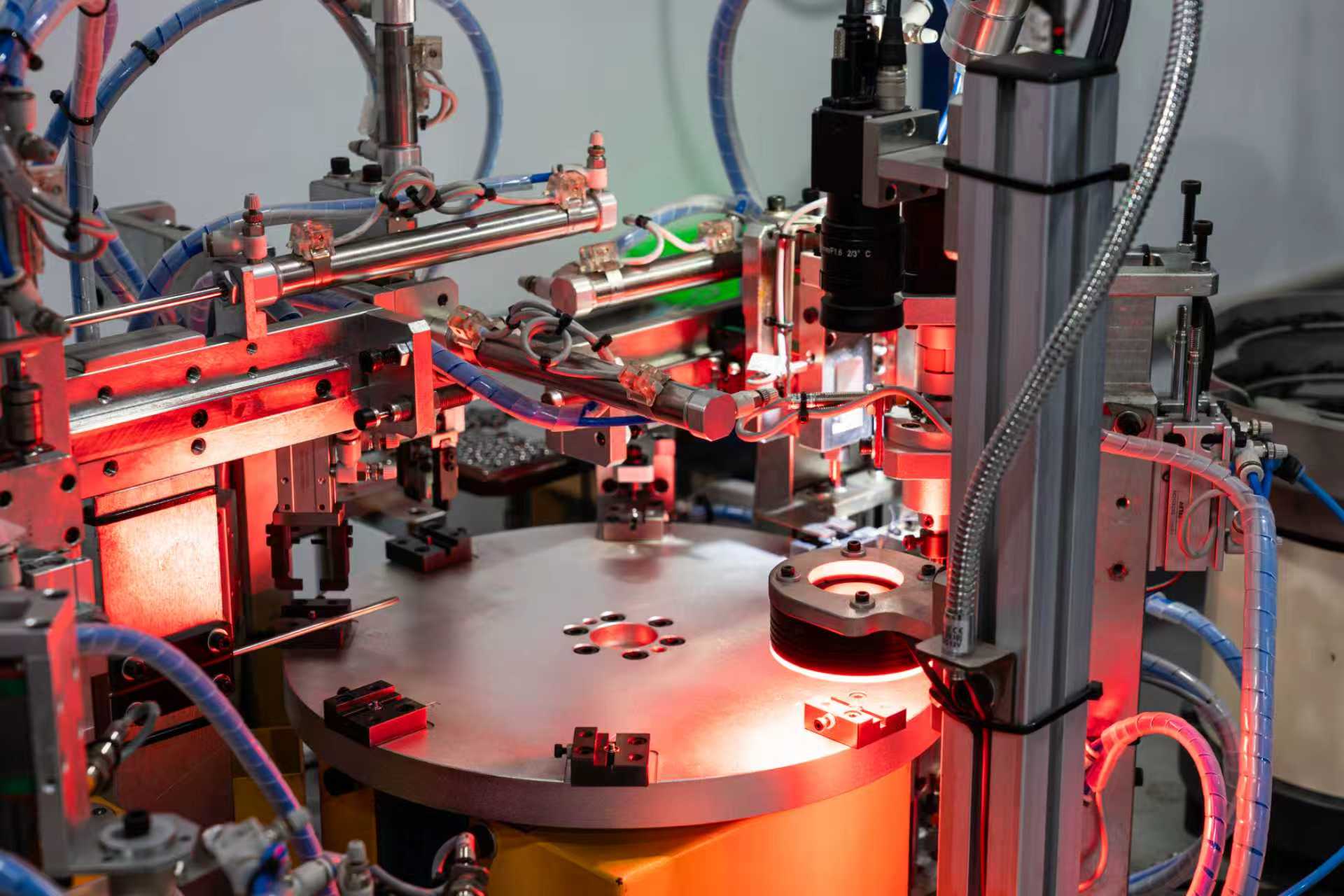
High-precision automated bearing assembly line — where rating, material, and dimension decisions are locked into the finished part.
Use Cases: Where the 200,000 vs 400,000 rpm Decision Decides the Outcome
The diagnosis above applies wherever a miniature bearing carries high speed in a compact housing. The most common settings for this decision are:
- Dental handpieces and dental turbines. These assemblies run at the top of the miniature bearing speed range, and INB’s comparison data identifies dental handpieces as the best-fit application for this bearing class. Here the 400,000 rpm P4 option is the difference between stable speed and recurring heat.
- Micro-motors. Compact motors that must hold speed in continuous duty benefit from the wider −50 °C to 160 °C window and the lower heat generation of a P4 part.
- Other precision equipment. Any build where a miniature bearing runs close to its limit — instrumentation, small spindles, and hand-held precision devices — faces the same speed, temperature, and material trade-off.
Comparison Table: 200,000 rpm vs SMR144ZTLP4 W2.38
The table below isolates the variables that change between a standard stainless steel miniature bearing and the P4 SMR144ZTLP4 W2.38. Every value is drawn from INB product data or the standards referenced above; nothing here is estimated.
| Parameter | Standard stainless steel miniature bearing | INB SMR144ZTLP4 W2.38 |
|---|---|---|
| Speed rating | Up to 200,000 rpm | Up to 400,000 rpm |
| Precision class | Standard grade | P4 |
| Bearing material | Stainless steel | SUS440 stainless steel |
| Operating temperature window | −40 °C to 150 °C | −50 °C to 160 °C |
| Representative dimensions | Not specified in comparison data | 3.175 mm × 6.35 mm × 2.38 mm; 4 mm × 7 mm × 2 mm |
| Noise & service-life positioning | Baseline | Noise-related performance gap below 20 dB; long service life (INB comparison data) |
| Cost positioning | Baseline | Approximately 10% lower cost than the SMR144Z benchmark (INB comparison data) |
| Best-fit application | Lower-speed micro-motors | Dental handpieces and high-speed micro-motors |
Read the table as a decision grid, not a scoreboard. The standard bearing is not wrong — it is wrong for a duty cycle that exceeds its 200,000 rpm rating or its narrower temperature window. The SMR144ZTLP4 W2.38 exists for builds that need the higher ceiling.
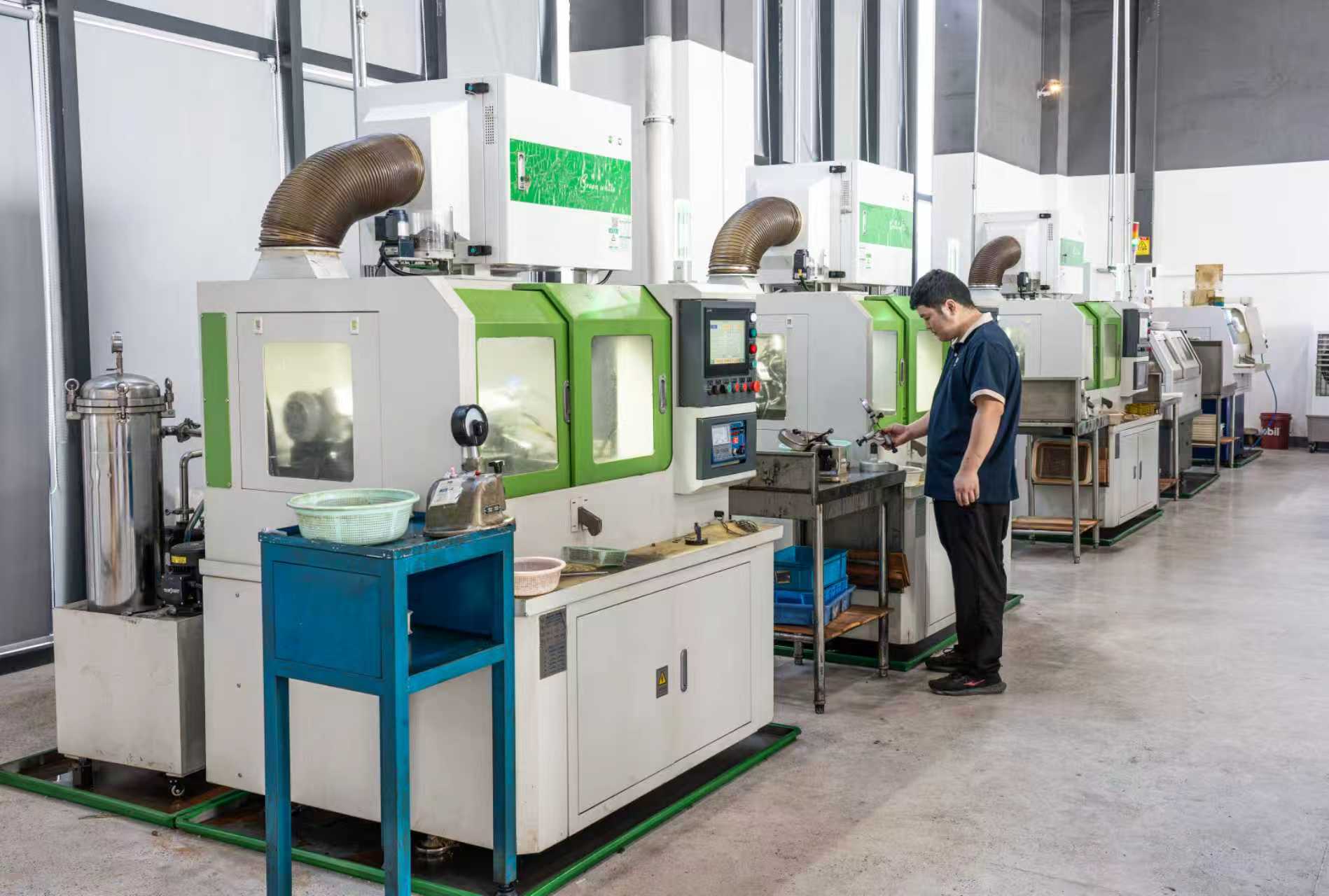
Debugging the intelligent CNC bearing processing center — precision control that holds P4 tolerances in production.
Frequently Asked Questions
What precision and material standards should a replacement miniature bearing for a 200,000–400,000 rpm build meet?
Miniature bearing precision is governed by global standards including ABMA ABEC (grades 1–9), ISO 492 (P0–P2), and DIN 620, where tighter tolerance classes support higher speed and lower runout (AST Bearings). For medical and moisture-exposed applications, the 440C stainless steel family is the primary material because of moisture and chemical resistance, and INB’s high-speed bearings use SUS440 stainless steel from that same family. INB manufactures high-precision standard bearings with inner hole diameters from 2 mm to 8 mm and precision grades from P6 to P4 under an ISO 9001 quality management system.
How can I verify that a supplier can actually hold P4 precision and 400,000 rpm?
Ask for evidence tied to production rather than a catalog number. INB validates 100% of bearing speed performance before shipment, applies over-speed control through a built-in mechanical speed limiter and a high-precision Hall effect speed sensor, and performs thermal cycle life testing across the −50 °C to 160 °C range. Incoming quality is checked with hardness testers, roundness meters, profilometers, roughness measuring equipment, and microscopes. These evidence points separate a rated bearing from a guaranteed one.
What are the purchasing terms and acceptance criteria for high-speed miniature bearings?
INB’s standard purchasing terms for these bearings are a minimum order quantity of 50 units, FOB delivery terms, 100% factory inspection as the acceptance criterion, and payment before shipment. On cost positioning, INB’s comparison data records approximately 10% lower cost than the SMR144Z benchmark for this bearing class, alongside a noise-related performance gap below 20 dB.
Can design engineers validate a fix before committing to production volumes?
Yes — validation should happen on the bench before a production order. INB supports thermal cycle life testing across a −50 °C to 160 °C range and 100% speed performance validation before shipment, so a P4 SMR144ZTLP4 W2.38 can be checked against the real duty cycle. Engineers can request a sample and a quotation from INB before finalising the assembly.
What does long-term supply support look like for a high-speed bearing programme?
Long-term supply depends on repeatable capacity, not a single delivery. INB, the bearing brand established in 2014 and based in Ningbo, Zhejiang, operates a monthly production capacity of 500,000 units and an annual output of 6,000,000 units, with ISO 9001 process control and an engineering and sales team that serves domestic medical device and micro-motor manufacturers. For ongoing programmes, the practical next step is to share your duty cycle and place a trial order through INB’s contact channels.
Conclusion: Corrective Actions INB Supports
When a miniature bearing overheats at 200,000 rpm, the diagnosis almost always lands on the same set of mismatches — speed ceiling, temperature window, material, or dimensions. Correcting one without the others tends to move the failure rather than remove it. The corrective actions below are the ones INB supports for dental handpiece builds and other precision equipment programmes:
- Move to SUS440 stainless steel so the bearing can absorb sustained high-speed contact stress while keeping corrosion resistance.
- Upgrade the precision class to P4 and shift the speed rating to 400,000 rpm, as in the SMR144ZTLP4 W2.38.
- Widen the thermal window to −50 °C to 160 °C and confirm it against measured steady-state temperature.
- Match the dimensions exactly to the assembly — for example 3.175 mm × 6.35 mm × 2.38 mm or 4 mm × 7 mm × 2 mm.
- Reinforce lubrication and sealing with medical-grade permanent lubricant filling and a fully sealed labyrinth structure.
- Verify before shipping through 100% speed performance validation, over-speed control hardware, and thermal cycle life testing.
- Secure repeatable supply from a partner with monthly capacity of 500,000 units and annual output of 6,000,000 units.
Repeatable capacity behind the fix: CNC bearing manufacturing machines at the INB plant.
Ready to diagnose your own overheating problem?
Share your duty cycle — target speed, steady-state temperature, and assembly dimensions — and the INB team will help you confirm whether a P4 SMR144ZTLP4 W2.38 or another miniature bearing in the SUS440 series is the right fit. Samples, quotations, and technical support are available for dental handpiece and precision equipment programmes.
Website: www.lnb-brg.com
Contact: Wang Chaojiang
Email: yuhang001@126.com
Tel / WhatsApp: +86 18957446001
Have Questions or Need More Details?
Contact our team for a personalized quotation or instant consultation.
Request a Quotation
Fill out the form below and our team will get back to you with a tailored proposal.
WhatsApp Direct Chat
Prefer to chat in real-time? Message us on WhatsApp for instant assistance & quick answers.
- Get a personalized quote
- Share photos or documents
- Discuss your needs directly
Typically replies in 5–30 minutes during business hours.