Inner Mongolia Sunflower Seeds: 363, 361 and T6 Buying Guide
Sunflower seeds from Inner Mongolia are a core raw material for snack food makers, roasters, bakeries and confectionery producers worldwide. Inner Mongolia accounts for more than 60% of China’s sunflower cultivation area, and the region is known for confectionery-grade seed varieties such as 363, 361 and T6. This guide explains what these types mean, how they differ, and how to evaluate a supplier like Inner Mongolia Chengtai Food Co., Ltd. when sourcing bulk sunflower seeds.
The challenge: Choosing the right sunflower seed type
Sunflower seed buyers are not just buying “seeds.” The end product depends on variety, color, size, taste and shell properties. A roaster producing a natural-taste snack will need a different seed type than a producer making salted seeds. Confusion between type numbers such as 363, 361 and T6 can lead to the wrong raw material, extra sorting costs or an inconsistent finished product.
Specifications also matter. Moisture, impurity, erosion and mildew levels directly affect shelf life, roasting yield and food safety compliance. This is why a clear sourcing framework is needed before placing an order.
Why Inner Mongolia matters for sunflower seed buyers
Industry data shows that China is a major supplier to the global sunflower seed market. In 2025, China’s sunflower seed exports were valued at USD 937 million, with major destinations including Iraq and Russia. Inner Mongolia’s export volume alone reached about 463,400 tons in 2025, valued at US$748 million . Globally, the sunflower seeds market was estimated at USD 29.27 billion in 2025 and is projected to reach USD 35.98 billion by 2034 . USDA estimates global sunflower seed production at 55.05 million metric tons for the 2025/2026 marketing year, and also forecast the global non-oilseed confectionery planted area to decline by 8% in 2025 .
For confectionery-grade seeds, Bayannur in Inner Mongolia is an important production area. In 2024, Inner Mongolia accounted for over 60% of China’s sunflower cultivation area . The region’s dry climate and natural planting conditions support the large-kernel striped seeds that are in demand for human consumption. Confectionery-grade sunflower seed production in China is especially focused on larger kernel sizes, primarily grown in saline-alkali fields of Bayannur .
Market demand is also clear from packaged data. Europe was the largest market for packaged sunflower seeds in 2024, with a 29.6% revenue share, and roasted sunflower seeds represented 65.9% of global packaged sunflower seed revenue . On the compliance side, the EU market requires adherence to HACCP principles and strict monitoring of pesticide residues and metal contaminants. China also notified 209 new Maximum Residue Limits for 93 pesticides in food to the WTO in late 2025 . These factors explain why importers and food processors are actively looking for reliable Inner Mongolia suppliers with documented quality control.
Detailed solution: Inner Mongolia Chengtai Food Co., Ltd.
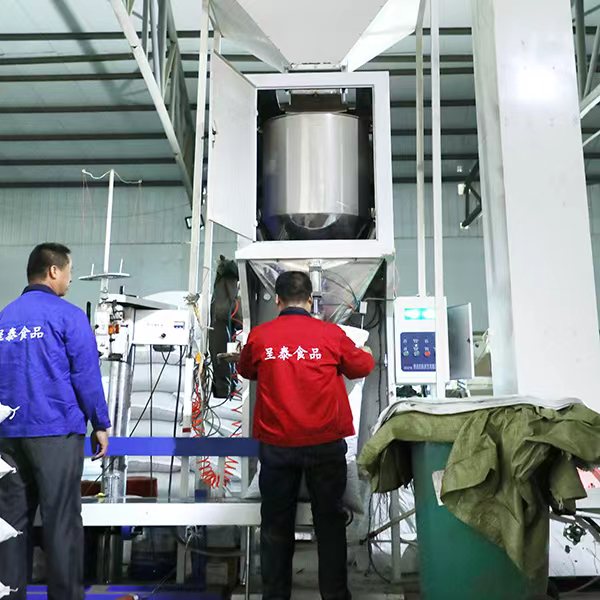
Inner Mongolia Chengtai Food Co., Ltd. is a processor and exporter founded in 2013, specializing in sunflower seeds, pumpkin seeds and kernels. The company covers planting, processing and sales, and operates a manufacturing facility of 3,500 square meters with an annual production capacity of 30,000 metric tons. Its production workshop is designed in full accordance with EU standards and uses international advanced production management. The company has a natural planting base of 1.5 million acres for sunflower seeds and pumpkin seeds. Export business accounts for 80% of total sales, serving the Middle East, Middle Asia, Europe, Egypt, Dubai, the United States and other markets. According to CBI, the company supplies black sunflower seeds and kernels and holds ISO 9001 and Halal certification .
For buyers, this means Chengtai can act as a single processor and export partner, not only a trader. The company employs approximately 20 staff, supported by 2 R&D engineers. The company also regularly attends international exhibitions such as Gulfood in Dubai, exhibitions in Uzbekistan, Tuyap in Turkey, Anuga in Germany and Sial in France to maintain direct customer relationships.
Product portfolio: 363, 361, T6 and more
Chengtai’s sunflower seed range covers several common confectionery and processing types. The main types described in this guide are 363, 361 and T6, with additional medium and kernel products available.
363 sunflower seeds
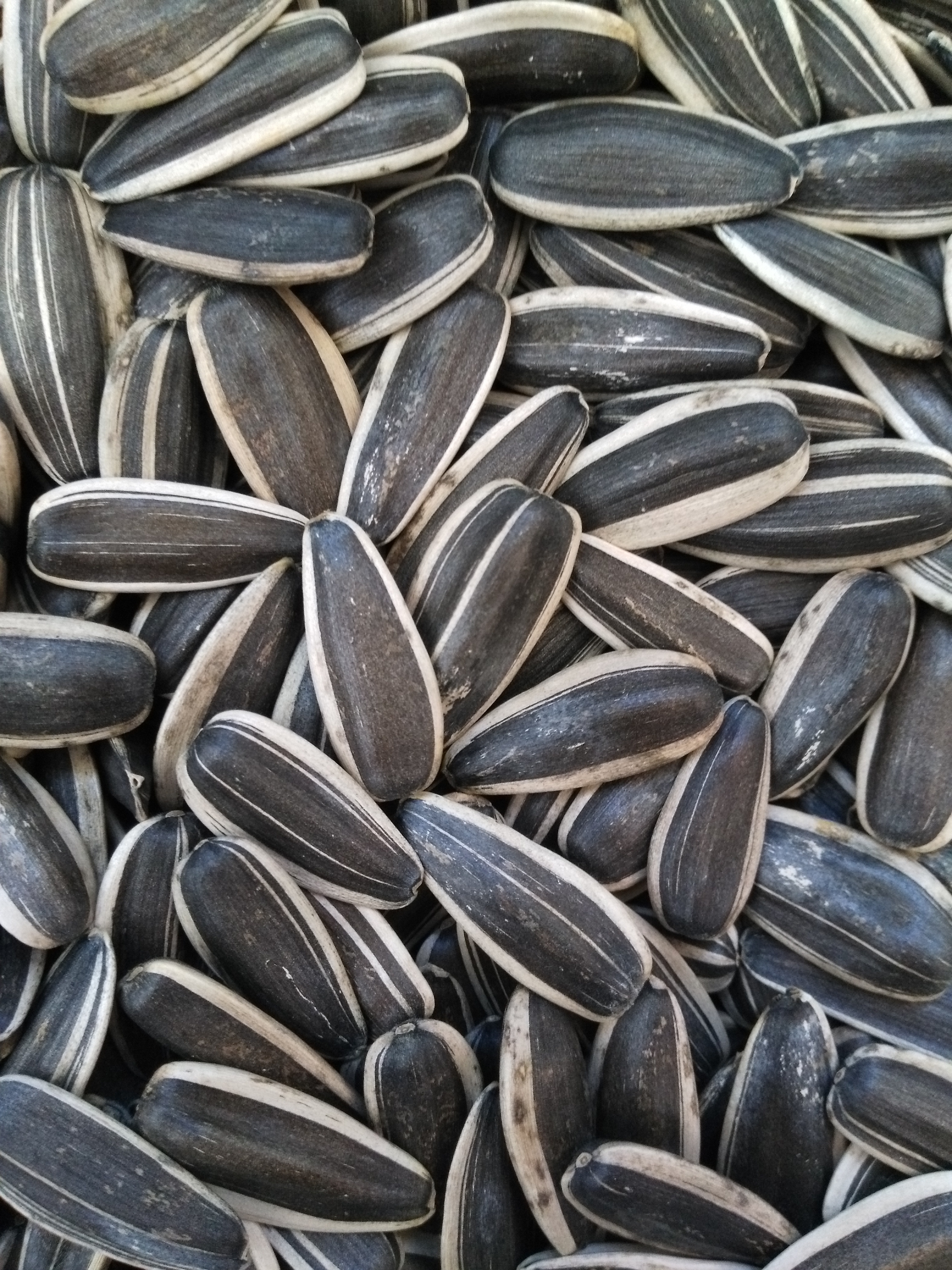
Sunflower seeds 363 is classified as large-kernel striped sunflower seeds. It is raw, black in color, with a sweet and natural taste. The product is intended for human consumption and is suitable for manufacturing and roasting. It is often used when a roasted original taste is the goal. Bulk grades and jumbo-size grades are available, with sizes commonly listed in the 170–230 pieces per 50 g range. In Chengtai’s product range, 363 is also available as Inner Mongolia origin, jumbo size, bulk and pesticide-residue controlled grades.
361 sunflower seeds
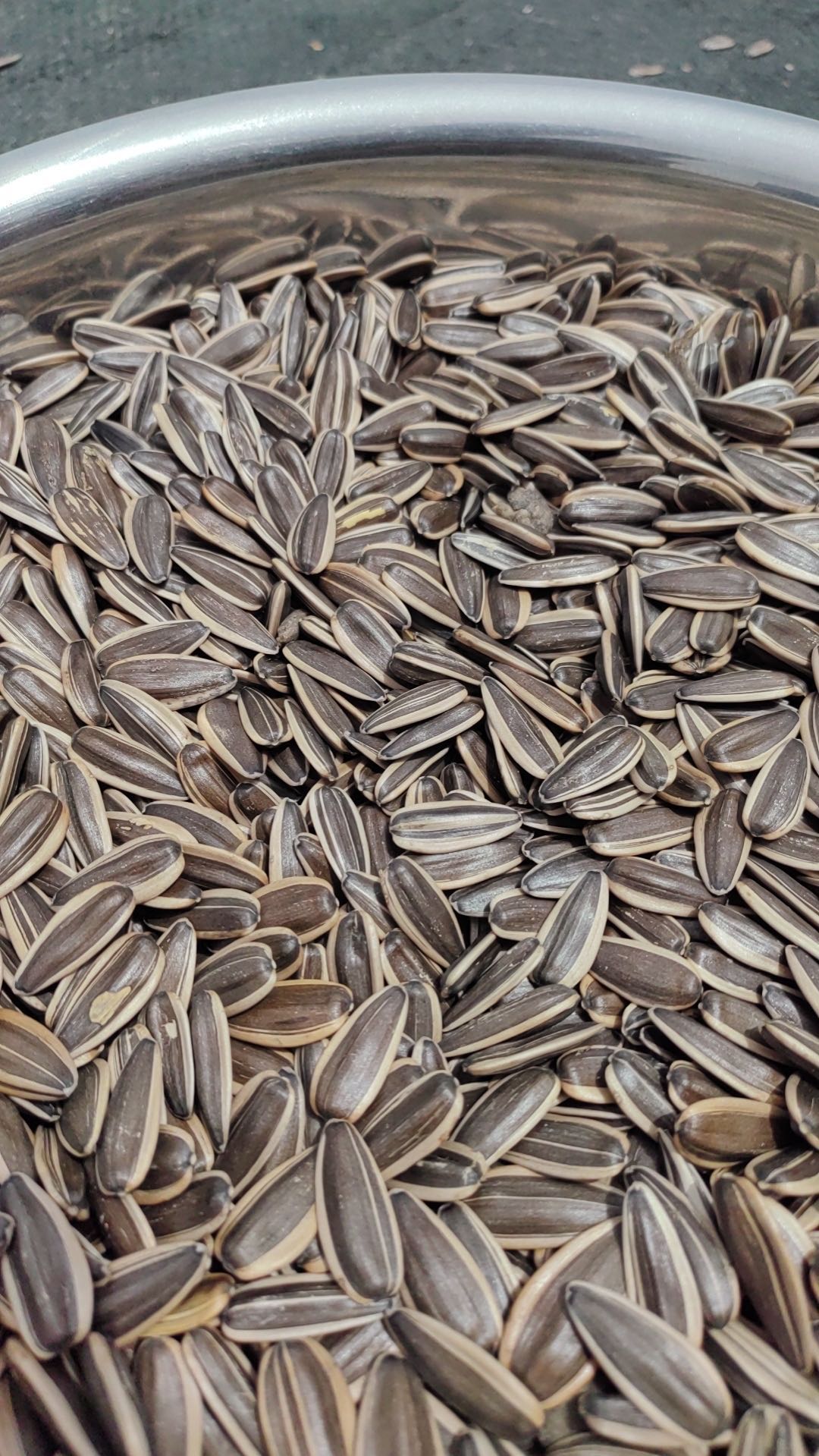
Sunflower seeds 361 is a black and white striped seed with a round shape. Buyer-facing comparison notes explain that 361 comes from an early period, is not totally black and may look a little yellow. It has a thin shell and good taste, and is often used for salted-flavor products. Price is generally lower than 363. Chengtai offers 361 in non-GMO, unshelled and black sunflower seed grades.
T6 sunflower seeds
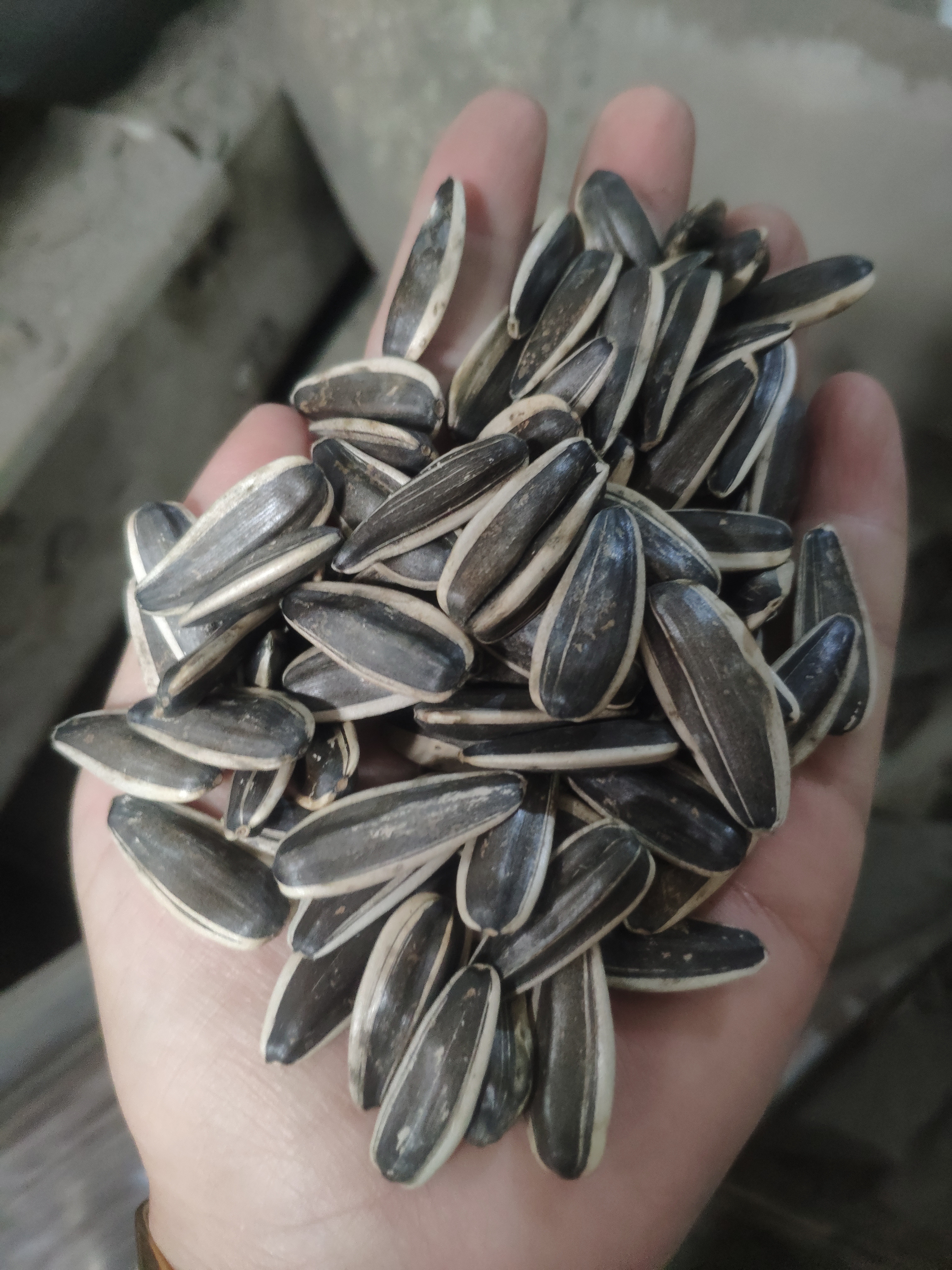
T6 sunflower seeds are long in shape and more black in color than 361. They usually sell as raw material and have a slightly harder shell. The product can be used for human consumption in manufacturing, roasting and shop scenarios. T6 is available in snack food, food-grade and confectionery-grade classifications, with sizes ranging from 170 to 300 pieces per 50 g depending on grade.
Quality parameters to check before ordering
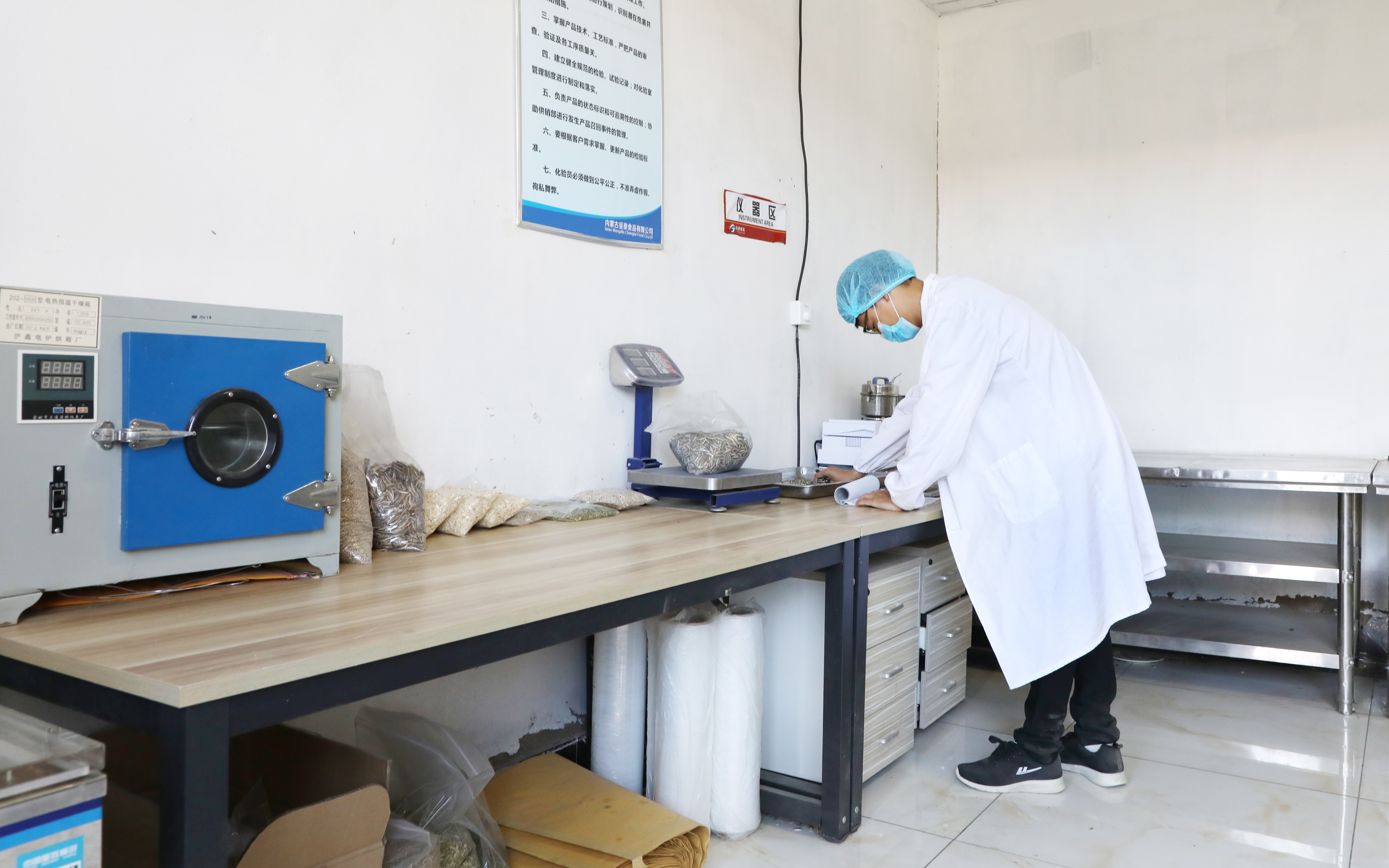
Chengtai’s raw sunflower seeds are tested against internal quality specifications:
- Moisture: 9–10%
- Impurity: less than 0.5%
- Erosion seeds: less than 0.5%
- Mildew seeds: less than 1%
Products should be stored in a cool place. In a food-processing environment, this helps maintain seed quality before roasting, packing or further processing.
Supplier capability snapshot
| Capability | Details |
|---|---|
| Founded | 2013 |
| Facility | 3,500 m² manufacturing facility; total area more than 11,000 m² |
| Annual production capacity | 30,000 metric tons |
| Planting base | 1.5 million acres for sunflower seeds and pumpkin seeds |
| Export share | 80% of total sales |
| Main markets | Middle East, Middle Asia, Europe, Egypt, Dubai, United States |
| Certifications | ISO 9001, Halal |
| R&D team | 2 engineers |
| Employees | Approximately 20 staff |
Step-by-step sourcing process
- Define the end use. Determine whether the seeds will be roasted, salted, used as kernels for bakery, or packed for snack food.
- Select the seed type. For roasted original taste, consider 363. For salted flavor, 361 is a common option. For black raw material with a harder shell, T6 can be appropriate.
- Set quality specifications. Confirm moisture, impurity, erosion and mildew limits with the supplier.
- Choose packaging. Chengtai offers 20/25 kg plastic or paper bags for sunflower seeds, and vacuum bag with carton for kernels.
- Request a sample. Validate color, taste and size before committing to a full container.
- Plan storage and logistics. Store in a cool place and work with the supplier on bulk container load scheduling.
Use cases for Inner Mongolia sunflower seeds
In a typical snack manufacturing project, raw sunflower seeds are delivered to a cool, dry indoor warehouse at normal temperature and low humidity. The seeds are used as raw material for snacks, baked goods and confectionery. Processing equipment may include sorting machines and packing machines, and the main special requirement is impurity control.
Common use cases include:
- Roasted snack production: 363 sunflower seeds are suited for roasted original taste snacks.
- Salted seed products: 361 sunflower seeds are commonly selected for salted flavor.
- Bakery ingredients: sunflower seed kernels are used in bread, candy and confectionery formulas.
- Food processing: T5 and T6 seeds can be used as raw material for manufacturing and roasted shops.
Comparison: 363 vs 361 vs T6
| Feature | 363 | 361 | T6 |
|---|---|---|---|
| Color | Black | Black and white stripe | Black, more black than 361 |
| Shape | Large-kernel striped | Round | Long |
| Shell | Not specified | Thin | Slightly harder |
| Typical use | Roasted original taste | Salted flavor | Raw material |
| Size grades | e.g., 170–180, 190–200, 200–210, 210–220 pcs/50g | e.g., 150–160, 160–170, 170–180, 180–190 pcs/50g | e.g., 170–180, 180–190, 190–200, 200–210 pcs/50g |
| Price positioning | Usually higher than 361 | Usually lower than 363 | Competitive raw material option |
Source notes: physical differences between 361 and T6, and between 363 and 361, are based on Chengtai’s product comparison notes. Size grades are taken from Chengtai’s product specification list.
Frequently asked questions
What quality parameters should be checked before buying bulk sunflower seeds?
For Chengtai’s raw sunflower seeds, the standard quality parameters are moisture 9–10%, impurity less than 0.5%, erosion seeds less than 0.5%, and mildew seeds less than 1%. Storage should be in a cool place to maintain quality.
How do 363 and 361 sunflower seeds differ?
363 sunflower seeds are black, have a larger kernel size that can reach 170–180 pieces per 50 g, and are suited for roasted original taste. 361 sunflower seeds are black and white striped, round, have a thinner shell, are often used for salted flavor, and are usually lower in price than 363.
How do 361 and T6 sunflower seeds differ?
361 has a round shape, is from an early period, not totally black, with a thin shell and good taste, and is often used for salty flavor. T6 has a long shape, is more black, is usually sold as raw material, and has a slightly harder shell.
Who supplies 363 sunflower seeds in Inner Mongolia?
Inner Mongolia Chengtai Food Co., Ltd. supplies 363 sunflower seeds in raw, black, large-kernel striped form for human consumption and manufacturing/roasted industries. The company offers bulk packaging in 20/25 kg plastic or paper bags. To evaluate a specific order, buyers can request a sample, quotation or company profile through the contacts on this page.
Conclusion
Selecting the right sunflower seeds type is a practical decision that affects product taste, processing efficiency and cost. Inner Mongolia remains a key origin for confectionery-grade sunflower seeds, and Chengtai Food provides a vertically integrated supply option with EU-standard production, export experience and controlled quality parameters.
For buyers moving from research to evaluation, the next step is simple: ask for the current specification sheet, confirm whether your target is roasted, salted or kernel-based, and request a sample from Inner Mongolia Chengtai Food Co., Ltd.
Contact: Cassie | Email: 2637856485@qq.com / ctsunfood@163.com | Tel/WhatsApp: +86 18347278337
Company website: www.ctsunfood.com | Download company profile (PDF)
Have Questions or Need More Details?
Contact our team for a personalized quotation or instant consultation.
Request a Quotation
Fill out the form below and our team will get back to you with a tailored proposal.
WhatsApp Direct Chat
Prefer to chat in real-time? Message us on WhatsApp for instant assistance & quick answers.
- Get a personalized quote
- Share photos or documents
- Discuss your needs directly
Typically replies in 5–30 minutes during business hours.