Meirenxin Black Sunflower Seeds vs 361/363: Buyer Comparison
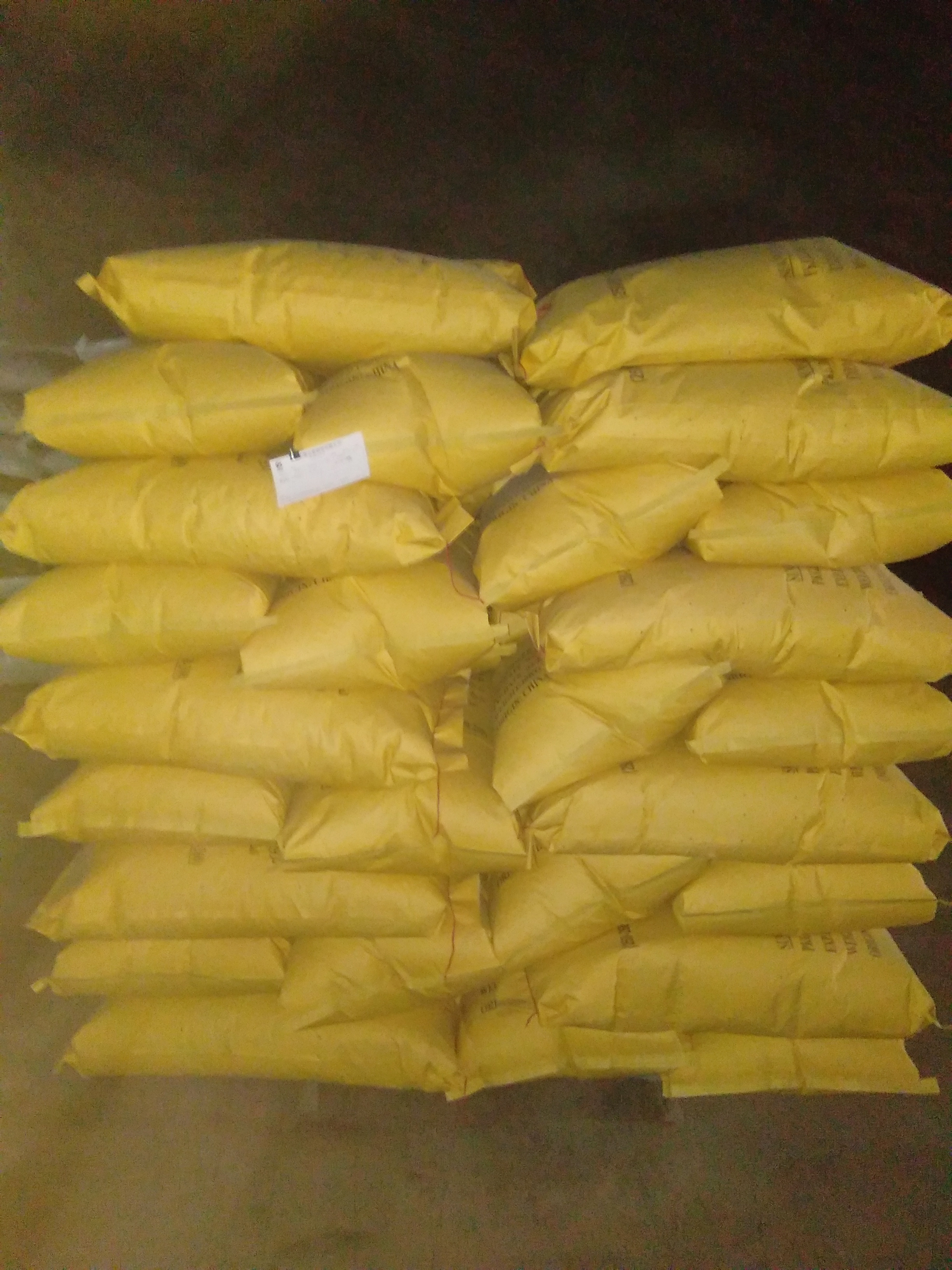
Cover: sunflower seed stock used to illustrate the Meirenxin black seed and 361/363 buyer comparison.
Buyers comparing Meirenxin black sunflower seeds with 361 and 363 sunflower seeds are not choosing between three identically documented grades. They are deciding which seed attributes fit a snack or food-ingredient line, which fit bird feed use, and which claims can be verified before an order. The supplied product data supports a black sunflower seed specification with 170–300 pieces per 50 g, 9–10% moisture, a 2026 harvest from Xinjiang and Inner Mongolia, and defined defect limits. It also identifies a 361 raw specification with the same 170–300 pieces per 50 g size band and 9–10% moisture. It does not provide a separate 363 specification, and the 380–390 pieces per 50 g figure raised in some purchase discussions is a different size band from the 170–300 pieces per 50 g data supplied here. That gap is the first thing to resolve.
Inner Mongolia Chengtai Food Co., Ltd. is a Hetao Plain–based sunflower and pumpkin seed processor founded in 2013, with a stated 3,500 m² factory, 30,000 metric tons annual output, and export sales to the Middle East, Middle Asia and Europe. The company’s supplied product data is useful because it separates whole-seed size, moisture and defect limits. The same data also shows why a grade number alone is not a purchase specification: two specification expressions appear in the supplied material, and a 363 line is not separately specified.
The comparison problem: trade names, variety numbers and grade numbers are not the same evidence
A buyer may see Meirenxin, 361 and 363 used in the same conversation and assume they are three interchangeable grade names. They are not presented that way in the supplied data. Meirenxin is described as a black sunflower seed line with black color and a sweet, natural taste. 361 is identified as a raw specification sunflower seed for the manufacturing and roasted industry, with 170–300 pieces per 50 g and 9–10% moisture. For 363, the supplied product data gives no separate size, moisture, defect, origin or packaging specification.
That does not mean 363 cannot be supplied. It means a buyer should not import 361 values into a 363 purchase order, and should not assume a supplier’s 363 offer follows the same screening or defect limits as its 361 offer. The correct comparison is not “which number is better.” It is “which documented specification matches my application, and what evidence supports each line item.”
The 380–390 pieces per 50 g parameter makes this concrete. In whole sunflower seed buying, pieces per 50 g is a count-based size description. A 380–390 count and a 170–300 count describe different size profiles. The supplied data does not state that Meirenxin or 361 is packed to 380–390 pieces per 50 g. If a buyer needs that count, the supplier must confirm it as a separate size offer, with the measurement method and a sample. A lower count per 50 g generally points to larger seeds, while a higher count points to smaller seeds; the two bands should not be quoted as if they were the same grade.
Decision rule: Treat Meirenxin, 361 and 363 as labels that require separate specification sheets. Compare the actual seed coat, size count, moisture, defect ceilings, origin, harvest year, intended use and packaging for each lot. Do not accept a type number as proof of any one of those attributes.
Industry background: why Inner Mongolia origin matters in the comparison
Inner Mongolia is a major sunflower supply region, so origin is not a decorative detail in a 361/363 or Meirenxin comparison. Inner Mongolia’s sunflower seed export volume reached approximately 463,400 tons in 2025, valued at US$748 million, according to a 2025 industry report cited by Tridge. China’s sunflower seed exports were valued at USD 937M in 2025, with major destinations including Iraq at USD 131M and Russia at USD 101M, according to OEC. People’s Daily Online reports that Inner Mongolia accounts for over 60% of China’s total sunflower cultivation area. These figures describe the supply context; they do not certify the grade of any individual lot.
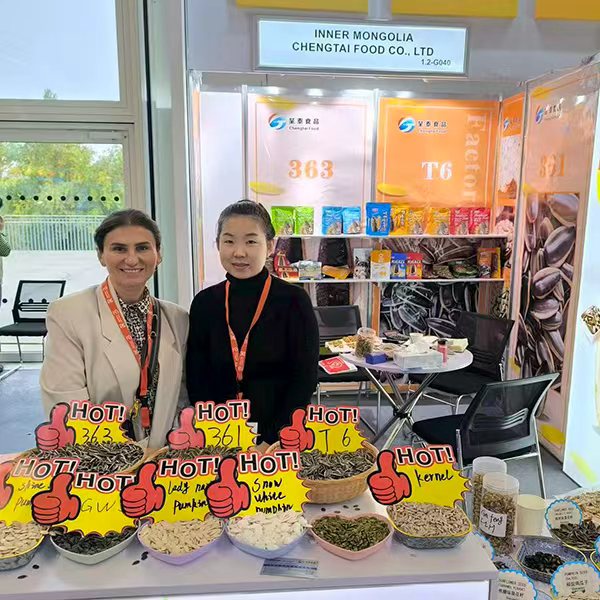
Exhibition image from the supplied company media set, reflecting the export-market context in which 361/363 and Meirenxin offers are discussed.
Inner Mongolia Chengtai Food Co., Ltd. states that it is located in the Hetao Plain, Hanggin Rear Banner, and describes a 1.5 million-acre natural sunflower and pumpkin planting base. The supplied product data for the sunflower seed line states origin in Xinjiang and Inner Mongolia and a 2026 harvest. Buyers should still confirm the specific lot’s origin within that footprint, because “Inner Mongolia” and “Hetao Plain” are regional descriptions, not a lot-level field record. For a snack buyer, origin can affect appearance, kernel fill and roasting behavior. For a bird feed buyer, origin is secondary to cleanliness, whole-seed condition, moisture and foreign-matter control, but it still belongs in the traceability file.
Confectionery-grade sunflower seed production in China focuses on larger kernel sizes and is associated with saline-alkali fields in Bayannur, according to China Daily. This is useful background for the 361/363 discussion because it shows why buyers ask for large-seed and confectionery-grade lines in the same region. It does not prove that a specific Meirenxin, 361 or 363 lot is confectionery grade. That must come from the offer’s size, purity and defect data.
Criteria-based comparison: what the supplied data supports
The most reliable way to compare Meirenxin black sunflower seeds with 361/363 is to put each criterion in a separate column and mark what is documented, what is not, and what must be sampled. The table below uses only supplied product data and clearly marked open points. It does not rank the lines or claim that one number is universally superior.
| Criterion | Meirenxin black sunflower seed data supplied | 361 sunflower seed data supplied | 363 status in supplied data |
|---|---|---|---|
| Product identity | Black sunflower seed line; black color; sweet, natural taste. | Sunflower seeds 361; raw specification; intended for manufacturing and roasted industry. | No separate 363 specification is supplied. |
| Seed coat and appearance | Black color is stated. Uniformity and exact coat standard should be confirmed by sample. | Not separately stated in the supplied 361 text. | Not stated. |
| Kernel shape | Shape is a sample-based attribute in this comparison; the supplied data does not give a roundness parameter. | Not stated. | Not stated. |
| Size count | 170–300 pieces per 50 g in the main specification. A 170–230 pieces per 50 g figure also appears in the supplied product data and must be matched to the correct offer. A 380–390 count is not stated. | 170–300 pieces per 50 g. | Not stated. |
| Moisture | 9–10% in one specification expression; ≤10.0% in another. Do not blend the two without confirming which applies. | 9–10%. | Not stated. |
| Impurity | <0.5% in one expression; ≤0.2% in another. | Not separately stated. | Not stated. |
| Erosion seeds | <0.5% in one expression; ≤1.0% in another. | Not separately stated. | Not stated. |
| Mildew seeds | <1% in one expression; ≤1.0% in another. | Not separately stated. | Not stated. |
| Other defect ceilings | Decolorizing seeds ≤1.5%; short seeds ≤2.0%; wizened seeds ≤6.0% in the comparison-unit specification. | Not separately stated. | Not stated. |
| Origin and harvest | 2026 harvest; origin stated as Xinjiang and Inner Mongolia. Company base is in the Hetao Plain. | Not separately stated for 361 in the supplied text. | Not stated. |
| Intended use | Manufacturing, roasted and shop industries; suitable for snack processing, confectionery and retail finished products due to higher kernel purity and minimal defects, compared with conventional ordinary grade. | Manufacturing and roasted industry. | Not stated. |
| Packaging and storage | 20/25 kg plastic or paper bags; store in a cool place; standard cold, dry storage with no special handling stated. | Not separately stated. | Not stated. |
The table makes one point clear: the Meirenxin black seed line has the richer specification in the supplied material, while the 361 line is documented mainly by identity, size and moisture. That is not proof that Meirenxin is better for every buyer. It means the buyer has more written points to verify on Meirenxin and more questions to ask on 361 and 363. A supplier’s answer to those questions is part of the comparison.
Step-by-step buyer comparison
1. Define the application before comparing grade numbers
Start with the end use. A snack or food-ingredient buyer is evaluating appearance, size uniformity, purity, defect ceilings, moisture and roasting behavior. A bird feed buyer is evaluating whole-seed cleanliness, freedom from mold and foreign matter, size consistency, moisture and any treatment or coating. The same Meirenxin or 361 lot may be discussed in both conversations, but the acceptance criteria are not identical. Write the application at the top of the comparison sheet so the grade number does not override the use case.
2. Lock the size count and the measurement method
Ask for pieces per 50 g, the sampling method, the number of subsamples and the acceptable range. The supplied Meirenxin and 361 data both use 170–300 pieces per 50 g in the main specification. A 170–230 pieces per 50 g figure also appears in the supplied product material, so the buyer should ask which line and which offer it belongs to. A 380–390 pieces per 50 g request is a different size profile and must be quoted as such. Do not accept “same grade” as a substitute for a count.
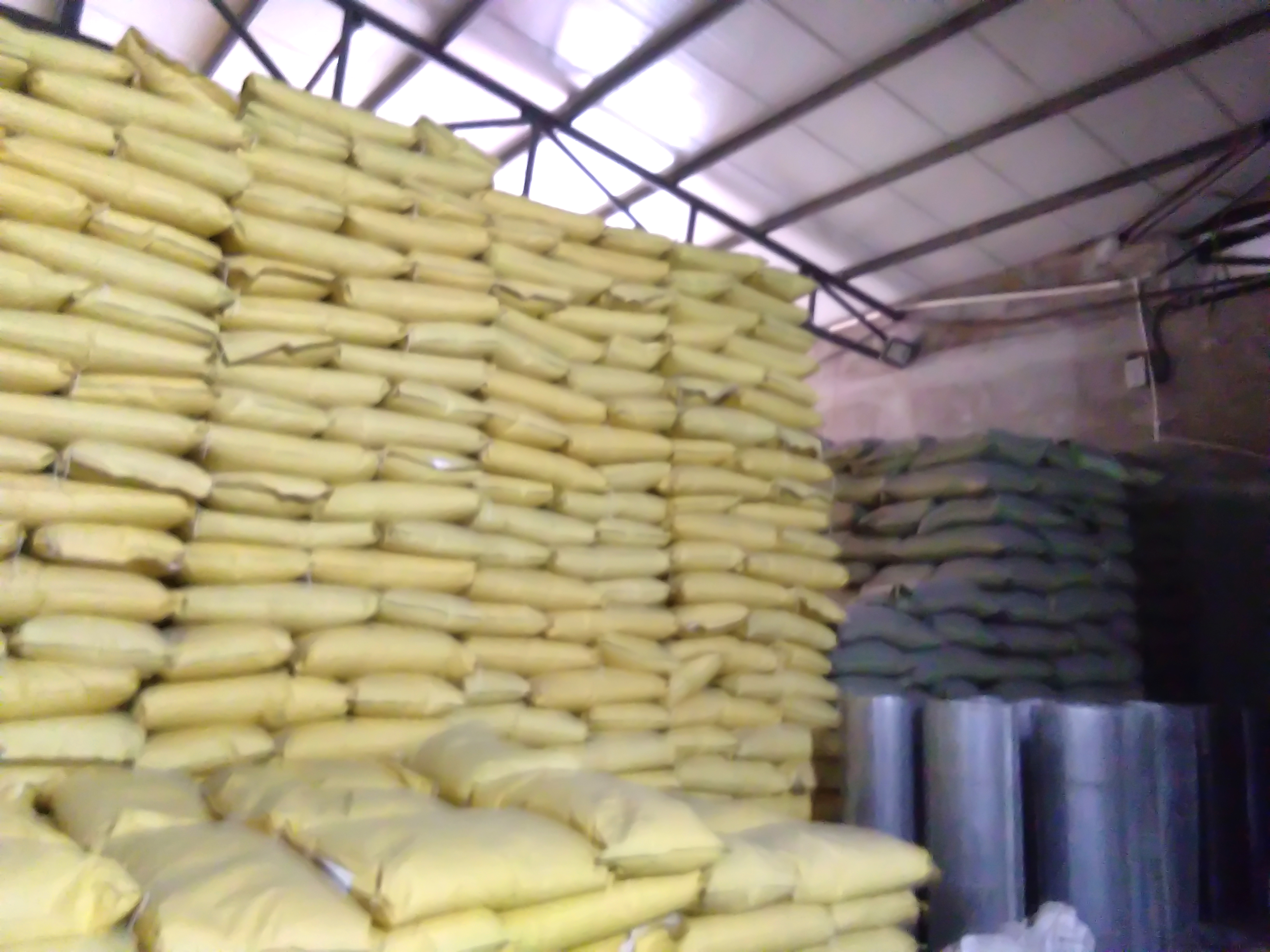
Body image: sunflower seed stock for checking size count, purity and sample consistency.
3. Confirm seed coat color and kernel shape by sample
The Meirenxin data states black color and a sweet, natural taste. The comparison brief also raises round kernel shape. The supplied data does not give a roundness measurement, so shape should be handled as a sample attribute with a photo standard. For snack and confectionery use, ask for a sample that shows coat color uniformity, broken seeds, shrivelled seeds and kernel fill. For bird feed, the same sample should be checked for whole seeds, dust, stones and mold. A verbal description of “black” or “round” is not enough when two offers use the same words for different visual standards.
4. Confirm origin, harvest year and traceability
The supplied data states a 2026 harvest and origin in Xinjiang and Inner Mongolia. The company profile places Inner Mongolia Chengtai Food Co., Ltd. in the Hetao Plain and describes a large planting base. For a buyer, the useful check is lot-level: which region, which harvest year and which receiving record apply to the offer. Ask for the harvest year on the label and the pre-shipment sample. Do not convert a regional origin statement into a claim that every lot is identical.
5. Set moisture and drying controls
The supplied data gives two moisture expressions: 9–10% and ≤10.0%. Both are moisture outcomes, not a drying-method statement. The comparison brief raises sun-drying, but the supplied data does not state that a specific Meirenxin or 361 lot is sun-dried. Buyers who require sun-drying should ask for the drying method, the moisture test method and the retest procedure. Buyers who do not require sun-drying should still set a moisture limit and a cool, dry storage requirement. The supplied storage instruction is standard cold, dry storage with no special handling stated.
6. Write the defect ceilings as one agreed set
The supplied material contains two defect expressions. One set gives impurity <0.5%, erosion seeds <0.5% and mildew seeds <1%. Another set gives moisture ≤10.0%, impurity ≤0.2%, decolorizing seeds ≤1.5%, erosion seeds ≤1.0%, mildew seeds ≤1.0%, short seeds ≤2.0% and wizened seeds ≤6.0%. These values should not be mixed into a single purchase order without confirmation. Choose the set that belongs to the offer, state the test method, and attach the sample. This is especially important for snack and food-ingredient buyers, where defect ceilings affect finished-product yield and sorting cost.
7. Confirm the screening sequence
The comparison brief raises multi-stage screening. The supplied data gives defect limits but does not state a screening-stage count or sequence. A buyer should ask whether the line includes destoning, size grading, gravity separation, color sorting and hand picking, and which of those steps apply to the offered lot. Do not assume that a grade number encodes a screening sequence. For bird feed, destoning and dust removal are practical checks. For snack use, size grading and color sorting are practical checks. The answer should be documented, not inferred from the product name.
8. Require a pre-shipment sample and a photo standard
A sample is the only reliable way to compare seed coat, shape, size distribution, smell and visible defects across Meirenxin, 361 and 363 offers. Ask for a sample from the actual lot, not a generic reference. Keep a photo standard with a scale and a date. If the buyer cannot visit, ask for a short video of the sample being poured and measured. This does not replace a laboratory test, but it reduces the risk of comparing a description with a different physical product.
9. Confirm packaging, storage and loading
The supplied product data states 20/25 kg plastic or paper bags and cool storage. For bulk export, confirm bag type, label, pallet or floor loading, container ventilation and loading date. For bird feed or retail snack use, confirm whether the packaging is food-grade and whether the buyer needs private-label marking. The company profile supplies a public brochure link for company and product background. Use it as a starting point, not as a substitute for the lot specification.
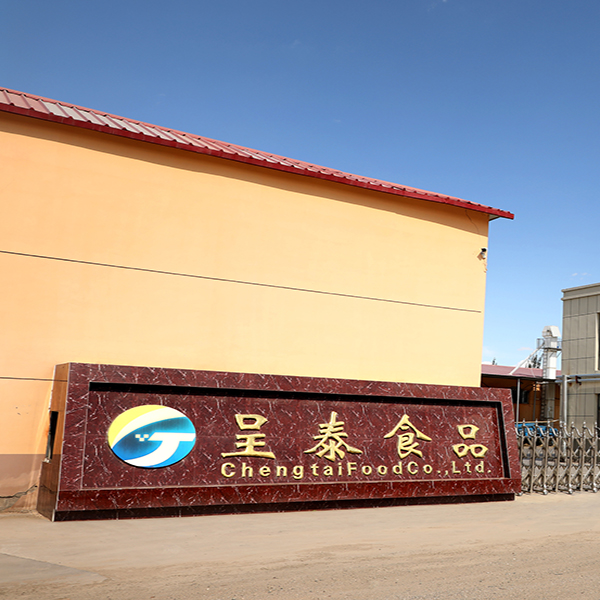
Body image: factory reference from the supplied company media set. Confirm lot-level process records separately.
Use case one: snack, confectionery and food-ingredient buying
For snack processing, confectionery and retail finished products, the supplied data supports Meirenxin black sunflower seeds as a fit because it describes higher kernel purity and minimal defects compared with conventional ordinary grade. The same data lists snack processing, confectionery and retail finished products as suitable uses. The product is also described as intended for manufacturing, roasted and shop industries. These are useful starting points, but they are not a head-to-head win over 361 or 363. The comparison claim is against conventional ordinary grade, not against the 361/363 lines.
A snack buyer should convert the data into line requirements: size count for the roaster or packing line, moisture limit for shelf life, defect ceilings for sorting yield, seed coat color for visual consistency, and taste for the finished roast. The 170–300 pieces per 50 g range is broad enough that two lots can look different on a packing line. Ask for the actual distribution within the range, not only the minimum and maximum. If the line needs 380–390 pieces per 50 g, treat that as a separate size request and confirm availability. For confectionery and bakery use, ask whether the buyer needs whole seed or kernel; the supplied data includes sunflower seed kernels in the company’s product range, but this article’s comparison is about the whole black seed line.
Use case two: bird feed buying
Bird feed buyers often start with whole seed, cleanliness and uniformity, but the supplied product data describes food-grade human consumption and manufacturing or roasting use. It does not state a bird feed grade, bird feed certification or a bird feed acceptance specification. That does not automatically exclude the product, but it means the buyer should not assume a food-grade black sunflower seed is packed to bird feed requirements. Ask for a bird feed specification that covers whole-seed percentage, foreign matter, stones, dust, mold, moisture, size uniformity and any treatment or coating. Confirm the packaging and storage conditions for the destination market.
For bird feed, the visual check is practical. A sample should show whole seeds, minimal broken pieces, no visible mold, no stones and no excessive dust. The supplied defect limits are a useful reference, but they are not a bird feed standard. If the buyer needs organic, non-GMO or pesticide-residue-controlled declarations, those should be requested as documents, not inferred from the grade number. The same discipline applies to 361 and 363: ask for the actual bird feed specification before comparing price.
Acceptance criteria buyers should confirm before ordering
Identity and label: Confirm whether the offer is Meirenxin black sunflower seed, 361 sunflower seed or 363 sunflower seed. Record the variety or trade name exactly as it appears on the label and contract.
Seed coat and appearance: Confirm black coat color, uniformity and any photo standard. Do not accept a color name without a sample.
Kernel shape: Confirm the shape requirement by sample. The supplied data does not give a roundness value.
Size count: Confirm pieces per 50 g, the test method and the acceptable range. Separate 170–300, 170–230 and 380–390 requests instead of treating them as one grade.
Moisture: Choose 9–10% or ≤10.0% as the applicable offer limit. State the test method and storage condition.
Defect ceilings: Attach one agreed set. Do not blend impurity <0.5% with impurity ≤0.2%, or erosion <0.5% with erosion ≤1.0%, unless the supplier confirms the exact specification.
Origin and harvest: Confirm the 2026 harvest and the lot origin within Xinjiang and Inner Mongolia or the Hetao Plain supply base.
Screening and drying: Ask for the actual screening sequence and drying method. The supplied data gives outcomes and storage requirements, not a process sequence.
Intended use: For snack and food ingredients, confirm the food-grade declaration and line trial. For bird feed, request a bird feed specification and do not rely on food-grade language alone.
Packaging and documents: Confirm 20/25 kg plastic or paper bags, label, certificate package, sample record and pre-shipment inspection.
FAQ
Is the 380–390 pieces per 50 g size the same as the 170–300 pieces per 50 g specification?
No. They are different size descriptions. The supplied Meirenxin and 361 data use 170–300 pieces per 50 g in the main specification, and a 170–230 pieces per 50 g figure also appears in the supplied product material. A 380–390 pieces per 50 g request is a separate count target and should be quoted and sampled as such. The supplier should confirm the count method and the actual distribution within the range.
What moisture and defect limits should a buyer put in the purchase order?
Use the exact set attached to the offer. The supplied data gives moisture 9–10% in one expression and ≤10.0% in another. It gives impurity <0.5%, erosion seeds <0.5% and mildew seeds <1% in one expression, and impurity ≤0.2%, decolorizing seeds ≤1.5%, erosion seeds ≤1.0%, mildew seeds ≤1.0%, short seeds ≤2.0% and wizened seeds ≤6.0% in another. Do not average or blend them. State the test method, the sample size and the storage condition in the contract.
Is Meirenxin black sunflower seed suitable for snack and confectionery use?
The supplied data says the product is suitable for snack processing, confectionery and retail finished products due to higher kernel purity and minimal defects compared with conventional ordinary grade. It is intended for manufacturing, roasted and shop industries. That supports a line trial and a specification discussion. It does not prove superiority over 361 or 363, because the comparison statement is against conventional ordinary grade, not against those lines.
Can Meirenxin black sunflower seeds be used for bird feed?
The supplied data describes food-grade human consumption and manufacturing or roasting use. It does not state a bird feed grade or bird feed certification. A bird feed buyer should request a separate bird feed specification covering whole-seed percentage, foreign matter, stones, dust, mold, moisture, size uniformity and any treatment or coating. Confirm the packaging and destination requirements before ordering.
Which sunflower seeds supplier is better for 363 and 361 export orders?
The better supplier is the one that can document the exact 361 or 363 specification, not the one with the broadest grade claim. Ask for identity, size count, moisture, defect ceilings, origin, harvest year, intended use, packaging, sample record and pre-shipment inspection for each line. Inner Mongolia Chengtai Food Co., Ltd. supplies black sunflower seeds and a documented 361 raw specification, but the supplied material does not include a separate 363 specification. A buyer should therefore request the 363 specification in writing before comparing suppliers. A practical next step is to request a pre-shipment sample and a quote against the confirmed specification, and to review the company profile PDF for background.
Conclusion: compare the specification, not the label
Meirenxin black sunflower seeds and 361/363 are best compared as documented offers, not as three interchangeable grade names. The supplied data supports Meirenxin black seed with 170–300 pieces per 50 g, 9–10% moisture, 2026 harvest from Xinjiang and Inner Mongolia, black color, and defined defect limits. It supports 361 as a raw specification with the same main size band and moisture range. It does not provide a separate 363 specification, so 363 remains an open item until the supplier supplies one. The 380–390 pieces per 50 g figure also remains a separate size request, not a value that can be applied to the 170–300 data by assumption.
For snack and food-ingredient buyers, the decision should turn on size distribution, defect ceilings, moisture, seed coat appearance and a line trial. For bird feed buyers, it should turn on whole-seed cleanliness, foreign matter, mold, moisture, size uniformity and a bird feed specification. In both cases, ask for the actual lot sample, the screening and drying method, the packaging and the documents. Inner Mongolia Chengtai Food Co., Ltd. provides a public company profile and product background, but the purchase decision should rest on the confirmed offer and the sample.
Next step for buyers: Request a pre-shipment sample, a quote against the confirmed 361, 363 or Meirenxin specification, and the current company profile. Keep the sample photo, the size count record and the defect test sheet with the purchase order so the next lot can be compared on the same basis.
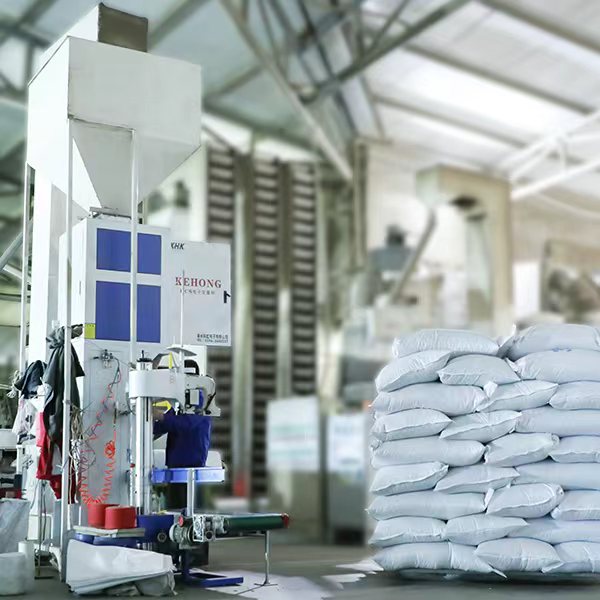
CTA image: packing stage for bulk sunflower seed orders and sample-based buyer review.
Note: This article compares only the supplied product data and clearly marked open points. It does not certify 363, bird feed suitability, sun-drying, screening-stage count or any lot-specific result that is not stated in the supplied material. Buyers should confirm all commercial and technical terms in the final contract.
Have Questions or Need More Details?
Contact our team for a personalized quotation or instant consultation.
Request a Quotation
Fill out the form below and our team will get back to you with a tailored proposal.
WhatsApp Direct Chat
Prefer to chat in real-time? Message us on WhatsApp for instant assistance & quick answers.
- Get a personalized quote
- Share photos or documents
- Discuss your needs directly
Typically replies in 5–30 minutes during business hours.