Pumpkin Seed Supplier Capability Audit: Grades, Packaging and Delivery Assurance
Supplier Capability Audit
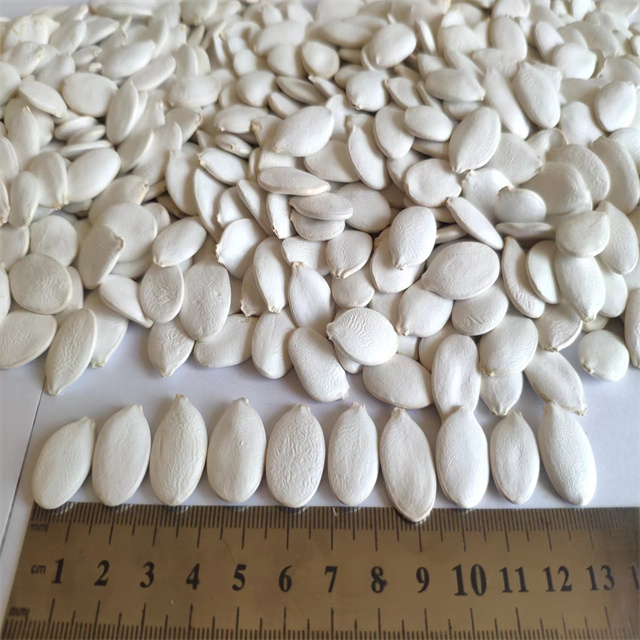
Answer first: A pumpkin seed supplier capability audit should verify five things before price is treated as comparable: a written grade definition linked to measurable parameters; sample-to-bulk consistency for Snow White, Shine Skin or Lady Nail; moisture, impurity, erosion seed and mildew seed limits; packaging format and storage condition; and a pre-shipment acceptance record. For manufacturing and roasted shop use, the audit should end with an incoming-inspection checklist, not a general supplier brochure.
This guide is written for buyers at the awareness and research stage who need to compare pumpkin seeds suppliers on capability rather than on a single price quote. It uses the product data and company facts of Inner Mongolia Chengtai Food Co.,Ltd as a worked example, while keeping the framework applicable to other suppliers. The focus is grade consistency, packaging and delivery assurance.
Problem Definition: Why Grade Names Alone Do Not Protect a Buyer
A grade label such as A, AA or AAA is not a specification by itself. It becomes a specification only when the supplier and buyer agree on the variety, size basis, color, moisture, impurity, erosion seed limit, mildew seed limit, packaging and storage condition. Without those details, two suppliers can both quote AAA and still deliver different lots.
This problem is practical for manufacturing and roasted shop buyers. The incoming material must fit a production line, a roast batch or a packing program. If the grade is inconsistent, the buyer pays for sorting, rework, rejected lots or line downtime. The audit should therefore test whether the supplier can repeat the declared grade across lots, not only whether a sample looks good once.
The same logic applies to export-grade pumpkin seeds. Export destination may add regulatory requirements. For example, EU Commission Regulation (EU) 2023/915 sets the maximum aflatoxin level for pumpkin seeds at 5.0 μg/kg for the sum of B1, B2, G1 and G2. That limit belongs in the purchase specification when the EU is the destination. It does not replace the grade, moisture and packaging checks, but it shows why a supplier audit should include the buyer's regulatory checklist.
Industry Background: Supply, Origin and Market Signals
China is a large pumpkin seed origin. According to Seedea / Pumpkin GWS Market Update, China's total pumpkin seed production was projected at 400,000 tons in 2024, up from 280,000 tons in 2023. Everstar Foods reports that Shine Skin accounted for 74% of China's 2024 production, or approximately 294,000 tons. Inner Mongolia is a major cultivation hub, with 28,700 hectares (430,000 mu) in 2024, according to Seedea Agriculture Statistics.
Global demand is also part of the context. Maximize Market Research estimates the global pumpkin seed market at USD 1.08 billion in 2025, growing to USD 2.62 billion by 2032 at a CAGR of 13.4%. These figures do not tell a buyer which supplier to choose. They explain why grade consistency and delivery assurance deserve a formal audit rather than an informal sample check.
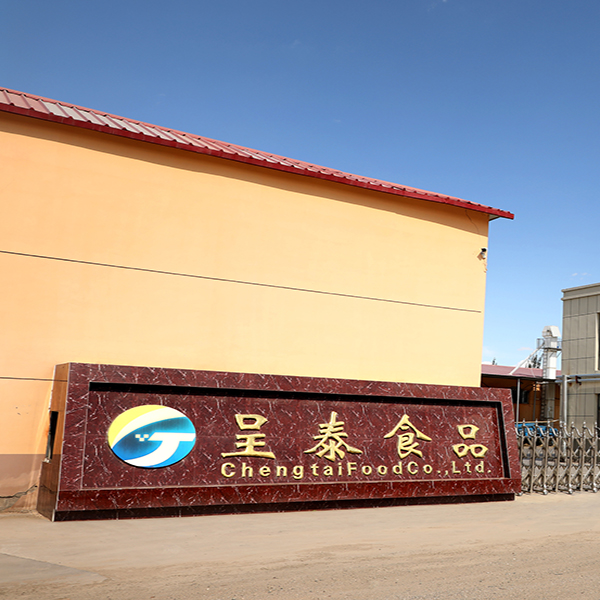
Inner Mongolia Chengtai Food Co.,Ltd is a manufacturer and exporter established in 2013 and located in Hanggin Rear Banner, Bayannur, Inner Mongolia, China. The company produces sunflower seeds, pumpkin seeds and kernels, and approximately 80% of its sales are export sales to the Middle East, Middle Asia and Europe. Its stated annual production capacity is 30,000 metric tons of seed kernels, with a 3,500 m² factory, about 20 employees, 2 engineers in research and development, and a 1.5 million-acre planting base for sunflower and pumpkin seeds. Those facts are useful in a capability audit because they define the supplier's stated operating scale and export orientation, not because they replace lot-level evidence.
Detailed Solution: A Five-Gate Capability Audit
A five-gate audit is easier to apply than a long questionnaire. Each gate produces a document or a sample record that the buyer can compare across suppliers.
Gate 1: Grade and Variety Consistency
Start with the product family. Snow White Pumpkin Seeds, Shine Skin Pumpkin Seeds and Lady Nail Pumpkin Seeds are not interchangeable names. The product data lists Snow White as a white pumpkin seed with sizes 15cm+, 13cm+ and 11cm+; Shine Skin as a white pumpkin seed in big size 11cm+ with 8–10mm+ and <8mm sub-sizes; and Lady Nail as an Inner Mongolia origin pumpkin seed in 10cm+ with 7–10mm+ and <7mm sub-sizes. The same data lists Shine Skin Pumpkin Seeds kernels in grades A, AA and AAA, with AAA described as dark green and AA as green.
The audit point is not to memorize those labels. It is to require the supplier to state the measurement basis. The product data uses both cm and mm expressions across varieties. A buyer should confirm whether the size is a seed length, a kernel size, a screen size or a commercial caliber, and should record the method in the specification. That single step prevents a common mismatch between a sample and a bulk lot.
For Green Kernel AAA and other kernel grades, request a grade definition that covers color, size and defect limits. For whole seeds, request the same for variety, size and color. If the specification calls for Non-GMO Pumpkin Seeds, ask for a separate written declaration; the product data reviewed here focuses on grade, moisture, impurity, packaging and storage. If the requirement is High Purity Pumpkin Seeds, define purity by the impurity limit and the inspection method, not by the phrase alone.
Gate 2: Measurable Quality Parameters
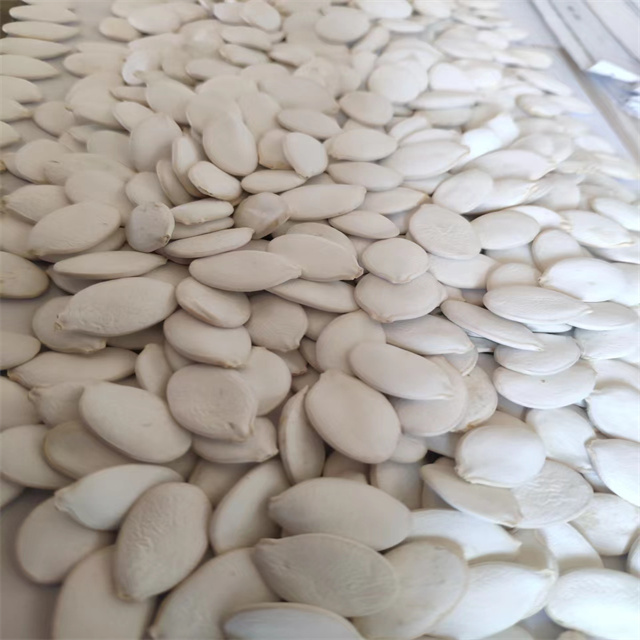
The product data lists the same core quality parameters across the pumpkin seed products: moisture 9–10%, impurity <0.5%, erosion seeds <0.5% and mildew seeds <1%. These are the supplier-stated values. The audit should convert them into lot-specific acceptance limits and a sampling method.
A specification conflict check is useful here. Agroland Food Specifications lists AAA Grade Shine Skin Pumpkin Seed kernels at 99.95% minimum purity and 8% maximum moisture. The product data in this audit lists 9–10% moisture and impurity <0.5%. These are different published reference points. The lesson is not that one number is automatically wrong; it is that grade names and test bases vary. The purchase contract should state the agreed moisture, purity, defect and test method, and the supplier should provide lot-specific records against that contract.
For manufacturing and roasted shop use, moisture, impurity, erosion seeds and mildew seeds are not abstract quality words. They are incoming inspection points. A buyer can reject a lot that falls outside the agreed limits, but only if the limits and method were written before shipment.
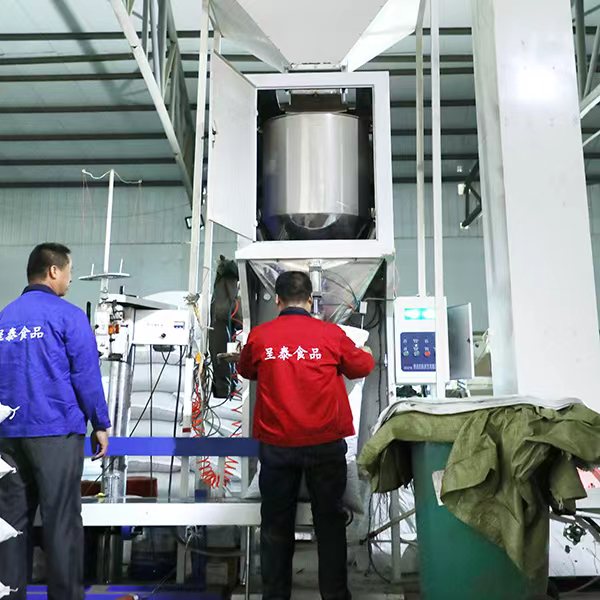
Gate 3: Packaging Format and Protection
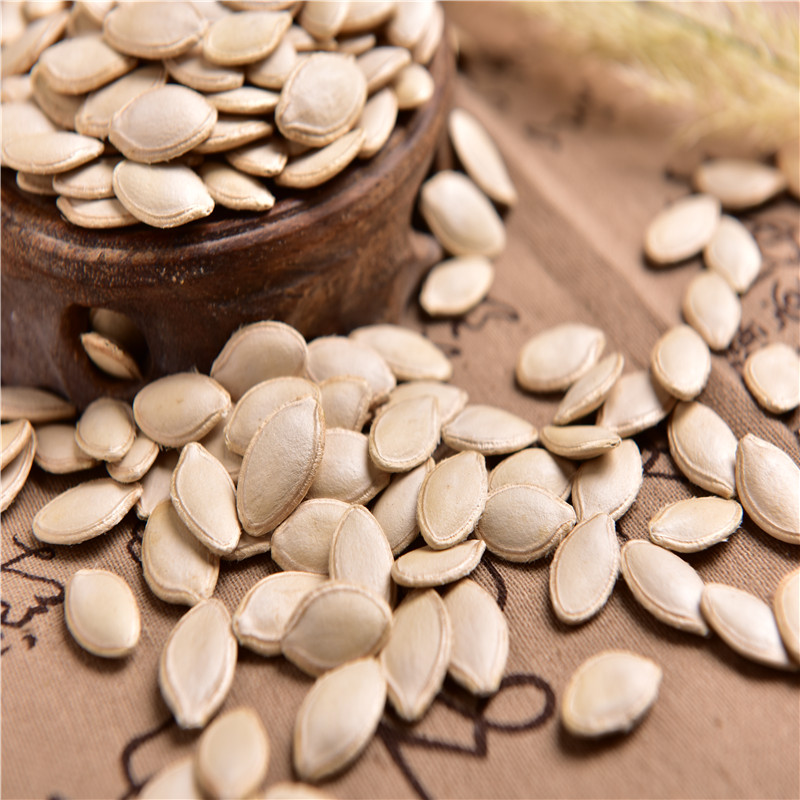
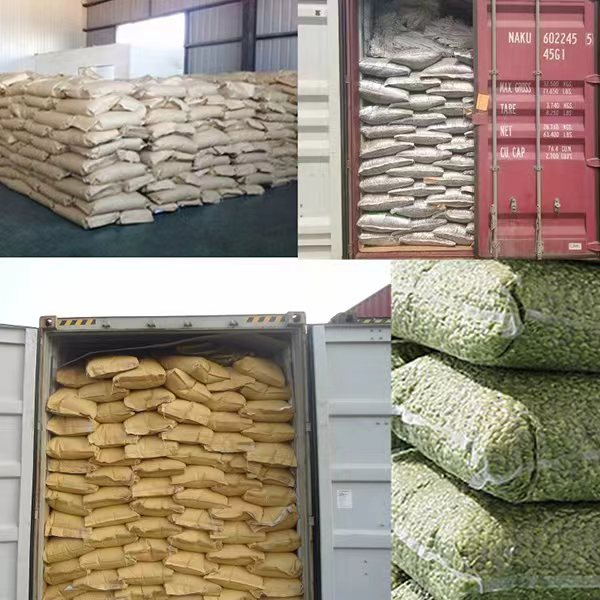
The product data lists 20/25 kg plastic or paper bags for Snow White, Shine Skin and Lady Nail pumpkin seeds. Shine Skin Pumpkin Seeds kernels are also listed with vacuum bag with carton packaging. The audit should match the packaging format to the product form, the transport mode and the receiving warehouse.
Packaging is part of delivery assurance because it affects handling, storage and lot identification. The buyer should record the bag type, the net weight, the closure method, the carton specification where used, and the lot label. For export-grade shipments, the packaging clause should be written into the contract, not left to a verbal agreement.
Gate 4: Storage and Handling
The product data specifies storage in a cool place. The application data for snack manufacturing describes a cool and dry indoor warehouse at normal temperature and low humidity. The buyer should translate those statements into a receiving condition and a storage instruction.
A cool place is not a complete warehouse specification. The audit should confirm that the supplier can hold the product under the declared condition before loading, and that the receiving site can maintain a comparable condition after arrival. If the product is transferred through a hot or humid port, the buyer should ask how the packaging and storage condition are protected in transit. The answer should be documented, not assumed.
Gate 5: Delivery Assurance and Acceptance
Delivery assurance is evidence, not a promise. At minimum, the audit should produce a pre-shipment sample record, a packaging check, a lot identification record, a storage condition check and a loading record. The buyer should also define the acceptance and rejection rules before the first shipment.
A practical acceptance record for pumpkin seeds can use the product data limits: moisture 9–10%, impurity <0.5%, erosion seeds <0.5% and mildew seeds <1%. It should also record the variety, grade, size basis, packaging format and storage condition. If any of those fields is missing, the lot is not fully traceable to the agreed specification.
Step-by-Step Breakdown: How to Run the Audit
- Write the end-use specification. State whether the product is for manufacturing, roasted shop use or another application; state the variety or kernel type; state the grade and size basis; state the quality limits and the packaging format.
- Request a sample and a lot-specific specification sheet. The sheet should show the same parameters as the contract, not a generic brochure.
- Check grade and size against the sample. Compare color, size and defect appearance with the written definition. Record the measurement method.
- Verify moisture, impurity, erosion seeds and mildew seeds. Use the agreed method and record the result for the lot.
- Approve the packaging. Confirm 20/25 kg plastic or paper bag, or vacuum bag with carton where specified, and check the lot label.
- Confirm storage and loading. Check the cool-place condition, the warehouse environment and the loading record.
- Set acceptance and rejection rules. Define what happens if a lot is outside moisture, impurity, erosion or mildew limits, or if the grade and packaging do not match.
- Retain samples and records. Keep a retained sample from each approved lot so that a later dispute can be checked against the original reference.
Use Cases: Where the Audit Changes the Buying Decision
Snack Manufacturing
The application data describes snack manufacturing as a food production processing project using pumpkin seeds as a raw material for snacks, baked goods and confectionery. The working condition is a cool and dry indoor warehouse at normal temperature and low humidity. The operation mode is batch processing with manual and mechanical feeding, and the matched equipment includes a sorting machine and a packing machine. The special requirement is impurity controlled. In this setting, the audit should focus on impurity <0.5%, grade consistency and packaging that fits the feeding and packing line.
Roasted Shops
The product data lists manufacturing and roasted shop as applicable industries. A roasted shop needs a repeatable grade and a clean raw material. Moisture 9–10%, impurity <0.5%, erosion seeds <0.5% and mildew seeds <1% are the relevant supplier-stated limits. The audit should also confirm the size basis and the packaging format, because both affect handling before roasting. This article covers raw pumpkin seeds and kernels supplied to roasted shops; it does not describe a salted roasted finished product.
Export and Distribution Programs
For exporters and distributors, the audit should combine product quality with shipping documentation. The company exports about 80% of its products to the Middle East, Middle Asia and Europe. The packaging options in the product data are 20/25 kg plastic or paper bags, plus vacuum bag with carton for Shine Skin kernels. The buyer should match the packaging to the destination handling chain and record the storage condition. The origin is listed as Xinjiang and Inner Mongolia, so origin documentation and lot traceability should be part of the same audit file.
Comparison Table: Supplier Data to Verify
The table below uses the product data in this audit. It is a reference for the buyer's audit file, not a third-party certification.
| Product | Grade or size listed | Color | Moisture | Impurity | Erosion seeds | Mildew seeds | Packaging listed |
|---|---|---|---|---|---|---|---|
| Shine Skin Pumpkin Seeds kernels | Grade AAA | Dark green | 9–10% | <0.5% | <0.5% | <1% | 20/25 kg plastic or paper bag; vacuum bag with carton |
| Shine Skin Pumpkin Seeds kernels | Grade AA | Green | 9–10% | <0.5% | <0.5% | <1% | 20/25 kg plastic or paper bag; vacuum bag with carton |
| Shine Skin Pumpkin Seeds kernels | Grade A/AA/AAA | Green | 9–10% | <0.5% | <0.5% | <1% | 20/25 kg plastic or paper bag; vacuum bag with carton |
| Snow White Pumpkin Seeds | 15cm+, 13cm+, 11cm+ | White | 9–10% | <0.5% | <0.5% | <1% | 20/25 kg plastic or paper bag |
| Shine Skin Pumpkin Seeds | Big size 11cm+; 8–10mm+; <8mm | White | 9–10% | <0.5% | <0.5% | <1% | 20/25 kg plastic or paper bag |
| Lady Nail Pumpkin Seeds | Inner Mongolia origin 10cm+; 7–10mm+; <7mm | White | 9–10% | <0.5% | <0.5% | <1% | 20/25 kg plastic or paper bag |
Use the table to ask precise questions. For example: which grade and size basis applies to this lot, which packaging format will be used, and what acceptance record will be issued before loading? The answers should be written into the purchase order.
FAQ
What should I check when comparing pumpkin seeds suppliers?
Check the written grade definition, lot-specific moisture, impurity, erosion seed and mildew seed limits, packaging format, storage condition and sample-to-bulk consistency. For manufacturing or roasted shop use, also confirm that the supplier can provide the requested product form, such as Snow White, Shine Skin or Lady Nail pumpkin seeds.
How can I verify A, AA and AAA pumpkin seed grades?
Ask the supplier to define each grade with measurable attributes: variety, color, size basis, moisture, impurity, erosion seeds and mildew seeds. Then compare a retained sample with the bulk lot. The product data lists Shine Skin Pumpkin Seeds kernels in grade A, AA and AAA, with AAA described as dark green and AA as green; the audit should confirm the size and defect limits in writing because grade labels alone are not a test method.
Which packaging formats are available for pumpkin seed export orders?
The product data lists 20/25 kg plastic or paper bags for Snow White, Shine Skin and Lady Nail pumpkin seeds. Shine Skin Pumpkin Seeds kernels are also listed with vacuum bag with carton packaging. The buyer should confirm the format, net weight and lot label in the contract, especially for export-grade shipments.
What acceptance criteria should I use for manufacturing or roasted shop use?
Use the agreed parameters as incoming inspection points: moisture 9–10%, impurity <0.5%, erosion seeds <0.5% and mildew seeds <1%, plus the specified variety, grade, size basis, packaging and storage condition. The application data for snack manufacturing also calls for a cool and dry indoor warehouse at normal temperature and low humidity, with impurity controlled.
How should pumpkin seeds be stored after delivery?
The product data specifies storage in a cool place. The buyer should translate that into a receiving and warehouse condition that matches the application, such as a cool and dry indoor warehouse at normal temperature and low humidity. A sample and a current specification sheet can be requested from Inner Mongolia Chengtai Food Co.,Ltd at ctsunfood@163.com or 2637856485@qq.com, or by phone and WhatsApp at +86 18347278337.
Conclusion
A pumpkin seed supplier capability audit protects the buyer from paying for a grade label that is not backed by a lot record. The five gates are simple: grade and variety, measurable quality, packaging, storage and delivery acceptance. Use the product data as a starting specification, then convert it into a contract with test methods and acceptance rules.
For buyers who want to start with a sample, Inner Mongolia Chengtai Food Co.,Ltd can be contacted by email at ctsunfood@163.com or 2637856485@qq.com, and by phone or WhatsApp at +86 18347278337. The company website is www.ctsunfood.com. A company profile PDF is available for download.
Next step: Request a sample and a current specification sheet for Snow White, Shine Skin or Lady Nail pumpkin seeds. Confirm the grade, size basis, packaging format and storage condition before placing a bulk order.
Have Questions or Need More Details?
Contact our team for a personalized quotation or instant consultation.
Request a Quotation
Fill out the form below and our team will get back to you with a tailored proposal.
WhatsApp Direct Chat
Prefer to chat in real-time? Message us on WhatsApp for instant assistance & quick answers.
- Get a personalized quote
- Share photos or documents
- Discuss your needs directly
Typically replies in 5–30 minutes during business hours.