Sunflower Seeds Guide: Types, Grades, and Choosing a Supplier
Sunflower seeds are edible seeds used as a raw material for snack foods, roasted sunflower seeds, bakery ingredients, confectionery, and food manufacturing. The buying decision is not only about the word “sunflower seeds”; it is about choosing a specific type, size, color, and specification that fits the final product. This guide explains the sunflower seed categories commonly used by buyers and how to evaluate them before placing an order.
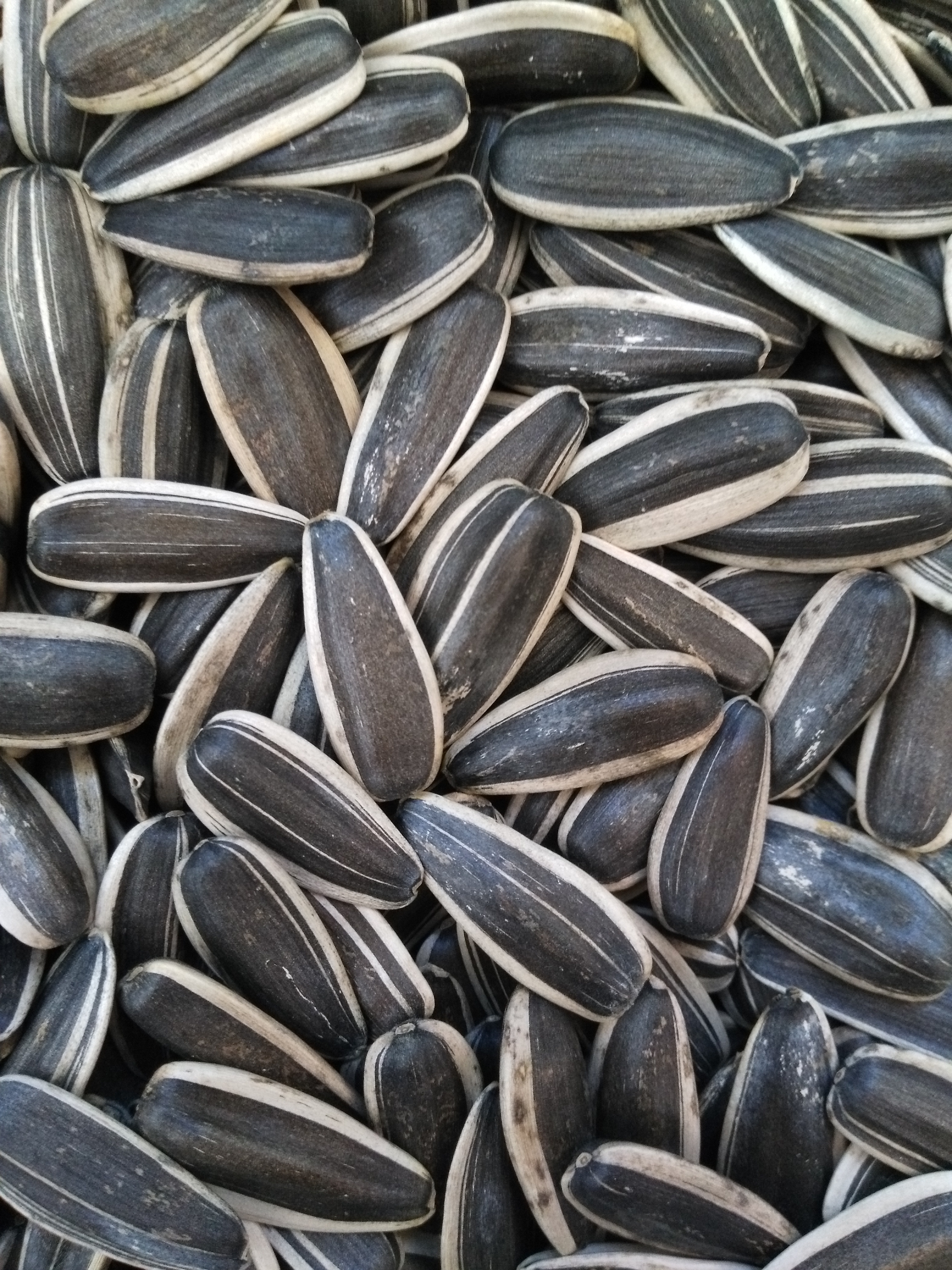
Sunflower seeds 363 are a commonly referenced black sunflower seed type in procurement.
Problem Definition: Why Sunflower Seed Selection Is Confusing
Importers, snack manufacturers, and roasting businesses often begin with a broad search for sunflower seeds. Search results include model names such as 363, 361, T6, T5, and 601. These codes are not global standards; they are supplier or origin-based model names. Buyers who do not know what each code means may confuse seed size, shell color, shape, flavor suitability, or price level.
The practical problem is not whether sunflower seeds are edible. The problem is which specification fits the intended application. A seed suitable for original roasted flavor may not be the best choice for salted snacks. A whole seed for roasting is different from a hulled kernel for bakery use. The first step in procurement is therefore to map the product code to observable characteristics.
Industry Background: Sunflower Seeds in the Global Market
According to Custom Market Insights, the global sunflower seeds market was valued at USD 29.27 billion in 2025 and is projected to reach USD 35.98 billion by 2034. USDA FAS estimates global sunflower seed production at 55.05 million metric tons for the 2025/26 marketing year.
China is a significant exporting country. OEC data show that China's sunflower seed exports were valued at USD 937 million in 2025, with major destinations including Iraq at USD 131 million and Russia at USD 101 million. Within China, Inner Mongolia is the most important production region. People's Daily Online reports that Inner Mongolia accounts for more than 60% of China's total sunflower cultivation area. According to a 2025 report cited by Tridge, Inner Mongolia's sunflower seed export volume reached approximately 463,400 tons, valued at US$748 million.
Inner Mongolia Chengtai Food Co., Ltd. is located in the Hetao Plain, Hanggin Rear Banner, and specializes in sunflower seeds, pumpkin seeds, and kernels. The company was founded in 2013 and has over ten years of experience in the sunflower and pumpkin seed industry. The company has access to a natural planting base of 1.5 million acres for sunflower seeds and pumpkin seeds. China Daily notes that confectionery grade sunflower seed production in China focuses on larger kernel sizes, primarily grown in the saline-alkali fields of Bayannur, which is the same broader region where Chengtai operates.
Detailed Solution: Common Sunflower Seed Types and What They Mean
Sunflower seed model numbers may vary by supplier, but the seed characteristics behind them can be compared. The following types appear frequently in Chengtai's product data.
Sunflower Seeds 363
Sunflower seeds 363 are black sunflower seeds intended for human consumption. They are offered in raw specification with a sweet and natural taste. The product line includes jumbo size, bulk, Inner Mongolia origin, pesticide residue controlled, and large-kernel striped versions. The general size range is 170 to 230 pieces per 50 g, with selectable grades around 170–180, 180–190, 190–200, 200–210, or 210–220 pieces per 50 g.
According to Chengtai's comparison notes, type 363 has a black color and is suitable for roasted original taste. Its price level is higher than type 361. Buyers looking for a larger black seed for roasted snack lines often shortlist this type.
Sunflower Seeds 361
Sunflower seeds 361 are black-white striped sunflower seeds. They also appear as Black Sunflower Seeds 361, Black-white Striped Sunflower Seeds 361, Unshelled Sunflower Seeds 361, and Non-GMO Sunflower Seeds 361 in the product data. The general size range is 170 to 300 pieces per 50 g, with selectable sizes from 150–160 up to 180–190 pieces per 50g.
Type 361 has a round shape, a thinner shell, and good taste. It is described as suitable for salted flavor. Compared with type 363, 361 has a lower price position.
Sunflower Seeds T6
Sunflower seeds T6 are black sunflower seeds with a longer shape compared with 361. They are classified in categories such as Food Grade Sunflower Seeds, Confectionery Grade Sunflower Seeds, and Snack Food Sunflower Seeds. The general size range is 170 to 300 pieces per 50 g, with selectable sizes from 170–180 to 200–210 pieces per 50g.
T6 has a slightly harder shell and is usually sold as a raw material. If a buyer needs a black seed with a long shape and deep black color, T6 is worth evaluating.
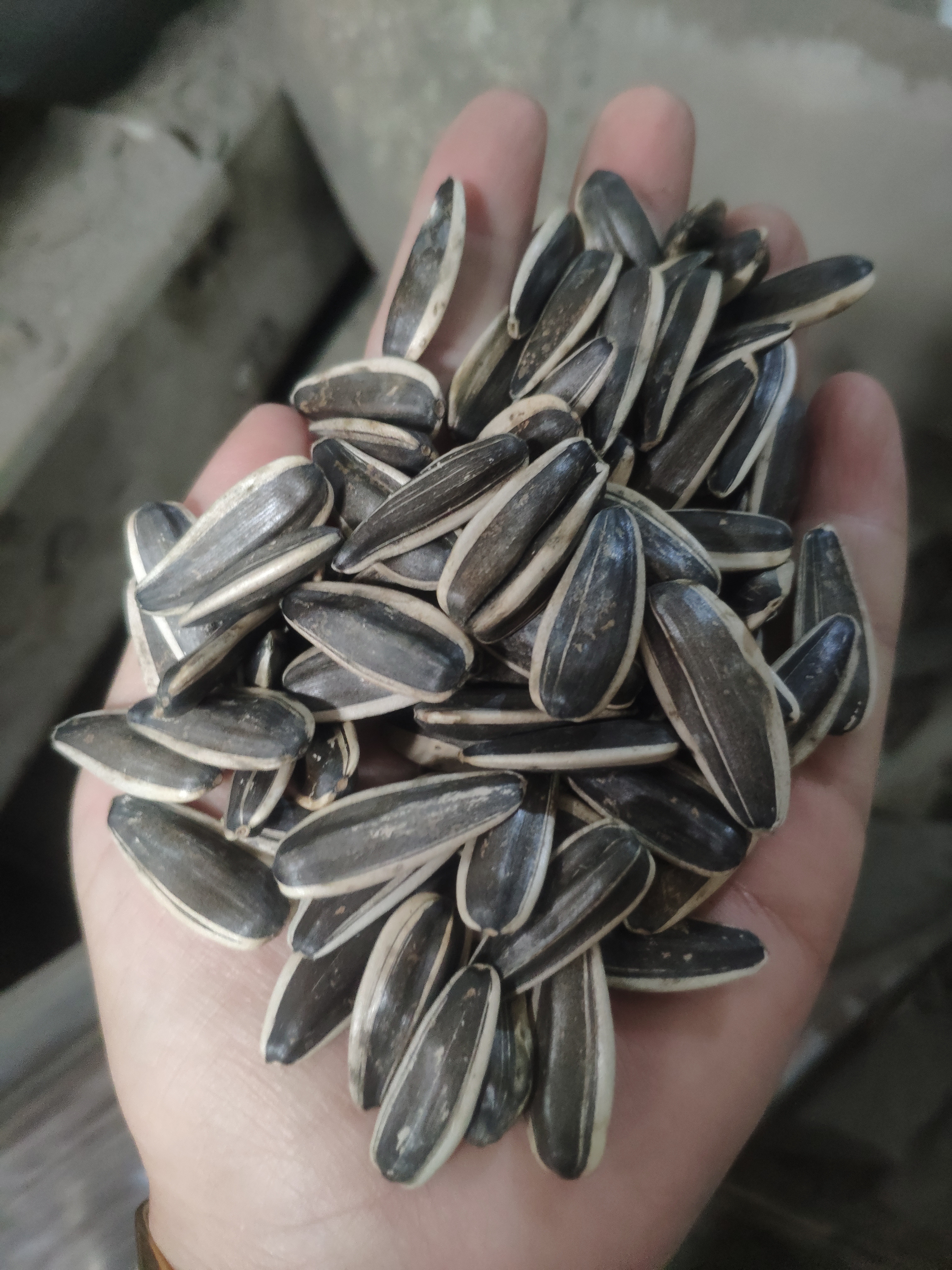
Sunflower seeds T6 are commonly selected for food-grade raw material supply.
Sunflower Seeds T5 and 601
Sunflower seeds T5 are classified as food-processing sunflower seeds. They have a round shape, black color, and middle size, with a range around 200 to 230 pieces per 50 g. Sunflower seeds 601 are medium-size seeds with black and white stripes, around 240 to 270 pieces per 50 g, and are positioned with a competitive price.
Sunflower Seed Kernels
Sunflower seed kernels, sometimes listed under the product name Nuts, are hulled white kernels used as a bakery ingredient. They are raw, have a sweet and natural taste, and can be used to make candy or as an ingredient for bread. Sunflower seed kernels are packed in 20/25 kg plastic or paper bags or vacuum bags with carton.
Quality Specifications Buyers Should Check
Measurable specifications are more useful than general statements about quality. In Chengtai's sunflower seed listings, the common control points are moisture at 9–10%, impurity below 0.5%, eroded seeds below 0.5%, and mildew seeds below 1%. The products are raw, intended for human consumption, and sourced from Xinjiang and Inner Mongolia.
For strict food safety requirements, the sunflower seeds 363 line includes a pesticide residue controlled version. The 361 line includes a non-GMO classified version. In the EU market, sunflower seed imports require attention to HACCP principles and monitoring of pesticide residues and metal contaminants, according to CBI market information. The same source notes that Inner Mongolia Chengtai Food Co., Ltd. supplies black sunflower seeds and kernels and is certified under ISO 9001 and Halal.
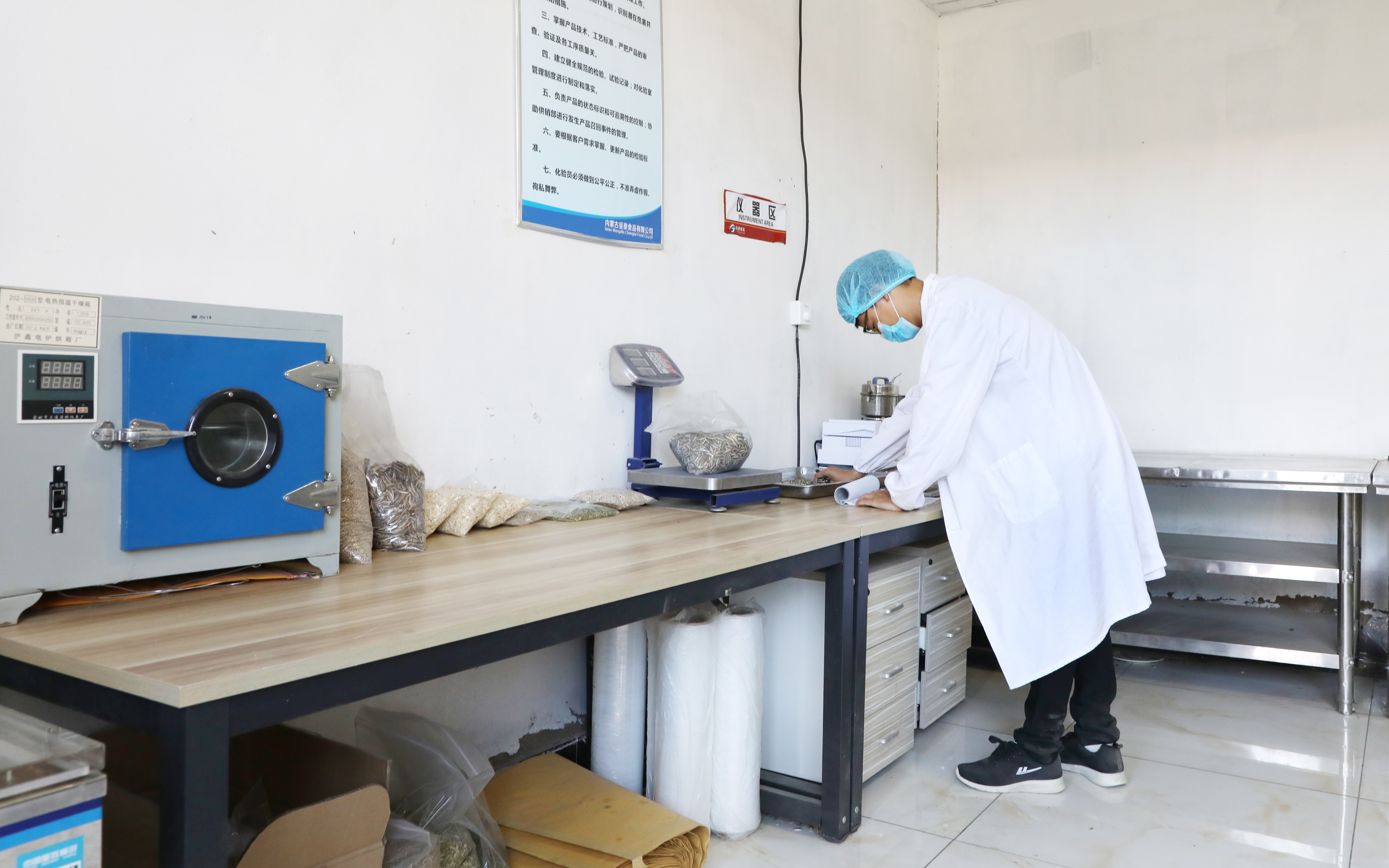
Impurity and erosion seed checks are part of sunflower seed quality control.
Step-by-Step Sunflower Seed Procurement Checklist
- Define the end use. Determine whether the sunflower seeds will be roasted, salted, packed as snacks, processed into kernels, or used as a bakery ingredient.
- Select the seed type. Use seed color, shape, size, and shell thickness to match the end use. For original roasted taste, 363 is often selected. For salted flavor, 361 is common. For long black raw material, T6 can be considered.
- Review the specification. Check moisture, impurity, erosion seeds, mildew seeds, crop year, origin, and whether the product is raw or roasted.
- Evaluate the supplier. Look at the supplier's production base, processing standards, export experience, and certifications.
- Request a current sample. For crop-year-sensitive products, a 2026 crop sample will be more representative than an old sample.
- Confirm packaging and shipment. Whole seeds are commonly packed in 20/25 kg plastic or paper bags; kernels can be packed in vacuum bags with carton.
Use Cases for Different Sunflower Seed Categories
Snack food manufacturing. Snack food sunflower seeds can be supplied as raw T6 seeds with 170–300 pieces per 50 g, suitable for further roasting and flavoring. The 363 line also supports jumbo and bulk requirements.
Roasting shops. A roasting shop may prefer 363 for original roasted taste because of its black color and sweet natural taste. If the target product is salted flavor with a thinner shell, 361 is a more common choice.
Bakery and confectionery. Bakery ingredient sunflower seed kernels are hulled white kernels intended for human consumption. They can be used in bread or candy and are available in confectionery grade classifications.
Wholesale bulk purchasing. Bulk sunflower seeds 363 are packed in 20/25 kg plastic or paper bags and are designed for manufacturing and roasting customers who need large quantities.
Comparison Table: Common Sunflower Seed Types
| Type | Color / Shape | Size Range | Typical Use | Price Position |
|---|---|---|---|---|
| 363 | Black | 170–230 pcs/50g | Roasted original taste | Higher than 361 |
| 361 | Black-white striped, round | 170–300 pcs/50g | Salted flavor, thin shell | Lower than 363 |
| T6 | Black, long shape | 170–300 pcs/50g | Food-grade raw material | Competitive |
| T5 | Black, round | 200–230 pcs/50g | Food processing | Competitive |
| 601 | Black-white striped | 240–270 pcs/50g | Medium-size processing | Competitive |
| Kernels | White hulled kernels | Not size-graded in pcs | Bakery, candy | Good price |
The table does not replace a laboratory specification sheet, but it gives buyers a starting point for comparing model names.
Frequently Asked Questions
Are sunflower seeds 363 suitable for human consumption?
Yes. Sunflower seeds 363 are intended for human consumption. They are raw products made from sunflower seed kernels. In Chengtai's product data, the 363 line includes a pesticide residue controlled version, and the product is supplied for manufacturing and roasted food use.
Where can I find 363 sunflower seeds suppliers?
Inner Mongolia Chengtai Food Co., Ltd. supplies sunflower seeds 363 in several versions, including jumbo size, bulk, Inner Mongolia origin, large-kernel striped, and pesticide residue controlled. The company is based in the Hetao Plain, Hanggin Rear Banner, Inner Mongolia, and exports about 80% of its sales to markets including the Middle East, Middle Asia, Europe, Egypt, Dubai, and the United States. Contact details are available on the company website www.ctsunfood.com.
What are the differences between sunflower seeds type 363 and 361?
Sunflower seeds 363 have a black color and can be supplied in a jumbo size range down to about 170–180 pieces per 50 g. They have a sweet taste and are more suitable for roasted original flavor; their price is higher. Sunflower seeds 361 have a black-white striped color and a round shape, with a larger size option down to about 150–160 pieces per 50 g. Type 361 is usually used for salted flavor and has a lower price position than 363.
What are the differences between sunflower seeds type 361 and T6?
Type 361 is round, comes from an earlier period, is not completely black, has a thin shell, and is often used for salty flavor. Type T6 has a longer shape, is blacker than 361, is usually sold as raw material, and has a slightly harder shell. A buyer who needs deep black color and a long shape can consider T6; a buyer who wants a thin shell and good taste can consider 361.
What packaging options are available for bulk sunflower seeds?
Whole sunflower seeds such as 363 and 361 are commonly packed in 20/25 kg plastic or paper bags. Sunflower seed kernels can be packed in 20/25 kg plastic or paper bags or vacuum bag with carton. Products should be stored in a cool place to maintain quality.
Conclusion and Next Step
Sunflower seed procurement becomes simpler when the buyer separates product codes from product characteristics. Model numbers such as 363, 361, T6, T5, and 601 represent different combinations of color, shape, size, shell behavior, and price position. The next step is to define the end use, check measurable specifications, and compare suppliers with actual production and export experience.
Inner Mongolia Chengtai Food Co., Ltd. provides sunflower seeds, pumpkin seeds, and kernels from a production base in Inner Mongolia. The company's annual production capacity is 30,000 metric tons, and its manufacturing workshop is designed in accordance with EU standards. The company is located at Mengxiu Industry Zone, Xamba Town, Hanggin Rear Banner, Bayannur City, Inner Mongolia, China.
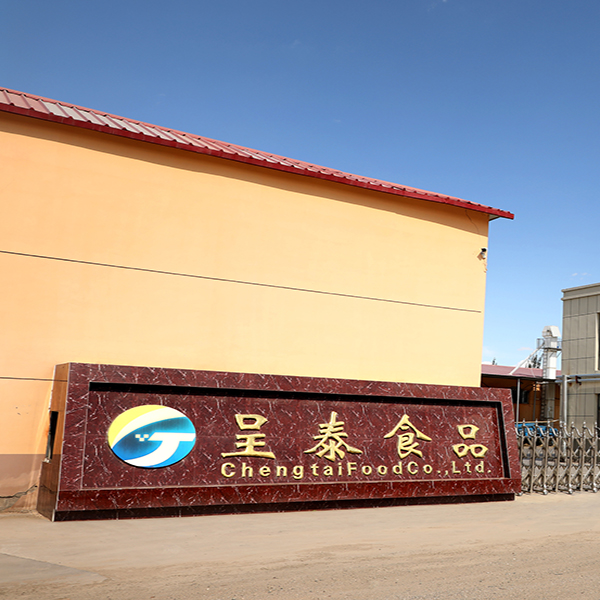
Chengtai's production capacity supports bulk sunflower seed supply.
To review product details, download the company profile: Company Profile PDF. For current crop samples and specifications, contact the Chengtai sales team through www.ctsunfood.com.
Have Questions or Need More Details?
Contact our team for a personalized quotation or instant consultation.
Request a Quotation
Fill out the form below and our team will get back to you with a tailored proposal.
WhatsApp Direct Chat
Prefer to chat in real-time? Message us on WhatsApp for instant assistance & quick answers.
- Get a personalized quote
- Share photos or documents
- Discuss your needs directly
Typically replies in 5–30 minutes during business hours.