What Is Meirenxin Sunflower Seed? A Basic Explainer on Black Seed Coat and Kernel Size
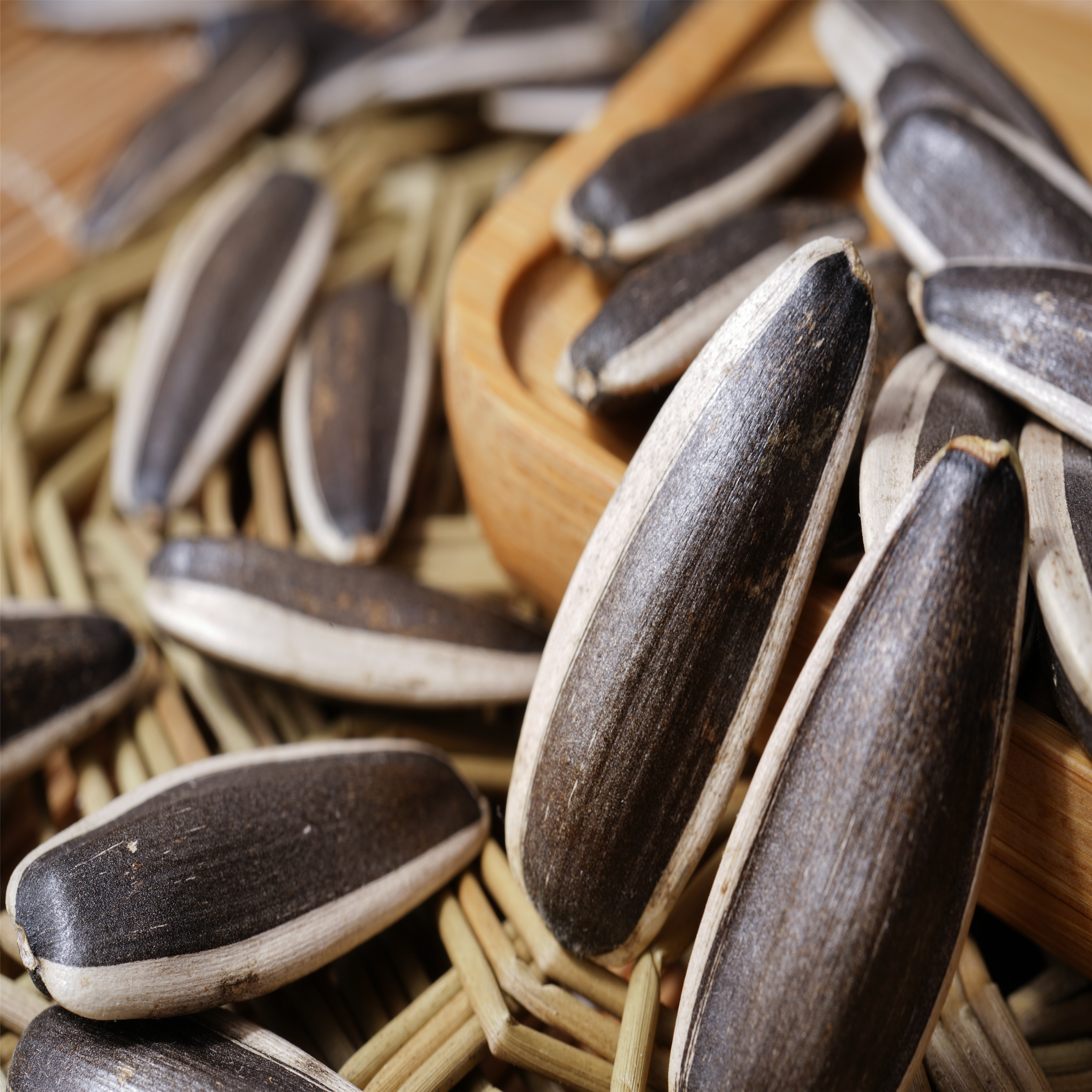
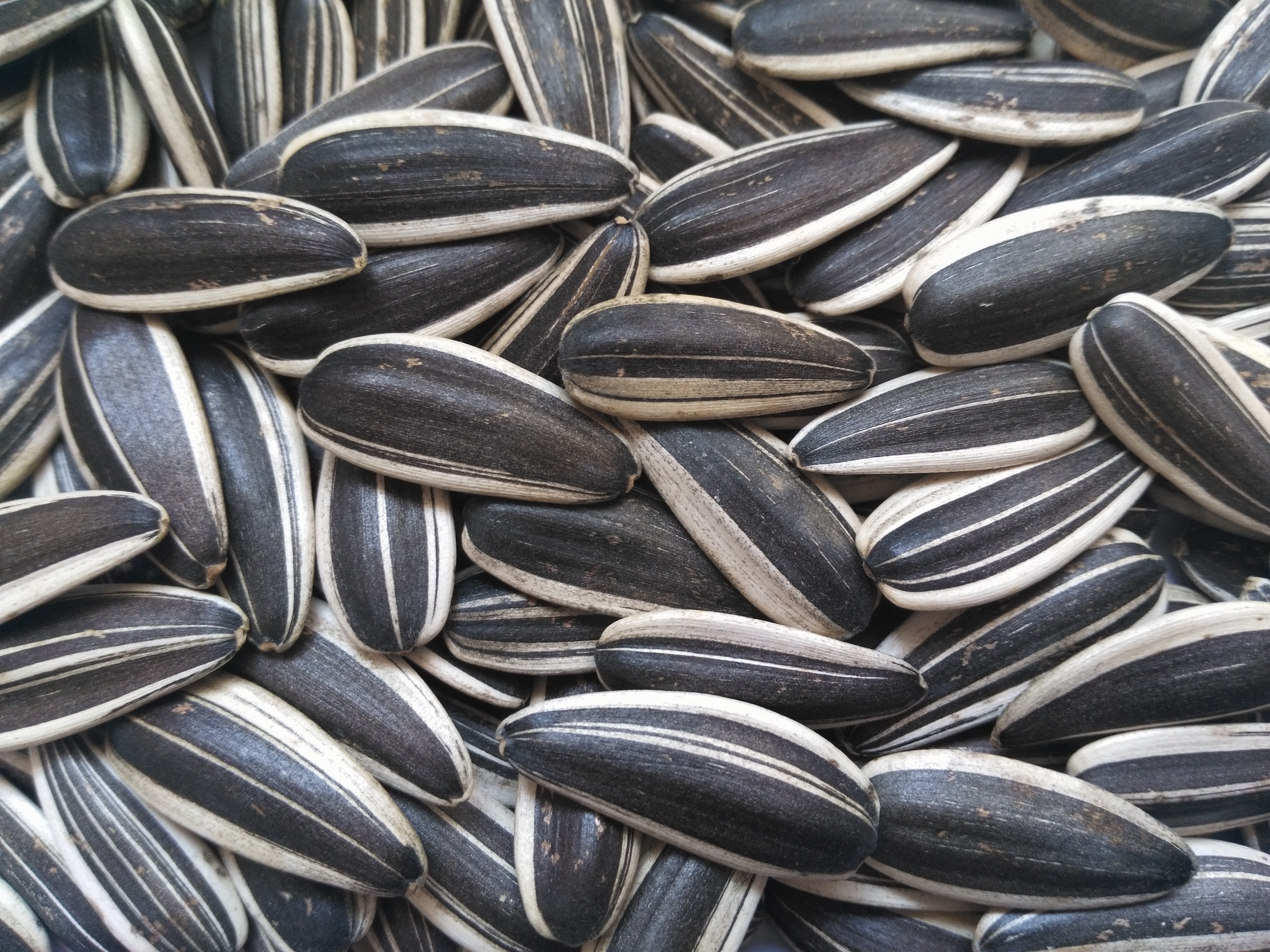
Meirenxin sunflower seed is a black sunflower seed type defined by two visible traits: a black seed coat and a round kernel. In export documentation the name rarely appears alone. It sits next to a grade code, a moisture figure, and a size written as a count of seeds per 50 g. That combination — colour on one side, arithmetic on the other — is where most first-time buyers lose their footing.
This explainer walks through each element in the order a buyer actually meets them. It covers what the black seed coat signals, what a round kernel means for downstream processing, how size calibration in pieces per 50 g works, where the seed is grown, how it is dried and cleaned, and which end uses it realistically serves. Product-specific statements come from Inner Mongolia Chengtai Food Co., Ltd., a sunflower and pumpkin seed processor and exporter founded in 2013 and based in the Hetao Plain of Inner Mongolia, whose stated main markets include the Middle East, Middle Asia and Europe.
Why the Name Creates More Questions Than It Answers
Four specific confusions account for almost every clarifying email a supplier receives about this grade. Each one has a practical consequence at the sampling or quotation stage.
1. The name describes appearance, not a registered variety
Meirenxin is a trade description built around how the seed looks and how the kernel is shaped. It is not a plant variety registration number. That matters because two lots sold under the same descriptive name can still differ in size band, moisture and defect count. The name tells a buyer what the material is; the specification line tells a buyer what the shipment is.
2. Seed coat colour and kernel size are separate attributes
Trade sheets frequently list colour and size on adjacent lines, so buyers reasonably assume they move together. They do not. Seed coat colour is a surface characteristic of the hull. Kernel size is a mass-based count of the seed itself. A black-coated lot can be large or small; the colour does not fix the size.
3. Size in pieces per 50 g runs opposite to intuition
Most industrial buyers expect a dimension — millimetres, mesh, screen size. Sunflower seed is instead quoted as a count. Because the count is taken over a fixed weight, a lower number means larger seeds. A buyer who reads 170–230 as “small” and 240–270 as “large” has the relationship inverted, and will misjudge both yield and price.
4. Raw material is being described, not a finished snack
Meirenxin lots are supplied in raw specification. Statements about the absence of added flavourings or preservatives therefore describe the raw seed as it leaves the cleaning line — not a roasted, salted finished product. The roasting and seasoning decisions belong to the buyer's process.
Where Black Sunflower Seeds Sit in the Global Supply Picture
The category the Meirenxin type belongs to is large, geographically concentrated and seasonal. That context explains why size calibration and moisture control receive so much attention in contracts.
- Production volume. Global sunflower seed production is estimated at 55.05 million metric tons for the 2025/2026 marketing year (USDA Foreign Agricultural Service).
- Origin concentration. Inner Mongolia accounts for more than 60% of China's total sunflower cultivation area (People's Daily Online).
- Export scale. Inner Mongolia's sunflower seed export volume reached approximately 463,400 tons in 2025, valued at US$748 million. China's total sunflower seed exports were valued at USD 937 million in the same year, with major destinations including Iraq (USD 131 million) and Russia (USD 101 million) (OEC).
- Confectionery focus. Confectionery grade sunflower seed production in China focuses on larger kernel sizes, primarily grown in the saline-alkali fields of Bayannur (China Daily).
- Demand direction. The global sunflower seeds market was valued at USD 29.27 billion in 2025 and is projected to reach USD 35.98 billion by 2034 (Custom Market Insights). Roasted sunflower seeds accounted for 65.9% of global packaged sunflower seeds industry revenue in 2024 (Grand View Research).
- Supply tightening. Global non-oilseed (confectionery) sunflower planted area in 2025 was forecast to decline by 8% by the USDA, as reported by the National Sunflower Association.
Two regulatory developments run alongside that supply picture. China's draft quality standard for nut and seed food, intended to replace GB/T 22165-2008, provides updated definitions and technical requirements for roasted seeds (USDA Foreign Agricultural Service). Separately, the EU market requires adherence to HACCP principles and strictly monitors pesticide residues and metal contaminants (CBI). Both point in the same direction: the descriptive name is the entry ticket, and documented specifications are what actually clear an inspection.
What the Black Seed Coat Actually Tells a Buyer
The seed coat is the outer hull. It protects the kernel through drying, storage and transport, and it is the first attribute anyone assesses on a sample tray. In the company's published product data, the sunflower seed grades — 363, 361, T6 and 601 — all list black as the seed coat colour, with some grades additionally traded under a black-and-white striped description.
What colour does not do is predict eating quality. That is determined by the kernel and by moisture. The hull's practical functions are narrower and more concrete:
- Visual grading. Uniformity of coat colour is the quickest screen for mixed lots.
- Protection during handling. An intact coat reduces kernel damage between cleaning and packing.
- Presentation in bird feed. In the bird feed trade, a consistent dark coat is a visible quality signal on the shelf and in the feed cup.
- Processing behaviour. Buyers who hull the seed in-house assess coat-to-kernel ratio separately from buyers who roast whole seed.
Round kernel: why shape is assessed separately from size
Inside the coat, the kernel is the edible fraction. The company's kernel product is described as white in colour with a sweet and natural taste. Roundness is a shape attribute, and it is assessed independently of the count: a round kernel fills the hull more completely and presents more evenly after roasting, which matters for pack fill, for sorting-machine throughput and for the visual consistency of a retail pack.
Roundness also matters in bird feed. Birds that crack seeds open are sensitive to hull thickness and kernel fill; a well-filled, round kernel is easier to open and leaves less waste under the perch.
Kernel Size Calibration: What Pieces per 50 g Really Means
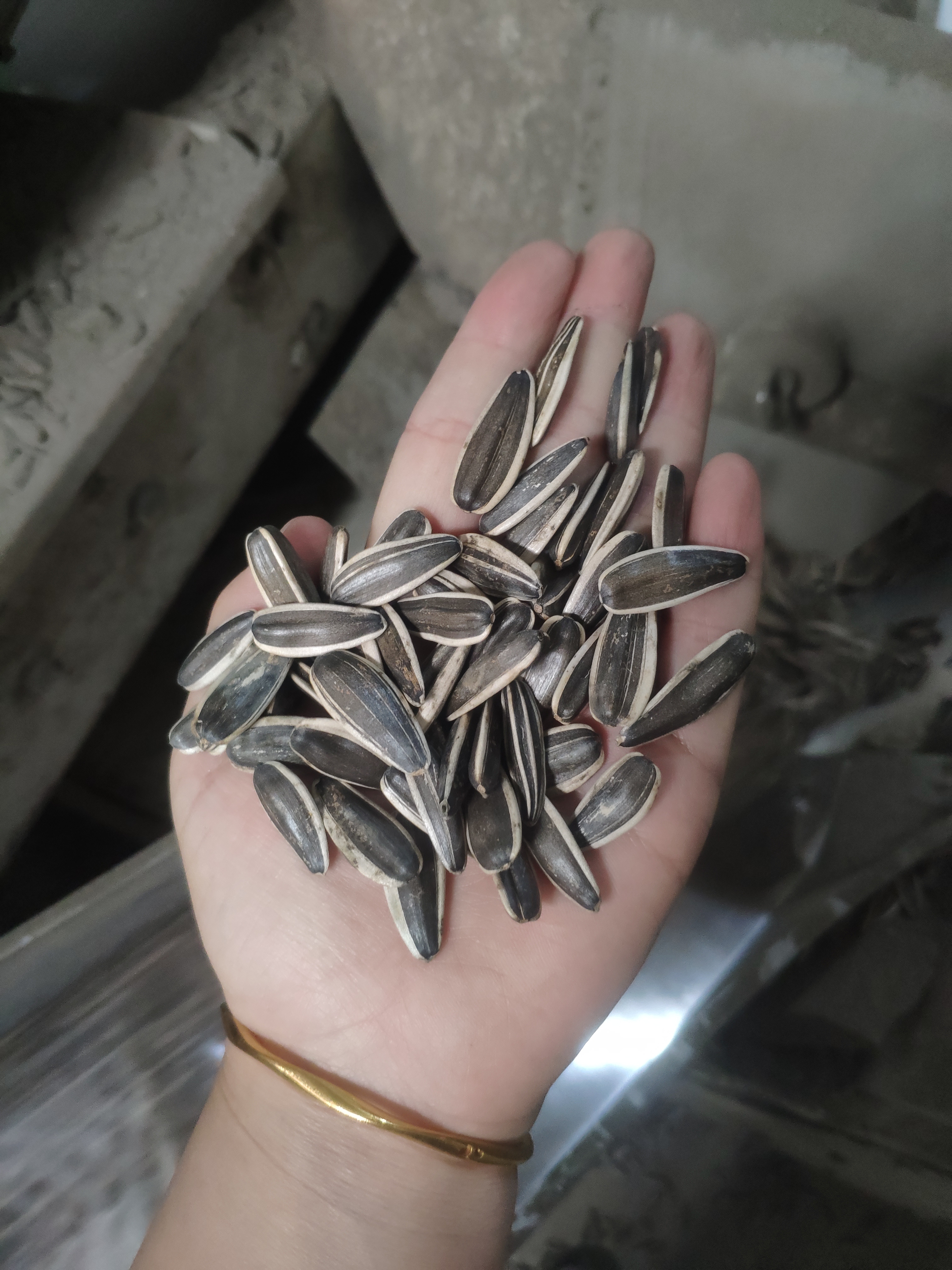
Size calibration is the step that converts a variable natural harvest into a predictable industrial input. The unit used is straightforward: the number of seeds counted in a 50 g sample.
Because the weight is fixed and the seed count varies, the count is inversely related to seed size. Fewer pieces per 50 g means each seed weighs more and is therefore larger. This is arithmetic, not convention. For scale: a lot calibrated at 380–390 pieces per 50 g and a lot calibrated at 170–230 pieces per 50 g are not minor variations of the same product — they sit in different size bands entirely, and a buyer comparing quotations across those bands is comparing two different materials.
Why the trade counts instead of measuring
A count over a fixed weight is verifiable with a scale and a tray — no calipers, no operator interpretation, no argument about which axis to measure. It also correlates directly with the things a buyer actually cares about: roast uniformity, pack fill weight, sorting-machine settings and the hand-feel of the finished snack. Two buyers in different countries can compare counts and be discussing the same material.
Documented size bands in the Meirenxin family
The published specification for the parent grade of each product line states a wide working range, and individual sub-lots are then listed inside that range. The pattern is consistent across the range:
- Grade 363 is specified at 170–230 pieces per 50 g, with sub-lots listed at 170–180, 190–200 and 200–210.
- Grade 361 is specified at 170–300 pieces per 50 g, with sub-lots listed at 150–160, 160–170 and 170–180.
- Grade T6 is specified at 170–300 pieces per 50 g, with sub-lots listed at 180–190 and 200–210.
- Grade 601 is specified at 240–270 pieces per 50 g, with a 240–250 pieces per 50 g listing also published.
The lesson for a buyer is that the parent range is a family boundary, not an order specification. A purchase order should name the sub-lot band, because that is the number the roasting line and the packing line will actually feel.
Origin: Why the Hetao Plain Matters to the Specification
Inner Mongolia Chengtai Food Co., Ltd. is located in the Hetao Plain, Hanggin Rear Banner, Bayannur City, Inner Mongolia — within the same Bayannur region that China Daily identifies as the centre of confectionery grade sunflower production in saline-alkali fields. The company's product origin statements list Xinjiang and Inner Mongolia.
Geography is not a marketing flourish here; it constrains the raw material. A short, intense growing season and a dry autumn favour even maturation and low harvest moisture, which in turn reduces the drying burden downstream. The regional concentration is significant at national scale: more than 60% of China's sunflower cultivation area sits in Inner Mongolia, and the region exported roughly 463,400 tons of sunflower seed in 2025.
Drying, Cleaning and the Numbers That Prove It Worked
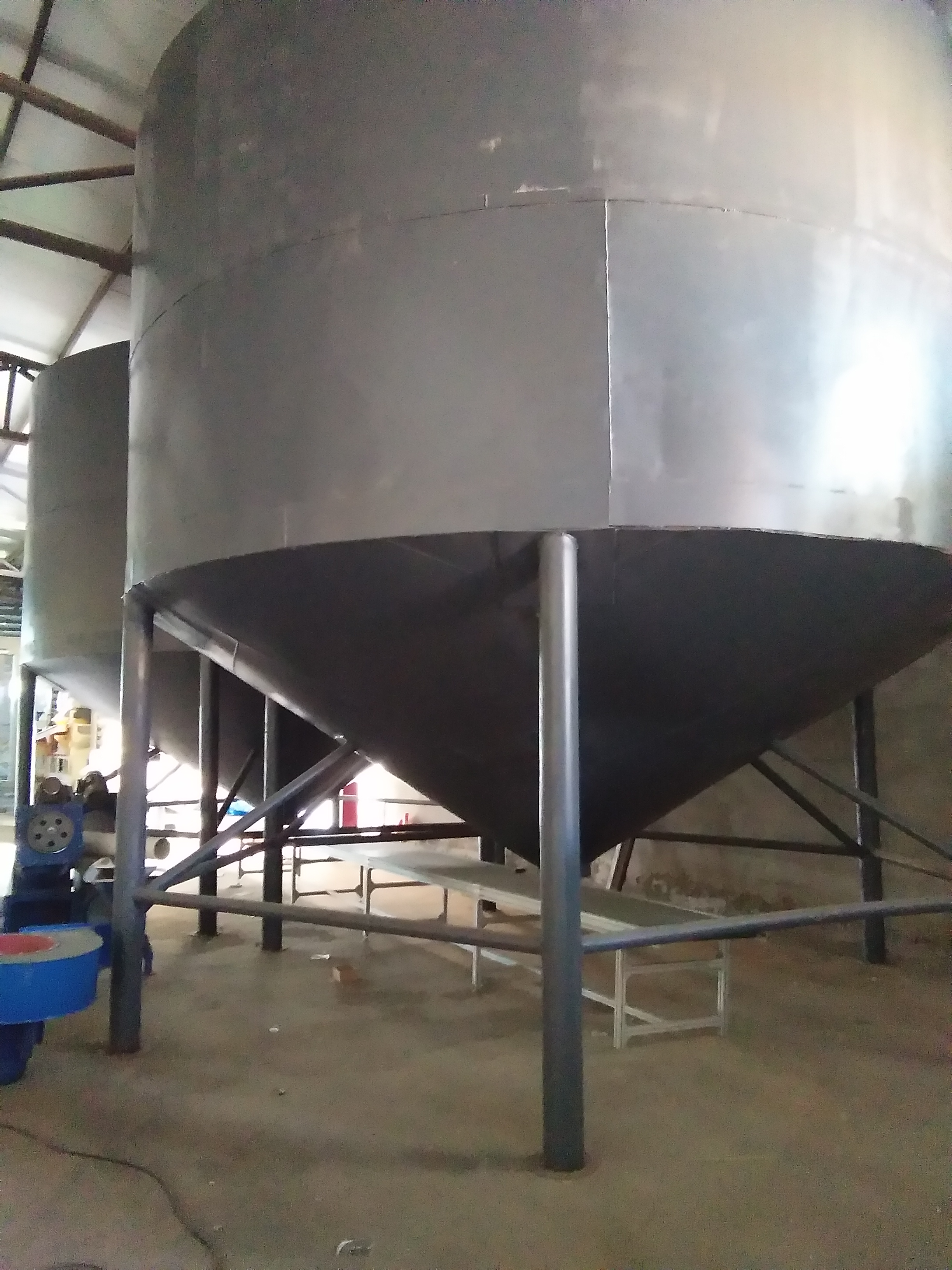
The gap between a good harvest and a shippable lot is closed in the drying and cleaning stages. Three elements define it: moisture control, mechanical separation, and defect limits that can be checked on arrival.
Natural drying and moisture control
Every sunflower seed grade in the company's published data carries a finished moisture specification of 9–10%. That figure is the single most consequential number in the specification line. Moisture above the range creates conditions for mould during container transport and warehouse storage. Moisture below it makes the kernel brittle and raises breakage during hulling and handling. A stated 9–10% band is a contract term, not a description.
Air separation and sifting
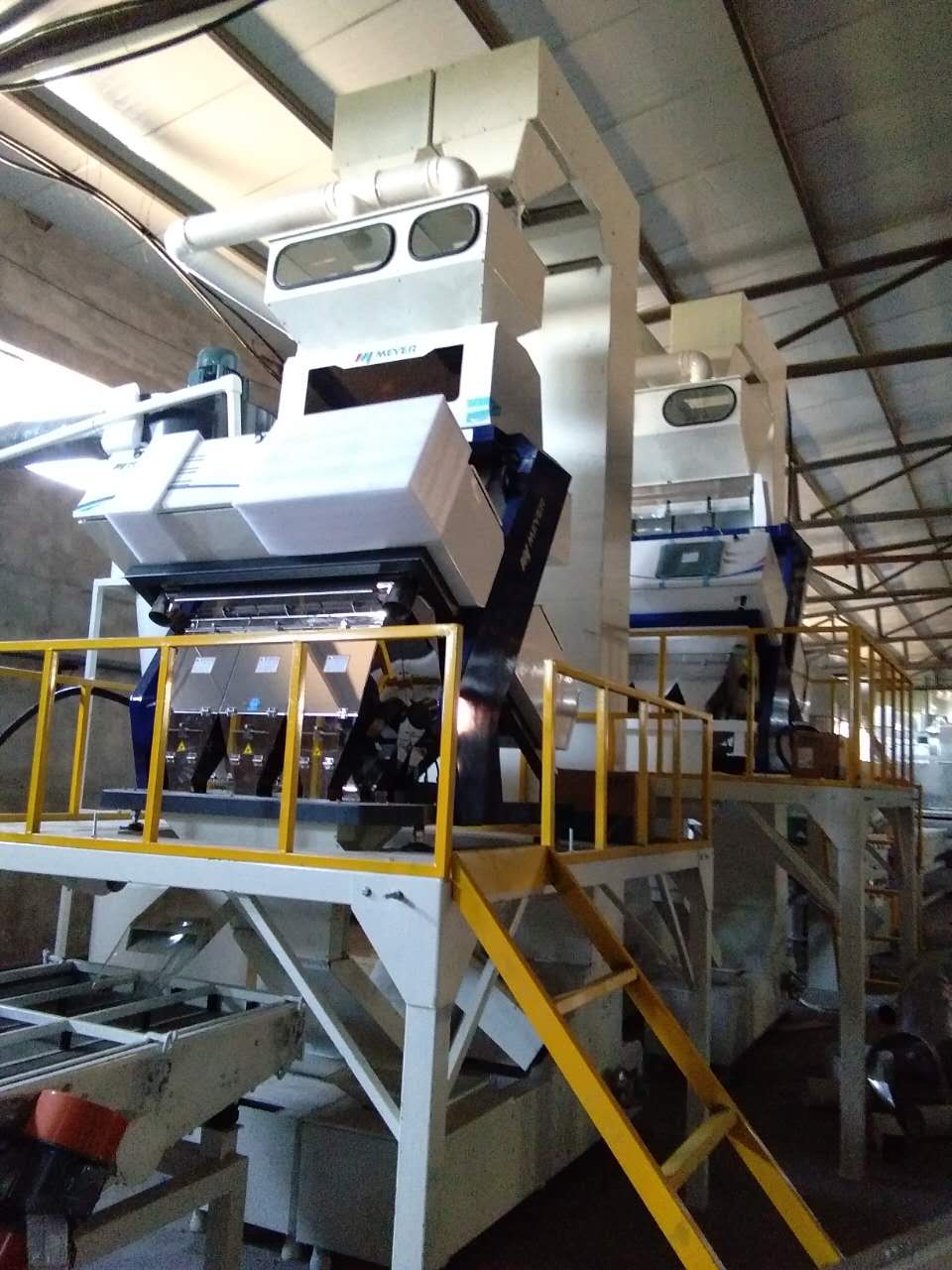
After drying, the material passes through air separation and sifting. Air separation uses a controlled airstream to lift and remove light fractions — empty shells and shrunken, under-filled seeds. Sifting then removes material by dimension, catching oversized and undersized seed that does not belong in the calibrated band. The combined outcome is expressed in three published limits that apply across the range:
- Impurity: less than 0.5%
- Erosion seeds: less than 0.5%
- Mildew seeds: less than 1%
These three figures are what allow a buyer to write an acceptance clause instead of a general instruction to “clean well”. They also align with the quality expectations set out in China's draft nut and seed food standard, which updates definitions and technical requirements for roasted seeds.
No added flavourings or preservatives
The product specification is raw, and the stated taste is sweet and natural. No flavouring or preservative addition is involved at the supplier stage. For a buyer this is a functional advantage rather than a slogan: the roast profile, salt level and any seasoning system remain entirely under the buyer's control, and the raw material does not impose a flavour baseline that has to be masked or matched.
Step-by-Step: How a Calibrated Meirenxin Lot Is Measured and Verified
Size calibration only means something if both parties measure the same way. The sequence below reflects how the specification lines are actually checked.
- Draw a representative sample. Sample from multiple positions in the lot, not from the top of one bag. Natural seed settles and separates during transport.
- Weigh exactly 50 g. The count is meaningless without the fixed weight. A 45 g scoop and a 55 g scoop produce different counts from the same lot.
- Count the seeds in the sample. Repeat at least twice and average. A single count on a variable lot is not a measurement.
- Compare the count to the declared sub-lot band. The parent range is a family boundary. The sub-lot band — for example 170–180 or 200–210 pieces per 50 g — is the order specification.
- Check impurity, erosion seeds and mildew seeds against the limits. The published thresholds are impurity below 0.5%, erosion seeds below 0.5% and mildew seeds below 1%.
- Check moisture. The target band is 9–10%. Moisture is measured on arrival, not assumed from the certificate.
- Assess the seed coat and kernel. Confirm uniform black coat colour and the expected round kernel with a sweet, natural taste.
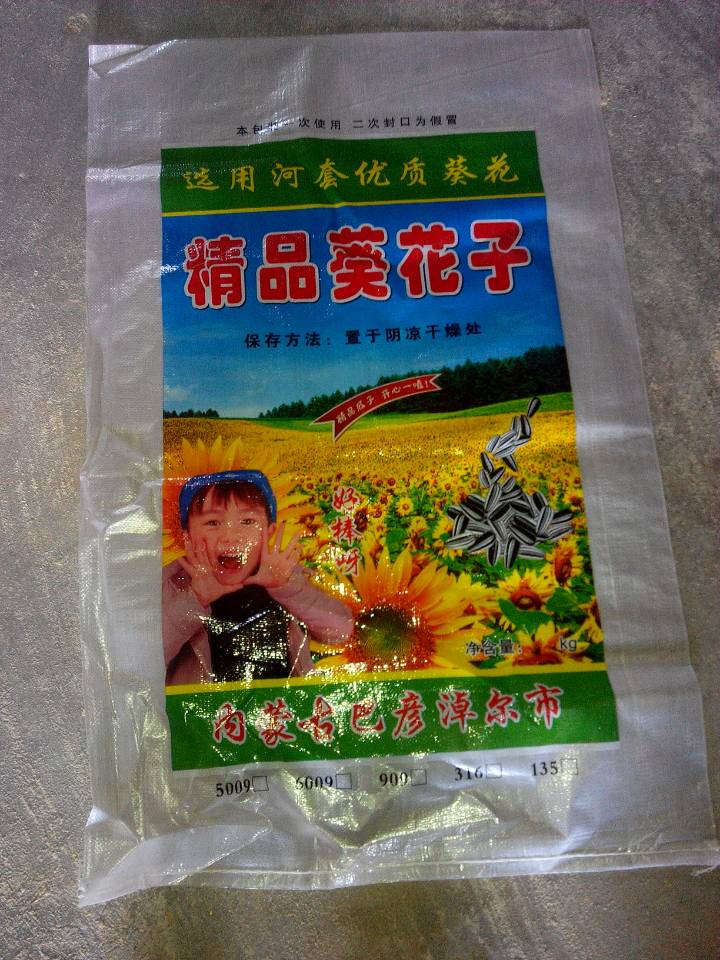
- Confirm packaging and storage. Standard packing is 20/25 kg plastic or paper bags, with vacuum bags in cartons available for kernel product. Storage is in a cool place — cool, dry indoor warehouse conditions at normal temperature and low humidity.
- Record the result before release. The company applies 100% testing as its stated quality-control approach, so the buyer's own check is a verification step rather than a first inspection.
Comparison Table: Grade Data Across the Meirenxin Family
The table below uses only published product data. All four grades share the same moisture band and defect limits; they differ in size band and in the sub-lots routinely offered.
| Grade | Seed coat as listed | Published size range (pcs / 50 g) | Sub-lot bands listed | Moisture | Impurity / erosion seeds / mildew seeds | Typical role |
|---|---|---|---|---|---|---|
| 363 | Black | 170–230 | 170–180; 190–200; 200–210 | 9–10% | <0.5% / <0.5% / <1% | Larger-seed snack and roast lines |
| 361 | Black (also traded under black-and-white striped description) | 170–300 | 150–160; 160–170; 170–180 | 9–10% | <0.5% / <0.5% / <1% | Broad-range snack and roast programmes |
| T6 | Black | 170–300 | 180–190; 200–210 | 9–10% | <0.5% / <0.5% / <1% | Larger-seed roast, snack and bird feed |
| 601 | Black (black-and-white striped description) | 240–270 (240–250 also listed) | — | 9–10% | <0.5% / <0.5% / <1% | Medium size, price-sensitive and baking lines |
| Kernel | White kernel, sweet and natural taste | Not applicable (hulled) | — | 9–10% | <0.5% / <0.5% / <1% | Bakery and confectionery ingredient |
Use Cases: Where Meirenxin Sunflower Seed Fits
The grade's fit is determined by the same two variables throughout: the size band and the defect limits. What changes between applications is which of the two carries more weight.
Snack manufacturing and roasted lines
Snack manufacturing is the primary destination. The role of the product in this scenario is to serve as raw material for snacks, baked goods and confectionery, processed in batch mode with both manual and mechanical feeding. The special requirement in this application is impurity control, which is exactly what the published sub-0.5% impurity figure addresses. Matched equipment typically includes a sorting machine and a packing machine.
The commercial weight behind this use case is visible in the packaged market: roasted sunflower seeds accounted for 65.9% of global packaged sunflower seeds industry revenue in 2024. That concentration means roast uniformity — and therefore size uniformity in the raw material — drives the economics of the whole line.
Bakery and confectionery ingredient
In bakery and confectionery production, the product supplies raw material for baked goods and confectionery, and the hulled kernel is used where a white, sweet kernel is required rather than a coated seed. This application scenario is common in the Middle East, Africa and Europe.
Bird feed, including direct feeding
In the bird feed trade, black sunflower seed of this profile is used for direct feeding as well as a component of mixed feed. Parrots, cockatiels, budgerigars, munias and thrushes are the species most commonly associated with whole black sunflower seed, because the birds crack the hull themselves and a well-filled, round kernel is easier to open. For this channel the relevant specification levers are hull integrity, uniform black coat colour and a low count of empty shells — which is precisely what air separation is designed to remove.
Wholesale and distribution
Bulk supply to processors and distributors is a documented channel for this material. One recorded case covers 30,000 metric tons supplied over two years for wholesale and roasted applications to food industry clients including processors and distributors, with stable supply, consistent product quality and satisfied bulk order delivery reported as the outcome. For a distributor, the relevant reassurance is continuity rather than a single shipment.
Supplier Capability in Brief
Inner Mongolia Chengtai Food Co., Ltd. was founded in 2013 and exports approximately 80% of its output, with stated main markets in the Middle East, Middle Asia and Europe. The company attends international trade exhibitions including Gulfood in Dubai, the Uzbekistan exhibition, Tuyap in Turkey, Anuga in Germany and Sial in France. Its product range covers sunflower seeds and kernels as well as pumpkin seeds and kernels.
Operationally, the published capability figures that matter to a first order are these: monthly capacity of 2,500 metric tons, a minimum order quantity of 5 metric tons, and a lead time of 10–15 days. Production is offered under OEM/ODM arrangements. Bags can be printed with the customer's logo. The stated after-sales position is that if seeds have any problem, a refund can be applied for.
Frequently Asked Questions
1. Is Meirenxin sunflower seed intended for human consumption, for bird feed, or for both?
The published product specification for the Meirenxin-family grades states human consumption as the intended use, with the material supplied raw as a food ingredient. It is used as raw material for snacks, baked goods and confectionery, and is processed in batch mode with manual and mechanical feeding. Bird feed is a distinct channel that uses the same type of whole black seed but has its own buyer requirements — buyers sourcing for that channel should state the intended use when enquiring.
2. How is size measured in pieces per 50 g, and which band should a buyer request?
Size is measured by counting the seeds in a 50 g sample. Because the weight is fixed, a lower count means larger seeds. Published ranges are 170–230 pieces per 50 g for grade 363, 170–300 for grades 361 and T6, and 240–270 for grade 601, with narrower sub-lots listed inside each range such as 170–180, 190–200 and 200–210. The band to request depends on the application: larger-seed roast and bird feed programmes generally sit at the lower counts, while medium-size and price-sensitive lines sit at the higher counts.
3. Can you supply a roasted salted sunflower seed programme for snack food lines?
Yes. The company operates OEM/ODM production with a monthly capacity of 2,500 metric tons, and these grades are positioned as raw material for snack manufacturing, baked goods and confectionery. Snack lines typically pair the seed with a sorting machine and a packing machine, and impurity control is the special requirement in that application — addressed by published limits of impurity below 0.5%, erosion seeds below 0.5% and mildew seeds below 1%. The material is supplied raw with a moisture band of 9–10%, so the roast profile and salt level remain under the buyer's control.
4. What are the minimum order quantity, lead time and packaging options?
The minimum order quantity is 5 metric tons and lead time is 10–15 days. Standard packaging is 20/25 kg plastic or paper bags. For hulled kernel product, vacuum bags in cartons are also available. Bags can be printed with the customer's logo under the OEM/ODM arrangement. Storage after arrival should be in a cool place — cool, dry indoor warehouse conditions at normal temperature and low humidity — to protect the 9–10% moisture band.
5. Where can I get a sample or a quotation for a specific size band?
The fastest route is to send the intended application, the required size band in pieces per 50 g, and the target volume. A sample can then be matched to the sub-lot band rather than to the parent range, and a quotation issued against it. Enquiries go to Inner Mongolia Chengtai Food Co., Ltd. at ctsunfood@163.com or 2637856485@qq.com, by phone or WhatsApp on +86 18347278337. The company profile and full specification set are available in the downloadable brochure linked below.
Conclusion
Meirenxin sunflower seed is a black sunflower seed type with a black seed coat and a round kernel, and its identity in trade rests on two checkable attributes rather than on a name. The seed coat is the visual grade cue. The count in pieces per 50 g is the quantitative one, and it moves inversely to seed size — 170–230 pieces per 50 g is a materially larger seed than 240–270 pieces per 50 g, and both are materially larger than material counted in the high 300s.
Everything a buyer needs to make the specification comparable is written down: the size band, the 9–10% moisture range, impurity below 0.5%, erosion seeds below 0.5%, mildew seeds below 1%, raw specification, natural taste without added flavourings or preservatives, and 20/25 kg plastic or paper bag packaging. What remains is to match those numbers to the line the seed will run on — a roasted salted snack programme, a bakery ingredient stream, or a bird feed channel.
Next step: request a sample or a quotation against your required size band.
Inner Mongolia Chengtai Food Co., Ltd. | www.ctsunfood.com
Email: ctsunfood@163.com / 2637856485@qq.com | Tel / WhatsApp: +86 18347278337
Download the full company profile and specification set (PDF)
Have Questions or Need More Details?
Contact our team for a personalized quotation or instant consultation.
Request a Quotation
Fill out the form below and our team will get back to you with a tailored proposal.
WhatsApp Direct Chat
Prefer to chat in real-time? Message us on WhatsApp for instant assistance & quick answers.
- Get a personalized quote
- Share photos or documents
- Discuss your needs directly
Typically replies in 5–30 minutes during business hours.