Black Sunflower Seeds 361 vs T6: A Spec-by-Spec Comparison for Roasted Snack Lines
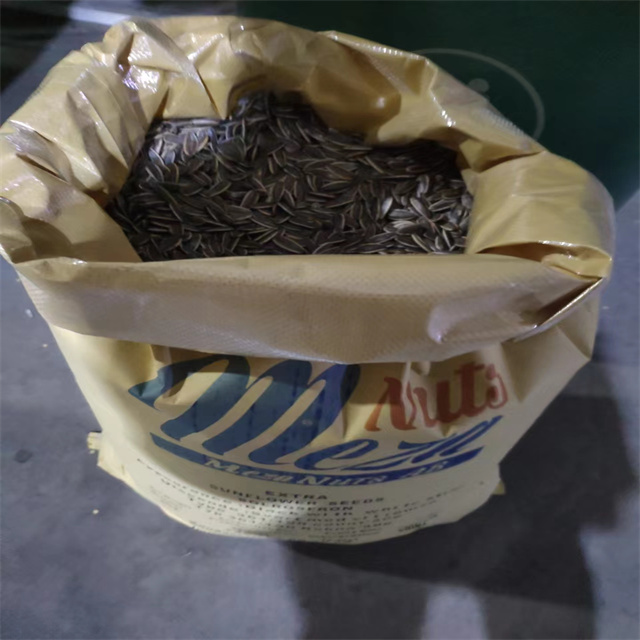
Black Sunflower Seeds 361, raw specification, 2026 crop, sourced from Xinjiang and Inner Mongolia.
Black Sunflower Seeds 361 and sunflower seeds T6 are both raw, food-grade, 2026-crop confectionery sunflower seeds supplied by Inner Mongolia Chengtai Food Co., Ltd. from Xinjiang and Inner Mongolia, and both are held to the same four headline quality gates: moisture 9–10%, impurity below 0.5%, erosion seeds below 0.5% and mildew seeds below 1%. For a roasted snack line, the real difference between them is not the grade word on the bag. It is two other fields on the listing: the size designation — 361 is recorded at 170–180 pieces per 50 g on its unshelled listing, while T6 sub-listings run from 170–180 up to 200–210 pieces per 50 g — and the intended-use line, which reads manufacturing and roasted for 361 and manufacturing, roasted and shop for T6.
This comparison is written for buyers, roasters and snack manufacturers who are choosing a raw material for a roasting line and need to write a purchase specification that a factory can actually match. It sets the two grades side by side on every recorded field, then shows how to convert those fields into a line-fit decision instead of a grade-code guess.
Short answer: 361 and T6 share the same moisture band, the same impurity, erosion and mildew ceilings, the same 2026 crop year, the same origin set and the same 20/25 kg plastic or paper bag packing. Choose by piece count per 50 g, by coat description, and by whether the listing you buy is cleared for shop roasting as well as manufacturing and roasted use.
Why the Grade Code Alone Does Not Decide the Order
Sunflower seed grade names such as 361 and T6 are trade designations used by growers, traders and processors. They are not a single national quality ladder, and they do not, by themselves, tell a roaster what will arrive at the plant.
Inside the current Inner Mongolia Chengtai Food Co., Ltd. catalogue, 361 and T6 are both raw products, both carry a black coat, both are from the 2026 harvest, and both are held to identical quality gates: moisture 9–10%, impurity below 0.5%, erosion seeds below 0.5% and mildew seeds below 1%. A purchase order that says only “T6, top grade” therefore specifies very little that a production team can calibrate against.
The differences that do exist sit in four places. First, piece count per 50 g: 361 is recorded at 170–180 pieces per 50 g on its unshelled listing and T6 spans several narrower designations. Second, coat description: one 361 listing is described as a black-and-white striped sunflower seed while the recorded colour attribute is black, whereas T6 listings describe the coat as black. Third, the intended-use statement: 361 listings read manufacturing and roasted, T6 listings read manufacturing, roasted and shop. Fourth, the commercial trade cues attached to each listing, such as original taste and competitive price, which are positioning rather than measurement.
The regulatory context reinforces the same conclusion. China’s draft quality standard for nut and seed food, which replaces GB/T 22165-2008, updates the definitions and technical requirements that apply to roasted seeds (USDA Foreign Agricultural Service). As the standard field moves, a specification written in measured values travels better than one written in grade words.
Where 361 and T6 Sit in the Roasted Snack Supply Chain
The global sunflower seeds market was valued at USD 29.27 billion in 2025 and is projected to reach USD 35.98 billion by 2034 (Custom Market Insights). Global production of sunflower seeds is estimated at 55.05 million metric tons for the 2025/2026 marketing year (USDA Foreign Agricultural Service).
Roasted sunflower seeds accounted for 65.9% of global packaged sunflower seed industry revenue in 2024, and Europe was the largest packaged sunflower seeds market with a 29.6% revenue share in the same year (Grand View Research). That concentration matters for this comparison: roasted snack formats, not oilseed crushing, are the demand centre that grade codes like 361 and T6 are calibrated for.
On the supply side, Inner Mongolia accounts for more than 60% of China’s total sunflower cultivation area (People’s Daily Online), and Inner Mongolia’s sunflower seed export volume reached approximately 463,400 tons in 2025, valued at US$748 million; China’s total sunflower seed exports were valued at USD 937 million in 2025 (OEC). Confectionery-grade production in China focuses on larger kernel sizes, primarily grown in the saline-alkali fields of Bayannur (China Daily).
Inner Mongolia Chengtai Food Co., Ltd. is located on the Hetao Plain in Hanggin Rear Banner, Bayannur City, Inner Mongolia, and was founded in 2013. The company covers more than 11,000 square meters in total with a manufacturing facility of 3,500 square meters, employs approximately 20 staff, works with a 2-engineer R&D team, and reports an annual production capacity of 30,000 metric tons across sunflower seeds, pumpkin seeds and kernels. Export business accounts for 80% of total sales, with major markets including the Middle East, Middle Asia, Europe, Egypt, Dubai and the United States. The production workshop is designed in full accordance with EU standards.
One planning risk is worth flagging early. Global non-oilseed confectionery sunflower planted area in 2025 was forecast to decline by 8% (USDA, reported by the National Sunflower Association). When size-graded confectionery supply tightens, the buyers who have locked a listing-level specification and a packing format are the ones who hold their line schedule.
361 vs T6: The Verified Specs Side by Side
Every field below is taken from the product listings for Black Sunflower Seeds 361 and sunflower seeds T6. Where the two grades are identical, they are shown as identical — that is the point of the table.
| Specification field | Black Sunflower Seeds 361 | Sunflower seeds T6 |
|---|---|---|
| Specification | raw | raw |
| Crop year | 2026 | 2026 |
| Coat colour | black (one listing described as black-and-white striped) | black |
| Taste | sweet and natural | sweet and natural |
| Grade-level size band | 170–300 pcs / 50 g | 170–300 pcs / 50 g |
| Recorded listing size | 170–180 pcs / 50 g (unshelled listing) | 170–180 to 200–210 pcs / 50 g across sub-listings |
| Moisture | 9–10% | 9–10% |
| Impurity | below 0.5% | below 0.5% |
| Erosion seeds | below 0.5% | below 0.5% |
| Mildew seeds | below 1% | below 1% |
| Origin | Xinjiang and Inner Mongolia | Xinjiang and Inner Mongolia |
| Packaging | 20/25 kg plastic or paper bag | 20/25 kg plastic or paper bag |
| Storage | cool place | cool place |
| Instruction for use | human consumption | human consumption |
| Applicable industry | manufacturing, roasted | manufacturing, roasted, shop |
| Recorded trade cues | black-and-white stripe colour, sweet taste, bigger size, original taste, competitive price | black colour, bigger size, original taste, competitive price |
Read the table as a filter rather than a ranking. Eleven of the sixteen fields are identical. The decision therefore turns on five rows: the coat description, the recorded listing size, the grade-level size band, the applicable industry line, and the trade cues you can actually verify on a sample.
Reading the Size Designation: 170–300 pcs/50 g Overall vs a Narrower Listing Number
Both grades carry a grade-level size band recorded as 170–300 pieces per 50 g. That band is the family range, not a shipping promise. The number that matters commercially is the narrower designation recorded on the individual listing, because that is the calibration the production line is set up to deliver.
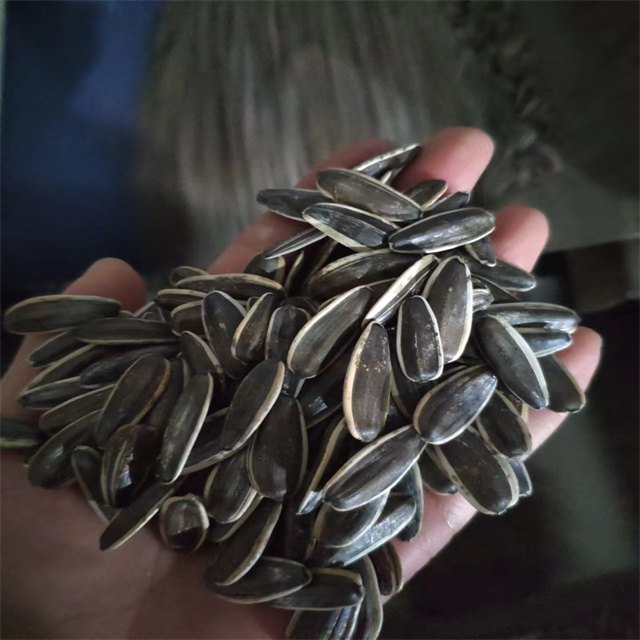
361 kernel size and coat appearance at the listing level, where piece count per 50 g is set.
The recorded designations across the current listing set are:
| 361 listings | T6 listings |
|---|---|
| Black-and-white striped sunflower seeds 361 — 150–160 pcs / 50 g | Snack food sunflower seeds T6 — 170–180 pcs / 50 g |
| Non-GMO sunflower seeds 361 — 160–170 pcs / 50 g | Black sunflower seeds T6 — 180–190 pcs / 50 g |
| Unshelled sunflower seeds 361 — 170–180 pcs / 50 g | Food grade sunflower seeds T6 — 190–200 pcs / 50 g |
| Black sunflower seeds 361 — 180–190 pcs / 50 g | Confectionery grade sunflower seeds T6 — 200–210 pcs / 50 g |
Keep the arithmetic in mind: a lower piece count per 50 g means a larger individual seed. A 170–180 designation and a 200–210 designation are not interchangeable on a packing line, because they change how a fixed-weight retail pack fills, how many seeds a consumer sees through the window, and how the finished roast reads in the hand.
The practical rule is simple. Quote the grade band for context, order against the listing designation, and confirm both on the sample you approve. When the grade band and the listing designation differ, the listing designation is the number to write on the purchase order.
From Grade Code to Line Fit: A Five-Step Selection Sequence
Step 1 — Fix the pack format before the grade
Decide whether the finished product is a fixed-weight retail pack or a bulk food-service pack. Both grades ship raw in 20/25 kg plastic or paper bags, and both are stored in a cool place, so the incoming material handling is the same. What changes is the size window you can tolerate at the packing head.
Step 2 — Set the piece-count window
Write a range, not a single number. If the target is a larger kernel presentation, a 170–180 or 180–190 designation keeps you inside the larger end of the recorded range. If the target is a denser pack with more seeds per unit weight, a 190–200 or 200–210 designation matches that intent.
Step 3 — Verify the four quality gates on a sample
Moisture 9–10%, impurity below 0.5%, erosion seeds below 0.5%, mildew seeds below 1%. These are the same for 361 and T6, so they should be a pass-or-fail gate rather than a tie-breaker. Verify them with your own laboratory on the sample lot, not on the specification sheet alone.
Step 4 — Check the applicable industry line against your process
This is where the two grades actually separate. 361 listings are cleared for manufacturing and roasted use. T6 listings are cleared for manufacturing, roasted and shop use. If your operation includes shop roasting or small-format on-site roasting alongside factory production, the T6 use statement is the closer match to your process description.
Step 5 — Lock packing, storage and crop year
Confirm the 2026 crop year, the 20/25 kg plastic or paper bag format, and cool-place storage for the receiving warehouse. Then add the compliance layer described below if you ship into the EU or another residue-sensitive market.
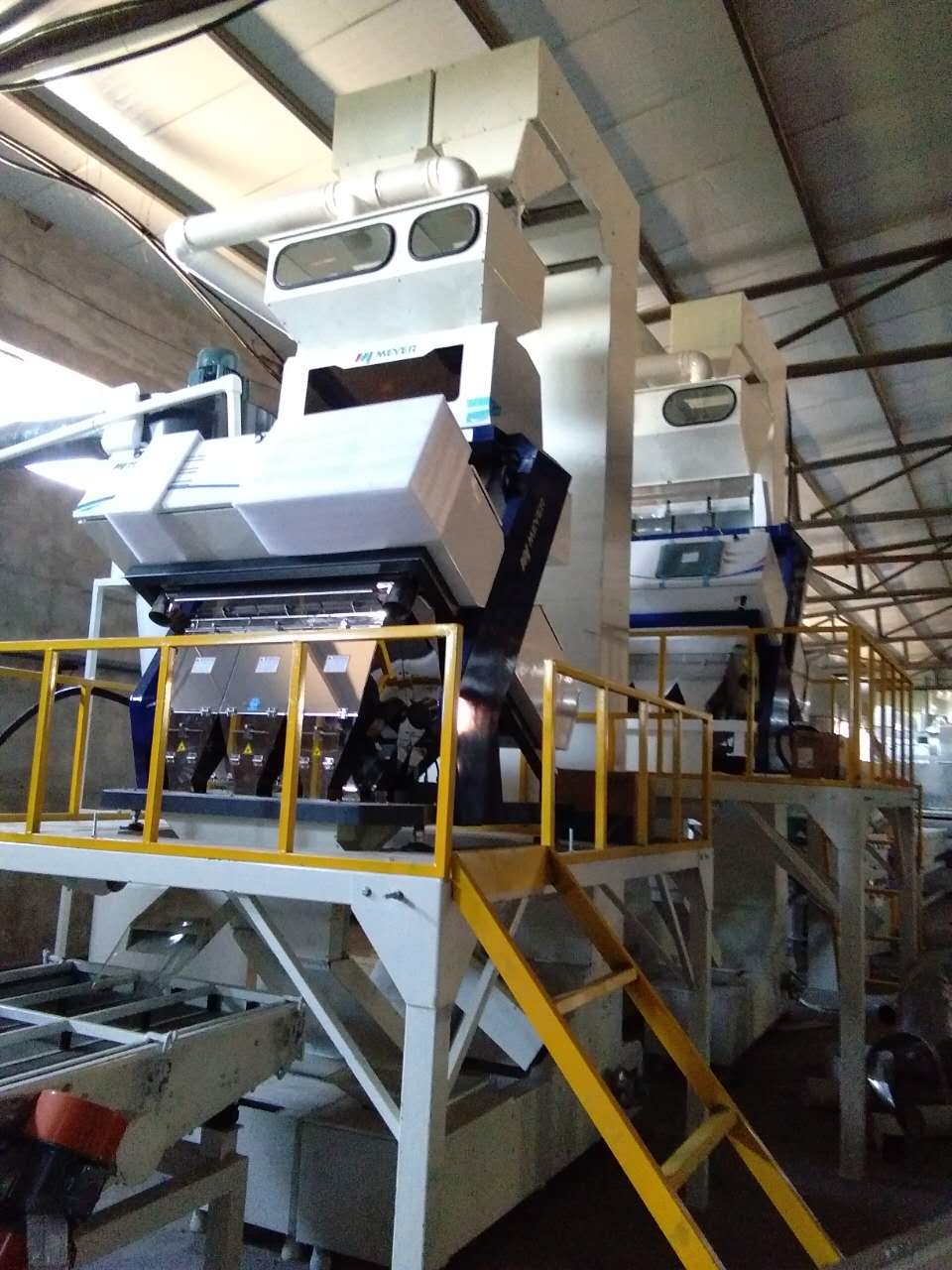
Sorting and screening control the impurity, erosion and mildew ceilings that both grades share.
Where Each Grade Fits on a Roasted Snack Line
Fit is decided by end use, not by grade seniority. The scenarios below map recorded specifications to typical line requirements.
- Retail roasted snack pack, mid-size presentation. A 170–180 or 180–190 pieces per 50 g designation gives a consistent visual fill in a fixed-weight pack. The unshelled 361 listing is recorded at 170–180, and the black T6 listing at 180–190, so both can serve this slot — pick by the coat description you want on the pack.
- Striped-coat retail product. Where the packaging calls out a striped appearance, the black-and-white striped sunflower seeds 361 listing is the direct match. Note that the recorded colour attribute on 361 is black, so confirm the visual with a sample before you print the pack.
- Higher-count confectionery formats. The confectionery grade sunflower seeds T6 listing is recorded at 200–210 pieces per 50 g and is cleared for manufacturing, roasting and shop use.
- Small-format and shop roasting. The T6 use statement explicitly includes shop scenarios, which is the listing-level cue to look for if part of your volume is roasted on site rather than in a factory line.
- Flavoured and salted snack lines. Both grades carry the same defect ceilings, which is the relevant control when seasoning or coating is applied after roasting and surface defects become visible.
- Bulk and container-level programmes. Both grades pack in 20/25 kg plastic or paper bags and store in a cool place, so container planning can be built on either grade; the differentiator remains the size designation.
One boundary is worth stating plainly: both 361 and T6 are human-consumption products. If your requirement is bird feed or a blended feed base material rather than human consumption, the specification conversation changes and a different product type should be selected.
Compliance and Handling Points to Verify Before You Order
Defect and moisture gates are only part of the file. Three compliance signals are relevant to roasted snack lines sourcing from Inner Mongolia.
First, China notified 209 new Maximum Residue Limits for 93 pesticides in food to the WTO in late 2025 (USDA Foreign Agricultural Service). Buyers with residue-sensitive end markets should confirm which limit set applies to their destination and ask for the supporting analysis.
Second, the EU market for sunflower seeds requires adherence to HACCP principles and strictly monitors pesticide residues and metal contaminants (CBI, Ministry of Foreign Affairs of the Netherlands). If Europe is on your order book, put the HACCP and residue requirements into the specification from the first enquiry.
Third, supplier certification status is verifiable. Inner Mongolia Chengtai Food Co., Ltd. supplies the international market with black sunflower seeds and kernels and is certified under ISO 9001 and Halal (CBI, Ministry of Foreign Affairs of the Netherlands). Ask for the certificate set that applies to the exact plant and product you are buying, and confirm it matches the entity named on the commercial invoice.
On handling, both grades are raw and should be stored in a cool place. Raw seed arriving in 20/25 kg plastic or paper bags behaves differently in humid receiving areas than in controlled stores, and the moisture gate of 9–10% is a receiving measurement as much as a shipping measurement.
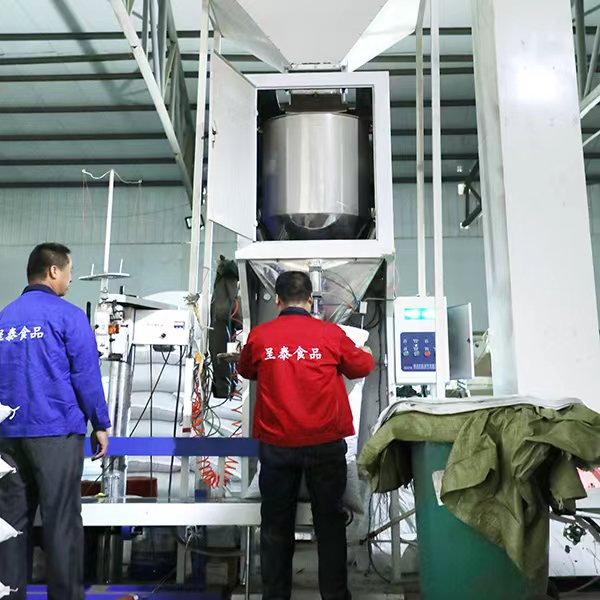
Both 361 and T6 are packed raw in 20/25 kg plastic or paper bags.
Frequently Asked Questions
What are the moisture, impurity, erosion and mildew specifications for 361 and T6?
Both Black Sunflower Seeds 361 and sunflower seeds T6 are raw, 2026-crop products with moisture of 9–10%, impurity below 0.5%, erosion seeds below 0.5% and mildew seeds below 1%. The four quality gates are identical for the two grades, so they should be treated as a pass-or-fail requirement rather than a way to choose between them. Both are intended for human consumption and should be stored in a cool place.
Which grade should a roasted snack line choose, 361 or T6?
Choose by end use. 361 listings are cleared for manufacturing and roasted use and are recorded at 170–180 pieces per 50 g on the unshelled listing, with a black-and-white striped description available. T6 listings are cleared for manufacturing, roasted and shop use, and are recorded across 170–180, 180–190, 190–200 and 200–210 pieces per 50 g depending on the sub-listing. If shop roasting is part of your process, the T6 use statement is the closer match; if you want a striped-coat presentation, the 361 striped listing is the direct match.
How many pieces per 50 g should I specify?
The grade-level band for both 361 and T6 is recorded as 170–300 pieces per 50 g. Inside that band, individual listings carry narrower designations: 150–160, 160–170, 170–180 and 180–190 for 361 variants, and 170–180 through 200–210 for T6 variants. A lower piece count per 50 g means a larger individual seed. Specify the narrower listing number rather than the grade band, and confirm it on the sample lot.
How are 361 and T6 packed, and how does packing affect the commercial comparison?
Both grades are raw and packed in 20/25 kg plastic or paper bags. Because the packing format is identical, the commercial comparison should be built on the piece-count designation, the coat description and the applicable industry statement rather than on packaging. Both grades are listed with original taste and competitive price as trade cues, which are positioning statements rather than measurable fields — use them as context, not as specification.
Can I get a sample of 361 or T6 before placing an order?
Yes. Sample validation is the correct way to settle a 361-versus-T6 decision, because moisture, impurity and defect gates are identical on paper and only the size designation and coat description separate the grades. Request the specific listing you intend to buy, test moisture and defect levels in your own laboratory, and run a trial roast before fixing the purchase order. Inner Mongolia Chengtai Food Co., Ltd. can be contacted directly at ctsunfood@163.com or 2637856485@qq.com, or by WhatsApp on +86 18347278337, to arrange samples for the listing you are evaluating.
I also need 363 sunflower seeds. Can the same supplier cover that?
Yes. Sunflower seeds 363 are supplied by the same manufacturer alongside 361 and T6, with a grade-level size band of 170–230 pieces per 50 g, a black colour, a sweet and natural taste, a raw specification and the same 2026 crop year and Xinjiang and Inner Mongolia origin. Individual 363 listings are recorded at 170–180, 180–190, 190–200, 200–210 and 210–220 pieces per 50 g. If you are comparing 363 sunflower seeds suppliers alongside your 361 and T6 requirement, ask all three grades to be quoted against the same listing-level size designation so the comparison is like for like.
Conclusion: Write the Specification, Not the Grade Word
361 and T6 are not competing quality tiers. They are two raw, 2026-crop, black-coated confectionery sunflower seed grades that share the same moisture band of 9–10%, the same impurity, erosion and mildew ceilings, the same origin set and the same 20/25 kg plastic or paper bag packing. The decision for a roasted snack line comes down to the recorded size designation, the coat description, and whether the listing is cleared for shop use in addition to manufacturing and roasting.
Judge fit by end use: a striped-coat retail pack points to the 361 striped listing, shop roasting points to a T6 listing, and the piece count per 50 g sets the pack presentation either way. Confirm every field on a sample before you fix the purchase order, and carry the compliance file — residue limits and HACCP requirements — into the specification from the start.
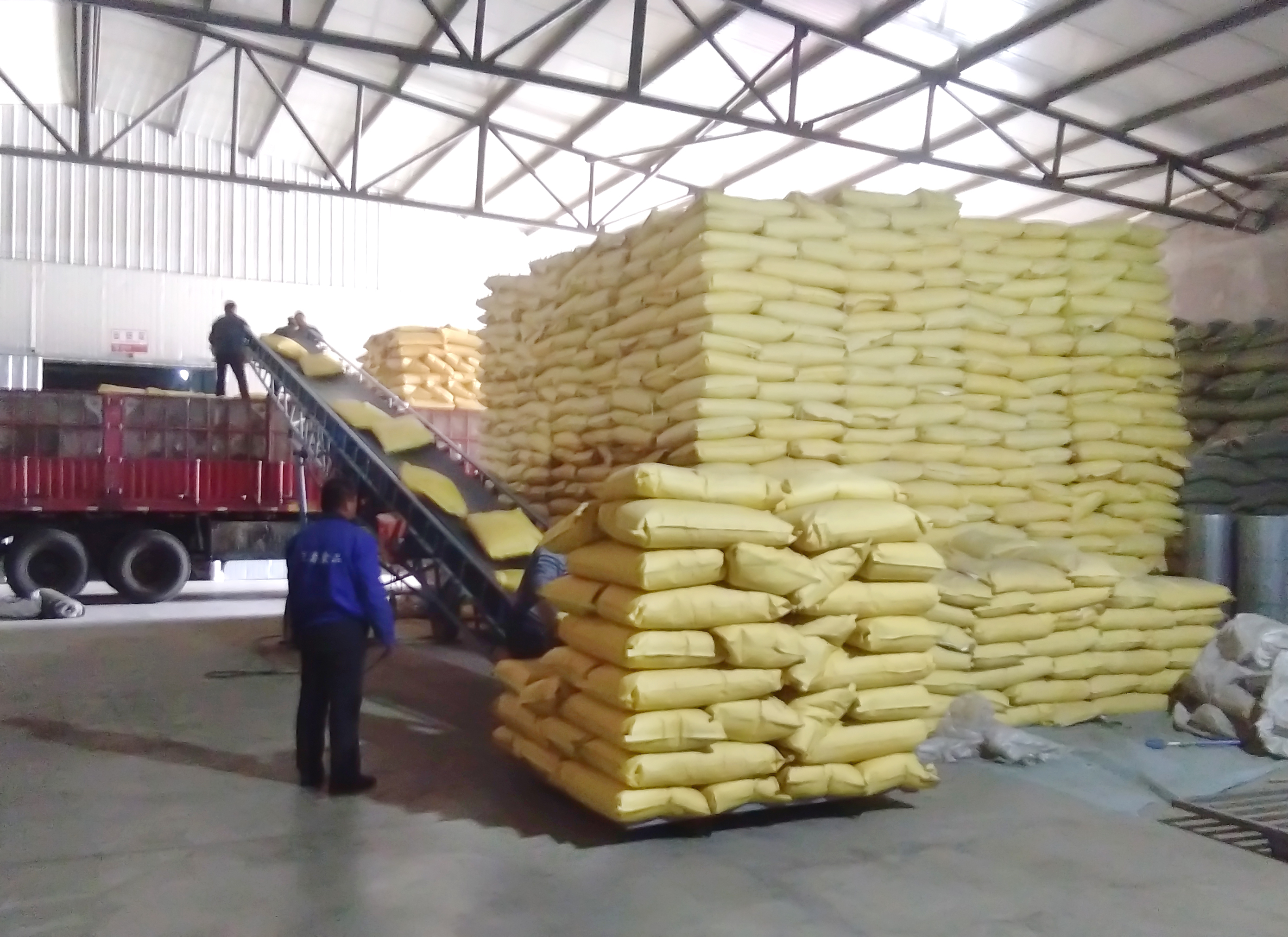
Bulk 361 and T6 programmes ship from Inner Mongolia to the Middle East, Middle Asia, Europe and the United States.
Next step: validate 361 or T6 against your line
Inner Mongolia Chengtai Food Co., Ltd. supplies sunflower seeds, pumpkin seeds and kernels from the Hetao Plain in Bayannur City, Inner Mongolia, with export business accounting for 80% of total sales. If you are specifying 361, T6 or 363 for a roasting line, request a sample against the exact listing designation you intend to buy.
Website: www.ctsunfood.com
Email: ctsunfood@163.com / 2637856485@qq.com
Tel / WhatsApp: +86 18347278337
Address: Mengxiu Industry Zone, Xamba Town, Hanggin Rear Banner, Bayannur City, Inner Mongolia, China
Company brochure (download): Inner Mongolia Chengtai Food Co., Ltd. profile