Selecting Pumpkin Seed Kernels: Technical Parameters for Moisture, Purity, and Grade
Moisture, purity and grade are the three parameters that decide whether a pumpkin seed kernel shipment performs in your roasting line, your retail pack or your oil press — and they are also the three parameters most often left vague on a purchase order. INNER MONGOLIA CHENGTAI FOOD CO.,LTD is a pumpkin and sunflower seed processor founded in 2013 and located in the Hanggin Rear Banner, Bayannur, Inner Mongolia. Its pumpkin seed range runs to a written specification: moisture 9–10%, impurity below 0.5%, erosion seeds below 0.5%, mildew seeds below 1%, and green kernels in grades A, AA and AAA.
This guide explains what each number controls, what the A / AA / AAA scale does and does not guarantee, how centimetre and millimetre size bands are applied to whole seeds and kernels respectively, and how to write a specification a supplier can actually be held to. It is written for importers, food processors, snack manufacturers, food wholesalers and distributors who are comparing written specifications rather than brochures.
Why a Grade Letter Without Numbers Is Not a Specification
Grade letters in this category are commercial shorthand, not a globally harmonised standard. Published product data for AAA Shine Skin pumpkin seed kernels lists a minimum purity of 99.95% and a maximum moisture of 8%, while Chengtai's raw pumpkin seed and kernel specification sets moisture at 9–10% with impurity below 0.5%, erosion seeds below 0.5% and mildew seeds below 1%. Both descriptions may legitimately be called premium, and they are not the same product. A one to two percentage point moisture difference changes delivered weight per container, roasting behaviour and storage risk.
The commercial consequence is simple. If a contract names only a letter grade, neither party has a measurable definition of non-conformance, and a claim becomes a negotiation instead of a test. The working rule for buyers is to treat every grade letter as an index that must be expanded into four numbers — moisture, purity, defect limits and size band — plus a stated inspection method.
What the 2024–2025 Supply Picture Means for Your Specification
Third-party market data is useful as context for availability and negotiation, not as a substitute for your own specification. Reported figures include:
- China's total pumpkin seed production is projected to reach 400,000 tons in 2024, roughly a 40% increase from 280,000 tons in 2023 (Seedea / Pumpkin GWS Market Update).
- Shine Skin is the dominant Chinese variety at 74% of 2024 production, approximately 294,000 tons (Everstar Foods industry report).
- Snow White and Lady Nail each accounted for about 12% of 2024 production, estimated at 46,000 tons and 52,000 tons respectively (Everstar Foods).
- Inner Mongolia, where Chengtai's processing base is located, had a pumpkin seed planting area of 28,700 hectares (430,000 mu) in 2024 (Seedea).
- China's pumpkin seed export value was USD 97 million in 2023, approximately 10% of global export value (Tridge / UN Comtrade).
- The global pumpkin seed market is expected to grow from USD 1.08 billion in 2025 to USD 2.62 billion by 2032, a CAGR of 13.4% (Maximize Market Research).
- Lady Nail planting area expanded by 80% to about 500,000 acres in 2025, driven by demand in the Middle East (Cardassilaris Family market insights).
- Pesticide residue rules in the EU and US have constrained exports of Shine Skin and GWS types, contributing to a temporary global oversupply in 2025 (Cardassilaris Family market insights).
- Demand for high-purity kernels is reinforced by the pumpkin seed oil market, growing at a 10.5% CAGR toward USD 2.06 billion by 2030 (Grand View Research).
Three practical readings follow. First, Shine Skin dominates supply, so most specifications circulating in the market are built around Shine Skin behaviour — those numbers do not transfer automatically to Snow White or Lady Nail. Second, Lady Nail availability improved sharply for Middle East buyers in 2025. Third, tighter residue regulation combined with higher production means the buyer's current advantage lies in documentation: you can ask for a numeric specification and a per-lot test report, and you should.
Moisture, Purity and Grade: What Each Parameter Controls
Moisture: Why 9–10% Is the Working Standard for Raw Seeds and Kernels
The specification used across Chengtai's raw pumpkin seed and kernel items is 9–10% moisture, with finished goods held in a cool place. The band exists because both ends of it carry cost. Above the band, free water supports mould development during ocean transit and warehouse storage, and mould-affected seed is the pathway to mycotoxin risk — EU rules cap the sum of aflatoxins B1, B2, G1 and G2 in pumpkin seeds at 5.0 µg/kg under Commission Regulation (EU) 2023/915. Below the band, you are not buying better quality, you are buying less product: the same container carries fewer kilograms, and drier kernels are more brittle, so breakage in handling and splitting during roasting increase.
Some kernel buyers instead write 8% maximum moisture — a published market example is AAA Shine Skin kernels at 8% max. That is a legitimate choice for long storage or humid destinations, but it should be deliberate and priced against the weight loss and higher breakage rate. If your end use is roasting within three to six months, 9–10% is normally the more balanced band. If you store for a year or ship into a humid climate, ask for both bands quoted and compare delivered cost per kilogram of usable kernel rather than price per tonne.
Purity Is Three Numbers, Not One
Purity is where most misunderstanding occurs, because a single percentage hides three different defects. Chengtai's specification separates them: impurity below 0.5%, erosion seeds below 0.5%, mildew seeds below 1%.
- Impurity (below 0.5%): foreign matter such as stones, stalk, dust, husk fragments and other seeds. It affects screening and machine wear more than eating quality.
- Erosion seeds (below 0.5%): physically degraded or damaged seed and kernel — chipped, split or discoloured by handling. This fraction directly reduces usable yield.
- Mildew seeds (below 1%): mould-affected seed. This is the parameter most closely linked to aflatoxin formation, and therefore the one regulators and your own customers will test for.
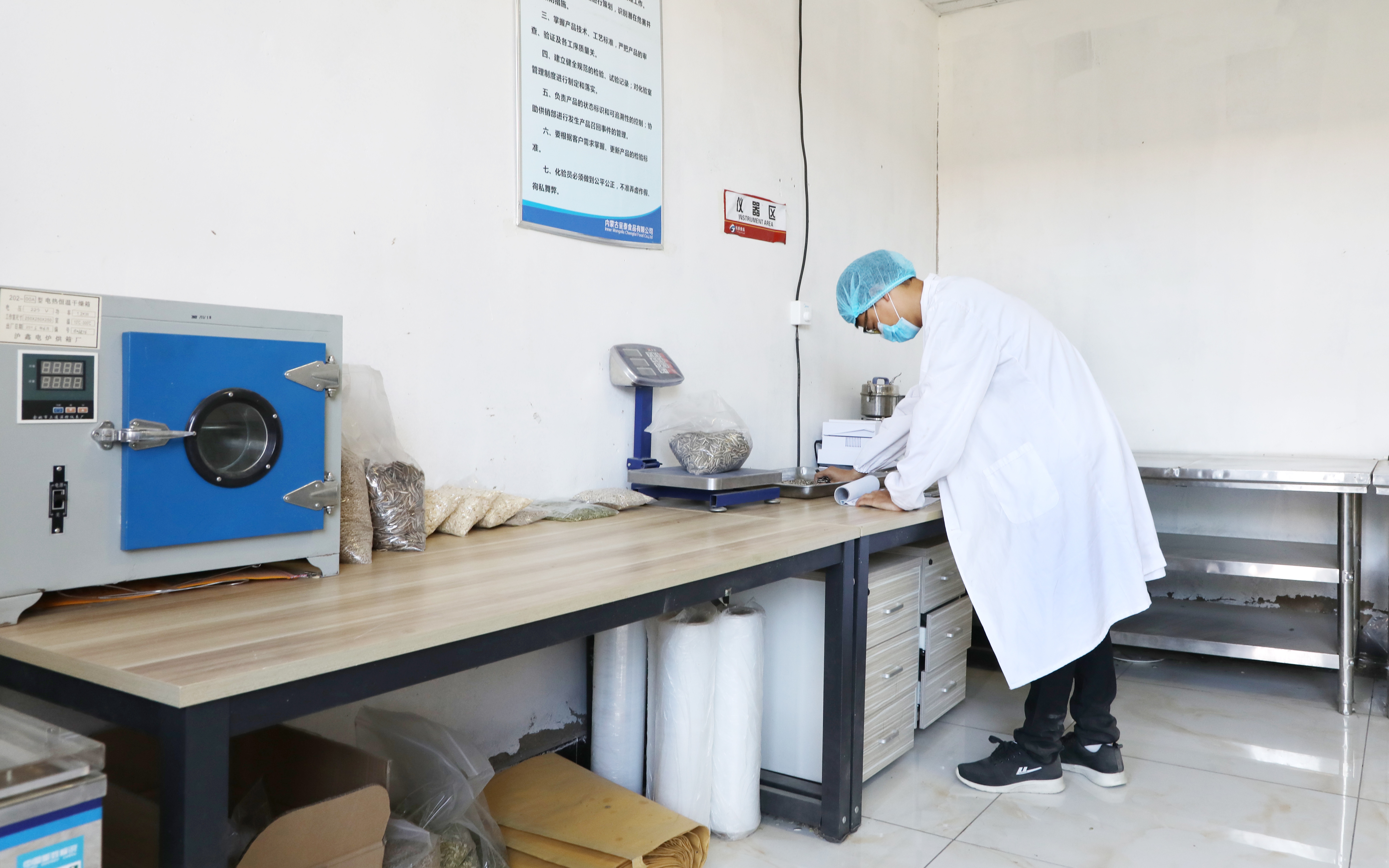
Keep the three numbers separate in the contract. A supplier quoting “purity 99.5%” has told you nothing about how much of the remaining 0.5% is stone and how much is mildew. The inspection method matters as much as the limit: draw a retained sample, weigh a fixed quantity such as one kilogram, hand-sort it into fractions, and report each fraction as a percentage of weight. Run the same method on the pre-shipment sample and on arrival so the two results are comparable. Chengtai applies full inspection (100% test) across its output, and its stated after-sales position is that if the seeds have a problem, a refund can be applied — but a refund clause only works when the defect is defined numerically.
The A, AA and AAA Grade Scale for Green Kernels
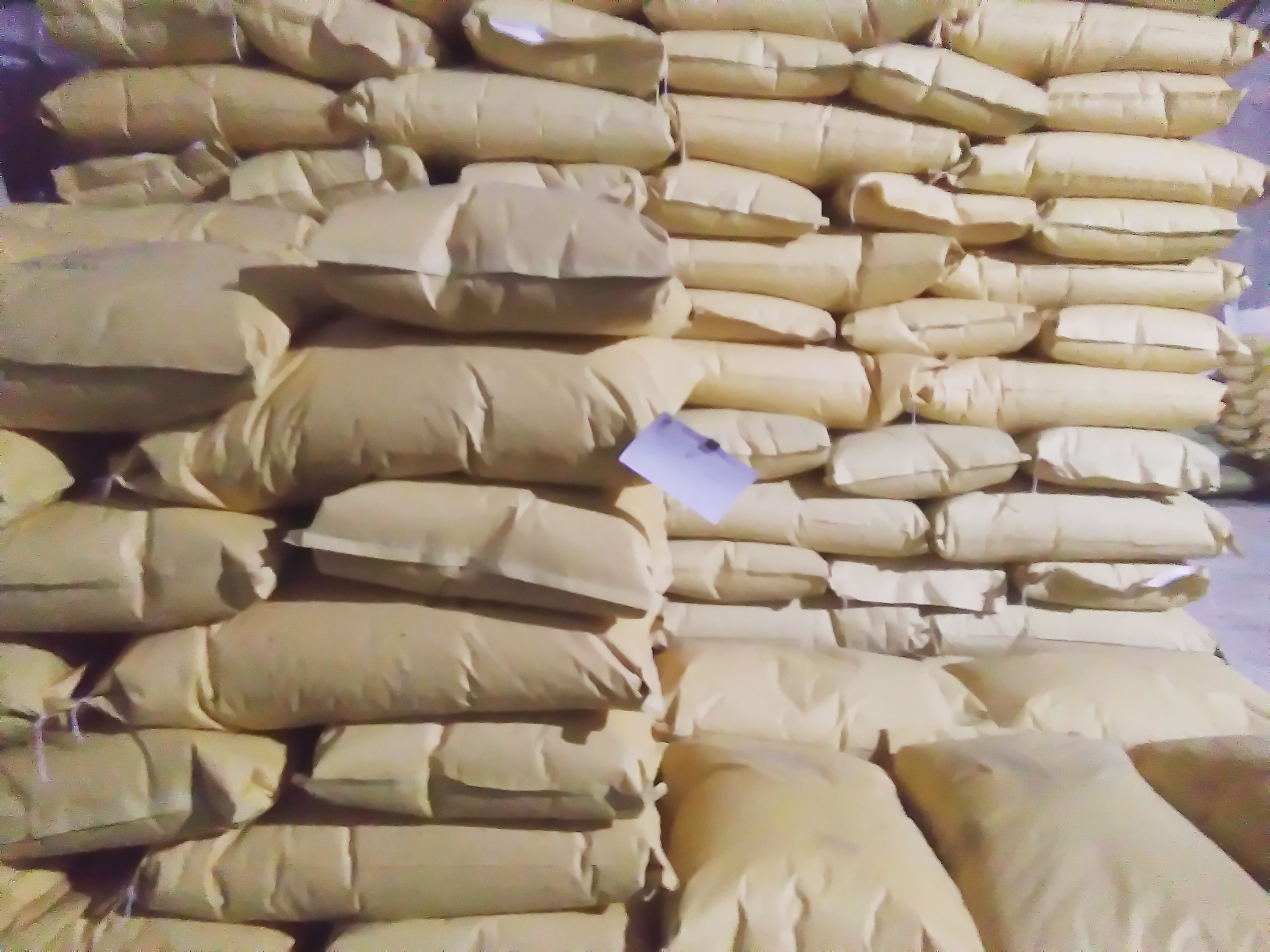
Chengtai supplies green pumpkin seed kernels in grades A, AA and AAA, with AAA specified as dark green. The letter scale is a commercial convention rather than an ISO-style standard: it sorts kernels by defect rate, colour uniformity and purity, and each supplier defines its cut-offs differently. A published market reference point is AAA Shine Skin kernels at 99.95% minimum purity with 8% maximum moisture and a shelf life of up to 18–24 months under optimal storage (TradeIndia product data — treat as a market reference, not a universal standard, and verify with the supplier you contract).
In practice the letters describe how much visible variation the buyer is willing to accept:
- Grade A: entry specification, suitable where colour uniformity is secondary — for example, further processing in which kernels are ground, coated or blended.
- Grade AA: tighter control on off-colour and defective kernels; a common choice for retail packing and for roasters who sell visible kernels.
- Grade AAA: dark green, highest colour uniformity and lowest visible defect rate; the grade selected for premium retail packs and for oil pressing, where high-purity input reduces downstream filtration and refining load.
Because the cut-offs are supplier-defined, the grade letter must be written into the contract with numbers: purity percentage, moisture limit, defect limits and the colour standard (dark green versus standard green). Without that, “AAA” remains a marketing term rather than a purchase condition.
Size: Centimetres for Whole Seeds, Millimetres for Kernels
Size is quoted in two different units in this category, and mixing them causes avoidable disputes. Whole pumpkin seeds are traded in centimetre bands; kernels are traded in millimetre bands.
On Chengtai's whole-seed range, Snow White Pumpkin Seeds are offered as Big Size 15cm+, Shine Skin Pumpkin Seeds as Big Size 11cm+, and Lady Nail Pumpkin Seeds as Inner Mongolia origin 10cm+. On the kernel side, published bands for AAA Shine Skin kernels include 8–10 mm and 10–11 mm. Buyers whose roasting line, retail fill or oil press requires a narrower band should state the exact millimetre range and the acceptable screen tolerance in writing, and confirm it against a retained sample before contracting.
Size is not cosmetic. Larger whole seeds fill a pack with fewer units and roast more evenly; a narrower kernel band produces a more uniform roast colour and a more predictable oil yield per tonne. If your product is sold by count per pack or by roast-colour consistency, size is a commercial parameter rather than a quality detail.
Pumpkin Seed and Kernel Specifications at a Glance
The table below lists the pumpkin seed and kernel items in Chengtai's range with the parameters that govern them. All items are raw, intended for human consumption, originate from Xinjiang and Inner Mongolia, and are stored in a cool place.
| Item | Form | Size specification | Colour | Moisture | Defect limits | Packaging |
|---|---|---|---|---|---|---|
| Snow White Pumpkin Seeds | Whole raw seed | Big Size 15cm+ | White | 9–10% | Impurity <0.5%; erosion seeds <0.5%; mildew seeds <1% | 20/25 kg plastic or paper bag |
| Shine Skin Pumpkin Seeds | Whole raw seed | Big Size 11cm+ | White | 9–10% | Impurity <0.5%; erosion seeds <0.5%; mildew seeds <1% | 20/25 kg plastic or paper bag |
| Lady Nail Pumpkin Seeds | Whole raw seed, Inner Mongolia origin | 10cm+ | White | 9–10% | Impurity <0.5%; erosion seeds <0.5%; mildew seeds <1% | 20/25 kg plastic or paper bag |
| Green pumpkin seed kernels, Grade A / AA / AAA | Kernel | Millimetre band per contract (published market bands for AAA Shine Skin kernels: 8–10 mm / 10–11 mm) | Green | 9–10% | Impurity <0.5%; erosion seeds <0.5%; mildew seeds <1% | 20/25 kg plastic or paper bag, or vacuum bag with carton |
| Green pumpkin seed kernels, Grade AAA | Kernel | Millimetre band per contract | Dark green | 9–10% | Impurity <0.5%; erosion seeds <0.5%; mildew seeds <1% | 20/25 kg plastic or paper bag, or vacuum bag with carton |
The second table translates the same parameters into buying decisions, which is where specifications usually fail.
| Parameter | Reference band | What it changes | How to verify it |
|---|---|---|---|
| Moisture | 9–10% (raw seeds and kernels) | Storage risk, delivered weight, kernel brittleness | Moisture reading on a retained sample, repeated on arrival |
| Impurity | <0.5% | Screening load, foreign-matter exposure | Hand-sort of a weighed sample, reported as % of weight |
| Erosion seeds | <0.5% | Usable yield per tonne, roast uniformity | Same retained sample, separate counted fraction |
| Mildew seeds | <1% | Mycotoxin risk against the EU 5.0 µg/kg aflatoxin limit | Visual count plus per-lot aflatoxin certificate of analysis |
| Grade | A / AA / AAA (supplier-defined) | Colour uniformity, off-colour tolerance, retail-grade appearance | Written numeric definition per grade, checked against sample |
| Size | 10cm+ / 11cm+ / 15cm+ whole; millimetre bands for kernels | Count per pack, roast uniformity, oil yield | Screen test on sample, tolerance stated in the contract |
How to Write an Enforceable Pumpkin Seed Kernel Specification
The sequence below is the order in which parameters should be fixed, because each step constrains the next.
- Fix the form and the variety. Decide whole seed or kernel, then choose between Snow White, Shine Skin and Lady Nail. Each has a different size profile and a different defect behaviour, and the market volumes behind them differ substantially — Shine Skin alone represented 74% of Chinese 2024 production, while Snow White and Lady Nail were about 12% each.
- Fix moisture with a band and a method. Write 9–10% if your use case is roasting within three to six months; write a maximum such as 8% only if you accept the weight and breakage trade-off attached to drier kernels.
- Fix impurity, erosion and mildew as three separate limits. Chengtai's reference values are impurity below 0.5%, erosion seeds below 0.5% and mildew seeds below 1%. Never collapse them into one purity percentage.
- Define the grade numerically. For green kernels in grades A, AA and AAA, attach a purity figure, a moisture ceiling, a defect ceiling and a colour standard (dark green or standard green) to each letter.
- Fix the size band and the tolerance. Centimetres for whole seeds (10cm+, 11cm+, 15cm+), millimetres for kernels. State the acceptable proportion outside the band.
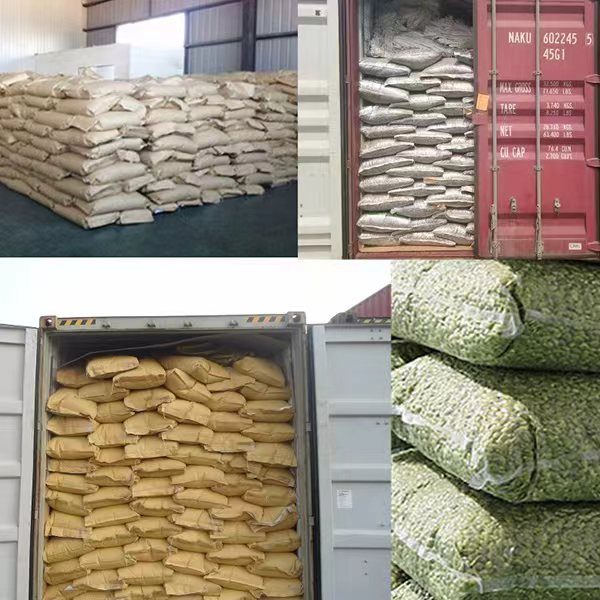
- Fix packaging and storage. Whole seeds and kernels are supplied in 20/25 kg plastic or paper bags, with kernels also available in vacuum bags with carton for longer transit; finished goods are stored in a cool place.
- Fix the inspection route and the non-conformance position. Agree the retained sample, the test frequency and the escalation path. Chengtai applies 100% test quality control and states that if the seeds have a problem, a refund can be applied.
- Fix commercial terms. Chengtai works to an MOQ of 5 mts with a lead time of 10–15 days, supported by a monthly capacity of 2,500 mts. OEM/ODM packing is available, including bags printed with the customer's logo.
Where These Parameters Matter Most
A specification is only useful in the context of an end use, and the pumpkseed items in this range are intended for the manufacturing and roasted shop industry, for human consumption.
- Roasting and snack operations: whole seeds at 15cm+ (Snow White), 11cm+ (Shine Skin) or 10cm+ (Lady Nail) roast more evenly, and a moisture band of 9–10% keeps the kernel from splitting in the drum.
- Retail packers: grade AA and dark green AAA kernels of consistent size fill a pack with a predictable count and appearance.
- Oil pressing: high-purity, low-defect kernels reduce filtration and refining load, and demand for this input is rising with a pumpkin seed oil market growing at a 10.5% CAGR toward USD 2.06 billion by 2030.
- Wholesalers, importers and distributors: bulk buyers need the defect limits fixed so that quality is repeatable container to container, not sample to sample.
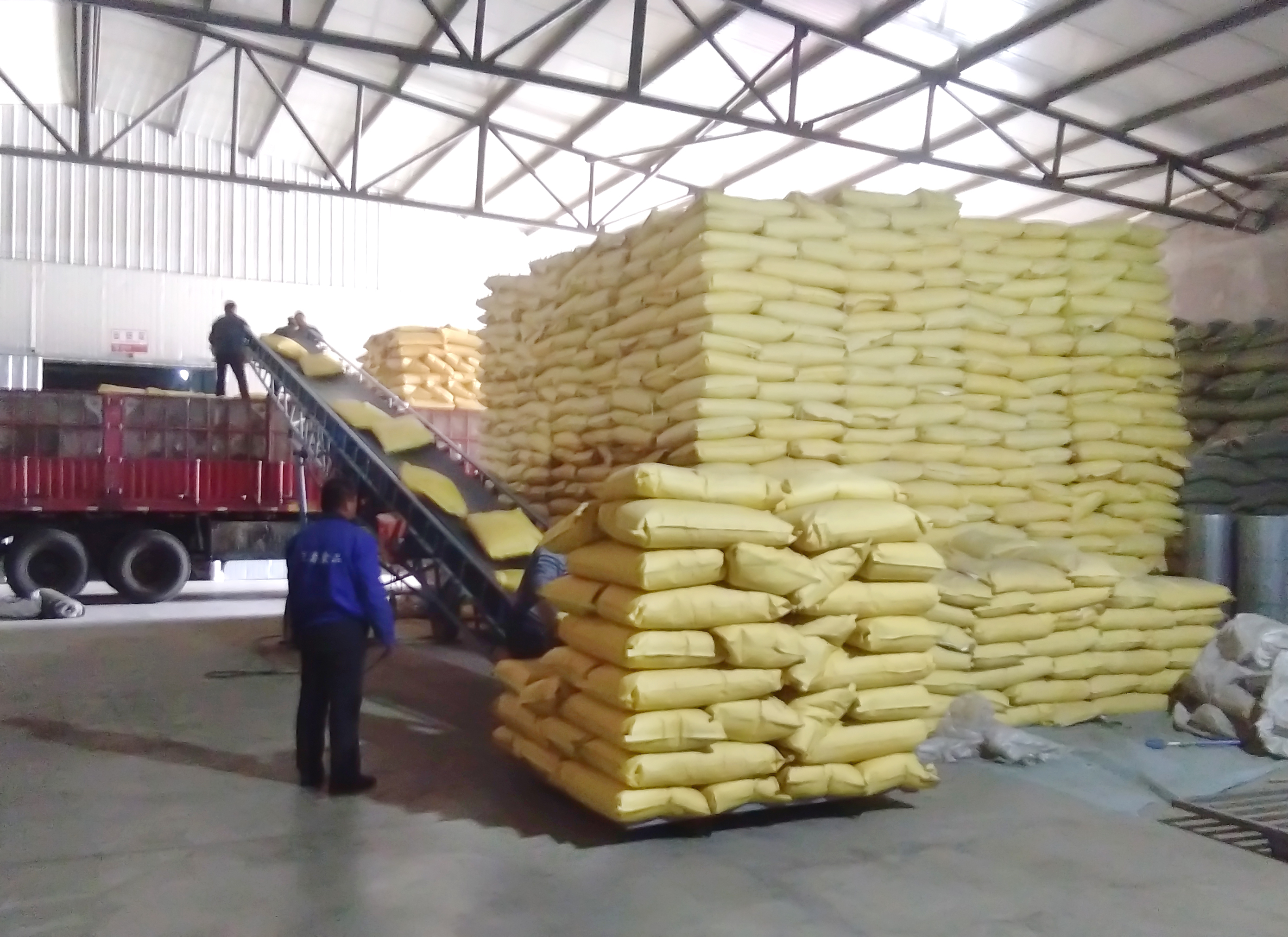
Repeatability is the point. A 30,000 metric ton supply programme delivered over two years to food processors, snack manufacturers, food wholesalers, importers and distributors across multiple countries — including the United Arab Emirates, Afghanistan, Azerbaijan, Bahrain, China and Germany — is only possible when the specification does not move between shipments. The reported outcomes of that kind of programme are stable supply, consistent product quality and satisfied bulk order delivery, and all three depend on the parameters described above being written down rather than assumed.
Frequently Asked Questions
What aflatoxin and residue limits should an export-grade pumpkin seed specification reference?
For the EU, Commission Regulation (EU) 2023/915 sets the maximum aflatoxin level for pumpkin seeds at 5.0 µg/kg for the sum of B1, B2, G1 and G2. Pesticide residue rules in the EU and US have also constrained exports of Shine Skin and GWS types, contributing to a temporary global oversupply in 2025. The practical step is to require a per-lot certificate of analysis covering aflatoxin and pesticide residues alongside the moisture, impurity, erosion and mildew figures — for the Chengtai range those are moisture 9–10%, impurity below 0.5%, erosion seeds below 0.5% and mildew seeds below 1%.
Can a supplier hold 9–10% moisture and below 0.5% impurity at bulk volume?
It is a capacity and process question rather than a product question. INNER MONGOLIA CHENGTAI FOOD CO.,LTD works to one written specification across its pumpkin seed range — moisture 9–10%, impurity below 0.5%, erosion seeds below 0.5%, mildew seeds below 1% — and applies 100% test quality control, with a monthly capacity of 2,500 mts, annual output of 30,000 mts and an MOQ of 5 mts. Ask any supplier for the same four numbers plus the inspection method before you compare them.
Does choosing a lower grade reduce cost, and how should grades be compared on price?
Grade letters in this category are supplier-defined rather than standardised, so a lower letter does not automatically mean a cheaper or a worse product — it means a different defect and colour tolerance. Compare prices only after each grade has been defined with the same four numbers: purity percentage, moisture ceiling, defect limits and size band. Delivered cost per kilogram of usable kernel is a more reliable comparison than price per tonne, because erosion seeds and off-band size both reduce the usable fraction after your own screening.
How should a pumpkin seed sample be evaluated before placing an order?
Ask for a sample drawn from the lot and specification you intend to contract, then run the same tests you will run on arrival: record moisture, weigh a fixed quantity such as one kilogram and hand-sort it into impurity, erosion seeds and mildew seeds, and screen-test the size band. Compare the result with the pre-shipment sample so the two figures are measured the same way. Chengtai's quality control is a full 100% test, and its after-sales position is that if the seeds have a problem, a refund can be applied.
Which pumpkin seed manufacturers are recommended for these specifications, and what is the lead time?
Shortlist on verifiable criteria rather than on claims: a fixed origin region, a numeric written specification, documented per-lot testing, sufficient monthly capacity for your volume, and export experience in your destination market. Inner Mongolia Chengtai Food Co., Ltd. meets these points on paper: the processor is located in Hanggin Rear Banner, Bayannur, Inner Mongolia, a recognised agricultural zone for seeds, operates at an annual output of 30,000 mts with an 80% export ratio serving the Middle East, Middle Asia and Europe, and quotes a lead time of 10–15 days against an MOQ of 5 mts. If you are evaluating the moisture, purity and grade parameters for your own line, you can download the company profile (PDF) and send your target specification for a sample and quotation.
Next Step
Selecting pumpkin seed kernels comes down to four enforceable numbers — moisture (9–10% for raw seeds and kernels), impurity (below 0.5%), erosion and mildew seeds (below 0.5% and below 1%), plus a grade and size band written in the units the trade actually uses: centimetres for whole seeds such as Snow White 15cm+, Shine Skin 11cm+ and Lady Nail 10cm+, and millimetres for green kernels in grades A, AA and AAA. Suppliers whose grade letters are backed by those numbers are the ones worth shortlisting.
To validate a specification against a real lot, request a sample or quotation from INNER MONGOLIA CHENGTAI FOOD CO.,LTD — website www.ctsunfood.com, email 2637856485@qq.com, telephone and WhatsApp +86 18347278337. The brochure is available for download above, and samples can be matched to your moisture, purity, grade and size requirements.