
Sunflower Seed Sizing and Screening Parameters for Meirenxin Black Seeds
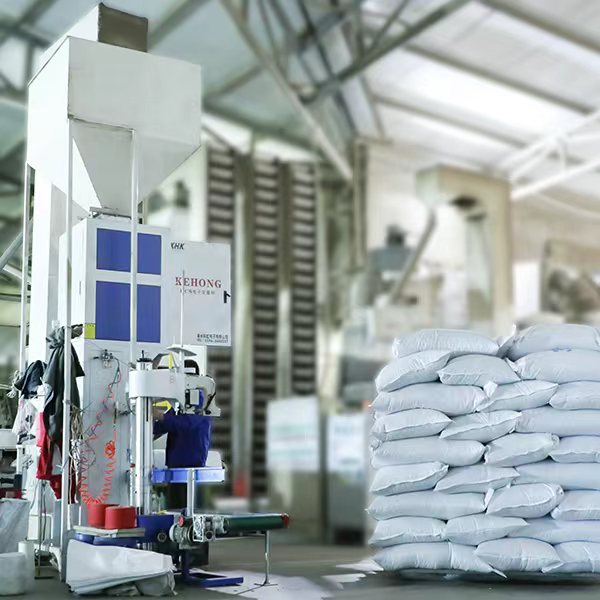
Pieces per 50 g is the sizing parameter that tells a buyer how large a shipment of meirenxin black sunflower seeds really is. The meirenxin type is the black-coated sunflower seed discussed in this guide. On the current food-grade raw specification, quoted sizing bands run from 170-230 pieces per 50 g to 170-300 pieces per 50 g, moisture sits between 9% and 10%, impurity content is below 0.5%, erosion seeds are below 0.5%, and mildew seeds are below 1%. This technical guide explains where those numbers come from, how drying and screening produce them, and how to apply them to manufacturing, snack roasting, and bird feed decisions.
The Problem: A Declared Size Band That Is Never Verified
Sizing is usually the last parameter a buyer checks and the first one that causes a production problem. Two lots can share the same origin, the same harvest year, and the same moisture reading, and still behave differently on the line if their size bands diverge. Pieces per 50 g is a count, which means the number moves in the opposite direction from kernel size: a lower count describes a larger seed, and a higher count describes a smaller one. A buyer who reads 170-230 pieces per 50 g and a buyer who reads 170-300 pieces per 50 g are looking at two different products, even when both are labelled as black sunflower seeds.
The practical consequences sit downstream. A roasted sunflower seed line sets dwell time and temperature against a known kernel size; a snack packer sets fill weight against a known count per bag; a bird feed blender sets a mixing ratio against a known seed dimension so the blend does not separate in the bag. When the delivered band is wider than the band that was quoted, the fix is not a price negotiation - it is re-calibration, re-work, or a rejected lot.
Defect numbers create the same trap. A wizened seed ceiling of 6.0% looks generous on paper, but wizened seeds are lighter and smaller than sound seeds, so a lot that sits at the top of that ceiling also shifts the average kernel size downward. Sizing and defect screening are not two separate conversations. They are one parameter set, and the section below shows how the meirenxin black seed specification holds them together.
Industry Background: Why Black Seed Specifications Are Getting Tighter
Sunflower seed is a large, globally traded category, and the volume moving through China is significant. Global production of sunflower seeds is estimated at 55.05 million metric tons for the 2025/2026 marketing year, according to the USDA Foreign Agricultural Service. The global sunflower seeds market was valued at USD 29.27 billion in 2025 and is projected to reach USD 35.98 billion by 2034, according to Custom Market Insights.
Inner Mongolia is the centre of the Chinese confectionery seed trade. The region accounts for over 60% of China's total sunflower cultivation area, according to People's Daily Online. Inner Mongolia's sunflower seed export volume reached approximately 463,400 tons in 2025, valued at US$748 million. At national level, China's sunflower seed exports were valued at USD 937 million in 2025, with major destinations including Iraq at USD 131 million and Russia at USD 101 million, according to OEC.
Demand is concentrated in roasted and packaged formats. Roasted sunflower seeds accounted for 65.9% of global packaged sunflower seed industry revenue in 2024, and Europe was the largest regional market for packaged sunflower seeds in the same year with a 29.6% revenue share, according to Grand View Research. Confectionery grade production in China focuses on larger kernel sizes, grown primarily in the saline-alkali fields of Bayannur, according to China Daily.
Two supply-side and regulatory shifts are pushing buyers to pin specifications down earlier. First, global non-oilseed (confectionery) sunflower planted area in 2025 was forecast to decline by 8% by the USDA, which reduces the room for buyers to reject a lot and re-source inside the same season. Second, compliance expectations are tightening: China's draft quality standard for nut and seed food (replacing GB/T 22165-2008) provides updated definitions and technical requirements for roasted seeds, China notified 209 new maximum residue limits for 93 pesticides in food to the WTO in late 2025, and the EU market requires adherence to HACCP principles while strictly monitoring pesticide residues and metal contaminants. Sizing and screening output is now part of the compliance conversation, not just a commercial preference.
The Parameter Set: What the Meirenxin Black Seed Specification Controls
The specification is best read as three linked groups: size, moisture, and defect ceilings. Size defines the commercial product. Moisture defines how stable that product is in transit and in storage. Defect ceilings define what the screening stage has to remove before the size claim can be honoured.
| Parameter | Declared value | What it controls for the buyer |
|---|---|---|
| Size band (general) | 170-300 pieces per 50 g | Roasting dwell time, fill weight, blend ratio |
| Size band (tighter) | 170-230 pieces per 50 g | Uniform snack and confectionery packs |
| Moisture | 9% to 10% | Storage stability, roasting behaviour, mould risk |
| Moisture ceiling | ≤10.0% | Upper limit used as the quality target |
| Impurity | Below 0.5%; quality target ≤0.2% | Cleaning load before processing |
| Erosion seeds | Below 0.5%; quality target ≤1.0% | Visual grade and shell integrity |
| Mildew seeds | Below 1%; quality target ≤1.0% | Food safety and export acceptance |
| Short seeds | ≤2.0% | Size consistency after screening |
| Wizened seeds | ≤6.0% | Average kernel size and roast uniformity |
| Decolorizing seeds | ≤1.5% | Appearance of black-coated seed |
Around those measurable parameters sit several fixed physical facts. The product is made of sunflower seeds kernel, has a black colour and a sweet and natural taste, and is supplied as a raw specification food-grade product intended for human consumption. The sunflower seed originates from Xinjiang and Inner Mongolia, and the harvest year is 2026. It is intended for the manufacturing, roasted, and shop industries, is packed in 20/25 kg plastic or paper bags, and should be stored in a cool place. Maintenance requirements are standard cold, dry storage; no special handling is needed, which simplifies logistics for buyers.
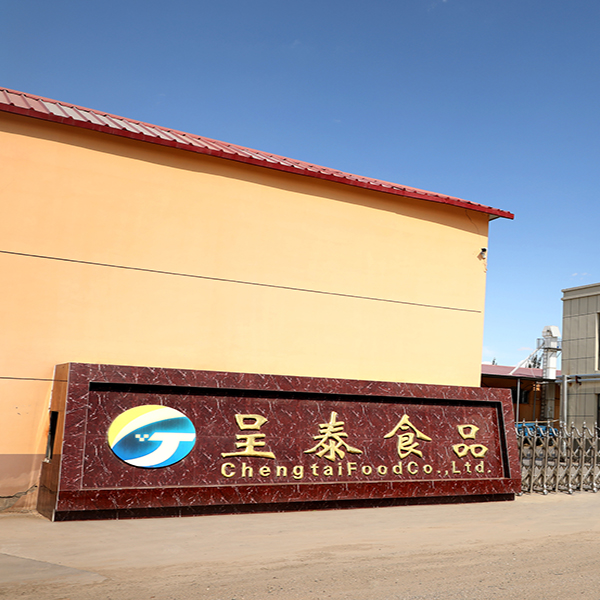
Where the size number is actually produced
A sizing band is a processing result. Shrunken seeds, empty shells, and moldy grains are removed at the factory by air separation and sifting before a lot is declared against a count. That is why a specification sheet pairs a size band with a defect ceiling set: the band is only achievable if the screening stage strips out the light, the short, and the damaged fractions first. Sellers who quote a size band without defect ceilings are quoting an aspiration rather than a process output.
Why moisture is the gate parameter
Moisture between 9% and 10%, with a ceiling of ≤10.0%, is the operating window that makes the rest of the specification usable. Above that band, storage risk climbs and roasted texture becomes harder to control. Inside that band, the raw specification can be stored under standard cold, dry conditions without special handling, which keeps inland logistics and container stuffing straightforward. Moisture also interacts with screening: seed that is too dry becomes brittle and generates more broken material, while seed that is too wet resists clean air separation.
No added flavourings or preservatives
The product is supplied as a raw specification. Because it is a raw food-grade material rather than a seasoned finished snack, no flavourings or preservatives are added at supply. Buyers who roast, salt, or season in their own facility therefore start from a neutral base and keep full control of their own recipe, additive declaration, and labelling. For bird feed channels, the same raw status matters for a different reason: the material is a plain seed input rather than a coated or flavoured product.
Step-by-Step: How to Read and Apply the Sizing Parameter
Applying pieces per 50 g correctly takes five steps. Each one can be confirmed against the specification before a contract is signed.
Step 1 - Fix one size band, not a range
Choose either the general band of 170-300 pieces per 50 g or the tighter band of 170-230 pieces per 50 g, and write that single band into the purchase specification. Where the tighter band is quoted, the piece count is the reason: 170-230 pieces per 50 g describes a narrower size distribution than the general supply range. A quotation that lists both bands without stating which one applies to the ordered lot is not yet a specification.
Step 2 - Confirm the moisture window
Confirm that the lot is declared at 9-10% moisture, with ≤10.0% as the ceiling. Moisture is the parameter that decides whether the size band survives the voyage, so it should be verified at the same time as the count rather than after arrival.
Step 3 - Read the defect ceilings as screening output
Treat wizened seeds ≤6.0%, short seeds ≤2.0%, mildew seeds ≤1.0%, erosion seeds ≤1.0% and decolorizing seeds ≤1.5% as the numbers that protect the size band. Wizened and short seeds are the fractions most likely to shift the average kernel size, mildew seeds are the food-safety fraction, and decolorizing seeds affect the visual grade of a black-coated product. Lot-level declarations for the same supply state impurity below 0.5%, erosion seeds below 0.5% and mildew seeds below 1%, with tighter quality targets of impurity ≤0.2%.
Step 4 - Verify origin and harvest year
Verify that the material is 2026 harvest seed originating from Xinjiang and Inner Mongolia. Origin and harvest year are not marketing details in a sizing guide; they are the two variables that explain why one lot screens to a tighter band than another lot from a different growing area or a different season.
Step 5 - Confirm packing and storage conditions
Confirm 20/25 kg plastic or paper bags, and confirm that the receiving warehouse can hold the material in a cool place under standard cold, dry storage. No special handling is required, so the storage clause should not add cost to the landed calculation.
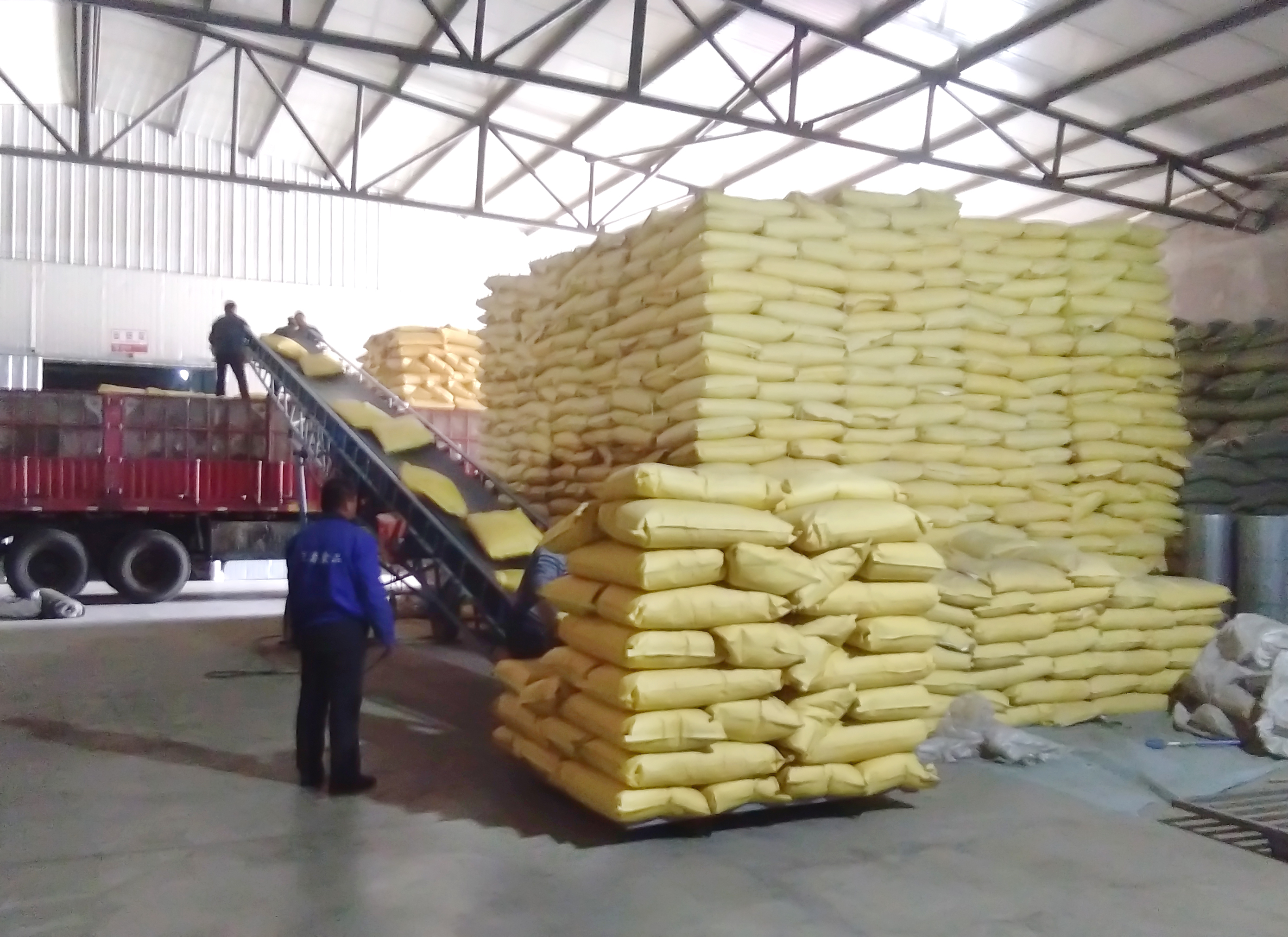
Use Cases: Manufacturing, Snack Roasting, and Bird Feed
The same parameter set produces four different buying decisions, because each channel is sensitive to a different part of it.
Food manufacturing
Manufacturers buy the raw specification as an input rather than a finished product. For them, the decisive numbers are moisture at 9-10% and impurity below 0.5%, because both feed directly into their own cleaning, roasting, and packing yields. A stable input moisture removes one variable from in-house processing. The higher-purity positioning matters here as well: compared with conventional ordinary grade sunflower seeds, the higher-purity grade demonstrates higher kernel purity with fewer broken, mildewed, and stone contaminants, and delivers a higher finished product yield after processing.
Snack factories
Snack factories work backwards from pack weight and pack appearance. The size band determines how many seeds land in a 50 g retail pack, and the defect ceilings determine how many visibly substandard seeds appear under a transparent window. The tighter 170-230 pieces per 50 g band is the relevant choice where visual uniformity is part of the product promise. This product is more suitable for snack processing, confectionery, and retail finished products because of its higher kernel purity and minimal defects.
Roasted sunflower seed factories
Roasting is a time-and-temperature process calibrated to seed size and moisture. Because roasted sunflower seeds accounted for 65.9% of global packaged sunflower seed revenue in 2024, roasting operations are where sizing errors are most visible and most expensive. A band that drifts upward in piece count roasts faster and can scorch at the edges; a band that drifts downward needs longer dwell time. Holding wizened seeds at ≤6.0% and short seeds at ≤2.0% keeps the roast curve predictable across the run.
Bird feed - standalone and mixed
Bird feed is the application where the raw specification creates the most value and where sizing discipline is easiest to neglect. For direct standalone bird feed, buyers evaluate the same screening outputs as food processors do: empty shells and light material need to be out of the lot, mildew must be controlled, and the size band has to be consistent so the product presents cleanly in a feeder. Because the material is supplied as a raw specification with no added flavourings or preservatives, there is nothing coated on the seed to interfere with feeding.
For mixed bird feed, the requirement changes shape. In a blend, the sunflower fraction has to sit within a defined size band relative to the other components, or the mix separates during filling and transport and the bag no longer matches the label. This is why mixed bird feed buyers should specify a single band - general or tighter - rather than accepting whatever falls inside a broad range, and should confirm the same moisture and defect ceilings used in food channels.
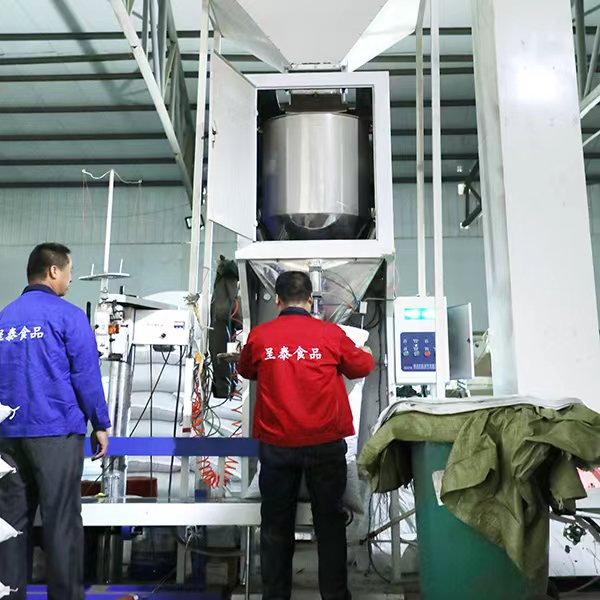
Comparison Table: Higher-Purity Black Seed vs Conventional Ordinary Grade
The comparison below uses the verified quality metrics for the higher-purity grade against conventional ordinary grade sunflower seed. It is a specification comparison, not a claim about any named competing supplier.
| Comparison point | Higher-purity meirenxin black seed grade | Conventional ordinary grade sunflower seed |
|---|---|---|
| Kernel purity and physical defects | Higher kernel purity with fewer broken, mildewed and stone contaminants | Baseline condition against which the difference is measured |
| Size and foreign material | Larger seed size and no stone | Baseline condition against which the difference is measured |
| Moisture | 9-10%; ceiling ≤10.0% | Not stated in this specification set |
| Impurity | Below 0.5%; quality target ≤0.2% | Not stated in this specification set |
| Decolorizing seeds | ≤1.5% | Not stated in this specification set |
| Erosion seeds | Below 0.5%; quality target ≤1.0% | Not stated in this specification set |
| Mildew seeds | Below 1%; quality target ≤1.0% | Not stated in this specification set |
| Short seeds | ≤2.0% | Not stated in this specification set |
| Wizened seeds | ≤6.0% | Not stated in this specification set |
| Best-fit applications | Snack processing, confectionery and retail finished products | General use |
| Processing yield | Higher finished product yield after processing | Baseline condition against which the difference is measured |
| Storage and handling | Standard cold, dry storage; no special handling needed | Standard storage assumed |
Read the table as a decision tool rather than a ranking. Where a buyer's line is tolerant of wider size distribution, the conventional comparison point is the relevant benchmark and the tighter specification adds cost without adding value. Where the finished product is sold on visual uniformity - retail snack packs, confectionery inclusions, premium roasted lines - the tighter band and the defect ceilings are what protect the shelf result.
Frequently Asked Questions
What moisture and defect limits should be verified before accepting a meirenxin black sunflower seed lot?
A workable acceptance set combines a moisture band of 9% to 10% with a ceiling of ≤10.0%, plus defect ceilings of impurity ≤0.2%, decolorizing seeds ≤1.5%, erosion seeds ≤1.0%, mildew seeds ≤1.0%, short seeds ≤2.0% and wizened seeds ≤6.0%. Lot-level declarations for the same supply typically state impurity below 0.5%, erosion seeds below 0.5% and mildew seeds below 1%. These internal limits sit under external requirements in regulated markets: China's draft quality standard for nut and seed food updates the technical requirements previously covered by GB/T 22165-2008, China notified 209 new maximum residue limits for 93 pesticides in food to the WTO in late 2025, and the EU market requires adherence to HACCP principles with strict monitoring of pesticide residues and metal contaminants. Inner Mongolia Chengtai Food Co., Ltd. holds ISO 9001 and Halal certification, which buyers can use as a starting point for supplier documentation review.
How do you read and apply the pieces-per-50-g sizing number on this grade?
Pieces per 50 g is a count, so a lower number describes larger seed and a higher number describes smaller seed. Bands quoted for this supply run from 170-230 pieces per 50 g to 170-300 pieces per 50 g, and the buyer should contract one band rather than a range. The count is a processing result rather than a field measurement: shrunken seeds, empty shells and moldy grains are removed at the factory by air separation and sifting before the band is declared, with wizened seeds held to ≤6.0% and short seeds to ≤2.0%. If a delivered sample meets the moisture window but falls outside the declared count, the screening stage rather than the growing origin is the first place to investigate.
Which sunflower seeds supplier is better for 363 and 361 export orders?
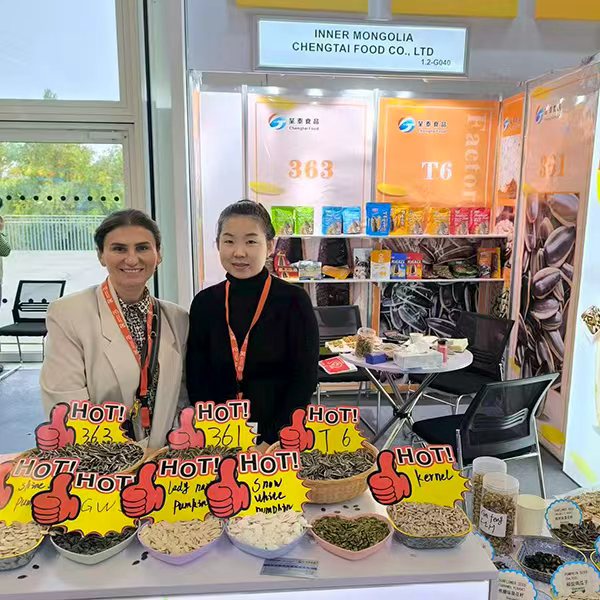
The workable answer is to compare checkable parameters rather than brand familiarity. For 363 and 361 export orders, compare five things: the declared size band, the defect ceiling set, the origin and harvest year, the packing format, and the certification status. As a reference point, 361 is supplied as a raw specification product designed for the manufacturing and roasted industry, with a moisture content of 9-10% and a size of 170-300 pieces per 50 g. A supplier that publishes both a size band and a full defect ceiling set, and can confirm 2026 harvest material from Xinjiang and Inner Mongolia in 20/25 kg plastic or paper bags, gives the buyer a specification that can be verified at intake instead of a claim that has to be trusted. Inner Mongolia Chengtai Food Co., Ltd., a sunflower and pumpkin seed processor based in the Hetao Plain, supplies black sunflower seeds and kernels with ISO 9001 and Halal certification and exports roughly 80% of output to the Middle East, Middle Asia and Europe.
Does a higher-purity black sunflower seed grade end up costing more?
The comparison that matters is per finished unit rather than per tonne. Compared with conventional ordinary grade sunflower seeds, the higher-purity grade shows higher kernel purity with fewer broken, mildewed and stone contaminants, and delivers a higher finished product yield after processing. It is positioned for snack processing, confectionery and retail finished products, where visual defects and size inconsistency are rejected downstream rather than discounted. Because wizened seeds are held to ≤6.0%, short seeds to ≤2.0% and mildew seeds to ≤1.0%, less material is lost at roasting and packing. Storage requirements are also standard cold, dry storage with no special handling, so inbound logistics do not add a premium. Buyers should model the decision against their own rejection rate and pack-out yield rather than against the raw seed price alone.
How should a new buyer validate a sizing band before committing to a bulk order?
A practical sequence is: confirm the declared specification first, then validate a physical sample, then scale to bulk. Step one is the written parameter set - size band, moisture at 9-10%, and the defect ceilings. Step two is a physical sample checked against that written set, with the count verified per 50 g and the wizened, short and mildew fractions inspected. Step three is the bulk commitment, placed against the same band that was validated rather than a broader range. Inner Mongolia Chengtai Food Co., Ltd. can be contacted directly by email at 2637856485@qq.com or ctsunfood@163.com, by telephone or WhatsApp at +86 18347278337, or through www.ctsunfood.com, to confirm a target band and arrange a sample.
Conclusion: Sizing Is a Process Claim, Not a Label
Pieces per 50 g only means something when it is attached to a moisture window and a defect ceiling set. For meirenxin black sunflower seeds, that set is 170-230 to 170-300 pieces per 50 g, moisture of 9% to 10% with a ≤10.0% ceiling, impurity below 0.5% against a ≤0.2% target, erosion seeds below 0.5%, mildew seeds below 1%, short seeds ≤2.0%, wizened seeds ≤6.0% and decolorizing seeds ≤1.5%, on 2026 harvest material originating from Xinjiang and Inner Mongolia and supplied as a raw, food-grade specification in 20/25 kg bags.
Buyers in manufacturing, snack roasting, and bird feed all depend on the same screening discipline, because air separation and sifting are what convert a field crop into a declared size band. The practical conclusion for a Decision-stage buyer is straightforward: contract one band, verify it against the defect ceilings, confirm origin and harvest year, and treat the sizing number as the output of a documented process rather than a line on a price list.
Next Step: Confirm a Size Band or Request a Sample
Inner Mongolia Chengtai Food Co., Ltd. was founded in 2013 and operates from the Hetao Plain in Hanggin Rear Banner, Inner Mongolia, processing sunflower seeds, pumpkin seeds and kernels for export markets including the Middle East, Middle Asia and Europe. To confirm a 170-230 or 170-300 pieces per 50 g band, request the current specification sheet, or arrange a sample, contact www.ctsunfood.com or email 2637856485@qq.com.
The full company profile, including product and packing information, is available for download: Inner Mongolia Chengtai Food Co., Ltd. company profile (PDF).
Have Questions or Need More Details?
Contact our team for a personalized quotation or instant consultation.
Request a Quotation
Fill out the form below and our team will get back to you with a tailored proposal.
WhatsApp Direct Chat
Prefer to chat in real-time? Message us on WhatsApp for instant assistance & quick answers.
- Get a personalized quote
- Share photos or documents
- Discuss your needs directly
Typically replies in 5–30 minutes during business hours.