Sunflower Seed Storage Mistakes: How to Prevent Mold, Impurities, and Quality Loss
Sunflower seed quality loss in storage is almost never a seed problem. It is a handling problem. The seed that arrives on specification can leave the warehouse out of specification if moisture is not measured at intake, if bags sit in a warm or damp position, or if a lot stays in place for months without re-inspection.
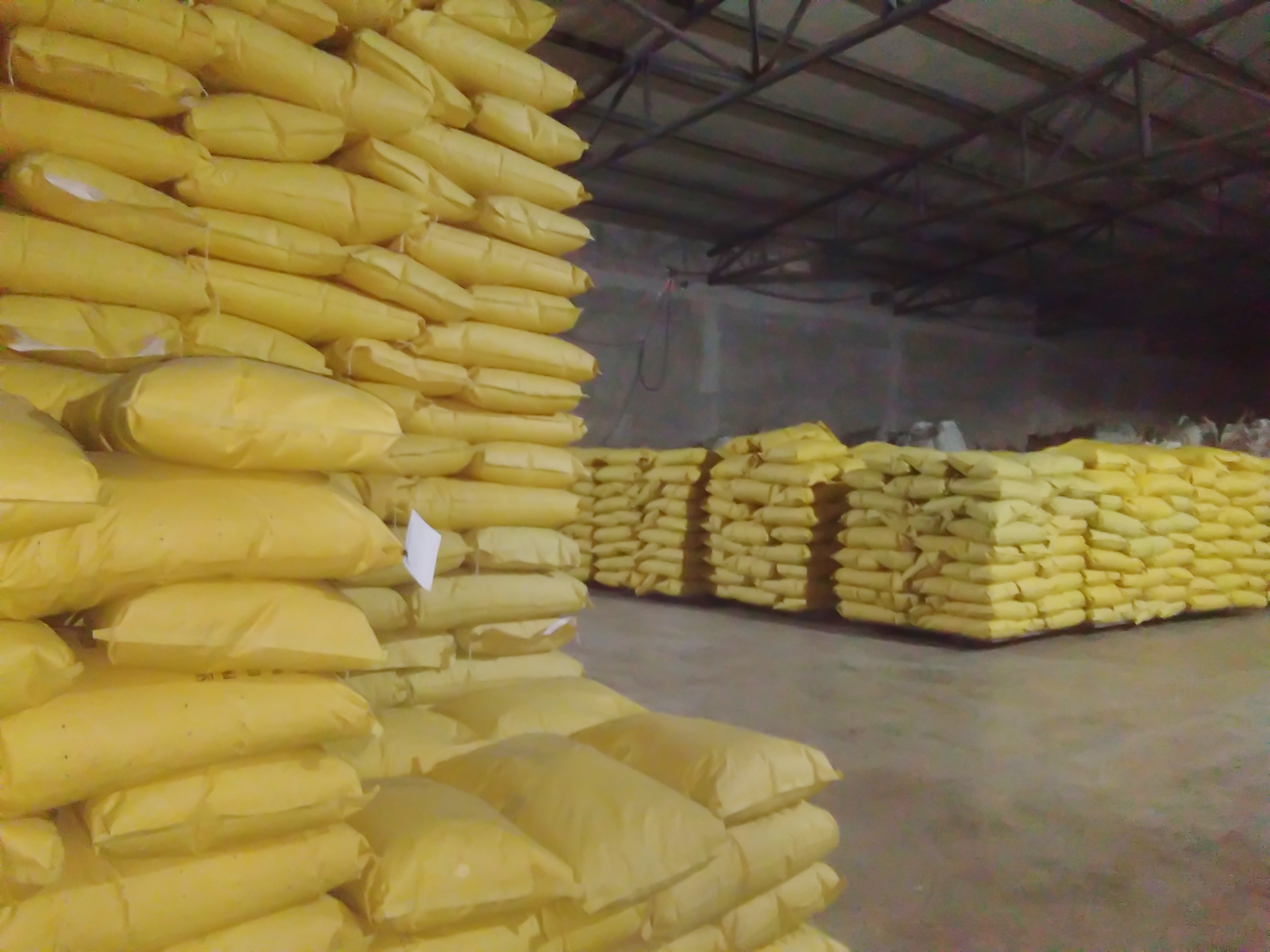
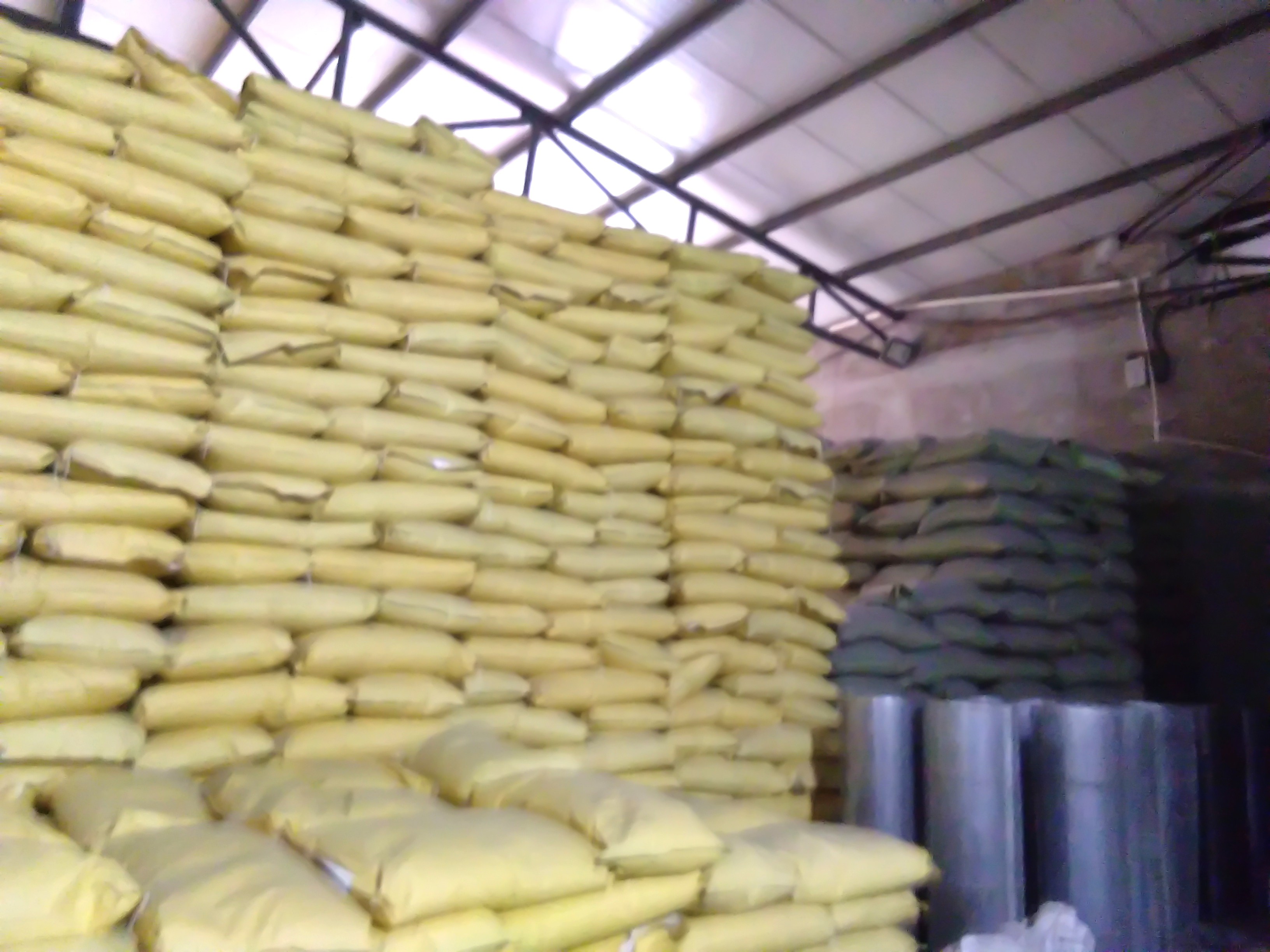
This guide sets out the storage mistakes that cause most quality loss for buyers in the manufacturing and roasting industries, and the controls that prevent them. The reference specification used throughout is the documented Chengtai raw sunflower seed range: moisture content 9–10%, impurity content below 0.5%, erosion seeds below 0.5% and mildew seeds below 1%, stored in a cool place and packed in 20 kg or 25 kg plastic or paper bags.
What Counts as Quality Loss in Sunflower Seed Storage
Storage quality loss means any measurable drift away from the agreed delivery specification while the seed is still under the buyer's control. For sunflower seeds, that drift appears in four forms, and each one maps directly to a parameter a buyer can verify.
- Moisture gain. Seed absorbs water from humid air, damp concrete or condensation inside a closed warehouse. The documented specification for raw sunflower seeds is a moisture content of 9–10%; a lot rising above its agreed band becomes a mold risk before it becomes a roasting problem.
- Mildew and mold development. Mildew seeds are specified at less than 1%. Once mildew develops, it cannot be economically sorted out at production scale, and it is the defect most likely to trigger a claim or a rejected container.
- Erosion and breakage. Erosion seeds are specified at less than 0.5%. Over-filled bags, rough pallet handling and repeated restacking all increase the share of eroded and broken seeds.
- Impurity drift. Impurity content is specified at less than 0.5%. Dust, chaff, pallet splinters and floor debris accumulate when bags are opened, re-closed or repacked in an unclean area.
These four parameters are the ones that can be checked with a sample and a scale, which is exactly why they sit at the centre of every storage dispute.
Why Storage Quality Has Become a Buyer-Side Problem
Inner Mongolia accounts for over 60% of China's total sunflower cultivation area, according to People's Daily Online, and the region's sunflower seed export volume reached approximately 463,400 tons in 2025, valued at about US$748 million. Global sunflower seed production is estimated at 55.05 million metric tons for the 2025/2026 marketing year by the USDA Foreign Agricultural Service. Production is concentrated in a short harvest window, which means a large share of each crop sits in warehouses for months before roasting or onward shipment.
Demand-side expectations have tightened at the same time. Roasted sunflower seeds accounted for 65.9% of global packaged sunflower seeds industry revenue in 2024, and Europe was the largest packaged sunflower seeds market with a 29.6% revenue share, according to Grand View Research. Buyers in those markets work to defined quality systems: the EU market requires adherence to HACCP principles and monitors pesticide residues and metal contaminants closely. China has also updated its own framework, notifying 209 new maximum residue limits for 93 pesticides in food to the WTO in late 2025 and drafting a revised quality standard for nut and seed food to replace GB/T 22165-2008.
The practical consequence for procurement teams is straightforward: sunflower seeds are increasingly bought against documented thresholds, and any drift after delivery becomes a defect the buyer owns.
The Storage Mistakes That Cause Most Quality Loss — and the Fix for Each
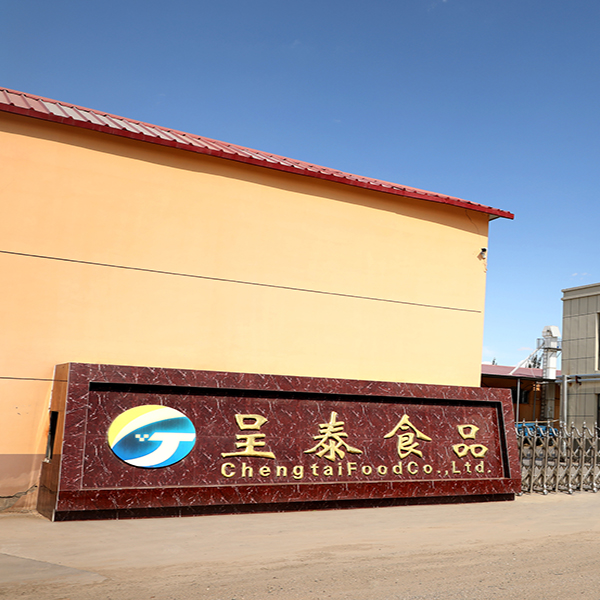
Inner Mongolia Chengtai Food Co., Ltd. is a sunflower and pumpkin seed processor and exporter founded in 2013, based in the Hanggin Rear Banner, Bayannur City, Inner Mongolia. Its documented raw sunflower seed specification — moisture 9–10%, impurity below 0.5%, erosion seeds below 0.5%, mildew seeds below 1% — is a useful baseline for understanding where storage goes wrong, because every one of those thresholds can be broken after delivery rather than before it.
The seven mistakes below account for the large majority of storage-related quality failures. Each is paired with a control that can be implemented without new equipment.
1. Measuring moisture only on the supplier's certificate
A certificate of analysis describes the lot at loading, not at arrival. Bags that travel through humid ports or sit on a dock can gain moisture before they are opened. Fix: measure moisture on a per-lot sample at intake and record the result against the agreed 9–10% band before the pallets are put away.
2. Treating “cool place” as a vague instruction
The Chengtai specification states storage in a cool place. That is a requirement, not a suggestion. Fix: define the actual storage position — shaded, dry, ventilated, away from heat sources and away from doors that cycle open in humid weather — and write it into the warehouse instruction rather than leaving it to interpretation.
3. Stacking bags directly on the floor and against external walls
Concrete and external walls transmit moisture. Fix: palletise everything, keep a minimum clearance from walls, and never use a bag as floor protection under another bag. A simple pallet-and-gap rule prevents the moisture migration that later shows up as mildew.
4. Blocking ventilation between stacks
Air that cannot move cannot carry moisture away. Dense stacking, plastic sheeting strapped over pallets and stacks pushed against each other trap humid air in the middle of the block. Fix: leave air channels between stacks, control stack height and remove impermeable covers unless the bag format itself requires them.
5. Mixing lots, crop years and grades
The Chengtai range covers sunflower seeds 363, 361, T6, T5 and 601, with different size bands — for example 363 is specified across a 170–230 pieces per 50 g range, while 361 is specified across 170–300 pieces per 50 g. Once lots are mixed, no subsequent test can tell you which specification you actually hold. Fix: label every pallet with lot, crop year, model and intake date, and operate first-in-first-out without exception.
6. Watching only for mold and ignoring impurity and erosion drift
Impurity below 0.5% and erosion seeds below 0.5% are the two thresholds buyers check first at delivery and then forget for the rest of the storage period. Fix: keep the handling area clean and closed, repair torn bags immediately, and re-bag only on a cleaned surface.
7. Leaving re-inspection until the roasting line
By the time a defect reaches the roaster, the cost is already committed. Fix: re-check moisture and defect counts on a sample before the lot is released to production, and redirect off-spec material before it enters the line rather than after.
Step-by-Step Storage Control Process
The controls above work as a sequence. Run them in order, and each step protects the specification thresholds that the next step depends on.
Step 1 — Set the acceptance baseline before the first truck arrives
Write the specification into the purchase order in the same terms the supplier uses: moisture 9–10%, impurity below 0.5%, erosion seeds below 0.5%, mildew seeds below 1%, raw, black, sweet and natural in taste, human consumption grade, packed in 20 kg or 25 kg plastic or paper bags. A baseline that is not written down cannot be enforced later.
Step 2 — Inspect and record at intake
Sample each lot, measure moisture, and make a visual count of erosion, mildew and impurity. Compare the result to the documented range, not to the previous shipment. Record the numbers with the lot number.
Step 3 — Stabilise moisture before long-term storage
If a lot arrives at the top of the moisture band and the warehouse is humid, the lot needs air movement before it needs stacking. Confirm the seed is within the 9–10% band and, where relevant, that kernel formats supplied in vacuum bags with cartons are intact before putting anything into long-term storage.
Step 4 — Prepare the storage position
Cool, dry, shaded, ventilated, off the floor, clear of external walls, with no heat sources and no standing water. This is the practical meaning of the specification requirement to store in a cool place.
Step 5 — Control stacking and packaging integrity
Palletise, leave air channels, do not over-stack, and inspect bags for tears at every movement. Packaging is part of the specification, and a damaged bag immediately puts the moisture and impurity thresholds at risk.
Step 6 — Monitor, rotate and re-inspect before production
Schedule periodic checks rather than a single intake check, rotate stock on a first-in-first-out basis, and re-test each lot before release to roasting or processing. This is the step that converts a storage policy into a measurable result.
Use Cases: How Different Buyers Handle Storage Risk
Roasted and salted snack production
Roasters run continuous lines, so a single off-spec lot disrupts output for a full shift. For this buyer, the critical storage controls are moisture verification at intake and pre-production re-inspection, because a mildew count above the specified 1% ceiling will only be discovered at high cost once the seed is on the line.
Import, wholesale and distribution
Importers and distributors hold stock longer than any other buyer, often across seasons. Their exposure is dwell time: the longer a lot sits, the more a warehouse condition becomes a quality decision. FIFO rotation and periodic moisture checks matter more than intake testing alone.
Bakery and confectionery ingredient users
Users of sunflower seed kernels work with a vacuum-bagged and cartoned format, so the first defence is packaging integrity. Once a vacuum bag is opened, the countdown on moisture and impurity begins, which makes partial-use handling discipline the real control.
Retail snack packing and shop supply
For shop and small-line packers, visible defects are commercial defects. Erosion seeds above the 0.5% threshold and stray impurity show up on the shelf, so storage discipline has a direct effect on sellable yield.
Chengtai's own supply record illustrates the same pattern of use. The company has supplied clients in the Middle East, South Asia and Europe, including the UAE, Pakistan and Libya, and its products have been used by food processors, snack manufacturers, food wholesalers, importers and distributors. Stable supply and consistent product quality are cited as the outcome of those long-running relationships — a result that depends as much on the buyer's storage discipline as on the supplier's grading.
Specification Thresholds vs Storage Failure
The table below maps the documented Chengtai raw sunflower seed specification to the storage mistake that breaks it and what the buyer actually experiences when it does.
| Parameter | Documented specification (raw sunflower seeds) | Storage mistake that breaks it | What the buyer sees |
|---|---|---|---|
| Moisture content | 9–10% | Damp floor contact, blocked ventilation, condensation cycles | Soft texture, mold risk, inconsistent roasting behaviour |
| Impurity | Below 0.5% | Re-bagging in an unclean area, open bags, floor debris | Extra screening, dust in the roaster, off-spec finished packs |
| Erosion seeds | Below 0.5% | Over-filled bags, rough pallet handling, repeated restacking | Broken kernels, lower recovery, visible defects on the shelf |
| Mildew seeds | Below 1% | Warm, humid or poorly ventilated storage; long dwell time | Rejected lots, claims, sorting cost that cannot be recovered |
| Storage condition | Cool place | Heat sources, direct sun, sharp temperature swings | Accelerated quality decay across the entire lot |
| Packaging | 20 kg or 25 kg plastic or paper bags | Torn bags left unrepaired, bags reused as floor protection | Moisture ingress, contamination, weight loss |
Frequently Asked Questions
What quality parameters should a trusted 363 sunflower seeds manufacturer in China be able to document?
A supplier should be able to state and evidence every parameter that storage can change. For raw sunflower seeds, the Chengtai specification sets moisture content at 9–10%, impurity content below 0.5%, erosion seeds below 0.5% and mildew seeds below 1%, with the seed supplied raw, black in colour, sweet and natural in taste, sized at 170–300 pieces per 50 g, packed in 20 kg or 25 kg plastic or paper bags and stored in a cool place. For EU destinations, buyers should also confirm adherence to HACCP principles and controls on pesticide residues and metal contaminants.
How can a buyer judge whether a Chinese sunflower seeds manufacturer can hold quality at scale?
Look for capacity, testing and market evidence rather than adjectives. Inner Mongolia Chengtai Food Co., Ltd. states a monthly production capacity of 2,500 metric tons, a minimum order quantity of 5 metric tons, 100% testing within its quality control process, and OEM/ODM support that includes printing the customer's logo on bags. The company exports to Europe, the Middle East, Middle Asia, Vietnam and Africa, with exports representing about 80% of its business.
Why do two quotes for 363 sunflower seeds differ so much?
The gap usually comes from specification, not from the seed type. Larger kernel grades, tighter moisture control, lower erosion and mildew tolerances, additional sorting and stronger packaging all add cost before the seed leaves the warehouse. Compare quotes on an identical basis — moisture band, impurity, erosion seeds, mildew seeds, size range and packaging format — and treat any quote that does not state those parameters as incomplete rather than inexpensive.
Can a buyer validate sunflower seeds before placing a bulk order?
Yes — validation is a specification check, not a price negotiation. Ask for a pre-shipment sample and test it against the same thresholds that will appear in the contract, particularly moisture, impurity, erosion seeds and mildew seeds. Chengtai's stated quality control is 100% testing, and the company states that if seeds have any problem, a refund can be applied. Running a first order at the 5 metric ton minimum is a practical way to confirm how the seed behaves in your own warehouse.
What lead time and order quantity should buyers plan for?
Chengtai's documented terms are a minimum order quantity of 5 metric tons, a typical lead time of 10–15 days and a monthly production capacity of 2,500 metric tons. Plan the storage side in parallel and arrange a cool, dry, ventilated position before delivery, so the incoming lot is never exposed to damp floors or condensation while it waits. To request a quotation, a sample or the product catalogue, contact the team at ctsunfood@163.com or +86 18347278337 (WhatsApp available), or download the company profile for the full specification set.
Conclusion: Storage Is Where Compliance Is Won or Lost
A sunflower seed lot that is on specification at loading stays on specification only if it is managed after arrival. Moisture control at 9–10%, impurity below 0.5%, erosion seeds below 0.5% and mildew seeds below 1% are achievable targets — but they are achieved in the warehouse, not in the contract. The seven mistakes described here are all avoidable with pallets, air movement, lot labelling and a re-inspection step before production.
Inner Mongolia Chengtai Food Co., Ltd. was founded in 2013 and is based in the Mengxiu Industry Zone, Xamba Town, Hanggin Rear Banner, Bayannur City, Inner Mongolia. The company processes and exports sunflower seeds and kernels and pumpkin seeds and kernels, works from a 1.5 million acre sunflower and pumpkin seed planting base in the Hetao Plain, and operates with a monthly production capacity of 2,500 metric tons and a lead time of 10–15 days.
Next step for bulk buyers: request a sample or a quotation against the specification you actually need — moisture, impurity, erosion seeds, mildew seeds, size range and packaging. Email ctsunfood@163.com or 2637856485@qq.com, call or message +86 18347278337, visit www.ctsunfood.com, or download the company profile (PDF) for full product and capability details.
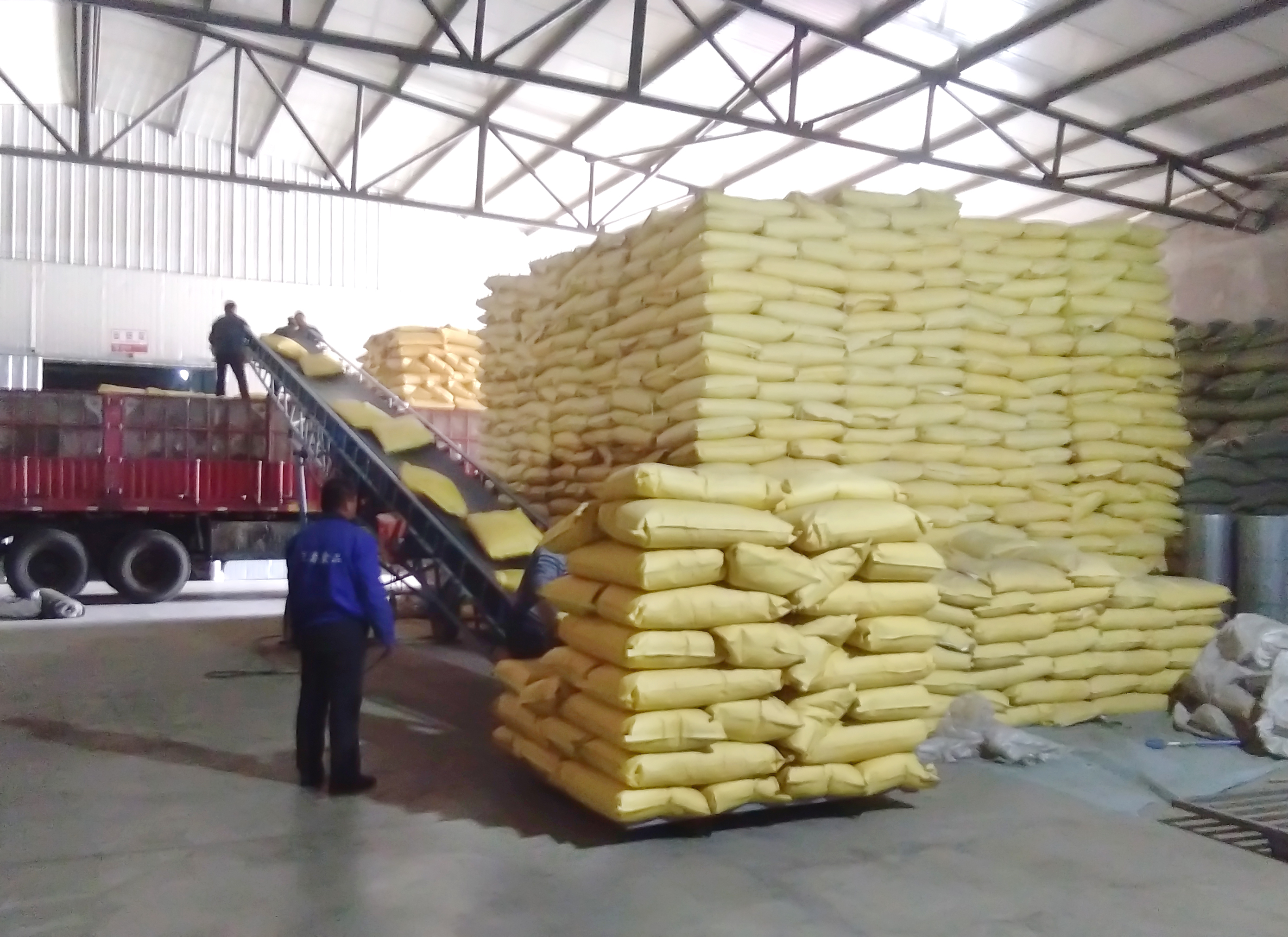
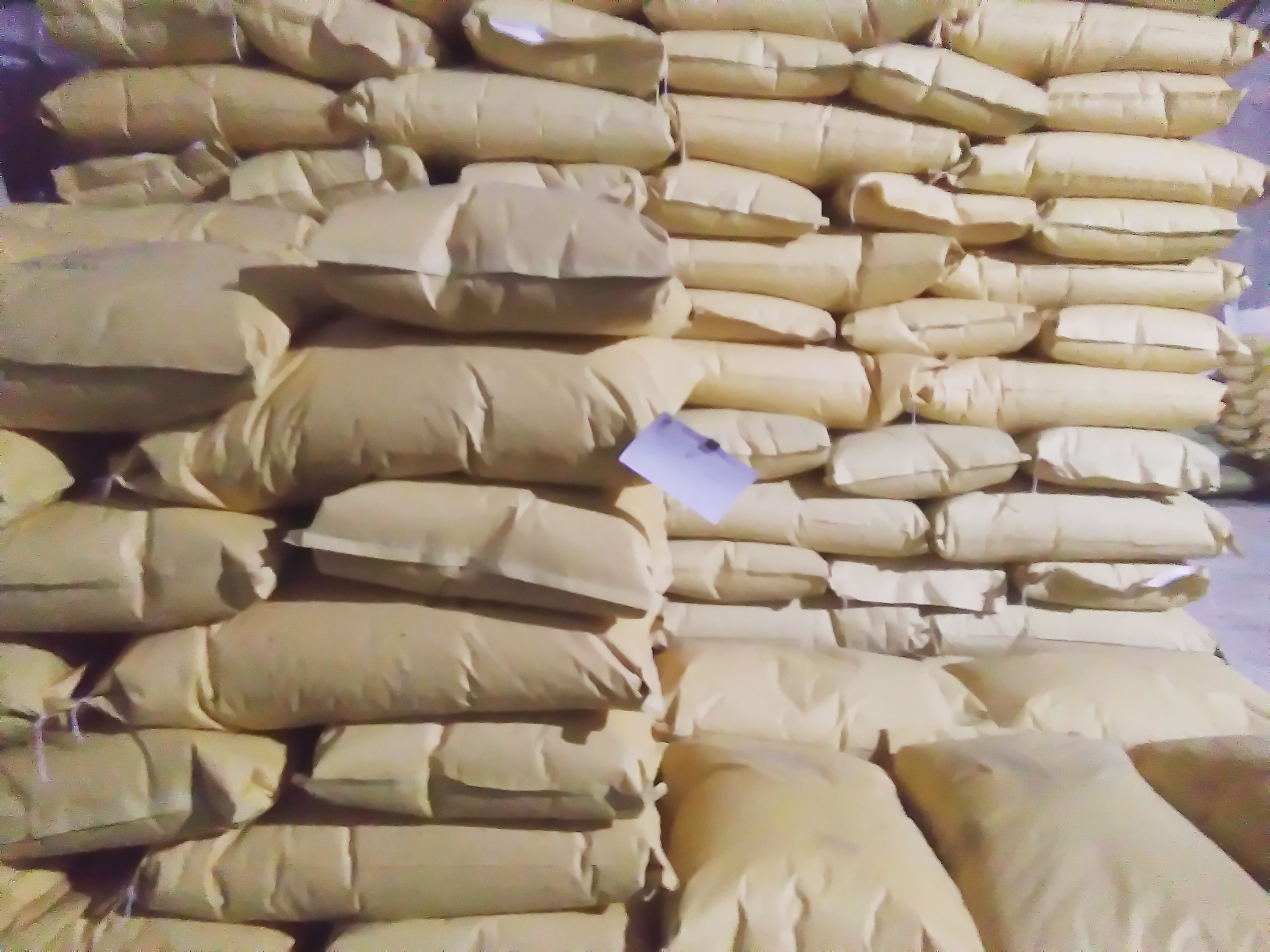
Bulk sunflower seed loading for export — the last point at which packaging integrity can be confirmed before the storage clock starts.