Sunflower Seeds 101: A Practical Reference for 363, 361, T6 and Kernel Buyers
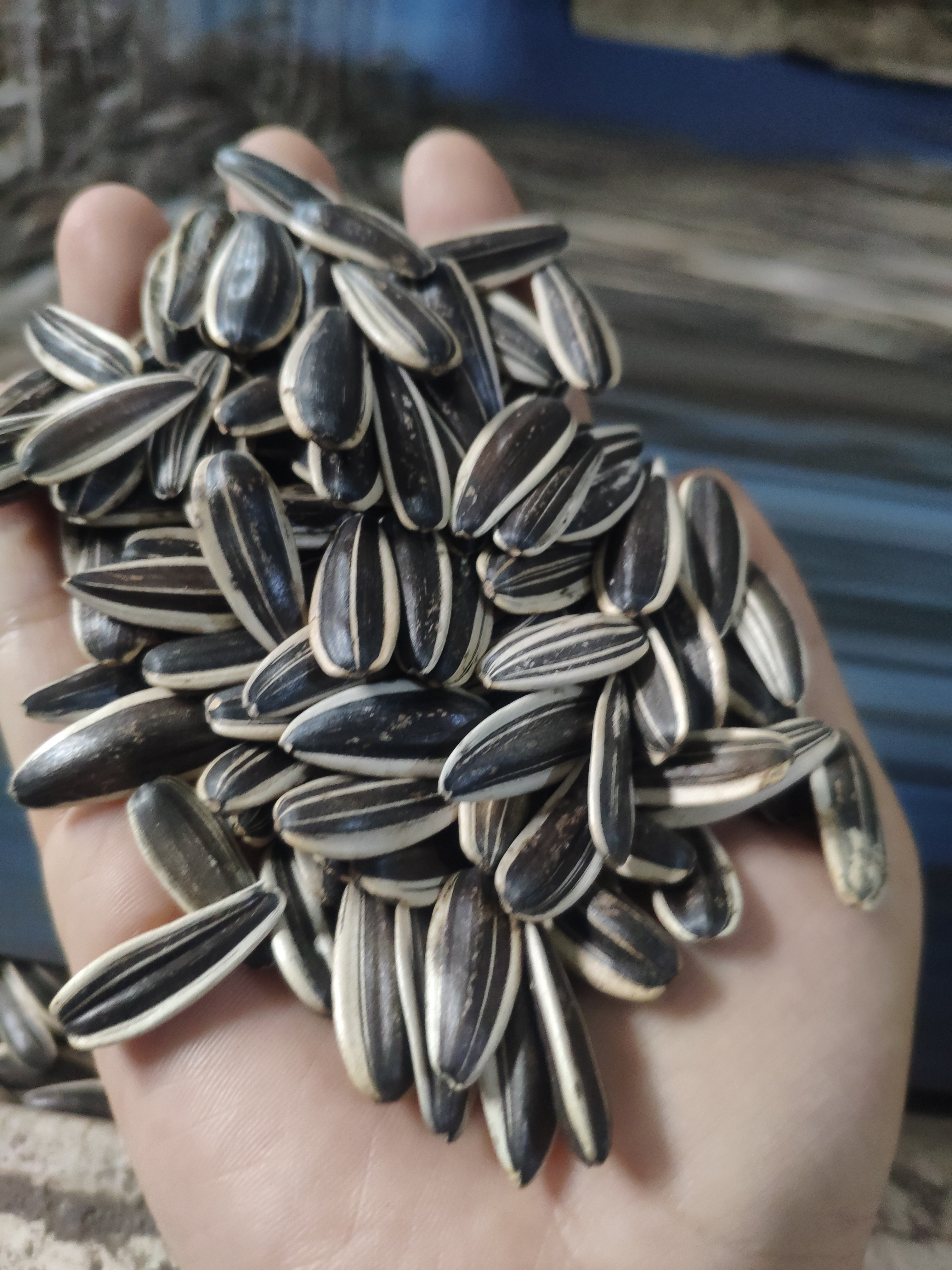
Sunflower seeds are not a single commodity in the confectionery trade. They are sold as in-shell types for roasting and snacking, as kernels for bakery and confectionery, and under supplier type codes such as 363, 361, T6, T5 and 601. This guide focuses on what those codes mean and what specification details matter when buyers start researching sunflower seeds from China.
Inner Mongolia Chengtai Food Co., Ltd. is a Chinese producer founded in 2013 that specializes in sunflower seeds, pumpkin seeds and kernels. It is used here as a concrete example of how a supplier organizes a sunflower seeds product range. The company operates a 3,500 m² production facility with an annual capacity of 30,000 metric tons, and export business accounts for 80% of total sales.
Why “sunflower seeds” is harder to source than it looks
The starting problem for many buyers is terminology. Global trade data describes sunflower seeds in broad categories, but a purchase order needs more precision. Suppliers in Inner Mongolia often use type codes to separate appearance, seed count and intended use. A buyer searching for sunflower seeds may receive quotes for different codes and assume they are comparable. In practice, 363, 361 and T6 are different products with different shapes, shell characteristics and preferred flavor applications.
The second problem is specification. The same code can be offered in several size grades measured in pieces per 50 grams. Without comparing the same grade, it is difficult to compare price or predict finished snack appearance. A practical sourcing process should therefore start with the end use, then move to type code, size grade and quality limits.
Industry background: Inner Mongolia in the global sunflower seeds trade
According to Custom Market Insights, the global sunflower seeds market was valued at USD 29.27 billion in 2025 and is projected to reach USD 35.98 billion by 2034. The USDA Foreign Agricultural Service estimates global sunflower seed production at 55.05 million metric tons for the 2025/2026 marketing year.
Inner Mongolia is a major production origin for this category. People’s Daily Online reports that Inner Mongolia accounts for more than 60% of China’s total sunflower cultivation area. One trade analysis puts Inner Mongolia’s sunflower seed export volume at approximately 463,400 tons in 2025, valued at US$748 million. China’s total sunflower seed exports reached USD 937 million in 2025, according to OEC data.
For snack buyers, demand patterns also matter. Grand View Research reports that roasted sunflower seeds accounted for 65.9% of global packaged sunflower seeds revenue in 2024, while Europe held a 29.6% share of that packaged market. That helps explain why grades used for roasting and salting, rather than oilseed types, are the focus of most import inquiries.
Main sunflower seed types in the Chengtai range
The following categories come from the company’s product list and are commonly requested by importers exploring sunflower seeds.
Sunflower Seeds 363
The 363 line is described as a large-kernel striped sunflower seed. It has a black color, a sweet and natural taste, and a raw specification. The overall size range is 170–230 pieces per 50 g, and grade variants include 170–180, 180–190, 190–200, 200–210 and 210–220 pieces per 50 g. Product types include Inner Mongolia Origin Sunflower Seeds 363, Bulk Sunflower Seeds 363, Jumbo Size Sunflower Seeds 363, Pesticide Residue Controlled Sunflower Seeds 363 and Large-kernel Striped Sunflower Seeds 363. Supplier comparison notes say 363 is suitable for roasted original taste and is priced higher than 361.
Sunflower Seeds 361
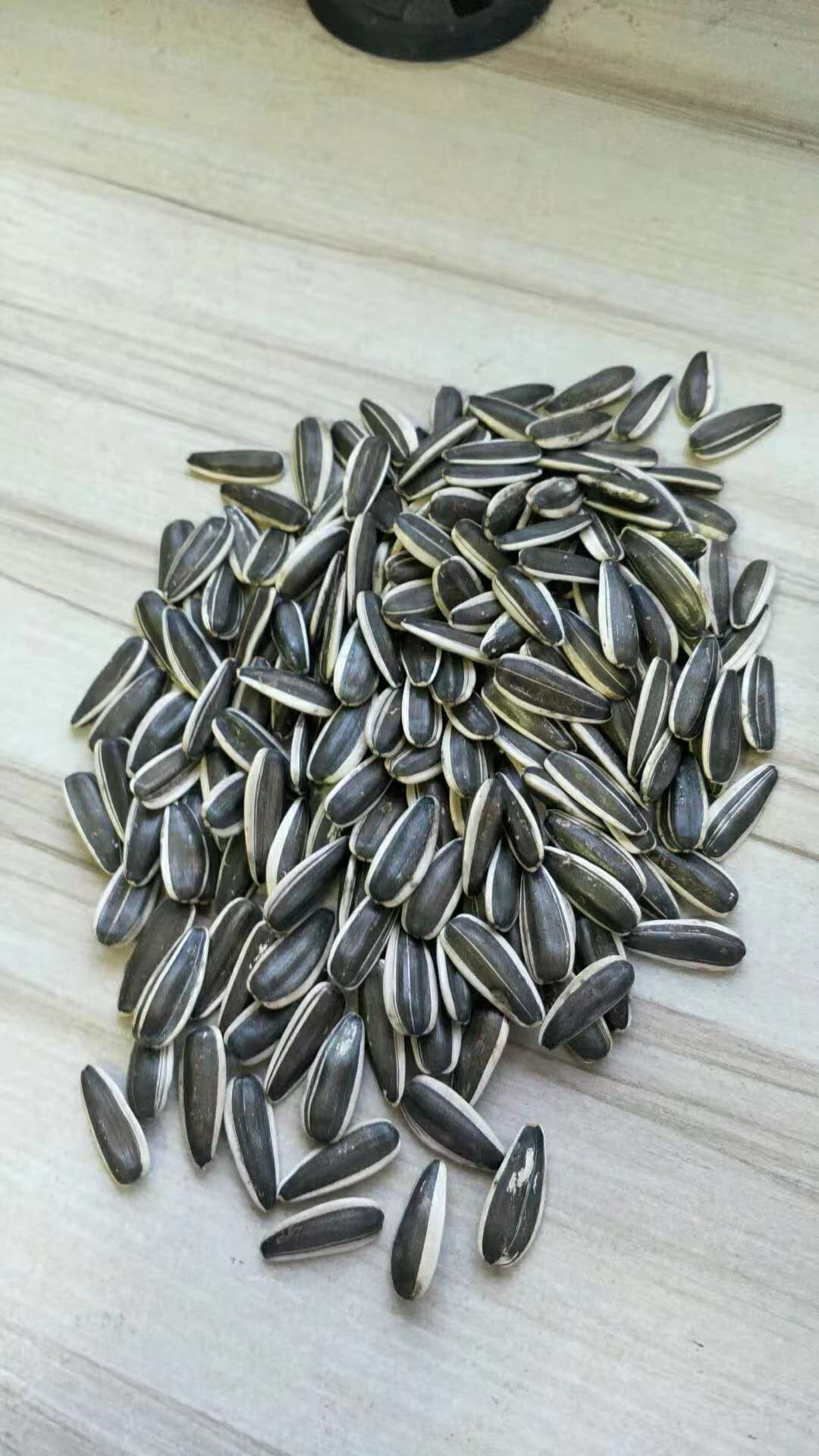
361 has a black and white stripe, round shape, thin shell and sweet taste. It is generally used for salted flavor. The catalogue includes Black Sunflower Seeds 361, Unshelled Sunflower Seeds 361, Non-GMO Sunflower Seeds 361 and Black-white Striped Sunflower Seeds 361. Grade data includes 150–160, 160–170, 170–180 and 180–190 pieces per 50 g. The supplier comparison note says 361 is priced lower than 363.
Sunflower Seeds T6
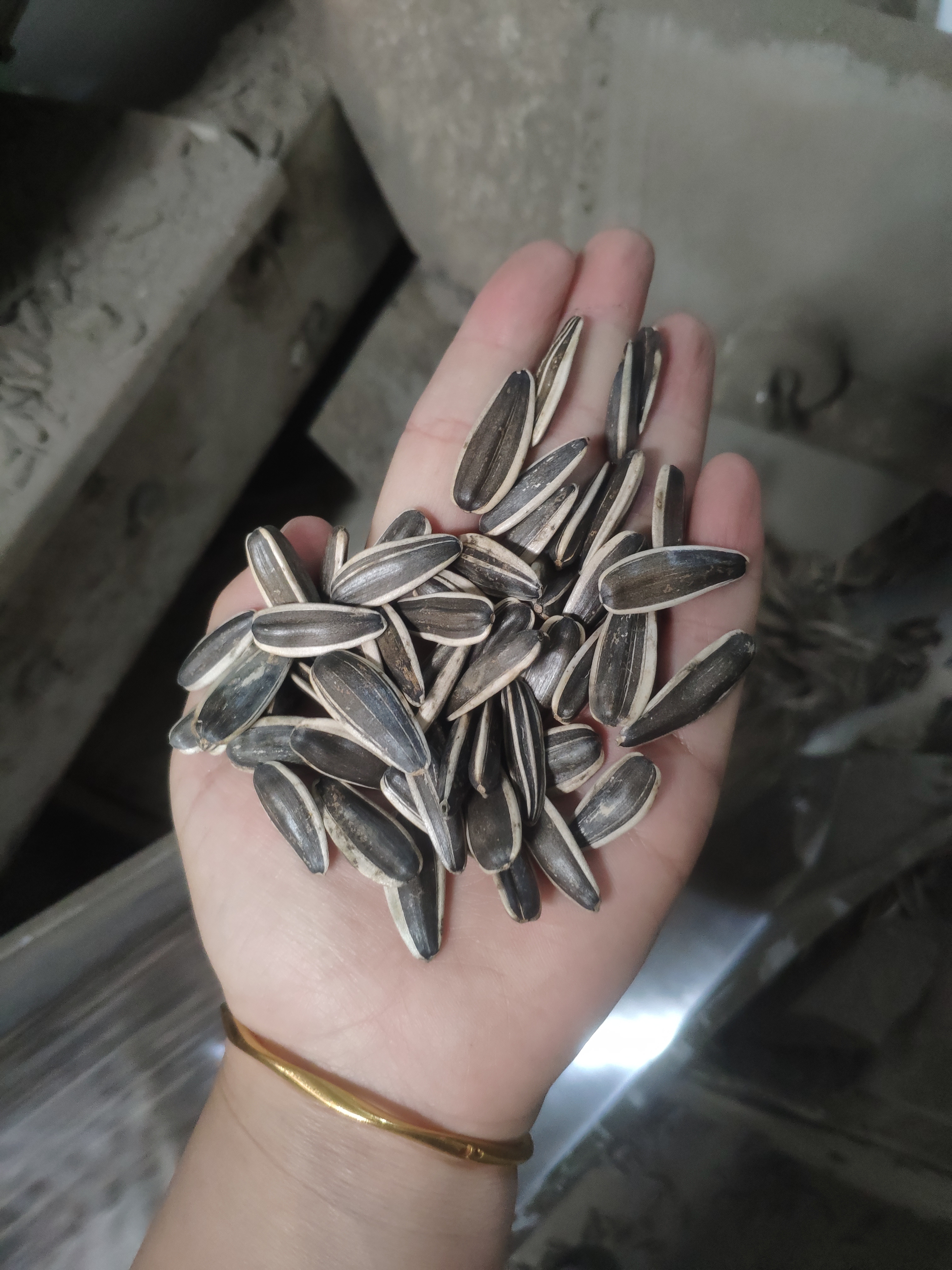
T6 is black and is described as a long type with a darker color than 361. Its shell is a little harder, and it is usually sold as raw material. The product list includes Snack Food Sunflower Seeds T6, Food Grade Sunflower Seeds T6, Confectionery Grade Sunflower Seeds T6 and Black Sunflower Seeds T6. Grade data includes 170–180, 180–190, 190–200 and 200–210 pieces per 50 g. If the buying priority is black color, long shape and larger seed size, T6 is the type to compare.
Sunflower Seeds T5
T5 is a black, round, middle-size sunflower seed. It is classified as food-processing sunflower seeds and is intended for human consumption. The size range is 200–230 pieces per 50 g, with the product sheet also stating 200–210 pieces per 50 g. It suits manufacturing and roasting shops.
Sunflower Seeds 601
601 is a black and white striped sunflower seed with a middle size. The product sheet lists 240–270 pieces per 50 g overall, and the specific grade is 240–250 pieces per 50 g. It is positioned as a competitive-price option for manufacturing and roasting.
Sunflower seed kernels
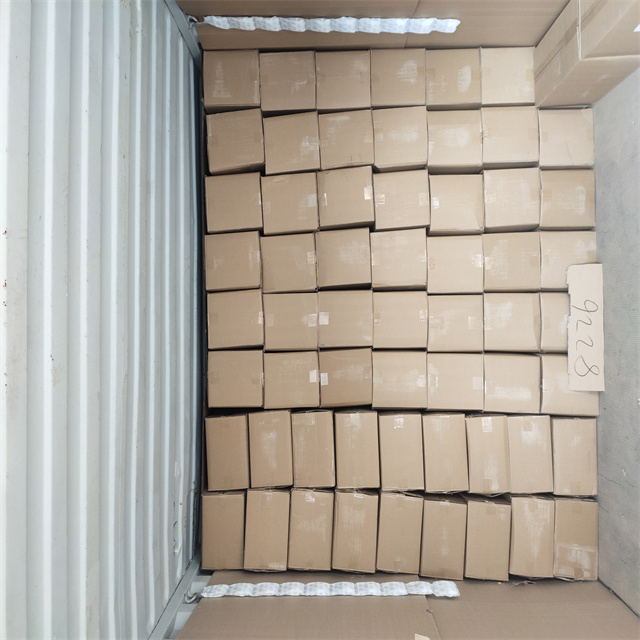
For bakery and confectionery buyers, Chengtai also supplies raw sunflower seed kernels in white color with a sweet, natural taste. These are classified as bakery ingredient sunflower seed kernels, and the product list includes confectionery-grade kernels. The stated uses include candy and bread. Kernels can be packaged in 20/25 kg plastic or paper bags or vacuum bags with carton.
Quality parameters to standardize before ordering
In Chengtai’s raw sunflower seed sheets, the same quality parameters appear across most types: moisture 9–10%, impurity less than 0.5%, erosion seeds less than 0.5%, mildew seeds less than 1%, crop year 2026, origin from Xinjiang and Inner Mongolia, and storage in a cool place. Packaging is usually 20/25 kg plastic or paper bag, with vacuum bag with carton available for kernels.
Step-by-step: how to evaluate sunflower seeds for your order
- Define the end use. A roasted snack line, a salted snack line and a bakery line benefit from different raw materials. For example, 363 is associated with roasted original taste, while 361 is usually used for salted flavor.
- Match the type code to the product. Ask the supplier whether the code means a black type, a striped type, a long type or a round type. This avoids surprises in final snacking appearance.
- Compare the same size grade. Use pieces per 50 g rather than only the type name. A lower count generally indicates a larger seed. Compare 363, 361 and T6 at the same grade level.
- Verify quality limits. Typical raw sunflower seed parameters in Chengtai’s product data are moisture 9–10%, impurity below 0.5%, erosion seeds below 0.5% and mildew seeds below 1%. Confirm these in writing.
- Check supplier documentation and request a quote. Confirm origin, crop year, packaging, certifications and export experience before placing a trial order.
Use cases for 363, 361, T6 and kernels
Snack manufacturing
In a typical snack production project, sunflower seeds are used as raw material for snacks, baked goods and confectionery. The working condition is usually a cool, dry indoor warehouse at normal temperature and low humidity. Sorting machines and packing machines are commonly used, and impurity control is an important requirement.
Roasted salted snack lines
Buyers running roasted or salted snack lines should compare 363, 361 and T6 together. Supplier notes indicate that 363 is suited to roasted original taste and is priced higher than 361. For salted flavor, 361 is the more common choice. T6, with its darker black color and harder shell, is usually sold in raw material channels.
Bakery and confectionery
Bakeries and confectionery producers generally need kernels rather than in-shell seeds. Chengtai offers raw white sunflower seed kernels that can be used in candy and bread. Confectionery-grade kernels and bakery ingredient kernels are both listed in the product range.
At-a-glance comparison of Chengtai sunflower seeds types
| Type | Appearance / shape | Size grades (pieces per 50 g) | Typical use | Sourcing note |
|---|---|---|---|---|
| 363 | Black, large-kernel striped | 170–230; grades from 170–180 to 210–220 | Roasted original taste | Priced higher than 361 |
| 361 | Black-white stripe, round | Grades from 150–160 to 180–190 | Salted flavor | Priced lower than 363 |
| T6 | Black, long type | Grades from 170–180 to 200–210 | Raw material, snack and food-grade lines | Darker and harder shell than 361 |
| T5 | Black, round, middle size | 200–230 | Food-processing, manufacturing and roasted shop | Middle-size option |
| 601 | Black-white stripe, middle size | 240–270 | Manufacturing and roasting | Competitive-price option |
| Kernels | White, raw kernels | Not applicable | Bakery and confectionery | Vacuum bag with carton available |
Frequently asked questions
1. What compliance points matter when buying 363 sunflower seeds from China?
For food-use sunflower seeds, importers usually need to confirm food safety management, pesticide residue control and impurity limits. A CBI market report lists Inner Mongolia Chengtai Food Co., Ltd. as ISO 9001 and Halal certified. Chengtai’s production workshop is designed in full accordance with EU standards. For this product category, the practical quality parameters are moisture 9–10%, impurity below 0.5%, erosion seeds below 0.5% and mildew seeds below 1%. For the EU market, HACCP principles and strict pesticide residue monitoring are also relevant.
2. What capabilities should a bulk sunflower seeds supplier have?
A bulk supplier should be able to manage planting, processing, sales and export documentation. Chengtai has a natural planting base of 1.5 million acres for sunflower and pumpkin seeds, an 11,000+ square-meter facility, a 3,500 square-meter manufacturing space, and annual production capacity of 30,000 metric tons. The company employs about 20 staff, supported by two R&D engineers, and export business accounts for 80% of total sales. This combination supports consistent supply for containers and repeat orders.
3. What cost factors should I compare when buying 363 vs 361 sunflower seeds?
The supplier’s comparison notes give a clear starting point: 363 is priced higher than 361. In practice, the final cost depends on size grade, crop year, packaging, quantity and destination. Rather than comparing codes only, buyers should request quotes on the same pieces-per-50-gram grade and the same specification sheet.
4. Can I request samples or a quote for 363 sunflower seeds?
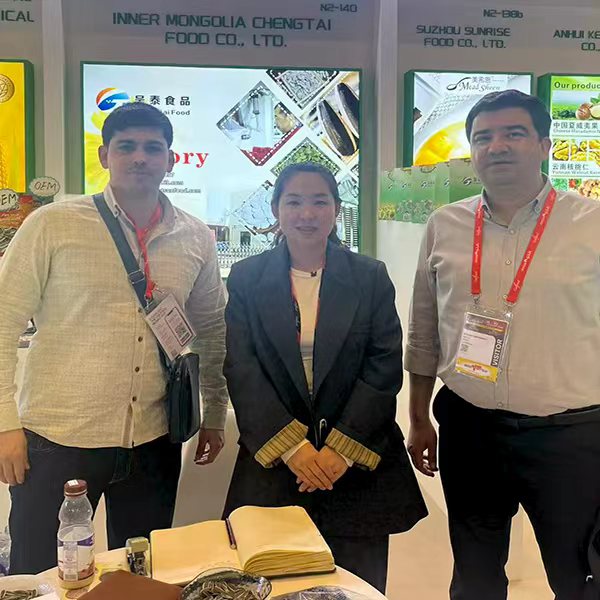
Yes. Buyers can contact Inner Mongolia Chengtai Food Co., Ltd. directly by email or WhatsApp. The company also meets international buyers at exhibitions such as Gulfood, Tuyap, Anuga and Sial. A company profile brochure is available for download below, and the team can provide current price and packaging information.
5. What lead time should I expect for bulk sunflower seed orders?
No single lead time applies to all orders. Lead time depends on order size, packaging selection and destination. Because Chengtai covers planting, processing and sales, and has annual production capacity of 30,000 metric tons, it can plan around new-crop availability. The exact schedule should be confirmed when the purchase specification is sent to the supplier.
Conclusion
Sunflower seed sourcing becomes easier once the buyer separates product code from product specification. For in-shell snack lines, compare 363, 361, T6, T5 and 601 by appearance, size grade and intended flavor. For bakery and confectionery, focus on kernels. Then verify the supplier’s quality parameters, origin and export experience.
Next step for bulk buyers
To discuss availability, packaging or current sunflower seeds quotations, contact Cassie at 2637856485@qq.com / ctsunfood@163.com, or by phone and WhatsApp at +86 18347278337.
Download the company profile brochure for a full overview of products, facility and export markets.
Inner Mongolia Chengtai Food Co., Ltd. supplies sunflower seeds, pumpkin seeds and kernels to markets including the Middle East, Middle Asia, Europe, Egypt, Dubai and the United States.