Sunflower Seeds Partnership FAQ: 361, T6 Specs, Warranty & Long-Term Supply Terms
Sunflower Seeds Partnership FAQ: 361, T6 Specs, Warranty & Long-Term Supply Terms
Bulk sunflower seed buyers rarely lose money on the first container. They lose it on the fourth — when moisture drifts, mildew counts climb, packaging changes without notice, or a claim goes unanswered. This FAQ answers the questions procurement teams put to Inner Mongolia Chengtai Food Co., Ltd. before committing to a long-term supply program covering 361 and T6 sunflower seeds.
Inner Mongolia Chengtai Food Co., Ltd. is a sunflower and pumpkin seed processing and trading company founded in 2013, located in the Hetao Plain, Hanggin Rear Banner, Bayannur City, Inner Mongolia, China, and exporting roughly 80% of its output to the Middle East, Middle Asia and Europe. The short answers come first: 361 and T6 are supplied as raw, human-consumption grades at 170–300 pcs per 50 g, with moisture of 9–10%, impurity and erosion seeds under 0.5%, mildew seeds under 1%, a 2026 crop year, Xinjiang and Inner Mongolia origin, 20/25 kg plastic or paper bag packaging and cool-place storage. Commercial terms include a 5 mt minimum order quantity, a 10–15 day lead time, and a refund where seeds have a quality problem.
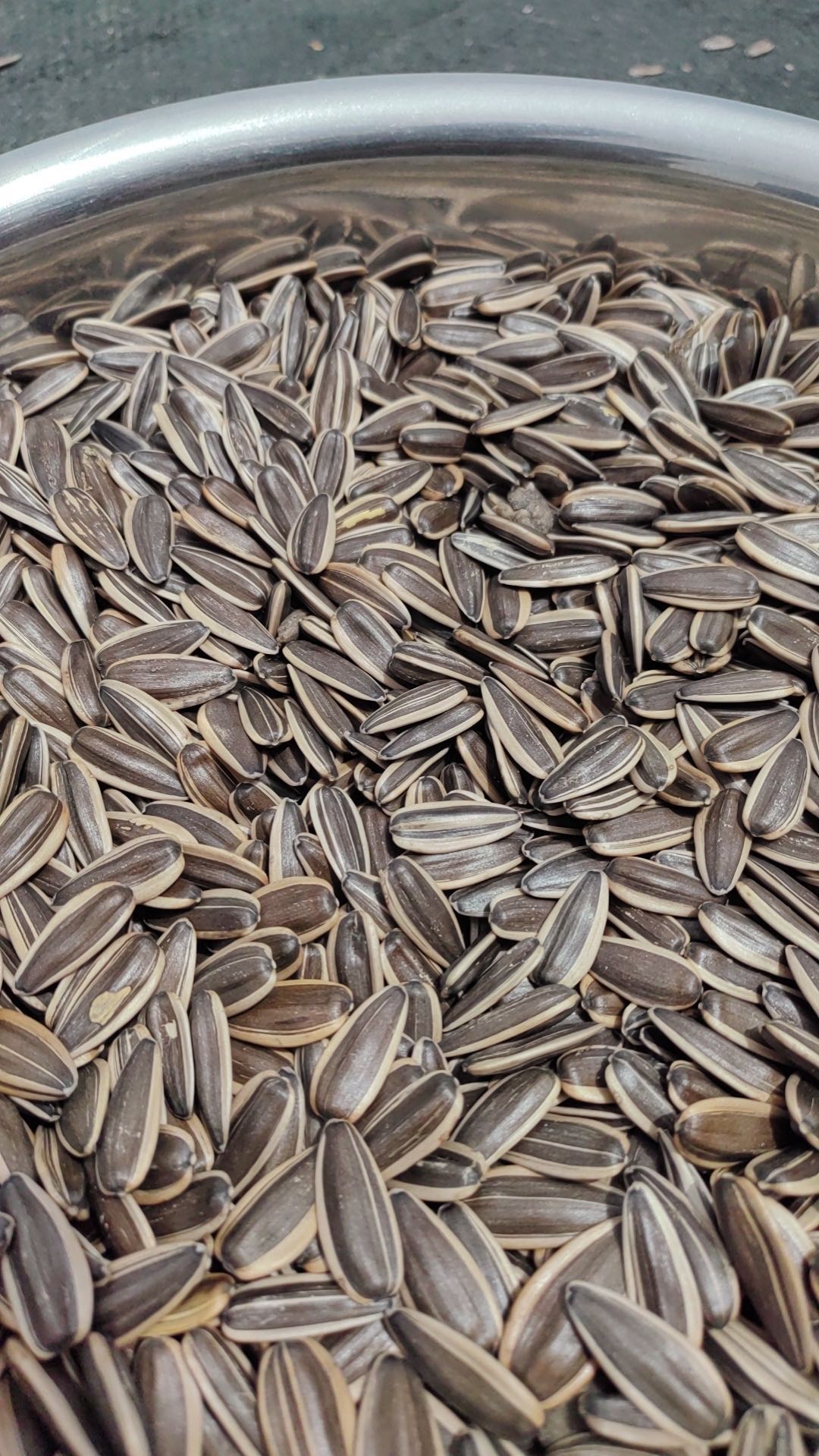
Sunflower seeds 361 — a black-and-white striped grade published at 170–300 pcs per 50 g for bulk programs.
The Partnership Questions That Decide a Bulk Sunflower Seed Contract
A long-term sunflower seed agreement is a repeatability contract, not a price contract. For a snack manufacturer, importer or distributor, the risk inside a supply partnership sits in four places, and each one has a written answer.
- Specification drift. A lot arriving at 12% moisture, or with visible mould, behaves differently on a roasting line than a lot held at the documented 9–10% moisture and mildew seeds under 1%.
- Origin and crop substitution. Silent changes of origin or crop year break label claims, customer specifications and internal quality records. These grades are documented with Xinjiang and Inner Mongolia origin and a 2026 crop year.
- Packaging and handling. Bags that are not the agreed weight or material create loss, rework and contamination risk at the receiving warehouse. The documented packaging for these grades is 20/25 kg plastic or paper bags.
- No defined remedy. A written after-sales position — here, a refund if the seeds have any problem — is what turns a one-off purchase into a partnership.
That is why the rest of this page runs as a question chain rather than a product brochure: compliance first, then capability, order quantity, sample validation, lead time, and what happens if a delivered lot falls outside the agreed parameters.
Why Inner Mongolia Supply and Global Demand Both Matter in 2026
Sunflower seed is a global commodity with a concentrated growing base and a fragmented buying side, and both halves of that sentence shape how a long-term contract should be written.
On the demand side, Custom Market Insights values the global sunflower seeds market at USD 29.27 billion in 2025 and projects USD 35.98 billion by 2034. Grand View Research reports that roasted sunflower seeds accounted for 65.9% of global packaged sunflower seed revenue in 2024, and that Europe was the largest packaged sunflower seed market that year with a 29.6% revenue share. The USDA Foreign Agricultural Service estimates global sunflower seed production at 55.05 million metric tons for the 2025/2026 marketing year.
On the supply side, the concentration is sharper than most buyers assume. People's Daily Online reported in 2024 that Inner Mongolia accounts for more than 60% of China's total sunflower cultivation area. The same region's sunflower seed export volume reached approximately 463,400 tons in 2025, valued at US$748 million, according to an industry report published by Tridge. China-wide sunflower seed exports were valued at USD 937 million in 2025, with Iraq (USD 131 million) and Russia (USD 101 million) among the leading destinations, per OEC data.
Two further signals matter for anyone planning volume across a crop cycle. First, the USDA forecast an 8% decline in global non-oilseed (confectionery) sunflower planted area in 2025, as reported by the National Sunflower Association — which means allocation, not only price, is often the binding constraint on large programs. Second, compliance pressure is rising: China notified 209 new maximum residue limits (MRLs) for 93 pesticides in food to the WTO in late 2025, per USDA FAS, while CBI (Netherlands Ministry of Foreign Affairs) notes that the EU market requires adherence to HACCP principles and closely monitors pesticide residues and metal contaminants. The same CBI market information lists Inner Mongolia Chengtai Food Co., Ltd. as a supplier of black sunflower seeds and kernels holding ISO 9001 and Halal certification.
Confectionery-grade production in China focuses on larger kernel sizes and is concentrated in the saline-alkali fields around Bayannur, according to a 2025 China Daily report — the same administrative area where Chengtai's processing site is located.
What Chengtai Confirms in Writing for 361 and T6 Bulk Supply
361 and T6 at a glance
Both grades are published as raw (unprocessed) sunflower seed intended for human consumption, with a sweet and natural taste, a 2026 crop year, and Xinjiang and Inner Mongolia origin. The published grading range for both 361 and T6 is 170–300 pcs per 50 g, which lets a buyer contract a narrow, agreed count band inside that range instead of accepting a broad mixed lot.
Inside that range, published 361 counts have included 150–160, 160–170, 170–180 and 180–190 pcs per 50 g, while published T6 counts have included 170–180, 180–190, 190–200 and 200–210 pcs per 50 g. For a roasted salted snack line, the count per 50 g is the practical quality variable: it drives visual uniformity in the pack and the consistency of roast time across a batch.
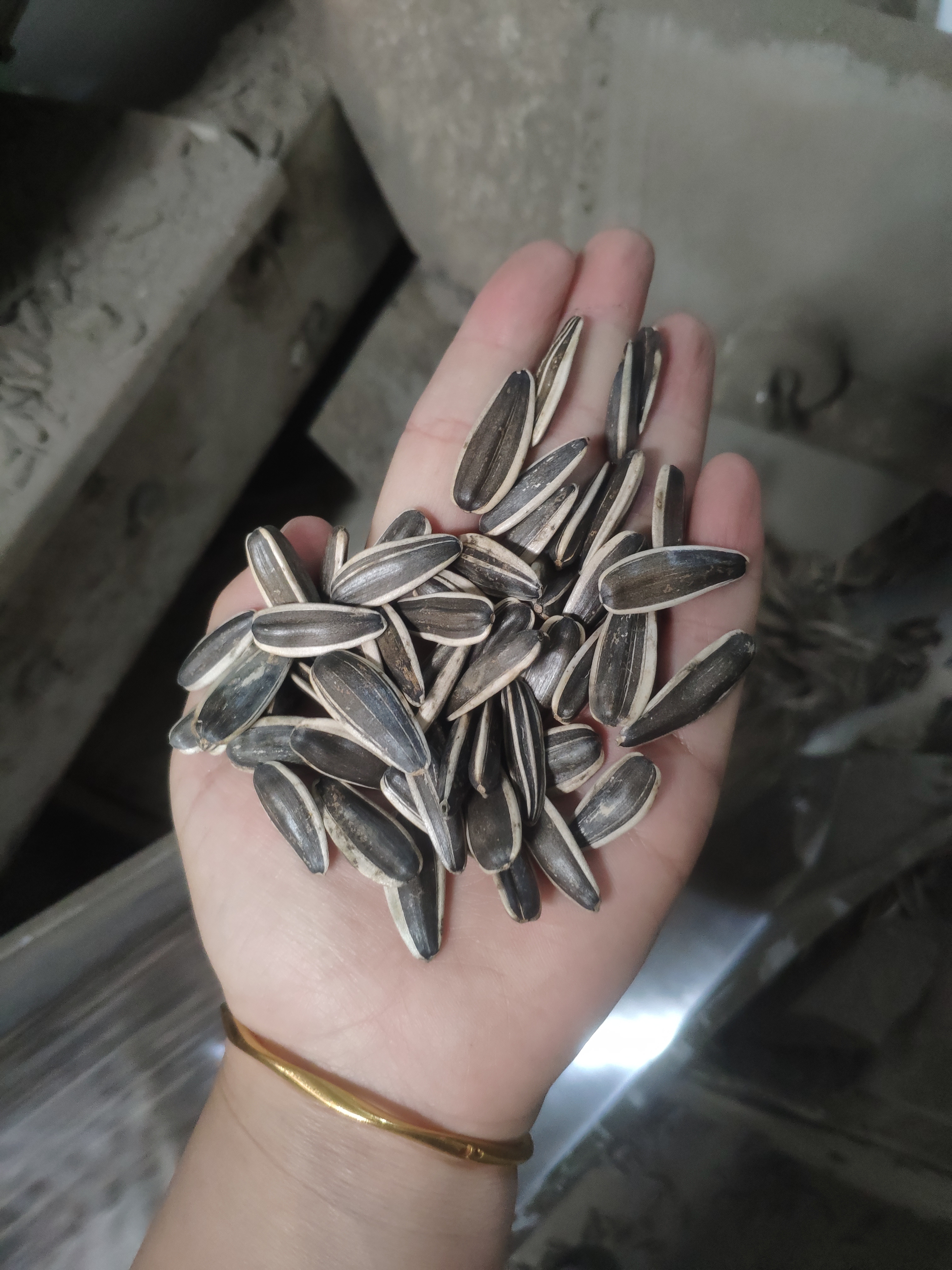
Sunflower seeds T6 — published count bands run from 170–180 up to 200–210 pcs per 50 g.
Quality parameters that stay consistent between lots
The parameters a long-term agreement should lock are stated plainly in the product specification:
- Moisture: 9–10%
- Impurity: under 0.5%
- Erosion seeds: under 0.5%
- Mildew seeds: under 1%
- Specification: raw
- Intended use: human consumption
These numbers are what turn a shipment into a repeat order. Moisture held at 9–10% supports stable roasting and limits mould development in transit. Mildew seeds under 1% and erosion seeds under 0.5% protect the buyer's yield and its food-safety position. Impurity under 0.5% reduces the load on the buyer's own cleaning and sorting line. For these programs the published quality-control position is 100% testing, and the published application data for this grade family lists sorting and packing equipment alongside a special requirement for impurity control.
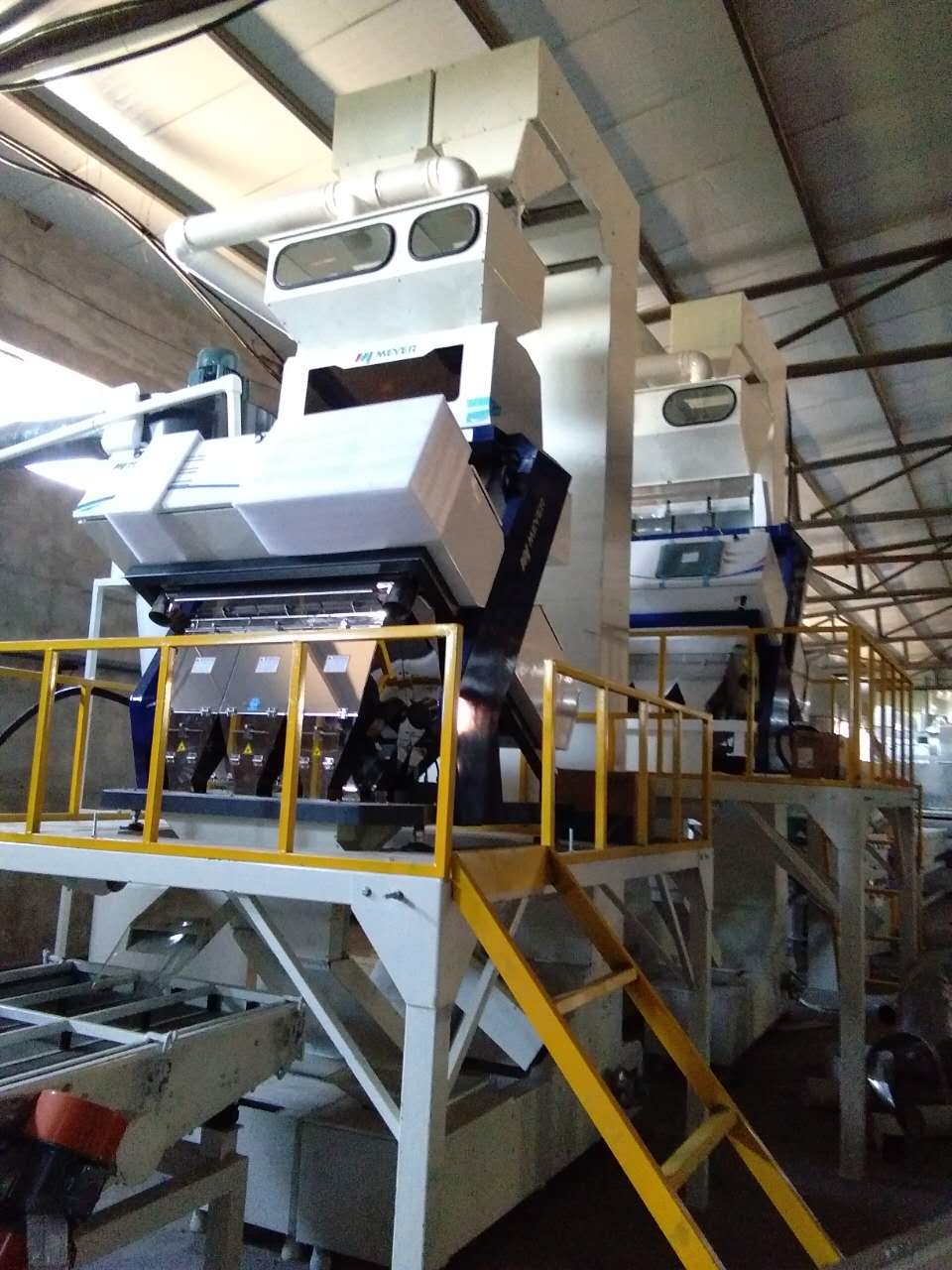
Impurity control is a stated application requirement; sorting equipment sits behind the under-0.5% impurity figure.
Packaging, origin, crop year and storage
Bulk orders are packed in 20/25 kg plastic or paper bags, which standardises handling and weight reconciliation at the receiving warehouse and keeps the material suitable for automated feeding. For OEM buyers, the bag can be printed with the customer's logo — the practical basis of most private-label snack programs. Origin is documented as Xinjiang and Inner Mongolia, the crop year as 2026, and the storage instruction as a cool place, consistent with the published application condition of a cool, dry indoor warehouse at normal temperature and low humidity.
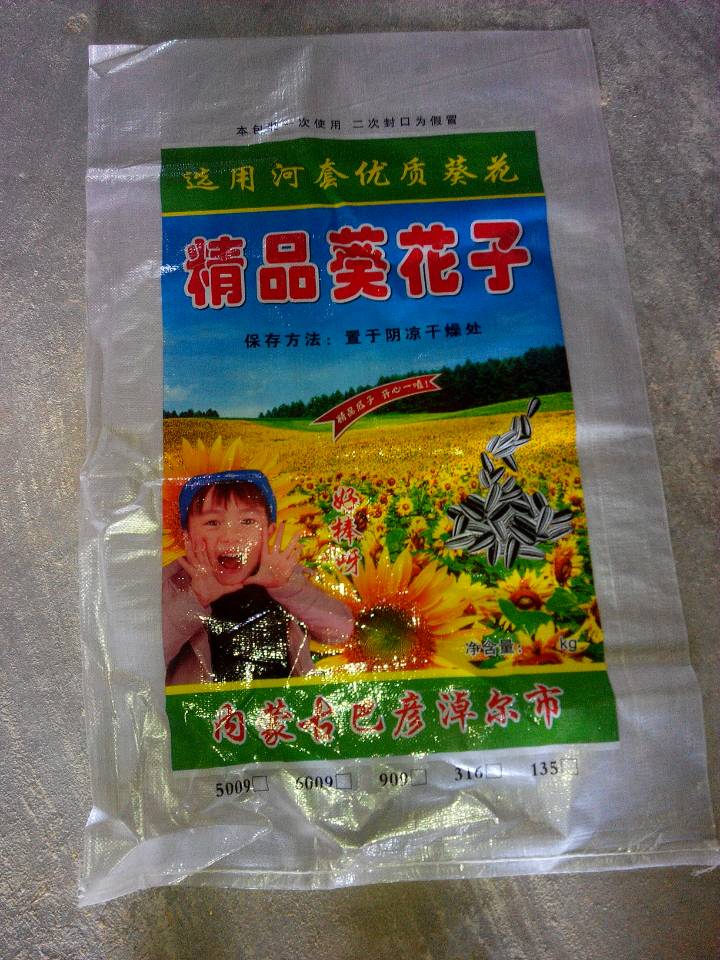
Bulk orders ship in 20/25 kg plastic or paper bags; OEM bags can carry the buyer's own logo.
Commercial and after-sales terms
Chengtai publishes the commercial frame that long-term buyers usually need before internal approval:
- Monthly capacity: 2,500 mt
- Annual output: 30,000 mt
- Minimum order quantity: 5 mt
- Lead time: 10–15 days
- Production mode: OEM/ODM
- Quality control: 100% test
- After-sales: if seeds have any problem, a refund can be applied
- Export markets: EU, Middle East, Middle Asia, Vietnam, Africa
A documented case shows the scale this supports in practice: 30,000 metric tons supplied over a two-year program for wholesale and roasting applications to food-industry clients including processors and distributors.
From First Enquiry to Repeat Order: A Step-by-Step Breakdown
- Fix the grade and the count band. Choose 361 or T6, then agree a single count band within the published 170–300 pcs per 50 g range — for example a 180–190 band on 361 or a 190–200 band on T6. The band, not the grade name, is what your roaster feels.
- Write origin, crop year and quality parameters into the specification. Xinjiang and Inner Mongolia origin, 2026 crop year, moisture 9–10%, impurity under 0.5%, erosion seeds under 0.5%, mildew seeds under 1%, raw specification, human consumption.
- Validate a sample against your own process. Test moisture, impurity, erosion seeds, mildew seeds, count per 50 g, colour and taste before the first bulk order, not after.
- Set the order quantity. The published minimum order quantity is 5 mt, which is small enough for a validation run and large enough to test logistics; monthly capacity of 2,500 mt supports later container-scale scheduling.
- Confirm packaging and branding. 20/25 kg plastic or paper bags as standard, with OEM logo printing on the bag where a private label is required.
- Production and 100% testing. Plan against the published 10–15 day lead time, with 100% testing as the stated quality-control position.
- Shipment and documentation. Programs run to the EU, Middle East, Middle Asia, Vietnam and Africa, with the Middle East, Africa and Europe published as common destination regions for this application.
- Storage on arrival and after-sales follow-up. Receive and store in a cool place with low humidity, and hold the agreed parameters as the reference for any claim — the published after-sales position is a refund if the seeds have any problem.
Use Cases: Where 361 and T6 Fit
Snack manufacturing is the primary fit. The published application for these grades describes batch processing with manual and mechanical feeding inside food-production processing projects, where the seed acts as raw material for snacks, baked goods and confectionery, with impurity control as a special requirement. That profile matches roasted salted lines, coated nut and seed mixes, and industrial seasoning lines that buy raw seed and finish it in-house.
Wholesale and roasting distributors are the second fit. A documented two-year program moved 30,000 metric tons for exactly these wholesale and roasting applications, supplying food-industry clients including processors and distributors — the pattern most importers recognise when they move from spot buying to an annual schedule.
Bakery and confectionery buyers on the kernel side follow the same quality envelope, with sunflower seed kernels supplied raw, white in colour, with a sweet and natural taste, moisture of 9–10%, the same impurity, erosion and mildew limits, and vacuum bag with carton packaging available alongside the standard 20/25 kg format.
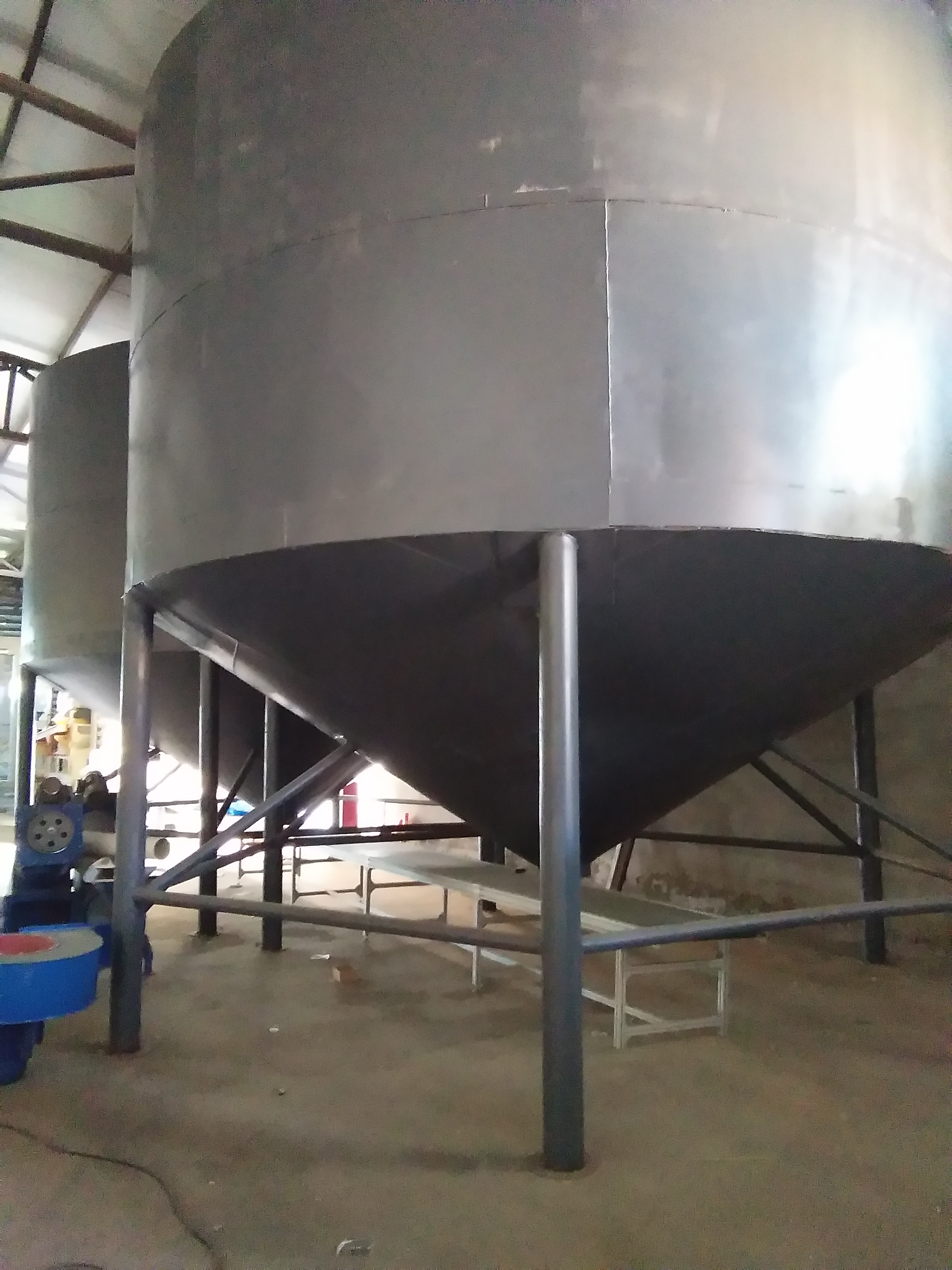
Storage guidance is a cool place; the published application condition is a cool, dry, low-humidity warehouse.
361 vs T6: Specification Comparison for Bulk Buyers
The two grades share a quality envelope and differ mainly in appearance and in the count bands published for each line. Buyers should compare them on the rows that affect their own production, not on the grade name.
| Attribute | Sunflower seeds 361 | Sunflower seeds T6 |
|---|---|---|
| Specification | Raw | Raw |
| Published grading range | 170–300 pcs per 50 g | 170–300 pcs per 50 g |
| Published count bands | 150–160, 160–170, 170–180, 180–190 pcs per 50 g | 170–180, 180–190, 190–200, 200–210 pcs per 50 g |
| Appearance | Black / black-and-white striped line | Black |
| Taste | Sweet and natural | Sweet and natural |
| Moisture | 9–10% | 9–10% |
| Impurity | Under 0.5% | Under 0.5% |
| Erosion seeds | Under 0.5% | Under 0.5% |
| Mildew seeds | Under 1% | Under 1% |
| Crop year | 2026 | 2026 |
| Origin | Xinjiang and Inner Mongolia | Xinjiang and Inner Mongolia |
| Packaging | 20/25 kg plastic or paper bag | 20/25 kg plastic or paper bag |
| Storage | Cool place | Cool place |
| Intended use | Human consumption | Human consumption |
| Published application | Manufacturing, roasting | Manufacturing, roasting, shop |
Note on scope: this comparison covers the two grades in this FAQ. The same supplier also lists sunflower seeds 363, 601 and T5, and sunflower seed kernels, under a comparable raw, human-consumption specification — useful when a program needs a second grade from the same origin and quality envelope.
Partnership FAQ: Long-Term Supply, Warranty and Snack-Line Fit
What quality parameters does a long-term Chengtai supply agreement cover?
The published specification for 361 and T6 sunflower seeds fixes moisture at 9–10%, impurity below 0.5%, erosion seeds below 0.5% and mildew seeds below 1%, with a raw specification and human-consumption intended use. Origin is documented as Xinjiang and Inner Mongolia, the crop year as 2026, packaging as 20/25 kg plastic or paper bags, and storage as a cool place. Third-party market information published by CBI (Netherlands Ministry of Foreign Affairs) lists Inner Mongolia Chengtai Food Co., Ltd. as supplying black sunflower seeds and kernels under ISO 9001 and Halal certification. Buyers exporting into the EU should also plan for HACCP-based requirements and monitoring of pesticide residues and metal contaminants, and for the 209 new MRLs for 93 pesticides in food that China notified to the WTO in late 2025.
Which grade should a roasted salted sunflower seed snack line choose?
For a roasted salted snack line, both 361 and T6 are supplied as raw, human-consumption grades that the buyer roasts and salts in-house, and both are published for use in snack manufacturing, where the seed serves as raw material for snacks, baked goods and confectionery. T6 is published under snack food, food grade and confectionery grade variants with count bands from 170–180 up to 200–210 pcs per 50 g, which suits lines that prioritise larger, more uniform kernels. 361 is published in the black-and-white striped line with bands from 150–160 up to 180–190 pcs per 50 g, for buyers who want the striped appearance visible in the pack. Both share one quality envelope — moisture 9–10%, impurity under 0.5%, erosion seeds under 0.5%, mildew seeds under 1% — and both are available from a 5 mt minimum order, at 2,500 mt monthly capacity, with a 10–15 day lead time.
Can the packaging carry our own brand, and how is production structured?
Yes. These programs run on an OEM/ODM basis, and the published customization is bag printing with the customer's logo. Standard packaging is 20/25 kg plastic or paper bags, so a private-label program can start from the same handling format as a bulk commodity order and change only the printed bag. Production is organised as batch processing with manual and mechanical feeding, and the stated quality-control position is 100% testing.
What is the minimum order quantity for bulk sunflower seeds?
The published minimum order quantity is 5 mt. That is small enough for a first validation shipment and large enough to test real freight, handling and receiving conditions. Because monthly capacity is 2,500 mt and annual output is 30,000 mt, the same specification can then scale to recurring container programs without renegotiating the grade. Commercial terms depend on the grade, the agreed count band, the packaging format and the destination, so the practical step is to request a quotation against a fully defined specification rather than a grade name alone.
How do we validate 361 or T6 before signing a long-term agreement?
Request a sample and test it against the written specification: moisture, impurity, erosion seeds, mildew seeds, count per 50 g, colour and taste. Because the 2026 crop year and the Xinjiang and Inner Mongolia origin are part of the published specification, the sample should carry the same crop year and origin as the production lots. Production then runs under the stated 100% testing position, and the published after-sales term — a refund if the seeds have any problem — gives a defined remedy if a delivered lot falls outside the agreed parameters.
What lead time, volume and warranty terms apply to long-term supply?
Lead time is 10–15 days, monthly capacity is 2,500 mt, and annual output is 30,000 mt, so a recurring schedule can be planned against a fixed count band instead of spot allocation. The published after-sales term is a refund where the seeds have a quality problem, and a documented two-year program of 30,000 metric tons for wholesale and roasting applications shows how those terms work at scale for processors and distributors. To move from evaluation to a first shipment, request the current 2026 specification sheet and a sample of 361 or T6 — or download the company profile (PDF).
Conclusion: What a Reliable Sunflower Seed Partnership Looks Like
A partnership-grade sunflower seed supplier is identified less by its product photos than by the number of questions it can answer in writing. For Inner Mongolia Chengtai Food Co., Ltd., those answers are specific: 361 and T6 at 170–300 pcs per 50 g with published count bands inside that range, moisture 9–10%, impurity and erosion seeds under 0.5%, mildew seeds under 1%, 2026 crop year, Xinjiang and Inner Mongolia origin, 20/25 kg plastic or paper bags with optional logo printing, cool-place storage, a 5 mt minimum order, 2,500 mt monthly capacity, a 10–15 day lead time, 100% testing, and a refund term if the seeds have a quality problem.
Set against a market where global sunflower seed production is estimated at 55.05 million metric tons for 2025/2026 and non-oilseed planted area was forecast to fall 8% in 2025, the value of that written clarity is straightforward: it lets a buyer lock a specification, a count band and an allocation at the research and evaluation stage, instead of discovering the gaps after the third container.
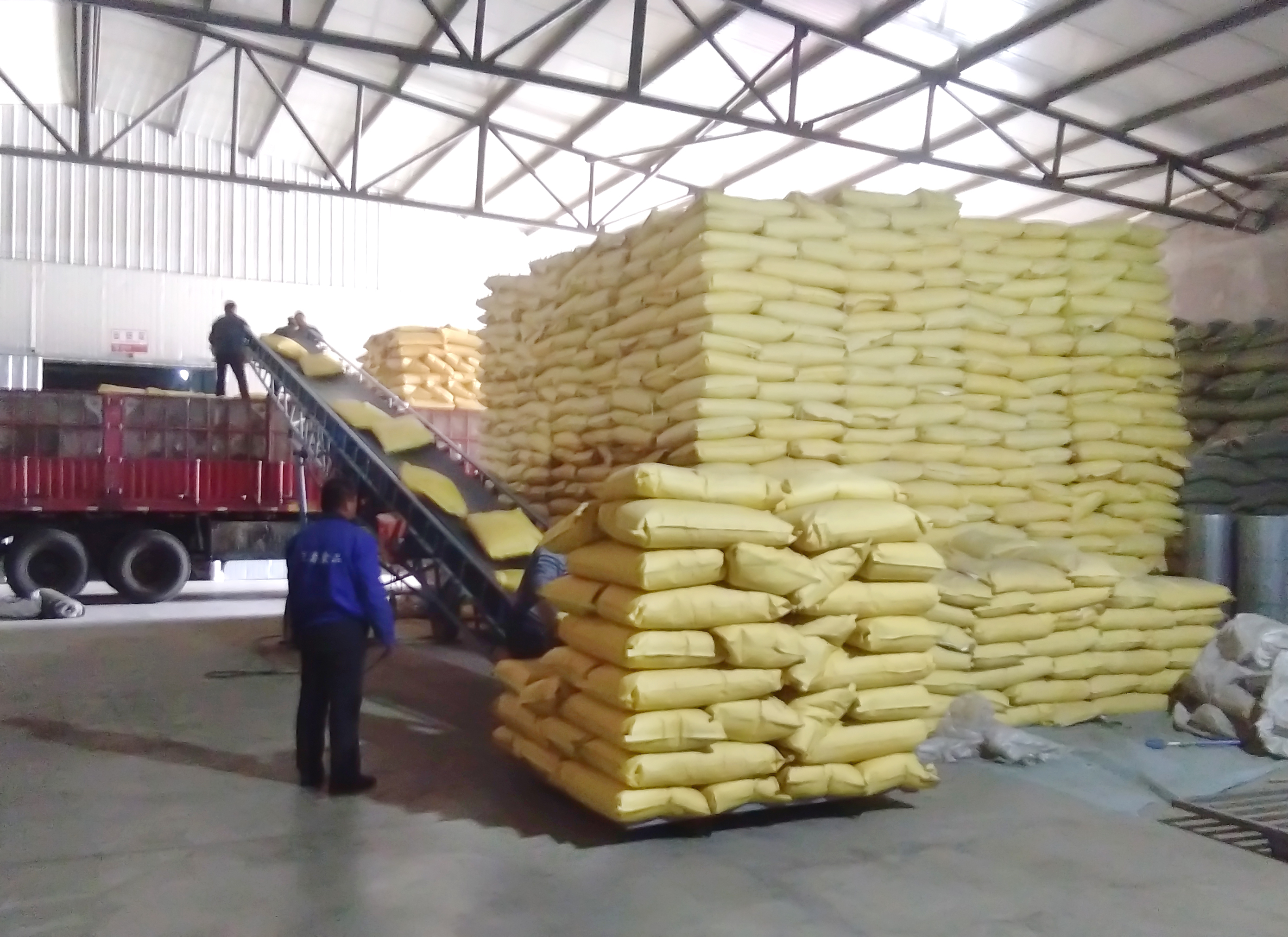
Bulk programs ship to the EU, Middle East, Middle Asia, Vietnam and Africa from Inner Mongolia.
Next step: request the 2026 spec sheet and a 361 or T6 sample
Inner Mongolia Chengtai Food Co., Ltd.
Website: www.ctsunfood.com
Email: 2637856485@qq.com / ctsunfood@163.com
Tel / WhatsApp: +86 18347278337
Address: Mengxiu Industry Zone, Xamba Town, Hanggin Rear Banner, Bayannur City, Inner Mongolia, China
Download the Company Profile (PDF) for the full product list, or send your target grade, count band, packaging format and destination for a quotation.