Technical Specs for T6 vs 361 Black Sunflower Seeds: Moisture and Sizing Guide
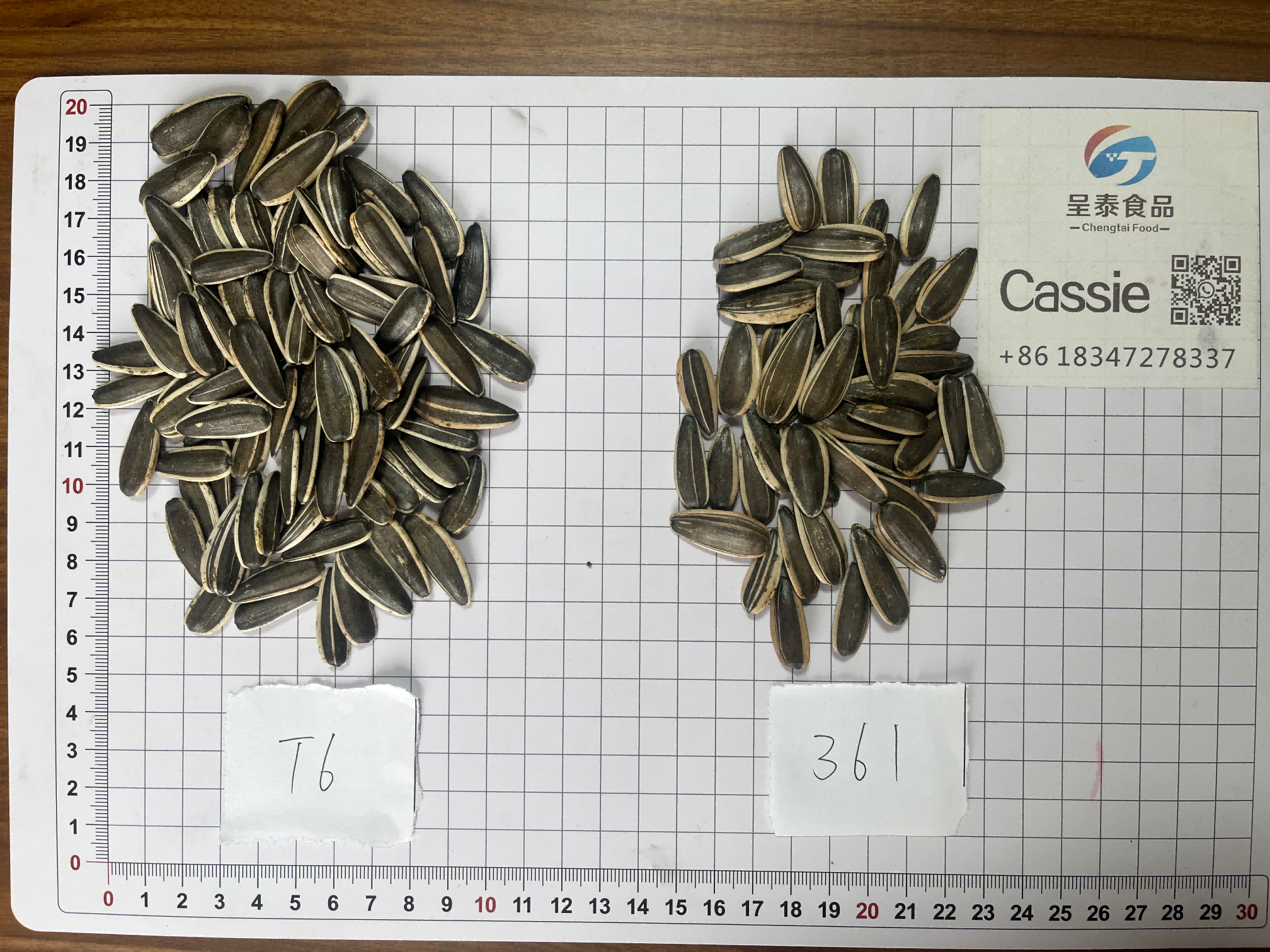
T6 and 361 black sunflower seeds are bought against the same parameter sheet and then behave differently on the same roasting line. Both are quoted on a moisture ceiling of 10.0%, a size calibration expressed in pieces per 50 g, and defect ceilings for erosion, impurity and mildew. The difference is written into the seed itself: 361 is round, black-and-white striped and thinner-shelled, while T6 is longer, darker in colour and slightly harder in the shell.
This guide is written for buyers, roasting-line managers and snack manufacturers who have already chosen their type and now need to put the numbers into a purchase order. It sets out the published values, explains what each parameter does to roasting and manufacturing outcomes, and shows how the same specification is held stable across a long-term bulk supply programme.
Why the Specification Sheet, Not the Sample Photo, Decides the Roast
Sourcing failures with black sunflower seeds rarely come from choosing the wrong type. They come from a purchase order that names the goods "black sunflower seeds" and leaves the measurable parameters unstated. Two lots can look identical in a photograph — black, plump, uniform — and behave differently the moment they enter a roasting drum or a dehulling line, because moisture, size calibration and defect load were never written down.
Four parameters carry most of the risk on a T6 or 361 order:
- Moisture, which decides how much water the roaster has to drive out of the seed and how the lot behaves during storage.
- Size, expressed as pieces per 50 g, which decides grading, roast-bed airflow, pack fill and the visual uniformity of the finished product.
- Defect ceilings — erosion, impurity and mildew — which decide how much of the lot survives the buyer's own incoming inspection.
- Colour and shell behaviour, which decide whether the seed can be sold as a black confectionery-type product at all.
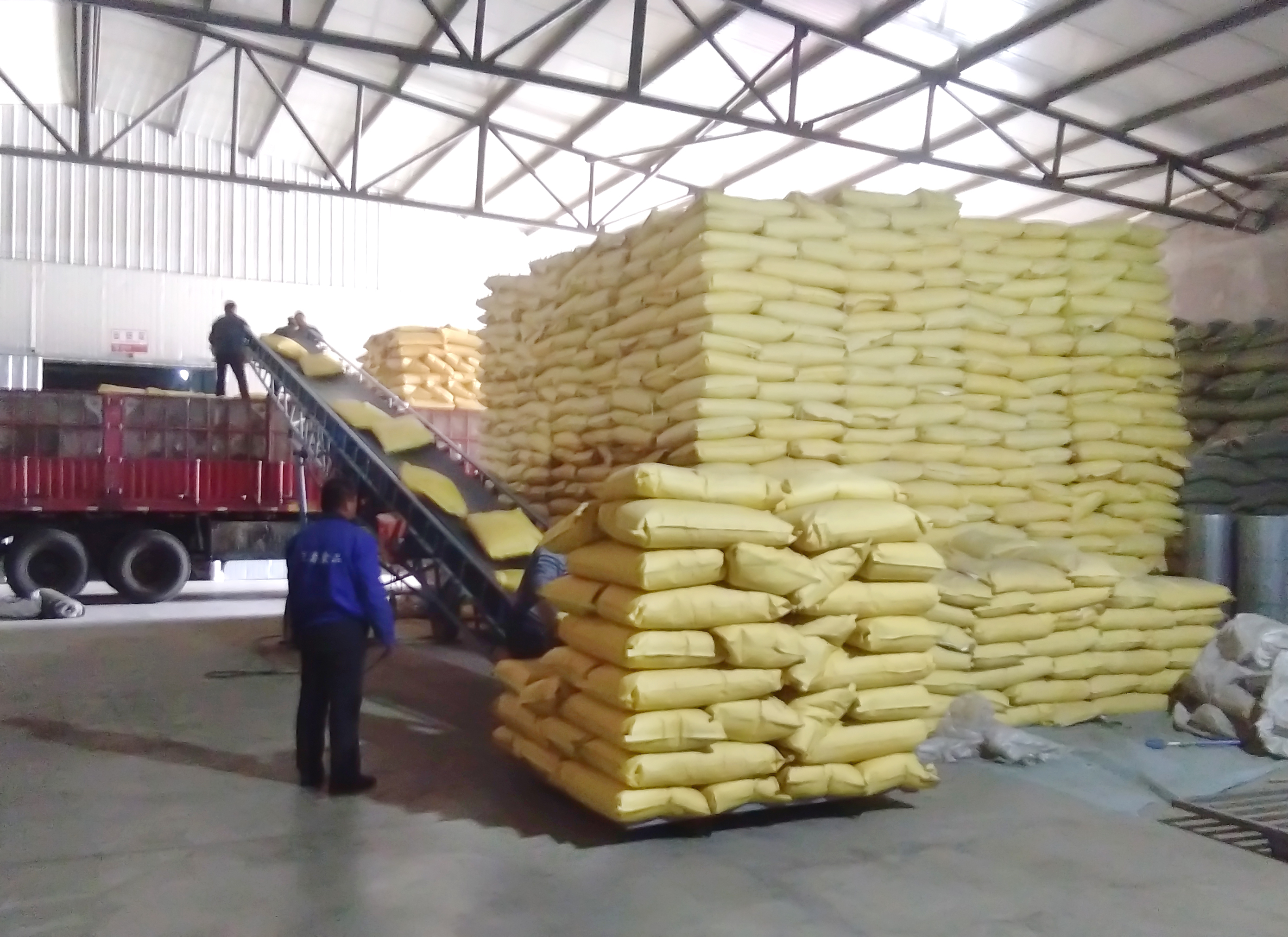
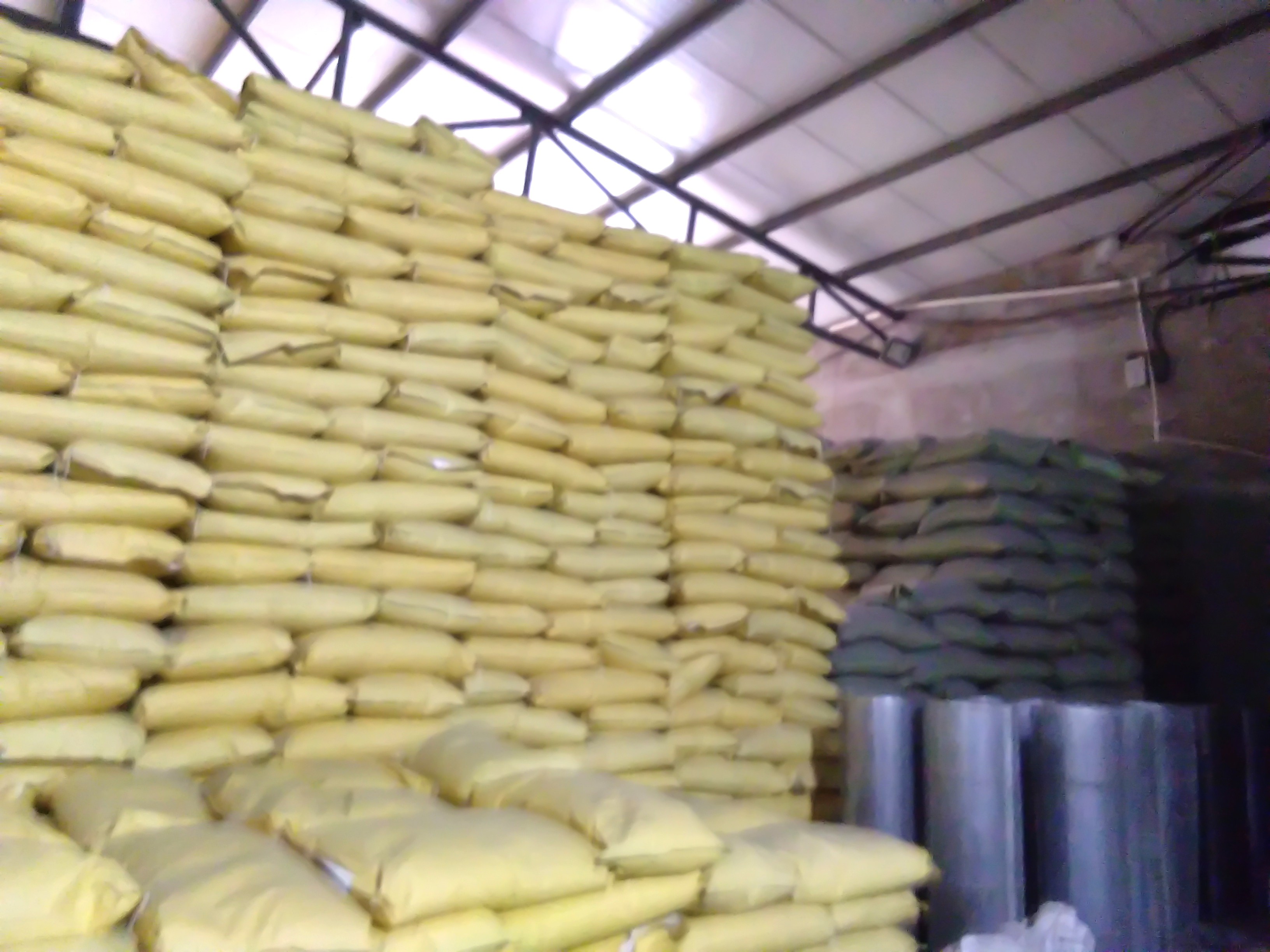
Two further items, packaging and storage, determine whether the numbers still hold when the container is opened weeks later. A 20/25 kg plastic or paper bag stored in a cool place is the standard format for this product, and it is also the format in which the specification is normally tested. The product is intended for human consumption and is positioned for the manufacturing and roasted shop industry.
Seen from the supply side, the same point appears as a comparison. Chengtai's sunflower seed specification is described against conventional ordinary grade sunflower seed as offering higher kernel purity, fewer broken and mildewed seeds, larger size and no stone. Those four outcomes are not advertising language — they are the commercial result of the numeric ceilings set out further below.
Industry Background: Where Black Sunflower Seed Specifications Come From
Inner Mongolia accounts for more than 60% of China's sunflower cultivation area (People's Daily Online, 2024). The region's sunflower seed exports reached approximately 463,400 tons in 2025, valued at US$748 million (Beauty Food Industry Report), against a national export value of USD 937M in 2025, with Iraq (USD 131M) and Russia (USD 101M) among the largest destinations (OEC).
On the production side, global sunflower seed output is estimated at 55.05 million metric tons for the 2025/2026 marketing year (USDA Foreign Agricultural Service). The commercial centre of that volume is the roast: roasted sunflower seeds accounted for 65.9% of global packaged sunflower seed industry revenue in 2024, and Europe was the largest packaged market with a 29.6% revenue share in the same year (Grand View Research). The parameters that control roasting behaviour therefore control most of the value in the chain.
Regulation is moving in the same direction. China's draft quality standard for nut and seed food, which replaces GB/T 22165-2008, provides updated definitions and technical requirements for roasted seeds (USDA FAS). In late 2025, China notified 209 new Maximum Residue Limits for 93 pesticides in food to the WTO under G/SPS/N/CHN/1355 (USDA FAS). For EU-bound shipments, buyers are expected to follow HACCP principles and to monitor pesticide residues and metal contaminants closely (CBI). None of these instruments replaces a contract specification, but all of them assume that moisture, size and defect content are measured rather than estimated.
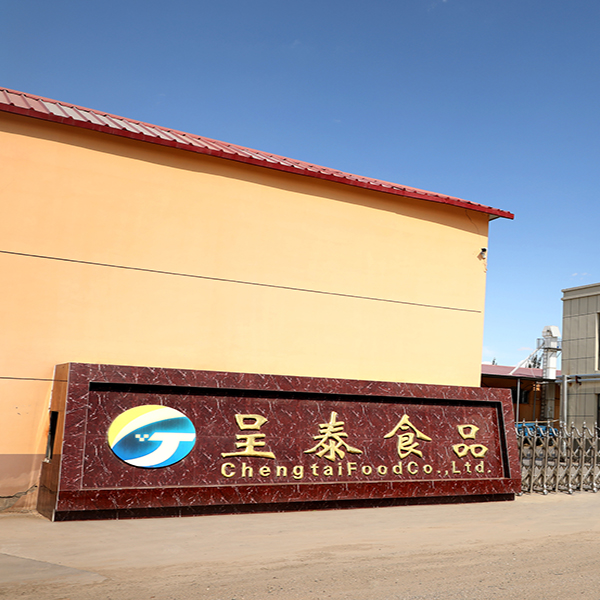
Inner Mongolia Chengtai Food Co., Ltd. (www.ctsunfood.com) is a seed processor and exporter founded in 2013, located in the Mengxiu Industry Zone, Xamba Town, Hanggin Rear Banner, Bayannur City, Inner Mongolia, China. Its main products are sunflower seeds, pumpkin seeds and kernels, with roughly 80% of output going to export markets in the Middle East, Middle Asia and Europe. That position on the Hetao Plain — the same production belt that supplies China's confectionery-grade seed — is why the specification discussion usually starts with origin and ends with measurable ceilings.
The Published Parameter Set Behind T6 and 361 Black Sunflower Seeds
This is the technical core of the guide: what each parameter means, what value the specification carries, and where it changes the outcome downstream.
1. Moisture ceiling: 10.0%
The published seed specification sets moisture at a ceiling of 10.0% or below. Moisture is the parameter most directly linked to storage risk: a lot above the ceiling is more exposed to mould development during transit and in the warehouse, which is also the point at which the mildew ceiling begins to move. On the roasting line, moisture determines how much water must leave the seed. Lots delivered at different moisture levels need different roast profiles, and a single setting applied to a mixed-moisture batch typically produces uneven colour, uneven crispness and higher breakage.
Two operational details belong with the number. First, storage is standard cold and dry storage with no special handling required, and the product should be kept in a cool place in its 20/25 kg plastic or paper bags. Second, the test point has to be agreed: acceptance can be based on a pre-shipment test or on a test after the seeds are received, and a moisture ceiling without an agreed test point is difficult to enforce.
2. Sizing: what pieces per 50 g actually controls
Size for these types is quoted as pieces per 50 g, and the logic is inverse: the lower the piece count, the larger the individual seed. The published size range for the whole sunflower seed specification is 170 to 300 pieces per 50 g. In the type comparison notes, 361 is recorded with a largest calibration of 150 to 160 pieces per 50 g, while T6 is described primarily by its long shape, darker colour and harder shell rather than by a fixed piece count — so the T6 calibration is agreed per contract.
The calibration matters for four practical reasons:
- Grading and screens. A piece count is effectively a screen result. If a buyer's screens were set for 180 pieces per 50 g, a lot delivered at 240 behaves as a different product on the line.
- Roast-bed behaviour. Smaller seeds pack more densely, which changes airflow and the way heat reaches the centre of the kernel.
- Pack fill and retail appearance. Large-calibration seed is normally used where the seed is visible in the pack and carries the price point.
- Processing yield. Size uniformity inside a lot reduces the spread of roast times and the amount of over-roasted and under-roasted material at the end of the line.
3. Erosion, impurity and mildew: the defect ceilings
The published ceilings are: impurity ≤0.2%, erosion seeds ≤1.0%, mildew seeds ≤1.0%, decolorizing seeds ≤1.5%, short seeds ≤2.0% and wizened seeds ≤6.0%, with moisture at ≤10.0%.
- Impurity covers foreign matter in the lot. The specification is also described as containing no stone, which matters for equipment protection as much as for food safety.
- Erosion seeds are the visibly damaged fraction of the lot — the seeds most likely to break further during handling and roasting.
- Mildew seeds are the mould-affected fraction, and this ceiling is the one that decides acceptance after a long sea voyage.
- Decolorizing seeds are seeds whose black colour has faded or broken down. This is the ceiling that protects the black appearance a retail buyer has paid for.
- Short and wizened seeds cover undersized and shrunken kernels; both reduce visual uniformity and kernel recovery.
Two practical notes. These are maximum values rather than targets, so a buyer who needs tighter limits can contract them — but the test method and sampling plan must be agreed at the same time, otherwise the limit cannot be enforced. The ceilings also interact: a lot that arrives with elevated moisture will often show a rising mildew count after storage even if it passed at loading.
4. Kernel and shell composition: why T6 and 361 behave differently
The shell is the part of the seed a roaster cannot see and the part that changes the result most. In the type comparison notes, 361 is described as having a thin shell, while T6 is described as having a shell that is harder. Thin shells dehull more easily and transfer heat more quickly, which is one reason 361 is positioned for flavour programmes; a harder shell protects the kernel better in bulk handling and requires more work at dehulling.
Composition also explains the size discussion. Because size is quoted as pieces per 50 g, the number is really a statement about average seed weight — and therefore about the shell-to-kernel relationship in the lot. Two lots with the same piece count can still differ in kernel recovery if their short and wizened fractions differ, which is why the size calibration and the defect ceilings have to be read together rather than separately. Chengtai's range covers sunflower seeds and sunflower seed kernels, so a buyer can move between whole seed and kernel depending on whether the finished product is a snack pack or a kernel-based ingredient.
5. Black colour as a controlled parameter
For black sunflower seeds, colour is not a preference — it is a specification. 361 is described as round with black-and-white striping, not totally black and showing a little yellow; T6 is described as more black than 361, with a long shape. That difference decides which type fits a pack that must read as black on the shelf, and it is measured through the decolorizing seed ceiling of ≤1.5%. Third-party market information lists Inner Mongolia Chengtai Food Co., Ltd. among suppliers of black sunflower seeds and kernels to the international market certified under ISO 9001 and Halal (CBI, market information on sunflower seeds) — the compliance layer a buyer should verify alongside the physical specification.
Step-by-Step: Validating T6 and 361 Specifications Before a Container Is Loaded
- Choose the type against the finished product, not the price list. 361 is round, striped, thin-shelled and suited to salted flavour programmes; T6 is long, darker, harder-shelled and usually traded as raw material. This decision fixes colour, shape and shell behaviour, which no later parameter can change.
- Write the moisture ceiling and the test point into the contract. The published ceiling is ≤10.0%. Decide whether acceptance is based on a pre-shipment test or on a test after the seeds are received — both are standard, and choosing one in advance prevents disputes at destination.
- Translate "size" into a piece count. Ask for pieces per 50 g and confirm the screen range. The published range for the whole seed specification is 170 to 300 pieces per 50 g, and the 361 calibration recorded in the type notes reaches 150 to 160 pieces per 50 g at the largest end.
- List the defect ceilings as numbers. Impurity ≤0.2%, erosion ≤1.0%, mildew ≤1.0%, decolorizing ≤1.5%, short ≤2.0%, wizened ≤6.0%. Adjectives such as "clean" cannot be tested; these values can.
- Fix packaging and storage at the same time. 20/25 kg plastic or paper bags, kept in a cool place, with standard cold and dry storage rather than special handling.
- Agree the commercial frame. MOQ 5 mts, delivery on FOB, CNF or CIF terms, payment at 30/70 or 100%, and acceptance criteria of a pre-shipment test or a test after the seeds are received.
- Run a trial roast on the sample before the container. Moisture and size only prove themselves in a roast profile: a sample roast shows how long the lot needs, how it colours, and how much breakage it produces.
- Lock the parameters into a repeatable document. The same sheet, the same test points and the same ceilings are what allow a second and third container to behave like the first.
Use Cases: Matching T6 and 361 Specs to the End Product
- Salted roasted snack lines. The round shape, thin shell and salted-flavour fit of 361 make it the natural choice where seasoning carries the product.
- Raw material supply and further processing. The long shape, darker colour and harder shell of T6 position it as a raw material that is processed downstream rather than sold as a finished snack.
- Retail packs with a black-colour promise. Here the decolorizing ceiling of ≤1.5% and the choice between striped 361 and darker T6 decide whether the pack matches the artwork.
- Confectionery and bakery ingredient programmes. Confectionery grade sunflower seed production in China focuses on larger kernel sizes, primarily grown in the saline-alkali fields of Bayannur (China Daily) — the same production area that Bayannur-based processing draws on. Snack processing, confectionery and retail finished products are the applications this specification is described as best suited to.
- Bulk container programmes. For repeat container loads, the specification matters more than the first price: a lot that arrives inside its ceilings avoids re-grading, re-roasting and claim handling.
Comparison Table: T6 vs 361 Black Sunflower Seeds at a Glance
| Attribute | 361 sunflower seed | T6 sunflower seed |
|---|---|---|
| Seed shape | Round | Long |
| Husk colour | Black-and-white striped; not totally black, showing a little yellow | More black than 361 |
| Shell | Thin | A little harder |
| Flavour programme | Suits salted flavour | Usually supplied as raw material |
| Size calibration | Largest calibration recorded in the type comparison notes: 150–160 pieces per 50 g | Agreed per contract; sizing expressed in pieces per 50 g |
| Selected when | A thinner shell, round shape and salted flavour profile are the priority | A darker black colour, longer shape and tougher shell are the priority |
| Specification parameter | Published value | What it protects |
|---|---|---|
| Moisture | ≤10.0% | Storage stability and roast consistency |
| Impurity | ≤0.2% | Food safety and equipment protection (no stone) |
| Erosion seeds | ≤1.0% | Visible damage in the finished pack |
| Mildew seeds | ≤1.0% | Acceptance after sea transit |
| Decolorizing seeds | ≤1.5% | The black colour promise |
| Short seeds | ≤2.0% | Size uniformity |
| Wizened seeds | ≤6.0% | Kernel recovery |
| Size range | 170–300 pieces per 50 g (whole seed specification) | Grading, roast bed and pack fill |
Frequently Asked Questions
What moisture content should T6 or 361 black sunflower seeds be at delivery?
The published seed specification sets the moisture ceiling at ≤10.0%. Moisture is verified either by a pre-shipment test or by a test after the seeds are received, so the contract should state which of the two applies before the container is loaded. Keeping the lot at or below the ceiling supports standard cold, dry storage in a cool place with no special handling, and it keeps the seed inside the moisture band the roasting line was set up for.
How is the size of black sunflower seeds measured, and how large can T6 and 361 be?
Size is measured as pieces per 50 g: the lower the number, the larger the individual seed. The published size range for the whole sunflower seed specification is 170 to 300 pieces per 50 g, and the type comparison notes record a largest calibration of 150 to 160 pieces per 50 g for 361. For T6, sizing is confirmed per contract within the agreed calibration, because the published type notes describe T6 mainly by its long shape, darker black colour, harder shell and raw-material position rather than by a fixed piece count.
What are the quality thresholds for erosion, impurity and mildew?
The published specification ceilings are: moisture ≤10.0%, impurity ≤0.2%, erosion seeds ≤1.0%, mildew seeds ≤1.0%, decolorizing seeds ≤1.5%, short seeds ≤2.0% and wizened seeds ≤6.0%. These are maximum values rather than targets, and a buyer can contract tighter internal limits. Against conventional ordinary grade sunflower seed, the specification is described as delivering higher kernel purity, fewer broken and mildewed seeds, larger size and no stone.
What are the minimum order quantity, delivery terms and payment terms for bulk T6 or 361?
The purchasing terms are MOQ 5 mts, delivery on FOB, CNF or CIF terms, and payment at 30/70 or 100%. Acceptance criteria are a pre-shipment test or a test after the seeds are received. Packaging is a 20/25 kg plastic or paper bag, and the product should be stored in a cool place.
How do you keep the same specification over a long-term supply programme?
Consistency comes from agreeing the same written parameters each season: moisture ≤10.0%, an agreed calibration in pieces per 50 g, the defect ceilings and the packaging format. Chengtai's 2026 crop year sunflower seeds originate from Xinjiang and Inner Mongolia and are packed in 20/25 kg plastic or paper bags. The company has built long-term business relationships with clients in China, the Middle East, Middle Asia, Egypt, Dubai, the United States, Austria and European countries, and meets buyers at exhibitions such as Gulfood in Dubai, the Uzbekistan Exhibition, Tuyap in Turkey, Anuga in Germany and Sial in France. Buyers who want to validate a specification before committing to a full container can request a sample or a quotation at ctsunfood@163.com or on WhatsApp +86 18347278337.
Conclusion: Holding the Same Specification Across a Long-Term Supply Programme
T6 and 361 are not interchangeable lines on a specification sheet; they are two types with different shapes, colours, shell behaviour and trade positions. What travels with both is the same measurable frame: moisture ≤10.0%, sizing in pieces per 50 g, and defect ceilings for erosion (≤1.0%), impurity (≤0.2%) and mildew (≤1.0%), supported by decolorizing (≤1.5%), short (≤2.0%) and wizened (≤6.0%) limits. Written into the contract, with the test point fixed and the packaging and storage conditions agreed, those numbers turn a single successful container into a repeatable supply programme.
Next step: if you are specifying T6 or 361 black sunflower seeds for a roasting or manufacturing programme, validate the parameters before the container is fixed. Request a sample or a quotation at ctsunfood@163.com or WhatsApp +86 18347278337.
Download the full product and supply overview here: Company profile (PDF).